
Choosing the right home charger for your Rivian R1S matters because it affects charge time, installation cost, connector fit, and day-to-day convenience. A strong Level 2 charger can make overnight charging easy, while a portable cord can help as a backup when you travel or park away from your main garage.
This guide compares smart, hardwired, plug-in, and portable EV chargers so you can match the charger to your R1S model year, outlet setup, budget, and driving habits.
Reader note: This roundup is reader-supported. When you click through Amazon links, we may earn a referral commission on qualifying purchases at no extra cost to you.
Quick Verdict
If you want the best all-around home setup, ChargePoint HomeFlex is the safest first pick because it combines strong Level 2 charging with smart scheduling and a polished app. If you want maximum home charging power from a hardwired unit, Emporia 48A is the better high-output choice. If you want plug-in flexibility, EVIQO 40A, ELEGRP 40A, and Apex Mach 3 are easier to move than hardwired stations.
- Best primary home chargers: ChargePoint HomeFlex, Emporia 48A, EVIQO 40A
- Best portable Level 2 options: ELEGRP 40A, AIMILER 32A, Apex Mach 3
- Best backup or travel options: Lectron 120V, EVDANCE Dual, Raylix Portable, bokman 16A
Top Picks
|
Category |
Product |
Best For |
Score |
|---|---|---|---|
|
🏆 Best Overall |
Smart hardwired home charging |
92/100 |
|
|
🔌 Best Plug-In Smart |
NEMA 14-50 smart charging |
90/100 |
|
|
🚀 Best High Power |
Permanent high-output install |
89/100 |
|
|
💰 Best Budget Portable |
Portable Level 2 value |
82/100 |
|
|
🔋 Best Level 1 |
Emergency and light top-ups |
70/100 |
|
|
🧳 Best Dual-Voltage Portable |
120V and 240V flexibility |
75/100 |
|
|
🎛 Best Built-In Controls |
On-unit timer and current control |
80/100 |
|
|
🌧 Most Weatherproof Budget |
Outdoor backup charging |
78/100 |
|
|
⚡ Best Portable 40A |
Fast plug-in charging |
81/100 |
|
|
🚗 Best Dual Connector |
J1772 and NACS households |
84/100 |
Selection Criteria
When evaluating chargers for your Rivian R1S, focus on connector compatibility, maximum amperage, plug-in versus hardwired installation, cable length, outdoor rating, smart scheduling, certification claims, warranty support, and whether your electrical panel can safely support the charger. Price matters too, because the most powerful charger is not always the best fit if your daily driving is modest or your panel cannot support a high-amperage circuit.
Compatibility note: Many earlier Rivian R1S models use a J1772 connector for AC home charging, while newer NACS-equipped models and adapter-based setups can require different connector planning. Before buying, confirm the charge port on your exact R1S model year and use only a properly rated adapter if your charger connector does not match your vehicle inlet.
Before You Buy
- Confirm whether your R1S needs J1772, NACS, or a certified adapter for home AC charging.
- Check your breaker, wiring, outlet, and panel capacity before choosing 32A, 40A, 48A, or higher hardware.
- Use a licensed electrician for hardwired installs and for new 240V outlets.
- Choose a 25ft cable if your garage layout or driveway parking position changes often.
- Pick hardwired for a permanent daily charger and portable plug-in for travel or easier relocation.
- Verify live Amazon listing details before purchase, including certification claims, plug type, warranty, and included adapters.
You get a dependable Level 2 charger that works best as a permanent garage or driveway setup. It is the easiest recommendation for most R1S owners who want smart scheduling, app-based session tracking, and a cleaner installation than a loose portable cable.
Why you’ll like it: The HomeFlex solves the biggest home-charging problem: getting reliable overnight charging without managing a portable cord every day. It is especially useful if you want to schedule charging around off-peak electricity rates.
Who should avoid it: Skip it if you rent, move often, or need a charger you can pack for road trips.
What People Say
You’ll find many owners appreciate the consistent charging speed and the solid build quality that makes it feel like a permanent home upgrade. People often note the app and scheduling features as helpful for managing electricity use, while some mention that professional installation is the simplest route for a clean setup.
Overall Sentiment: Positive

Ease Of Use
|
Feature |
Ease Level |
|---|---|
|
Installation |
Moderate |
|
App Setup |
Easy |
|
Daily Plugging |
Easy |
|
Cable Management |
Good |
Versatility
This unit is geared toward fixed home charging rather than portability. It supports J1772 vehicles and can be part of a smart charging routine, but NACS-equipped R1S owners should confirm adapter or connector compatibility before buying.
Key Benefits
- Strong Level 2 charging for convenient overnight fills
- Smart app scheduling and session tracking
- Permanent hardwired setup for a clean garage install
- Good fit for daily commuting and regular home charging
This plug-in Level 2 charger is a strong choice if you already have, or plan to install, a suitable NEMA 14-50 outlet. You get faster charging than a standard outlet, a long cable for flexible parking, and app controls for scheduling sessions.
Why you’ll like it: It gives you much of the convenience of a fixed station while staying easier to relocate than a hardwired charger.
Who should avoid it: Skip it if you do not have a safe 240V outlet and do not want to pay for an electrician to add or inspect one.
What People Say
You’ll often hear owners praise how easy the unit is to use after the outlet is ready, and many like the sturdy cable and connector feel. The app and scheduling features come up as useful for shifting charging to off-peak hours, while the weatherproof design helps for outdoor mounting.
Overall Sentiment: Positive

Ease Of Use
|
Feature |
Ease Level |
|---|---|
|
Installation |
Moderate |
|
App Setup |
Easy |
|
Daily Plugging |
Easy |
|
Cable Handling |
Good |
Versatility
Because it uses a NEMA 14-50 plug and a long cable, this charger works well in a garage or outdoor driveway setup. It is less permanent than a hardwired unit, so it is easier to relocate if you move.
Key Benefits
- 40A Level 2 output for quicker overnight charging
- 25ft cable that reaches most garage parking positions
- IP66 weatherproofing for indoor or outdoor use
- WiFi app for scheduling and energy tracking
- Plug-in NEMA 14-50 design for easier relocation
You get a high-output hardwired charger built for regular home use, with enough capacity for serious daily mileage when your panel and R1S charging limits support it. The 25ft cable makes placement flexible, and the WiFi features let you schedule charging and track energy use.
Why you’ll like it: It is a strong pick for households that charge often, drive long distances, or want a permanent station rather than a portable cord.
Who should avoid it: Avoid it if you cannot support a dedicated high-amperage circuit or want a charger you can unplug and take with you.
What People Say
Owners commonly highlight dependable, fast home charging and hardware that feels robust. People also appreciate the WiFi scheduling and energy monitoring, though several note that professional wiring makes installation much easier and that WiFi placement can affect smart features.
Overall Sentiment: Positive

Ease Of Use
|
Feature |
Ease Level |
|---|---|
|
Installation |
Moderate |
|
App Setup |
Easy |
|
Daily Plugging |
Easy |
|
Maintenance |
Low |
Versatility
This charger is ideal for fixed home installation and performs best when used as your primary daily charger. It is not designed for portability, but the hardwired design and high amperage make it a strong choice for reliable charging at one location.
Key Benefits
- 48A hardwired output for faster Level 2 charging
- 25ft cable offers flexible mounting options
- WiFi controls for scheduling and energy tracking
- Designed for permanent indoor or outdoor installation
- Well suited to frequent daily charging needs
You get a compact plug-in Level 2 charger built around convenience. It can stay in your garage or travel with you when you have access to a compatible 240V outlet. The 25ft cable helps when the R1S charge port is not right next to the outlet.
Why you’ll like it: It offers a practical balance between price, portability, and faster-than-Level-1 charging.
Who should avoid it: Skip it if you need the fastest possible home charging or want a permanent wall-mounted station.
What People Say
Owners tend to like how simple it is to use right out of the box and appreciate the long cable and portable form factor. Many mention the NEMA 14-50 plug makes installation less invasive once the outlet is ready, while a few note occasional app connectivity hiccups depending on WiFi strength.
Overall Sentiment: Positive

Ease Of Use
|
Feature |
Ease Level |
|---|---|
|
Installation |
Easy |
|
App Setup |
Moderate |
|
Daily Plugging |
Easy |
|
Transport |
Very Easy |
Versatility
This charger works well as a primary home charger for moderate daily driving if you prefer plug-in hardware. It is also handy as a portable backup for trips, shared parking, or a second charging location.
Key Benefits
- Portable plug-and-play design for easy relocation
- 25ft cable gives generous reach in most garages
- 32A output for noticeably faster charging than Level 1
- WiFi app for basic scheduling and monitoring
- Good fit for buyers who want value and flexibility
This compact Level 1 charger is built for simplicity and portability. You can plug it into a standard household outlet to add slow range when you are parked overnight, visiting family, or dealing with an unexpected charging gap.
Why you’ll like it: It is easy to store in the vehicle and can be useful anywhere a safe, grounded 120V outlet is available.
Who should avoid it: Do not choose this as your main R1S charger if you drive many miles per day. Level 1 charging is slow and works best as a backup.
What People Say
People commonly point out how handy it is to have a charger that works anywhere there’s a household outlet and how easy it is to move between homes or trips. Owners also mention that the charger feels compact and straightforward, while reminding others that charging is slow compared with Level 2 units.
Overall Sentiment: Neutral

Ease Of Use
|
Feature |
Ease Level |
|---|---|
|
Installation |
Very Easy |
|
Daily Plugging |
Easy |
|
Portability |
Very Easy |
|
Cable Handling |
Easy |
Versatility
This charger shines as a portable or backup solution. It is not meant to replace a hardwired Level 2 charger at home, but it can help with occasional top-ups or travel stops where faster charging is not available.
Key Benefits
- Plugs into a standard 120V outlet for broad convenience
- Lightweight and portable for travel or emergency use
- 16 ft cord gives useful reach to the vehicle
- Simple no-app operation
- Useful backup for low-mileage days or destination charging
This charger is built for flexibility. You can run it from a regular 120V outlet for slow top-ups or switch to a compatible 240V outlet for better charging speed. The 25ft cable helps reduce parking-position stress.
Why you’ll like it: It is a practical travel and backup charger if you want to cover more than one outlet type without buying multiple cords.
Who should avoid it: Skip it if you need 32A, 40A, or 48A charging for frequent long-distance driving.
What People Say
Owners often mention how handy it is to have a charger that works with both regular outlets and higher-power 240V plugs. People also like the long cable and portability, while a few note that faster charging requires the proper outlet and sometimes an electrician to install it.
Overall Sentiment: Positive

Ease Of Use
|
Feature |
Ease Level |
|---|---|
|
Installation |
Very Easy |
|
Switching Modes |
Easy |
|
Daily Plugging |
Easy |
|
Storage |
Very Easy |
Versatility
This charger works well as a light-use home charger or portable backup. It is most useful if you value adaptability over high amperage.
Key Benefits
- Dual-voltage support for 120V and 240V outlets
- 25ft cable reduces positioning stress in garages
- Compact and portable for travel or shared parking
- Plugs directly into common household and 240V outlet types listed by the manufacturer
- Simple operation with minimal setup
This charger is designed to be a flexible everyday companion for light charging needs. You can use it from a standard household outlet for slow top-ups or switch to a compatible 240V source for faster charging when available.
Why you’ll like it: The built-in display and timer let you control basic charging sessions at the unit, which is useful if you prefer physical controls over app-only settings.
Who should avoid it: Avoid it if you need a high-output home charger for frequent full-battery recovery.
What People Say
People commonly highlight the unit’s solid build and the convenience of an integrated display and timer. Owners also appreciate the dual-voltage capability and portability, while a few mention that setting up the proper outlet or having an electrician available makes the biggest difference.
Overall Sentiment: Positive

Ease Of Use
|
Feature |
Ease Level |
|---|---|
|
Installation |
Easy |
|
Mode Switching |
Easy |
|
On-Unit Controls |
Very Easy |
|
Portability |
Very Easy |
Versatility
This charger fits daily light-use charging, portable backup duty, and shared parking. It is especially useful if you value moving the charger between locations.
Key Benefits
- Adjustable current and timer for tailored charging sessions
- Works on both 110V and 240V outlets listed by the manufacturer
- Built-in display for on-device scheduling without an app
- 21ft cable reduces parking placement stress
- Compact and easy to transport for trips or shared parking
This charger is built around portability and simple use. You can plug it into compatible household outlets with the adapter for slow top-ups or use the 240V NEMA 6-20 option for better charging speed when available.
Why you’ll like it: The IP65 water resistance, physical controls, and compact form make it useful as a backup charger for garages, driveways, and travel.
Who should avoid it: Avoid it as your only charger if you need fast daily R1S charging from a high-output Level 2 station.
What People Say
Buyers often appreciate having a rugged, portable option that works in different locations and weather conditions. Many point out the convenience of the long cable and tactile controls, and people value the safety features that make it feel reliable for daily use or backup duty.
Overall Sentiment: Positive

Ease Of Use
|
Feature |
Ease Level |
|---|---|
|
Installation |
Very Easy |
|
Mode Switching |
Easy |
|
Daily Plugging |
Easy |
|
Controls |
Easy |
Versatility
This unit is most useful if you need a portable charger that adapts to different outlets and can handle outdoor conditions when used as directed. It is not aimed at high-power home installs, but it covers travel, shared parking, and backup needs well.
Key Benefits
- Portable dual-level support for 120V and 240V outlets
- 20ft cable reduces parking placement stress
- IP65 water resistance for outdoor use as directed
- Physical buttons and indicator for simple control
- Built-in safety features listed by the manufacturer
You get a portable 40 amp unit that delivers noticeably faster charging than basic Level 1 cords while staying easier to move than a hardwired station. The 25ft cable gives you flexibility in tight garages or awkward parking.
Why you’ll like it: It is a practical fit if you want stronger charging at home and the option to bring a robust charger to another compatible outlet.
Who should avoid it: Skip it if you do not have a properly installed NEMA 14-50 outlet or want the neatest permanent wall-mounted setup.
What People Say
Owners frequently mention the convenience of a true portable 40A option and how the long cable removes parking worries. Many note the charger feels solid and reliable for daily use, while a few point out it is heavier than lighter Level 2 units and that you should confirm the proper outlet and breaker before use.
Overall Sentiment: Positive

Ease Of Use
|
Feature |
Ease Level |
|---|---|
|
Installation |
Easy |
|
Daily Plugging |
Easy |
|
Cable Handling |
Good |
|
Transport |
Moderate |
Versatility
This charger works well as a primary home charger if you prefer plug-in hardware and want stronger charging than Level 1. It is also useful as a portable backup, though it is not as tidy as a dedicated hardwired station.
Key Benefits
- 40A output for faster overnight fills
- 25ft cable for flexible parking placement
- Portable plug-in design for easier relocation
- NEMA 14-50 compatibility with common 240V outlets
- Good choice for R1S owners who want speed and portability
This is a versatile portable charger that aims to be a single solution for home and travel. You can run it from a standard outlet for slow top-ups or use a compatible 240V outlet for faster charging, and the adjustable amperage settings help you match the circuit you are using.
Why you’ll like it: The dual connector setup makes it useful for households with both J1772 and NACS vehicles, or R1S owners who want extra flexibility during the connector transition.
Who should avoid it: Skip it if you want the simplest possible charger with one connector and no adapters to manage.
What People Say
Owners frequently praise the build quality and the flexibility of being able to dial in amperage for different outlets. Many call out the included NACS adapter and accessories as useful additions, and several customers note that responsive support helped resolve setup hiccups.
Overall Sentiment: Positive

Ease Of Use
|
Feature |
Ease Level |
|---|---|
|
Installation |
Moderate |
|
Mode Switching |
Easy |
|
Daily Plugging |
Easy |
|
Support |
Good |
Versatility
This unit works well if you need a charger that moves with you. It is suitable as a primary plug-in charger at home, a portable solution for trips, or a shared unit for different garages. The adjustable current and dual connectors make it adaptable, though it may be more charger than you need if you only own one J1772 vehicle.
Key Benefits
- Adjustable amperage for different outlets and breakers
- Dual connectors for broader vehicle support
- 25ft cable reduces parking-position hassles
- Includes bag, wall mount, and Level 1 adapter for convenience
- Helpful for households managing J1772 and NACS charging needs
How to Choose the Right Rivian R1S Home Charger
Choose the Connector First
Start by confirming your exact R1S charge port. If your vehicle uses J1772 for AC charging, a J1772 home charger is the simplest fit. If your vehicle uses NACS, choose a compatible NACS charger or use a properly rated adapter approved for your setup.
Match Amperage to Your Circuit
A 40A or 48A Level 2 charger can be a strong home option, but only if your electrical panel, breaker, wiring, outlet, and local code support it. Do not buy a higher-amperage charger just because the number looks better. Your R1S and electrical system will determine the real safe charging speed.
Pick Hardwired or Plug-In
Hardwired chargers are best for a clean permanent install and frequent daily charging. Plug-in chargers are better if you want easier relocation, travel flexibility, or a setup that can be moved to a different garage later.
Think About Cable Length
A 25ft cable is useful if you park in different positions, charge outdoors, or share a charger between vehicles. Shorter cables can work well in compact garages where the outlet or wall station is close to the R1S charge port.
FAQ
Is This Charger Compatible With My Rivian R1S?
Most home Level 1 and Level 2 chargers with the right connector can work for R1S AC charging, but compatibility depends on your exact model year and charge port. Many earlier R1S vehicles use J1772 for AC home charging, while newer NACS-equipped vehicles may need a NACS charger or a properly rated adapter. Always confirm your vehicle inlet, charger connector, and manufacturer instructions before buying.
Do I Need an Electrician to Install a Home Charger?
For hardwired Level 2 stations, a licensed electrician is strongly recommended. For plug-in units that use a NEMA 14-50 or NEMA 6-20 outlet, an electrician should still install or inspect the outlet, breaker, wiring, and panel capacity. EV charging is a continuous electrical load, so safe installation matters.
How Fast Will It Charge My R1S?
Charging speed depends on charger amperage, voltage, the vehicle’s onboard AC charging limit, battery state of charge, temperature, and your electrical setup. Level 1 charging is slow and best for backups or light top-ups. Level 2 chargers such as 32A, 40A, and 48A units are much more practical for regular overnight charging.
Is a 48A Charger Better Than a 40A Charger?
A 48A charger can be faster if your R1S and electrical system can use the extra current, but it usually requires a larger dedicated circuit and professional installation. A 40A charger is often easier to support and still works well for overnight home charging.
Should I Buy a Portable Charger or a Wall Charger?
Choose a wall charger if you charge at home almost every day and want the cleanest setup. Choose a portable charger if you travel often, rent, move between homes, or want a backup cord for different outlets.
Can I Use an Adapter With My R1S?
Adapters can be useful during the J1772, CCS, and NACS transition, but only use adapters that are properly rated for the charger, vehicle, voltage, and amperage. Avoid unknown or poorly rated adapters, and follow both the vehicle and charger manufacturer guidance.
Wrapping Up
If you want a single recommendation that balances speed, smart features, and reliability, the ChargePoint HomeFlex is the safest pick. If you prefer a plug-in unit with strong weatherproofing and app controls, EVIQO 40A is an excellent alternative.
Choose Emporia 48A if raw AC power on a hardwired install is your priority, and pick a portable model like Apex Mach 3 or ELEGRP 40A if you need flexibility or travel charging. For occasional top-ups or emergency use, the Level 1 and 16A portable options are the most practical backup choices.
Match the charger to your R1S connector, driving habits, circuit capacity, and installation location, and you’ll get easier home charging with fewer surprises.
| Product Name | Image | Best Use | Charging Speed | Cable Length | Connector / Plug | Weight | Amazon |
|---|---|---|---|---|---|---|---|
| ChargePoint HomeFlex Level 2 EV Charger |
 |
Best overall smart home charger | Up to 50A Level 2 hardware, vehicle-limited | N/A | J1772, hardwired | 13.8 Pounds | Check Price |
| EVIQO Level 2 EV Charger |
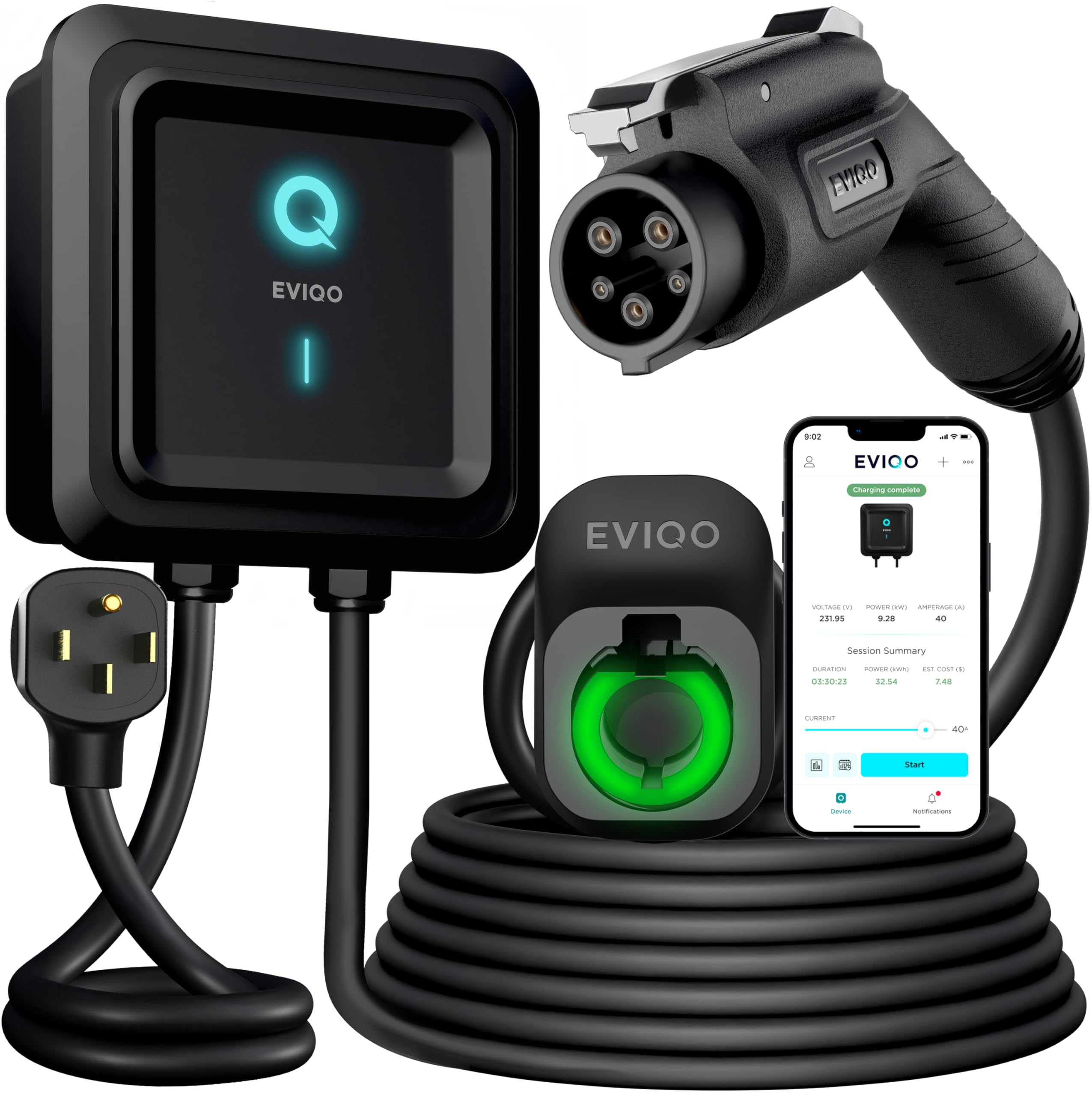 |
Best plug-in smart charger | 40 Amps (240V) | 25 ft | J1772, NEMA 14-50 | 20.3 Pounds | Check Price |
| EMPORIA Level 2 EV Charger |
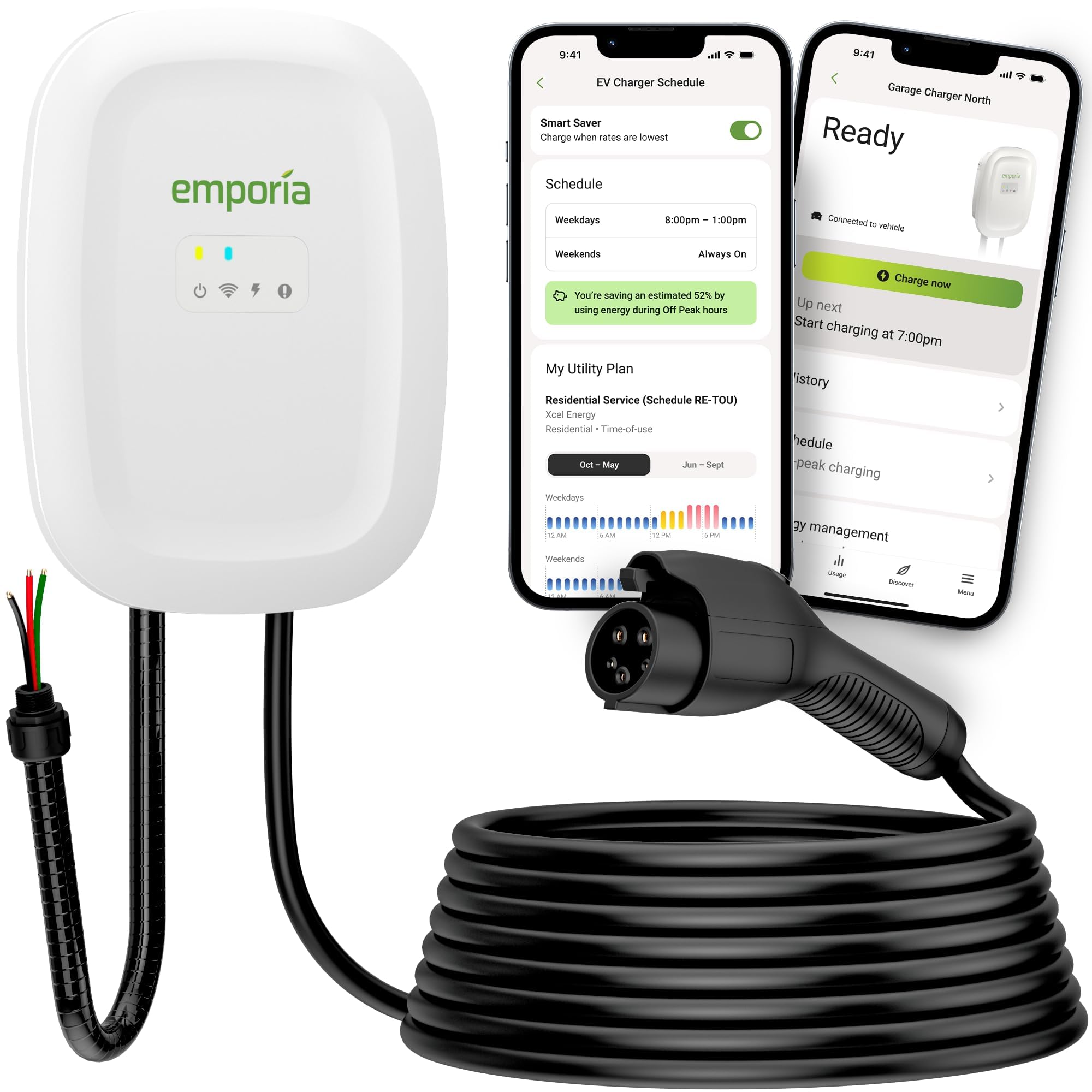 |
Best high-power hardwired option | 48 Amps (240V) | 25 ft | J1772, hardwired | 16.96 Pounds | Check Price |
| AIMILER Level 2 Electric Vehicle Charger |
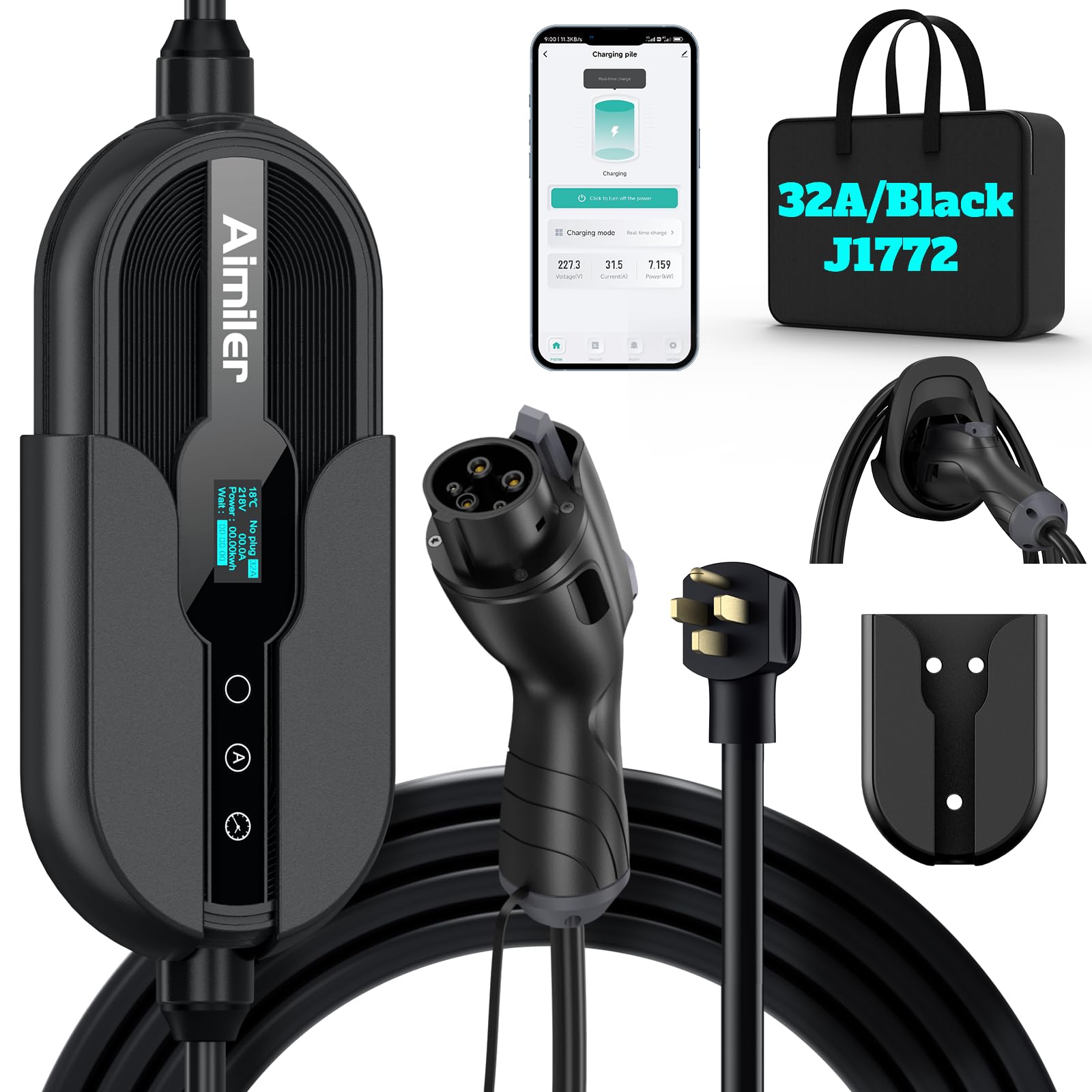 |
Best budget portable Level 2 | 32 Amps (240V) | 25 ft | J1772, NEMA 14-50 | Not confirmed | Check Price |
| Lectron Level 1 EV Charger |
 |
Best Level 1 backup | Up to 15 Amps (110V/120V per listing) | 16 ft | J1772, standard household outlet | 2.93 Kilograms | Check Price |
| EVDANCE Level 1&2 EV Charger |
 |
Best light-duty dual-voltage portable | 12A (120V) / 16A (240V) | 25 ft | J1772, NEMA 5-15 and 6-20 | 7 Pounds | Check Price |
| Raylix Portable EV Charger |
 |
Best built-in controls | Adjustable 8-16A, 110V-240V | 21 ft | J1772, NEMA 5-15 and 6-20 | Not confirmed | Check Price |
| bokman 16A EV Charger |
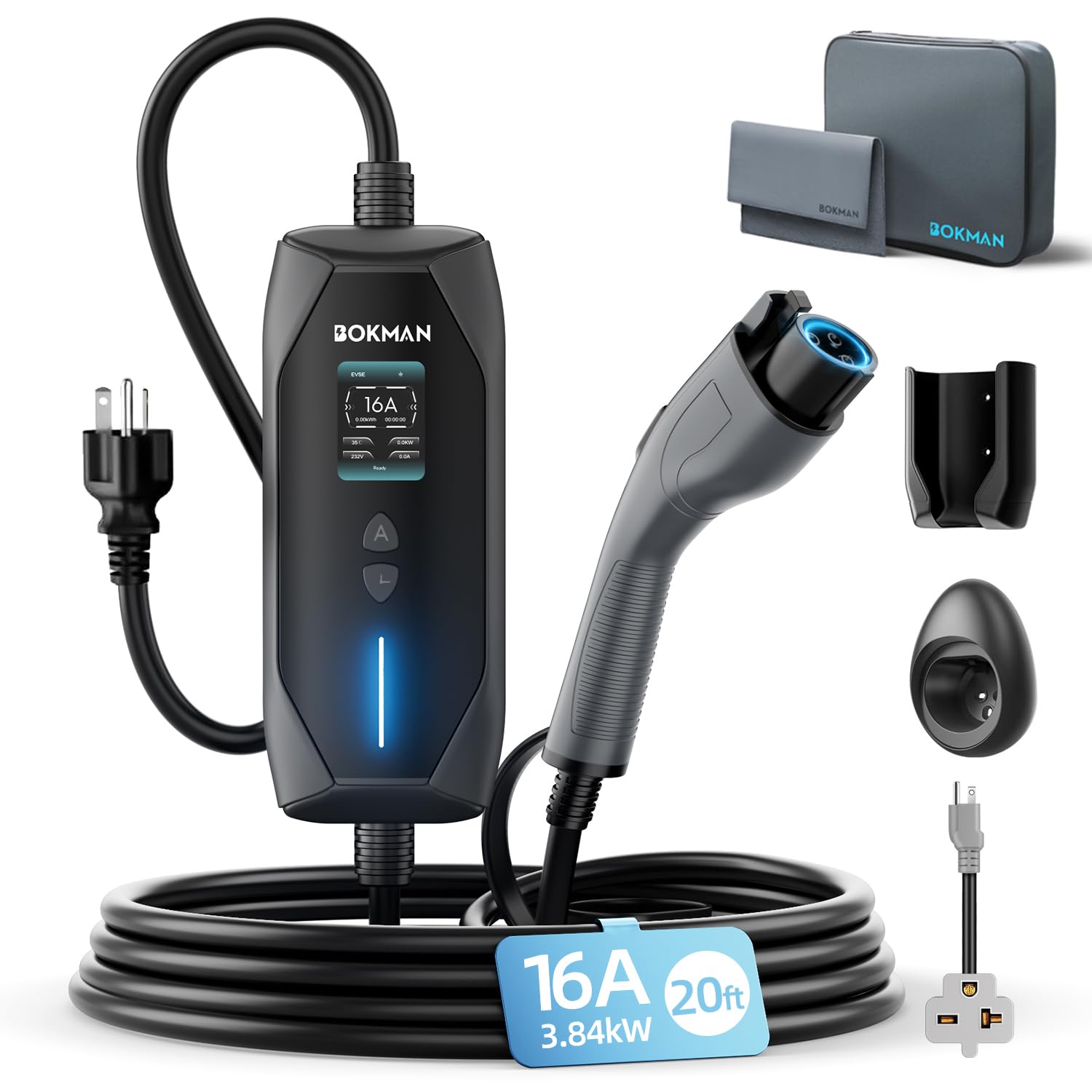 |
Most weatherproof budget backup | 16A (240V), Level 1 and Level 2 support | 20 ft | J1772, NEMA 6-20 with 5-15 adapter | Not confirmed | Check Price |
| ELEGRP Level 2 40A EV Charger |
 |
Best portable 40A charger | 40 Amps (240V) | 25 ft | J1772, NEMA 14-50 | Not confirmed | Check Price |
| Apex Mach 3 Portable EV Charger |
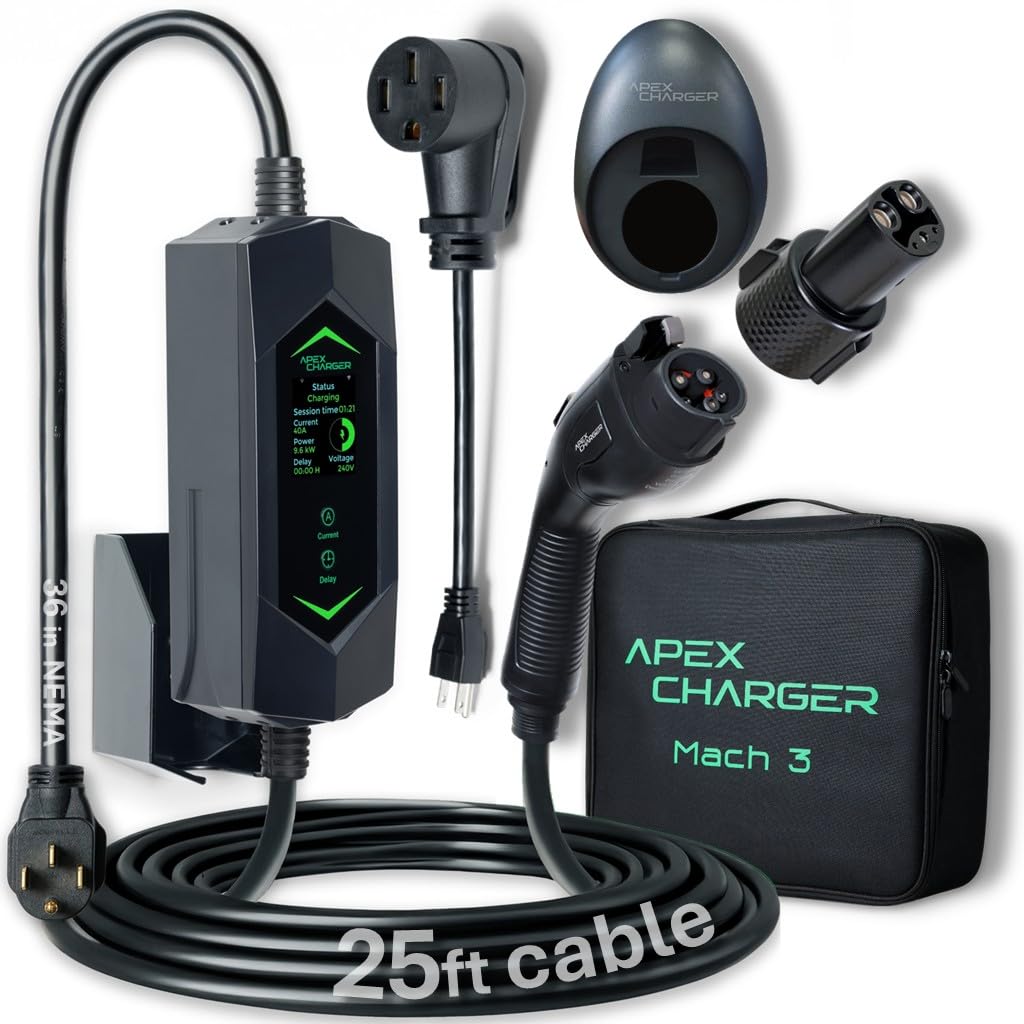 |
Best dual connector option | Adjustable Level 1 and Level 2 charging | 25 ft | Type 1/J1772 and NACS, NEMA 14-50 plus Level 1 adapter | Not confirmed | Check Price |
This Roundup is reader-supported. When you click through links we may earn a referral commission on qualifying purchases.