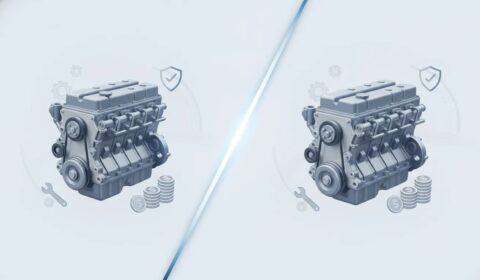
4-Cylinder vs 6-Cylinder Diesel: Longevity, Reliability and Ownership Costs
A six-cylinder diesel can have a longevity advantage when its greater capacity means it works less hard, but cylinder count alone does…

A six-cylinder diesel can have a longevity advantage when its greater capacity means it works less hard, but cylinder count alone does…
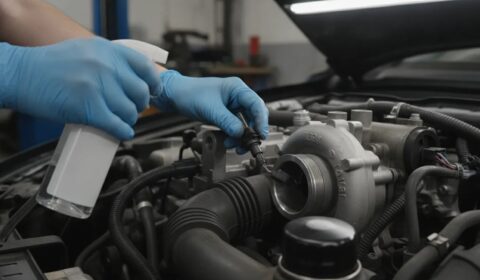
A dirty mass air flow sensor can contribute to sluggish acceleration, hesitation, rough idle, and increased fuel consumption in a diesel engine.…

Diesel turbo maintenance comes down to clean oil, clean intake air, sensible warm-up and cool-down habits, and keeping variable geometry mechanisms working…
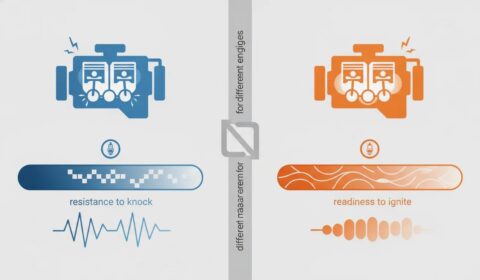
Octane measures gasoline’s resistance to engine knock. Cetane measures diesel fuel’s readiness to ignite under compression. A higher number serves a different…

An angle grinder can be repurposed to perform straight, controlled cutting like a circular saw when you build a proper cutting guide,…

The correct tire pressure for a diesel vehicle is the manufacturer’s recommended cold PSI for your vehicle, tires, and loading conditions. Start…

Reaching 100,000 miles does not mean a diesel engine is about to fail. It is a useful point to reassess its condition,…

Making a diesel engine last starts with controlling contamination, protecting turbocharger lubrication, and preventing overheating. Regular servicing matters, but so do the…

Old saw blades are harder, springy pieces of steel that can be surprisingly useful in the garden. With basic welding skills and…
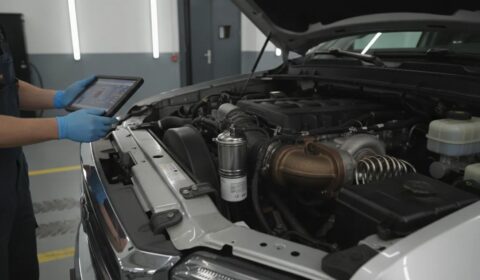
After 100,000 miles, diesel maintenance should become more condition-focused, not simply more expensive. Review oil and fuel-filter intervals, check injector performance, confirm…