
Can You Leave a Tire Inflator in a Hot Car: What to Know
A tire inflator can survive hot-car storage, but a few hidden heat risks could leave you stranded.

Save money with DIY car repair and maintenance guides. Step-by-step tutorials on engine, brakes, tires, AC, battery, and OBD2 diagnostics written by ASE-certified mechanics for everyday car owners.
A tire inflator can survive hot-car storage, but a few hidden heat risks could leave you stranded.

For tire inflator cooling, wait 5–10 minutes after heavy use to avoid heat damage—learn the warning signs before it’s too late.

Keen to know if a tire inflator works with TPMS and what happens afterward? Discover the effects before that warning light tells the rest.
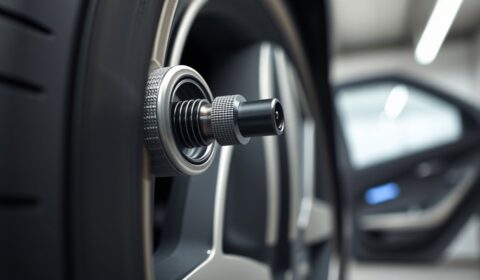
Damaged by overinflation, heat, or rough handling, your TPMS sensor may fail—discover the warning signs and what to do next.
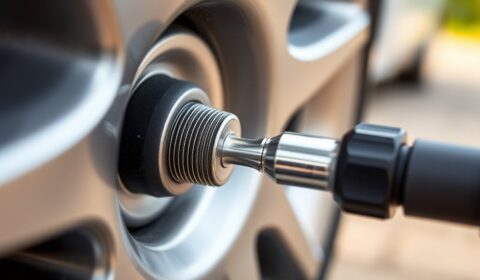
Can a tire inflator damage a valve stem, and how can you spot the warning signs before a small issue becomes a costly problem?

Under pressure? Discover how a tire inflator can overinflate your tires, the hidden limits, and what safety risks you might be missing.

Just when you think it’s simple, discover why your engine’s status can make tire inflating faster, safer, and more effective.

Can a tire inflator drain a car battery? Yes—and the surprising risks, warning signs, and fixes may save you from a dead start.
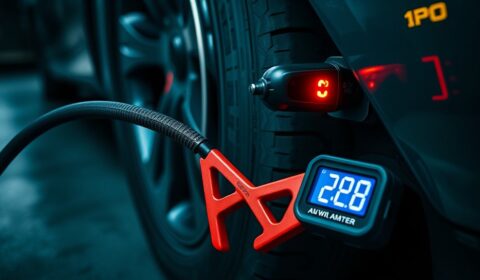
Depending on wattage and tire load, a 12V inflator may draw 5–15 amps—discover why the exact number can surprise you.

How do built-in and separate tire pressure gauges really compare, and which one could save you time, money, and a costly mistake?