
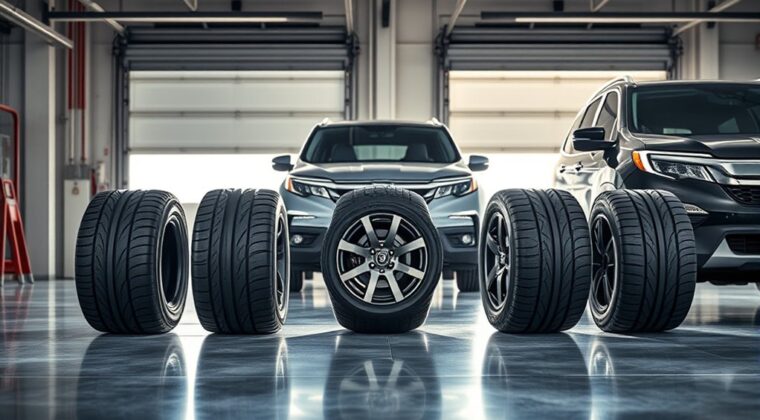
Choosing the right tires for a 2027 Honda Pilot can shape how it handles, rides, and lasts. Some options focus on all-season comfort, while others lean toward performance or value. From the Evoluxx Capricorn 4X4 HP to the Michelin Pilot Sport AS 4 and budget picks like the Starfire Solarus AS, each tire serves a different need. The best fit depends on what matters most, and the details ahead make that clearer.
Evoluxx Capricorn 4X4 HP 245/60R18 105V All Season SL 18 inch Tire
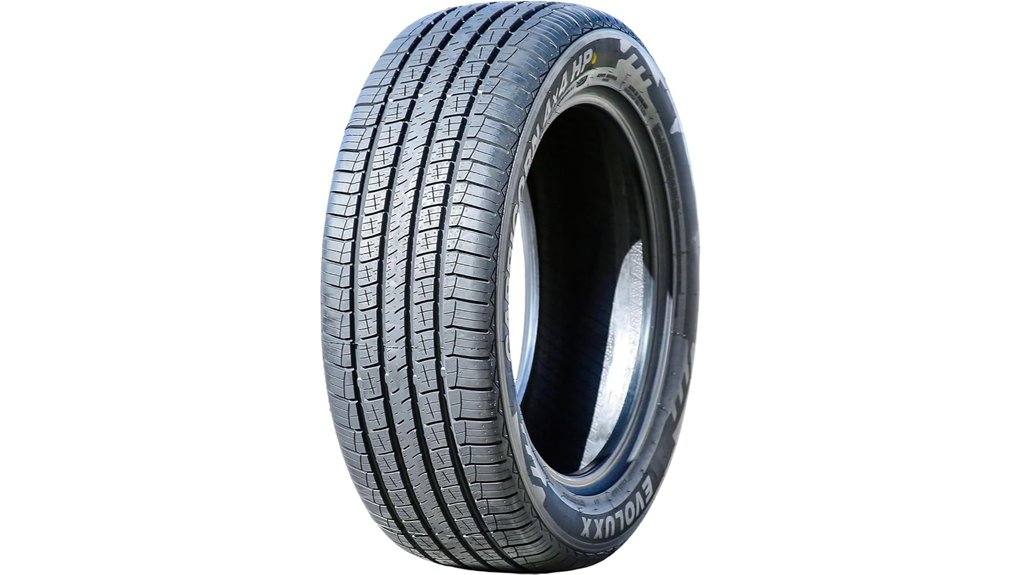
The Evoluxx Capricorn 4X4 HP 245/60R18 is a strong match for Honda Pilot 2027 owners who want an all-season performance tire built for daily versatility. Sized for trucks and SUVs, it carries a 105 load index and V speed rating, supporting up to 2,039 pounds per tire and speeds to 149 mph. Its radial, 4-ply construction and one black sidewall support durable service. The SL standard-load design, 55,000-mile treadwear estimate, and UTQG 480AA suggest balanced longevity and traction. It is sold as tire only, with rim not included.
Best For: Honda Pilot owners and other SUV/truck drivers who want a durable all-season performance tire for everyday versatility and dependable highway-ready handling.
Pros:
- All-season performance design suits a wide range of driving conditions.
- 105 load index and V speed rating provide solid carrying capacity and high-speed capability.
- 55,000-mile treadwear estimate and UTQG 480AA suggest balanced longevity and traction.
Cons:
- Tire only; rim/wheel is not included.
- Not ideal for drivers seeking dedicated winter or off-road specialty performance.
- Standard-load 4-ply construction may not suit heavier-duty towing or extreme-use needs.
Michelin Pilot Sport AS 4 235/35ZR19 91Y XL (Set of 1 Tire Only)
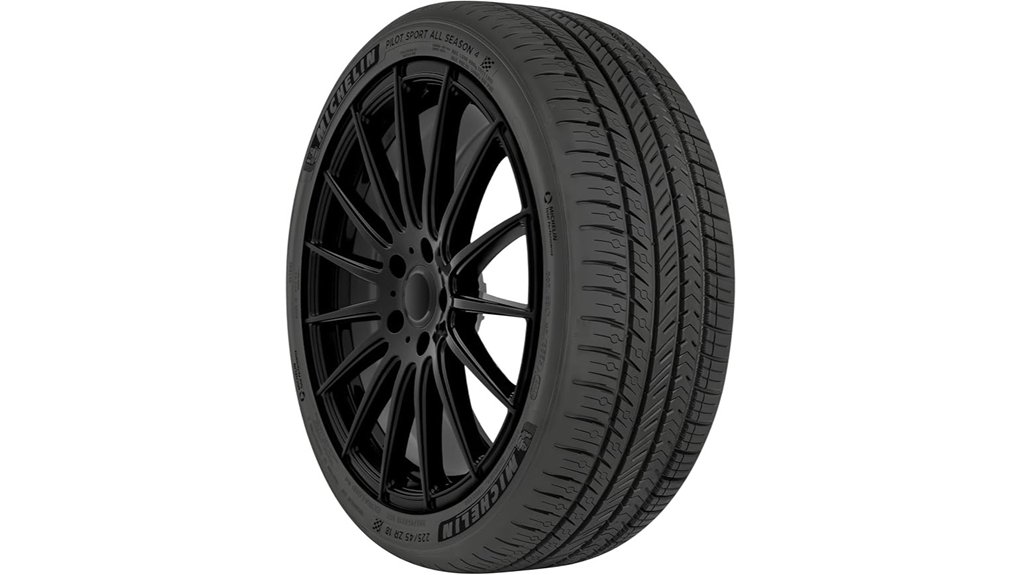
Michelin Pilot Sport All Season 4 suits drivers wanting ultra-high performance with all-season confidence. The 235/35ZR19 91Y XL size brings long-lasting capability, strong load support, and a stylish profile. Its asymmetric tread pattern is designed to add winter confidence while maintaining exceptional wet and dry grip. Developed on the track and proven on the street, it delivers superior performance on wet, dry, and snowy roads. Dynamic Response Technology helps distribute forces and temperatures evenly, supporting longer wear life. Supercar certification underscores its performance focus.
Best For: Drivers seeking a long-lasting ultra-high-performance all-season tire with strong wet, dry, and light-snow confidence for a 19-inch setup.
Pros:
- Excellent wet and dry grip with all-season versatility
- Asymmetric tread design adds winter confidence
- Dynamic Response Technology helps promote even wear and longer life
Cons:
- Only sold as a single tire, so a full set must be purchased separately
- Performance-focused design may come at a premium price
- 235/35ZR19 sizing limits fitment to specific vehicles and wheel setups
Starfire Solarus AS All-Season 225/65R17 102H Tire
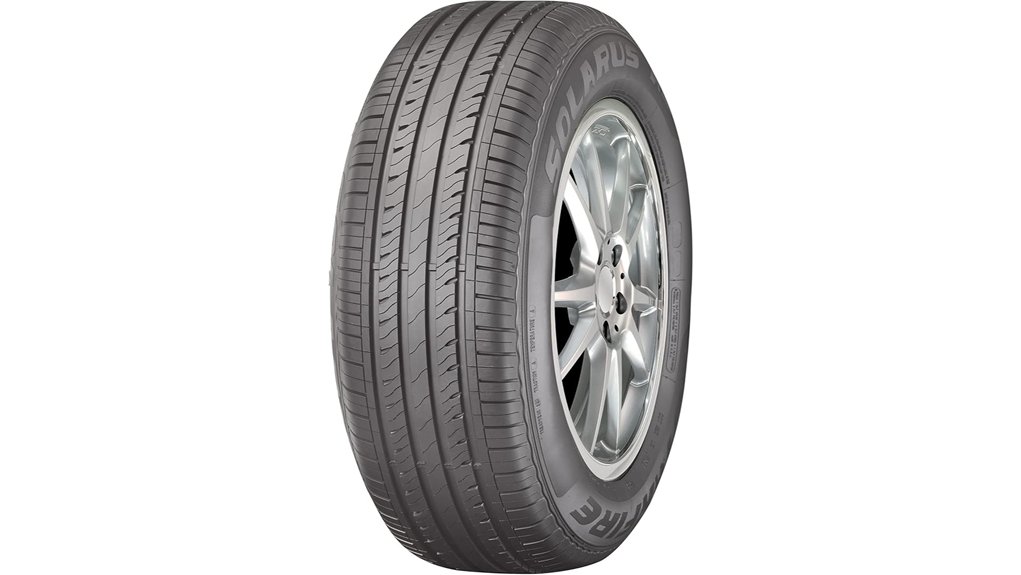
Starfire’s Solarus AS suits Honda Pilot drivers seeking a budget-friendly all-season tire with quiet comfort. This Cooper Tire & Rubber Company touring tire uses a re-engineered tread compound for dependable wet and dry grip. Shoulder Control Technology, deep slots, and biting edges help maintain stability, while the solid center rib supports a smoother highway ride. Variable pitch tread design reduces road noise. Sized 225/65R17 with a 102H rating, it carries 1,874 pounds, fits 17-inch rims, and includes a 50,000-mile warranty, offering practical value for daily driving.
Best For: Budget-conscious Honda Pilot drivers who want a quiet, comfortable all-season touring tire with dependable everyday wet and dry performance.
Pros:
- Re-engineered tread compound provides solid grip in wet and dry conditions.
- Variable pitch tread design and solid center rib help deliver a quieter, smoother ride.
- 50,000-mile warranty adds good value for the price.
Cons:
- 4-ply construction may not be ideal for heavier-duty or more demanding use.
- Touring-focused design is less suited for aggressive driving or off-road conditions.
- Best performance is tied to 17-inch fitment, so it’s not universal across all vehicles.
ATTURO AZ600 All-Season Touring Tire, 235/60R18 107V XL
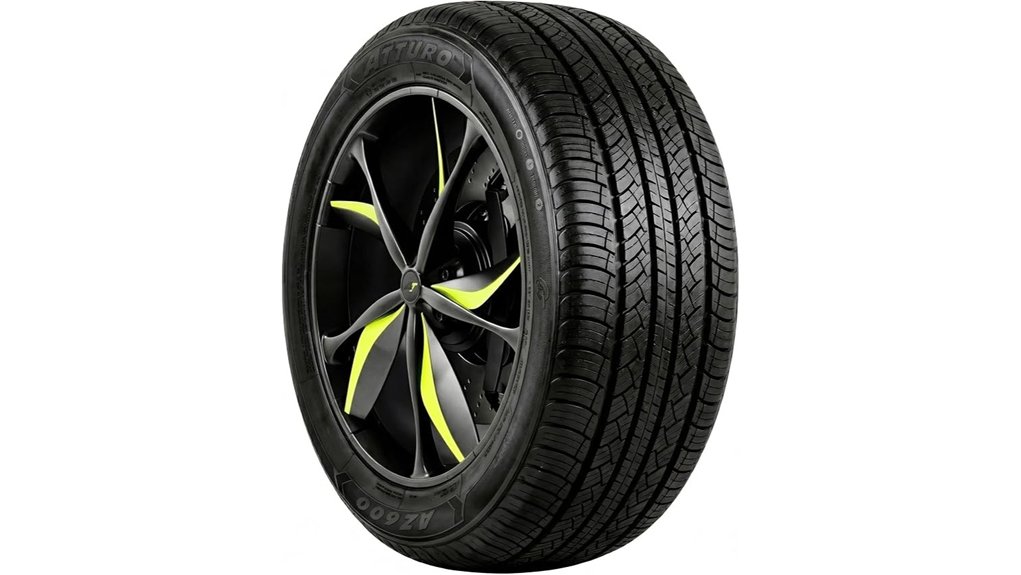
Built for quiet, composed family driving, the ATTURO AZ600 suits Honda Pilot owners who value comfort. Its optimized tread pattern helps reduce road noise, and the low-noise behavior holds up over time. Continuous outside ribs support a stable contact patch, giving predictable steering in lane changes and on highways. The all-season compound and dense siping provide dependable traction in dry, wet, and light snow conditions, while grooves help evacuate standing water. A 60,000-mile warranty, heat-resistant rubber, and a built-in rim guard add durability and curb protection.
Best For: Honda Pilot owners and other drivers seeking a quiet, comfortable all-season touring tire with stable highway handling and light-snow capability.
Pros:
- Optimized tread pattern helps reduce road noise for a quieter ride.
- Continuous outside ribs improve stability and predictable steering at higher speeds.
- All-season compound with dense siping offers traction in dry, wet, and light snow conditions.
Cons:
- Light-snow performance is good for an all-season tire, but not as capable as a dedicated winter tire.
- Touring-focused design may not appeal to drivers wanting sporty handling or aggressive performance.
- Availability is limited to select sizes, so it may not fit every vehicle.
4 x Fullway HP108 245/50R20 102V All Season SL 20 inch Tires
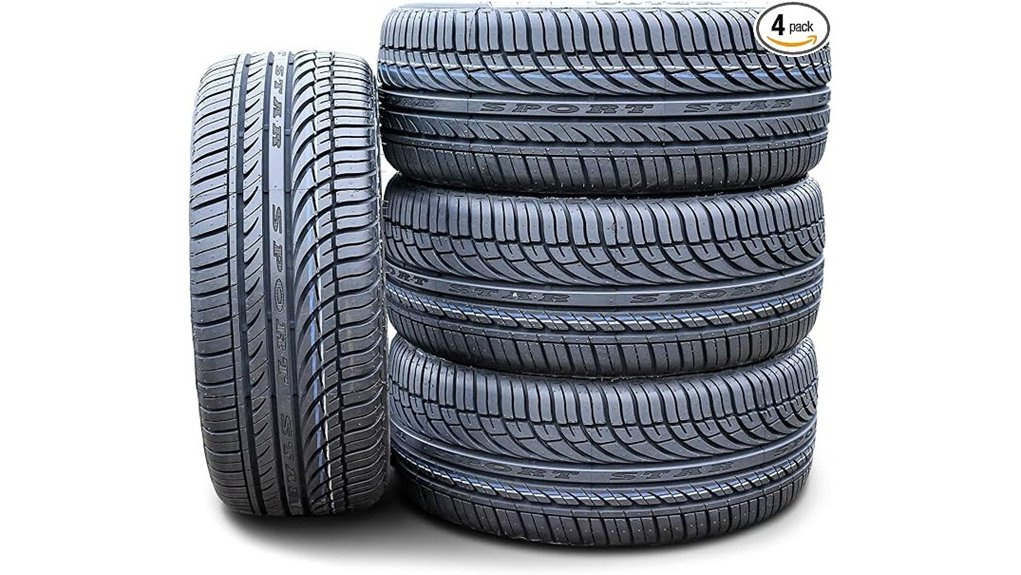
The Fullway HP108 245/50R20 suits Honda Pilot drivers seeking budget-friendly all-season performance. This four-pack includes 20-inch radial tires with a 4-ply rating and four black sidewalls, giving the SUV a clean, practical appearance. Each tire carries a 102 load index, supporting up to 1,874 pounds, and a V speed rating for speeds up to 149 mph. Built for trucks and SUVs, the HP108 targets year-round traction with UTQG 380AA. Rims are not included, so buyers need existing 20-inch wheels or separate wheels for installation.
Best For: Honda Pilot and other SUV or truck owners looking for a budget-friendly set of 20-inch all-season performance tires with solid year-round traction.
Pros:
- 4-pack of Fullway HP108 tires in a versatile 245/50R20 size
- All-season radial design with a 102 load index and V speed rating
- Four black sidewalls and UTQG 380AA for practical, clean-looking SUV fitment
Cons:
- Rims/wheels are not included
- Best suited for existing 20-inch wheels, limiting compatibility
- Budget tire construction may not match premium brand ride or longevity
Factors to Consider When Choosing Tires for Honda Pilot
Choosing tires for the Honda Pilot requires checking tire size compatibility, load index rating, and speed rating needs to guarantee proper fit and safe performance. All-season traction is also important for dependable handling in changing road conditions. Ride comfort levels should be considered as well, since they affect everyday driving quality.
Tire Size Compatibility
Tire fitment begins with the factory size, since a Honda Pilot typically uses tires in the 245/60R18 or 235/60R18 range depending on trim and model year. Matching that specification helps preserve clearance, steering response, and electronic calibration. The section width and aspect ratio should stay close to original values; for example, a 245/60R18 tire carries a 60% sidewall ratio that supports a balanced ride and predictable handling. Wheel diameter must also align exactly with the rim. Beyond size, the tire’s speed rating should meet the vehicle’s needs, usually H or V, and the recommended pressure range, often 35 to 44 psi, should be verified on the sidewall. Correct fitment reduces rubbing, maintains comfort, and keeps performance consistent.
Load Index Rating
Load index rating is a key measure of how much weight each tire can safely support, with higher numbers indicating greater carrying capacity; for example, a load index of 105 can support up to 2,039 lbs per tire. For a Honda Pilot, this rating matters because the vehicle often carries passengers, cargo, and sometimes towing loads. Tires should meet or exceed the manufacturer’s specified load index to preserve handling, stability, and overall safety. A lower rating can reduce support under stress and affect performance. The rating appears on the tire sidewall, making comparison straightforward during shopping. It is only one part of the tire’s full specification, alongside tread type and other markings, but it remains essential for selecting a tire suited to heavier driving demands.
Speed Rating Needs
After load capacity is accounted for, speed rating becomes the next specification to check when selecting tires for a Honda Pilot. This letter code shows the highest speed a tire can safely sustain, with common SUV ratings such as H, meaning 130 mph, and V, meaning 149 mph. Matching or exceeding the manufacturer’s recommended rating helps preserve safety, maintain warranty coverage, and support proper vehicle performance. Higher-rated tires often use stronger internal construction and better materials, which can improve handling and stability at elevated speeds. The rating should be reviewed together with the load index, since both values describe a tire’s basic capability. Choosing the correct speed rating guarantees the tire is suited to the vehicle’s demands without sacrificing reliability.
All-Season Traction
All-season traction is a major priority for Honda Pilot drivers who want dependable performance in changing weather. All-season tires are built to deliver steady grip on dry pavement, wet roads, and light snow, making them a practical fit for varied driving demands. Their symmetrical or asymmetric tread patterns help improve contact, stability, and water evacuation, which supports confident handling in multiple conditions. Specialized rubber compounds also stay flexible across temperature changes, preserving traction through hot summers and cooler months. When evaluating options, attention should also turn to the UTQG rating, since it summarizes treadwear, traction, and temperature resistance. Load index and speed rating matter as well, because they confirm whether the tire can safely support the Honda Pilot’s weight and intended operating speed throughout daily use.
Ride Comfort Levels
Ride comfort is another important factor for Honda Pilot drivers, especially when long commutes or family trips make a smooth cabin experience a priority. Tire design plays a major role in that experience. Tread patterns and sidewall construction can reduce road noise and absorb vibrations, helping the Pilot feel calmer on rough pavement. A solid center rib also supports steadier handling and less road disturbance. Tires with a higher ply rating, such as 4-ply construction, may add support and limit excessive flex, which can produce a more controlled, cushioned ride. All-season tires often deliver balanced comfort because they stay flexible across temperature changes, preserving a consistent feel in varied conditions. As tread wears, performance and comfort can decline, so tire condition remains important for ride quality.
Treadwear Warranty Coverage
Treadwear warranty coverage gives Honda Pilot shoppers a useful clue about how long a tire may last under normal driving conditions. Most warranties fall between 40,000 and 80,000 miles, offering a rough estimate of tread life before replacement becomes likely. A higher mileage rating often points to tougher materials and longer-lasting construction, though warranty length still depends on tire category. Performance tires usually carry shorter coverage than all-season or touring models. Buyers should also study the manufacturer’s rules carefully, because improper inflation, poor alignment, or aggressive driving can void protection. Some brands offer prorated warranties, which reduce replacement cost according to the remaining tread depth. For a Pilot owner, this coverage can help compare value beyond the initial purchase price.
Noise And Handling
Noise and handling often matter as much as price or mileage when selecting tires for a Honda Pilot. Tire design plays a major role in cabin quietness, and optimized tread patterns can reduce road noise for a more comfortable commute. Handling depends heavily on tread layout too; continuous outside ribs help maintain stable contact patches, giving the Pilot more predictable steering during lane changes and highway cruising. All-season tires often add a dense network of sipes and grooves, improving traction on wet and dry pavement without sacrificing control. Construction also matters, since stronger ply ratings can boost stability at speed. Even treadwear warranty deserves attention, because as tread wears, handling can gradually change, affecting responsiveness and confidence.
Frequently Asked Questions
How Often Should Honda Pilot Tires Be Rotated?
Honda Pilot tires should be rotated about every 5,000 to 7,500 miles, or during each oil change. Regular rotation helps promote even wear, longer tread life, and better handling and safety.
What Is the Recommended Tire Pressure for a Honda Pilot?
The recommended tire pressure for a Honda Pilot is usually 35 psi when cold, but he should verify the driver-side door placard, since trim levels and tire sizes can alter the exact specification.
Do Winter Tires Improve Honda Pilot Safety in Snow?
Yes, winter tires do improve Honda Pilot safety in snow by providing better traction, shorter braking distances, and more reliable steering control. Their softer rubber and deeper tread perform far better than all-season tires in freezing conditions.
Can I Mix Different Tire Brands on My Honda Pilot?
Mixing tire brands on a Honda Pilot is like pairing mismatched shoes: possible, but unwise. It can alter grip, handling, and wear. Matching size, tread, and type across all four tires remains safest.
How Can I Tell When Honda Pilot Tires Need Replacement?
They need replacement when tread depth reaches 2/32 inch, wear bars become flush, sidewalls crack, bulges appear, vibration increases, or punctures cannot be safely repaired; uneven wear and age also indicate replacement.
Conclusion
In the grand tradition of making sensible choices feel thrilling, the 2027 Honda Pilot’s tire lineup proves that rubber can indeed have a personality. From the wallet-friendly Starfire Solarus AS to the swaggering Michelin Pilot Sport AS 4, each option promises to turn mundane commuting into a lightly dramatic affair. The right tire, as it turns out, is less about spectacle and more about not regretting rainy mornings, noisy highways, or questionable potholes later.