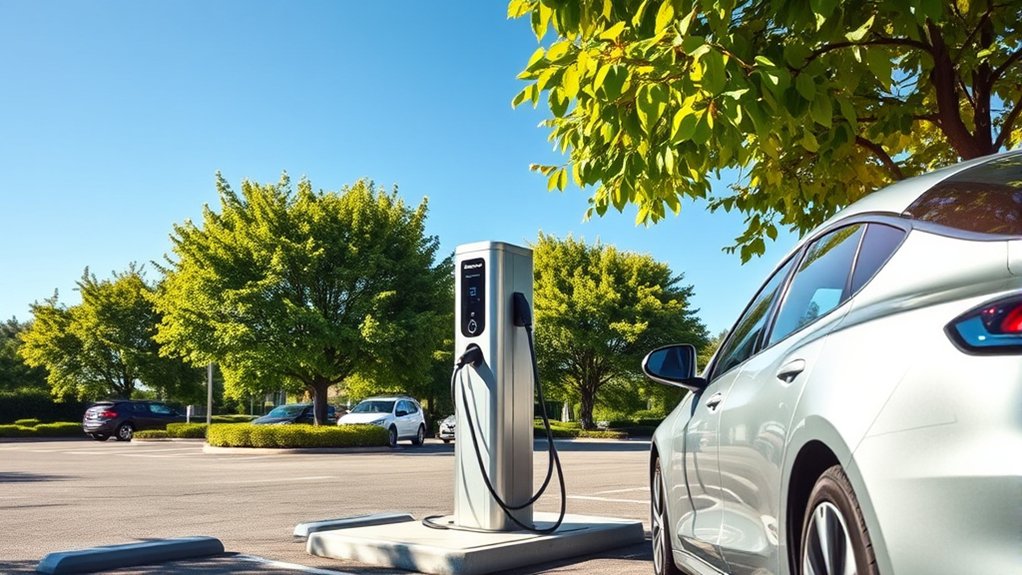
Most EV chargers can give you many years of service, but there is no single guaranteed lifespan for every unit. A lightly used home Level 1 or Level 2 charger may last well over a decade, while a high-use public DC fast charger often needs more frequent inspection, repairs, software support, and component replacement.
Quick Answer
A quality home EV charger usually lasts about 10 to 15 years, and some well-installed Level 2 units can stay useful for closer to 20 years. Heavy use, outdoor exposure, heat, damaged cables, poor installation, and outdated software can shorten that life.
Key Takeaways
- Home Level 1 and Level 2 chargers usually last longer than high-use public fast chargers because they run cooler and see fewer sessions.
- The biggest lifespan factors are installation quality, enclosure rating, heat, moisture, cable care, software support, and how often the charger is used.
- Replace or stop using a charger if you see melted plastic, exposed wires, corrosion, repeated faults, overheating, or unreliable charging.
- Choose safety-certified equipment and have fixed Level 2 wiring installed by a licensed electrician.
What Is an EV Charger and Why Its Lifespan Matters?
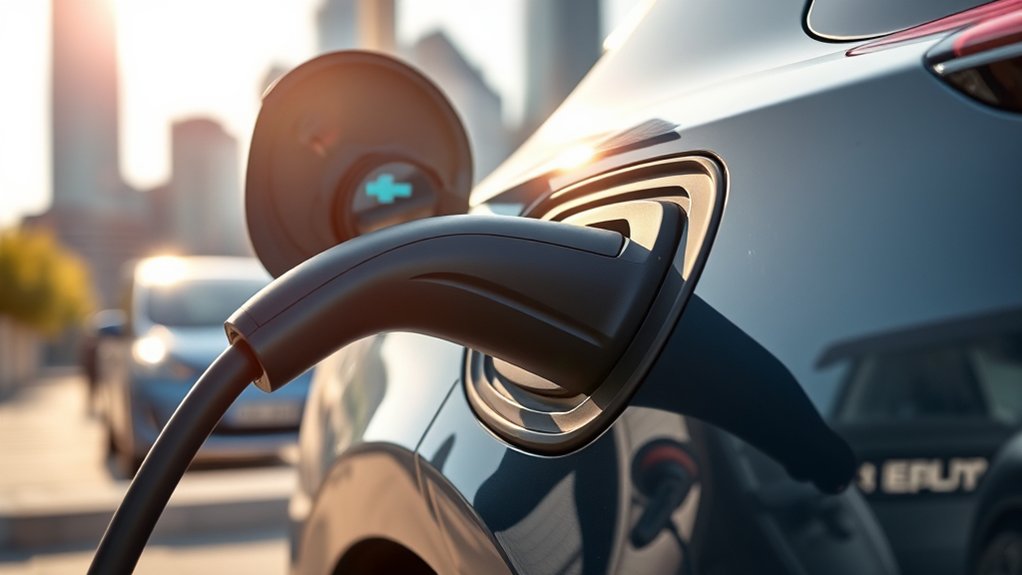
An EV charger is often called electric vehicle supply equipment, or EVSE. For AC Level 1 and Level 2 charging, the wall unit or cord set safely supplies controlled AC power to the vehicle. The vehicle’s onboard charger then converts that AC power into DC power for the battery. A DC fast charger does more of that conversion inside the charging cabinet and sends DC power directly to the vehicle.
This difference matters because each charger type wears differently. A simple portable Level 1 cord set has fewer parts, a home Level 2 station handles higher current, and a public DC fast charger has power modules, cooling systems, payment hardware, displays, network equipment, and heavy cables.
The U.S. Department of Energy’s Alternative Fuels Data Center explains that charging times depend on battery size, state of charge, charging level, charger power output, the vehicle’s internal charger capacity, and electrical service. You can read the DOE overview of electric vehicle charging stations for the official Level 1, Level 2, and DC fast charging definitions.
EV Charger Lifespan: How Different Types Compare
Use lifespan numbers as planning estimates, not promises. A charger can fail early if it is poorly installed, overheats, gets wet inside, has damaged cables, or loses software support. A well-built charger can last longer if it is installed correctly, protected from abuse, and maintained.
| Charger Type | Typical Service-Life Planning Range | Why It May Last Longer or Shorter |
| Level 1 cord set | About 10 to 15 years with careful use | Lower power creates less stress, but plugs, outlets, cords, and strain relief can wear out. |
| Home Level 2 charger | About 10 to 20 years when properly installed and maintained | A quality enclosure, correct circuit sizing, clean connectors, and good cable storage help it last. |
| Public or commercial Level 2 charger | Often 7 to 15 years, depending on use and vandalism exposure | More users, weather, payment hardware, and cable abuse can shorten the useful life. |
| DC fast charger | About 8 to 15 years as a site asset, with parts replaced along the way | Power modules, cooling parts, screens, card readers, connectors, and cables may need service before the whole unit is retired. |
Level 1 charging uses a 120-volt outlet. Level 2 charging commonly uses 240 volts at home or 208 volts in many commercial settings. DC fast charging is usually found at public stations and can add range much faster, but the actual charge speed depends on the vehicle, charger power, temperature, and battery state of charge.
A charger’s “lifespan” is not just the age of the box. It also includes cable condition, connector fit, software support, safety certification, parts availability, and whether the unit still charges reliably.
Critical Factors Impacting EV Charger Lifespan
Several factors decide whether your charger reaches the high end or low end of its expected life.
- Build quality: Better contactors, relays, cable insulation, strain relief, weather sealing, and internal thermal design help the unit survive repeated charging cycles.
- Installation quality: Loose wiring, undersized circuits, poor grounding, weak outlets, and bad plug connections can create heat and nuisance faults.
- Heat: Heat is one of the biggest enemies of electrical equipment. Hot garages, direct sun, high current, and coiled cables can all raise operating temperature.
- Moisture and corrosion: Outdoor chargers need a suitable enclosure rating and proper mounting. Rain, salt air, road grime, and condensation can damage connectors and internal parts.
- Usage frequency: A home charger used once per day usually has an easier life than a public charger used by many drivers around the clock.
- Cable handling: Dragged, kinked, dropped, or driven-over cables fail sooner. Connector pins can also wear or loosen over time.
- Software and networking: Smart chargers may depend on app support, firmware updates, Wi-Fi, cellular service, and network payment systems.
Note: A charger can still look fine on the wall while the cable, connector, plug, outlet, relay, Wi-Fi module, or internal sensor is wearing out. Inspect the parts you touch, not just the outer case.
How to Extend Your EV Charger’s Lifespan
The best way to make an EV charger last longer is to reduce heat, protect the cable, keep the unit clean, and fix small faults before they become electrical failures.
- Choose a safety-certified charger. ENERGY STAR says certified EV chargers are tested for safety by a nationally recognized testing laboratory. Review the ENERGY STAR EV charger guidance before buying.
- Use the right circuit. A hardwired Level 2 charger or new 240-volt receptacle should match the charger’s current rating and local electrical code.
- Protect it from weather. Install outdoor chargers where water cannot pool around the unit, connector, or cable. A shaded location can also reduce heat stress.
- Store the cable correctly. Hang the cable on its holster or cable hook. Do not leave it on the ground where it can be crushed, soaked, or tripped over.
- Do not wrap the cable tightly while charging. A tightly coiled cable can trap heat during high-current charging.
- Keep connectors clean and dry. Do not force a connector into the vehicle inlet. If the connector feels loose, hot, cracked, or corroded, stop using it.
- Install firmware updates. Smart chargers may receive updates that improve compatibility, load management, utility programs, and error reporting.
- Track charging behavior. Slower charging, repeated faults, random resets, or frequent GFCI trips can point to a charger, circuit, outlet, or vehicle issue.
Warning: Do not keep using a charger with melted plastic, exposed wire, burning smells, buzzing, scorch marks, repeated breaker trips, or a connector that becomes too hot to hold. Stop charging and have the equipment inspected by a qualified electrician.
Maintenance Schedule for Home EV Chargers
Home EV chargers usually need light maintenance, but “light” does not mean “none.” The DOE’s Alternative Fuels Data Center says general maintenance includes storing cables securely, checking parts periodically, keeping equipment clean, and handling repairs or troubleshooting when needed. See the AFDC page on operation and maintenance for EV charging infrastructure for more detail.
| How Often | What to Check |
| Every use | Make sure the connector is dry, seated firmly, and not unusually hot. |
| Monthly | Inspect the cable, holster, plug, wall mount, screen, and connector for cracks, cuts, looseness, corrosion, or dirt. |
| Every 6 months | Clean the exterior, confirm the cable hook is secure, test app connectivity, and review charger error history. |
| Yearly | Have a qualified electrician inspect hardwired connections or the receptacle if you notice heat, looseness, nuisance trips, or performance changes. |
Pro Tip: If your charger lets you choose amperage, running slightly below the maximum setting can reduce heat and stress, especially in a hot garage or during long overnight sessions.
Warning Signs Your EV Charger Needs Replacement
You do not always need a full replacement when charging slows down or stops. Sometimes the issue is the vehicle, utility power, Wi-Fi, an app, a breaker, a receptacle, or a loose setting. Still, some symptoms point to a charger that should be repaired or replaced.
- Inconsistent charging speeds: Sudden power drops can mean heat throttling, circuit problems, or internal charger faults.
- Frequent error messages: Repeated faults after resets and updates deserve inspection.
- Overheating: Warm is normal during charging, but too hot to touch is not.
- Physical damage: Replace damaged cables, cracked handles, loose pins, split strain relief, or corroded connectors.
- Burn marks or smells: Scorching, melting, buzzing, or burning odors are safety warnings.
- Repeated breaker or GFCI trips: These can point to ground faults, moisture, wiring issues, or charger failure.
- Lost software support: A smart charger that no longer receives updates or cannot connect to required services may become less useful even if the hardware still works.
Should You Repair or Replace Your EV Charger?
Repair makes sense when the charger is fairly new, still under warranty, and the issue is limited to a replaceable part such as a cable, connector, holster, display, communication module, or software setting. Replacement makes more sense when the charger is old, parts are unavailable, safety certification is questionable, or the repair cost approaches the cost of a better new unit.
Use this simple rule: if the problem involves safety, heat, water intrusion, damaged conductors, or repeated faults, stop using the charger until it is inspected. If the problem is only an app issue, network issue, billing issue, or Wi-Fi connection, troubleshoot software before replacing the hardware.
Home Chargers vs Public DC Fast Chargers
A home charger usually has an easier life. It serves one or two vehicles, sits in a predictable location, and does not need public payment hardware. A public charger faces more wear from many drivers, weather, vandalism, cable drops, network errors, payment failures, and higher daily energy throughput.
The National Renewable Energy Laboratory’s 2024 report on EV charging station reliability, resilience, and location notes that charging stations must be available and reliable when drivers need them. It also discusses public-charger uptime, repair needs, cable and connector failures, and the federal focus on reliability standards.
That means a DC fast charger may remain in service for many years, but not as one untouched box. It may need new cables, connectors, filters, cooling parts, screens, card readers, power modules, or software work during its useful life.
Future Trends in EV Charger Technology and Lifespan
Future EV chargers should become easier to maintain, easier to monitor, and better protected against weather and heavy use. The main trends are smarter diagnostics, modular parts, better thermal control, and more consistent connector standards.
Emerging Charging Technologies
New DC fast chargers can deliver very high power, and some compatible EVs can add a large amount of range in a short stop. That does not mean every car will charge in 10 minutes. Charging speed still depends on the vehicle’s maximum charge rate, battery temperature, state of charge, charger output, and the station’s power supply.
Wireless charging and bidirectional charging are also developing. Wireless systems may reduce plug and cable wear in certain settings, while bidirectional chargers can send power from the EV to a home, building, or grid-support system when the vehicle and charger support it.
Enhanced Durability Features
Better chargers are moving toward stronger enclosures, improved cable management, active temperature monitoring, predictive fault alerts, and modular repair. A modular design can allow a technician to replace a power module, cable, display, or communication board instead of replacing the whole charger.
Outdoor chargers should also continue improving through better dust and water protection, more robust connector holsters, stronger mounting systems, and smarter monitoring that flags faults before the charger becomes unusable.
Connector and Software Future-Proofing
Connector support also affects long-term usefulness. In North America, many automakers have moved toward the SAE J3400 connector, also known from the Tesla/NACS design. If you are buying a new Level 2 charger, check your current vehicle, future vehicle plans, available adapters, and whether the charger maker offers long-term software and parts support.
Frequently Asked Questions
How often should I replace my EV charger?
You should replace an EV charger when it becomes unsafe, unreliable, unsupported, or too expensive to repair. Many home chargers can last 10 to 15 years or more, but damaged cables, overheating, water intrusion, repeated faults, and obsolete software can justify earlier replacement.
How long should an EV charger last?
A home Level 1 or Level 2 charger often lasts about 10 to 15 years, and a well-installed premium Level 2 unit may last closer to 20 years. Public and commercial chargers can have shorter hardware life because they see more use and abuse, although individual parts can often be repaired or replaced.
What happens to an EV after 8 years?
The 8-year mark usually matters more for the EV battery warranty than for the wall charger. Many EV batteries are covered for about 8 years or a set mileage limit, depending on the automaker. Your home charger may still work normally after that if the cable, connector, electronics, and wiring are in good condition.
What is the 80/20 rule for EV charging?
The 80/20 rule means many EV owners keep the battery between about 20% and 80% for daily driving to reduce battery stress. It is mainly a battery-care habit, not a charger-lifespan rule. Your charger can still last longer when you reduce heat, store the cable well, and maintain the equipment.
Can a Level 2 charger last 20 years?
Yes, some Level 2 chargers can last close to 20 years, especially indoors or in a protected outdoor spot. The charger needs correct installation, safe wiring, good ventilation, cable care, firmware support, and no major heat or moisture damage.
Do EV chargers need annual maintenance?
A home charger does not usually need heavy annual maintenance, but it should be inspected regularly. Check the cable, connector, wall mount, plug or hardwired connection, app, firmware, and error history. Commercial and DC fast chargers usually need more formal maintenance because they have more parts and heavier use.
Conclusion
An EV charger should usually last many years, but its real lifespan depends on quality, installation, environment, maintenance, and daily use. Plan on roughly 10 to 15 years for many home chargers, with some Level 2 units lasting longer when installed correctly and protected from heat, water, and cable abuse. Public DC fast chargers can also stay in service for years, but they often need more repairs and part replacements along the way.
For the longest service life, buy a safety-certified charger, install it correctly, keep the cable off the ground, watch for heat or fault warnings, and fix small problems early. If you see melting, corrosion, exposed wires, repeated trips, or unsafe heat, stop using the charger and have it inspected before the next charging session.
Sources
- U.S. Department of Energy Alternative Fuels Data Center: Electric Vehicle Charging Stations — backs up Level 1, Level 2, DC fast charging, charging-speed variables, and connector context.
- U.S. Department of Energy Alternative Fuels Data Center: Operation and Maintenance for EV Charging Infrastructure — backs up cable storage, periodic checks, maintenance responsibility, and operating cost considerations.
- ENERGY STAR: Electric Vehicle Chargers — backs up safety certification, standby efficiency, smart charger features, and licensed-contractor guidance.
- National Renewable Energy Laboratory: Impact of Electric Vehicle Charging Station Reliability, Resilience, and Location on Electric Vehicle Adoption — backs up charger reliability, uptime, maintenance, failure causes, durability, and public charging context.
- Joint Office of Energy and Transportation: Charging Connector Resources — backs up North American connector transition and charger compatibility planning.