
Keeping an EV charger reliable comes down to simple, repeatable care: inspect the cable and connector, keep the unit clean and dry, protect outdoor equipment from weather, update smart-charger software, and act quickly when you see heat, damage, tripped breakers, corrosion, or repeated charging errors. Most owner maintenance is visual and low-risk, while wiring, internal repairs, breaker issues, and persistent faults should be handled by a qualified electrician or EV charger technician.
Quick Answer
To maintain an EV charger, inspect the cable, plug, holster, wall mount, and outlet before use; keep connectors dry and clean; store cables off the ground; update smart-charger software; and schedule a qualified inspection annually or any time you see heat, cracks, tripping, corrosion, or repeated charging errors.
Key Takeaways
- Check the charging cable, connector, outlet, holster, and wall mount before charging, especially if the charger is outdoors.
- Clean only the exterior and accessible connector surfaces with a dry cloth. Never spray water into a charging port or open the charger housing.
- Outdoor-rated EV chargers still need protection from UV exposure, standing water, snow buildup, corrosion, and cable strain.
- Smart chargers need periodic app, Wi-Fi, firmware, and error-log checks to prevent communication failures.
- Call a professional for heat, burning smells, water intrusion, exposed wires, breaker trips, GFCI faults, cracked connectors, or repeated charging failures.
At a Glance
| Time Required | 2–5 minutes before charging, 10–15 minutes monthly, plus an annual professional check when needed |
| Difficulty | Easy for visual checks and exterior cleaning; advanced electrical work requires a qualified professional |
| Tools Needed | Dry microfiber cloth, flashlight, cable hook or holster, charger app, owner manual, and photos for tracking wear |
| Cost | Owner checks are usually low-cost; station owners should budget for maintenance, repairs, network fees, and possible professional service |
Understanding Common Causes of EV Charger Failures
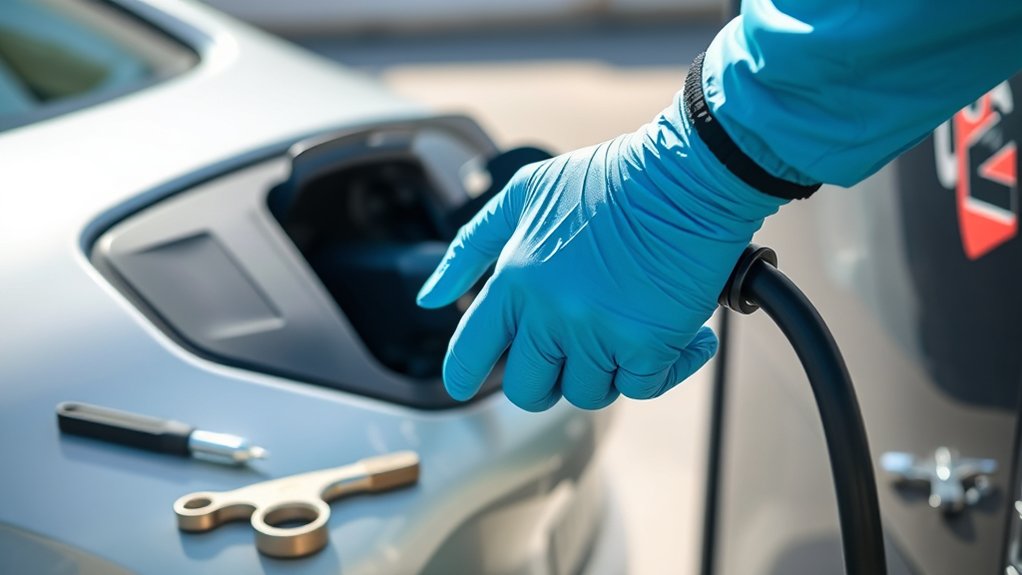
EV charger failures usually develop slowly. Dirt, dust, moisture, loose connections, cable strain, UV exposure, and outdated software can all reduce reliability over time. A charger may still power on while the connector is wearing out, the cable jacket is cracking, or the app is failing to communicate with the vehicle.
For home chargers, the most common issues are physical wear, poor cable storage, weather exposure, outlet or plug problems on plug-in units, and Wi-Fi or firmware problems on smart chargers. For public chargers, reliability can also be affected by payment screens, network communication, connector damage, blocked access, and delayed repair response.
A charger that looks fine from a distance may still have hidden warning signs, such as a loose holster, cracked cable jacket, corroded pins, repeated app errors, or unusual heat at the plug.
EV Charger Maintenance Checklist
Use a simple schedule instead of waiting for a charging failure. The goal is not to repair internal electrical parts yourself. The goal is to spot early damage, keep accessible parts clean, and know when to bring in a qualified professional.
| Frequency | What to Do | Why It Matters |
|---|---|---|
| Before each use | Look for cracked cable jackets, bent pins, corrosion, loose plugs, a damaged holster, or debris in the connector. | Prevents overheating, poor contact, and charging interruptions. |
| Monthly | Wipe the exterior with a dry cloth, check cable storage, confirm the wall mount is secure, and clear dust, leaves, snow, or debris around the unit. | Keeps airflow clear and reduces dirt, moisture, and strain on the cable. |
| Quarterly | Check the charger app, firmware, Wi-Fi connection, charge history, and any error logs. | Helps prevent smart-charger communication and scheduling problems. |
| Seasonally | Inspect outdoor seals, cable jackets, connector caps, drainage, sun exposure, and snow or ice buildup. | Protects outdoor chargers from UV damage, water intrusion, corrosion, and cable cracking. |
| Annually | Have a qualified electrician or EVSE technician inspect the circuit, mounting, plug-in outlet, breaker behavior, and any recurring faults. | Finds hidden electrical or installation issues before they become unsafe or expensive. |
Warning: Do not open the EV charger housing, bypass a breaker or GFCI device, touch wet connector pins, spray water into the plug, or service wiring yourself. Stop using the charger and call a qualified professional if you smell burning, see exposed conductors, notice unusual heat, or experience repeated breaker trips.
Simple DIY Maintenance Tips Every EV Owner Should Know
Most EV owner maintenance is visual. You are checking for damage, keeping the charger clean, and preventing cable stress. You are not repairing internal electronics or wiring.
Inspect Cables and Connectors
Before charging, look along the entire cable for cuts, flattened spots, cracking, swelling, or exposed inner layers. Check the connector for bent pins, melted plastic, corrosion, dirt, or moisture. Make sure the plug seats firmly in the vehicle and does not feel loose or unusually hot.
Clean the Exterior Safely
Use a dry microfiber cloth to wipe the charger body, handle, screen, and cable. If the manufacturer allows light damp cleaning, follow the manual and keep moisture away from connector pins. Never use harsh solvents, pressure washers, metal tools, or abrasive pads on the connector.
Store the Cable Correctly
After charging, return the connector to its holster and loop the cable loosely on a hook or reel. Avoid sharp bends, tight coils, tire contact, door pinch points, and heavy objects resting on the cable. Good cable storage reduces strain and helps keep the connector dry and clean.
Pro Tip: Take a quick photo of the cable, connector, and wall mount every few months. Comparing photos makes it easier to spot slow changes, such as jacket cracking, discoloration, corrosion, or a mount that is starting to loosen.
The Importance of Regular EV Charger Maintenance
Regular EV charger maintenance helps protect charging speed, equipment life, electrical safety, and day-to-day convenience. A charger with a dirty connector, damaged cable, loose plug, or old firmware may still work sometimes, but it can fail when you need it most.
Key Benefits of Maintenance
- Better reliability: You catch small problems before they become failed charging sessions.
- Safer charging: You reduce the risk of heat, poor contact, water intrusion, or damaged insulation.
- Longer equipment life: Clean connectors, good cable storage, and stable mounting reduce wear.
- Fewer surprise repair costs: Early service is usually cheaper than waiting for a full failure.
- Better smart-charger performance: Firmware and app checks help preserve scheduling, load management, and charging records.
Common Charger Issues
Common charger problems include cracked cable jackets, loose wall mounts, worn holsters, corroded connector pins, damaged plugs, moisture inside connector caps, app errors, lost Wi-Fi connection, and charge sessions that stop unexpectedly. Outdoor chargers face extra stress from UV light, rain, snow, ice, heat, insects, and lawn equipment.
Cost-Effective Preventive Measures
The most cost-effective steps are simple: keep the cable off the ground, wipe the exterior, check the connector before use, update software when available, and schedule service when problems repeat. For a plug-in Level 2 charger, also watch the outlet and plug for looseness, discoloration, heat, or buzzing. Those signs need professional attention.
Manage Weather Effects on Your Outdoor Chargers
Outdoor EV chargers can be safe and reliable, but only when the equipment is rated for outdoor use and installed correctly. Weather protection does not mean the charger is maintenance-free. Rain, snow, sun, road salt, insects, dust, and temperature swings can still affect the cable, connector, seals, and mounting hardware.
Protect Against UV Damage
Sun exposure can dry and weaken cable jackets over time. Inspect outdoor cables for fading, cracks, brittleness, or surface splits. If the charger sits in direct sun all day, consider shade, a weather-rated enclosure, or a mounting location that reduces UV exposure while still allowing proper airflow.
Ensure Proper Cable Management
Outdoor cable management matters because the cable is more likely to touch concrete, snow, puddles, landscaping tools, and vehicle tires. Use a holster and cable hook so the connector does not sit on the ground. Keep the cable path clear of sharp edges and avoid stretching the cable across a driveway where it can be run over.
Prevent Corrosion Risks
Corrosion is more likely when connectors are exposed to rain, snow, humidity, road salt, or standing water. Keep connector caps and holsters in good shape, check for green or white residue on metal contacts, and stop using the charger if the connector looks burned, pitted, or wet inside.
Note: Outdoor-rated does not mean waterproof under every condition. Follow the charger manual, keep the connector stored properly, and avoid charging if the cable or connector is damaged or water appears inside the plug.
The Importance of Software Updates for EV Charger Maintenance
Smart EV chargers rely on software for scheduling, charging limits, energy tracking, load management, utility programs, access control, and network communication. If firmware or app settings fall behind, you may see delayed charging, failed schedules, missing session history, or connection errors.
Check for software or firmware updates at least quarterly, or sooner if the app reports a problem. Confirm that your charger is connected to Wi-Fi, the app can see the charger, scheduled charging still matches your routine, and any utility or time-of-use settings are still correct.
If the charger repeatedly loses connection, restart it only as directed by the manufacturer. Then check your Wi-Fi signal, router changes, app login, vehicle settings, and charger status lights. If the issue continues, contact the manufacturer or a qualified technician rather than guessing at electrical repairs.
Troubleshooting Common EV Charger Problems
Many charging problems have simple causes, but repeated faults should not be ignored. Use this guide to decide what you can check safely and when to stop.
| Problem | Safe Owner Check | When to Call a Pro |
|---|---|---|
| Charging starts, then stops | Check vehicle charge limit, app schedule, connector seating, and error messages. | Call if it repeats with different vehicles, different schedules, or no clear app explanation. |
| Plug or cable feels hot | Stop charging and let it cool. Look for visible damage without touching metal contacts. | Call immediately if heat returns, plastic is discolored, or you smell burning. |
| Breaker or GFCI trips | Do not keep resetting it. Note when it happens and whether rain or heavy load is involved. | Call an electrician. Repeated trips may point to wiring, ground-fault, moisture, or equipment problems. |
| App or Wi-Fi errors | Check Wi-Fi signal, app login, firmware, router changes, and charger status lights. | Call support if the charger goes offline repeatedly or errors continue after updates. |
| Connector is cracked or corroded | Stop using it and take photos for the manufacturer or service provider. | Call for replacement or service before the next charging session. |
When Should You Call an Expert for Charger Problems?
Call a qualified electrician, EVSE technician, charger manufacturer, or service provider when a problem goes beyond basic visual inspection and exterior cleaning. Do not wait if the issue involves heat, smell, water, exposed wiring, or protection devices tripping.
- Physical damage: Frayed cables, cracked connectors, bent pins, broken holsters, exposed conductors, or damaged plugs.
- Electrical warning signs: Burning smell, buzzing, scorch marks, melted plastic, unusual heat, or a discolored outlet.
- Repeated protection trips: Breakers, GFCI devices, or charger safety faults that trip more than once.
- Water intrusion: Moisture inside a connector, enclosure, outlet, or plug.
- Persistent charging failures: Repeated error messages, interrupted sessions, or failures across more than one vehicle.
- Installation concerns: Loose mounting, suspected undersized wiring, outlet wear, missing permits, or charger relocation.
Best Practices for Maintaining Public EV Chargers
Public EV chargers need a more formal maintenance plan than a home charger because many drivers depend on them. A good plan covers physical inspection, software monitoring, payment systems, user interface checks, repair response, and uptime tracking.
Public site owners should inspect cables, connectors, holsters, screens, card readers, lighting, signage, parking access, snow removal, and pavement markings. The charger should be easy to find, easy to access, and clear of trash, snow, landscaping overgrowth, or blocked spaces.
Networked public chargers also need error-log review, firmware management, remote monitoring, payment testing, and uptime reporting. For federally funded NEVI chargers, each charging port must meet a minimum average annual uptime requirement of greater than 97%, with specific rules for calculating downtime.
Reliability is not only about whether the plug has power. Public charging failures can involve payment problems, confusing screens, communication issues between the vehicle and charger, network errors, or damaged hardware. Strong maintenance programs track these patterns instead of treating every failed session as a one-off complaint.
Maintenance Costs: What to Expect
EV charger maintenance costs vary by charger type, installation, location, usage, warranty, network fees, and whether the charger is a simple home Level 2 unit or a commercial DC fast charger. A homeowner who keeps a hardwired Level 2 charger clean and protected may spend very little in routine DIY upkeep, but professional service can cost more if wiring, outlet, breaker, or equipment replacement is needed.
For station owners, the U.S. Alternative Fuels Data Center recommends planning for ongoing operation and maintenance costs, including repairs, troubleshooting, cable storage, cleaning, networking fees, and warranty support. It notes that station owners should estimate up to $400 annually per charger for maintenance, while DC fast charger extended warranties can exceed $800 per charger per year.
Budget for these possible costs:
- Professional inspection or troubleshooting
- Replacement holsters, connector parts, cable assemblies, or mounting hardware
- Smart-charger network subscriptions or software support
- Warranty extensions or service plans
- Snow removal, cleaning, signage, lighting, and site upkeep for public chargers
- Electrical repairs if a breaker, outlet, conduit, or wiring issue is found
Debunking Common Myths About EV Charger Maintenance
Myth 1: EV Chargers Are Maintenance-Free
EV chargers have fewer moving parts than many machines, but they are not maintenance-free. Cables, connectors, holsters, screens, plugs, wall mounts, seals, apps, and network features can all wear or fail.
Myth 2: Outdoor-Rated Means Weatherproof Forever
Outdoor-rated equipment is designed for outdoor conditions, but it still needs inspection. UV light, water, snow, road salt, heat, and impact can damage cables and connectors over time.
Myth 3: Slow Charging Always Means the Charger Is Broken
Slow charging can come from the vehicle battery temperature, vehicle charge limit, time-of-use schedule, shared circuit limits, charger settings, utility load management, or state of charge. Check settings and error messages before assuming the charger has failed.
Myth 4: You Should Always Unplug the Charger
A hardwired wall charger is designed to remain connected to power. A plug-in Level 2 charger or portable cord set should be handled according to the manual. Unplug portable equipment before storage, cleaning, travel, storms, or service, and stop using any plug or outlet that feels hot or loose.
Frequently Asked Questions
Do EV chargers need maintenance?
Yes. EV chargers need basic maintenance to stay reliable and safe. Inspect the cable, connector, wall mount, plug, holster, and charger body regularly. Keep accessible parts clean and dry, update smart-charger software, and schedule professional service if you see heat, corrosion, cracks, exposed wires, or repeated faults.
What is the 80/20 rule for EV charging?
The 80/20 rule means many EV drivers try to keep the battery between about 20% and 80% for daily use. This can reduce battery stress and still leave enough range for normal driving. It is a vehicle battery habit, not a charger maintenance rule, and you can charge higher when you need extra range.
What are the maintenance requirements for EV chargers?
Common maintenance requirements include visual cable and connector checks, exterior cleaning, proper cable storage, firmware or app updates, outdoor weather inspections, and periodic professional inspection. Public chargers also need screen, payment, network, access, signage, uptime, and repair-response checks.
Should I leave my EV charger plugged in all the time?
A hardwired wall charger normally stays powered. For a plug-in Level 2 charger or portable cord set, follow the manufacturer manual. Unplug portable equipment before storage, cleaning, travel, severe weather, or service. Stop using a plug-in charger if the plug or outlet feels hot, loose, burned, or discolored.
How often should an EV charger be professionally inspected?
For a home charger, an annual inspection is a smart baseline if the charger is used heavily, installed outdoors, plugged into an outlet, or showing any warning signs. Call sooner if you notice heat, tripped breakers, water intrusion, cable damage, charging interruptions, or repeated app or charger errors.
Can rain damage an outdoor EV charger?
Rain should not harm a properly installed outdoor-rated charger that is used as directed, but moisture can still cause problems if seals fail, the connector is left on the ground, the holster is broken, or water gets inside the plug. Inspect outdoor chargers after storms and stop using damaged equipment.
Conclusion
EV charger maintenance is simple when you follow a consistent routine. Inspect the cable and connector, keep the exterior clean, store the cable correctly, protect outdoor equipment from weather, update smart-charger software, and document changes over time. Most owner tasks take only a few minutes, but electrical faults, heat, water intrusion, repeated breaker trips, damaged connectors, and internal repairs require professional service. With steady preventive care, your charger is more likely to stay safe, efficient, and ready when your EV needs it.
Sources
- Alternative Fuels Data Center: Operation and Maintenance for Electric Vehicle Charging Infrastructure — supports charger O&M tasks, response planning, and maintenance cost context.
- Alternative Fuels Data Center: Charging Electric Vehicles at Home — supports outdoor-rated charging guidance, Level 2 installation considerations, permits, and electrician guidance.
- Alternative Fuels Data Center: Procurement and Installation for EV Charging Infrastructure — supports public charger procurement, network, OCPP, and ongoing cost considerations.
- Federal Register: National Electric Vehicle Infrastructure Standards and Requirements — supports NEVI uptime, pricing, and charging-port performance requirements.
- Joint Office of Energy and Transportation: Data and Analytics — supports public charger data reporting, reliability, and accountability context.
- Idaho National Laboratory: National Charging Experience Consortium — supports public charging reliability issues involving payment, user interface, communication, and hardware.