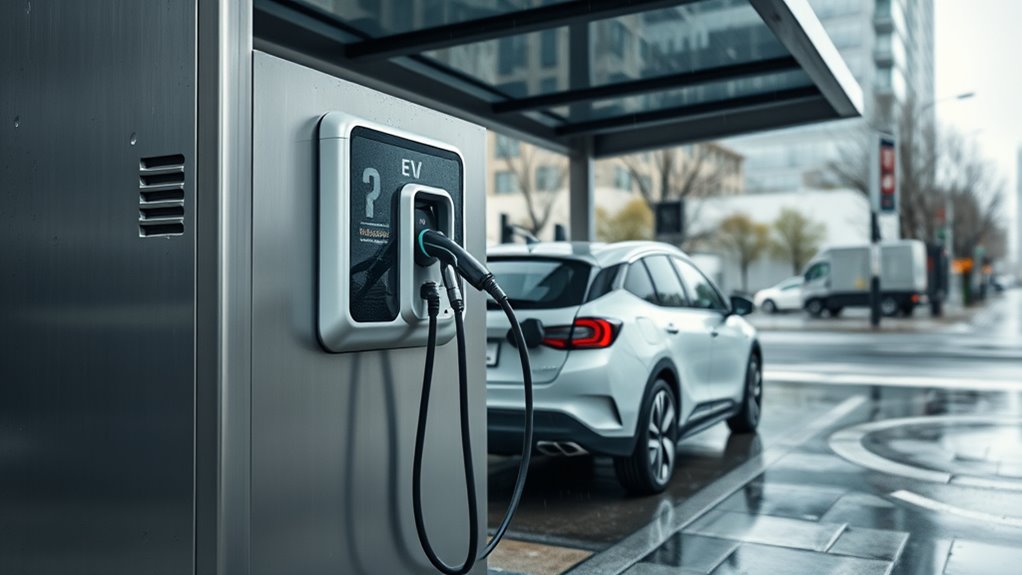
You need a weatherproof EV charger enclosure when rain, snow, dust, UV exposure, salt air, impact, or tampering can shorten the life of your charging setup. The right enclosure does more than “cover” the charger. It matches the site’s exposure, preserves airflow, protects cable exits, sheds water, and keeps the equipment installed within the manufacturer’s instructions.
Quick Answer
For most exposed outdoor EV charger locations, choose a listed charger and enclosure rated for outdoor use, then match the site to NEMA 3R, NEMA 4, NEMA 4X, IP65, or IP66. Use Type 4X or corrosion-resistant materials near salt air, keep drainage open, and never block the charger’s required airflow.
Key Takeaways
- NEMA and IP ratings are not identical. Use them as selection guides, but always follow the charger and enclosure listing.
- NEMA 3R fits many covered outdoor spots, while NEMA 4 or IP66 adds stronger water-jet protection for exposed sites.
- NEMA 4X or corrosion-resistant materials are smarter near salt air, road spray, pool chemicals, or coastal humidity.
- A sealed box can still fail if it traps heat, blocks vents, pinches cables, or lets condensation pool inside.
- Use a licensed electrician when required, and never modify a listed EV charger or enclosure in a way that violates the manufacturer’s instructions.
At a Glance
| Best For | Outdoor wall chargers, shared parking chargers, driveway chargers, and exposed garage-side installations |
| Common Ratings | NEMA 3R, NEMA 4, NEMA 4X, IP65, IP66 |
| Key Features | Gasketed door, drainage path, cable strain relief, lockable latch, UV-stable or corrosion-resistant shell, and approved ventilation |
| Inspection Cadence | Quick visual check monthly; gasket, drain, cable, and fastener check each season; electrician inspection if faults, heat marks, water entry, or nuisance tripping appear |
What EV Charger Enclosures Protect
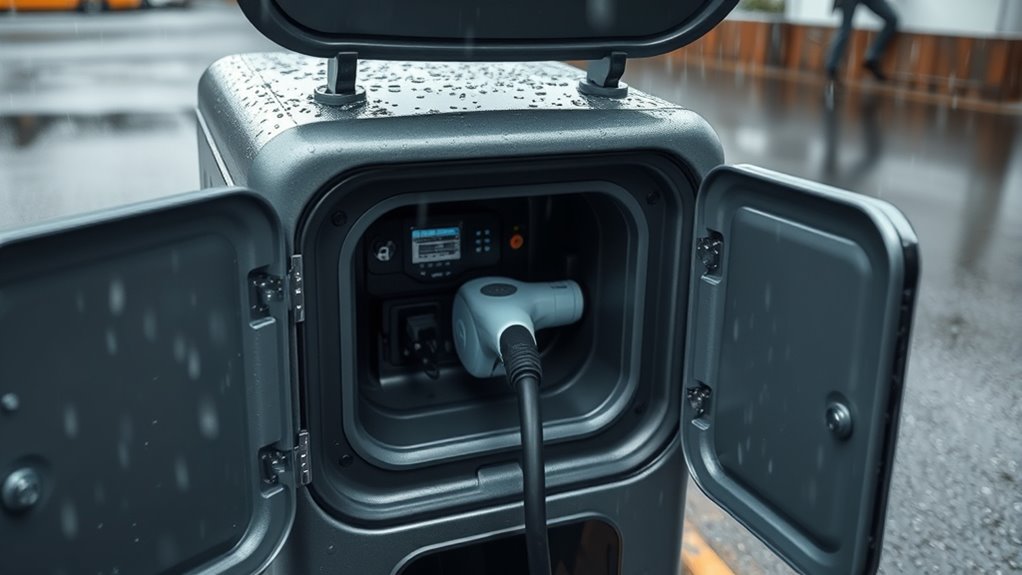
An EV charger enclosure protects the charger body, wiring entry points, connector holster, cable exit, display, and access hardware from weather and physical damage. It helps reduce direct exposure to rain, snow, wind-driven dust, UV light, insects, impact, and unauthorized access.
The best enclosure for an outdoor EV charger is not just the thickest box you can buy. It is the enclosure that matches the charger’s listing, the site conditions, and the required airflow. A charger that is already rated for outdoor use may only need shade, a cable holster, and good mounting. A charger in a harsh public or coastal location may need a lockable, corrosion-resistant enclosure with better drainage and cable protection.
Standards help you compare options. IP ratings describe dust and water ingress protection, while NEMA enclosure types are commonly used in North America to describe environmental protection for electrical enclosures. These labels help, but they do not replace the charger manual, local electrical code, or inspection requirements.
Warning: Do not place an indoor-only charger outdoors just because you added a box around it. Use listed equipment, follow the charger and enclosure instructions, and hire a licensed electrician when required by local code or the authority having jurisdiction.
Weatherproof vs Waterproof: What the Rating Really Means
“Weatherproof” means the enclosure is built to resist normal outdoor exposure such as rain, snow, sunlight, windblown debris, and splashing when installed correctly. It does not automatically mean the charger can be submerged, pressure-washed, covered with snow for weeks, or exposed to salt deposits without maintenance.
“Waterproof” is often a marketing word, so it is safer to look for a specific NEMA or IP rating. For example, IP66 means the enclosure is dust-tight and tested against powerful water jets. It does not mean the unit is rated for continuous immersion. NEMA 4X adds corrosion resistance compared with Type 4, but the final performance still depends on material, gasket condition, installation, and cleaning.
Note: NEMA and IP ratings are useful, but they are not perfect one-to-one matches. Treat them as a way to compare protection levels, then confirm the exact listing on the charger and enclosure label.
Why Outdoor EV Chargers Fail
Outdoor EV chargers fail when water, heat, UV exposure, vibration, cable strain, impact, and contamination reach weak points in the installation. The charger body may be rated for outdoor use, but the total system also includes conduit entries, gaskets, mounting screws, cable supports, plug contacts, locks, and the connector holster.
Exposure and Weather Damage
Wind-driven rain can reach seams, cable entries, and connector faces. If seals are old, loose, or unevenly compressed, moisture can enter the enclosure and collect near terminals or electronics. Over time, that can lead to corrosion, nuisance faults, display problems, or charging interruptions.
Sunlight also matters. UV exposure can fade plastics, harden cable jackets, and age rubber seals. In hot climates, direct sun can raise enclosure temperature and make thermal throttling more likely. In cold climates, freeze-thaw cycles can stress gaskets and create small gaps that were not visible during installation.
Connector and Cable Wear
The charging connector and cable are high-wear parts because they move every time you plug in. Poor cable routing can rub the jacket against siding, concrete, metal edges, or the bottom of the enclosure. Loose strain relief can also transfer pulling force to the cable entry point.
Use a holster that keeps the connector angled downward or covered, and store the cable so it does not kink, drag, or sit in standing water. Public charger reliability research has found broken connectors among the causes of non-functioning charging equipment, so protecting the cable and plug is not cosmetic. It is part of uptime.
Heat, Moisture, and Access
A tight enclosure can still be a bad enclosure if it traps heat. EV chargers produce heat during operation, and many are designed with specific clearances or ventilation paths. Blocking those paths can cause throttling, shutdowns, or long-term component stress.
| Fault | Common Cause | Likely Result |
|---|---|---|
| Overheating | Blocked vents, no clearance, direct sun | Throttling or shutdown |
| Moisture ingress | Poor sealing, wrong glands, condensation | Corrosion or ground-fault trips |
| Cable damage | Dragging, sharp edges, tight bends | Jacket wear or charging faults |
| Tampering | Unsecured shared site | Broken latch, stolen adapter, or damaged plug |
Which EV Charger Enclosure Ratings Matter?
The most useful ratings for EV charger enclosures are NEMA 3R, NEMA 4, NEMA 4X, IP65, and IP66. Your best choice depends on how exposed the charger is, whether it faces salt or chemicals, and whether the site is private, shared, or public.
NEMA Rating Basics
NEMA ratings are widely used in North America for electrical enclosures. For EV charging, the most common outdoor comparisons are:
| Rating | Best Use | Important Limit |
|---|---|---|
| NEMA 3R | Rain, sleet, snow, and covered outdoor areas | Less protection against windblown dust and hose-directed water than Type 4 |
| NEMA 4 | Exposed outdoor sites, heavy rain, washdown risk | Does not add the corrosion resistance of Type 4X |
| NEMA 4X | Coastal, salt-air, chemical, pool, or road-spray exposure | Still needs cleaning and gasket inspection |
IP Rating Selection
IP ratings use two numbers. The first number describes solid-particle protection, and the second describes water protection. In simple terms, IP65 is dust-tight and resists water jets, while IP66 is dust-tight and resists stronger water jets. IP66 is a good target for exposed outdoor sites, but it does not mean the enclosure is submersible.
| Rating | Protection Meaning | Good Fit |
|---|---|---|
| IP54 | Limited dust protection and splash protection | Protected indoor or sheltered areas only if allowed by the product listing |
| IP65 | Dust-tight and water-jet resistant | Most outdoor residential installations with normal rain exposure |
| IP66 | Dust-tight and resistant to powerful water jets | Exposed driveways, wind-driven rain, and higher spray risk |
When You Need an EV Charger Enclosure
You need an EV charger enclosure when the installation environment can damage the charger, cable, connector, or access controls. You may not need a separate enclosure if the charger is already outdoor-rated, mounted in a protected area, and installed exactly as the manual requires.
You should consider added protection when the charger is exposed to:
- Direct rain, snow, ice, or wind-driven spray
- Strong sun and high summer temperatures
- Salt air, road salt, pool chemicals, fertilizer, or industrial dust
- Public access, shared parking, vandalism, or accidental impact
- Cable drag, tight bends, or connector exposure
- Wall splash from low mounting or nearby downspouts
Extra enclosure hardware should solve a real risk. Do not add a box for appearance alone if it blocks the charger’s ventilation, makes the connector harder to store, or hides warning labels and status lights that need to stay visible.
How to Choose an EV Charger Enclosure
To choose the right EV charger enclosure, start with the site. Look at rainfall, sun angle, salt exposure, user traffic, cable reach, mounting wall, and the charger’s required clearance. Then choose a rating and material that match those conditions.
| Location | Suggested Protection | What to Check |
|---|---|---|
| Dry garage | Usually no weather enclosure needed | Ventilation, cable storage, and wall clearance |
| Covered exterior wall | Outdoor-rated charger, often NEMA 3R or better enclosure if needed | Splash direction, cable holster, drip loop |
| Exposed driveway | NEMA 4, IP65, or IP66 style protection | Rain direction, sun exposure, drainage, and clearance |
| Coastal or road-salt area | NEMA 4X or corrosion-resistant construction | Stainless grade, coated hardware, gasket quality, cleaning access |
| Shared or public parking | Lockable, impact-resistant, outdoor-rated enclosure | Lock, hinge, cable reach, visibility, and tamper resistance |
Material matters too. Stainless steel resists impact and heat well, but it can still stain in salt-heavy areas if not cleaned. Powder-coated steel can work in mild locations, but scratches may expose bare metal. UV-stable polymer avoids rust and can be lighter, but it must be rated for sunlight, temperature, and impact.
Pro Tip: Choose the enclosure around the charger’s heat path first, then the weather rating. A higher water rating does not help if the charger overheats because the enclosure blocks airflow.
Features That Prevent Damage
A good weatherproof EV charger enclosure protects by combining a rated shell, strong gasket, clean cable routing, controlled airflow, drainage, and secure access hardware.
- Gasketed door: Keeps wind-driven rain and dust away from the charger body.
- Drainage path: Lets condensation or incidental water escape instead of pooling.
- Approved ventilation: Allows heat to leave without creating a direct rain path.
- Cable strain relief: Reduces stress at the charger and enclosure exit.
- Connector holster: Keeps the plug off the ground and limits water collection in the connector face.
- Lockable latch: Helps protect shared chargers from tampering.
- UV-stable or corrosion-resistant material: Slows aging in sun, salt, and harsh outdoor air.
The enclosure should protect the charger without changing how the listed charger is meant to cool, drain, mount, or display warning labels.
Installation Mistakes That Cause Heat and Leaks
Even a strong weatherproof enclosure can fail if it is installed poorly. The most common mistakes are over-sealing the charger, blocking airflow, using the wrong cable glands, mounting too low, skipping drip loops, and compressing the gasket unevenly.
Before installation, confirm these points:
- The charger is rated for the intended indoor or outdoor location.
- The enclosure size leaves the clearances required by the charger manual.
- The enclosure does not block display lights, safety labels, reset access, or the connector holster.
- Conduit entries use fittings approved for wet or outdoor locations where required.
- Cable exits have strain relief and do not create sharp bends.
- The bottom edge is high enough to avoid splashback, pooling water, snow buildup, and bumper impact.
- Water can drain away from the wall and enclosure.
- The circuit, breaker, GFCI requirements, and load calculation are handled according to local code.
Do not drill extra holes, add unlisted vents, or modify a charger enclosure unless the manufacturer allows it. Changes that seem minor can break the weather seal, create corrosion paths, or affect the product listing.
How to Maintain an EV Charger Enclosure
Regular maintenance keeps the enclosure weather-resistant and helps you catch small problems before they become downtime. You do not need to disassemble the charger for routine checks. Focus on visible damage, drainage, seals, hardware, cable wear, and signs of heat or moisture.
| Schedule | What to Check |
|---|---|
| Monthly | Cable jacket, connector face, holster, latch, visible cracks, loose screws, and debris around vents or drains |
| Seasonally | Gasket compression, hinge movement, corrosion spots, mounting tightness, drainage path, insect nests, and water stains |
| After storms or freezing weather | Standing water, ice pressure, cracked plastic, bent hardware, tripped protection, and connector contamination |
| When faults appear | Stop using the charger and have a qualified electrician inspect the circuit, charger, enclosure, and connections |
Clean the exterior with mild soap and water, then dry it with a soft cloth. Avoid harsh solvents unless the enclosure manufacturer approves them. In salt-air locations, rinse deposits more often because salt can hold moisture and speed corrosion.
Troubleshooting Outdoor EV Charger Enclosure Problems
If the charger starts acting differently after you add or service an enclosure, look for heat, moisture, or cable issues first.
- Charger throttles or stops on hot days: Check blocked vents, direct sun, tight clearance, and enclosure temperature.
- GFCI or protection trips after rain: Look for water entry, wet connector face, damaged cable jacket, or failed gasket.
- Rust or white corrosion appears: Clean deposits, check material compatibility, and inspect screws, hinges, and conduit fittings.
- Connector is hard to insert: Check holster alignment, dirt, bent latch parts, or cable strain.
- Condensation forms inside: Confirm drainage, temperature swings, gasket condition, and whether the enclosure needs manufacturer-approved ventilation.
- Lock or latch sticks: Clean debris and check for corrosion before forcing it.
Stop using the charger if you see melted plastic, burn marks, water inside electrical compartments, exposed conductors, or repeated electrical faults. Those are inspection issues, not maintenance chores.
Frequently Asked Questions
How do weatherproof enclosures affect EV charger warranty coverage?
A weatherproof enclosure may help protect the charger, but it does not automatically preserve warranty coverage. The safest approach is to use a charger and enclosure that are listed for the location, install them exactly as the manufacturer allows, and keep records of the installation.
Can weatherproof enclosures reduce charging noise outdoors?
Sometimes. A solid enclosure can reduce vibration or shield small fan sounds, but poor mounting can make noise worse. Do not block ventilation just to reduce sound. Use proper mounting hardware and keep the charger’s airflow path open.
Do enclosures help protect chargers from salt air corrosion?
Yes, the right enclosure can reduce salt-air exposure, especially if it uses NEMA 4X-style corrosion-resistant construction, stainless hardware, or UV-stable polymer. Salt still needs regular cleaning because deposits can hold moisture and attack metal parts.
Are weatherproof enclosures necessary for wall-mounted indoor chargers?
Usually no. A dry garage or indoor wall normally needs safe mounting, cable management, and code-compliant wiring, not a full weatherproof enclosure. Add protection only if the charger faces moisture, dust, impact, or shared-access abuse.
Can solar exposure weaken EV charger enclosure materials over time?
Yes. UV exposure and heat can age plastics, fade coatings, dry gaskets, and harden cable jackets. For sunny locations, choose UV-stable materials, keep required clearance, and consider shade that does not trap heat.
What NEMA rating is best for an outdoor EV charger enclosure?
For many covered outdoor locations, NEMA 3R may be enough if the charger is also outdoor-rated. For exposed rain or spray, look at NEMA 4. For salt air, pool chemicals, road spray, or corrosive areas, NEMA 4X is the safer target.
Can I put a plastic cover over an EV charger?
Only use a cover or enclosure that is suitable for the charger, location, heat, and electrical setup. A random plastic storage box can trap heat, collect condensation, block labels, and create cable strain. Use listed or manufacturer-approved equipment.
Conclusion
A weatherproof EV charger enclosure protects your charging setup only when the rating, material, airflow, drainage, cable routing, and installation all match the site. Choose NEMA 3R for mild covered exposure, NEMA 4 or IP66-style protection for harsher rain and spray, and NEMA 4X or corrosion-resistant materials for salt or chemical exposure. Most important, keep the charger listed for its location, follow the manual, and inspect seals, drains, cables, and hardware before small problems become expensive downtime.
Sources
- ANSI/IEC 60529, Degrees of Protection Provided by Enclosures — backs up IP rating and ingress-protection explanations.
- National Electrical Manufacturers Association standards — supports NEMA enclosure rating context.
- NFPA 70, National Electrical Code — supports local-code and authority-having-jurisdiction cautions for electrical installations.
- OSHA Nationally Recognized Testing Laboratory Program — supports the importance of listed and certified electrical equipment.
- Reliability of Open Public Electric Vehicle Direct Current Fast Chargers — supports the discussion of public EVSE reliability and connector-related failures.