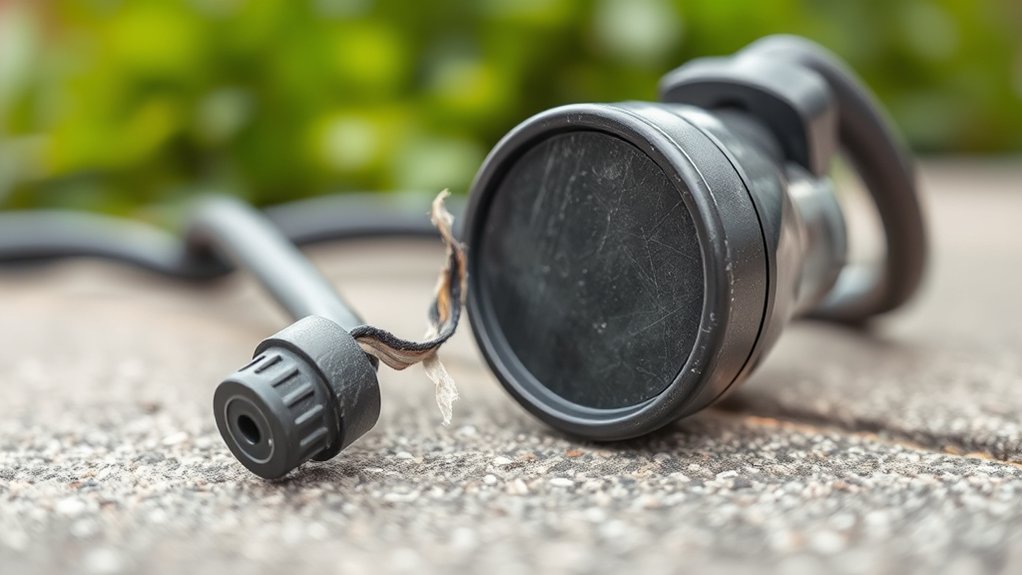
Your EV charging cable does not have a fixed expiration date, but most well-made home and portable cables can serve for many years when they are handled gently, stored dry, and matched to the right charger and vehicle. Replace the cable sooner if you see cracked insulation, exposed wiring, bent pins, corrosion, repeated charging faults, burning smells, or heat that feels unsafe to touch.
Quick Answer
An EV charging cable often lasts about 5 to 10 years with normal home use, but there is no universal lifespan. Heavy daily use, outdoor exposure, tight bending, damaged connectors, and overheating can shorten its life. Stop using and replace it if the jacket cracks, pins loosen, charging becomes intermittent, or the cable gets unusually hot.
Key Takeaways
- A good EV charging cable can last years, but condition matters more than age.
- Replace the cable if you see cracks, fraying, exposed wire, melted plastic, corrosion, bent pins, or repeated charging errors.
- Choose a replacement that matches your vehicle connector, charger rating, amperage, region, and safety listing.
- Store the cable loosely, keep connectors dry and clean, and avoid dragging, crushing, twisting, or tightly coiling it.
How Long Do EV Charging Cables Last?
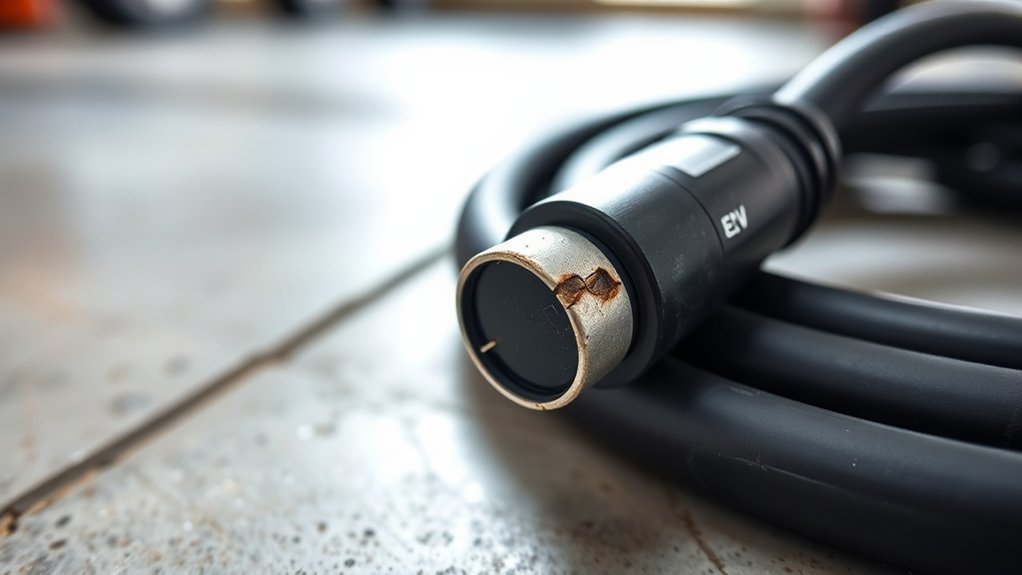
Many EV charging cables last around 5 to 10 years in normal home use, but that range is only a practical estimate. A cable used every day outdoors, dragged across pavement, left in standing water, or bent sharply at the handle can fail much sooner. A cable used gently in a dry garage may last longer.
The safest rule is simple: judge the cable by its condition, charging behavior, and manufacturer guidance, not by age alone. For example, Tesla lists a 48-month warranty for normal residential use of its Wall Connector and 12 months for normal commercial use, which shows why broad “15 to 20 year” claims should be treated carefully. You can review Tesla’s published Wall Connector guidance on its Wall Connector support page.
Warning: Do not keep using an EV charging cable with exposed wire, cracked insulation, melted plastic, bent pins, corrosion, a burning smell, or repeated overheating. Stop the charging session, unplug safely, and replace the cable or contact the charger maker.
What Affects EV Charging Cable Lifespan?
The main factors are use, environment, cable quality, power level, storage, and connector care. A cable that looks clean on the outside can still have stress near the handle, plug, or strain relief, so inspect the whole assembly.
Usage Frequency
Daily plug-in and unplug cycles add wear to the handle, latch, pins, strain relief, and cable jacket. This is normal, but rough handling speeds it up. Pull from the connector handle, not the cable. Avoid yanking, twisting, or dropping the connector on concrete.
Frequent public or commercial use is harder on cables because many drivers handle the same connector. Public DC fast charger research has found broken connectors among the causes of non-working charging equipment, which is one reason you should inspect public handles before plugging in.
Environmental Exposure
Outdoor use exposes cables to sunlight, rain, snow, road salt, mud, and temperature swings. Over time, these can harden the jacket, weaken rubber or plastic parts, and increase corrosion risk at the connector. Store portable cables in a dry bag or trunk compartment after they cool and dry.
Heat is also important. A little warmth during charging can be normal, especially at higher amperage. A cable that becomes hot enough to feel uncomfortable, gives off a smell, changes color, or causes repeated charging faults needs immediate attention.
Cable Quality and Safety Listing
A replacement cable should be built for EV charging, not just look like it fits. Look for the correct connector, rated amperage, outdoor rating if needed, and a recognized safety listing such as UL, ETL, CSA, or another approved mark for your market. The U.S. Department of Energy’s Alternative Fuels Data Center notes that charging-equipment evaluation can include safety listing by a Nationally Recognized Testing Laboratory, which is a useful buying signal. See the AFDC overview of electric vehicle charging equipment and connectors.
Power Level and Heat
Higher power creates more heat at weak points. That does not mean Level 2 charging is unsafe. It means the cable, connector, plug, wall outlet, breaker, and charger must all be rated for the job. The AFDC explains that Level 2 charging commonly uses 240 V service at home or 208 V service in commercial settings, while power output varies by equipment.
Note: The cable is only one part of the charging path. A worn wall outlet, loose plug, undersized circuit, damaged adapter, or faulty EVSE can also cause heat and charging interruptions.
How to Inspect an EV Charging Cable for Wear
Inspect your cable once a month if you charge at home, and before each use if the cable is portable, shared, or stored outdoors. Always unplug it from the vehicle and power source before checking it.
At a Glance
| Time Required | 3 to 5 minutes |
| Difficulty | Easy visual check |
| Tools Needed | Dry cloth, flashlight, soft brush if needed |
| Cost | Free unless damage requires replacement |
Check the Outer Jacket
Run your eyes and hands along the cable. Look for cracks, cuts, flattened sections, swelling, burn marks, brittle spots, or exposed conductors. Pay close attention near the handle and wall plug because those areas take the most bending stress.
Inspect the Connectors
Check the vehicle connector, wall plug, adapter, and any removable connector ends. Look for bent pins, discoloration, corrosion, dirt, water, melted plastic, loose pieces, or a latch that no longer locks firmly. Do not scrape metal contacts with sharp tools.
Watch for Charging Problems
A cable may be wearing out if charging starts and stops, the car does not recognize the connector, the handle feels loose, the charger trips repeatedly, or charging speed drops without a clear reason. These symptoms can also come from the outlet, charger, adapter, or vehicle charge port, so check the full system.
Monitor Heat During Use
After charging has been running for a short time, check for abnormal heat at the handle, adapter, plug, cable body, and wall outlet. Slight warmth can be normal. Strong heat, a smell, buzzing, discoloration, or soft plastic is not normal.
| What You See | What It May Mean | What to Do |
|---|---|---|
| Cracked or frayed insulation | Internal wiring may be exposed or stressed | Stop using and replace |
| Bent pins or loose connector | Poor contact and heat risk | Do not force it; replace or contact the manufacturer |
| Melted plastic or burn smell | Overheating or arcing risk | Stop immediately and have the charging setup checked |
| Charging starts and stops | Cable, adapter, outlet, EVSE, or charge-port issue | Inspect, test with known-good equipment if safe, or call service |
| Corrosion or water in connector | Poor contact and shock risk | Let it dry fully; replace if corrosion remains |
Effective Storage Techniques for Your EV Charging Cable
Good storage helps your EV charging cable last longer. Keep the cable clean, dry, and away from sharp edges, standing water, road salt, oil, and direct sun when possible.
Do not wrap the cable in tight loops. Tight coiling can stress the conductors and trap heat if the cable is used while still wrapped. Use wide, loose loops on a wall hook or charger holster. If your charger has a built-in cable holder, use it so the handle stays off the ground.
For portable cables, use the storage bag that came with the unit or a clean trunk bin. Tesla’s Mobile Connector bundle, for example, includes a cable organizing bag and adapters for 120 V and 240 V outlets, as shown on Tesla’s Mobile Connector support page.
Pro Tip: Let a wet cable dry before storing it in a closed bag. Trapped moisture can speed up corrosion and leave dirt inside the connector.
Simple Maintenance Tips to Make Your Cable Last Longer
You do not need complicated maintenance. A few simple habits prevent most avoidable cable damage.
Handle the Connector Gently
Grip the handle when plugging in or unplugging. Do not pull the cable itself. Avoid dropping the connector, dragging it across the driveway, or letting it hang by the cable. Make sure the connector is fully seated before charging starts.
Keep Connectors Clean
Wipe the outside of the connector with a dry cloth. If dust or grit collects around the connector shell, use a soft brush. Do not spray cleaners, water, or harsh chemicals into the contacts. If the connector is wet inside, let it dry completely before use.
Avoid Tension and Sharp Bends
Park close enough that the cable reaches the charge port with slack. Do not stretch it across a walkway, pinch it in a garage door, run it under a tire, or bend it sharply near the handle. Strain relief areas are common wear points.
Do Not Use Random Extension Cords
Most EV makers warn against using ordinary household extension cords with portable EVSE. If the manufacturer allows a specific setup, the cord, outlet, breaker, and EVSE rating must all match. When in doubt, use a proper outlet or have a qualified electrician install the right circuit.
Choosing the Right Replacement Cable for Your Needs
Choose a replacement cable based on your vehicle, region, charger, and power rating. Do not buy by connector shape alone.
Match the Connector Type
In North America, many non-Tesla vehicles use J1772 for Level 1 and Level 2 AC charging, while newer vehicles may use SAE J3400/NACS. For DC fast charging, common connector families include CCS, J3400/NACS, and some legacy CHAdeMO. In Europe and many other markets, Type 2 is common for AC charging. The AFDC explains these charging levels and connector types in its EV charging overview.
Match Amperage and Voltage
The cable must be rated for the charger output and the vehicle’s onboard charging limit. A cable that fits physically may still be wrong if its current rating is too low. For home charging, check the EVSE label, breaker size, plug type, and vehicle manual.
Choose the Right Length
Longer cables add convenience but can be heavier, harder to store, and easier to trip over. Pick a length that reaches your normal parking position with a little slack, without crossing busy walkways.
Look for Weather Rating
If you charge outdoors, choose a cable and EVSE rated for outdoor use. Keep the connector off the ground, close protective caps when not in use, and avoid leaving portable connectors exposed to standing water.
Avoid Low-Quality Adapters
Use only adapters approved by your vehicle or charger manufacturer. A cheap adapter can create heat at the connection point, even when the cable itself is fine. If an adapter becomes hot, loose, discolored, or causes charging faults, stop using it.
When to Replace, Repair, or Report a Cable
Replace your own cable when the damage is physical, repeated, or heat-related. Do not tape over cracked insulation, file pins, open a molded connector, or try to repair internal wiring yourself.
If the cable is part of a wall-mounted charger, contact the charger maker or a qualified service provider. Some units have replaceable cable assemblies, while others require full EVSE replacement.
For public charging cables, inspect the handle before plugging in. Do not use a connector with broken plastic, bent pins, exposed wire, or signs of overheating. Report the station in the network app or to the site owner. Tesla lets drivers report charging issues from the Tesla app for Supercharger or Destination Charging sites, according to its charging support guidance.
Frequently Asked Questions
How long should an EV charging cable last?
A well-made EV charging cable often lasts about 5 to 10 years with normal home use, but age alone is not the best guide. Replace it sooner if it shows cracks, fraying, exposed wiring, damaged pins, corrosion, charging faults, or unsafe heat.
How do I know if my EV charging cable is bad?
Your EV charging cable may be bad if the vehicle stops recognizing it, charging starts and stops, the connector feels loose, the cable smells burnt, the jacket is cracked, pins are bent, plastic is melted, or the cable gets unusually hot during normal charging.
What is the 80/20 rule for charging?
The 80/20 rule usually means keeping an EV battery between about 20% and 80% for daily use when that range meets your driving needs. It is a battery-health habit, not a direct cable-life rule. Your cable still needs inspection, safe storage, and the correct power rating.
What are signs my charging cable is bad?
Common signs include cracked insulation, frayed sections, exposed wire, bent or corroded pins, loose connectors, melted plastic, a burning smell, repeated charger errors, intermittent charging, or heat that feels stronger than normal warmth.
Can I repair a damaged EV charging cable?
Do not repair a molded EV charging connector or damaged high-current cable with tape, glue, splices, or DIY parts. Replace the cable, contact the charger manufacturer, or have a qualified service provider inspect the EVSE.
Is it normal for an EV charging cable to get warm?
Slight warmth can be normal during charging, especially at higher amperage. It is not normal for the cable, plug, adapter, outlet, or connector to become hot, smell burnt, discolor, soften, buzz, or trip the charger repeatedly.
Conclusion
Your EV charging cable lifespan depends on how often you charge, where you store the cable, how gently you handle it, and whether the cable is properly rated for your vehicle and charger. A clean, dry, loosely stored cable can last for years, but visible damage or abnormal heat is a clear signal to stop using it. Inspect it often, keep connectors clean, choose certified replacements, and do not take chances with damaged charging equipment.
Sources
- U.S. Department of Energy Alternative Fuels Data Center: Electric Vehicle Charging Stations — charging levels, connector types, EVSE terminology, and equipment selection context.
- Tesla Wall Connector Support — Wall Connector compatibility, output, indoor/outdoor use, and warranty context.
- Tesla Mobile Connector Support — portable connector bundle, adapters, charge speeds, and storage bag details.
- Reliability of Open Public Electric Vehicle Direct Current Fast Chargers — public fast-charger reliability data and connector failure context.