
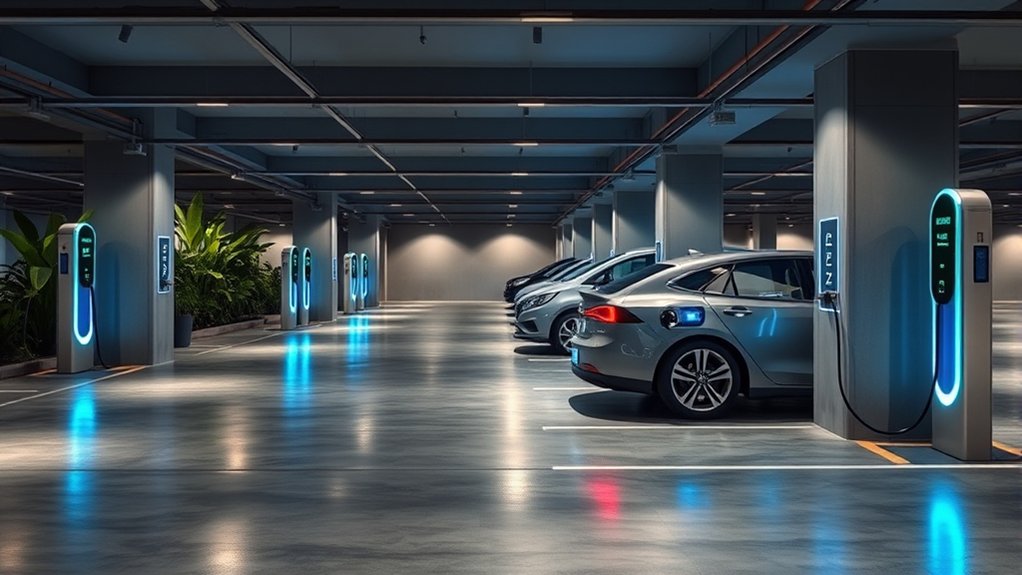
As a condo owner in the U.S., your best EV charging option depends on your parking setup, HOA rules, electrical capacity, and how many residents need charging. A private Level 2 charger is usually the most convenient choice when you have an assigned space, while shared Level 2 stations with access controls often work better for common garages and visitor parking.
Quick Answer
For most condo owners, the best EV charging setup is either a dedicated Level 2 charger in an assigned parking space or a shared Level 2 station managed by the HOA. Start with resident demand, review your condo rules, check electrical capacity with a licensed electrician, then choose a billing and access system before installation.
Key Takeaways
- Level 2 charging is usually the best fit for condos because it can recharge most EVs overnight, but Level 1 may work for short daily commutes.
- HOA approval is easier when you bring a complete plan with the charger type, licensed contractor, permits, insurance, metering, and maintenance responsibilities.
- Right-to-charge laws vary by state, so check your state law before assuming your HOA must approve a private charger.
- As of July 2026, the federal 30C EV charging credit has expired for new property placed in service after June 30, 2026 unless Congress extends it, but state, local, and utility rebates may still be available.
- Shared condo chargers need clear rules for access, billing, idle fees, maintenance, and future expansion.
At a Glance
| Time Required | A few days for research and HOA prep; several weeks to several months if permits, utility review, trenching, or panel upgrades are needed. |
| Difficulty | Moderate to high, depending on parking layout, meter distance, HOA approval, and available electrical capacity. |
| Tools Needed | Resident survey, HOA documents, parking map, electrical load calculation, licensed electrician quote, utility rate/rebate check, and charger management plan. |
| Cost | Level 1 may cost little if a safe dedicated outlet already exists. Level 2 hardware and installation vary widely, and condo projects can cost more when wiring, trenching, panel work, networking, or shared billing is required. |
Understanding EV Charging Needs for Condos
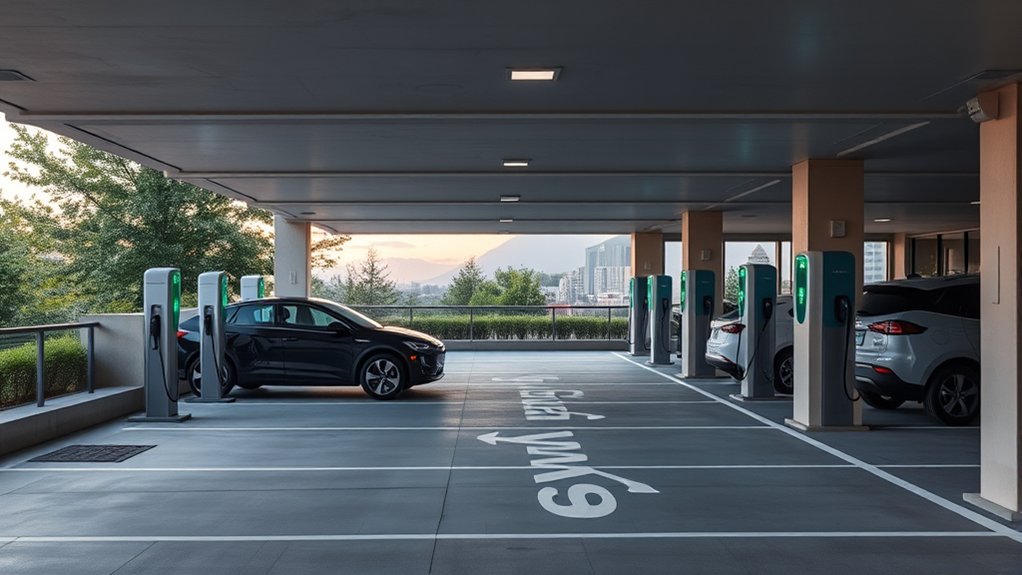
Start by figuring out how your building actually parks and powers vehicles. A condo with deeded garage spaces has different options than a building with unassigned parking, outdoor lots, stacked parking, or a common garage where the meters are far from the stalls.
A resident survey is the easiest first step. Ask who already owns an EV, who plans to buy one in the next two years, how many miles they drive each day, whether they need overnight charging, and whether they prefer a private charger or shared stations. This keeps the project grounded in real demand instead of guessing.
Also review your governing documents, parking rules, architectural guidelines, and insurance requirements. Some associations allow owner-paid chargers in assigned spaces. Others prefer HOA-owned shared chargers because they are easier to manage, bill, and expand.
Note: Condo EV charging is often more like a small infrastructure project than a simple home charger install. Parking rights, common-area wiring, metering, billing, permits, and maintenance all need to be settled before work begins.
Comparing Types of EV Chargers for Condo Installations
Condo owners usually compare three practical options: Level 1 charging, Level 2 charging, and shared networked Level 2 stations. DC fast charging is useful for highway travel and public charging hubs, but it is rarely the best choice for a residential condo garage because it needs far more power, space, equipment cost, and maintenance.
| Charging Option | Best For | Condo Considerations |
|---|---|---|
| Level 1 | Low-mileage drivers, plug-in hybrids, or buildings with limited electrical capacity. | Uses 120V power and is slow. It still needs a safe, dedicated, code-compliant outlet and a way to pay for electricity. |
| Private Level 2 | Owners with assigned or deeded parking who want dependable overnight charging. | Often needs 208V or 240V service, permits, electrician work, HOA approval, and a clear plan for electricity billing. |
| Shared Level 2 | Buildings with common garages, guest parking, or multiple EV owners. | Needs access rules, pricing, idle-time policy, maintenance responsibility, and usually a networked charger or submeter. |
| DC Fast Charging | Public corridors, commercial sites, fleets, and quick-turn charging. | Usually too expensive and power-heavy for a condo. Most residential buildings should focus on Level 1 and Level 2. |
Level 1 Charging
Level 1 charging uses a standard 120V outlet and is the slowest option. The U.S. Department of Energy’s Alternative Fuels Data Center estimates about 5 miles of range per hour of Level 1 charging under typical assumptions. That may be enough if you drive short distances or own a plug-in hybrid.
Do not treat any garage outlet as automatically safe for EV charging. The circuit should be evaluated by a licensed electrician, especially in older buildings, shared garages, or areas where outlets were installed for maintenance tools rather than continuous vehicle charging.
Level 2 Charging
Level 2 charging is the most common condo upgrade because it can usually recharge an EV overnight. AFDC estimates about 25 miles of range per hour for a typical Level 2 setup, though actual speed depends on the charger output, the vehicle’s onboard charger, temperature, and battery state of charge.
Most condo Level 2 projects require a dedicated circuit, permits, inspection, and a plan for where the power comes from. If the charger connects to your own meter, billing may be simple. If it connects to common-area power, the HOA needs a reimbursement or payment system.
Connector Compatibility: J1772, J3400, and Tesla
Most non-Tesla EVs in the U.S. have used the J1772 connector for Level 1 and Level 2 charging, while Tesla vehicles use the Tesla/J3400-style connector and often include or support adapters. Newer vehicles and charging equipment are shifting toward J3400 compatibility, so check your vehicle, charger, and adapter needs before the HOA approves hardware.
Smart Chargers and Dual-Port Stations
Smart chargers can track usage, schedule charging, limit access, support payments, and reduce peak electrical demand. Dual-port stations can serve two vehicles from one pedestal or wall location, which helps when a building wants to serve more residents without installing separate equipment at every stall.
Pro Tip: If your building may add more EV chargers later, ask the electrician about conduit, spare panel capacity, and load-sharing equipment now. Future-ready wiring can cost less during the first project than reopening walls, pavement, or garage ceilings later.
Check Parking, Metering, and Electrical Capacity First
Before buying a charger, answer three questions: where will the charger go, whose meter will feed it, and does the building have enough capacity? These details decide whether the project is simple, expensive, or not practical without upgrades.
- Assigned or deeded space: A private charger may work if wiring can reach the space and the HOA allows it.
- Unassigned parking: Shared chargers usually make more sense because no single owner controls a specific stall.
- Common garage: The HOA may need to approve conduit routes, wall mounting, bollards, signage, cable management, and fire-safety access.
- Outdoor lot: Use outdoor-rated charging equipment, weatherproof installation methods, lighting, and protection from vehicle impact.
- Meter distance: The farther your parking space is from your electrical meter or panel, the more installation can cost.
- Internet signal: Networked chargers may need Wi-Fi, cellular, Ethernet, or a gateway device to handle billing and access control.
Warning: Do not use extension cords, damaged outlets, unapproved adapters, or non-listed charging equipment in a condo garage. EV charging is a continuous electrical load and should be installed under local code, permit, and inspection requirements by a qualified electrician.
How to Work With Your HOA on EV Charging
Working with your HOA is easier when you bring a complete, practical proposal instead of a general request. Your board needs to understand safety, cost, responsibility, and how the project affects other residents.
Start by reviewing your CC&Rs, bylaws, parking rules, architectural standards, and any EV charging policy. Then check whether your state has a right-to-charge law. In states with these protections, an HOA may be limited in how much it can restrict EV charger installation, but it can usually still require reasonable safety, insurance, architectural, and cost rules.
For example, California Civil Code Section 4745 makes unreasonable restrictions on certain EV charging stations void and unenforceable, but it still allows reasonable restrictions, safety compliance, licensed contractors, insurance documentation, and owner responsibility for installation, electricity, maintenance, and damage.
What to Include in Your HOA Request
- Charger type: Level 1, Level 2, wall-mounted, pedestal, single-port, or dual-port.
- Parking location: Mark the exact stall, wall, column, or common-area location on a parking map.
- Electrical plan: Include the panel, meter source, circuit size, conduit route, and load-management plan if needed.
- Contractor information: Use a licensed electrician with EV charging experience.
- Permits and inspection: State who will apply, pay, and coordinate with the city or county.
- Insurance: Provide any certificate or coverage required by your HOA or state law.
- Payment plan: Explain how electricity, network fees, maintenance, and repairs will be paid.
- Removal/restoration: Clarify what happens if you sell the unit, remove the charger, or transfer responsibility to a future owner.
Available Financial Incentives and Cost Breakdown for EV Charging Installation
The cost to add condo EV charging varies widely. A simple Level 1 solution may be inexpensive if a safe dedicated outlet already exists. A Level 2 installation can be far more expensive when the project needs long conduit runs, trenching, panel upgrades, concrete work, load-sharing equipment, networked chargers, or utility service changes.
According to the AFDC procurement and installation guidance, EV charging costs include equipment, installation, electricity, maintenance, network fees, permitting, and possible electrical upgrades. AFDC also notes that workplaces and multifamily housing should usually consider Level 1 and Level 2 charging first.
Federal, State, and Utility Incentives
As of July 2026, do not rely on the federal 30C charger credit unless it is extended or renewed. The IRS guidance for individuals says the credit applied to eligible property placed in service from January 1, 2023, through June 30, 2026, and required an eligible census tract and other conditions.
State, local, and utility incentives may still be available. Check your state energy office, electric utility, city sustainability office, and the AFDC laws and incentives database before the HOA finalizes the budget.
Common Cost-Sharing Models
- Owner-paid private charger: One condo owner pays for installation, electricity, maintenance, insurance, and future removal.
- HOA-owned shared chargers: The association pays upfront, then recovers costs through user fees, parking fees, or reserves.
- User group funding: EV-driving residents split shared infrastructure costs and set rules for new users joining later.
- Third-party network model: A charging provider owns or operates the equipment and handles payments, service, and software for a fee.
- Utility-supported project: The utility may offer rebates, make-ready infrastructure, special EV rates, or technical review.
How to Set Up a User-Friendly Charging Management System
A good condo charging system should answer four questions: who can charge, how they pay, how the building avoids electrical overload, and who fixes the charger when something breaks.
Streamlined Payment Solutions
Payment can be simple for private chargers connected to a unit owner’s meter. Shared chargers need more structure. Common payment methods include RFID cards, mobile apps, credit-card readers, monthly billing, submeter readings, or reimbursement through HOA accounting.
Set pricing before the charger opens. Your HOA may charge by kWh, by time, by session, through a monthly subscription, or with idle fees after charging is complete. Some states limit how non-utilities can bill for electricity, so confirm local rules before choosing a pricing model.
Real-Time Usage Tracking
Usage tracking helps prevent disputes. A networked charger can show who used the station, when the session started, how much energy was delivered, and whether the charger is available. This data helps the HOA plan future chargers and spot problems such as blocked spaces, excessive idle time, or frequent outages.
Custom Access Controls
Shared condo chargers should not be open to everyone unless the HOA wants public use. Access controls can limit charging to residents, approved guests, staff, or specific parking groups. RFID cards, mobile-app authentication, PIN codes, and license-plate rules can all help keep the system fair.
Load Management and Demand Control
Load management lets multiple chargers share limited electrical capacity. Instead of giving every charger full power at the same time, the system can reduce output when several vehicles are plugged in. This can help avoid costly service upgrades and reduce peak-demand charges for common-area meters.
Maintenance and Uptime
Decide who responds when a cable is damaged, a payment screen fails, a breaker trips, or a charger goes offline. The AFDC operation and maintenance guidance recommends planning for electricity costs, maintenance costs, pricing, access structure, and utilization data before the station opens.
Step-by-Step Condo EV Charger Installation Process
- Survey residents. Confirm current EV ownership, future demand, charging frequency, and preferred parking locations.
- Review HOA rules and state law. Check parking rights, architectural rules, common-area restrictions, and any right-to-charge protections.
- Map parking and power. Identify assigned spaces, common chargers, meter rooms, panels, conduit routes, Wi-Fi/cellular signal, and accessible paths.
- Get an electrical assessment. Ask a licensed electrician to evaluate panel capacity, load, circuit options, permits, and code requirements.
- Choose the charger model. Compare Level 1, Level 2, smart features, connectors, cable length, outdoor rating, safety listing, and network support.
- Decide ownership and billing. Put responsibility for installation, electricity, software fees, maintenance, insurance, and removal in writing.
- Submit the HOA package. Include drawings, contractor license, insurance, product specs, permit plan, and payment structure.
- Coordinate utility and permits. Confirm whether utility review, service upgrades, city permits, or fire/electrical inspection are required.
- Install and inspect. Complete the work through approved contractors and keep final inspection records.
- Launch clear rules. Publish access instructions, pricing, idle-time limits, support contacts, and enforcement rules for blocked chargers.
Accessibility and Placement for Shared Condo Chargers
Shared charging stations should be easy and safe to use. Consider lighting, cameras, clear signage, cable management, bollards, snow or water drainage, and a clear path from the parking space to the charger.
Accessibility matters even when a condo is not creating a public charging site. The U.S. Access Board’s design recommendations for accessible EV charging stations explain that EV charging spaces are different from ordinary parking spaces because drivers may need to exit, reach the charger, move the connector, and access charging controls. For shared condo chargers, avoid layouts where cables block access aisles or where the charger controls are hard to reach.
Boosting Property Value With EV Charging Infrastructure
EV charging can make a condo building more attractive to current residents, buyers, and renters, especially in areas with high EV adoption or limited public charging. It can also help the HOA modernize the property and reduce one common barrier to EV ownership.
Still, avoid promising a fixed property-value increase. The return depends on your market, installation cost, parking rights, charging reliability, and whether the setup is private or shared. A clean, permitted, well-managed charging system is more valuable than a poorly planned charger with unclear billing or unreliable access.
Note: EV charging is best viewed as an amenity and future-readiness upgrade. It may improve marketability and resident satisfaction, but it should be budgeted based on real installation costs and local EV demand.
Troubleshooting Common Condo EV Charging Problems
The HOA Denies the Request
Ask for the denial in writing and compare it with your governing documents and state law. If your state has right-to-charge protections, the HOA may need to explain whether the denial is based on safety, feasibility, cost, insurance, or a reasonable architectural restriction.
The Building Does Not Have Enough Electrical Capacity
Ask the electrician about load sharing, lower-amperage Level 2 charging, scheduled charging, Level 1 options, or a phased shared-station plan before assuming a major service upgrade is the only solution.
The Meter Is Too Far From the Parking Space
Long conduit runs can increase cost quickly. Compare a private charger from your own meter with a shared charger connected to common-area power, a submeter, or a networked billing system.
Residents Argue Over Shared Charger Use
Create written rules for reservations, maximum session length, idle fees, guest use, overnight charging, and what happens when a car blocks the station after charging is complete.
The Garage Has Poor Wi-Fi or Cell Signal
Check connectivity before buying a networked charger. Some garages need Ethernet, a cellular booster, a gateway device, or a charger that can store session data offline and sync later.
Frequently Asked Questions
How do you charge an EV at a condo?
Start by checking your parking rights, HOA rules, and available electrical capacity. If you have an assigned space, you may be able to install a private Level 2 charger with HOA approval, permits, and a licensed electrician. If parking is shared, ask the HOA about shared networked Level 2 stations with resident billing.
How do you charge a Tesla if you live in a condo?
A Tesla owner can use a Tesla Wall Connector, a compatible Level 2 charger, or a J1772 charger with the proper adapter, depending on the vehicle and charger. The bigger issue is usually not the brand of EV, but whether the HOA approves the installation, whether power can reach the parking space, and how electricity will be billed.
How do people charge electric cars if they live in an apartment or condo?
They usually use one of four options: a private charger in an assigned space, shared chargers installed by the property, workplace charging, or nearby public charging. For daily use, home or building charging is usually the most convenient, but shared Level 2 stations can work well when the property has clear access and billing rules.
What is the 80/20 rule for EV charging?
The 80/20 rule usually means keeping the battery between about 20% and 80% for routine daily driving instead of frequently draining it very low or charging to 100%. It is a general battery-care habit, not a strict rule for every EV. Follow your vehicle manual because some battery types and trip situations call for different settings.
Can an HOA stop me from installing an EV charger?
It depends on your state law, parking rights, and HOA documents. Some states limit unreasonable HOA restrictions, but associations can usually require safety compliance, permits, licensed installation, insurance, architectural review, and owner payment for installation, electricity, maintenance, and damage.
Who pays for a condo EV charger?
For a private charger, the owner usually pays for the charger, electrical work, permits, electricity, maintenance, and removal or restoration. For shared chargers, the HOA may pay upfront and recover costs through user fees, subscriptions, parking fees, or a third-party charging network.
Conclusion
EV charging in a condo is possible, but it takes more planning than plugging in at a single-family home. Start with resident demand, parking rights, HOA rules, and electrical capacity. Then choose the right charger type, put billing and maintenance in writing, and use licensed professionals for a safe, permitted installation. A well-planned Level 2 or shared charging setup can make your condo more convenient today and better prepared for future EV ownership.
Sources
- U.S. Department of Energy AFDC: Electric Vehicle Charging Stations — backs Level 1, Level 2, DC fast charging, connector, and charging-speed guidance.
- U.S. Department of Energy AFDC: Electric Vehicle Charging for Multifamily Housing — backs condo and multifamily charging planning concerns.
- U.S. Department of Energy AFDC: Procurement and Installation for EV Charging Infrastructure — backs planning, installation, cost, permitting, contractor, and utility-coordination guidance.
- U.S. Department of Energy AFDC: Operation and Maintenance for EV Charging Infrastructure — backs billing, access, usage tracking, maintenance, and pricing considerations.
- IRS: Alternative Fuel Vehicle Refueling Property Credit for Individuals — backs current federal 30C credit timing, cap, and eligibility limitations.
- California Civil Code Section 4745 — provides an example of a state right-to-charge law and related owner/HOA responsibilities.