
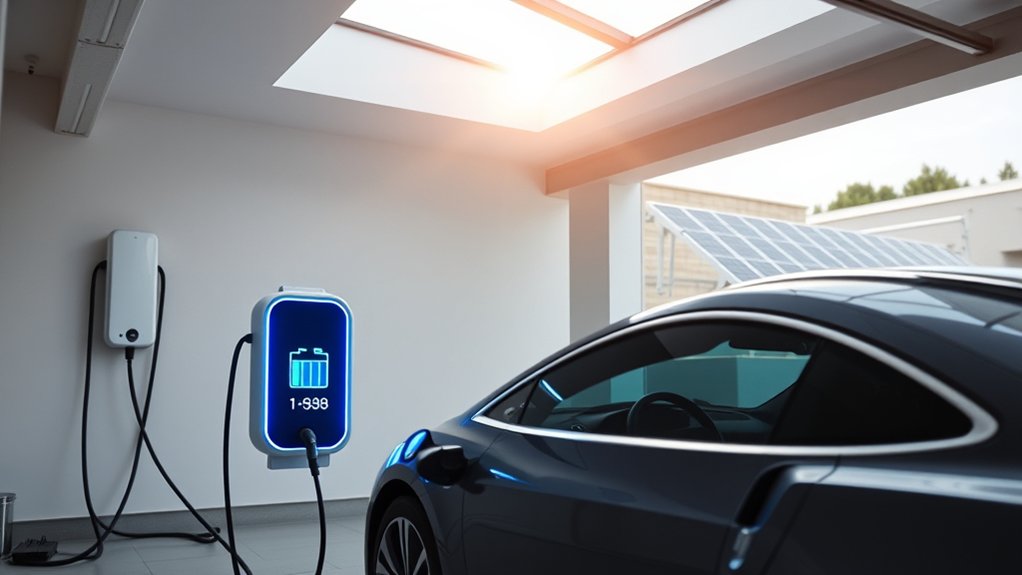
Smart charging helps you get more useful years from your EV battery without making daily driving complicated. The goal is simple: avoid letting the pack sit very full, very empty, very hot, or very cold for long periods. For most drivers, that means using a daily charge limit, scheduling charging near departure, and saving DC fast charging for road trips.
Quick Answer
To extend EV battery life, set your daily charge limit around 80%, avoid routinely dropping below 20%, use Level 2 AC charging for normal home charging, and save DC fast charging for trips. Charge to 100% only when you need the range, and avoid letting the battery sit full in extreme heat.
Key Takeaways
- For daily use, a 20% to 80% state of charge range is a good rule of thumb for many lithium-ion EV batteries.
- Level 2 AC charging is usually the best daily charging method because it is convenient, steady, and easy to schedule.
- DC fast charging is useful on road trips, but repeated high-power charging from very low to very high charge levels adds heat and stress.
- Battery chemistry matters. Some LFP batteries may need periodic 100% charges for calibration, so always follow your owner’s manual.
- Extreme heat, deep discharge, and long storage at 100% are bigger risks than an occasional full charge before a long drive.
At a Glance
| Time Required | 5 to 10 minutes to set up charge limits and schedules; then it becomes a daily habit. |
| Difficulty | Easy |
| Tools Needed | Vehicle touchscreen or app, charger app, owner’s manual, and optional battery-health app. |
| Cost | Usually $0 if your EV and charger already support scheduling; off-peak charging may lower electricity costs. |
Why Smart Charging Matters for EV Battery Life
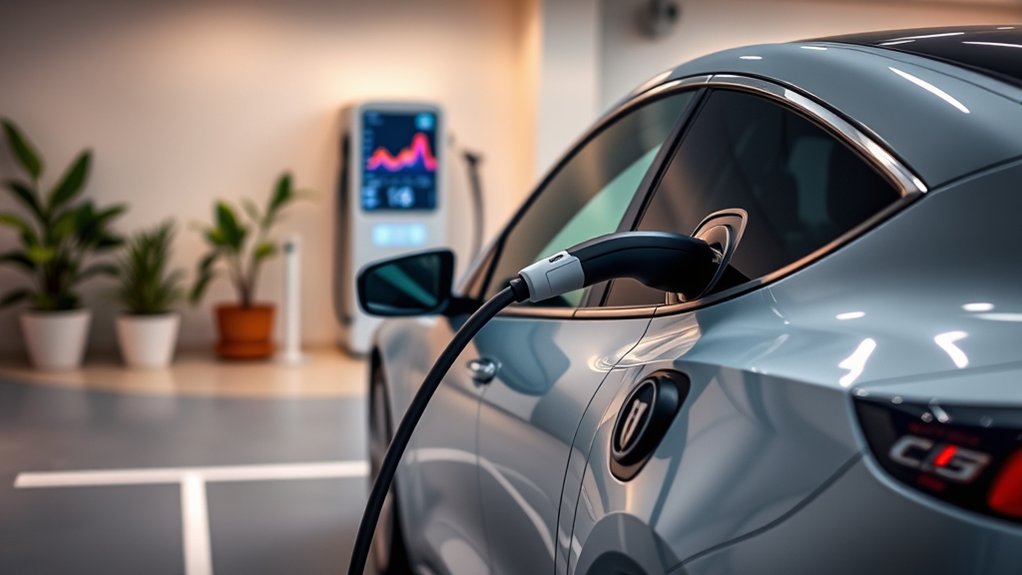
Smart charging means controlling when your EV charges, how high it charges, and how much power it uses. It helps because EV batteries age from a mix of time, temperature, charge level, charge speed, and driving use.
Electric vehicles are built with battery management systems that protect the pack, so you do not need to worry about every charge session. Still, your habits matter. FuelEconomy.gov notes that EV batteries are designed for extended life, with a DOE study suggesting about 12 to 15 years in moderate climates and 8 to 12 years in severe climates.
The main idea is to reduce stress. A battery sitting at 100% for days, dropping near 0% often, or accepting high-power DC charging while very hot or very cold can age faster than a battery kept in a moderate range.
Warning: Never open, cool, heat, repair, or test a high-voltage EV battery pack yourself. Use the vehicle settings, owner’s manual, app diagnostics, or a qualified EV technician.
Best Daily Charge Limit for EV Battery Life
For many EVs, the best daily charging target is about 80%. Try not to let the battery drop below 20% often unless you need the extra range. This is often called the 80/20 rule.
This rule is not about panic. It is a simple daily habit. Charging to 100% before a road trip is fine when you leave soon after charging finishes. The bigger issue is letting the vehicle sit at 100% for a long time, especially in hot weather.
| Charge Level | Best Use | Battery-Life Guidance |
|---|---|---|
| 100% | Road trips, long driving days, some LFP calibration routines | Use when needed, but avoid long parking at 100% unless your owner’s manual recommends it. |
| 80% | Daily driving for many EVs | Good balance of range and lower battery stress. |
| 50% to 60% | Longer parking or storage | Often a safer middle range if the car will sit for weeks. |
| 20% | Lower daily limit | Try to recharge before staying below this level for long. |
| Near 0% | Emergency use only | Avoid deep discharge and recharge soon. |
Note: Your EV may show a “daily,” “recommended,” “trip,” or “charge limit” setting. Use the manufacturer’s recommendation first, then adjust based on your commute and climate.
How to Set Up Smart Charging for Daily Use
The best EV charging routine is the one you can repeat without thinking about it. Set it once in your vehicle app, charger app, or touchscreen, then let the software handle the timing.
- Set a daily charge limit. Start around 80% for most EVs unless your owner’s manual gives a different target.
- Set your departure time. If your EV supports departure scheduling, set charging to finish shortly before you leave.
- Use off-peak hours. If your utility has time-of-use rates, schedule most charging when electricity is cheaper.
- Use Level 2 AC charging for daily needs. It is faster than a normal outlet but gentler and more convenient than relying on public DC fast charging.
- Precondition when needed. In very hot or cold weather, use the vehicle’s preconditioning feature before driving or DC fast charging.
- Charge to 100% only when useful. For a long trip, schedule the full charge so you leave soon after it finishes.
The Alternative Fuels Data Center notes that electricity cost can vary by time of use and that off-peak residential rates can make charging cheaper. That is a cost benefit, while the battery-life benefit comes from limiting time spent at extreme charge levels.
Pro Tip: If you drive the same route most weekdays, set your charge limit based on your real commute plus a safety buffer, not on the maximum range printed on the window sticker.
Level 1, Level 2, and DC Fast Charging
Different charging methods affect your schedule more than they affect your battery. The key is to use the right method for the job.
| Charging Type | Typical Use | Battery-Life Tip |
|---|---|---|
| Level 1 AC | Standard 120-volt outlet; slow overnight or emergency charging | Fine for small daily range needs, but may be too slow for larger batteries. |
| Level 2 AC | Home, workplace, and public destination charging | Best daily choice for most EV owners. |
| DC fast charging | Road trips and quick public charging stops | Use when needed, but avoid making repeated 0% to 100% fast charges your normal routine. |
The AFDC charging guide explains that Level 2 equipment commonly supports overnight charging, while DC fast charging can add range much faster but varies by vehicle, battery state of charge, and charger power.
How Fast Charging Affects Battery Health
DC fast charging is not bad by itself. It is one of the main reasons EV road trips work. The problem is repeated high-power charging under stressful conditions: very low battery, very high battery, extreme heat, extreme cold, or a battery that has just been driven hard.
Fast charging creates more heat and requires the battery management system to control current, voltage, and temperature. Research on degradation-aware fast charging shows that aggressive charging must be managed around electrochemical and thermal limits to avoid added degradation risk.
Better Fast-Charging Habits
- Arrive with a warm, not overheated, pack. Use built-in route planning or battery preconditioning if your EV offers it.
- Fast charge in the middle of the battery range. Charging is often fastest from a low-to-mid state of charge and slows near the top.
- Stop around 70% to 80% on road trips when practical. The last 20% often takes longer and keeps the battery at a higher voltage.
- Avoid back-to-back fast charges in extreme heat when you have an AC option. Give the pack time to cool if the car warns you or limits charge speed.
- Do not chase peak kW numbers. A lower peak with a smoother charge curve can be easier on the pack and may not cost much time.
A healthy charging routine is not “never fast charge.” It is “use fast charging when it solves a real travel need, then return to Level 2 charging for daily use.”
Temperature Management and Preconditioning
Temperature is one of the biggest factors in EV battery aging. Heat can speed chemical aging, while very cold batteries may charge more slowly and can be stressed by high-power charging if the pack is not warmed first.
Most modern EVs manage battery temperature automatically. Your job is to help the car work with better conditions:
- Park in shade or a garage during extreme heat. This reduces heat soak before charging.
- Use scheduled charging in hot weather. Avoid finishing a full charge hours before you drive.
- Precondition before DC fast charging in winter. Many EVs do this automatically when you navigate to a fast charger.
- Leave the car plugged in during extreme cold if the manual recommends it. This lets the car use grid power for battery conditioning instead of battery energy.
- Do not ignore battery temperature warnings. If the car limits power or charge speed, let the system protect itself.
Cold-climate charging research shows why temperature-aware smart charging matters: battery heating, charging power, and timing all affect efficiency and battery stress. Follow your EV’s built-in preconditioning guidance first.
Storing Your EV Battery: What You Need to Know
If your EV will sit for more than a couple of weeks, do not store it near 0% or 100% unless the owner’s manual says otherwise. A middle state of charge is usually safer.
Vacation Storage Checklist
- Set the battery around 50% to 60% before long storage.
- Turn on storage, energy-saving, or transport mode if your EV offers it.
- Keep the vehicle plugged in if the manual recommends it, especially in extreme temperatures.
- Reduce unnecessary app wake-ups, sentry-style modes, cabin overheat protection, or accessories if they drain the battery.
- Check the battery level every few weeks if the vehicle is not plugged in.
- Recharge before the pack gets very low.
Note: EVs also have a 12-volt battery for electronics. If your car will sit a long time, check the manual for both high-voltage battery storage and 12-volt battery care.
Special Considerations for Different Battery Chemistries
Not every EV battery should be treated exactly the same. The two most common groups are nickel-based lithium-ion packs, often called NMC or NCA, and lithium iron phosphate packs, called LFP.
| Battery Type | Common Daily Habit | Important Caveat |
|---|---|---|
| NMC / NCA | Use an 80% daily limit when range allows. | Charge to 100% for trips, but leave soon after charging finishes. |
| LFP | Often tolerates higher charge levels better. | Some manufacturers recommend periodic 100% charges for range calibration. Avoid long hot storage at 100% unless your manual says it is fine. |
If you are not sure which battery you have, check the window sticker, owner’s manual, vehicle app, or manufacturer support page. The correct advice is the advice for your specific EV.
Monitoring Your EV Battery Health Over Time
You do not need to run a diagnostic test after every charge. Instead, watch for trends:
- Large unexplained range drops in mild weather.
- Charging sessions that stop early without a setting or station issue.
- Repeated warnings about battery temperature or charging limits.
- Big changes in energy use after tire, weather, speed, and HVAC differences are ruled out.
- Battery capacity or state-of-health changes shown in a trusted diagnostic tool.
The AFDC maintenance guide notes that EV battery systems usually need little scheduled maintenance, but some use liquid cooling systems that may require regular checks. It also notes that many manufacturers offer 8-year/100,000-mile EV battery warranties.
Used EV Battery Checks
If you are buying a used EV, ask for a battery-health report when available. Also compare the displayed range, energy use, climate, and charging history. A car that lived in a mild climate with mostly Level 2 charging may age differently from the same model used for frequent high-power charging in extreme heat.
Common Smart Charging Problems and Fixes
If smart charging does not work as expected, the issue is often a setting conflict between the vehicle, charger, and utility program.
| Problem | Likely Cause | Fix |
|---|---|---|
| Car charges right away instead of waiting | Schedule is set in the charger app but not the vehicle, or override mode is on | Choose one main schedule location and turn off conflicting schedules. |
| Battery charges past your target | Trip mode, calibration charge, or utility demand-response event changed settings | Check charge limit, departure mode, and utility enrollment settings. |
| Charging is slower than expected | Cold battery, high state of charge, shared circuit, charger limit, or station limit | Precondition, lower the charge target, or check the charger’s amperage setting. |
| Public DC fast charger tapers quickly | Battery is already warm, cold, or above the fastest charging range | Arrive with a lower state of charge and use route-based preconditioning if available. |
Frequently Asked Questions
Does smart charging extend EV battery life?
Yes, smart charging can help extend battery life by reducing time spent at very high or very low charge levels, avoiding unnecessary heat, and scheduling charging closer to departure. It will not stop normal aging, but it can reduce avoidable stress.
What is the 80/20 rule for EV batteries?
The 80/20 rule means keeping your EV battery roughly between 20% and 80% for normal daily use. It is a practical guideline, not a strict law. Charge higher before long trips, and follow your owner’s manual if your EV has an LFP battery or a different recommendation.
Is it bad to charge an EV to 100%?
Charging to 100% is fine when you need the range and plan to drive soon. The habit to avoid is letting the battery sit at 100% for a long time, especially in hot weather. Some LFP batteries may also need periodic 100% charges for calibration.
Is DC fast charging bad for an EV battery?
DC fast charging is not automatically bad. It is useful for road trips and quick stops. Battery stress rises when you fast charge often from very low to very high levels, in extreme temperatures, or when the pack is already heat-soaked. Use Level 2 charging for daily use when possible.
How can I make 20% EV battery last longer?
Drive at a steady moderate speed, reduce cabin heat or air conditioning when safe, use seat heaters instead of full cabin heat in cold weather, avoid hard acceleration, and turn off unnecessary accessories. Then recharge soon rather than leaving the battery very low.
Should I leave my EV plugged in every night?
Yes, if you use a charge limit and schedule. Plugging in does not mean charging to 100% every night. Set the target you want, such as 80%, and let the EV stop automatically. In extreme weather, staying plugged in may also help the car condition the battery with grid power.
Conclusion
You do not need perfect charging habits to keep an EV battery healthy. Focus on the habits that matter most: use a daily charge limit, rely on Level 2 charging for normal use, avoid sitting at 100% or near 0%, precondition in harsh weather, and save DC fast charging for the times it helps. With those simple steps, smart charging becomes an easy routine that protects range, lowers stress, and supports long battery life.
Sources
- FuelEconomy.gov: All-Electric Vehicles — backs EV battery lifespan context and general EV battery information.
- Alternative Fuels Data Center: Maintenance and Safety of Electric Vehicles — backs EV maintenance, battery warranties, and cooling-system checks.
- Alternative Fuels Data Center: Electric Vehicle Charging Stations — backs Level 1, Level 2, DC fast charging, charging speeds, and connector context.
- Alternative Fuels Data Center: Electricity Basics — backs home charging, public charging, and off-peak electricity cost guidance.
- Degradation-Aware Fast-Charging of Li-Ion Batteries Using Joint Electrical and Thermal Model Predictive Control — backs the need to manage fast charging around thermal and electrochemical limits.
- Temperature-Controlled Smart Charging for Electric Vehicles in Cold Climates — backs temperature-aware smart charging and cold-climate battery conditioning.