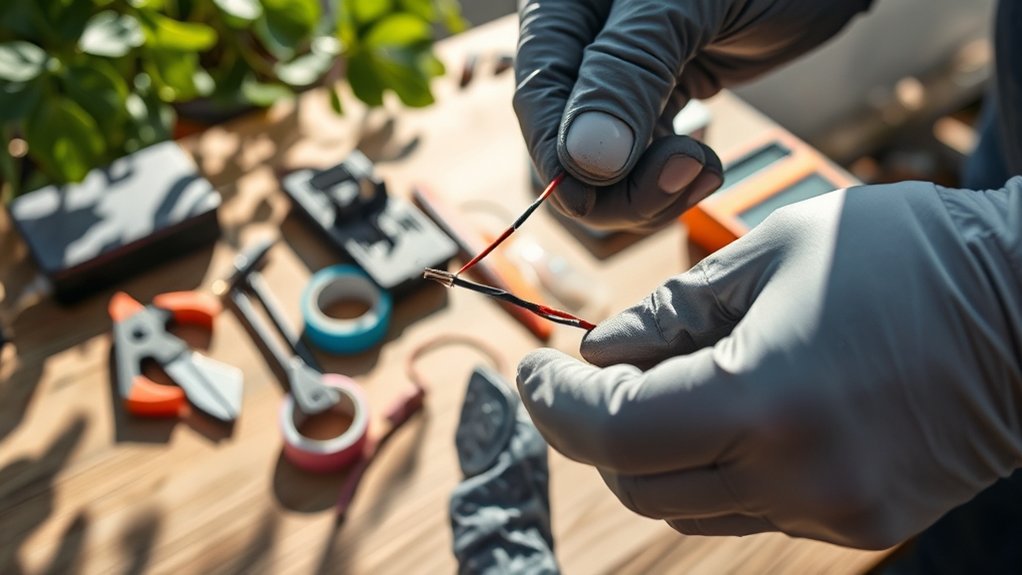
A frayed EV charging cable is not a normal wear item to ignore or patch casually. If the outer jacket is cut, the insulation is split, the connector is loose, or you can see any conductor, stop using the cable until it has been replaced or checked by the manufacturer, charger provider, or a qualified electrician.
Quick Answer
Do not keep using a frayed EV charging cable. Unplug it, inspect it only while it is fully de-energized, and replace it if the jacket, insulation, connector, strain relief, or conductors are damaged. Tape and heat-shrink are not reliable owner repairs for exposed or electrical damage.
Key Takeaways
- If you see exposed wires, melted insulation, burn marks, loose pins, or a cracked connector, stop using the cable immediately.
- Do not splice, tape over, or heat-shrink a damaged EV charging cable as a permanent repair unless the manufacturer specifically allows that service method.
- Continuity testing alone does not prove an EV charging cable is safe under load or in wet outdoor conditions.
- Use a replacement cordset, a manufacturer-approved repair, or a qualified electrician for wall-mounted or hardwired EVSE issues.
At a Glance
| Time Required | 5 to 15 minutes for a safe visual inspection; longer if you need manufacturer support or an electrician |
| Difficulty | Easy inspection; repair or replacement should be handled through the manufacturer, charging provider, or a qualified electrician |
| Tools Needed | Flashlight, dry cloth, phone camera, owner manual, and replacement cable or service contact information |
| Cost | Inspection is free; replacement cordsets or service costs vary by charger, cable type, warranty, and installation |
Warning: Never charge with exposed conductors, melted insulation, a cracked plug, a loose connector, or a cable that trips the breaker repeatedly. Do not cover those problems with tape and keep charging.
Why a Safe EV Charging Cable Matters
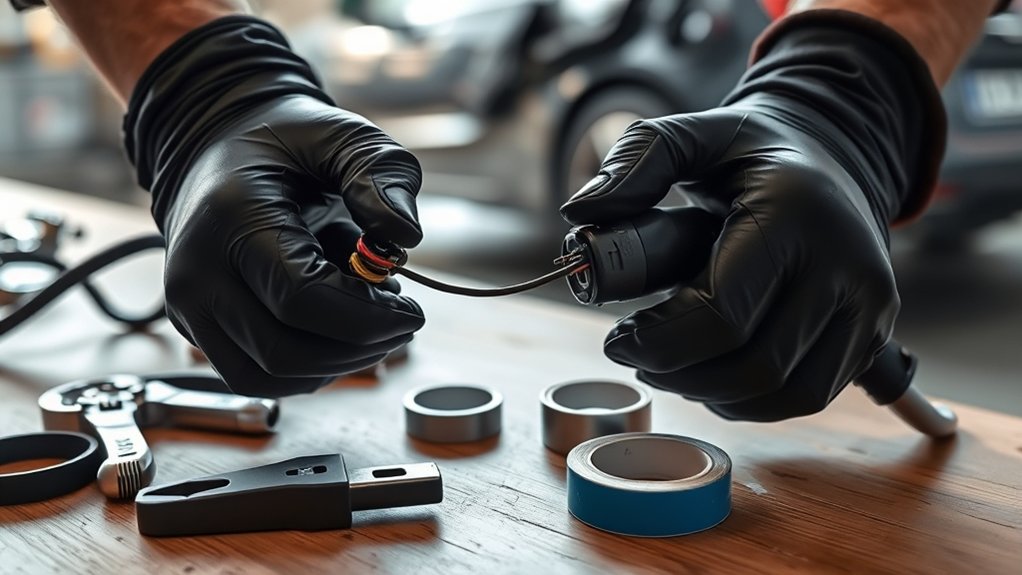
An EV charging cable is part of the electric vehicle supply equipment, often called EVSE. It may carry continuous current for hours, and Level 2 equipment commonly uses 240-volt residential or 208-volt commercial service. The U.S. Department of Energy’s Alternative Fuels Data Center explains that charging time and power depend on the charging level, charger output, vehicle charger capacity, and electrical service.
That is why cable damage matters. A frayed jacket can let water, dirt, or abrasion reach deeper insulation. A hot spot, loose pin, or damaged strain relief can raise resistance and heat. A cable that looks “mostly fine” can still fail under load if the conductor, ground path, or connector is damaged.
For home charging, the DOE AFDC recommends safety-certified charging equipment and notes that EV charging installations must follow local and state codes. It also points electricians to NEC Article 625 for charging-equipment requirements. If your charger or cordset is damaged, treat it as safety equipment, not as a household cord you can patch and forget.
A damaged EV charging cable should be removed from service until the cable, connector, and equipment can be replaced or verified safe by the right professional.
How to Identify a Frayed EV Charging Cable
Start with a visual inspection while the cable is unplugged and de-energized. Look along the full cable length, especially near the vehicle connector, wall plug, strain relief, tight bends, and any spot that rubs against the floor, garage door, tire, wall, or driveway.
Signs of Fraying
A frayed EV charging cable may show one or more of these problems:
- Cracked, split, or missing outer jacket
- Exposed inner insulation or visible metal conductor
- Flattened, pinched, swollen, or soft spots
- Burn marks, melted areas, discoloration, or a hot plastic smell
- Loose connector shell, bent pins, missing latch pieces, or damaged strain relief
- Charging faults, slow charging, repeated breaker trips, or charging that stops when the cable moves
If you see exposed metal, melted insulation, smoke, sparking, or active heat, do not touch the damaged area. Stop the charging session from the vehicle or charger interface if you can do so safely, then disconnect power according to the owner manual or call a qualified professional.
Visual Inspection Techniques
Use a flashlight and inspect slowly from end to end. Rotate the cable in your hand only after it is fully unplugged. Do not bend a suspicious area sharply, because that can worsen hidden conductor damage.
Check the connector faces for moisture, dirt, corrosion, bent pins, broken plastic, and latch damage. The connector should fit firmly without wobbling. A loose or cracked connector is a replacement or service issue, not a tape repair.
Wipe dry dust from the cable with a soft, dry cloth. Do not use solvents, oils, abrasive cleaners, or water on a damaged cable. If the cable is wet and damaged, leave it alone until it is de-energized and safe to handle.
Safety Precautions Needed
Before inspecting the cable, stop charging, unplug from the vehicle, and unplug the portable cordset from the receptacle if your charger design allows it. For a hardwired wall charger, stop the session and follow the manufacturer’s shutdown instructions. If you are not sure how to de-energize the unit, call an electrician.
Do not rely on a multimeter continuity check to approve a damaged cable for use. Continuity does not confirm insulation resistance, grounding integrity, weather sealing, connector temperature rise, or safe full-load operation. The OSHA electrical equipment standard is written for workplaces, but it gives a useful safety baseline: damaged cord-connected equipment should be removed from service until repairs and tests make it safe.
What to Do First If Your EV Charging Cable Looks Frayed
If you notice fraying, take these steps before thinking about repair:
- Stop the charging session. Use the vehicle screen, app, charger button, or normal stop procedure.
- Unplug safely. Disconnect from the vehicle first if that is the normal method for your charger, then unplug the portable cordset from the outlet if applicable.
- Do not touch exposed wire. If the damage is near a plug, outlet, wall charger, or energized part, step back and shut off the breaker only if you can do it safely.
- Keep others away. Move children, pets, and bystanders away from the cable.
- Tag it out. Put a note on the charger or cable so no one else uses it.
- Take photos. Document the damage for warranty, insurance, charger network support, or an electrician.
- Check the manual and warranty. Use only manufacturer-approved replacement parts or service paths.
Note: Portable Level 1 cordsets are often replaced as a complete unit. Wall-mounted or hardwired EVSE may need a manufacturer replacement cable installed by a qualified electrician.
Tools You’ll Need for Cable Inspection, Not DIY Repair
You do not need wire cutters or wire strippers to inspect a frayed EV charging cable. In fact, cutting into the cable can create more hazards and may void the product’s listing or warranty.
Basic Inspection Tools
- Flashlight for checking the cable jacket and connector faces
- Soft, dry cloth for removing loose dust from intact areas
- Phone camera for warranty or service photos
- Owner manual or manufacturer support page
- Non-contact thermometer, if you are checking for unusual heat during normal operation before damage is found
If the cable is already damaged, do not run another charging session just to check temperature. Remove it from service.
What Qualified Repair Technicians May Use
A qualified electrician or manufacturer service technician may use electrical test equipment, torque tools, insulation testing, replacement strain relief parts, or a manufacturer-approved cable assembly. Those tools are not a green light for a homeowner splice. They are part of a controlled repair and verification process.
Safety Gear Recommendations
For a basic visual inspection, keep the area dry, well-lit, and clear. Do not inspect while standing in water or while the cable is plugged in. If the cable is damaged near a receptacle, wall charger, or breaker-fed unit, stop and get professional help.
Step-by-Step: Inspecting Your Charging Cable
- Stop charging and de-energize the cable. Follow the vehicle and charger manual.
- Inspect the wall plug or wall charger. Look for heat marks, looseness, cracked housing, corrosion, or a burning smell.
- Check the strain relief. Look where the cable exits the plug, control box, wall charger, and vehicle connector. This is a common failure point.
- Run your eyes along the cable. Look for cuts, crushed areas, jacket splits, soft spots, and discoloration.
- Inspect the vehicle connector. Check the latch, shell, pins, face, and seal area.
- Separate cosmetic scuffs from damage. Light surface marks that do not cut the jacket may be monitored. Cuts, splits, exposed insulation, exposed conductor, melting, or connector damage mean the cable should not be used.
- Document the issue. Take clear photos and note when the problem appeared.
- Contact the right support path. For a vehicle-supplied cordset, contact the automaker or dealer. For a wall charger, contact the charger manufacturer or electrician. For a public charger, report the damaged connector to the charging network and do not use it.
Safety First: Preparing for Cable Service or Replacement
Once you find real cable damage, the safe next step is service or replacement. Preparation helps prevent someone from using the damaged cable by mistake.
Power Off Charger
For a portable cordset, unplug it from the receptacle after stopping the charging session and disconnecting from the vehicle. For a hardwired wall charger, use the charger’s normal shutdown process. If the unit must be serviced, a qualified electrician can turn off and verify the correct breaker.
Do not keep resetting a breaker or GFCI that trips during EV charging. A repeated trip can point to a fault, moisture, overload, damaged cable, bad receptacle, or charger problem.
Inspect Cable Thoroughly
Check the full cable and both ends before deciding what to do. If only the outer surface is lightly scuffed and the jacket is intact, you may be able to keep using it while monitoring it closely. If the jacket is cut, the cable is crushed, the connector is cracked, or charging changes when the cable moves, stop using it.
Use Safety Gear
For owner inspection, the best “safety gear” is a dry work area, good lighting, and a fully unplugged cable. Do not use metal tools near a damaged energized cable. Do not open a wall charger, plug body, connector, or control box unless you are qualified and the manufacturer instructions allow it.
Can You Fix Minor Frays in Your Charging Cable?
In most cases, you should not “fix” a frayed EV charging cable yourself. If fraying means the outer jacket is split, the inner insulation is visible, the cable is soft or swollen, or the conductor can be seen, the cable should be removed from service and replaced or professionally repaired.
Heat-shrink tubing, electrical tape, and self-fusing silicone tape can make a cable look better, but they do not automatically restore the cable’s original safety certification, water resistance, strain relief, insulation rating, or connector integrity. They also can hide damage that should stay visible until the cable is replaced.
Pro Tip: If the damage is only a surface scuff with no cut, no exposed inner layer, no heat mark, and no connector problem, take a photo and compare it during future inspections. If the mark grows, stop using the cable.
The only safe exception is a manufacturer-approved outer protective sleeve or replacement part used exactly as directed. If the manual does not clearly allow the repair, choose replacement or professional service.
How to Know When to Replace Your EV Charging Cable
Replace the cable, cordset, or charger cable assembly if you notice any of these conditions:
- Exposed conductor or exposed inner insulation
- Split, cracked, missing, melted, or burned outer jacket
- Loose, cracked, or heat-damaged connector housing
- Bent, corroded, recessed, missing, or burned pins
- Damaged strain relief near either end of the cable
- Cable gets unusually hot during normal charging
- Charging stops when the cable moves
- Repeated breaker, GFCI, or charger fault trips
- Damage from a vehicle tire, garage door, pet chewing, lawn equipment, or snow removal
- Any damage on a public charger connector or cable
When in doubt, replace it. A replacement is far cheaper than a shock injury, fire, vehicle charge-port damage, or a failed wall charger.
Troubleshooting Common Charging Issues
Some charging issues look like cable problems even when the cable is not the only cause. Use this safety-first checklist:
- Charger will not start: Check that the connector is fully seated, the vehicle charge schedule is not delaying charging, and the outlet or charger has power.
- Charging stops randomly: Inspect for cable movement, connector looseness, heat, moisture, or charger error codes.
- Breaker or GFCI trips: Stop using the charger and have the circuit, receptacle, cable, and EVSE checked. Do not keep resetting it.
- Cable feels hot: Stop charging if the heat is unusual, concentrated near the plug or connector, or paired with odor or discoloration.
- Public charger cable is damaged: Do not use it. Report it in the charging network app or to site staff.
For home charging, remember that the charging circuit, receptacle, plug, EVSE, cable, vehicle inlet, and vehicle settings all work together. A cable replacement may not solve a damaged receptacle, loose breaker connection, or charger fault.
Preventing Future Damage to Your Charging Cable
Good storage and routing reduce cable stress. Use these habits every time you charge:
- Do not drive over the cable.
- Do not close a garage door, trunk, or door on the cable.
- Do not pull the connector out by yanking the cable.
- Coil the cable loosely after it cools and avoid tight bends.
- Keep the connector off the ground when not in use.
- Use connector caps or holsters if your charger includes them.
- Keep the cable away from sharp edges, standing water, snowblowers, lawn tools, and pets.
- Use outdoor-rated charging equipment for outdoor charging.
- Have a qualified electrician correct loose, overheated, or worn receptacles.
The DOE AFDC notes that outdoor home charging can be safe, including in rain, when outdoor-rated equipment is used. A damaged cable is different. Weather-rated equipment still depends on intact insulation, seals, and connectors.
When to Consult an Expert for EV Charging Cable Issues
Call the charger manufacturer, vehicle dealer, charging network, or a qualified electrician if the damage affects the cable jacket, connector, wall plug, control box, or hardwired charger. You should also get professional help if the charger trips breakers, smells hot, shows error codes, or has been exposed to flooding or impact.
A qualified electrician is especially important for wall-mounted EVSE, 240-volt receptacles, hardwired chargers, panel work, and repeated breaker trips. The cable may be the visible symptom, while the real issue could be an overheated receptacle, loose terminal, undersized circuit, moisture intrusion, or failed EVSE component.
For public charging, do not attempt to repair, move, tape, or force a damaged connector. Report the charger through the app, station phone number, or property owner so the network can take it out of service.
Frequently Asked Questions
How do you fix a frayed EV charging cable?
The safest fix is usually replacement, not a DIY patch. Stop using the cable, unplug it, document the damage, and contact the vehicle maker, charger manufacturer, charging network, or a qualified electrician. Do not splice the cable or cover exposed wires with tape.
Is a frayed charger a fire hazard?
Yes, it can be. Frayed insulation, exposed conductors, loose pins, crushed cable, or melted areas can increase the risk of shock, arcing, overheating, and fire. Remove the cable from service until it is replaced or verified safe by a qualified person.
What type of charger cable does a Nissan Leaf use?
It depends on model year and market. Many North American Nissan Leaf models from 2011 through 2025 use J1772 for AC Level 1 and Level 2 charging and CHAdeMO for DC fast charging. The redesigned 2026 Leaf uses J1772 for AC charging and NACS/J3400 for DC fast charging in North America.
Is it safe to put tape on your charger?
Tape is not a safe repair for exposed conductors, split insulation, heat damage, connector damage, or a cable that faults under load. At most, manufacturer-approved protective wrap may help with a cosmetic outer scuff, but it should never be used to hide electrical damage.
Can I use my EV charger if only the outside looks scratched?
A light surface scuff may be okay if the jacket is fully intact, the cable is not crushed, there is no heat mark, and the connector is undamaged. Take a photo and monitor it. If the scratch becomes a cut, exposes another layer, or changes shape, stop using the cable.
Can an electrician replace the cable on a wall charger?
Often, yes, but it depends on the charger design and manufacturer parts. Some EVSE models allow a replacement cable assembly; others require replacing the whole unit. Use the manufacturer-approved part and have a qualified electrician handle hardwired or 240-volt work.
Conclusion
A frayed EV charging cable is a stop-and-check problem, not a cosmetic annoyance. If the cable has exposed wires, split insulation, melted spots, connector damage, or charging faults, remove it from service and replace it or use qualified repair. A safe charging setup depends on intact insulation, solid connectors, proper grounding, weather protection, and code-compliant equipment.
For minor surface scuffs, inspect carefully and monitor the area. For anything deeper, choose the safe route: unplug, tag it out, document the damage, and contact the manufacturer, charging network, dealer, or electrician before the next charge.
Sources
- U.S. Department of Energy, Alternative Fuels Data Center: Charging Electric Vehicles at Home — home charging, outdoor-rated equipment, safety-certified EVSE, and code compliance
- U.S. Department of Energy, Alternative Fuels Data Center: Electric Vehicle Charging Stations — charging levels, connector terminology, J1772, and Level 2 equipment context
- OSHA 1910.334: Use of Equipment — visual inspection, removing damaged cord-connected equipment from service, and qualified testing
- Car and Driver: 2026 Nissan Leaf Tested — current 2026 Nissan Leaf charging-port update
- WIRED: Nissan Leaf 2026 Review — 2026 Leaf J1772 AC and NACS DC charging context