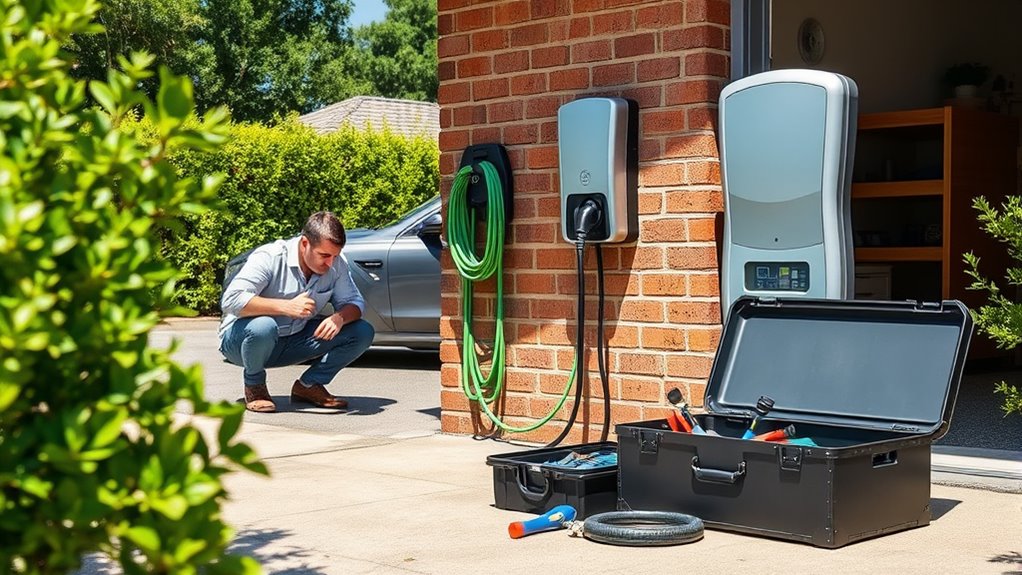
Installing a Level 2 EV charger at home can make daily electric driving much easier, but it is not just a matter of buying a wall box and plugging it in. A safe setup depends on your home’s available electrical capacity, the charger’s amperage, the installation location, permits, and local code.
Quick Answer
To install a Level 2 EV charger at home, choose a charger that matches your vehicle and parking setup, have a licensed electrician perform a load calculation, get required permits, install a dedicated 240-volt circuit or hardwired connection, pass inspection, and test the charger before regular use.
Key Takeaways
- A Level 2 charger usually charges much faster than a standard 120-volt Level 1 cord, but speed depends on charger output, vehicle limits, and battery size.
- Do not rely on a simple “100-amp panel” rule. A licensed electrician should calculate available load before adding EV charging.
- Many home chargers use 32A, 40A, or 48A output settings, and each requires the right dedicated circuit and breaker size.
- Permits, inspections, HOA rules, utility rebates, and outdoor-rated equipment can all affect cost and timing.
- For safety, new 240-volt wiring, breakers, panel work, and hardwired charger installation should be handled by a licensed electrician.
At a Glance
| Time Required | Usually a few hours for a simple installation, longer if permits, trenching, rewiring, or a panel upgrade are needed |
| Difficulty | Advanced electrical work; homeowner planning is fine, but circuit installation should be professional |
| Tools Needed | Load calculation, permit forms, charger manual, dedicated breaker, wiring, conduit, mounting hardware, tester, and inspection approval |
| Cost | Often about $500 to $2,500 for simple to moderate jobs; more if the panel, service, trenching, or long wire runs are needed |
Warning: A Level 2 EV charger uses high-voltage electrical work. Do not open your electrical panel, add breakers, run new 240-volt wiring, or hardwire a charger unless you are legally qualified to do that work in your area. Hire a licensed electrician and follow local permit and inspection rules.
What Is a Level 2 EV Charger and Why You Need One
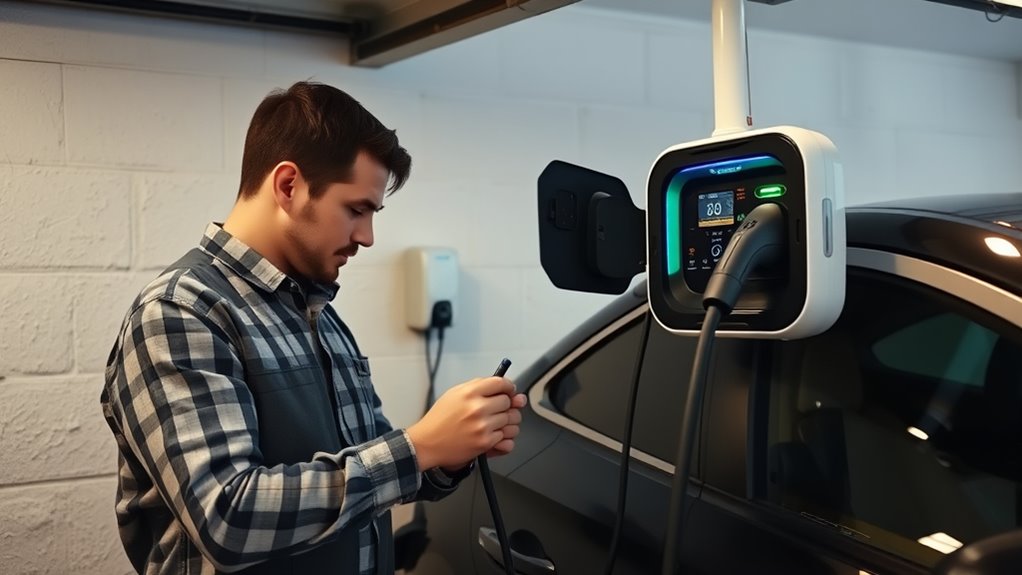
A Level 2 EV charger is electric vehicle supply equipment that uses 240-volt power in most residential settings. That is the same general voltage range used by many large home appliances, but the charger needs the right dedicated circuit, wiring, breaker, and installation method.
Compared with Level 1 charging from a standard 120-volt outlet, Level 2 charging can add range much faster. A typical Level 2 setup may add about 20 to 30 miles of range per hour, depending on the charger output, vehicle efficiency, battery size, weather, and the vehicle’s onboard charging limit.
Level 2 is usually the best home option for drivers who want to plug in overnight and start the next day with a useful charge. It is not the same as DC fast charging, which is mainly used at public charging stations and is not practical for most homes.
A Level 2 charger can make home charging feel like charging a phone overnight: plug in when you park, set the schedule if needed, and leave with more range in the morning.
How to Evaluate Your Home’s Electrical Capacity for a Level 2 Charger
Before buying a charger, check whether your home can safely support the extra electrical load. The important question is not only whether your panel says 100 amps or 200 amps. The real question is how much capacity is left after your home’s existing loads are counted.
A licensed electrician should perform a load calculation. This looks at your panel rating, major appliances, HVAC system, water heater, range, dryer, existing circuits, and any planned future electrical upgrades.
Common Level 2 Charger Output and Circuit Examples
Charger output and circuit size are related, but they are not the same number. Your electrician will size the breaker, wiring, and installation to the charger’s maximum continuous output and your local code.
| Charger Output Setting | Common Dedicated Circuit Size | Best For |
| 16 amps | 20 amps | Light driving, smaller batteries, limited panel capacity |
| 24 amps | 30 amps | Moderate daily driving |
| 32 amps | 40 amps | Many common home charging setups |
| 40 amps | 50 amps | Faster overnight charging when panel capacity allows |
| 48 amps | 60 amps, usually hardwired | Higher-output home charging for compatible vehicles |
Note: Bigger is not always better. If your vehicle can only accept a certain AC charging rate, a higher-output wall charger may not charge it faster. Check your vehicle’s onboard AC charging limit before paying for a larger circuit.
Choose the Right Charger Before Installation
The best home EV charger is the one that fits your vehicle, panel capacity, parking space, climate, and daily driving. Look beyond the advertised charging speed.
- Connector type: Many non-Tesla EVs use J1772 for Level 2 AC charging, while more new North American vehicles are moving toward J3400, also called NACS. Some drivers may need an adapter.
- Plug-in vs hardwired: Plug-in chargers can be easier to replace or take with you, but they need the right receptacle. Hardwired chargers can be cleaner, may support higher output, and are often preferred outdoors.
- Adjustable amperage: A charger with adjustable output can help match your panel capacity and vehicle needs.
- Safety listing: Choose equipment listed by a recognized testing laboratory, such as UL or ETL.
- Energy use: An ENERGY STAR certified EV charger can help reduce standby energy waste.
- Outdoor rating: For outdoor installation, choose equipment rated for outdoor use and suited to your local weather.
- Cable length: Make sure the cord reaches your vehicle’s charge port without stretching across a walkway or driveway.
- Smart features: Wi-Fi, app controls, off-peak scheduling, energy tracking, and utility demand-response support can be useful, but only if your Wi-Fi signal reaches the charger location.
Choosing the Best Location for Your EV Charger
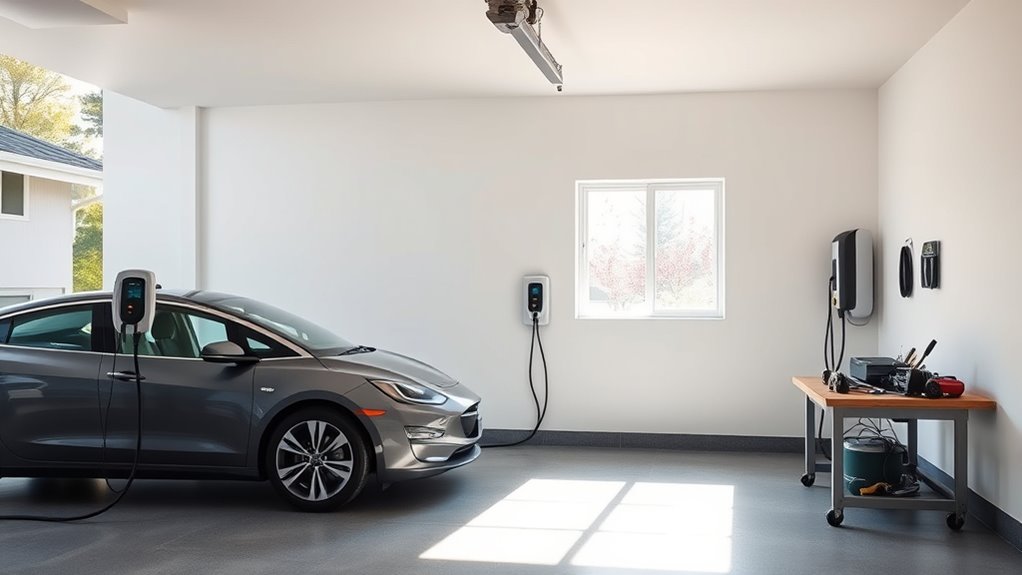
The best charger location is close to where you park, close enough to the electrical panel to avoid unnecessary wiring costs, and safe from impact, water exposure, and trip hazards.
Start by parking your EV the way you normally do. Check which side the charge port is on, where the cable will hang, and whether the cord can reach without crossing a walking path. A neat cable path helps protect the connector and reduces the chance of someone tripping.
If the charger will be outdoors, ask your electrician whether the charger, wiring, conduit, and mounting location are suitable for rain, snow, sun, and temperature swings. Outdoor chargers should be mounted high enough to avoid standing water and placed where the cable will not be run over.
Pro Tip: If you may buy a second EV later, ask your electrician about panel capacity, conduit space, and charger options that support power sharing before the first installation is finished.
Get Permits Before Installation
Many areas require an electrical permit for a new 240-volt EV charging circuit. Permit rules vary by city, county, and state, so check before work begins.
A licensed electrician can usually help with the permit, drawings, load calculation, and inspection scheduling. The permit process may feel like an extra step, but it protects you by creating a record that the work was reviewed under local rules.
Also check these items before installation:
- HOA or condo rules: Some communities require approval before installing visible exterior equipment.
- Rental property rules: Renters need written permission from the owner or property manager.
- Utility programs: Your utility may offer charger rebates, special EV rates, or requirements for separate metering.
- Tax rules: The IRS Alternative Fuel Vehicle Refueling Property Credit has location, timing, and eligibility rules, so verify current requirements before relying on any credit.
What to Expect When Hiring an Electrician for Your Charger
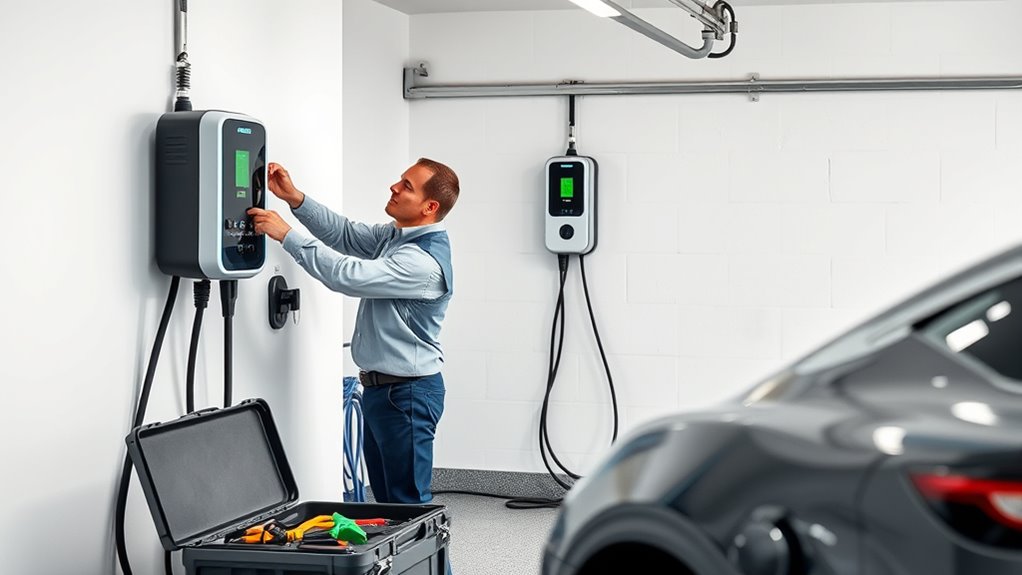
A good electrician will not start by guessing. They should ask about your vehicle, daily driving, preferred charger, parking location, panel location, and whether you want a plug-in or hardwired setup.
Expect the electrician to:
- Inspect the electrical panel: They will check service size, breaker space, panel condition, grounding, and existing loads.
- Perform a load calculation: This helps determine whether your current service can support the charger.
- Recommend charger output: They may suggest a lower output setting if it avoids a costly panel upgrade while still meeting your daily needs.
- Plan the wiring route: Shorter, cleaner routes usually cost less than long runs through finished walls or underground conduit.
- Handle permits: In many areas, the electrician can submit permit paperwork and schedule inspection.
- Install and test: After installation, they should test the charger, confirm settings, and show you how to safely use the equipment.
Ask for an itemized estimate. It should separate the charger, breaker, wiring, conduit, receptacle or hardwired connection, permit, labor, inspection, panel upgrade if needed, and any drywall or trenching work.
Step-by-Step Guide to Installing Your Level 2 EV Charger
Use this process to plan the project from first check to final test.
- Confirm your charging needs: Estimate how many miles you drive each day and how quickly you need to recover that range overnight.
- Check your vehicle’s AC charging limit: Do not pay for more charger output than your vehicle can use.
- Choose a charger: Pick a listed Level 2 charger with the right connector, amperage range, cord length, indoor/outdoor rating, and smart features.
- Select the location: Choose a spot near your parking area and panel, with safe cable storage and weather protection if needed.
- Get an electrician’s load calculation: Confirm whether your current panel and service can support the charger.
- Pull required permits: Follow local rules before electrical work starts.
- Install the circuit and charger: The electrician installs the breaker, wiring, conduit, receptacle or hardwired connection, and charger mount.
- Set the charger amperage: The output should match the installed circuit and charger manual.
- Complete inspection: If your area requires inspection, do not skip it.
- Test with your EV: Plug in, confirm charging starts, check the app if used, and verify the cable does not overheat or strain.
Benefits of Installing a Level 2 EV Charger at Home
Having a Level 2 EV charger at home can make EV ownership simpler. You can charge overnight, avoid many public charging stops, and schedule charging during off-peak utility hours if your electric plan supports it.
Home charging also lets you start many days with a predictable range instead of waiting for a public charger. For households with long commutes, cold weather, or multiple errands, that convenience can matter more than maximum charging speed.
A properly installed charger may also make your home more appealing to future EV-owning buyers. Avoid treating it as a guaranteed resale-value increase, though. Market value depends on your area, buyer demand, installation quality, and whether the equipment is permitted and inspected.
Common Problems After Installation and How to Fix Them
Most Level 2 chargers are simple to use once installed, but a few problems can appear during setup or the first weeks of use.
- Breaker trips: Stop using the charger and call the electrician. The charger setting may be too high, the GFCI may be tripping, or there may be a wiring issue.
- Charging is slower than expected: Check the vehicle’s onboard AC limit, charger amperage setting, battery temperature, and in-car charge schedule.
- Charger app will not connect: Confirm Wi-Fi strength at the charger, router settings, and whether the charger needs a firmware update.
- Cable does not reach comfortably: Do not stretch the cord. Repark the vehicle or ask about relocating the charger or adding cable management.
- Outdoor plug or enclosure feels hot: Stop charging and have the installation inspected. Heat can signal a loose connection, wrong receptacle, or overloaded component.
Frequently Asked Questions
Can I install a Level 2 EV charger myself?
You can choose the charger, plan the location, and handle basic cable organization, but new 240-volt wiring, breaker installation, panel work, receptacle installation, and hardwired charger installation should be done by a licensed electrician. Many areas also require permits and inspection.
How much does it cost to put in a Level 2 charger at home?
A simple Level 2 EV charger installation often falls around $500 to $2,500, including basic materials and labor. Costs can rise if the panel needs an upgrade, the wire run is long, walls must be opened, trenching is required, or your area has higher permit and labor costs.
What EV charger does Volvo recommend?
Do not assume one universal Volvo charger recommendation applies to every model year and market. Check your Volvo owner resources, dealer guidance, connector type, and onboard AC charging limit. Many Volvo EVs in North America can use common Level 2 home charging equipment, but the right connector or adapter may depend on the model and year.
What charger does the Chevrolet Equinox EV use?
For home charging, the 2026 Chevrolet Equinox EV supports available Level 2 charging. For public charging, Chevrolet lists access to a large charging network and notes that drivers can order a GM-approved NACS DC adapter for Tesla Supercharger access through the myChevrolet app. Always confirm connector details for your exact model year.
Do I need a 200-amp panel for a Level 2 EV charger?
Not always. Some homes can support Level 2 charging on a smaller panel by using a lower-output charger or approved load management. Other homes may need a panel or service upgrade. A licensed electrician should perform a load calculation before deciding.
Is a hardwired EV charger better than a plug-in charger?
Hardwired chargers are often cleaner, harder to unplug accidentally, and may support higher output. Plug-in chargers can be easier to replace or move. The better choice depends on local code, indoor or outdoor placement, charger amperage, and whether you want portability.
How long does Level 2 home charging take?
Many EVs can recover a normal day of driving overnight on Level 2 charging. A full charge may take several hours or longer depending on battery size, starting charge level, charger output, weather, and the vehicle’s onboard AC charging limit.
Conclusion
Installing a Level 2 EV charger at home is one of the best upgrades for convenient EV ownership, but it should be planned like a real electrical project. Start with your driving needs, choose the right charger, place it where the cable works safely, and have a licensed electrician confirm your panel capacity before installation.
When the work is permitted, inspected, and sized correctly, home Level 2 charging can give you faster overnight charging, fewer public charging stops, and a cleaner daily routine without pushing your electrical system beyond safe limits.
Sources
- U.S. Department of Energy Alternative Fuels Data Center: Electric Vehicle Charging Stations — Level 1, Level 2, DC fast charging, connector types, power ranges, and charging-speed context.
- ENERGY STAR: Electric Vehicle Chargers — energy-efficient EV charger selection and certification context.
- IRS: Alternative Fuel Vehicle Refueling Property Credit — federal tax-credit eligibility, timing, and filing basics for qualified EV charging property.
- Chevrolet: 2026 Equinox EV — official Equinox EV home charging, public charging, and GM-approved NACS DC adapter information.