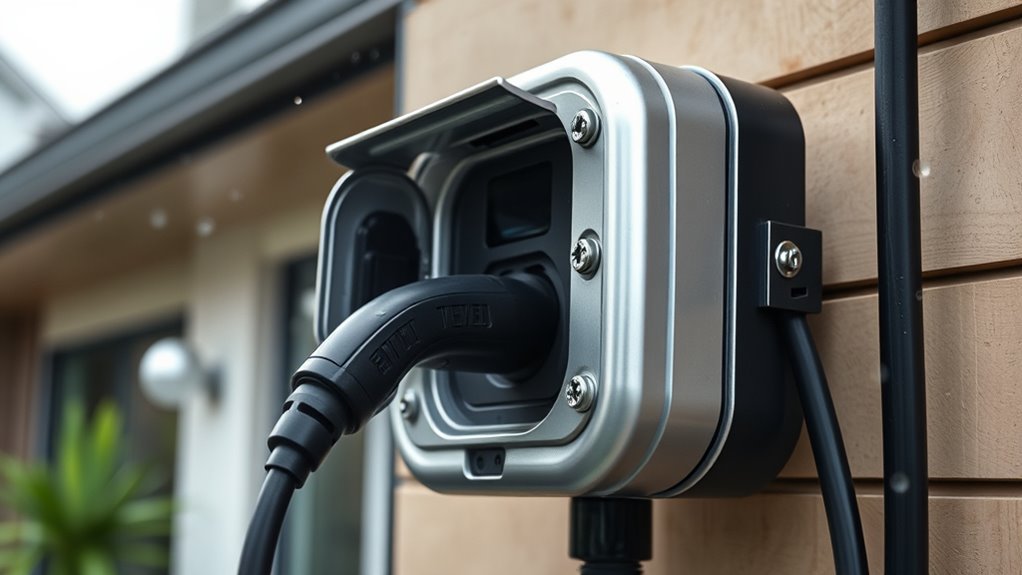
You can prevent rust on an outdoor EV charger by choosing equipment that is rated for outdoor use, mounting it where water drains away, protecting the cable and connector, and cleaning off salt, dirt, and moisture before corrosion starts. Because an EV charger is electrical equipment, rust prevention is not just cosmetic. If you see water inside the enclosure, damaged wiring, corroded connector pins, or a loose conduit fitting, stop using the charger and call a licensed electrician or the manufacturer.
Quick Answer
To prevent rust on an outdoor EV charger, use a manufacturer-approved outdoor-rated unit, mount it in a sheltered and well-drained spot, keep the connector off wet ground, inspect seals and cable entry points, clean off salt and dirt, dry the housing after washing, and repair small exterior coating damage early.
Key Takeaways
- Choose an EV charger that the manufacturer lists for outdoor installation, not just a generic “weatherproof” product.
- Match the enclosure rating to your exposure, especially if you live near the coast or where winter road salt reaches the driveway.
- Mount the charger high enough to avoid splashback, puddles, snow buildup, and poor drainage.
- Keep the cable in a holster or reel so the connector does not sit in water, mud, or snow.
- Clean gently, dry thoroughly, and never spray cleaners, water, paint, or sealant into the connector or electrical enclosure.
At a Glance
| Time Required | 10–20 minutes for a basic inspection; 20–40 minutes for gentle cleaning |
| Difficulty | Easy for exterior cleaning and visual inspection; professional help required for wiring, internal corrosion, or damaged connectors |
| Tools Needed | Microfiber cloth, mild soap, clean water, soft brush, dry towel, flashlight, cable holster, and manufacturer-approved touch-up coating for exterior metal only |
| Cost | Usually $0–$40 for cleaning supplies or a holster; more if an electrician must replace fittings, wiring, or the charger |
Warning: Do not open the EV charger enclosure, remove covers, touch terminals, paint connector pins, or apply sealant around live electrical parts. If rust appears inside the enclosure, around conduit, on plug pins, or near damaged cable insulation, stop using the charger and get professional service.
Common Causes of EV Charger Rust
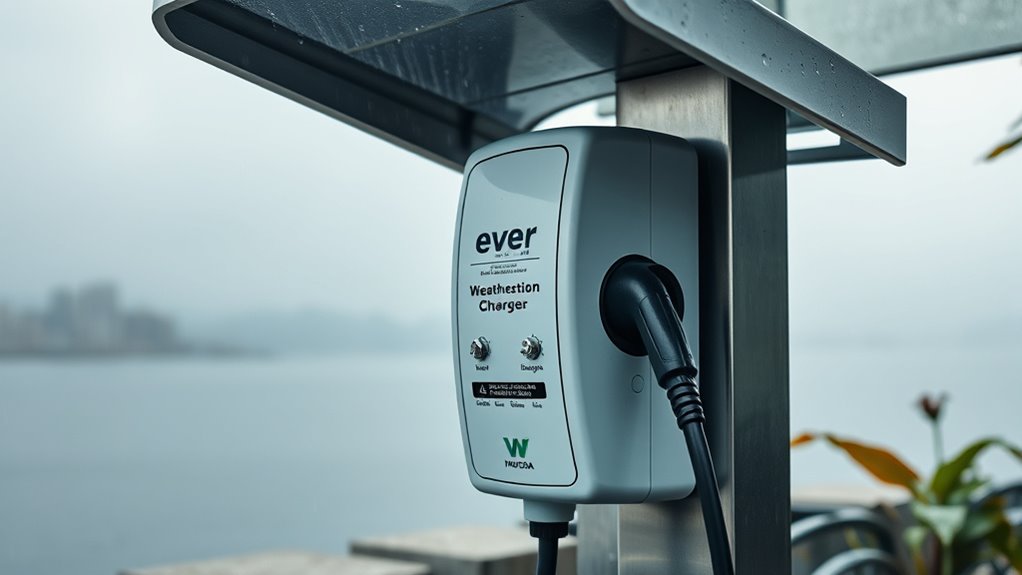
Moisture is the main cause of rust on outdoor EV charger housings, brackets, screws, and exposed metal hardware. Rain, condensation, splashback, snowmelt, and trapped water can sit against metal long enough to damage the protective finish.
Salt makes the problem worse. If you live near the ocean, salty air can leave chloride deposits on the charger. If you live in a cold climate, road salt can splash onto the enclosure, mounting post, cable, and connector. These deposits hold moisture and can speed corrosion on scratches, seams, fasteners, and low-grade steel parts.
Rust also starts faster when the charger is installed in a low spot, mounted where sprinklers hit it, or placed where airflow is poor. A charger can be outdoor rated and still suffer if water pools around the base or if the cable connector is left in mud, snow, or standing water.
The most common rust triggers are:
- Scratched powder coating or chipped paint that exposes bare metal.
- Loose, cracked, or compressed gaskets around the enclosure.
- Unsealed or poorly sealed conduit and cable entry points.
- Low-lying installation sites where runoff collects.
- Coastal salt air, winter road salt, or sprinkler overspray.
- Steel screws or brackets used with aluminum or stainless parts without proper corrosion control.
Choose the Right Outdoor EV Charger Rating
You should choose an EV charger that the manufacturer clearly lists for outdoor installation. Do not rely on vague words like “weatherproof” unless the product label, manual, or specification sheet gives a real enclosure rating and installation instructions.
IEC IP ratings describe how well an enclosure resists dust and liquid ingress. The first number covers solids, and the second number covers liquids. For example, IP54 means the enclosure is dust protected and protected against splashing water, but it does not mean the charger is corrosion-proof, salt-proof, or safe to pressure-wash.
In North America, you may also see NEMA enclosure type language. Outdoor EV chargers are often rated by the manufacturer for outdoor use with NEMA-style or IP-style enclosure ratings. For harsher locations, such as coastal driveways, uncovered posts, and salted winter roads, look for stronger corrosion-resistant hardware and follow the exact manufacturer mounting instructions.
Note: Higher rating numbers are not always directly comparable across IP and NEMA systems. Check the charger label and manual, then match the rating to your rain, dust, salt, and exposure level.
Weatherproof Enclosure Materials
The best enclosure material depends on your climate. Stainless steel, aluminum, powder-coated metal, and UV-resistant polymer housings can all work outdoors when the charger is designed for that use.
Stainless steel resists rust better than plain carbon steel, but it is not magic. Salt deposits can still stain or pit stainless surfaces if they are not rinsed off. Aluminum does not rust like steel, but it can corrode, especially around damaged coatings, dissimilar fasteners, and salty moisture. Polycarbonate and other polymer housings avoid metal rust, but they still need UV resistance, intact gaskets, and good cable-entry sealing.
For most outdoor home installations, choose a charger with:
- A manufacturer-approved outdoor enclosure rating.
- UV-resistant housing and cable materials.
- Corrosion-resistant screws, brackets, and mounting hardware.
- A gasketed cover or sealed enclosure design.
- A connector holster or dock that keeps the plug dry and off the ground.
Sealed Design and Drainage
A rust-resistant enclosure works best when the seals and drainage paths are intact. Gaskets should sit evenly, latches should close fully, and conduit or cable entries should use fittings approved for wet locations and outdoor EVSE installation.
Do not add random caulk around the enclosure if the manufacturer does not call for it. Some chargers and mounting systems include drain paths or weep areas. Blocking those paths can trap water inside, which creates a worse corrosion problem.
- Check that the cover closes flat and the gasket is not pinched, cracked, or missing.
- Confirm that conduit, fittings, and cable glands are tight and weather rated.
- Keep drain paths clear so water can leave instead of sitting inside or around the charger.
- Replace damaged seals instead of trying to hide the problem with extra caulk.
Install the Charger in a Dry Spot
You should mount the charger in a sheltered, elevated location whenever possible. A carport, garage wall near the door, porch overhang, or covered exterior wall can reduce direct rain, snow, and UV exposure while still keeping the charger accessible.
Avoid low-lying areas where water collects after storms. Rust often starts at the mounting bracket, bottom edge, conduit entry, or post base because those areas stay wet the longest.
Choose Sheltered Placement
Shelter does not mean sealing the charger in a tight box. Outdoor EV chargers still need the clearances, airflow, and mounting position required by the manufacturer. The goal is to reduce direct weather exposure while keeping the unit safe, reachable, and properly ventilated.
Good placement choices include:
- Under an overhang where rain does not fall directly on the enclosure.
- High enough on the wall to avoid splashback and snow buildup.
- Away from downspouts, sprinklers, roof valleys, and puddle zones.
- Close enough to the vehicle that the cable does not drag across wet ground.
- Outside high-traffic areas where tools, bikes, trash bins, or car doors can chip the finish.
Avoid Standing Water
Water pooling around an EV charger speeds corrosion, especially at the base of a pedestal, wall bracket, conduit run, or cable holder. Choose a mounting spot where runoff moves away from the charger.
| Control | Action | Rust-Prevention Benefit |
|---|---|---|
| Elevation | Mount above splash and snow zones | Less water contact at the enclosure and bracket |
| Drainage | Use sloped concrete, gravel, or permeable pavers below | Faster drying after rain |
| Shelter | Add a proper overhang or weather cover if allowed | Lower direct rain and UV exposure |
| Inspection | Check after heavy rain, snow, or salt exposure | Early correction before rust spreads |
| Cable storage | Use a holster or reel | Keeps connector away from puddles and mud |
Seal Out Water and Moisture
Keeping moisture out is one of the best ways to prevent rust, but sealing must be done correctly. Focus on the places where water can enter: conduit fittings, cable glands, mounting holes, worn gaskets, damaged covers, and loose fasteners.
Use only weatherproof fittings, compounds, and replacement gaskets that are approved for the charger and the installation type. Do not smear household caulk over every seam, and do not seal over labels, vents, drain paths, buttons, connector contacts, or service covers.
A good seal keeps water out. A bad seal can trap water in. Always follow the charger manual before adding sealant or replacing gaskets.
- Inspect gaskets for cracks, flattening, gaps, or dirt buildup.
- Check cable-entry fittings for looseness, rust stains, or water trails.
- Make sure mounting screws are tight and not exposing bare metal.
- Replace damaged parts rather than hiding them under extra sealant.
- Call an electrician if you see moisture inside the enclosure or around conduit.
Protect the Cable and Connector
The cable and connector see the most handling, so they are easy places for rust, corrosion, and wear to start. Use the charger’s holster, dock, cap, or retractable reel every time you finish charging. The connector should not hang face-down in rain, sit in snow, or rest on a wet driveway.
Good cable management reduces abrasion, water contact, and strain at the connector. It also helps prevent the cable jacket from rubbing against concrete, sharp edges, gravel, or metal brackets.
During a visual inspection, look for:
- Cracked cable jacket or exposed inner layers.
- Green, white, brown, or black discoloration on connector contacts.
- Loose connector shell, broken latch, or missing cap.
- Burn marks, melted plastic, or unusual odor.
- Water trapped in the holster or cable loop.
Pro Tip: Store the cable in wide loops instead of tight bends. Tight bends can stress the cable jacket and make small cracks harder to spot.
If the connector pins are corroded or the cable jacket is damaged, do not clean the contacts with sandpaper or spray chemicals into the plug. Stop using the charger and arrange service or replacement.
Add Surge, GFCI, and Grounding Protection
Electrical protection does not stop rust by itself, but it matters for outdoor EV charger safety. Outdoor EVSE should be installed on a proper circuit with code-compliant grounding, overcurrent protection, and ground-fault protection where required by local electrical code and the charger manufacturer.
The National Electrical Code is commonly adopted by states and local jurisdictions in the United States, but your local authority may amend or interpret requirements. That is why a licensed electrician should handle hardwired installation, panel work, breaker changes, grounding problems, and wet-location repairs.
Surge protection can also help protect sensitive charger electronics from voltage spikes. It will not prevent surface rust, but it can reduce electrical damage that might require enclosure service later.
- Use a licensed electrician for hardwired chargers and new 240-volt circuits.
- Use only wet-location-rated fittings and covers where required.
- Do not bypass GFCI protection to stop nuisance tripping.
- Have grounding and bonding checked if you see corrosion around conduit or mounting hardware.
- Replace damaged electrical fittings instead of painting over them.
Clean the Charger Regularly
Regular cleaning removes the salt, dirt, pollen, and grime that hold moisture against the charger. Use a soft cloth, mild soap, and clean water. Wipe the exterior housing gently, then dry the charger with a clean towel.
Do not use abrasive pads, steel wool, bleach, harsh solvents, or pressure washers. These can damage coatings, force water past seals, or leave scratches where rust can begin.
A safe exterior cleaning routine looks like this:
- Stop charging and unplug the vehicle.
- Follow the manufacturer’s instructions for powering down or cleaning the charger.
- Wipe the outside housing with a damp microfiber cloth and mild soap.
- Use a soft brush only on exterior dirt around brackets or the holster.
- Wipe away soap residue with a clean damp cloth.
- Dry the housing, cable, holster, and mounting area.
- Inspect for chips, scratches, rust stains, loose fittings, and water pooling.
Clean more often after winter salt exposure, coastal storms, heavy pollen, mud splash, or sprinkler overspray. In mild climates, a quick inspection every month and a deeper cleaning every few months is usually enough.
Remove Rust Before It Spreads
If you spot rust on the exterior mounting bracket, exposed screw head, pedestal, or a non-electrical metal surface, act before it spreads. Small exterior rust spots are easier to manage than corrosion that reaches seams, conduit fittings, or the inside of the charger.
Before any rust work, disconnect the vehicle and follow the charger manual. If the repair area is near wiring, the connector, the charge cable, the enclosure interior, or a conduit entry, do not treat it as a DIY paint job.
For small exterior surface rust on non-electrical metal parts:
- Remove loose rust with a soft wire brush or fine sandpaper.
- Clean the area with a product approved for the metal and coating.
- Dry the surface fully.
- Apply a rust-inhibiting primer or manufacturer-approved touch-up coating to exterior bare metal only.
- Let the coating cure before exposing the area to rain or washing.
Do not paint labels, vents, gaskets, connector pins, cable jackets, buttons, LEDs, or mating surfaces. Do not use rust converter inside the charger enclosure. If rust returns quickly, there may be a drainage, material, or installation problem that needs correction.
Inspect After Rain, Snow, and Road Salt
A simple inspection schedule helps you catch rust before it becomes a repair. You do not need to disassemble the charger. Just check the exterior surfaces, mounting area, cable, connector, holster, and ground around the unit.
- Monthly: Look for rust stains, scratches, loose screws, cracked plastic, and water pooling.
- After heavy rain: Check the base, bracket, conduit entry, and cable holster for standing water.
- After snow or road salt: Rinse exterior salt residue gently if the manual allows it, then dry the housing and cable.
- Every 3–4 months: Clean the exterior, inspect gaskets, check the connector holster, and confirm the cable does not drag on the ground.
- Once a year: Have the installation checked if you see loose fittings, recurring rust, nuisance trips, or signs of water entry.
For coastal locations, treat salt like a regular maintenance issue. Rinse and dry the exterior more often, inspect stainless hardware for tea staining, and replace low-grade fasteners with corrosion-resistant hardware approved for the installation.
Maintain Rust Protection Over Time
Rust prevention works best when you maintain the charger as a system. The enclosure, mounting hardware, cable, connector, holster, conduit, and drainage all matter.
Keep protective coatings intact. If the housing gets scratched by a ladder, bike, trash bin, or car door, clean and touch up the exposed exterior metal as soon as possible. If a screw or bracket rusts, replace it with the correct corrosion-resistant part instead of letting rust stain the housing.
Avoid mixing random metals in the mounting hardware. Untreated steel fasteners on aluminum or stainless parts can create corrosion problems, especially outdoors. Use the fasteners and mounting parts recommended by the charger manufacturer or electrician.
You should also keep vegetation, mulch, soil, snow piles, and stored items away from the charger. These materials hold moisture, reduce airflow, and make it harder to see early damage.
When to Call an Electrician or the Manufacturer
Some rust problems are not safe DIY maintenance. Call a licensed electrician, installer, or manufacturer support if you see any of these signs:
- Rust or water inside the charger enclosure.
- Corrosion around conduit, wiring entries, breaker panels, or junction boxes.
- Damaged cable insulation or exposed wiring.
- Discolored, pitted, loose, or burned connector pins.
- Repeated GFCI trips after rain or washing.
- Loose mounting hardware that affects the charger’s stability.
- Cracked housing, broken gasket, or missing cover.
- Any sign of overheating, smoke, buzzing, or burning smell.
It is better to stop using the charger for a short time than to keep charging with wet or corroded electrical parts.
Frequently Asked Questions
Can you leave your EV charger outside?
Yes, you can leave an EV charger outside if the manufacturer rates it for outdoor installation and it is installed according to the manual and local electrical code. Use proper mounting, drainage, cable storage, and regular inspection so rain, snow, salt, and UV exposure do not damage the unit.
How do you protect an outdoor EV charger from rust?
Protect it by choosing an outdoor-rated charger, mounting it under shelter when possible, keeping it above splash zones, using corrosion-resistant mounting hardware, protecting the connector in a holster, cleaning off salt and dirt, drying it after washing, and repairing small exterior coating damage early.
How do you clean a rusty EV charger?
For small exterior rust on non-electrical metal parts, disconnect the vehicle, follow the manual, remove loose rust gently, clean and dry the area, then apply a metal-appropriate rust-inhibiting primer or touch-up coating. Do not clean corroded connector pins, wiring, or internal parts yourself.
Can I leave my EV charger in the rain?
Only if the charger is rated by the manufacturer for outdoor rain exposure and installed correctly. Even then, rain protection helps. Mount it where runoff drains away, keep the connector in its holster, avoid pressure washing, and inspect after storms for pooling, rust stains, or seal damage.
What IP or NEMA rating is best for an outdoor EV charger?
There is no single best rating for every home. Choose a charger that the manufacturer approves for outdoor use and match the enclosure rating to your exposure. IP ratings describe dust and liquid ingress protection, while NEMA enclosure types are often used in North America for environmental enclosure selection. Coastal or high-salt areas may need stronger corrosion-resistant hardware.
Should I put a cover over my outdoor EV charger?
A cover or small overhang can help if it does not trap heat, block airflow, hide warning labels, interfere with the cable, or violate the charger manual. Use a purpose-made cover or shelter, not a plastic bag, tarp, or sealed box around the charger.
Is rust on an EV charger dangerous?
Light exterior rust on a mounting screw or bracket may be a maintenance issue, but rust near the connector, cable, conduit, enclosure seam, or inside the charger can be a safety concern. Stop using the charger and get professional service if corrosion reaches electrical parts or affects the charger’s structure.
Conclusion
To prevent rust on your outdoor EV charger, start with a charger that is rated for outdoor use, install it in a sheltered and well-drained location, and keep the cable and connector off wet ground. Inspect gaskets, cable entries, mounting hardware, and coatings after storms, snow, and salt exposure. Clean gently with mild soap, dry the unit thoroughly, and repair small exterior chips before corrosion spreads. If rust appears inside the enclosure, around electrical fittings, or on connector contacts, stop using the charger and call a qualified professional.
Sources
- International Electrotechnical Commission: IP ratings — explains IP enclosure protection against dust and liquids.
- NEMA 10250 Enclosure Types — supports enclosure-type comparison and outdoor enclosure selection context.
- NFPA 70, National Electrical Code — supports the need for code-compliant EVSE electrical installation and repairs.
- SAE J1772 Electric Vehicle Conductive Charge Coupler — supports connector and EV charging coupler safety context.