
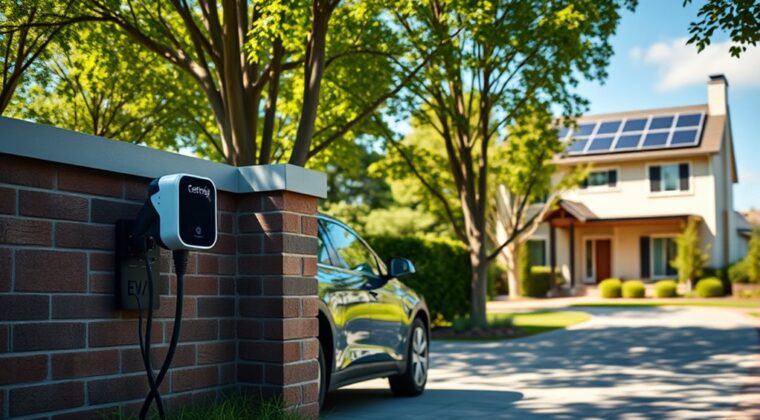
The 30C EV charger tax credit helped homeowners offset eligible charger costs, but the federal deadline has now passed for new installations. You may still be able to claim the credit if your charger was placed in service at an eligible main home between January 1, 2023, and June 30, 2026. The key is proving your location, timing, costs, and tax liability on IRS Form 8911.
Quick Answer
For personal-use home chargers, the 30C credit equals 30% of eligible charger, labor, and directly related property costs, up to $1,000 per charging port. It only applies if the charger was placed in service by June 30, 2026, at your main home in an eligible census tract and you have enough tax liability to use it.
Key Takeaways
- The federal 30C EV charger tax credit no longer applies to property placed in service after June 30, 2026.
- If your eligible home charger was placed in service by the deadline, the credit can be worth 30% of eligible costs, up to $1,000 per charging port.
- Your charger must be new, installed at your main home, used primarily in the United States, and located in an eligible low-income or non-urban census tract.
- Labor and certain directly related electrical work may count, but shared electrical upgrades may be partly or fully excluded.
- The personal-use credit is limited by your tax liability, so it may not create a refund by itself.
At a Glance
| Time Required | 30 to 60 minutes to check eligibility and gather records, plus tax-prep time for Form 8911 |
| Difficulty | Moderate, because location, cost tracing, and tax-liability limits matter |
| Tools Needed | Address, placed-in-service date, invoices, receipts, electrician records, census tract check, and IRS Form 8911 |
| Cost | No direct filing cost beyond tax-prep costs; eligible credit is capped at $1,000 per charging port for personal-use property |
What Is the 30C EV Charger Tax Credit?
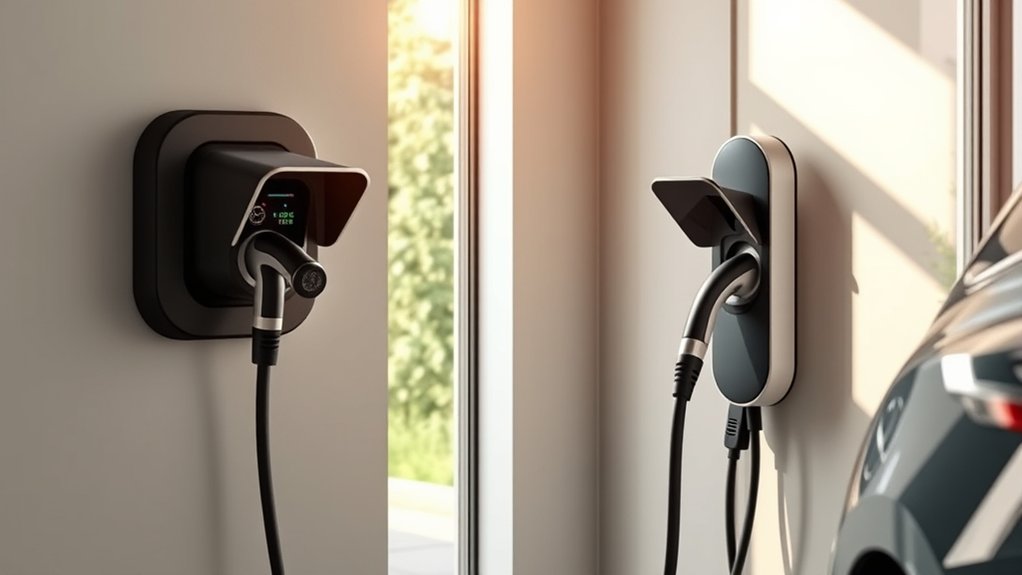
The 30C EV charger tax credit, formally called the Alternative Fuel Vehicle Refueling Property Credit, applies to certain property used to recharge electric vehicles or dispense qualified alternative fuels. For personal-use home chargers, the credit can equal 30% of eligible costs, up to a maximum credit of $1,000 per charging port.
The most important rule is timing: 30C does not apply to home EV charger property placed in service after June 30, 2026.
For a homeowner, the charger generally must be installed at property used as your main home. It must also be new to you, used primarily in the United States or U.S. territories, and located in an eligible census tract.
Warning: This article explains general federal tax rules, not personal tax advice. Before filing, confirm your eligibility with the latest IRS instructions or a qualified tax professional.
Current Status After the June 30, 2026 Deadline
As of July 2026, the federal 30C credit is no longer available for a new home EV charger placed in service after June 30, 2026. That does not automatically mean every homeowner missed the benefit. If your charger was placed in service on or before June 30, 2026, and all other requirements are met, you may still claim the credit on the federal tax return for the year the charger became operational.
The phrase placed in service matters. In plain English, it means the charger was installed, ready, and available for its intended use. Merely ordering a charger, paying a deposit, scheduling an electrician, or pulling a permit before the deadline is not enough if the charger was not actually ready to use by June 30, 2026.
Note: The 30C charger credit is separate from electric vehicle purchase credits. Vehicle credits and charger credits have different rules, forms, and termination dates.
Eligibility Requirements for Home Installation
To qualify for the home EV charger credit, your installation must satisfy timing, location, property, and tax rules. Use this checklist before you spend time filling out Form 8911.
- The charger was placed in service between January 1, 2023, and June 30, 2026.
- The charger was installed at property used as your main home.
- The charger was new, meaning the original use began with you.
- The charging property is in an eligible low-income community census tract or non-urban census tract.
- The property is used primarily in the United States or U.S. territories.
- You have receipts, invoices, and installation records showing eligible costs.
- You have enough tax liability to use the personal credit after other applicable limits.
Eligible Locations Overview
For property placed in service after 2022, the charger must be located in an eligible census tract. The IRS describes eligible locations as low-income community census tracts or non-urban census tracts.
For installations placed in service before January 1, 2025, the IRS allowed use of 2015 census tract boundaries. For installations placed in service after January 1, 2025, the IRS uses 2020 census tract boundaries. Because the deadline has passed, most 2025 and 2026 home charger claims should be checked under the 2020 tract rules.
You can use the Argonne National Laboratory 30C eligibility tool to help check an address, but treat it as a screening aid. For filing support, keep the address, census tract GEOID, and IRS eligibility evidence with your tax records.
Installation Timeline Requirements
Your timeline should focus on the date the charger was placed in service, not just the date you bought it. A charger that arrived before June 30, 2026 but was installed and ready to use after that date does not qualify for the federal 30C credit.
| Requirement | What It Means |
|---|---|
| Placed-in-service deadline | The charger had to be installed, ready, and available for use by June 30, 2026. |
| Main home rule | For personal-use property, the charger must be installed at property used as your main home. |
| Eligible tract rule | The location must be in a qualifying low-income or non-urban census tract. |
| Documentation rule | Keep invoices, receipts, permits, address records, and proof of the operational date. |
Documentation and Verification Process
Good documentation helps prove both eligibility and credit amount. Keep digital and paper copies of your records with the tax return for the year the charger was placed in service.
- Charger purchase receipt or invoice
- Electrician invoice showing labor and parts
- Permit and inspection records, if required in your area
- Placed-in-service date, such as final installation or inspection documentation
- Address where the charger was installed
- Census tract lookup or GEOID evidence
- Any notes separating charger-only electrical work from shared electrical upgrades
- Completed Form 8911 and any required schedule used with your return
Benefits of Installing Home EV Chargers
A home EV charger can make daily electric vehicle ownership easier, even when a federal credit is no longer available for new installations. You can charge overnight, reduce trips to public chargers, and schedule charging around off-peak electricity rates if your utility plan supports it.
For installations that qualified before the June 30, 2026 deadline, the 30C credit may reduce the federal tax cost of the project. The credit can cover eligible charger equipment, labor, and certain directly related property costs, subject to the IRS limits.
A home charger may also appeal to future EV-owning buyers, but property-value impact is not guaranteed. Treat resale appeal as a possible side benefit, not the main reason to file for the credit.
Pro Tip: If you installed the charger before the deadline, ask your electrician for an itemized invoice. It is easier to support the credit when charger hardware, labor, conduit, wiring, panel work, and wall-mount costs are separated.
Calculating Your 30C EV Charger Tax Credit Amount
For personal-use home charging property, the starting calculation is simple: multiply eligible costs by 30%, then apply the $1,000 limit per charging port. The final amount may be lower if your tax-liability limit on Form 8911 reduces the personal-use credit.
Eligible Costs Breakdown
Eligible costs may include the charging port, charger hardware, connector, installation labor, and associated property that is directly attributable and traceable to the charging port. Examples can include a wall mount or wiring that exists solely to serve the charger.
Some costs may be partly or fully excluded. For example, if a new electric panel or conduit serves the charger and other household electrical needs, not all of that work may be traceable to the charging port. Do not include general home improvements, routine electricity used to charge the car, or repairs unrelated to the EV charger.
Credit Calculation Methodology
Here is a simple example for a homeowner who placed a qualifying charger in service before the deadline:
| Cost Item | Amount |
|---|---|
| EV charger, installation labor, and directly related property | $3,000 |
| 30% of eligible cost | $900 |
| Personal-use cap | $1,000 per charging port |
| Possible credit before tax-liability limit | $900 |
If eligible costs were $5,000 for one charging port, 30% would equal $1,500, but the personal-use credit would be capped at $1,000 before the Form 8911 tax-liability limitation.
Documentation Requirements Overview
Your documentation should show four things clearly: what you bought, where it was installed, when it was placed in service, and which costs are directly tied to the charger. If an invoice bundles several home electrical jobs together, ask for a corrected invoice or written breakdown from the contractor.
Warning: EV charger installation can involve high-voltage electrical work, permits, load calculations, and local code rules. Use a qualified electrician, especially for Level 2 chargers or panel upgrades.
How to Successfully Claim Your EV Charger Tax Credit
Claiming the credit is mainly a recordkeeping and tax-form process. Follow these steps if your home charger was placed in service by June 30, 2026.
- Confirm the placed-in-service date. Make sure the charger was installed, ready, and available for use no later than June 30, 2026.
- Check the location. Verify that the installation address was in an eligible low-income or non-urban census tract for the correct placed-in-service date.
- Confirm main home use. For personal-use property, confirm the charger was installed at property used as your main home.
- Total eligible costs. Add the charging port, charger-related hardware, labor, and associated property that is directly attributable and traceable to the charger.
- Apply the credit formula. Multiply eligible costs by 30%, then apply the $1,000 per-charging-port cap for personal-use property.
- Apply tax limits. Use Form 8911 to determine whether your personal-use credit is reduced by regular tax, other credits, or tentative minimum tax limits.
- File the right form. Attach IRS Form 8911 to your federal tax return for the year the charger was placed in service.
- Keep records. Save all receipts, invoices, permits, and tract evidence with your tax records.
Because this credit is tax-sensitive and deadline-sensitive, consider asking a tax professional to review your claim before filing or amending a return.
Common Mistakes That Can Reduce or Disqualify the Credit
Many 30C issues come from timing, location, or cost documentation. Avoid these common problems:
- Using the purchase date instead of the placed-in-service date. The installed and usable date is what matters.
- Claiming a charger placed in service after June 30, 2026. New post-deadline installations do not qualify for the federal credit.
- Skipping the census tract check. Your main home address must be in an eligible low-income or non-urban census tract.
- Claiming electricity costs. The credit is for qualified refueling property, not the electricity used to charge your vehicle.
- Including unrelated electrical work. Shared panel, wiring, or remodel costs may not be fully traceable to the charger.
- Assuming the credit is refundable. Personal-use credits can be limited by your tax liability.
- Forgetting records. Keep invoices and proof of installation in case the IRS asks for support.
Additional Resources for Electric Vehicle Owners
Even though the federal 30C deadline has passed for new installations, you may still find state, local, utility, or manufacturer incentives. These programs change often, so check current rules before buying equipment or hiring an installer.
- Use the U.S. Department of Energy Alternative Fuels Data Center laws and incentives search to look for state and utility programs.
- Review the IRS 30C credit page for current federal guidance.
- Check IRS Publication 6027 for homeowner-focused examples and cost guidance.
- Use the Argonne 30C mapping tool