
An EV charging tariff is a specialist electricity plan for electric vehicle owners. It usually gives you a cheaper unit rate during set off-peak hours, often overnight, so you can charge at home for less than you would on a standard single-rate tariff. The best deal depends on your mileage, charger setup, smart meter, peak rate, standing charge, and how often you can shift charging away from busy evening hours.
Quick Answer
An EV charging tariff is an electricity plan that rewards you for charging your electric car when demand is lower. In the UK, many EV tariffs offer cheaper overnight rates, but you usually need a smart meter and must compare the off-peak rate, peak rate, standing charge, and eligibility rules before switching.
Key Takeaways
- EV tariffs are usually best for drivers who can charge at home overnight.
- Some UK EV tariffs advertise off-peak rates around 6.49p to 8p/kWh, but terms and eligibility vary by supplier.
- A smart meter is typically needed because suppliers must measure when your electricity is used.
- Do not compare only the cheap overnight rate. Check the peak rate, standing charge, exit fees, contract length, and charger or vehicle compatibility.
- Smart charging can help schedule your EV when electricity is cheaper and often greener.
At a Glance
| Time Required | 20 to 45 minutes to compare tariffs and check eligibility |
| Difficulty | Easy if you already have a smart meter and home charging |
| Tools Needed | Latest energy bill, EV efficiency estimate, annual mileage, charger or vehicle model, smart meter details |
| Cost | Usually no direct switching cost, but rates, standing charges, charger costs, and contract terms vary |
What Is an EV Charging Tariff and How Does It Work?
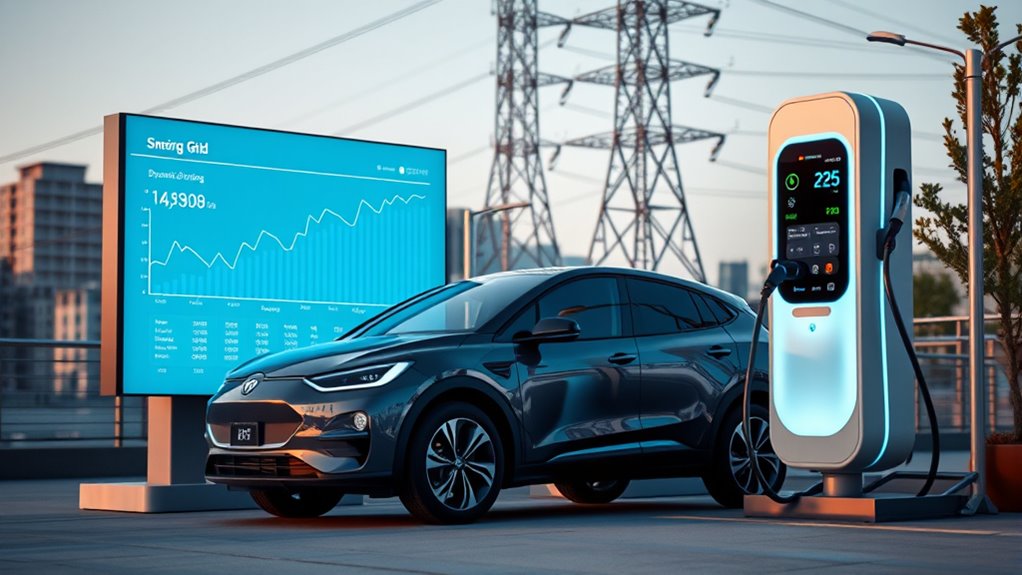
An EV charging tariff is an electricity tariff designed around electric vehicle charging patterns. Instead of charging the same price all day, many plans offer a cheaper rate during a set off-peak window, such as late evening to early morning.
That matters because an EV can add a large amount of electricity use to your home. If you charge during the most expensive part of the day, your bill can rise quickly. If you charge during a cheaper overnight window, the same amount of energy can cost much less.
In the UK, the average electricity unit rate under the Ofgem price cap for Direct Debit customers from 1 July to 30 September 2026 is 26.11p/kWh. Some supplier EV tariffs advertise much lower off-peak rates. For example, EDF lists 6.49p/kWh on its Pod Point Plug & Power tariff, while Intelligent Octopus Go lists 8p/kWh for eligible smart charging.
Warning: Do not choose a tariff based only on the lowest off-peak rate. Check the day rate, standing charge, contract length, exit fees, charger requirements, and whether the cheap rate applies to your whole home or only EV charging.
EV Tariff Types Explained
Not every EV tariff works the same way. Before switching, it helps to understand the main types:
| Tariff Type | How It Works | Best For |
|---|---|---|
| Single-rate tariff | You pay the same unit rate for electricity throughout the day. | Low-mileage EV drivers or homes that cannot shift usage. |
| Time-of-use tariff | You pay different rates depending on the time of day, usually cheaper overnight. | Drivers who can charge mainly during off-peak hours. |
| EV-specific tariff | A time-of-use plan built for EV owners, sometimes with smart charging features. | Regular home chargers with a smart meter and compatible setup. |
| Type-of-use tariff | A cheaper rate may apply only to EV charging, not all household electricity. | Homes that want EV savings without shifting other appliances. |
Energy Saving Trust notes that some EV tariffs are whole-home time-of-use tariffs, while others can be EV-specific charging-only tariffs. That difference can change your real savings.
Why Choose an EV Tariff Over Standard Rates?
An EV tariff can make sense if you charge at home often and can move most charging into the cheaper window. It may also help if you have other flexible loads, such as a dishwasher, washing machine, home battery, or heat pump that can safely run during off-peak times.
Home charging is usually cheaper than public charging. Energy Saving Trust gives example costs for 220 miles of charge as £17 for home charging, £37 for public fast charging, and £53 for public rapid charging. Public rapid chargers are useful on long journeys, but they are rarely the cheapest way to charge every day.
Cost Savings Potential
The easiest way to estimate savings is to calculate how much electricity your EV uses each year:
- Annual EV kWh = annual miles ÷ miles per kWh.
- Annual charging cost = annual EV kWh × electricity unit rate.
- Real savings = standard-rate cost minus EV-tariff cost, after considering day rates and standing charges.
For example, if you drive 8,000 miles a year and your EV averages 3.3 miles/kWh, you use about 2,424 kWh for driving. At 26.11p/kWh, that energy costs about £633. At 8p/kWh, it costs about £194. That is a large unit-rate saving, but your final household bill depends on how much energy you use at the higher peak rate.
Pro Tip: Compare tariffs using your own mileage and charging pattern. A very cheap overnight rate can be cancelled out if the daytime rate is much higher and your household uses a lot of electricity during peak hours.
Environmental Benefits
EV tariffs can also support a cleaner electricity system when they encourage charging at lower-demand times. Smart charging can schedule charging when electricity is cheaper and often greener, especially when there is more low-carbon generation available and less pressure on the grid.
Still, avoid assuming every EV tariff is automatically 100% renewable. Some suppliers offer renewable electricity, some offer zero-carbon-backed electricity, and some use standard fuel-mix arrangements. Always check the supplier’s fuel mix, tariff terms, and green claims.
Maximizing Savings With EV Tariffs
To get the most from an EV tariff, you need more than a low headline rate. You need the right charging habits, the right meter setup, and a tariff that matches how your household uses electricity.
Off-Peak Charging Benefits
Off-peak charging is the main reason EV tariffs can be cheaper. Many plans offer a set overnight window, such as 11pm to 6am or midnight to 6am. During that time, your EV can add energy while demand on the grid is lower.
Off-peak charging can help you:
- Reduce the cost per kWh for home EV charging.
- Avoid relying on expensive public rapid charging for routine use.
- Make better use of smart charging and vehicle scheduling.
- Charge when the grid is often under less pressure.
- Plan charging around your daily driving needs.
Smart Charging Solutions
Smart charging lets your car, charger, or supplier app schedule charging around your preferences. You usually set your desired battery level and the time you need the car ready. The system then charges during cheaper periods where possible.
| Feature | Benefit |
|---|---|
| Smart meter | Records when electricity is used so your supplier can apply the right peak and off-peak rates. |
| Smart charger | Schedules charging automatically and may connect to tariff signals. |
| Vehicle app | Lets you set charge limits, departure times, and charging windows. |
| Supplier app | May optimize charging around cheap half-hourly periods on compatible tariffs. |
Cost Reduction Strategies
Use these practical strategies before and after switching:
- Charge mainly overnight if your tariff gives a cheaper off-peak window.
- Set a charge limit for everyday use instead of charging to 100% every night unless you need the range.
- Compare the full tariff, including peak rate, standing charge, and contract length.
- Use public rapid charging selectively for longer trips, not routine charging if home charging is available.
- Review the tariff every few months because energy prices and supplier offers change.
Practical Strategies to Optimize EV Charging Costs
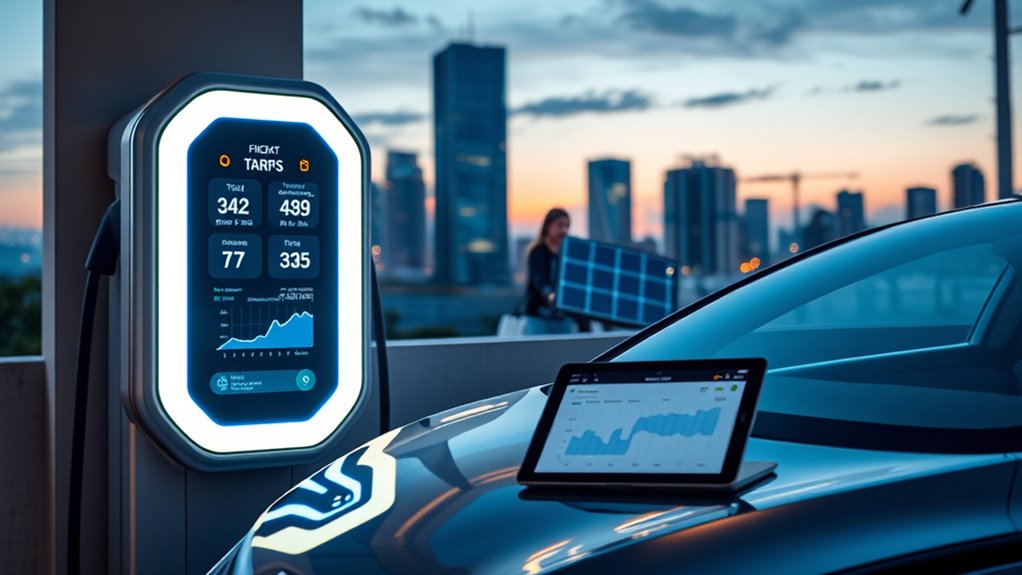
To optimize your EV charging costs, start with your driving pattern instead of the tariff headline. A driver doing 3,000 miles a year has very different needs from a driver doing 15,000 miles a year.
- Estimate your annual EV energy use. Divide your annual mileage by your EV’s typical miles per kWh.
- Check your current electricity rate. Look at your bill and compare it with the current Ofgem cap or your fixed tariff.
- Check your charging window. Work out whether you can reliably charge during the cheap hours.
- Compare whole-home impact. A higher peak rate can affect appliances, heating, cooking, and home working.
- Read the eligibility rules. Some tariffs need a smart meter, compatible EV, compatible charger, or half-hourly meter readings.
- Test your first bills. After switching, compare actual charging costs with your estimate.
Note: Your electric bill will usually rise after you start charging at home because you are buying more electricity. The goal of an EV tariff is to make each kWh cheaper than it would be on a standard tariff or public charger.
Why Smart Meters Matter for EV Charging
A smart meter matters because EV tariffs often depend on when you use electricity. If your supplier cannot measure half-hourly or time-based use, it cannot reliably bill you at different peak and off-peak rates.
Energy Saving Trust says EV and other time-of-use tariffs typically require a smart meter. E.ON Next also states that its Next Drive tariff requires a smart meter that can send half-hourly usage updates. EDF says you need a smart meter to sign up for its EV tariff.
A smart meter can help you:
- Access time-of-use and EV-specific tariffs.
- Track charging costs more accurately.
- See how much household electricity is shifting into cheaper periods.
- Avoid estimated bills.
- Support automated smart charging on compatible plans.
Home Charger, Installer, and DNO Checks
You do not always need a dedicated home chargepoint to own an EV, but a properly installed home charger is often the safest and most convenient option if you have off-street parking. Energy Saving Trust says a home chargepoint is usually the cheapest way to charge if you have a driveway or garage.
If you install a home EV chargepoint in Great Britain, the installation must also be handled properly from a network point of view. GOV.UK guidance says EV charge points are energy devices that need to be registered with the local Distribution Network Operator. Your installer will often handle this, but you should confirm it is done.
Before installing or changing a charger, check:
- Whether your property has off-street parking.
- Whether your charger and EV are compatible with the tariff you want.
- Whether your smart meter is working in smart mode.
- Whether your installer will notify the DNO.
- Whether you need permission from a landlord, freeholder, property manager, or local authority.
How to Compare EV Tariffs
A good EV tariff comparison should include all of these points:
- Off-peak unit rate: The cheap rate used for overnight charging.
- Peak unit rate: The rate you pay outside the cheap window.
- Standing charge: The daily fixed charge, even if you use no electricity.
- Off-peak window: The exact hours and whether they change.
- Whole-home or EV-only pricing: Whether the cheap rate applies to all electricity or only car charging.
- Compatibility: Whether your EV, charger, and app are supported.
- Contract length: Fixed or variable, and whether exit fees apply.
- Green claims: Renewable, zero-carbon-backed, or standard fuel mix.
- Billing requirements: Smart meter, half-hourly consent, Direct Debit, and account rules.
The cheapest EV tariff is not always the one with the lowest overnight rate. The best tariff is the one that lowers your total household cost after peak rates, standing charges, and your real charging habits are included.
When an EV Tariff May Not Be Worth It
An EV tariff is not automatically right for every electric car owner. You may be better staying on a standard or fixed tariff if:
- You do very low mileage and rarely charge at home.
- You cannot charge during the off-peak window.
- You do not have a smart meter and cannot get one installed yet.
- The peak rate is much higher and your home uses lots of daytime electricity.
- You rely mostly on workplace, public, or shared charging.
- Your EV or charger is not compatible with the smart tariff you want.
- You may move home or switch supplier before the contract term ends.
If you are unsure, run a simple annual estimate before switching. Use your latest bill, your EV mileage, and your expected off-peak charging percentage.
Environmental Benefits of Using EV Tariffs
EV tariffs can help the energy system when they shift charging away from high-demand periods. If many drivers plug in as soon as they get home in the early evening, local and national demand can rise sharply. Off-peak charging spreads that demand into quieter hours.
Smart charging can also help line up EV charging with cheaper and often lower-carbon electricity. Some suppliers use wholesale price signals, renewable output, or grid-demand signals to decide when to charge a compatible car.
This does not mean every off-peak kWh is zero-carbon or every tariff is green. It means flexible charging gives suppliers and the grid more room to use cleaner, cheaper power when available.
Switching to an EV Tariff: A Step-by-Step Guide
Switching to an EV tariff can be simple, but you should check the details before you move. Use this step-by-step process:
- Review your current bill. Note your unit rate, standing charge, annual electricity use, and contract end date.
- Estimate EV electricity use. Use annual miles divided by miles per kWh.
- Check your smart meter. Confirm that it can send readings and that your supplier can access the data required for the tariff.
- Check EV and charger compatibility. Some smart tariffs only work with certain cars, chargers, or apps.
- Compare at least three tariffs. Include off-peak rate, peak rate, standing charge, contract length, and exit fees.
- Confirm the cheap window. Make sure it is long enough for your usual charging needs.
- Schedule charging. Use your vehicle app, charger app, or supplier app to charge during the cheaper period.
- Monitor your first two bills. Check whether the expected savings are showing up in real usage.
Common Questions and Answers About EV Tariffs
The biggest question is whether an EV tariff will reduce your total cost, not just your charging rate. For many home chargers, the answer can be yes, especially if most charging happens overnight. But the result depends on your car, mileage, battery size, charger, household electricity use, and tariff terms.
If you often charge away from home, do low mileage, or cannot use the cheap hours, the savings may be smaller. If you charge at home frequently and can automate charging, the savings can be significant.
Frequently Asked Questions
Is it worth being on an EV tariff?
It is usually worth considering if you charge at home regularly and can move most charging into the cheaper off-peak window. It may not be worth it if you do very low mileage, mostly use public chargers, or would pay much more for daytime household electricity.
Do I need an EV tariff for an electric car?
No. You can charge an electric car on a normal electricity tariff. An EV tariff is optional, but it can reduce charging costs if you have home charging, a suitable smart meter, and a routine that lets you charge during cheaper hours.
Do EV chargers make your electric bill go up?
Yes, your electricity use will rise if you charge at home. The key is the cost per kWh. A good EV tariff can make home charging much cheaper than using a standard tariff or relying on public rapid chargers for everyday driving.
What is the 80/20 rule for EV charging?
The 80/20 rule means keeping your battery roughly between 20% and 80% for everyday use when that range fits your driving needs. It can reduce time spent at slower high states of charge, especially on rapid chargers. Always follow your vehicle manual because battery guidance varies by model.
Do I need a smart meter for an EV tariff?
Usually, yes. Most EV and time-of-use tariffs need a smart meter because your supplier must know when you used electricity to bill you at peak and off-peak rates. Some plans also require half-hourly meter readings.
Can I use an EV tariff without a home charger?
Sometimes, but it may be less useful. EV tariffs work best when you can charge safely at home during the cheap window. If you depend on public chargers, workplace charging, or shared chargers, compare those costs before switching your home electricity tariff.
Can an EV tariff make daytime electricity more expensive?
Yes. Many time-of-use tariffs offer a cheaper off-peak rate but a higher peak rate. That is why you should compare your whole household usage, not just your EV charging cost.
Conclusion
An EV charging tariff can be a smart way to lower electric car running costs, especially if you charge at home overnight. The biggest savings usually come from shifting EV charging into off-peak hours and using a smart meter, smart charger, or vehicle app to automate the schedule.
Before switching, compare the full tariff, not just the headline cheap rate. Check your eligibility, peak rate, standing charge, contract terms, charger compatibility, and real charging habits. If the numbers work for your household, an EV tariff can make home charging cheaper, easier to manage, and better aligned with a more flexible electricity grid.
Sources
- Ofgem: Energy price cap unit rates and standing charges — current UK price-cap context and standard electricity unit rates.
- Energy Saving Trust: Charging electric vehicles — home charging, public charging costs, charger types, and EV tariff guidance.
- Energy Saving Trust: Smart charging for electric vehicles — smart charging setup, smart meter needs, and charging-cost examples.
- EDF: Electric vehicle tariffs — example UK EV tariff rates and smart meter requirement.
- E.ON Next: Next Drive EV tariff — example off-peak EV rates, eligibility, and half-hourly smart meter requirement.
- GOV.UK: Register energy devices in homes or small businesses — DNO registration guidance for EV chargepoint installations.