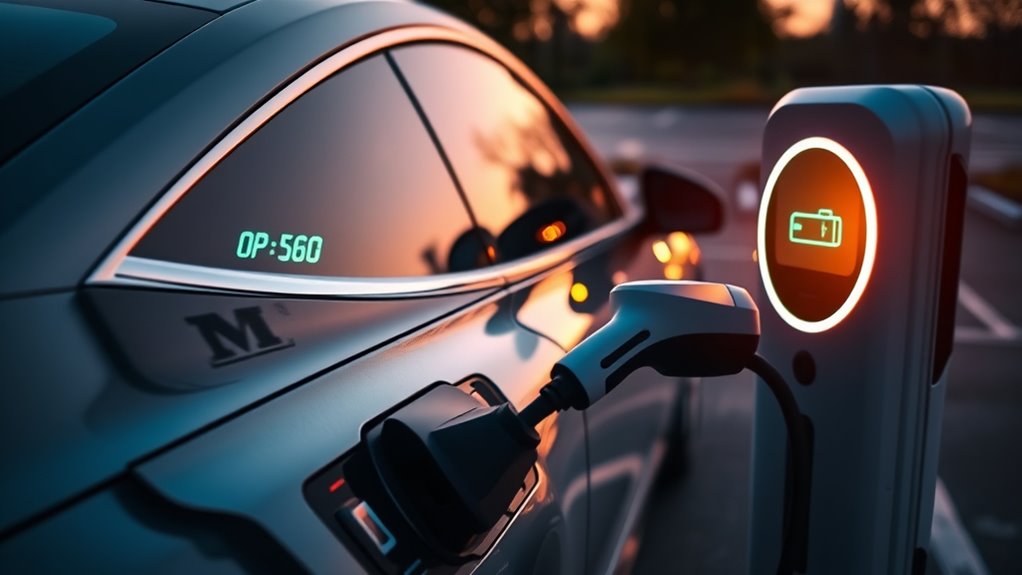
You do not need to fear DC fast charging, but you should avoid making it your default charging method when time is not urgent. Fast charging is most useful on road trips, during tight schedules, or when public Level 2 charging is not practical. For daily charging, a slower Level 2 charger is usually easier on battery temperature, cheaper, and more convenient.
Quick Answer
Avoid DC fast charging when your EV battery is hot, cold-soaked, nearly full, or when you have enough time for Level 2 charging. Use it when speed matters, such as on road trips or urgent top-ups, and try to keep routine charging in a moderate state-of-charge range.
Key Takeaways
- Use DC fast charging when time or travel distance makes it worth the extra heat and cost.
- Use Level 2 charging for daily top-ups whenever you can, especially at home or work.
- Avoid long stays near 0% or 100%, but do not panic over occasional full charges for trips.
- Fast charging above 80% is slower because the battery management system tapers the charge rate.
- Check your owner’s manual because LFP, NMC, and other battery types may have different charging guidance.
When Should You Skip DC Fast Charging?
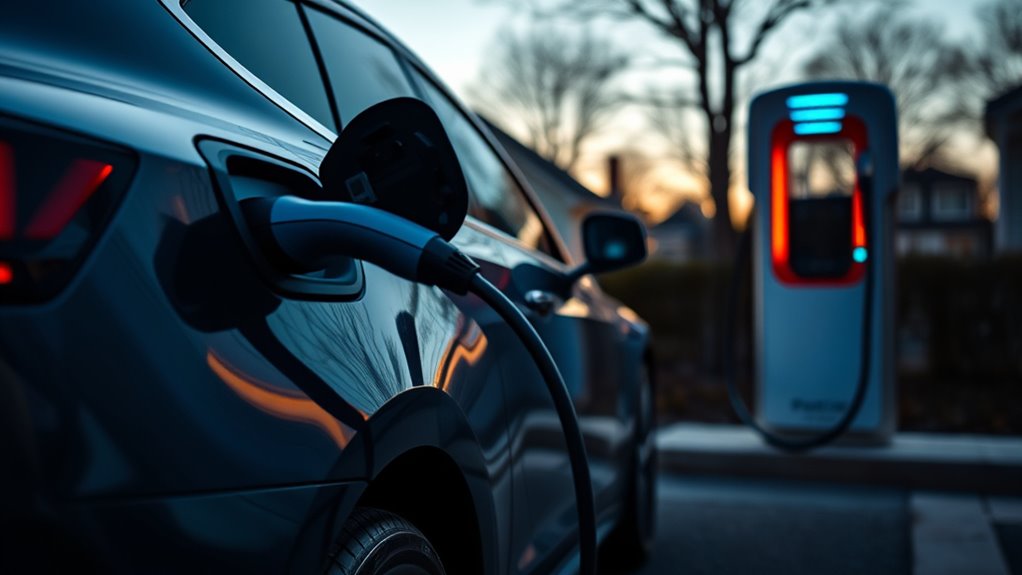
You should skip DC fast charging when your battery is already hot, when the car is parked in extreme heat, when the pack is cold and not preconditioned, or when you are already near 80% and do not need more range right away. These are the moments when fast charging gives you less benefit and more battery stress.
Warning: Do not open, inspect, or service high-voltage battery parts yourself. EV battery systems should only be handled by trained technicians. For charging limits, always follow your vehicle’s owner’s manual and in-car charging screen.
DC fast charging is also a poor fit for routine daily charging if you have access to Level 2 charging. The U.S. Department of Energy’s Alternative Fuels Data Center explains that Level 2 charging is commonly used at homes, workplaces, and public destinations, while DC fast charging is designed for rapid charging along travel corridors.
The best rule is simple: use the slowest charger that still fits your schedule. If your car will sit overnight, Level 2 usually makes more sense. If you need to add range quickly and keep moving, DC fast charging is the right tool.
DC Fast Charging Decision Table
| Situation | Best Choice | Why |
| Daily charging at home | Use Level 2 | Lower power, less heat, and usually enough time overnight. |
| Road trip from 10% to 70% | Use DC fast charging | The battery charges fastest in the lower and middle state-of-charge range. |
| Battery is already near 80% | Usually stop or switch to slower charging | Charging speed tapers sharply, so the last 20% often takes longer. |
| Battery is hot after highway driving | Wait, cool the pack, or charge slower if practical | Heat raises chemical stress and may reduce charging speed. |
| Cold weather and a cold battery | Precondition first when your EV supports it | A warmed pack accepts power faster and lets the BMS protect the cells. |
Why Heat Makes DC Fast Charging Riskier
Heat matters because DC fast charging sends high current into the battery pack. That current creates heat inside the cells, cables, and electronics. Your EV’s cooling system helps manage it, but the battery still works harder when the outside air is hot or the pack is already warm from highway driving.
In its 2026 real-world battery analysis, Geotab found that vehicles in hot climates degraded about 0.4 percentage points faster per year than vehicles in mild climates. That does not mean one hot fast-charge session will ruin your battery. It means repeated high-heat, high-power charging is a pattern worth avoiding when you have an easier option.
- Hot air reduces the battery cooling system’s margin.
- High charging power adds internal heat.
- A hot pack may charge slower because the BMS protects the cells.
- Repeated heat exposure can increase long-term wear.
- Charging during cooler parts of the day can reduce stress.
Pro Tip: On a road trip, enter the fast charger as your navigation destination if your EV supports battery preconditioning. The car can warm or cool the pack before arrival, which may improve charging speed and reduce strain.
Which Battery Levels Are Best for Charging?
For daily use, many EV owners aim for a 20% to 80% state-of-charge window. This is a practical habit because it avoids the two areas where batteries tend to face more stress: very low charge and very high charge.
That said, the 20% to 80% rule is not a panic line. Real-world data from Geotab shows that moderate time outside this range did not significantly increase degradation. The bigger concern is letting the car spend a long time near empty or near full. In the same analysis, battery degradation increased most clearly when vehicles spent more than 80% of their total time at extreme states of charge.
Use this daily approach:
- Charge to about 70% to 80% for normal driving if your EV recommends it.
- Charge to 100% shortly before a long trip when you need the range.
- Avoid leaving the battery at 100% for days if you do not need it.
- Avoid letting the car sit near 0%.
- Check your owner’s manual because some LFP batteries may need periodic 100% charging for range calibration.
Note: A displayed 0% or 100% is not always the chemical bottom or top of the battery. Modern EVs use software buffers, but those buffers do not make it a good habit to store the car near either extreme.
How DC Fast Charging Affects EV Batteries
DC fast charging affects EV batteries in three main ways: it raises charging power, increases heat load, and often pushes the battery through a more demanding part of its charging curve. The effect depends on battery chemistry, pack cooling, state of charge, charger power, and how often you do it.
According to the DOE, DC fast chargers can add roughly 100 to 200+ miles of range in about 30 minutes, depending on the vehicle, charger, battery size, and state of charge. That speed is useful, but it is not always the healthiest or cheapest way to charge.
Battery Stress From Heat
Fast charging does not damage a healthy battery in one normal session. The concern is repeated high-power charging, especially when the battery is hot, cold, nearly full, or under heavy use. Heat and high current can speed up the chemical side reactions that slowly reduce usable capacity.
Your EV’s battery management system can reduce current, activate cooling, and taper charging speed. That protection matters, but it cannot erase all wear from repeated stressful charging habits.
Degradation Risk By Frequency
Charging frequency is better measured as a share of total charging sessions, not a fixed number of sessions per month. A driver who charges 10 times a month and fast charges 3 times is using DC fast charging 30% of the time. A rideshare driver who charges 60 times a month and fast charges 3 times is using it only 5% of the time.
Geotab’s 2026 fleet data found average annual degradation of 1.5% for vehicles below 12% DC fast charging use, 2.5% above 12%, and 3.0% when frequent DC fast charging also involved many sessions above 100 kW.
Those numbers are averages from a fleet dataset, not a guarantee for every EV. Still, they show the pattern clearly: occasional DC fast charging is normal, while frequent high-power DC fast charging can speed up capacity loss.
When Level 2 Charging Is the Smarter Choice
Level 2 charging is usually the smarter choice when you have time. It is the better option for overnight charging, workplace parking, errands, and routine top-ups. Most residential Level 2 chargers are far lower power than DC fast chargers, so they create less heat and give the battery management system an easier job.
The DOE says Level 2 equipment commonly uses 240-volt residential service or 208-volt commercial service, and many home units deliver around 7.2 kW. That is much slower than a 150 kW or 250 kW DC fast charger, but the slower speed is exactly why it works well for daily use.
- Use Level 2 when the car will sit for several hours.
- Use it to keep your daily charge limit predictable.
- Use it when you do not need a quick highway top-up.
- Use it during very hot weather when you can charge overnight.
- Use it to reduce charging costs if your home electricity rate is lower than public DC pricing.
How Often Is DC Fast Charging Too Often?
DC fast charging becomes “too often” when it shifts from an occasional convenience to your normal charging routine. A practical target is to keep DC fast charging below about 10% to 12% of your total charging sessions when you have a reliable Level 2 option. If you rely on public charging because you cannot charge at home, try to mix in Level 2 sessions when your schedule allows.
Frequency Thresholds
For battery health, look at three factors together:
- Session share: What percentage of all charging sessions are DC fast charges?
- Power level: Are you using 50 kW, 150 kW, 250 kW, or higher?
- Battery condition: Is the pack hot, cold, low, moderate, or nearly full?
A 50 kW session from 20% to 60% is not the same as repeated 250 kW sessions in summer heat. The higher the power and the hotter the pack, the more reason you have to use DC fast charging only when it saves meaningful time.
Signs Of Overuse
You may be leaning too hard on DC fast charging if most of your charging happens at public fast chargers, you often charge past 80% on DC, you regularly arrive with a hot battery after hard highway driving, or you use the fastest charger available even when a slower one would meet your schedule.
Overuse is not always a disaster. Modern EV batteries are durable, and many packs last far longer than early buyers feared. Recurrent’s battery research has found that modern EV battery replacements remain rare outside major recalls. The goal is not to avoid fast charging forever. The goal is to avoid needless high-power sessions when a slower option works.
When Fast Charging Makes Sense
Fast charging makes sense when the time saved is worth it. Use it on long road trips, between appointments, during urgent range recovery, or when your home or workplace charging setup is not available. A battery in the lower or middle state-of-charge range usually charges faster than one near full, so road-trip charging often works best when you arrive low and leave before the charge rate slows sharply.
Good fast-charging moments include:
- Road trips where Level 2 would take too long.
- Emergency range recovery when you need to keep driving.
- Travel days when charging to 80% is enough for the next leg.
- Public charging situations where no Level 2 charger is practical.
- Cold-weather trips after the battery has been preconditioned.
Fast charging is least useful when you are already above 80%, unless you need the extra range to reach the next charger or destination.
How the BMS Limits Heat and Overcharge
Your EV’s battery management system, or BMS, monitors pack temperature, voltage, current, and state of charge. During DC fast charging, it can slow the charge rate, run cooling systems, or limit charging when the battery is too cold, too hot, nearly full, or aging.
Tesla’s owner manual, for example, says charging rate may decrease when the battery is too cold, nearly full, or affected by usage and age. Tesla also recommends Level 1 or Level 2 charging whenever possible and saving Supercharging for road trips or long drives.
Heat Control Mechanisms
During fast charging, the BMS may use fans, pumps, liquid cooling loops, or current limits to control temperature. If the battery gets too warm, the car may reduce the charging rate. This can make a fast charger feel slower than expected, but it helps protect the pack.
- It monitors battery temperature.
- It reduces current when needed.
- It activates cooling or heating systems.
- It tapers charging near high state of charge.
- It helps limit avoidable battery stress.
Overcharge Protection Limits
Fast charging slows near the top of the pack because the BMS tapers current as the battery fills. This protects the cells and reduces heat, but it also means charging from 80% to 100% can take far longer than charging from 20% to 80%.
For daily use, set a charge limit that matches your driving needs. For many EVs, that is around 70% to 80%. For a long trip, charging to 100% is fine when your owner’s manual allows it, especially if you drive soon after the charge finishes.
What EV Makers Recommend for DC Fast Charging
Many EV makers recommend using DC fast charging as a trip tool rather than a daily habit. Tesla’s battery guidance says to use Level 1 or Level 2 charging whenever possible, save Supercharging for road trips or long drives, keep daily limits near 80% where recommended, and avoid leaving the battery near 0% or 100% for long periods.
Your EV may be different. Some LFP-equipped vehicles may ask you to charge to 100% periodically. Some models have strong thermal management and high peak charging rates. Others taper sooner or have lower charging limits. The best answer is always the one in your vehicle’s manual and charging screen.
Charging Habits That Help Batteries Last Longer
Battery-friendly charging is not complicated. Use DC fast charging when it solves a real problem, and use Level 2 charging when time is on your side.
- Set a daily charge limit that matches your normal driving.
- Use Level 2 for most home and work charging.
- Reserve DC fast charging for road trips, urgent top-ups, or public charging needs.
- Try to fast charge in the lower and middle state-of-charge range.
- Stop around 70% to 80% on road trips unless you need more range.
- Do not leave the battery near 0% or 100% for days or weeks.
- Precondition the battery before fast charging when your EV supports it.
- Charge during cooler hours in hot weather when possible.
- Use the charger power that fits the job instead of always picking the highest-power stall.
These habits reduce unnecessary heat, save time at chargers, and help preserve usable range over the long term.
Frequently Asked Questions
Does DC fast charging affect battery life?
Yes, frequent high-power DC fast charging can speed up battery degradation, especially in heat or when used as the main charging method. Occasional fast charging on road trips is normal and expected. The bigger concern is repeated high-power charging when Level 2 charging would work.
What is the 20-40-80 rule?
The 20-40-80 rule means you avoid letting the battery sit below 20%, start charging around the middle of the pack when practical, and stop near 80% for daily use. It is a helpful habit, not a strict rule for every EV. Some batteries, especially LFP packs, may have different manufacturer guidance.
Are slow or fast chargers better for battery health?
Slow Level 2 chargers are usually better for daily battery health because they add less heat and use lower power. Fast chargers are better when time matters. A good charging plan uses Level 2 for routine charging and DC fast charging for trips or urgent range needs.
Is it bad to DC fast charge to 100%?
It is not bad to DC fast charge to 100% once in a while when you need maximum range, but it is usually slow and inefficient. For daily use, avoid charging to 100% and then letting the car sit full for a long time. Charge to full close to departure when a trip requires it.
Should I avoid DC fast charging in hot weather?
Avoid it when you have a slower option and the battery is already hot. If you need to fast charge in hot weather, park in shade if available, use the vehicle’s route planner or preconditioning feature, and stop around 80% unless you need extra range.
Can I use DC fast charging if I do not have home charging?
Yes. Many EV owners use public charging because they cannot install home charging. If that is your situation, mix in Level 2 charging when it fits your schedule, avoid sitting at 100%, and use lower-power DC stations when you do not need the fastest possible charge.
Conclusion
Skip DC fast charging when your EV battery is hot, cold-soaked, nearly full, or when a slower Level 2 charger fits your schedule. Use DC fast charging when speed matters, especially on road trips and urgent top-ups. For daily charging, keep the battery in a moderate range, avoid long stays near 0% or 100%, and follow your owner’s manual. That balance gives you the convenience of fast charging without turning it into unnecessary battery stress.
Sources
- U.S. Department of Energy Alternative Fuels Data Center — charging levels, Level 2 charging, and DC fast charging power ranges.
- Geotab EV Battery Health Analysis, 2026 — real-world battery degradation data from more than 22,700 EVs.
- Tesla Model 3 Owner’s Manual: High Voltage Battery Information — battery-care guidance, Supercharging guidance, and charge-rate tapering notes.
- Tesla Range Tips — daily charge limit, 0% and 100% storage guidance, and charging habits that affect battery health.
- Recurrent: How Long Do Electric Car Batteries Last? — modern EV battery longevity and replacement-rate context.