
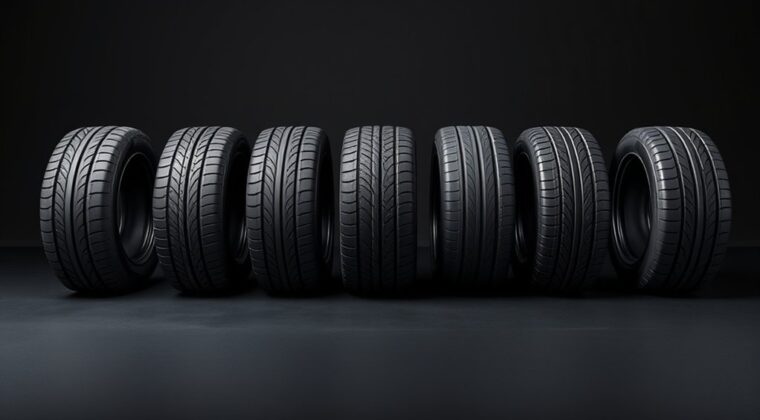
Choosing the right all-season touring tire in 2027 involves more than brand recognition. The Pirelli Scorpion All Season Plus 3, Starfire Solarus AS, Ironman iMove PT Plus, Forceum Ecosa, and Accelera Eco Plush each bring different strengths in comfort, grip, and value. Some are built for quiet highway use, while others focus on wet-road confidence or fuel savings. The differences become clearer when the key factors are examined closely.
Pirelli Scorpion All Season Plus 3 Tire
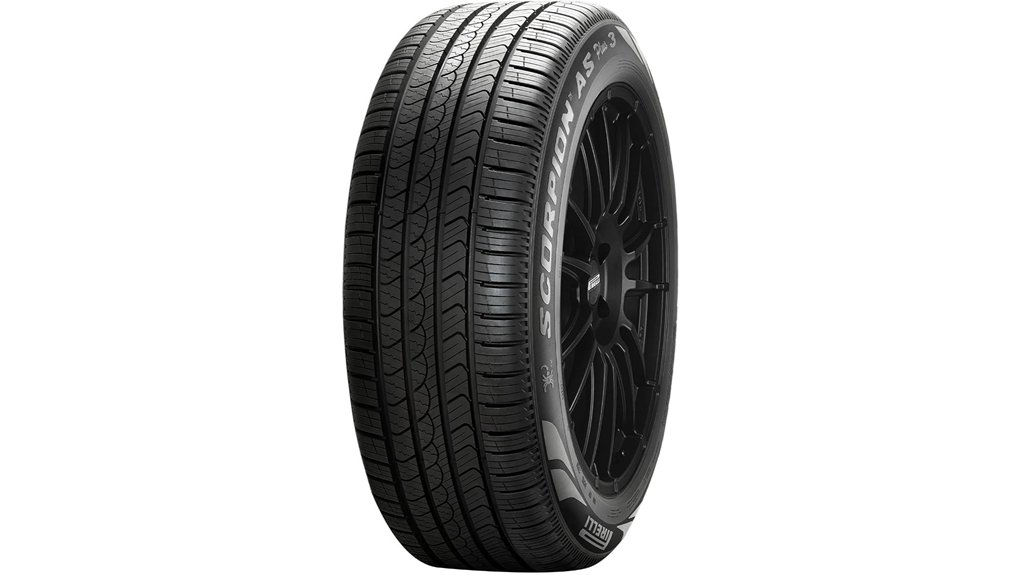
The Pirelli Scorpion All Season Plus 3 is a strong fit for drivers of CUVs, SUVs, and light trucks who want dependable year-round traction without sacrificing comfort. Its all-season design uses a new tread pattern, advanced compound, and 3D sipes to improve dry, wet, and snow performance. Full-depth sipes help preserve capability over time, while the asymmetric tread supports confident handling. The tire also aims for a quieter, more composed ride. Offered in 225/65R17 with an H speed rating, 102 load index, and up to 70,000-mile warranty, it balances durability and everyday versatility.
Best For: Drivers of CUVs, SUVs, and light trucks who want a durable all-season tire with reliable wet, dry, and light snow traction, plus a quieter and more comfortable ride.
Pros:
- Strong year-round traction with 3D sipes and an advanced all-season tread design
- Up to 70,000-mile warranty for long-lasting value
- Quieter, more comfortable ride with confident handling
Cons:
- Not intended for serious off-road or deep snow use
- H-rated performance may not suit drivers seeking ultra-high-speed capability
- Best benefits are tied to compatible 17-inch fitments, so size options are limited
Starfire Solarus AS All-Season 225/65R17 102H Tire
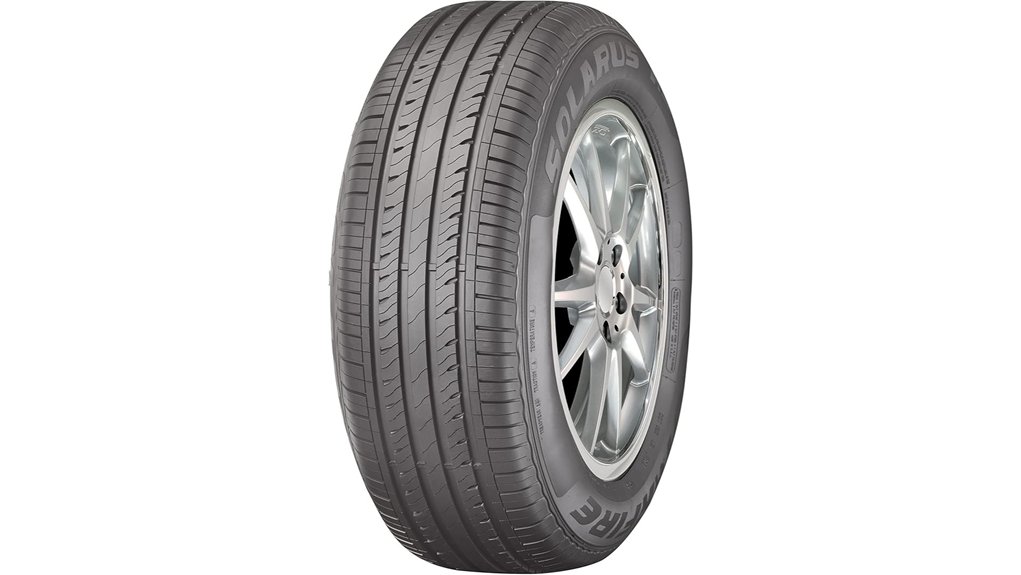
Starfire Solarus AS suits drivers seeking a quiet, comfortable all-season tire with dependable wet and dry traction. Built by Cooper Tire & Rubber Company, this touring model uses a re-engineered tread compound for stronger grip and Shoulder Control Technology with deep slots and biting edges for added stability. A solid center rib supports a smooth ride, while variable pitch tread design helps reduce road noise. Sized 225/65R17 with a 102H rating, it carries 1,874 pounds, fits universal applications, and includes a 50,000-mile warranty. Its symmetrical radial construction further supports everyday versatility.
Best For: Drivers who want a quiet, comfortable all-season touring tire with dependable wet and dry traction for everyday use.
Pros:
- Re-engineered tread compound helps improve grip in wet and dry conditions.
- Shoulder Control Technology with deep slots and biting edges adds stability.
- Solid center rib and variable pitch tread design promote a smooth, quiet ride.
Cons:
- Not designed for specialized performance, off-road, or winter-only use.
- Load capacity and speed rating are suited to standard driving, not heavy-duty applications.
- Warranty coverage is solid, but not as long as some premium competitors.
Ironman iMove PT Plus All Season 195/60R15 88H Passenger Tire
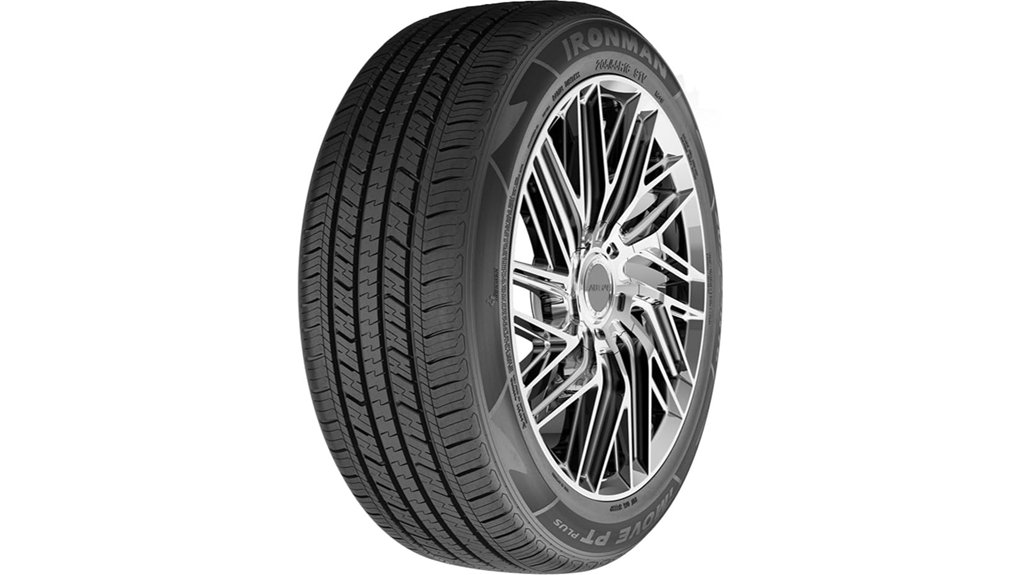
Built for sedans and CUVs, the Ironman iMove PT Plus delivers dependable year-round traction with a quieter ride. Its all-season tread and non-directional radial construction support balanced handling in wet and dry conditions, while the H-speed rating and 88 load index suit everyday commuting needs. A closed shoulder design helps reduce tread noise, and chamfered tread blocks with a reinforced groove base are intended to improve tread life. Sized at 195/60R15, it carries a 50,000-mile limited warranty, adding value for drivers seeking practical touring performance and steady all-season confidence.
Best For: Drivers of sedans and CUVs who want a budget-friendly all-season tire with dependable year-round traction, a quieter ride, and a 50,000-mile warranty.
Pros:
- All-season tread provides reliable traction in wet and dry conditions.
- Closed shoulder design helps reduce tread noise for a quieter ride.
- Chamfered tread blocks and reinforced groove base are designed to improve tread life.
Cons:
- Not ideal for drivers who need dedicated winter or high-performance tire capability.
- 88 load index and H speed rating may not suit heavier vehicles or more aggressive driving.
- Basic touring-style design may offer less sporty handling than premium performance tires.
4 x Forceum Ecosa 195/70R14 91H SL All Season Touring Tires
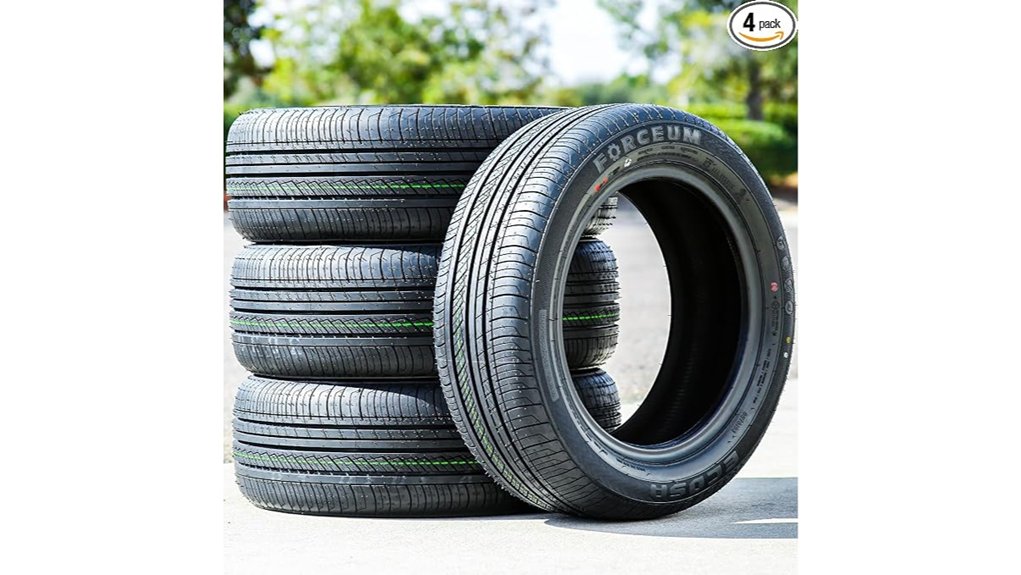
Forceum Ecosa’s 195/70R14 91H fit suits drivers seeking quiet, year-round touring value. This all-season touring tire uses an asymmetric tread to improve wet and dry traction, while circumferential grooves and multi-sipes help channel water and slush away for better hydroplaning resistance. Continuous twin ribs support steadier steering, and the shoulder block layout aids cornering response. A stabilizer rib promotes even wear, backed by a 45,000-mile treadwear warranty. Rated H for speeds up to 130 mph and SL for standard-load use, it targets dependable passenger-car performance.
Best For: Drivers looking for a quiet, budget-friendly all-season touring tire with reliable wet-weather traction and steady everyday performance.
Pros:
- Asymmetric tread and multi-sipes help improve traction in wet and dry conditions.
- Circumferential grooves aid hydroplaning resistance by channeling water and slush away.
- 45,000-mile treadwear warranty and stabilizer rib support longer, more even wear.
Cons:
- H speed rating may not suit drivers seeking higher-performance capability.
- Standard load construction may be less ideal for heavier loads or more demanding use.
- Touring-focused design prioritizes comfort and value over sporty handling.
Accelera Eco Plush 165/60R15 82H XL All Season Touring Radial Two Tires
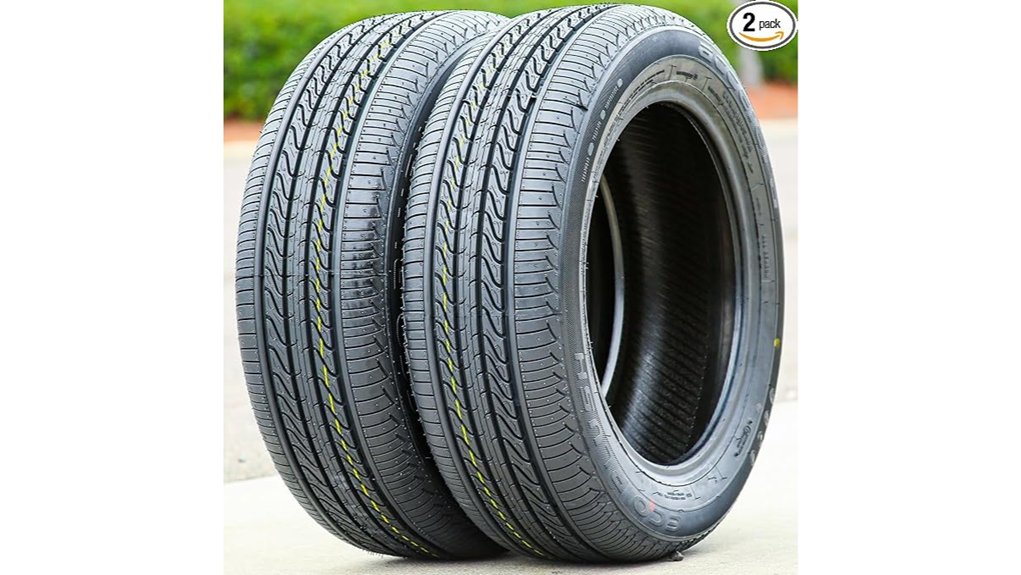
Accelera Eco Plush suits drivers seeking a quiet, fuel-conscious all-season touring tire. The 165/60R15 size carries an 82 load index, supporting up to 1,047 pounds per tire, and an H speed rating for sustained speeds to 130 mph. Its radial, 4-ply rated construction uses a symmetric tread with three main ribs for stable steering and reduced cabin noise. Main and lateral grooves help resist hydroplaning, while maintained road contact lowers rolling resistance. The XL design, 45,000-mile warranty, and universal fit add practical value, with two black sidewalls included.
Best For: Drivers who want a quiet, fuel-conscious all-season touring tire with good wet-weather stability and a comfortable daily-driving ride.
Pros:
- All-season traction with main and lateral grooves that help resist hydroplaning.
- Symmetric tread and three main ribs promote stable steering and lower cabin noise.
- XL construction with a 45,000-mile warranty adds durability and long-term value.
Cons:
- 165/60R15 sizing limits compatibility to specific vehicles.
- H speed rating is fine for most drivers, but not ideal for higher-performance use.
- Tires only are included, so rims/wheels must be purchased separately.
Factors to Consider When Choosing All Season Touring Tires
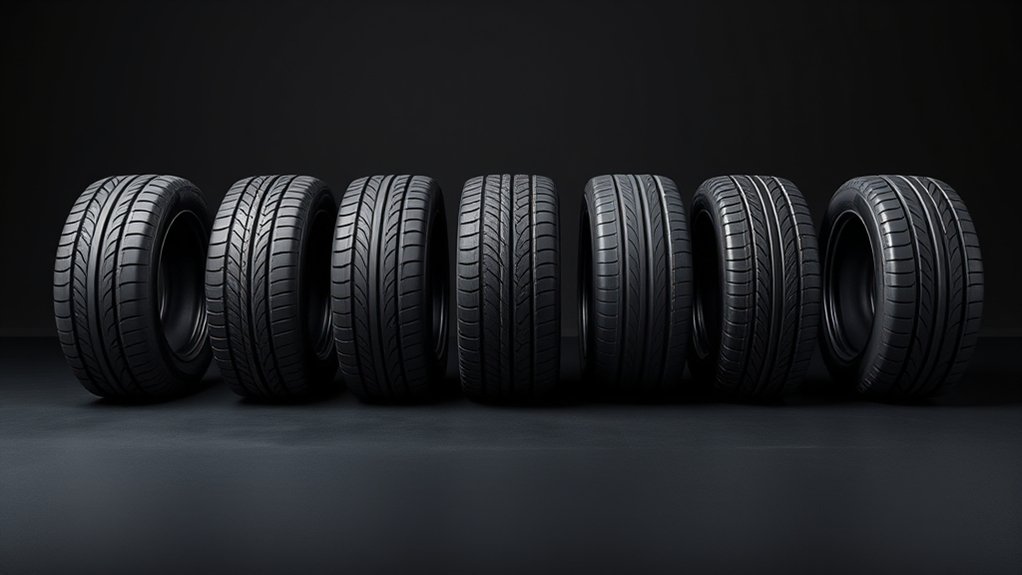
Choosing all-season touring tires begins with evaluating tread design, since it influences traction, water evacuation, and overall performance. Wet and dry grip, ride comfort, and tread life also matter because they affect safety, daily usability, and long-term value. Size compatibility should be confirmed as well to guarantee proper fit and dependable handling.
Tread Design
Tread design plays a major role in how all-season touring tires perform, with features such as 3D sipes and asymmetrical patterns improving grip in wet and dry conditions. Beyond traction, tread depth affects durability; a deeper pattern, such as 12/32 inches, helps preserve usable performance over time. A solid center rib can add straight-line stability and contribute to a smoother ride, while variable pitch tread blocks help reduce road noise. Multi-sipes and circumferential grooves are also important because they channel water and slush away from the contact patch, limiting hydroplaning risk. Asymmetrical layouts further support cornering confidence and responsive handling, making them adaptable across changing road surfaces and driving demands.
Wet And Dry Grip
Wet and dry grip depends on how well a tire balances traction, stability, and water evacuation. Deep tread slots and biting edges help the tire maintain contact on slick roads, while a solid center rib supports straight-line stability on dry pavement. 3D sipe technology adds more biting edges, improving braking and cornering in both conditions. Asymmetrical tread patterns further aid wet traction by channeling water away from the contact patch, lowering hydroplaning risk. Tread depth also matters, since deeper tread generally provides stronger grip and more consistent handling across changing weather. Tire compounds made with re-engineered materials can boost adhesion on wet and dry surfaces, helping the tire deliver dependable all-season performance without sacrificing control.
Ride Comfort
Ride comfort in all-season touring tires often comes down to how the tread and construction manage noise, vibration, and impact absorption. Variable pitch tread patterns help reduce road noise, making long drives feel calmer and less fatiguing. A solid center rib can add stability, distribute load evenly, and limit harshness over broken pavement. Tread depth also matters: deeper tread can soften impacts on rough surfaces, while a shallower design may transmit more texture from the road. Advanced rubber compounds improve flexibility and shock absorption, supporting a smoother ride across changing conditions. Proper inflation remains essential, since recommended pressure helps the tire maintain consistent road contact and preserve comfort. Together, these features shape how composed and relaxed a touring tire feels daily.
Tread Life
Longevity is a major consideration when choosing all-season touring tires, and manufacturers often signal it through treadwear warranties that typically range from 45,000 to 70,000 miles. Initial tread depth also matters, since many models begin around 9/32 to 12/32 inches, giving more usable rubber before replacement is needed. Tread design influences wear as well; sipes and grooves help spread contact forces more evenly while supporting consistent performance over time. Maintenance remains critical, because correct inflation and proper alignment reduce irregular wear and preserve traction. Driving style, road quality, and local climate can shorten or extend service life, so tires should match expected conditions. A well-chosen touring tire balances warranty, construction, and care.
Size Compatibility
Size compatibility should be verified first, because an all-season touring tire must match the vehicle’s required rim diameter, load index, aspect ratio, and speed rating. Rim diameter must align with the wheel, commonly 14 to 17 inches on many passenger vehicles, to guarantee proper mounting and safe operation. The load index should meet or exceed the vehicle’s carrying demands, since an underspecified tire can compromise stability. The aspect ratio also matters, because it influences sidewall height, ride comfort, and steering response; 225/65R17 is one example. Speed rating should cover the vehicle’s top capability, with H-rated tires supporting up to 130 mph. A universal fit designation can broaden choices, but the listed specifications should still be checked carefully before selection.
Warranty Coverage
Warranty coverage is a practical measure of a tire’s expected value, with many all-season touring tires backed by warranties ranging from 45,000 to 70,000 miles. Longer coverage often signals manufacturer confidence in durability, tread life, and overall quality. Some warranties protect only against defects in materials and workmanship, while others also include treadwear guarantees. The details matter, because maintenance requirements, rotation schedules, inflation practices, and misuse exclusions can affect eligibility. A tire with a strong warranty may offer better long-term value, but the fine print determines how much protection it truly provides. Comparing coverage helps buyers judge reliability beyond marketing claims and identify models that better balance performance, longevity, and ownership cost over time.
Frequently Asked Questions
How Do Touring Tires Differ From Performance All-Season Tires?
Touring tires prioritize comfort, quietness, tread life, and steady everyday grip, while performance all-season tires emphasize sharper handling, quicker response, and higher cornering capability, often sacrificing some ride softness and longevity for more agility.
Are All-Season Touring Tires Suitable for Light Snow?
About 60% of light-snow traction comes from tread design and rubber flexibility. All-season touring tires are usually suitable for light snow, though not severe winter conditions; they provide modest grip, predictable handling, and limited stopping confidence.
How Often Should Touring Tires Be Rotated?
Touring tires should generally be rotated every 5,000 to 8,000 miles, or as specified by the vehicle manufacturer. Regular rotation promotes even tread wear, longer tire life, and more consistent handling and traction.
What Tire Size Do I Need for My Vehicle?
The needed tire size is listed on the vehicle’s door placard or owner’s manual. It should match the original specifications exactly, including width, aspect ratio, and rim diameter, for proper fit and safety.
Do Touring Tires Improve Fuel Economy?
In summary, touring tires can improve fuel economy slightly because they often use lower rolling resistance. The gains are usually modest, however, and depend on tread design, inflation, vehicle weight, and driving conditions.
Conclusion
In the end, the five best all-season touring tires for 2027 offer something for nearly every driver, from the durable comfort of the Pirelli Scorpion All Season Plus 3 to the value-packed Starfire Solarus AS and the efficiency-focused Accelera Eco Plush. The Ironman iMove PT Plus and Forceum Ecosa also bring strong all-around performance. With choices this varied, finding the ideal tire can feel almost like discovering the holy grail of everyday driving.