
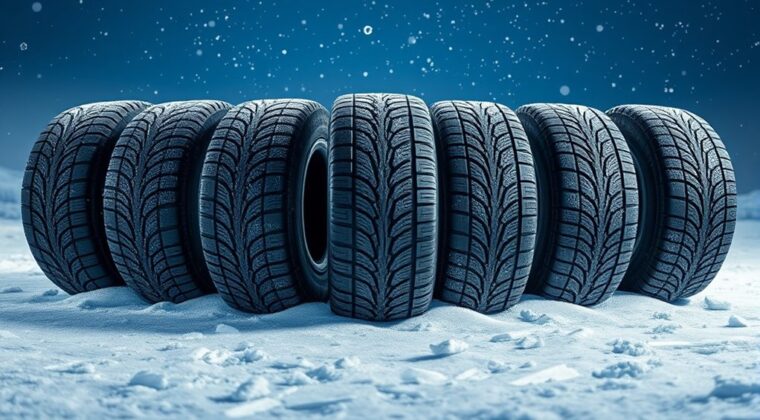
Choosing the right all-weather tire for snow and ice can make a noticeable difference when conditions turn harsh. In 2027, options like the Goodyear Wintercommand, Bridgestone Blizzak DM-V2, and Dunlop Winter Maxx SJ8 stand out for different vehicles and driving needs. Some favor deeper winter grip, while others balance year-round use with cold-weather confidence. The question is which models truly deliver when the road turns unforgiving.
Goodyear Wintercommand 205/55R16 94T All- Season Tire
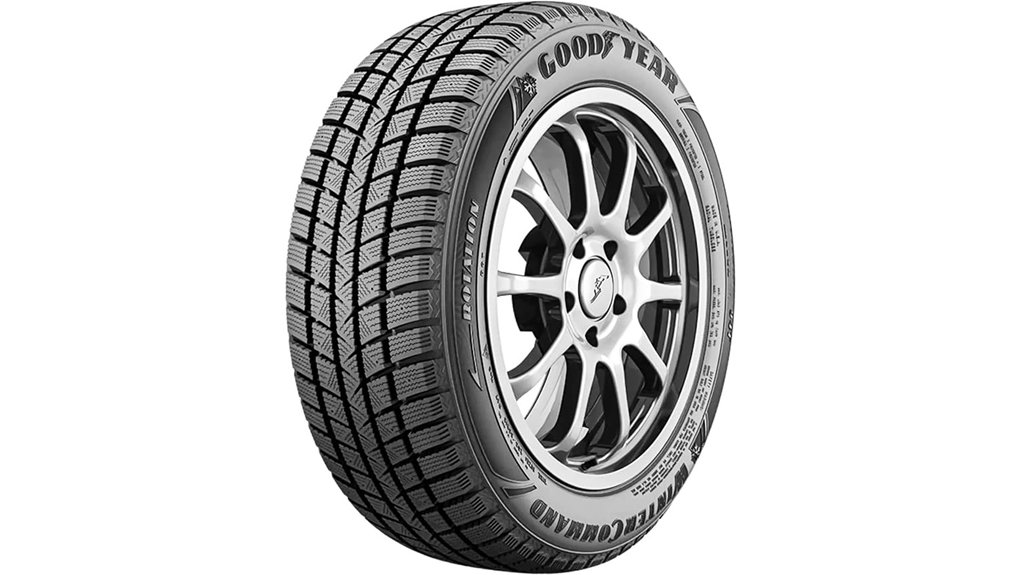
The Goodyear Wintercommand 205/55R16 94T All-Season Tire is a strong fit for drivers of cars, SUVs, and pickup trucks who face severe winter weather. It carries a Three-Peak Mountain Snowflake designation, signaling tested snow performance. Flexible sipes help the tire bite into ice and packed snow, reducing the chance of becoming stuck. Corrugated, angled sipes improve stability in turns, supporting control on slippery roads. Three distinct tread designs are used to refine comfort and handling. For harsher conditions, optional studs can add traction.
Best For: Drivers of cars, SUVs, and pickup trucks who need dependable traction and control in severe winter conditions.
Pros:
- Three-Peak Mountain Snowflake designation for tested snow performance
- Flexible and corrugated angled sipes improve grip, stability, and cornering on slippery surfaces
- Optional studs available for extra traction in harsher winter weather
Cons:
- Primarily focused on winter use, so it may be less ideal for warm-weather driving
- Studs are optional, meaning maximum ice traction requires an added purchase
- Best performance is tied to severe snow conditions rather than all-season versatility
Dunlop Winter Maxx SJ8 225/60R17 99R
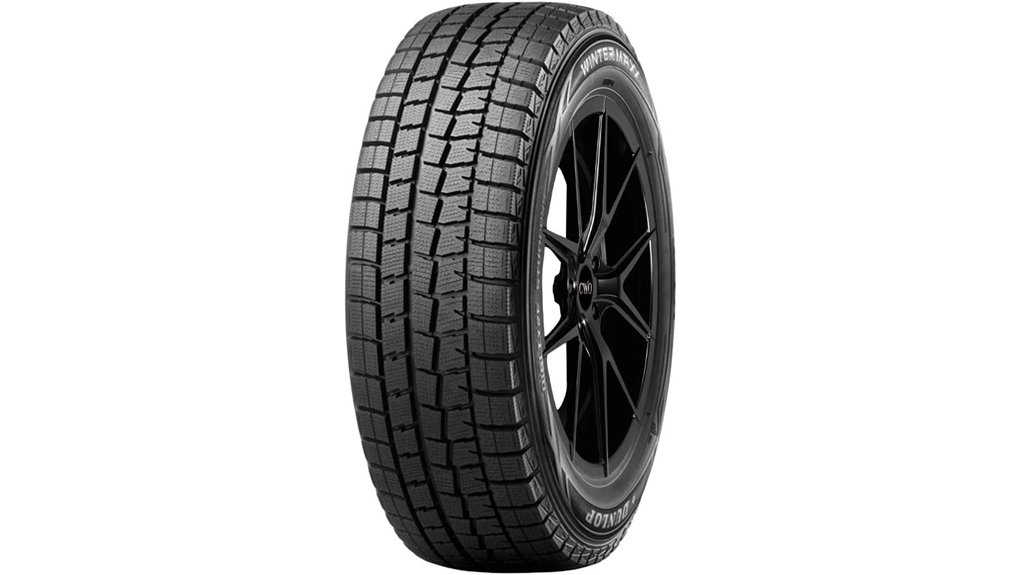
Dunlop’s Winter Maxx SJ8 suits CUV and SUV drivers needing dependable winter traction. In 225/60R17 99R sizing, it targets winter use with Nano-fit rubber that stays flexible in low temperatures, helping maintain grip on ice. Maxx Sharp Edges and Miura-Ori sipes increase tread-to-ice contact, while optimized groove patterns support control on snowy roads. It also performs well in wet conditions, broadening cold-weather capability. This tire is intended for winter weather only and should not be used when temperatures consistently rise above 45°F.
Best For: CUV and SUV drivers who need dependable winter traction in 225/60R17 sizing for cold-weather driving on snow, ice, and wet roads.
Pros:
- Nano-fit rubber stays flexible in low temperatures for better ice traction.
- Maxx Sharp Edges and Miura-Ori sipes improve tread-to-ice contact.
- Optimized groove patterns help grip on snowy surfaces and support wet-condition performance.
Cons:
- Intended for winter use only, so it is not suitable year-round.
- Should not be used when temperatures consistently exceed 45°F.
- May be less ideal for drivers who need a tire focused on warm-weather performance or all-season versatility.
Sumitomo Ice Edge 195/65R15 91T
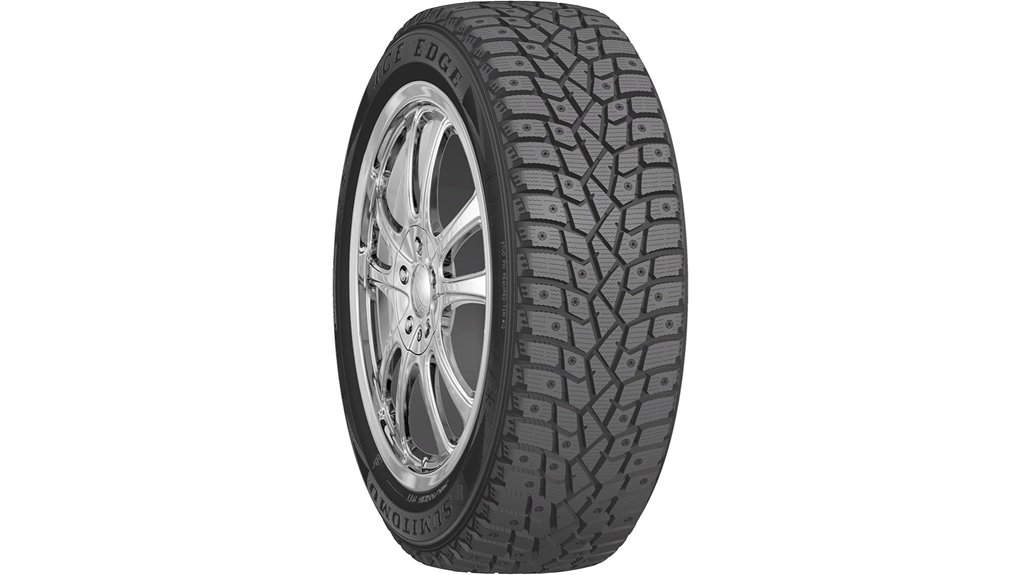
Built for drivers needing studdable winter traction, the Sumitomo Ice Edge 195/65R15 91T targets icy roads with confidence. This directional radial tire suits coupes, sedans, CUVs, SUVs, and minivans, making it broadly versatile for cold-weather commuting. Its 12.1/32-inch tread depth and black sidewall support grip on snow, slush, and ice, while the 91T rating indicates a 1,356-pound load capacity and moderate highway capability. Sized for 15-inch rims, it uses a universal fit and SL load range. The tire-only package includes one unit, backed by a 30-day return guarantee.
Best For: Drivers of coupes, sedans, CUVs, SUVs, and minivans who need a studdable winter tire for dependable traction on ice, snow, and slush.
Pros:
- Studdable directional winter tread for improved cold-weather grip
- Versatile universal fit for a wide range of passenger vehicles
- Strong 91T rating with a 1,356-pound load capacity
Cons:
- Designed specifically for winter use, so not ideal year-round
- Studs are optional, so maximum ice traction may require additional installation
- Tread pattern and road feel may be noisier than all-season tires
Cooper TractionCommand 235/45R18 98V All- Season Tire
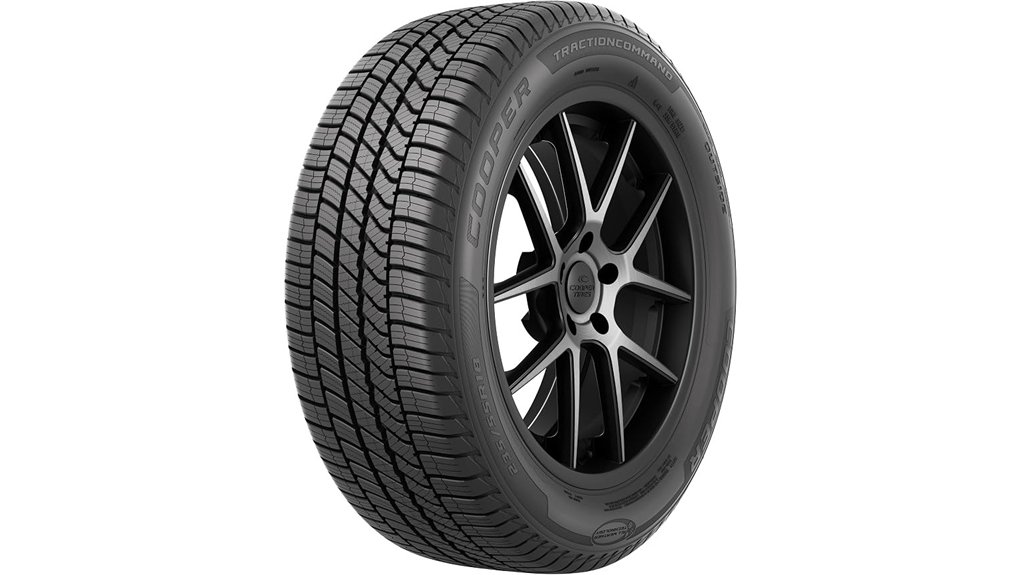
Cooper’s TractionCommand 235/45R18 98V suits drivers needing dependable winter traction in a car-friendly size. Dual-zone tread channels help move water and slush away, while inner ribs improve contact and road grip. The tire carries Severe Snow and Three-Peak Mountain Snowflake designations, signaling capable performance in snowy conditions. 3D-Sipe Technology supports smooth handling and braking, and Widening Sipe Technology helps preserve wet-road performance as tread wears. Sweeping grooves further sustain consistent wet grip, making this all-season design a balanced option for mixed cold-weather driving.
Best For: Drivers looking for a car-friendly all-season tire with strong winter traction, dependable wet grip, and stable handling in mixed cold-weather conditions.
Pros:
- Dual-zone tread channels help move water and slush away for better all-weather control.
- Severe Snow and Three-Peak Mountain Snowflake designations indicate solid winter capability.
- 3D-Sipe and Widening Sipe Technologies support smooth handling and help maintain wet-road performance as the tire wears.
Cons:
- Best suited for mixed cold-weather use, not a dedicated performance or off-road tire.
- May not deliver the same dry-road sportiness as a more performance-focused tire.
- Winter traction is strong for an all-season tire, but still not equal to a true winter tire in extreme conditions.
Falken Aklimate All Weather 205/65R15 99H XL Passenger Tire
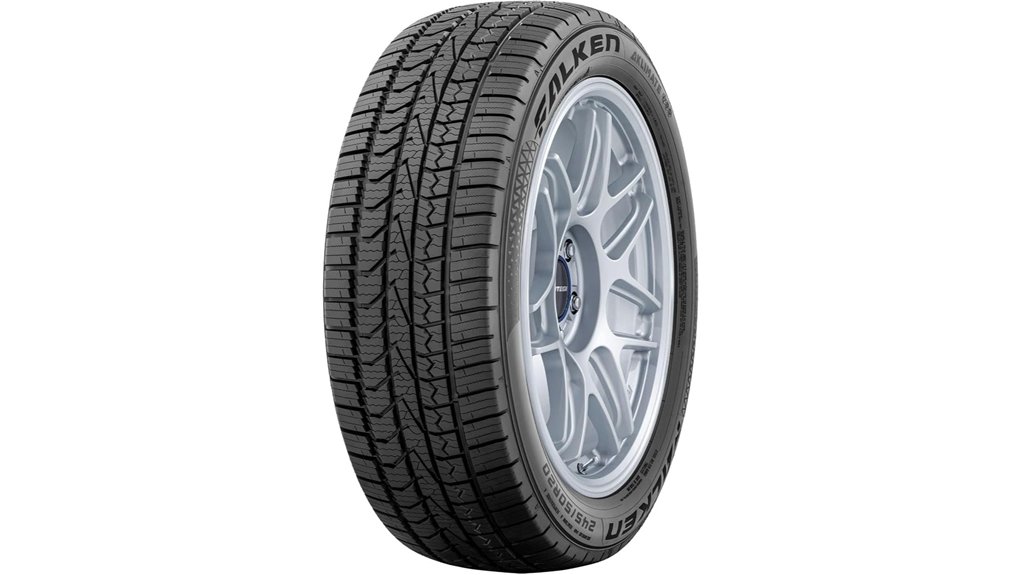
The Falken Aklimate suits drivers needing dependable winter traction in a 205/65R15 fit. This all-weather passenger tire uses a radial, 4-ply build with a symmetrical tread and 3D siping to improve grip on snowy pavement. Snow claws add biting edges for icy handling, while the robust construction supports stability in cold conditions. It carries a 99H XL rating, 1709-pound load capacity, 50 psi maximum pressure, and 11/32-inch tread depth. Its 26.2-inch diameter, 7.5-inch rim width, and 30-day return guarantee round out the package.
Best For: Drivers of passenger cars in 205/65R15 who want dependable all-weather performance with strong winter traction and stability.
Pros:
- 3D siping and snow claws improve grip on snowy and icy roads.
- 99H XL rating with a 1709-pound load capacity supports heavier loads.
- Symmetrical tread and robust construction help maintain steady handling in cold conditions.
Cons:
- Best suited for winter-prone driving, so it may be more tire than some mild-climate drivers need.
- Ride noise and comfort aren’t highlighted in the specs provided.
- Only fits vehicles that use the 205/65R15 size, limiting compatibility.
Bridgestone Blizzak DM-V2 Winter/Snow SUV Tire 225/65R17 102 S
https://m.media-amazon.com/images/I/91yCI6l-0EL._AC_SY879_.jpg
Bridgestone’s Blizzak DM-V2 suits SUV drivers who need confident traction on snow and ice. In size 225/65R17 with a 102 S load index, it uses Bridgestone’s next-generation Multi-Cell compound to help dispel water from the ice surface, improving bite in frigid conditions. A redesigned tread adds 15% more block edges for stronger snow-shearing force. The enhanced contact patch promotes even pressure distribution, which supports handling and stability. The tire is designed for reliable stopping power in winter weather and is covered by Bridgestone’s Winter Tire Limited Warranty for added assurance.
Best For: SUV drivers who need dependable winter traction, strong snow-and-ice performance, and stable handling in a 225/65R17 tire.
Pros:
- Next-generation Multi-Cell compound helps dispel water from ice for better grip in icy conditions.
- Redesigned tread with 15% more block edges improves snow-shearing traction.
- Enhanced contact patch supports more even pressure distribution for improved handling and stability.
Cons:
- Winter-focused design means it’s not ideal for year-round use in warm weather.
- Performance is best suited to snow and ice, so dry-road comfort may be secondary.
- Limited warranty coverage is helpful, but it doesn’t eliminate normal winter tire wear.
Milestar Weatherguard AW365 All Weather 225/65R17 106H XL Passenger Tire
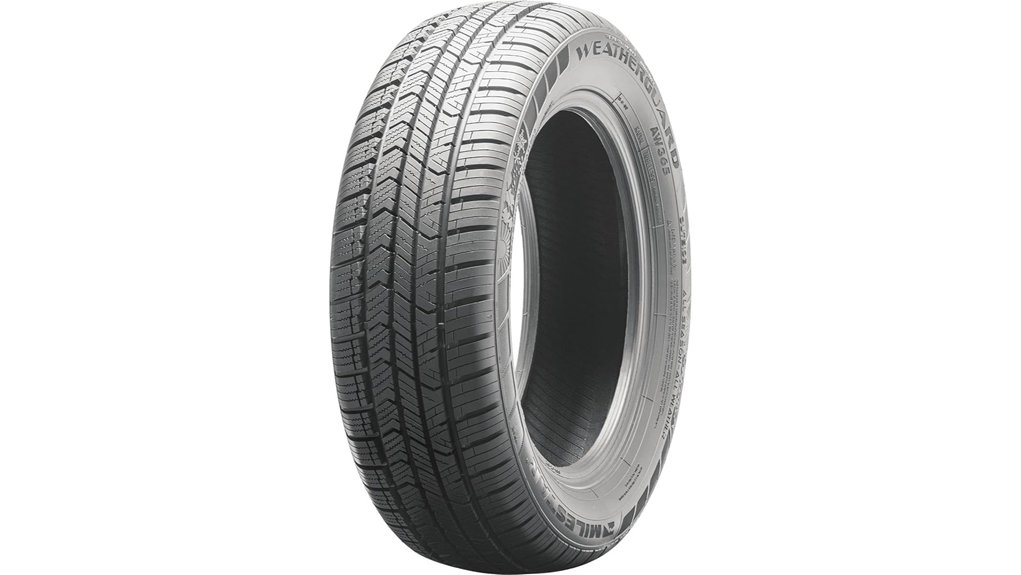
Milestar’s Weatherguard AW365 suits drivers needing confident winter grip in a 225/65R17 all-weather fitment. The XL passenger tire carries a 106H load rating and uses angled tread notches, 3D siping, and constant lateral grooves to improve traction on snow, wet pavement, and dry roads. Coupling shoulder blocks help maintain stability during cornering, while the siping-rich tread pattern supports stronger braking on icy surfaces. The angled notches also help lower road noise. Its advanced design aims to extend tread life, making it a practical choice for year-round use in demanding climates.
Best For: Drivers who want a 225/65R17 all-weather tire with strong winter traction, reliable wet and dry performance, and added year-round durability.
Pros:
- Angled tread notches and 3D siping improve traction and braking on snow, wet, and dry roads.
- Coupling shoulder blocks help maintain stability during cornering and everyday driving.
- Advanced tread design aims to reduce noise and extend tread life.
Cons:
- May not match the performance of a dedicated winter tire in severe snow and ice.
- All-weather tires can trade off some warm-weather handling compared with performance-focused tires.
- XL load rating may be more tire than some drivers need for lighter-duty use.
Factors to Consider When Choosing All Weather Tires for Snow and Ice
Choosing all-weather tires for snow and ice requires attention to several key measures of performance. Snow traction rating, ice grip technology, and the design of siping and edges all influence how well a tire maintains control on winter roads. Wet weather control and the tire’s temperature performance limit also matter, since changing conditions can affect safety and grip.
Snow Traction Rating
Snow traction depends on a tire’s ability to maintain grip when conditions turn icy, slushy, or deeply packed with snow. A strong snow traction rating usually begins with the Three-Peak Mountain Snowflake designation, which signals that the tire has passed specific winter performance tests. Tread design also matters: flexible sipes help the tread edges bite into snow and support control on slippery roads. Tires built for winter use often use compounds that stay pliable in low temperatures, preserving contact and responsiveness. Directional tread patterns can improve forward bite while channeling slush and water away from the contact patch. For drivers facing harsher conditions, studdable models provide an added option for increased snow and ice traction without compromising winter versatility.
Ice Grip Technology
Ice grip technology becomes especially important when roads turn glazed, because tire compounds and tread design directly affect how well a tire can hold on to frozen pavement. In this category, specialized rubber blends such as nano-fit compounds remain pliable in very low temperatures, helping the tread conform to ice instead of hardening and sliding. Some designs also use multi-cell compounds that help disperse the thin water film that forms on ice, which can reduce slipperiness. Optional studding can add another layer of traction in severe conditions, though it must meet local road-use rules. Together, these technologies aim to improve braking, cornering, and stability on polished winter surfaces without relying on aggressive off-road behavior.
Siping And Edges
Siping plays a major role in how an all-weather tire grips snow and ice, because the small slits in the tread add flexible biting edges that help the rubber conform to slippery surfaces. These slits increase tread flexibility and create more contact points, which improves traction on packed snow and glare ice. Three-dimensional sipes, especially those with angled or corrugated forms, help the tread stay supportive while still adapting to changing road textures. Sharp block edges and snow claws further boost snow-shearing force, giving the tire more ability to bite into winter surfaces. Elaborate siping patterns also help maintain cornering stability and reduce slippage during turns. Together, these design features strengthen handling, confidence, and control in severe cold-weather driving.
Wet Weather Control
Wet-road confidence depends heavily on how an all-weather tire manages water at the contact patch. Specialized groove patterns help move water away from the tread, which improves grip on rain-soaked pavement and lowers hydroplaning risk. Many designs also use a dual-zone tread, with one area tuned for wet conditions and another for drier driving, so control remains consistent as surfaces change. 3D siping adds biting edges that support braking and cornering on slick roads, while enhanced siping further shortens stopping distances and steadies handling. Rubber compounds that stay pliable in cooler weather also assist wet-road traction, helping the tire maintain contact when roads are covered with rain or slush. Together, these features define strong wet weather control.
Temperature Performance Limit
Temperature matters just as much as tread design when evaluating all-weather tires for snow and ice. All-weather tires are built to handle varied conditions, yet their performance can drop sharply when temperatures move outside the range for which they were engineered. Many models lose suitability once ambient temperatures consistently rise above 45°F, reducing the traction needed on snow and ice. At low temperatures, the rubber compound becomes critical because it must remain flexible to preserve grip. Some advanced compounds are formulated to stay pliable in severe cold. Tread patterns and siping still help, but their benefits can be muted if the tire is used beyond its recommended temperature limit. Recognizing these limits is essential for winter safety and stable control.
Frequently Asked Questions
How Do All-Weather Tires Differ From Winter Tires in Deep Snow?
All-weather tires usually pack less aggressive tread and softer winter compound than winter tires, so they clear deep snow less effectively and provide weaker traction, braking, and steering control in severe conditions.
Can All-Weather Tires Safely Handle Black Ice Conditions?
Yes, but only cautiously; black ice is a glassy trap, and all-weather tires can merely whisper for traction. Their grip helps, yet reduced speed, gentle inputs, and winter-rated tires remain safer choices.
Do All-Weather Tires Need Chains in Severe Winter Storms?
Not usually, but severe winter storms can overwhelm all-weather tires, especially on steep grades or icy roads. Chains may become legally required or prudent for traction. Drivers should check local rules and conditions before traveling.
How Long Do All-Weather Tires Typically Last in Snowy Climates?
Snowy streets sap tires sooner; typically all-weather tires last 40,000 to 60,000 miles in cold climates. Salt, slush, and sharp starts shorten service, while careful rotation, alignment, and gentle driving preserve tread longer.
Are All-Weather Tires Suitable for Electric Vehicles in Winter?
Yes, all-weather tires can suit electric vehicles in winter if they carry appropriate snow ratings and sufficient load capacity. Their stronger grip helps, though reduced range and heavier torque still demand careful driving and maintenance.
Conclusion
When roads turn white and visibility fades, the right tire can mean the difference between confidence and fear. The Goodyear Wintercommand and Bridgestone Blizzak DM-V2 promise surefooted winter grip, while the Dunlop, Sumitomo, Cooper, Falken, and Milestar options balance cold-weather control with everyday practicality. Together, they show a quiet truth: winter driving is never forgiving, yet the right all-weather tire can make the season feel less like a threat and more like a challenge met.