
You want reliable, convenient home charging for your Mitsubishi Outlander PHEV, and the right EV charger can make daily plug-in driving easier. A good J1772 charger helps you charge at home, schedule sessions around lower-cost electricity, and avoid relying on public stations for routine top-ups. The key is choosing a unit that fits your outlet, circuit, parking setup, and the Outlander PHEV’s onboard AC charging limit.
This roundup is reader-supported. When you click through links, we may earn a referral commission on qualifying purchases.
Quick Verdict: Choose a 40A Level 2 J1772 charger if you want a dedicated home setup with extra capacity and future flexibility. Choose a 16A portable Level 1/2 charger if you rent, travel, or want a backup charger you can move between outlets. For the Outlander PHEV, remember that the vehicle decides the final AC charging speed, so a higher-amp charger will not force the car to charge faster than its onboard charger allows.
Top Picks
|
Category |
Product |
Score |
|---|---|---|
|
🏆 Best Overall |
95/100 |
|
|
💰 Best Value Level 2 |
88/100 |
|
|
🎒 Best Portable |
85/100 |
|
|
⏱️ Best For Scheduling |
83/100 |
|
|
🔰 Best Budget Level 2 |
82/100 |
|
|
🔋 Best Spare Charger |
81/100 |
|
|
✈️ Best Travel Charger |
80/100 |
|
|
🔌 Best Simple Level 1 |
79/100 |
|
|
💵 Cheapest Pick |
76/100 |
How We Picked
You need a charger that matches the Outlander PHEV’s J1772 AC inlet and your daily routine, so we focused on connector compatibility, amperage, plug type, cable length, portability, weather resistance, scheduling controls, safety certifications, and ease of installation. We also considered whether each charger makes sense for common home setups, including standard 120V outlets, NEMA 6-20 outlets, and NEMA 14-50 outlets.
Outlander PHEV Compatibility Note
The Mitsubishi Outlander PHEV uses J1772 for AC home charging in North America, so the chargers below are aimed at Level 1 and Level 2 AC charging. They are not CHAdeMO DC fast chargers. A 40A charger can be useful for a dedicated 240V home setup, but your Outlander PHEV will only accept the AC power its onboard charger allows. Always confirm your model year, outlet type, breaker size, and local code requirements before buying or installing a charger.
Best EV Chargers For Mitsubishi Outlander PHEV
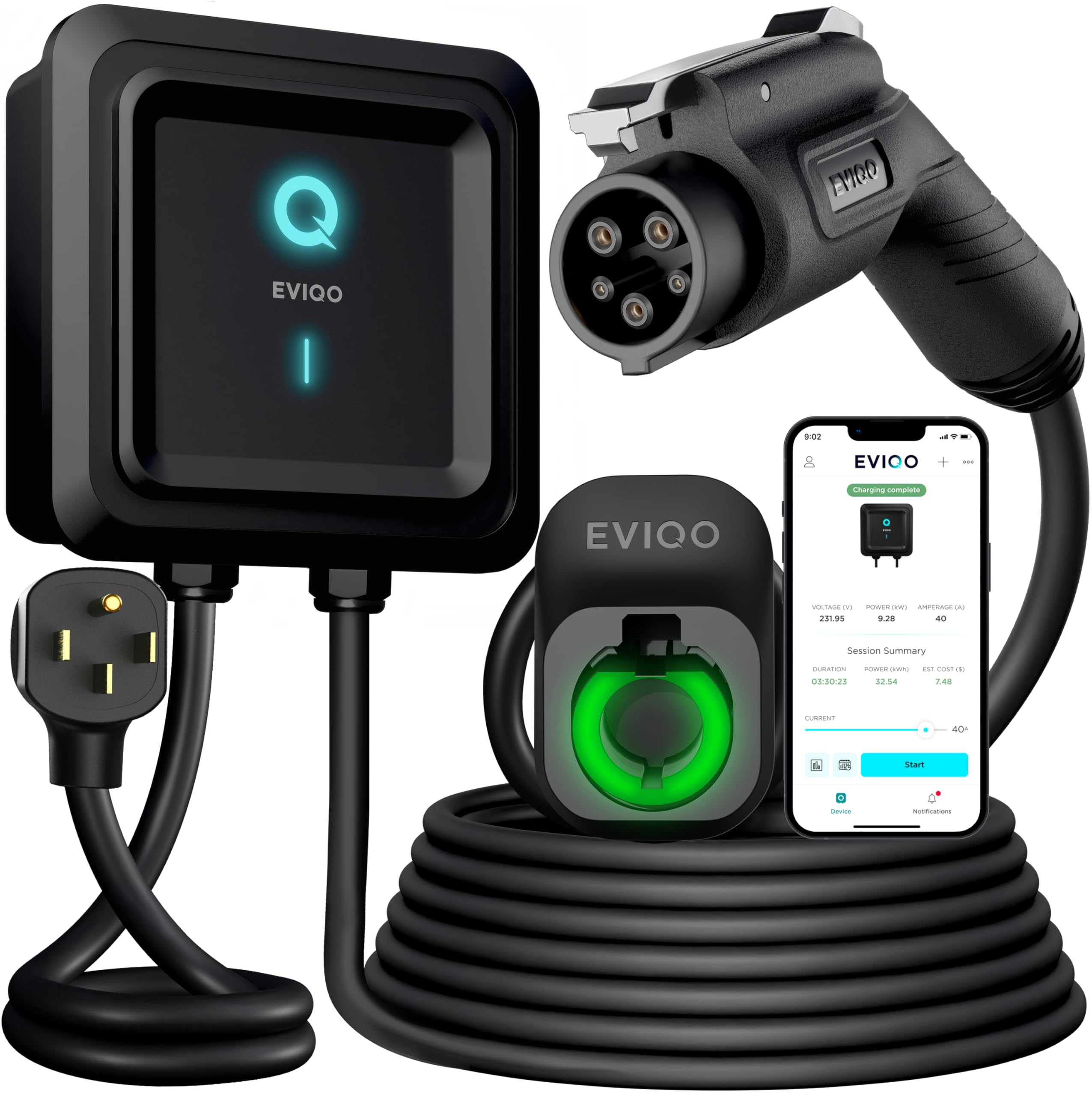
You get a robust Level 2 home charger that balances power, cable reach, and smart controls. The 25 foot cable makes daily parking easier, while the WiFi app helps you schedule charging around off-peak rates and track sessions without relying only on the vehicle menu.
The main thing to know is that the Outlander PHEV will not necessarily use the full 40A output. This charger is still useful if you want a sturdy home EVSE, a NEMA 14-50 setup, and extra capacity for a future EV, but the actual Outlander charging speed depends on the vehicle’s onboard charger.
What People Say
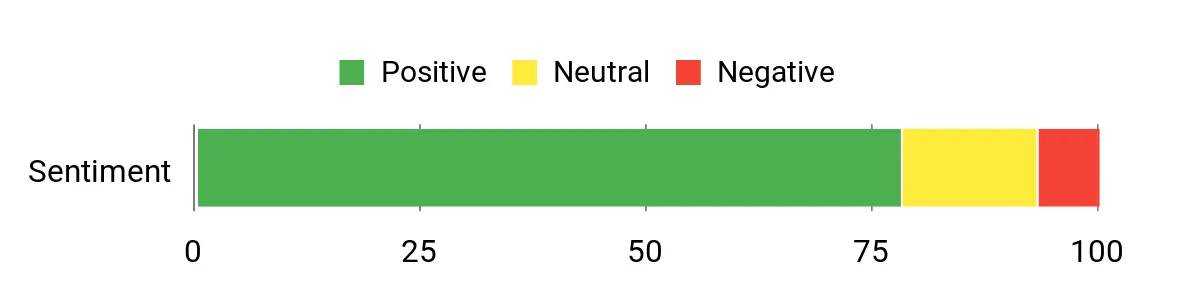
You’ll find most owners praise the build quality and the long cable, and many note that an electrician made installation quick and straightforward. Reviewers often mention the app and scheduling features as handy for shifting charging to cheaper hours, and several people call out the reliable, heavy-duty connector and weatherproof housing as reasons they trust it for garage or outdoor use.
Overall Sentiment: Positive
Ease Of Use
|
Feature |
Ease Level |
|---|---|
|
Installation |
Moderate (Electrician Recommended) |
|
App Setup |
Easy |
|
Daily Plug-In |
Easy |
|
Portability |
Moderate |
Charging Efficiency Note
The higher output gives the EVSE more capacity, but your Outlander PHEV controls the actual AC draw. The smart scheduling feature is the bigger everyday efficiency benefit because it can help you charge during lower-cost hours or solar production windows.
Key Benefits
- Strong Level 2 home setup for routine overnight charging
- Smart WiFi app for scheduling, tracking energy use, and adjusting output
- Weatherproof IP66 construction suitable for garage or outdoor mounting
- Long 25 ft cable and solid J1772 handle for easy daily plugging
- UL and ETL certification claims for added buyer confidence
You get a flexible portable charger that works from a standard 120V outlet for slower overnight top-ups or from a 240V NEMA 6-20 outlet when you want quicker Level 2 charging. The 25 foot cable gives you more room to park, and the plug options make it practical at home, at a second location, or as a travel backup.
This is a sensible choice if you do not want a large wall-mounted station. It is not the fastest option here, but it fits the Outlander PHEV use case well because many PHEV owners value portability and simple setup more than maximum amperage.
What People Say
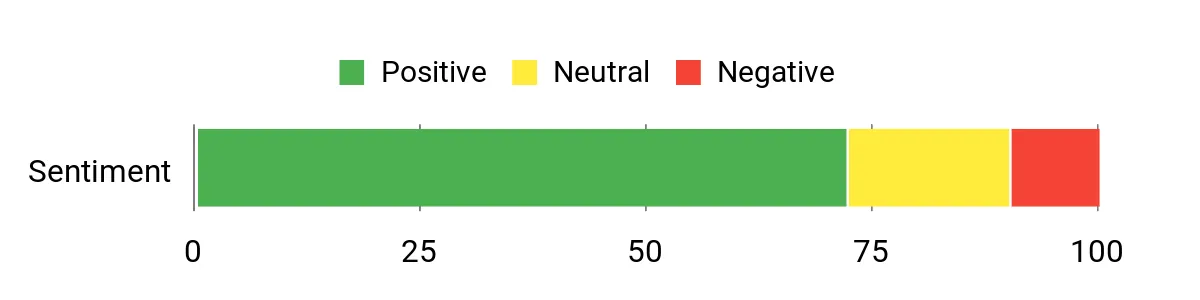
Owners typically highlight how convenient the dual-voltage capability and long cable are for everyday use. Many people appreciate the portability and the ability to plug into common household outlets, and users often mention the straightforward setup and dependable charging performance.
A few note they would like sturdier storage options or more advanced features, but most find it a reliable, practical choice.
Overall Sentiment: Positive
Ease Of Use
|
Feature |
Ease Level |
|---|---|
|
Installation |
Easy (Plug-In) |
|
Portability |
Easy |
|
Plug Switching |
Easy |
|
Storage |
Moderate |
Charging Efficiency Note
Using 240V when available can shorten charge sessions compared with 120V. The selectable current also helps you match the charger to the outlet, which can reduce nuisance breaker trips when used correctly.
Key Benefits
- Works on both 120V and 240V outlets for flexible charging speeds
- Long 25 ft cable improves parking flexibility in garages and driveways
- Compact and portable for travel, rentals, or shared vehicles
- Simple plug-and-play design with common NEMA plugs
- Good fit for Outlander PHEV owners who want a movable charger
You get a compact, travel-friendly charger that covers both daily commuting and occasional longer trips. It plugs into common household outlets or a 240V NEMA 6-20 outlet, and the adjustable current makes it easier to match the charger to the circuit you have available.
The 20 ft cable and sturdy J1772 handle give you parking flexibility, while IP65 protection helps with occasional outdoor use. If you want a portable Outlander PHEV charger that is easy to pack and simple to adjust, this one balances convenience and durability nicely.
What People Say
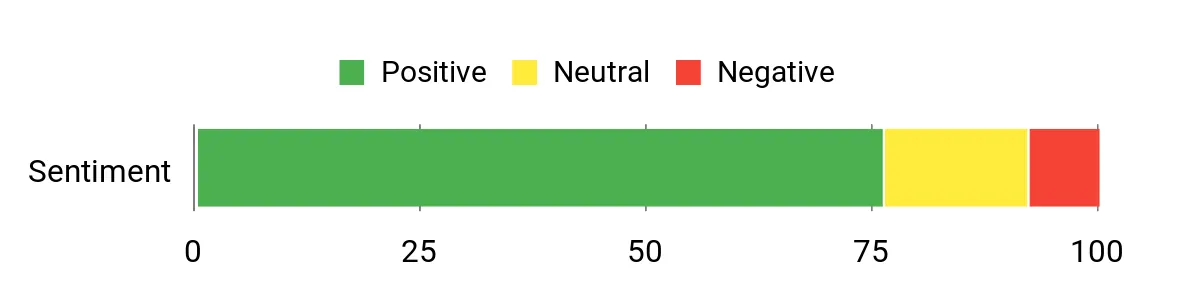
Most owners highlight the portability and adjustable current as the biggest wins, noting it’s handy for charging at different locations and outlet types. Users frequently call out the long cable and solid J1772 connector as practical features, and many appreciate the water resistance for occasional outdoor use. A few people mention wanting a more robust carrying solution, but overall the consensus is that it reliably does what it promises.
Overall Sentiment: Positive
Ease Of Use
|
Feature |
Ease Level |
|---|---|
|
Installation |
Easy (Plug-In) |
|
Current Adjustment |
Easy |
|
Daily Plug-In |
Easy |
|
Storage |
Moderate |
Charging Efficiency Note
Switching between 120V and 240V gives you more control over charge time. Dialing current down can also help when you are using an outlet with limited circuit capacity.
Key Benefits
- Dual 120V/240V operation for flexible charging options
- Adjustable current helps match the charger to available circuits
- 20 ft cable improves parking flexibility
- IP65 water resistance for occasional outdoor charging
- Compact and easy to pack for travel
You get a compact Level 1 charger that is best for simple overnight top-ups. It plugs into a standard 120V outlet, keeps installation simple, and is light enough to keep in the trunk as a backup.
This is not the fastest charger in the list, so it is best for drivers who can leave the Outlander PHEV plugged in for long stretches. If you want faster charging from a 240V outlet, choose one of the Level 1/2 or Level 2 options instead.
What People Say
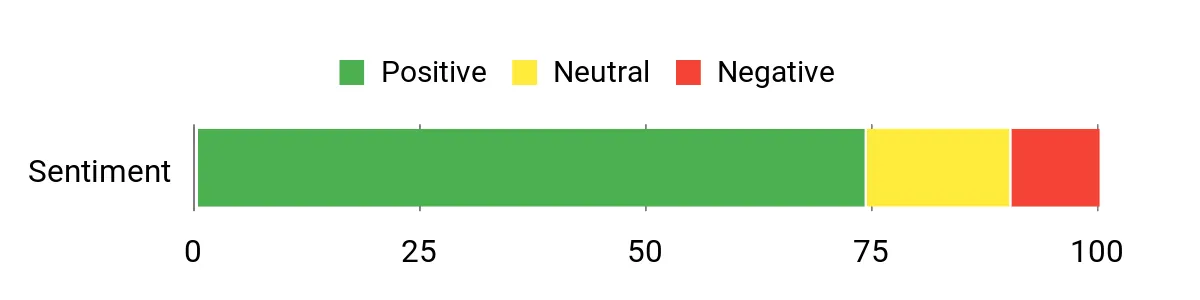
People often point out how convenient it is to carry and use without special wiring, and they like that it just works with standard outlets. Many mention the solid build and the long cord as practical perks for garage or public parking. Some users note the slower charge speed compared with Level 2 units, but appreciate the simplicity and portability for everyday needs.
Overall Sentiment: Positive
Ease Of Use
|
Feature |
Ease Level |
|---|---|
|
Installation |
Easy (Plug-In) |
|
Portability |
Easy |
|
Daily Plug-In |
Easy |
|
Setup |
Easy (No App) |
Charging Efficiency Note
Level 1 charging is slower but simple. It can work well if your daily mileage is modest and you can plug in overnight, but it is not ideal if you regularly need a faster refill.
Key Benefits
- Simple plug-in operation with J1772 compatibility
- Compact and portable for travel or backup charging
- ETL certification claim for basic safety confidence
- 16 ft cord gives some flexibility when parking close to outlets
- Good option when you do not have a 240V outlet
You get a thoughtful portable option that blends everyday convenience with a few useful controls. The built-in display and timer let you schedule charging directly on the unit, so you do not have to depend on a phone app for basic timing.
It runs from a standard 110V outlet for slower overnight charging and can use 240V when available. The adjustable current helps match the charger to the circuit, which is useful for rentals, shared garages, or older electrical setups.
If you want a portable charger that feels practical and gives you simple scheduling control, this is a strong fit.
What People Say
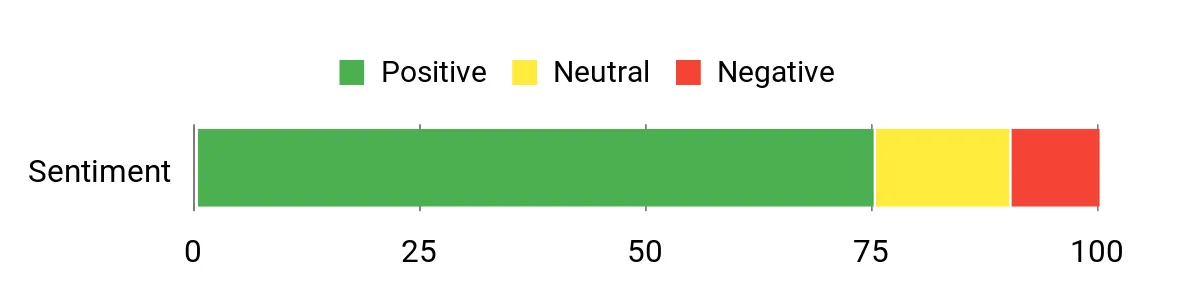
Most users appreciate the solid build and the convenience of the onboard timer and display, since it removes the need for a phone app. People often point out the adjustable current and dual-voltage support as useful for different outlets and locations, and many find it reliable for everyday top-ups.
A small number mention issues with returns or that they needed professional help for certain installations, but those comments are less common.
Overall Sentiment: Positive
Ease Of Use
|
Feature |
Ease Level |
|---|---|
|
Installation |
Easy (Plug-In) |
|
Timer Use |
Easy |
|
Voltage Switching |
Moderate |
|
Portability |
Easy |
Charging Efficiency Note
Adjustable current and scheduled charging help you avoid charging at inconvenient times. When paired with the right outlet and circuit, 240V operation can also reduce the amount of time the vehicle stays plugged in.
Key Benefits
- Built-in timer and display for scheduling without an app
- Adjustable 8–16A current matches available outlets
- Dual 110V–240V compatibility for flexible charging speeds
- 21 ft cable offers good reach for parking flexibility
- Portable and compact for travel or backup charging
You get a straightforward Level 2 portable unit that steps up from basic 120V charging. The 40 amp output gives the EVSE plenty of capacity, and the 25 ft cable helps when your garage outlet is not perfectly aligned with the charge port.
It uses a NEMA 14-50 plug, so you need the correct 240V outlet and circuit. For many buyers, that means hiring an electrician to install or verify the outlet before use. If you want a powerful plug-in Level 2 charger without app controls, this is a practical choice.
What People Say
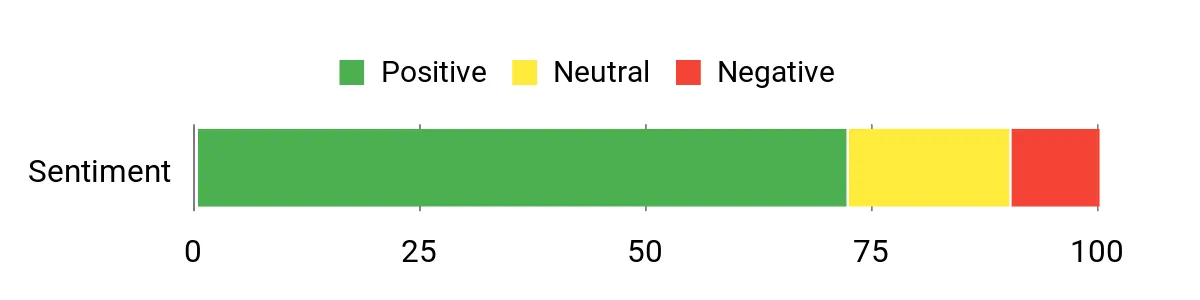
Owners commonly praise the faster charging compared with 120V cords and the convenience of the long cable. People note it feels well built and appreciate the ETL safety certification, and many find the portability useful when they need a flexible charging solution. A number of users mention having an electrician handle the dedicated outlet setup, especially if they didn’t already have a NEMA 14-50.
Overall Sentiment: Positive
Ease Of Use
|
Feature |
Ease Level |
|---|---|
|
Installation |
Moderate (Electrician May Be Needed) |
|
Portability |
Moderate |
|
Cable Reach |
Easy |
|
Daily Plug-In |
Easy |
Charging Efficiency Note
Level 2 charging usually shortens sessions compared with 120V, but the Outlander PHEV’s onboard charger sets the actual charging rate. The 40A capacity is most useful for home flexibility and possible future EV needs.
Key Benefits
- 40 amp Level 2 EVSE capacity for a dedicated 240V setup
- 25 ft cable improves reach and parking flexibility
- Portable design for use at home or on the road
- NEMA 14-50 plug works with matching 240V outlets
- ETL certification claim for safer high-amperage operation
You get a simple, flexible charger that works from a standard outlet for slower overnight top-ups or from a 240V NEMA 6-20 outlet for faster charging when available. The adjustable current and built-in timer help you match available circuits and schedule charging without extra app setup.
The long 25 ft cable gives you more room to park, and the plug adapters make it useful for rentals, trips, or multi-car households. If you want an affordable portable unit that covers everyday Outlander PHEV needs without extra complexity, this one fits the bill.
What People Say
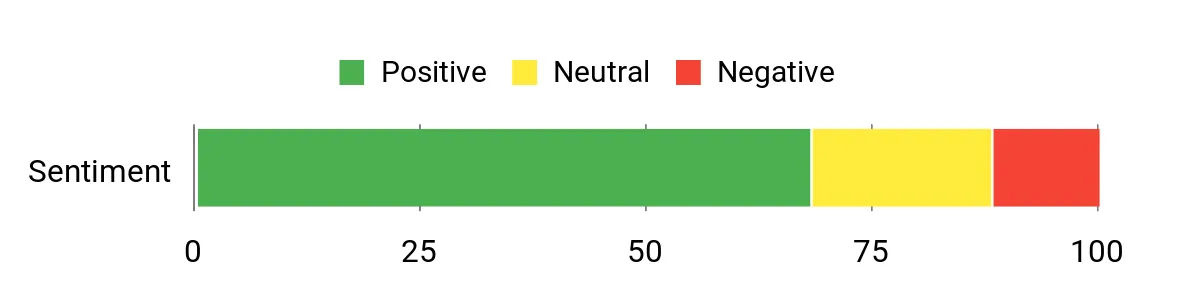
Users frequently praise the adjustable current and the long cable as practical features that make charging in different locations easier. People also note it works well with generators and handles everyday top-ups reliably, while a few mention the carrying case or weather durability could be improved.
Overall Sentiment: Positive
Ease Of Use
|
Feature |
Ease Level |
|---|---|
|
Installation |
Easy (Plug-In) |
|
Current Adjustment |
Easy |
|
Daily Plug-In |
Easy |
|
Storage |
Moderate |
Charging Efficiency Note
Switching to 240V can reduce charging time when your outlet and vehicle support it. Adjustable current is also useful when you need to stay within a circuit’s safe continuous load.
Key Benefits
- Works on both 110V and 240V outlets for flexible charging
- Adjustable current and timer for better circuit matching
- Long 25 ft cable for easier parking and access
- Portable design useful for travel, rentals, or backup charging
- Simple controls with no app required
You get a compact Level 1 charger that works anywhere there is a standard 120V outlet. The WiFi app lets you schedule charging, track sessions, and start or stop remotely, which is handy when you want simple control from your phone.
The 16 ft cable and included carrying case make it practical for travel, rentals, or keeping a reliable backup in the garage. If you mainly top up overnight and value portability plus smart controls, this is a convenient low-fuss option.
What People Say
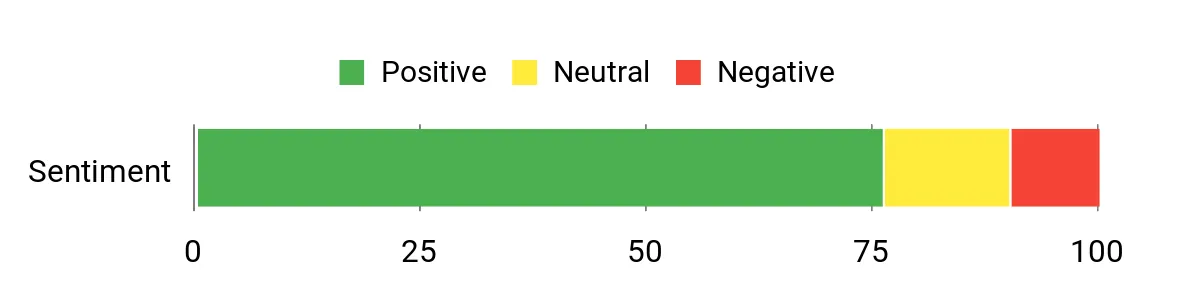
People commonly praise the app and scheduling features for making overnight charging effortless, and many appreciate the portability and included carrying case for trips. The long cable and solid build are frequent positives, while a handful of users note the expected slower Level 1 speed compared with Level 2 chargers but accept it for the convenience and simplicity.
Overall Sentiment: Positive
Ease Of Use
|
Feature |
Ease Level |
|---|---|
|
Installation |
Easy (Plug-In) |
|
App Setup |
Easy |
|
Portability |
Easy |
|
Daily Plug-In |
Easy |
Charging Efficiency Note
Level 1 charging draws lower power and is best for long parking windows. The app can help you schedule charging during preferred hours, but it will not overcome the slower speed of a 120V outlet.
Key Benefits
- WiFi app for scheduling and remote control
- Compact, portable design with carrying case
- 16 ft cable gives flexible parking options
- Plug-and-play Level 1 charging for overnight top-ups
- Good backup option for trips and rentals
You get a robust portable Level 2 charger that is useful for regular at-home charging when you have a proper 240V NEMA 14-50 outlet. The 25 foot cable gives you parking flexibility, while the adjustable current and timing delay help you match the charger to your setup and preferred charging window.
This is a solid pick if you want more charging capacity without committing to a hardwired wall box. Just remember that the Outlander PHEV will only draw as much AC power as its onboard charger permits, so the 40A rating is best viewed as charger capacity and future flexibility.
What People Say
Most owners appreciate the faster charging compared with basic 120V cords and the convenience of the long cable. People often call out the adjustable current and timer as practical for avoiding tripped breakers and scheduling off-peak charging.
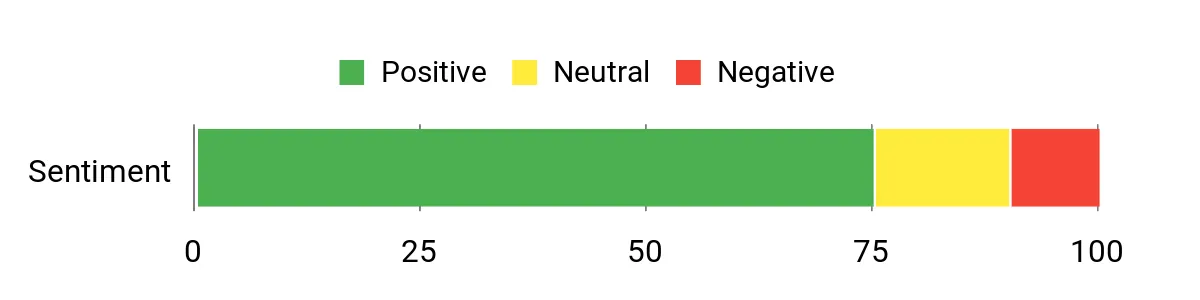
Users also say it feels solid and that portability is handy for flexible use around town or at a second home.
Overall Sentiment: Positive
Ease Of Use
|
Feature |
Ease Level |
|---|---|
|
Installation |
Moderate (Electrician May Be Needed) |
|
Timer Setup |
Easy |
|
Daily Plug-In |
Easy |
|
Portability |
Moderate |
Charging Efficiency Note
Higher EVSE capacity can shorten charging for vehicles that can accept it, but Outlander PHEV owners should focus on outlet compatibility, safe circuit sizing, and scheduling features rather than amperage alone.
Key Benefits
- 40A Level 2 EVSE capacity for a NEMA 14-50 setup
- 25 ft cable improves parking flexibility
- Adjustable current and timing delay for safer scheduled charging
- Portable design lets you use it at home or take it on trips
- Useful option if you may own a higher-acceptance EV later
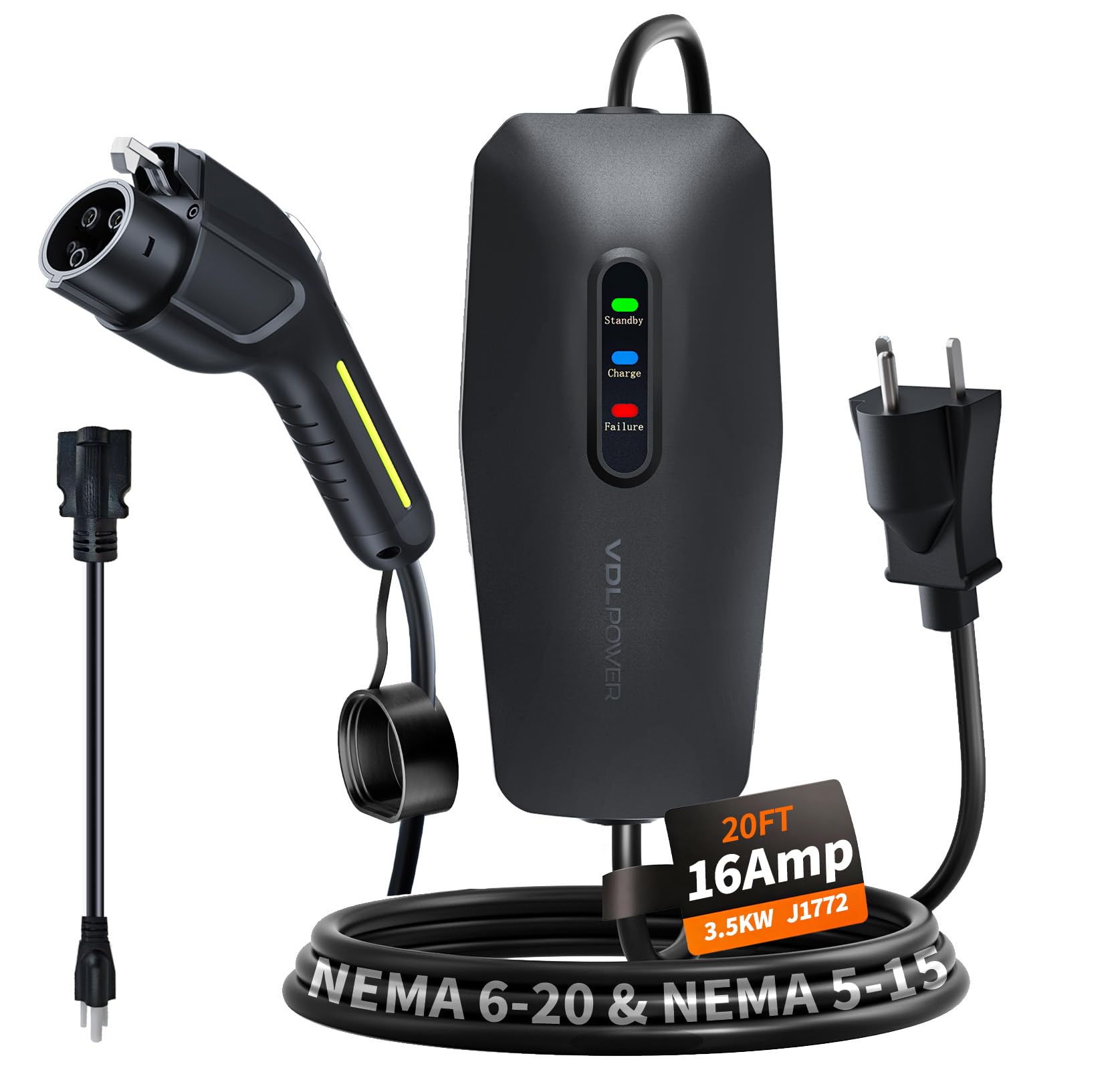
You get a no-nonsense portable charger that steps up from basic trickle charging to a useful Level 2 top-up when you have access to a 240V outlet. The 16A output is a practical match for many PHEV charging routines, while the 20 ft cable gives you flexibility when parking in a driveway or garage.
It is easy to pack for trips, handy as a backup for rentals or second cars, and simple enough for daily commuting needs. If you want reliability, a straightforward user experience, and a charger that works in a variety of locations without a permanent wall box, this is a solid practical choice.
What People Say
Most users appreciate the jump in charging speed when they plug into a 240V outlet and like how the long cable makes everyday parking less fussy. People often mention the solid build and useful LED indicators as practical touches, while a few note the light output can be hard to see from certain angles.
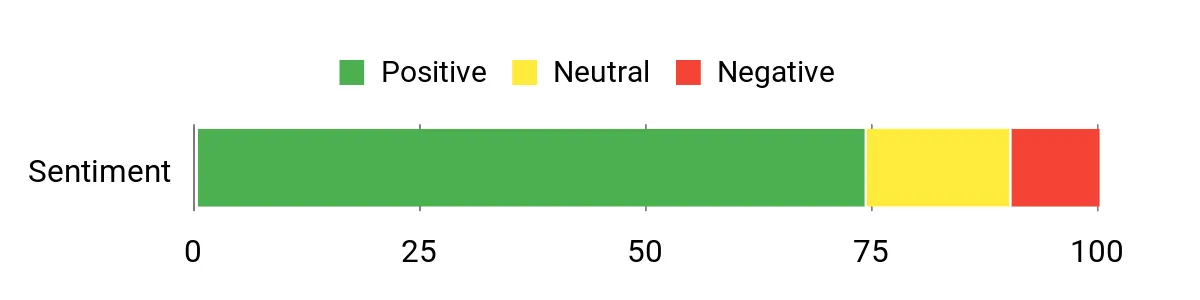
Overall, owners find it dependable for daily top-ups and convenient to carry between locations.
Overall Sentiment: Positive
Ease Of Use
|
Feature |
Ease Level |
|---|---|
|
Setup |
Easy (Plug-In) |
|
Switching Voltage |
Moderate |
|
Daily Use |
Easy |
|
Portability |
Easy |
Charging Efficiency Note
Using 240V at 16A can shorten charge time compared with 120V while keeping the charger portable. It is a practical middle ground for Outlander PHEV owners who do not need a large wall box.
Key Benefits
- Dual 110V–240V support for flexible charging options
- 16A Level 2 speed for faster top-ups than basic Level 1
- 20 ft cable improves reach and parking convenience
- Compact, portable design for travel and backups
- Simple LED indicators and easy controls
Before You Buy
- Confirm the connector: For North American Outlander PHEV AC charging, choose a J1772 charger.
- Check the outlet: NEMA 5-15 is common for Level 1, while NEMA 6-20 and NEMA 14-50 require matching 240V outlets.
- Do not chase amps alone: A 40A charger does not mean the Outlander PHEV will accept 40A. The onboard charger sets the actual AC charging rate.
- Plan for safe wiring: Dedicated 240V circuits, hardwired stations, and high-amperage outlets should be installed or verified by a qualified electrician.
- Think about where you park: A 20 to 25 ft cable can make a big difference if the outlet and charge port are on opposite sides of the garage.
FAQ
Will This Charger Work With My Outlander PHEV?
Yes, if your Outlander PHEV has the North American J1772 AC inlet, any J1772-compatible Level 1 or Level 2 charger should physically connect. The vehicle’s onboard charger determines how much AC power it accepts, so a 40A Level 2 unit will still charge only as fast as the vehicle allows. Check your owner’s manual for your model year and choose a charger with the plug type, cable length, weather resistance, and safety certifications you need.
Do I Need An Electrician To Install A Level 2 Charger?
If you already have the correct 240V outlet on a properly sized circuit, a plug-in unit may be simple to use. For a new NEMA 14-50 outlet, a dedicated 240V circuit, or a hardwired wallbox, hire a qualified electrician. A professional can confirm breaker sizing, wire gauge, GFCI requirements, permits, and local electrical code.
Treat high-amperage wiring seriously and consider a professional even if you are comfortable with basic electrical work.
Portable Charger Or Wallbox, Which Is Better For You?
A portable unit is better if you travel, rent, move between homes, or want a backup charger you can store in the vehicle. A wallbox or permanently mounted plug-in charger is better if you charge in the same place every day and want a cleaner setup with less daily handling. For the Outlander PHEV, both can work well as long as the charger is J1772-compatible and matched to your outlet and circuit.
Is A 40A Charger Overkill For An Outlander PHEV?
It can be more capacity than the Outlander PHEV needs for AC charging, but that does not automatically make it a bad choice. A 40A charger can still be useful if you want a sturdy Level 2 station, smart features, a long cable, or future-proofing for another EV. If you only need simple PHEV top-ups, a 16A portable Level 1/2 charger may be more cost-effective.
Can I Use These Chargers For CHAdeMO Fast Charging?
No. These are J1772 AC chargers for Level 1 and Level 2 home charging. CHAdeMO is a separate DC fast-charging connector and requires a compatible public DC fast charger, not a home J1772 EVSE.
Wrapping Up
If you want the strongest dedicated at-home option for an Outlander PHEV, choose a 40A J1772 Level 2 unit such as the EVIQO 40A or EVDANCE 40A, especially if you want smart scheduling, a long cable, or future EV flexibility. Just remember that your Outlander PHEV will only draw what its onboard AC charger allows.
If you prefer lower upfront cost, portability, or backup charging for travel, a 16A portable Level 1/2 charger like the Bokman, Raylix, EVDANCE 16A, BETUMODA, or VDLPOWER is usually easier to live with. For simple overnight charging from a standard outlet, the Lectron Level 1 options are convenient, but they are slower than 240V Level 2 choices.
| Product Name | Image | Best For | Amperage | Weight | Amazon |
|---|---|---|---|---|---|
| EVIQO Level 2 EV Charger |
 |
Best overall home Level 2 charger | 40 Amps | 20.3 pounds | Check Details |
| EVDANCE Level 1&2 EV Charger |
 |
Best simple dual-voltage portable | 16 Amps | 7 pounds | Check Details |
| bokman Portable Level 2 & Level 1 EV Charger |
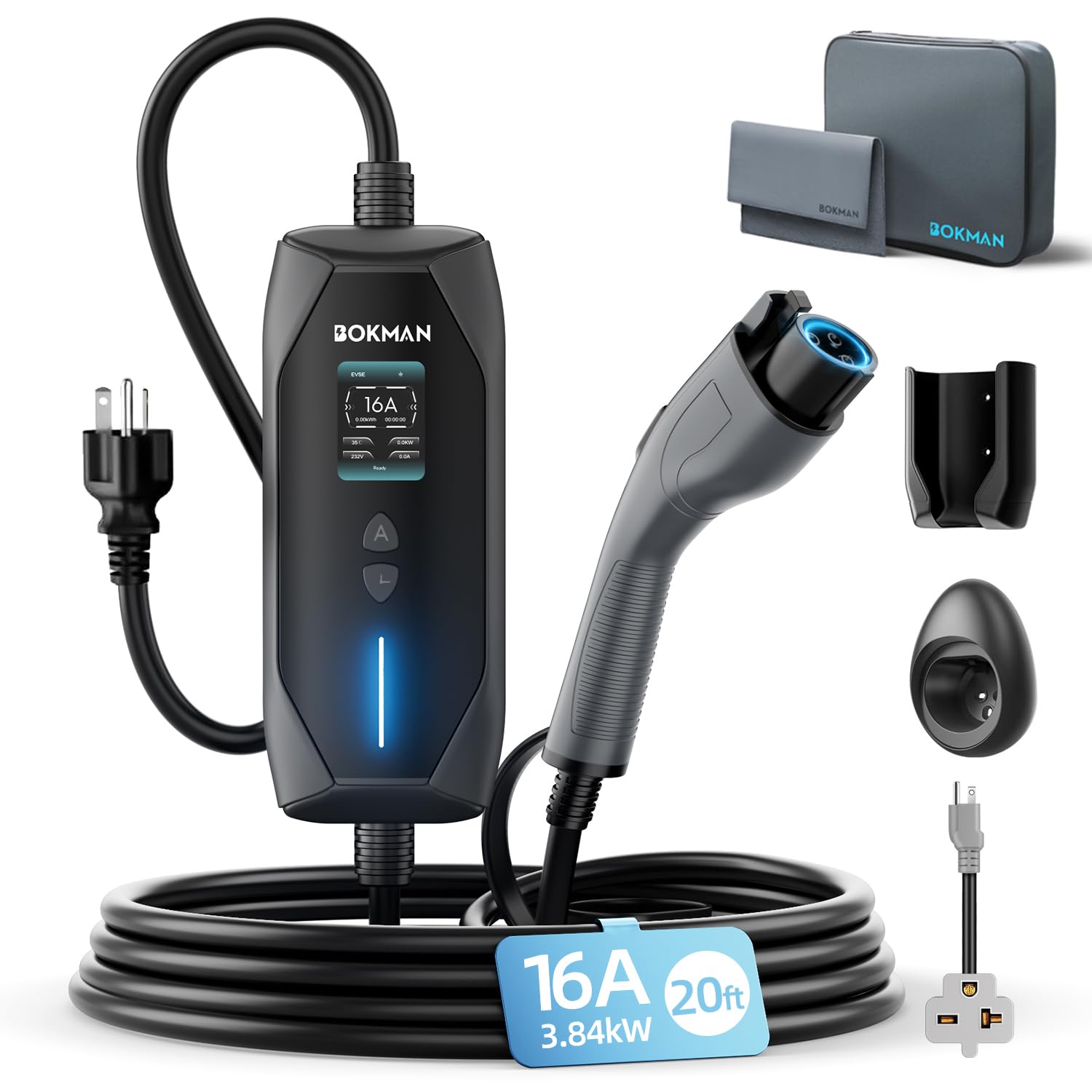 |
Best compact portable charger | 16 Amps | 9.37 pounds | Check Details |
| Lectron Level 1 EV Charger |
 |
Best simple Level 1 backup | 15 Amps | 2.93 kilograms | Check Details |
| 2026 Upgraded Level 1&2 Portable EV Charger |
 |
Best onboard timer controls | 8-16 Amps | 6.6 pounds | Check Details |
| ELEGRP Level 2 EV Charger |
 |
Best simple 40A Level 2 unit | 40 Amps | 13.2 pounds | Check Details |
| Level 1&2 EV Charger by BETUMODA |
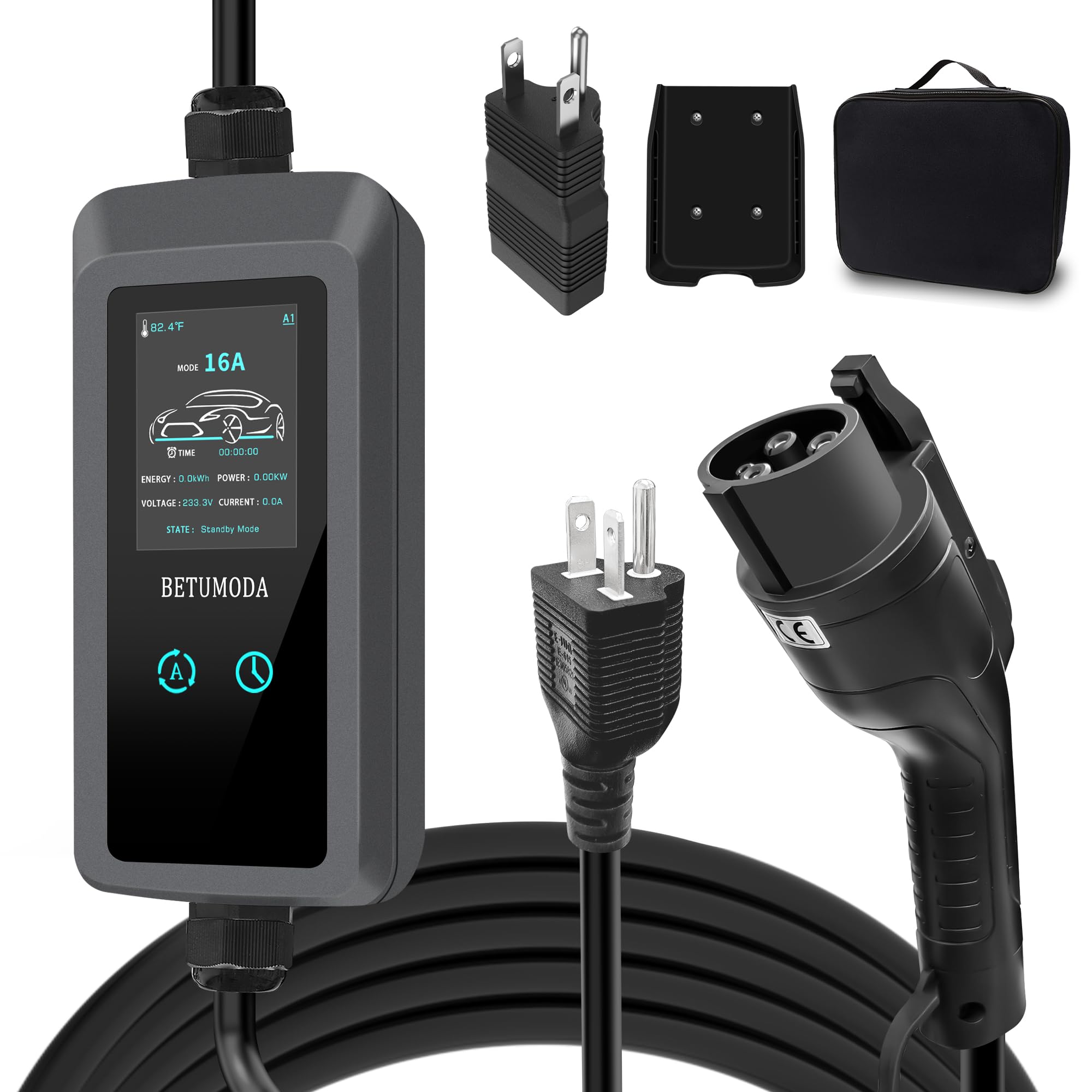 |
Best budget dual-voltage option | 16 Amps | 5.9 pounds | Check Details |
| Lectron Portable Level 1 J1772 EV Charger |
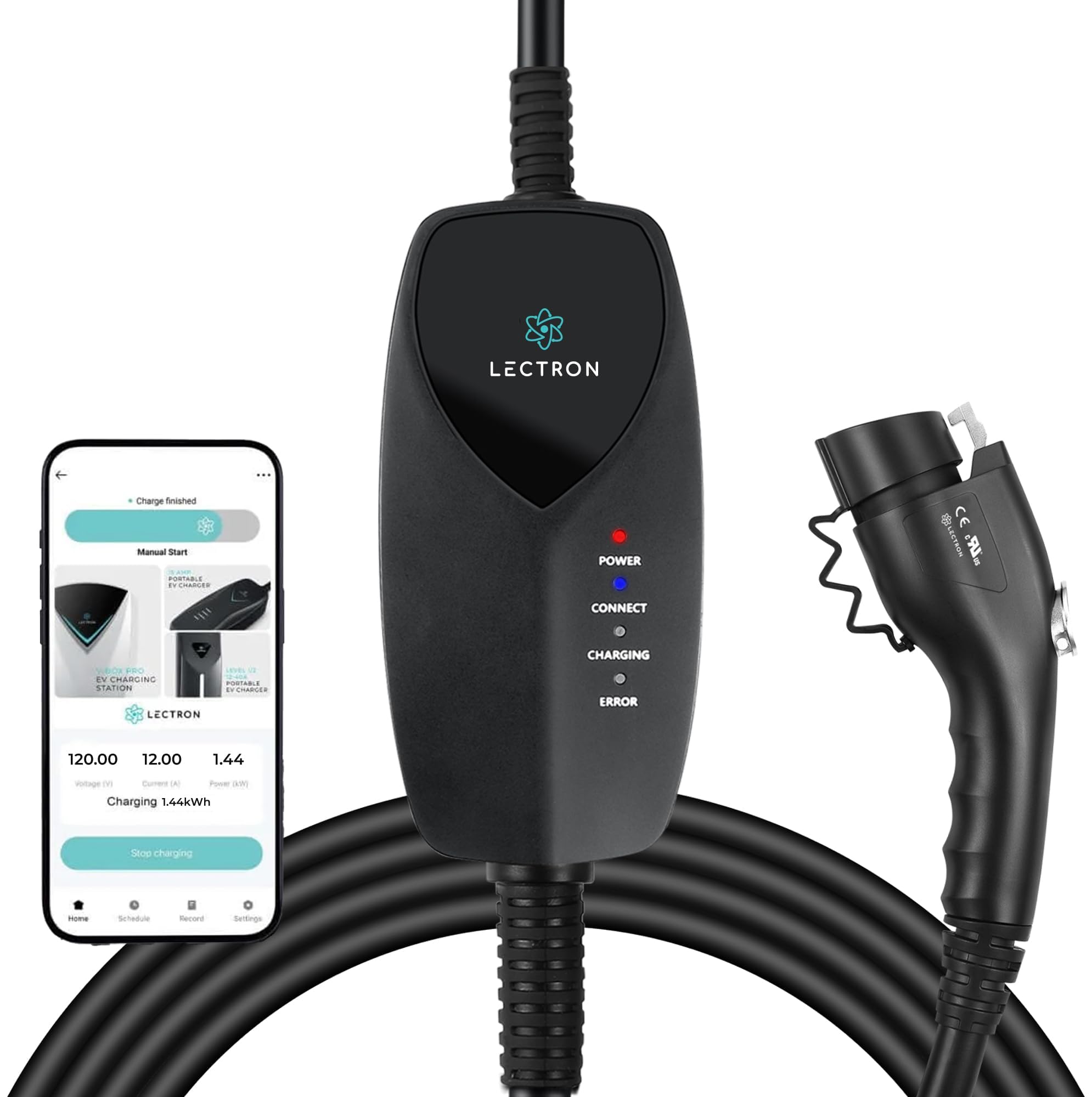 |
Best WiFi Level 1 travel charger | 12 Amps | Not listed | Check Details |
| EVDANCE Level 2 EV Charger 40Amp |
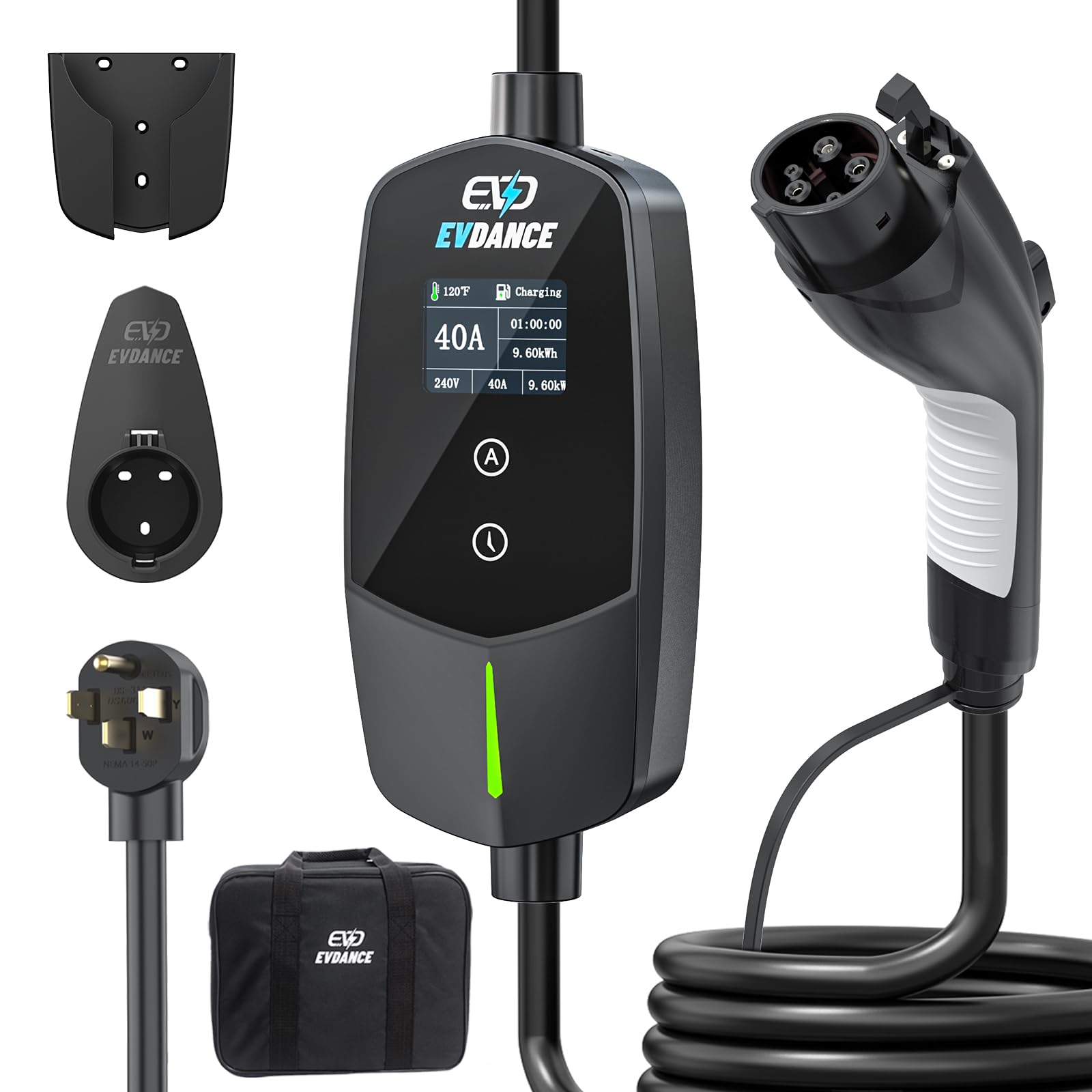 |
Best value 40A Level 2 option | 40 Amps | 11.53 pounds | Check Details |
| VDLPOWER Level 1&2 EV Charger |
 |
Best spare charger | 16 Amps | 5.9 pounds | Check Details |
This Roundup is reader-supported. When you click through links we may earn a referral commission on qualifying purchases.