You want an EV charger that keeps your car ready without overloading your electrical system or forcing you to charge during expensive peak hours. The important distinction is that dynamic load management automatically changes charging power in response to household demand, while many smart chargers only provide scheduling, energy monitoring, or a current limit that you set yourself.
This guide compares chargers that offer dynamic load-management readiness, app-based scheduling, adjustable amperage, energy monitoring, or simple low-power control. It helps you choose the right level of control for your panel capacity, connector type, parking setup, and daily driving needs.
Quick Verdict
Choose an Emporia Classic only if you plan to add its optional PowerSmart setup for true dynamic load management. Choose EVIQO, AIMILER, Grizzl-E, bokman, or the Wi-Fi Lectron when scheduling or a user-set current limit is enough. These alternatives can help control when or how fast you charge, but they do not automatically track total household load.
Top Picks
|
Category |
Product |
Control Type |
|---|---|---|
|
🏆 Best Dynamic Load-Management Option |
Optional PowerSmart plus scheduling |
|
|
🔌 Best Plug-In Smart Option |
Optional PowerSmart plus scheduling |
|
|
⚡ Best High-Power J1772 Control |
App-set current and scheduling |
|
|
🚗 Best NACS Adjustable Option |
App-set current and scheduling |
|
|
💰 Best Value Adjustable Plug-In |
Button/app current setting and scheduling |
|
|
💼 Best Rugged Manual Option |
Installer-set current limit |
|
|
🧳 Best Portable Dual-Voltage Option |
Physical current setting and delay timer |
|
|
📱 Best Low-Power App Control |
Scheduling, monitoring, and kWh limit |
Important: Dynamic Load Management vs Adjustable Amperage
A charger with adjustable amperage follows the limit you select. A charger with dynamic load management measures available household capacity and changes charging power automatically. Scheduling can lower costs and avoid predictable peak periods, but it cannot respond to an oven, dryer, heat pump, or second EV turning on unexpectedly.
How We Selected
We prioritized chargers that give you a clear way to control charging demand. The strongest options support true dynamic load management through an available energy-management setup. Other useful options let you schedule sessions, monitor energy, select a lower current, set a delayed start, or cap the amount of energy delivered.
We also compared connector type, maximum output, plug-in versus hardwired installation, cable reach, weather resistance, safety certification claims, and how clearly each model explains its limits. We did not treat Wi-Fi, scheduling, or adjustable amperage as automatic load management.
This is the most relevant option in the list when your main concern is panel capacity. The Classic charger provides scheduling, energy data, and remote control on its own. Dynamic PowerSmart load management is not included by default, so confirm the required Emporia hardware, service, and installation before buying.
A hardwired setup can deliver up to 48A when the circuit and vehicle support it. The 25 ft cable gives you useful reach, and the J1772 connector suits many North American EVs. NACS vehicles may require an appropriate adapter.
What People Say
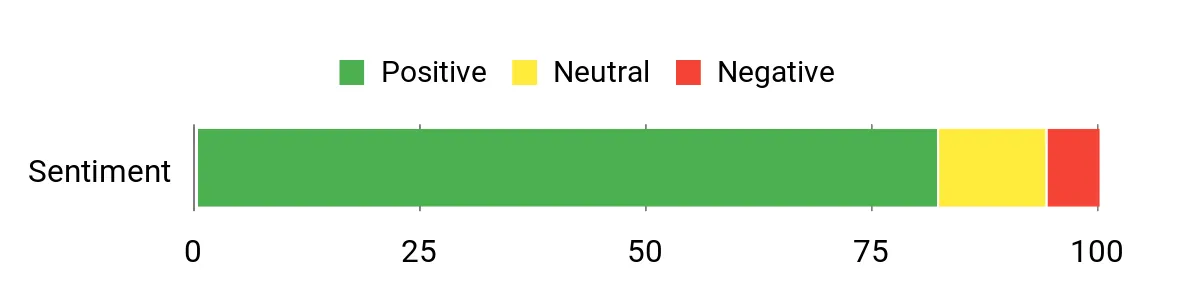
Buyer feedback often highlights dependable charging, useful energy data, and straightforward scheduling. Some owners also note that strong Wi-Fi coverage at the installation point improves the app experience.
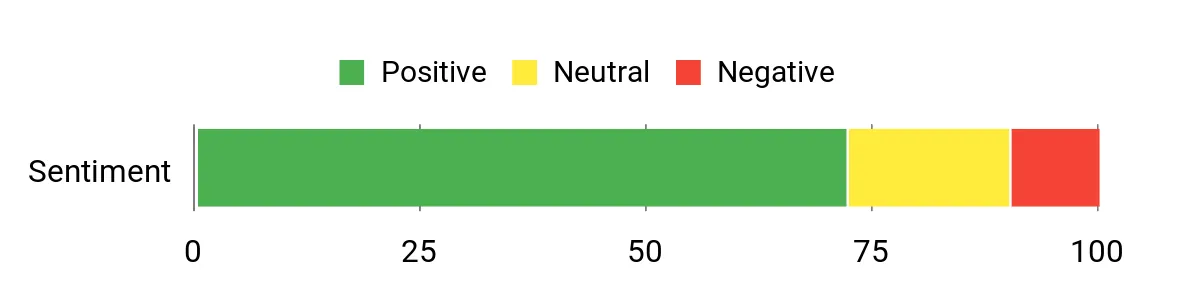
Overall Sentiment: Positive
Energy and Load Control
Use smart scheduling to move charging into lower-rate periods. Add the compatible PowerSmart setup when you need the charging current to react automatically to total household demand.
Key Benefits
- Optional PowerSmart path for true dynamic load management
- Up to 48A when hardwired to a properly sized circuit
- Wi-Fi scheduling and detailed energy monitoring
- 25 ft cable and J1772 connector
Limit to know: The Amazon-listed Classic charger does not include PowerSmart by default. Budget for the additional setup if automatic load response is your main goal.
The plug-in model is easier to remove or relocate than the hardwired version, but it should not be described as a 48A plug-in charger. A NEMA 14-50 connection is normally limited to 40A continuous charging. The app supports scheduling and energy monitoring, while optional PowerSmart is needed for automatic household-load response.
Before ordering, confirm that the outlet, breaker, conductors, receptacle quality, and local code all support EV charging. A qualified electrician should inspect an existing outlet if its history or installation quality is uncertain.
What People Say
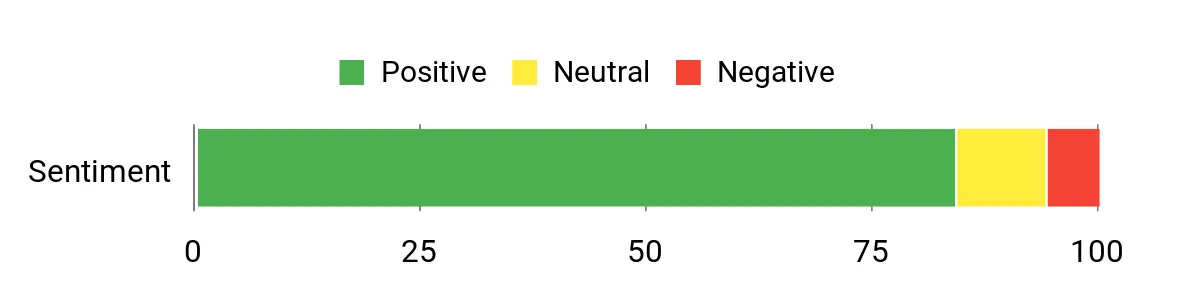
Owners commonly like the simple plug-in setup, long cable, and clear energy information. App reliability depends on a stable 2.4 GHz Wi-Fi connection near the charger.
Overall Sentiment: Positive
Energy and Load Control
Use the app for time-of-use scheduling and charging records. Choose the optional PowerSmart configuration if your panel requires automatic current adjustment instead of a fixed limit.
Key Benefits
- NEMA 14-50 plug-in installation with up to 40A output
- Optional PowerSmart compatibility
- Wi-Fi scheduling and energy monitoring
- 25 ft J1772 cable
Limit to know: Dynamic load management is an added configuration, not a standard feature of this Classic listing.
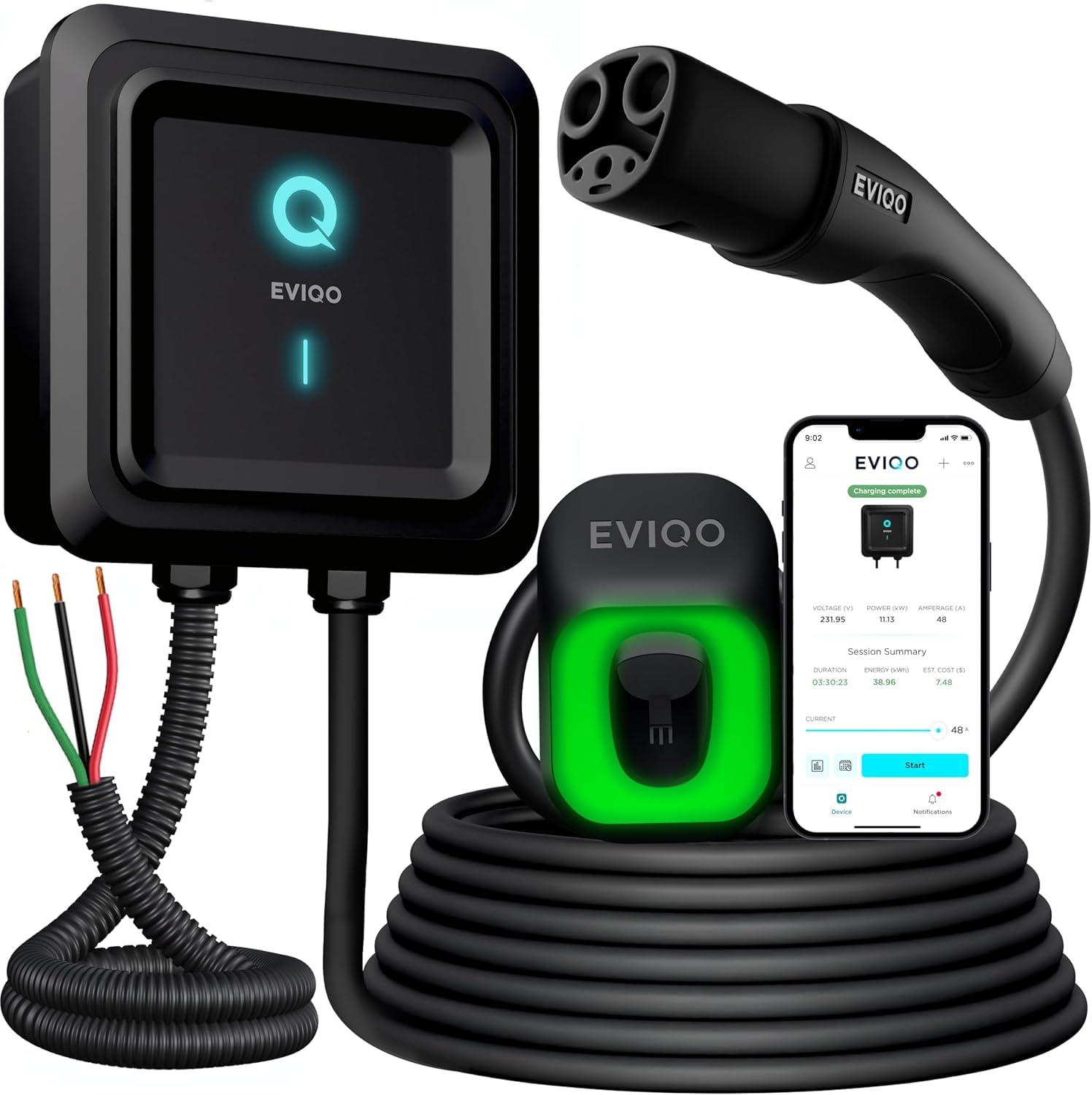
The EVIQO gives you a practical way to cap charging current in the app and schedule sessions for off-peak hours. That can reduce predictable demand, but the charger does not automatically increase or decrease output as other household loads change.
Its hardwired design suits a permanent installation, and a licensed electrician should size the circuit, breaker, and conductors for the selected output. The 25 ft cable and weather-resistant enclosure support flexible garage or outdoor placement.
What People Say
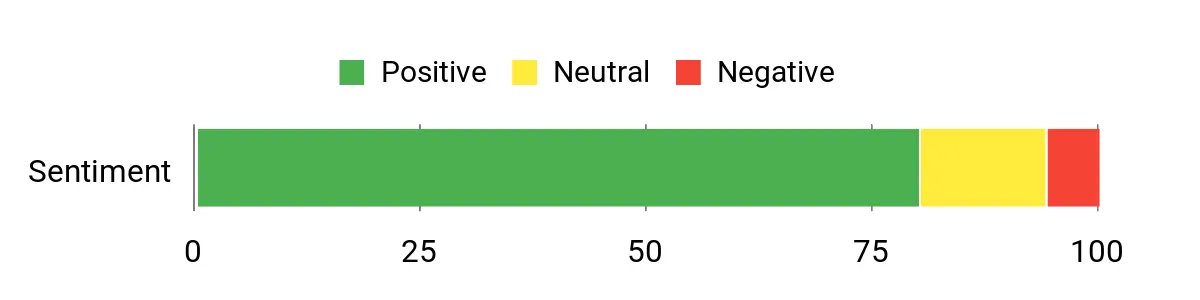
Customers often mention the long cable, sturdy enclosure, adjustable current, and straightforward app setup. Some buyers report that reliable Wi-Fi coverage is important for consistent remote control.
Overall Sentiment: Positive
Energy and Load Control
Set a conservative current limit when your panel has limited spare capacity, and use schedules to avoid peak-rate windows. Recheck the setting after electrical changes or major new household loads.
Key Benefits
- User-selectable 6A to 48A charging current
- App scheduling and energy tracking
- 25 ft cable and J1772 connector
- Hardwired design for a permanent installation
Limit to know: Adjustable current is manual control, not dynamic load management.
This model provides the same basic control approach as the J1772 EVIQO but uses a native NACS connector. You can lower the current in the app and schedule charging, which is helpful when you know when other large loads run.
It still relies on the limit and schedule you choose. It does not measure total household demand and throttle automatically. A professional hardwired installation is important for the full output.
What People Say
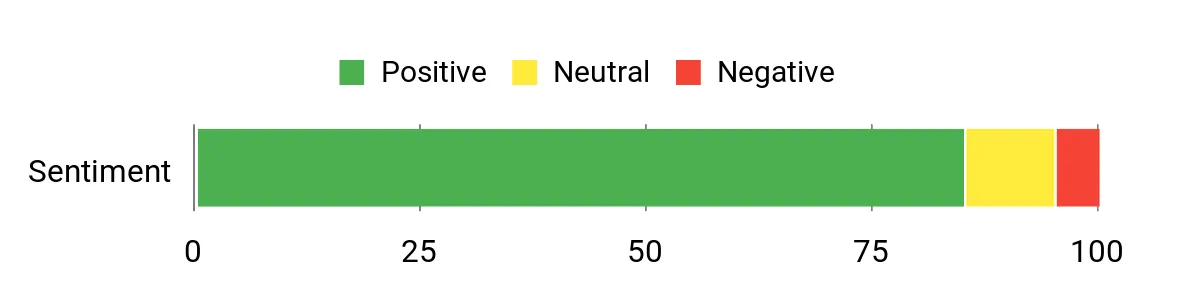
Owners commonly praise the sturdy cable, weather-resistant enclosure, native NACS connection, and app-based current adjustment. Some also point out that the highest charging rate depends on the vehicle and circuit.
Overall Sentiment: Positive
Energy and Load Control
Use the app to lower the maximum current when panel headroom is limited and schedule charging after major household loads finish.
Key Benefits
- Native NACS connector
- User-selectable 6A to 48A current
- App scheduling and energy monitoring
- 25 ft cable and hardwired installation
Limit to know: It provides manual and scheduled control, not automatic load balancing.
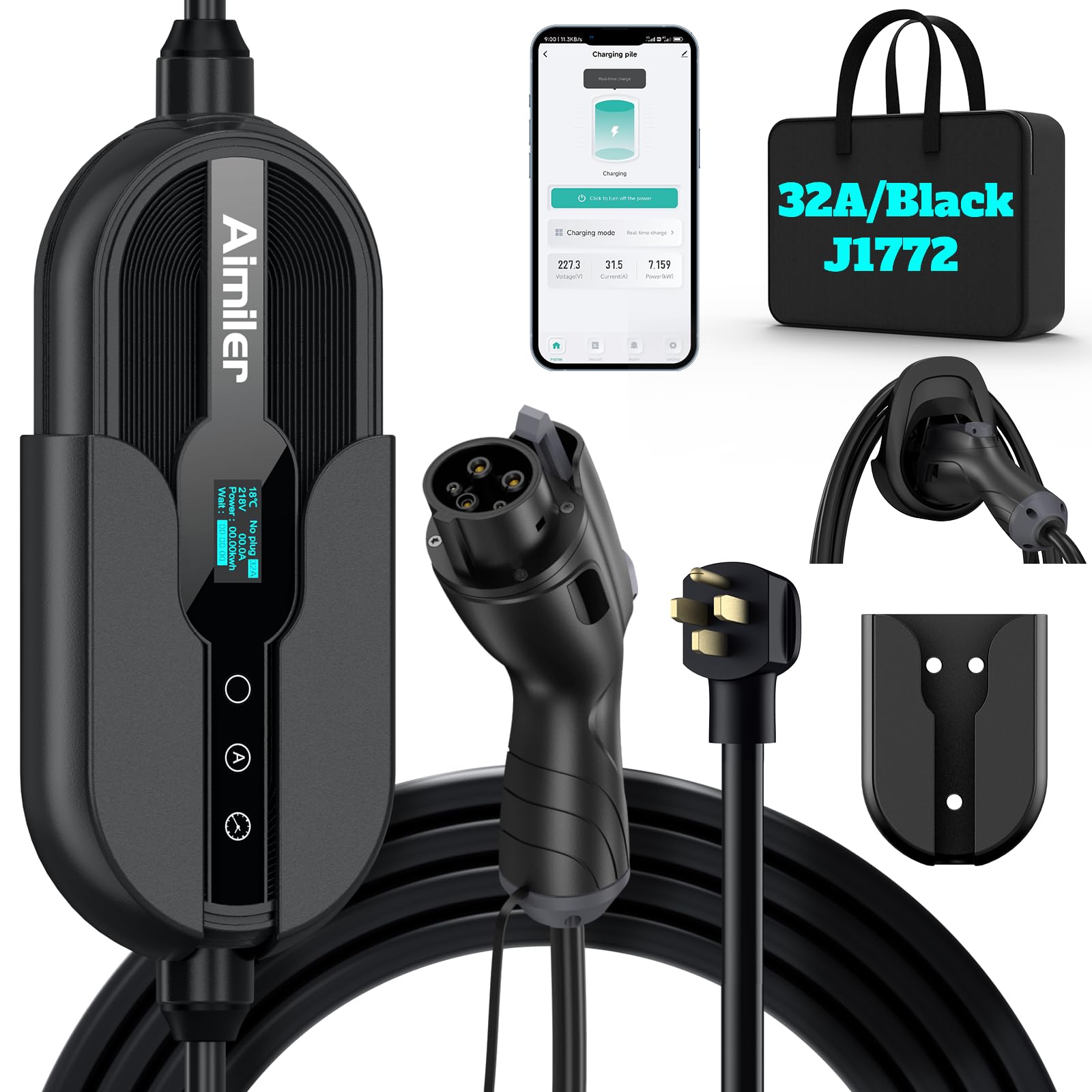
The AIMILER lets you match output to a 20A, 30A, or 40A branch circuit by selecting the appropriate charging current. That makes it more flexible than a fixed-output portable EVSE, but the selection must still match the circuit and should not be raised casually.
The app can help schedule charging outside expensive rate periods. Because this is a plug-in model, confirm that the NEMA 14-50 receptacle is suitable for continuous EV charging and is installed on the correct dedicated circuit.
What People Say
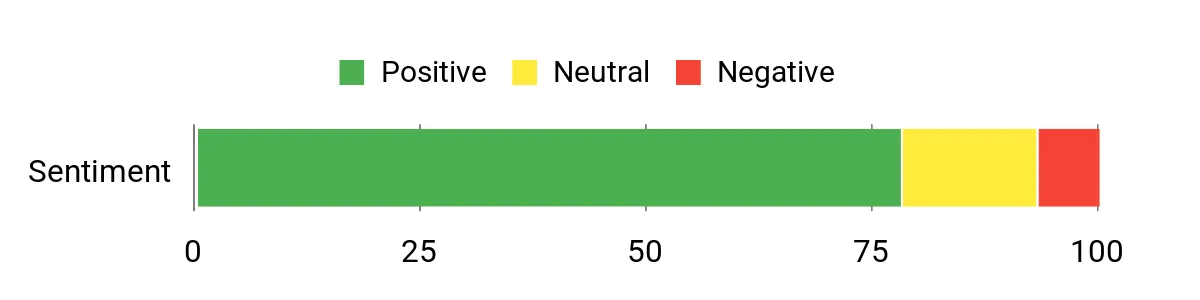
Owners often like the portable format, long cable, adjustable current, and simple scheduling. Some buyers mention app connectivity or outlet compatibility as points to check before installation.
Overall Sentiment: Positive
Energy and Load Control
Select the current that matches the branch circuit and use scheduling to avoid predictable household peaks. Do not treat the app setting as a replacement for correct breaker and wire sizing.
Key Benefits
- Selectable 16A, 24A, or 32A output
- App scheduling and charging records
- NEMA 14-50 plug and 25 ft cable
- Portable format for compatible locations
Limit to know: It does not automatically monitor whole-home demand.
The Grizzl-E Classic is a simple EVSE without Wi-Fi, remote monitoring, or automatic load management. Its value for this guide is the ability to configure a lower maximum current for the available circuit.
Because the current setting is not intended as an everyday app control, choose the correct output during installation and use your vehicle’s charging schedule when available. The metal enclosure and straightforward controls suit buyers who want fewer connected features.
What People Say
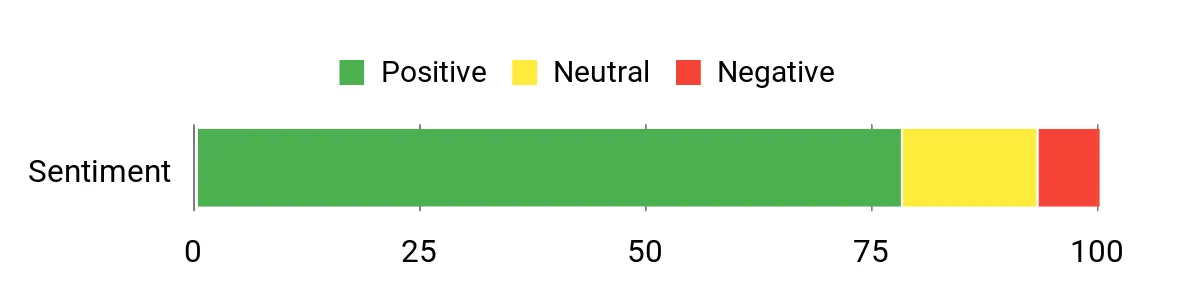
Buyer feedback frequently focuses on the heavy-duty housing, thick cable, and dependable charging. The main tradeoff is the lack of app scheduling and energy monitoring.
Overall Sentiment: Positive
Energy and Load Control
Configure the maximum current to match the dedicated circuit. For time-of-use charging, rely on the vehicle’s own schedule or a compatible external energy-management strategy.
Key Benefits
- Selectable 16A, 24A, 32A, or 40A maximum output
- Rugged metal enclosure
- NEMA 14-50 plug-in installation
- Simple design with no cloud dependency
Limit to know: No Wi-Fi, app control, energy monitoring, or dynamic load management.
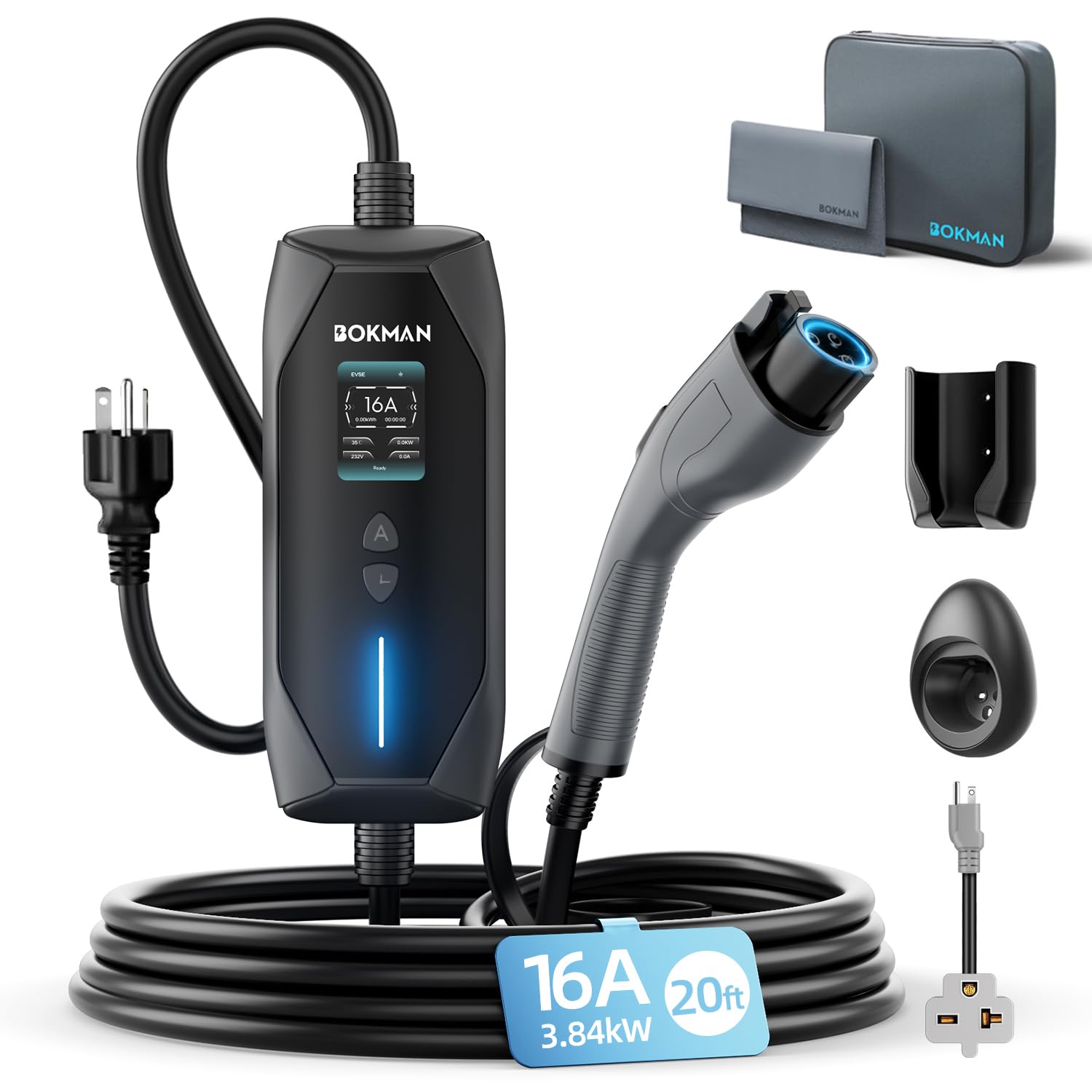
This portable charger lets you choose 6A, 8A, 10A, 12A, or 16A and delay the start by 1 to 12 hours. That makes it useful when you want to fit charging around other loads or off-peak rates without relying on Wi-Fi.
The included adapter supports standard household outlets for slower Level 1 charging, while the NEMA 6-20 plug supports 240V use. Always match the selected current to the outlet, breaker, wiring, and adapter limits.
What People Say
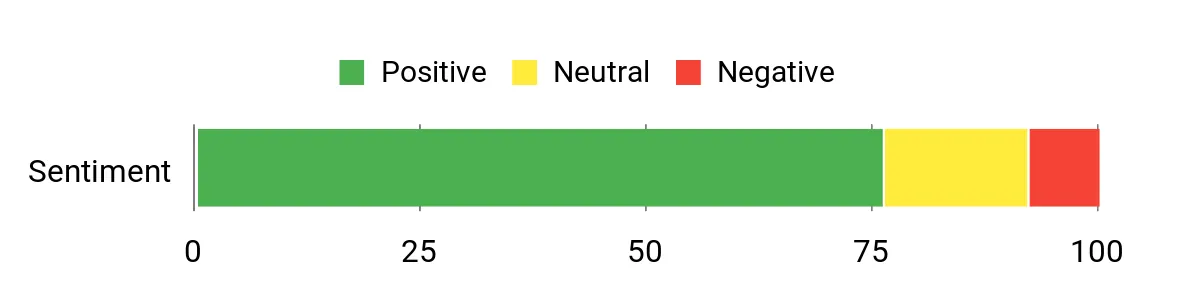
People often mention the portability, simple physical buttons, adapters, and adjustable current. Buyers should confirm outlet type and cable reach before ordering.
Overall Sentiment: Positive
Energy and Load Control
Use the lowest current that comfortably replaces your daily driving and set the delay timer so charging starts after other high-demand appliances finish.
Key Benefits
- Selectable 6A, 8A, 10A, 12A, or 16A current
- 1 to 12 hour delayed-start timer
- 120V and 240V use with included plugs and adapter
- 20 ft cable and portable design
Limit to know: No whole-home monitoring or automatic current adjustment.
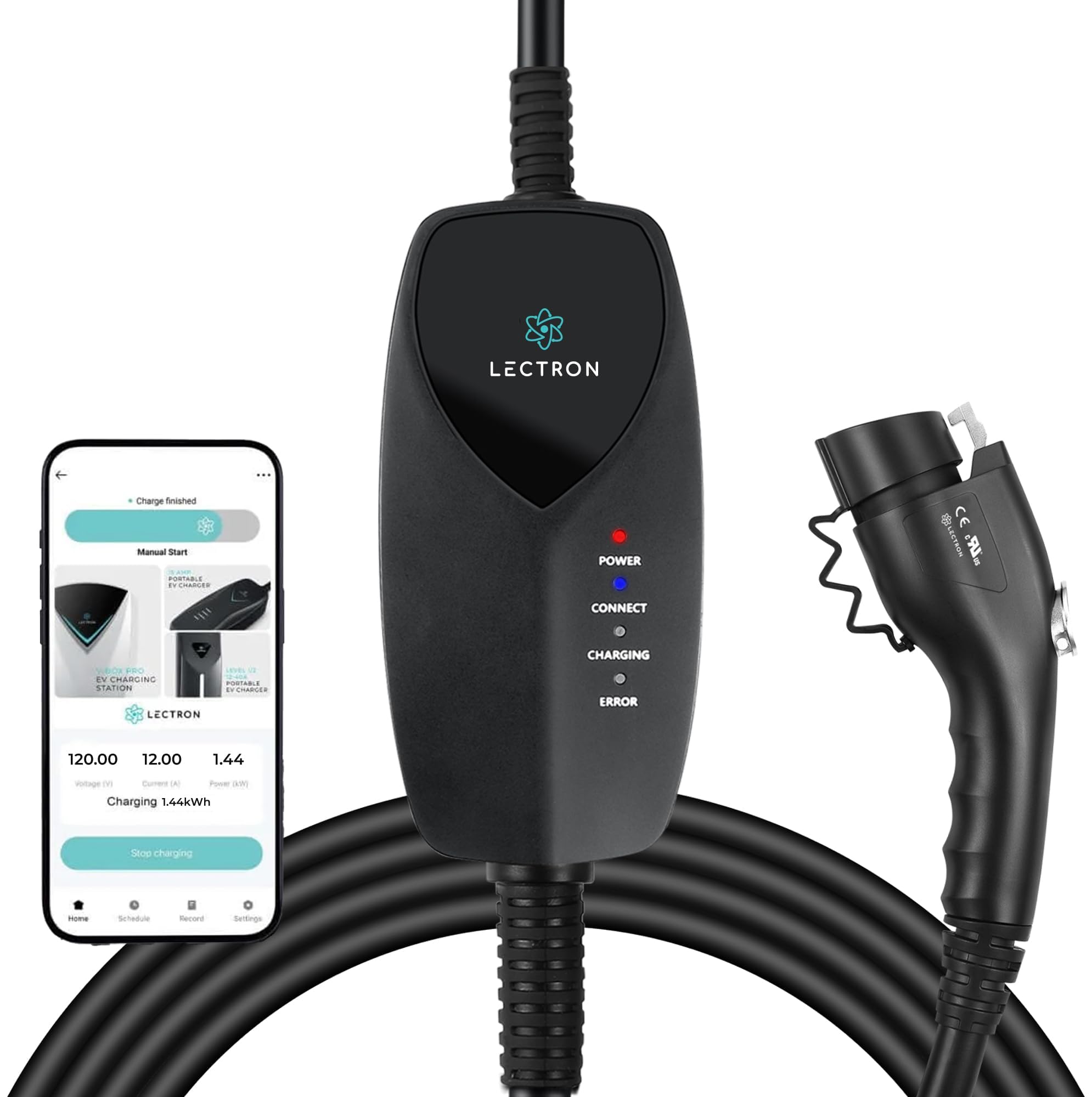
The Lectron provides only 1.44 kW at 12A, so it is much slower than the Level 2 options. Its advantage is simple energy control from a standard outlet: you can schedule sessions, monitor progress, and set a kWh cap in the app.
This is a practical backup or daily option when your mileage is modest. The outlet should be in good condition and on a suitable circuit, and extension cords should be avoided unless the manufacturer and local electrical rules explicitly permit them.
What People Say
Owners often value the carrying case, simple plug-in use, and app scheduling. The most common tradeoff is the slow Level 1 charging rate.
Overall Sentiment: Positive
Energy and Load Control
Schedule charging outside peak hours and use the kWh cap when you only need a partial top-up. Its fixed 12A draw is modest, but it is not dynamic load management.
Key Benefits
- Wi-Fi scheduling and real-time monitoring
- App-based kWh charging limit
- Standard NEMA 5-15 plug
- Portable design with 16 ft cable and carrying case
Limit to know: Slow Level 1 charging and no automatic response to whole-home demand.
How to Choose an EV Charger for Load Control
Choose Dynamic Load Management When Panel Capacity Is Tight
If a load calculation shows that your electrical service cannot support a fixed high-output EV circuit, choose a system designed to measure household demand and automatically reduce charging current. Confirm exactly which monitor, controller, subscription, commissioning step, or professional installation is required.
Use Adjustable Amperage for a Stable, Known Limit
Adjustable current is useful when you want one charger to work with different circuit sizes or when you prefer slower overnight charging. The selected current must always stay within the safe continuous-load limit of the circuit. An app setting cannot make undersized wiring or a poor-quality receptacle safe.
Use Scheduling for Rates and Predictable Loads
Scheduling works well when peak pricing or household demand follows a regular pattern. It can start charging after the dryer, oven, or water heater usually finishes. It cannot react to an unexpected load unless the charger is connected to a true load-management system.
Match the Connector and Installation
Choose J1772 for vehicles with a J1772 inlet or NACS for vehicles with a native NACS inlet. Adapters can expand compatibility, but they add another connection point and may have their own current limits. Hardwired chargers suit permanent high-output installations, while plug-in and portable units are easier to move.
Before You Buy
- Ask an electrician to confirm service capacity, breaker size, wire size, grounding, and local permit requirements.
- Confirm whether load management is included, optional, or unavailable.
- Check the plug type, connector type, cable reach, Wi-Fi coverage, and outdoor rating.
- Verify the maximum AC charging rate your vehicle can accept.
- Check current warranty and product documentation before ordering.
FAQ
Do I Need Dynamic Load Management?
You may need it when an electrician’s load calculation shows limited panel capacity, when a second EV charger will share the service, or when you want charging to react automatically to changing household demand. If your panel has enough capacity and your loads are predictable, a fixed current limit and schedule may be sufficient.
Is Adjustable Amperage the Same as Load Management?
No. Adjustable amperage lets you choose a maximum current. Dynamic load management measures available capacity and changes the charging current automatically. The two features solve related problems but should not be described as the same technology.
Is Hardwired or Plug-In Better?
Hardwired installation is often preferred for permanent, higher-output charging and can reduce reliance on a heavily used receptacle. Plug-in models are easier to replace or move, but the outlet, breaker, wiring, and receptacle must be suitable for continuous EV charging. Follow the charger manual and local electrical code.
How Should I Use Smart Features?
Check Wi-Fi strength before installation, enter the correct utility rate plan, set off-peak schedules, and review charging history. Start with a conservative current limit that matches the circuit. Use a true load-management feature when you need automatic response instead of a fixed schedule.
Can Two EV Chargers Share One Electrical Service?
Yes, but the system must be designed for it. Look for documented load sharing or dynamic load management that supports the number of chargers you plan to install. Do not assume two unrelated Wi-Fi chargers will coordinate simply because both have apps.
Wrapping Up
For the closest match to true dynamic load management, start with an Emporia Classic configured with the optional PowerSmart system and confirm the full requirements before purchase. The hardwired version suits maximum output, while the NEMA 14-50 version offers easier replacement and relocation.
Choose EVIQO or AIMILER when app scheduling and a user-set current limit meet your needs. Choose Grizzl-E when you prefer rugged, simple hardware, bokman for portable physical controls, or the Lectron 12A when low-power app scheduling from a standard outlet is enough.
The safest choice is the charger that matches your vehicle, daily mileage, connector, circuit capacity, and installation environment. Have a qualified electrician confirm the electrical design before relying on a high-output setting.
| Product Name | Image | Maximum Output | Connection | Control Method |
|---|---|---|---|---|
| EMPORIA Level 2 EV Charger, Hardwired J1772 |
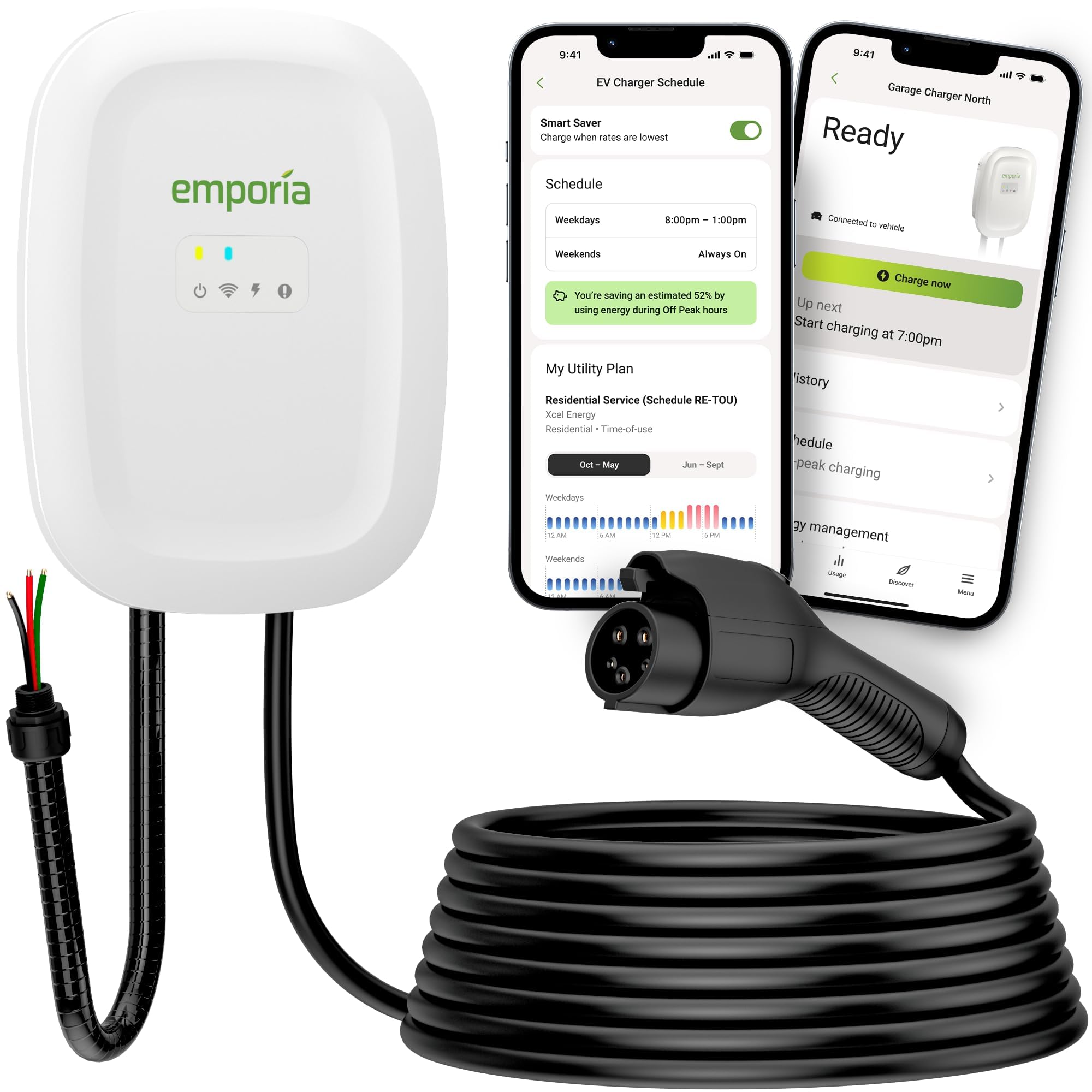 |
48 Amps | Hardwired, 240V | Scheduling and monitoring; optional PowerSmart |
| EMPORIA Level 2 EV Charger, NEMA 14-50 J1772 |
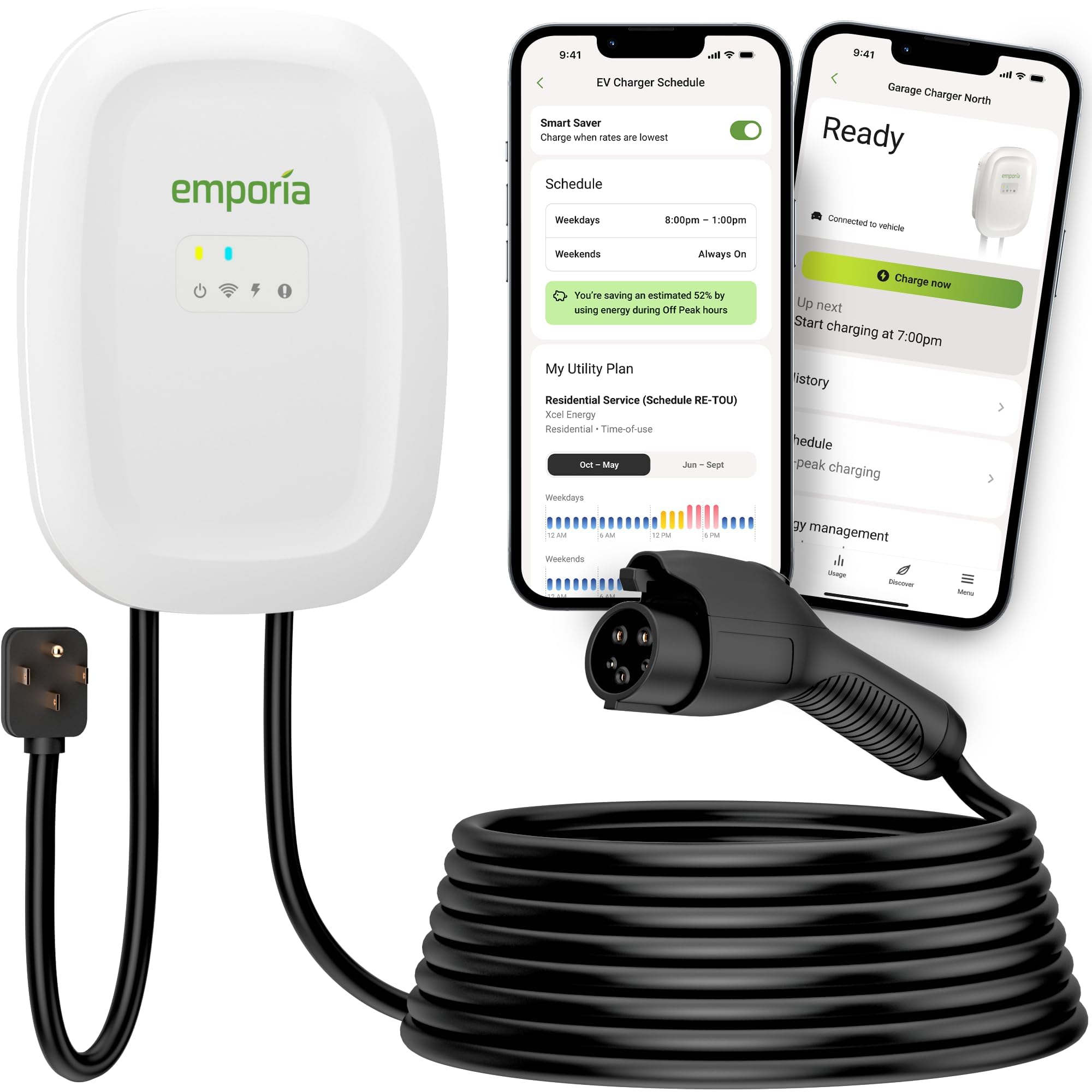 |
40 Amps Plug-In | NEMA 14-50, 240V | Scheduling and monitoring; optional PowerSmart |
| EVIQO Level 2 EV Charger, 48 Amp J1772 |
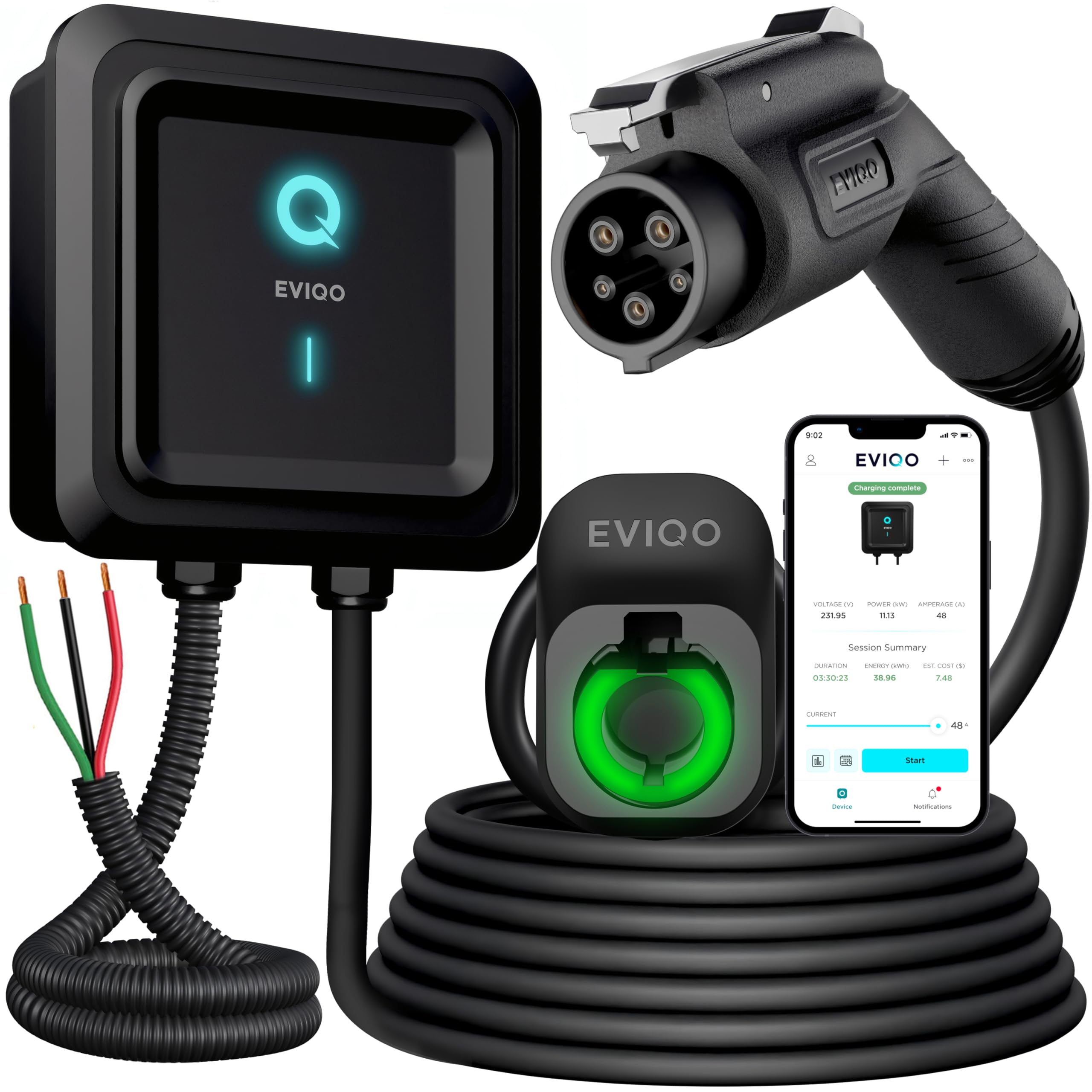 |
48 Amps | Hardwired, 240V | App-set current and scheduling |
| EVIQO NACS Charger, 48 Amp |
 |
48 Amps | Hardwired, 240V | App-set current and scheduling |
| AIMILER Level 2 EV Charger 32A |
 |
32 Amps | NEMA 14-50, 240V | Button/app current setting and scheduling |
| Grizzl-E Classic Level 2 40A |
 |
40 Amps | NEMA 14-50, 240V | Installer-set current limit |
| bokman Portable Level 2 and Level 1 EV Charger |
 |
16 Amps | NEMA 6-20 plus 5-15 adapter | Physical current setting and delay timer |
| Lectron Portable Level 1 J1772 Wi-Fi Charger |
 |
12 Amps | NEMA 5-15, 120V | App scheduling, monitoring, and kWh cap |
This roundup is reader-supported. When you click through qualifying Amazon links, we may earn a referral commission at no additional cost to you.