
You want reliable home charging that handles more than one EV without overloading your electrical panel. The right charger can help you schedule sessions, limit output, and coordinate available power so daily charging feels predictable instead of stressful.
True load sharing usually requires compatible smart chargers, an energy monitor, a gateway, or another approved load-management setup. This guide focuses on Level 2 chargers and smart plug-in options that make multi-EV charging easier through output control, scheduling, durable hardware, and installer-friendly setup.
Quick Verdict
Best overall: Emporia 48A is the strongest pick if you want a fast hardwired charger with app controls and a clear path toward managed home charging.
Best outdoor plug-in: EVIQO 40A is the better fit if you park outside and want a weather-ready Level 2 charger with scheduling and output control.
Best durable basic charger: Grizzl-E Classic is a tough, simple option for buyers who prefer rugged hardware and plan to use fixed output settings or an external load-management system.
Best budget plug-in: Aimiler 32A works well when you want a lower-cost NEMA 14-50 charger with app scheduling for staged charging.
Top Picks
|
Category |
Product |
Score |
|---|---|---|
|
🏆 Best Overall |
95/100 |
|
|
🎯 Best Weatherproof |
92/100 |
|
|
🔰 Most Durable |
90/100 |
|
|
💰 Best Budget Plug-In |
86/100 |
Selection Criteria
You need chargers that help control household electrical demand, so we prioritized units with smart scheduling, adjustable output, clear installation requirements, or compatibility with external load-management planning. Safety and certifications matter because EV charging is a high-current continuous load, so UL, ETL, robust housing, and weather ratings were weighted heavily.
Installation flexibility also matters. A hardwired charger can be the cleanest long-term setup, while a NEMA 14-50 plug-in charger may suit renters, second homes, or buyers who want a simpler installation. Connectivity, cable length, warranty language, and ease of use were also considered because the best charger is the one you can use safely every day.
Before You Buy
- Confirm panel capacity: Ask a licensed electrician to verify your service panel, breaker size, wiring, grounding, and local permit needs.
- Match charger output to the circuit: A 48A charger usually needs a larger dedicated circuit than a 32A charger.
- Check your connector: These picks use J1772 connectors, so Tesla/NACS vehicles may need the right adapter.
- Do not assume automatic load sharing: Scheduling and output limiting help, but true automatic sharing may require compatible chargers or a separate energy-management device.
- Plan WiFi coverage: Smart scheduling and remote monitoring work best when the charger has a strong garage or driveway signal.
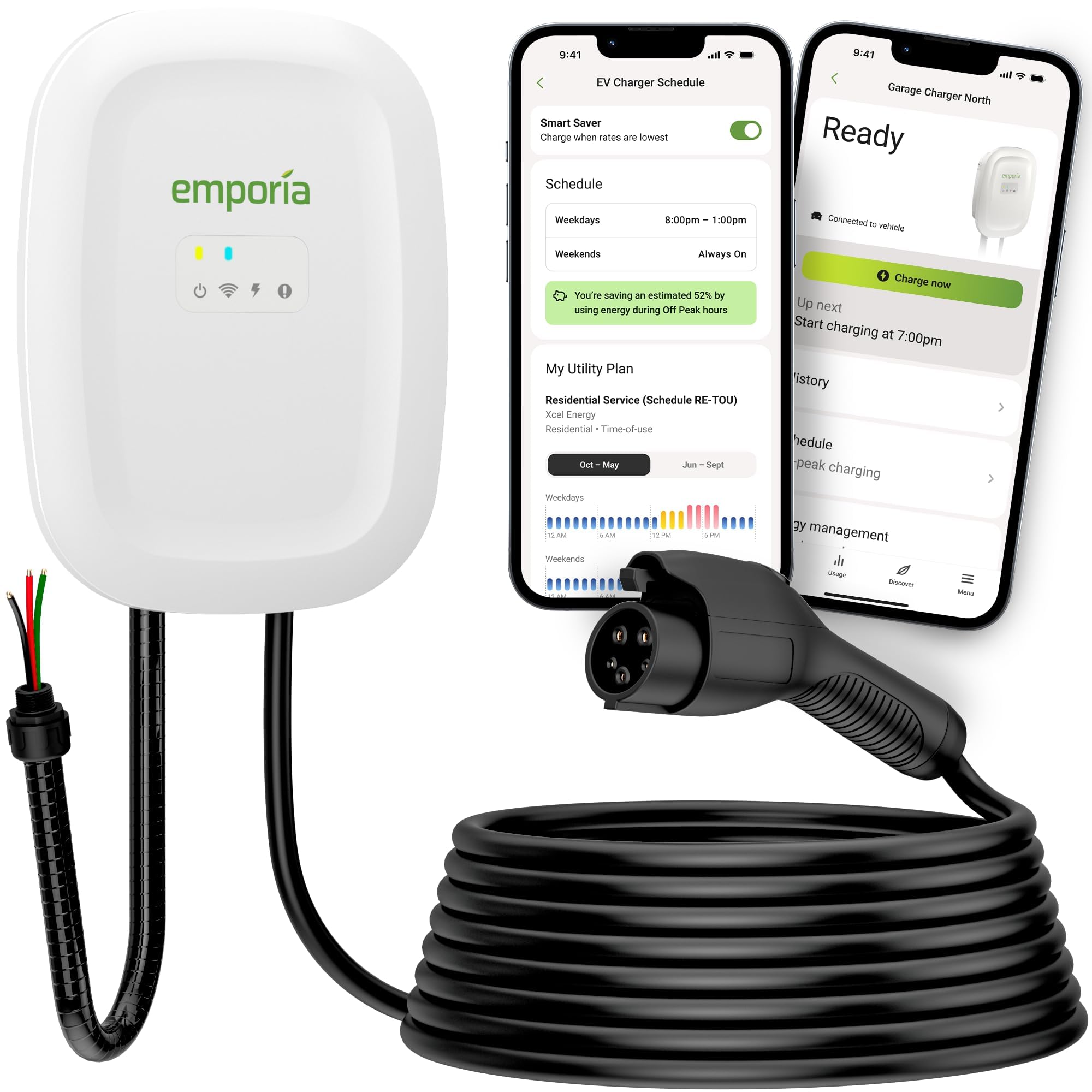
The Emporia 48A is the strongest fit if you want fast home charging with smart control. It gives you up to 48 amps when installed on a properly sized hardwired circuit, and the 25 ft cable helps reach most garage or driveway parking spots.
The main advantage is control. You can use the app to schedule charging, monitor sessions, and reduce output when your home’s electrical capacity is limited. That makes it a practical choice for households with two EVs, time-of-use rates, or future plans for solar and energy monitoring.
What People Say
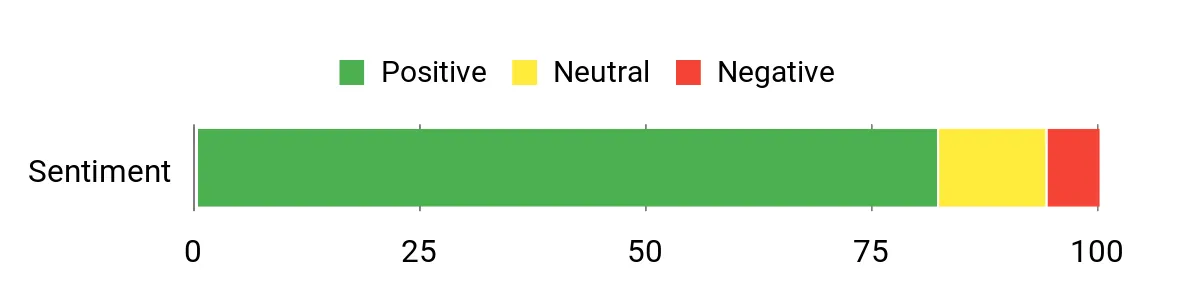
Customers commonly note that the Emporia charger feels well made and delivers consistent, faster charging when installed on a suitable circuit. People appreciate the app and scheduling features for managing when and how much power flows, while several mention that professional installation and checking WiFi strength near the garage make setup smoother.
Overall Sentiment: Positive
Who Should Buy This
- You want a fast, hardwired Level 2 charger for daily use.
- You need scheduling and output control for off-peak charging.
- You plan to manage charging around multiple EVs or household electrical limits.
Who Should Avoid This
- You cannot hardwire a charger or modify the electrical setup.
- You want a simple travel charger that plugs into a regular outlet.
- You need automatic multi-charger load sharing without confirming compatible hardware first.
When This Helps
|
Situation |
How It Helps |
|---|---|
|
You Have Two EVs At Home |
Scheduling and adjustable output help you stagger sessions so both vehicles can charge without putting unnecessary strain on the panel. |
|
You Want Faster Overnight Charging |
Up to 48 amps gives faster replenishment than a Level 1 cord when the circuit and vehicle support it. |
|
Your Garage Has Weak WiFi |
The charger can still deliver power, but a stronger signal keeps app scheduling and monitoring more reliable. |
|
You Prefer a Clean, Permanent Setup |
Hardwired installation avoids bulky plug hardware and suits a long-term charging station. |
Problem Solving
The Emporia helps solve the biggest pain point in multi-EV homes: charging quickly without losing control over when and how much power is used. It does not increase your panel capacity, so you still need an electrician to confirm the safe maximum output and whether extra load-management hardware is required.
Key Benefits
- High 48A output for faster Level 2 home charging
- WiFi-enabled scheduling and adjustable output for smarter energy use
- 25 ft heavy-duty cable and J1772 connector for convenient daily charging
- Hardwired design for a clean, permanent installation
Check Product Details on Amazon
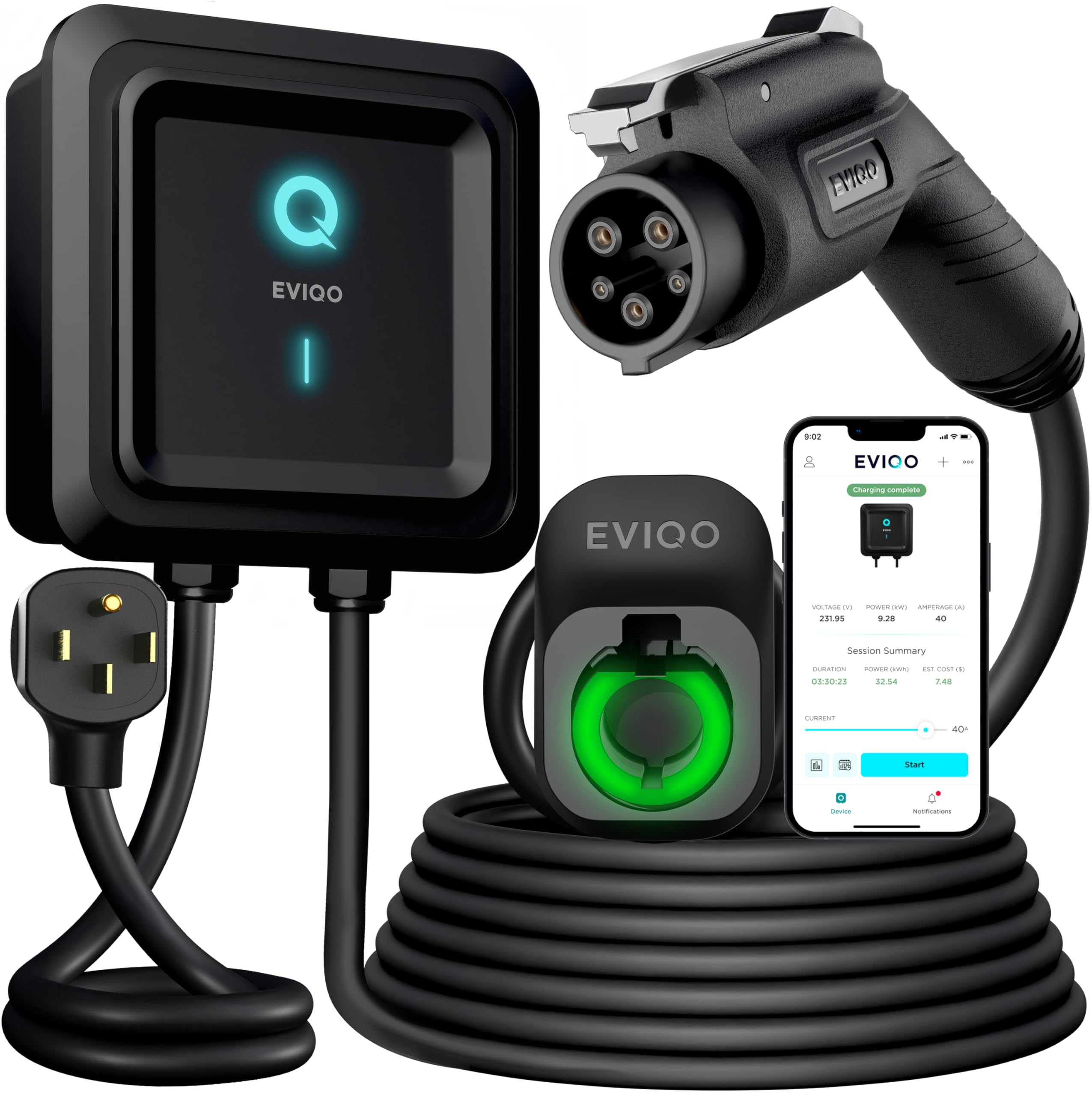
The EVIQO 40A is a strong choice if you want Level 2 charging outside or in a carport. It combines a 40 amp output, 25 ft cable, WiFi app controls, and a weatherproof enclosure, which gives it better day-to-day practicality than many basic plug-in chargers.
It is not a replacement for a full automatic load-sharing system by itself, but the app scheduling and output control can help you plan sessions around off-peak rates, solar production, or a second EV’s charging window.
What People Say
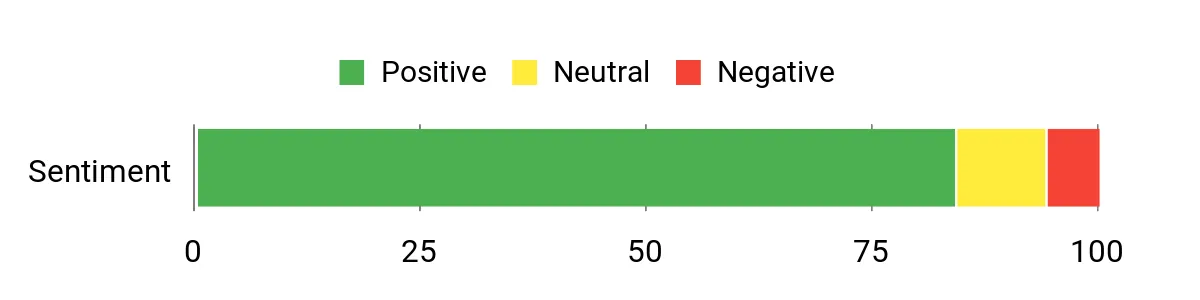
Users often highlight the build quality and the heavy cable and handle, saying it feels like a well-made, durable unit. Many point to the app and adjustable output as useful tools for scheduling and avoiding peak rates, and several mention that professional installation was straightforward and preferred for best results.
Overall Sentiment: Positive
Who Should Buy This
- You park in a driveway, carport, or exposed garage area.
- You want a NEMA 14-50 plug-in charger with smart scheduling.
- You need a balance of charging speed, weather resistance, and easy daily use.
Who Should Avoid This
- You need a charger that automatically shares power with another identical unit without extra setup.
- You do not have, or cannot install, a suitable 240V outlet.
- You only need slow emergency charging from a regular 120V outlet.
When This Helps
|
Situation |
How It Helps |
|---|---|
|
You Park Outside |
The weatherproof enclosure is better suited to rain and seasonal conditions than an indoor-only charger. |
|
You Need Faster Overnight Charging |
40 amps can shorten overnight top-ups when your vehicle and circuit support that level. |
|
You Want App Scheduling |
The WiFi app helps shift charging to off-peak windows and makes staged charging easier. |
|
You Prefer A Plug-In Setup |
The NEMA 14-50 plug keeps installation less invasive than many hardwired-only setups. |
Problem Solving
EVIQO solves the need for a durable, smart, outdoor-friendly charger. It gives you practical control over charging windows and power output, but for automatic multi-car load sharing you should confirm whether your setup needs a compatible energy manager or electrician-approved load-control device.
Key Benefits
- 40A output for faster charging than Level 1
- Weatherproof IP66/NEMA 4 housing for outdoor use
- 25 ft heavy-duty cable and J1772 handle for easy reach
- WiFi app with scheduling and output control
- UL and ETL certification claims for safety confidence
Check Product Details on Amazon
The Grizzl-E Classic is for buyers who value rugged hardware over app-heavy features. Its metal case, simple controls, and indoor/outdoor design make it a dependable long-term wall charger for a garage, carport, or driveway.
This is not the best pick if you want app-based automatic load sharing out of the box. It makes more sense when you want a tough primary charger and your electrician will set the output appropriately or pair the setup with a separate load-management solution.
What People Say
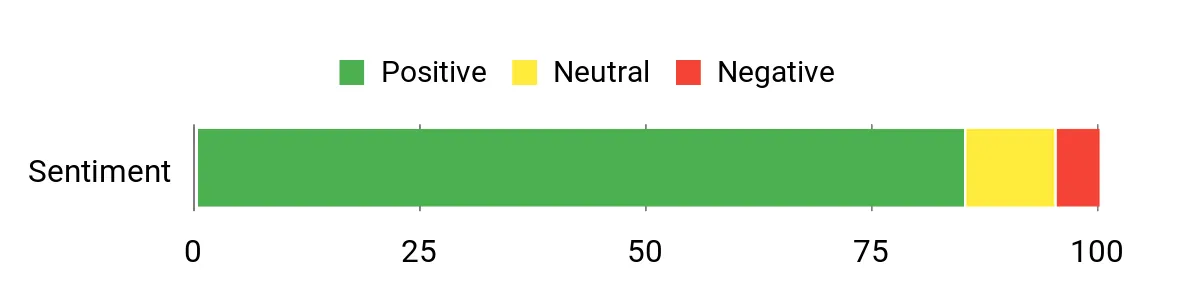
Owners frequently praise the Grizzl-E for feeling solid and dependable, calling out the metal case and heavy-duty cable as standout features. Many appreciate the straightforward approach: reliable charging without having to fuss with complex apps, and an installer-friendly setup that feels like a long-term solution rather than a temporary gadget.
Overall Sentiment: Positive
Who Should Buy This
- You want a tough, simple charger with fewer software dependencies.
- You park outdoors or in a busy garage where durability matters.
- You plan to manage output through proper circuit sizing or external load control.
Who Should Avoid This
- You want built-in app scheduling and automatic power sharing.
- You need detailed remote monitoring from the charger itself.
- You prefer a lightweight travel charger.
When This Helps
|
Situation |
How It Helps |
|---|---|
|
You Need Outdoor Durability |
The metal enclosure and robust components help the charger handle regular outdoor or garage use. |
|
You Want Low-Maintenance Charging |
A simple design reduces reliance on apps, WiFi, or cloud features for basic charging. |
|
You Have Longer Commutes |
40 amps can shorten overnight top-ups compared with Level 1 charging. |
|
You Prefer Professional Installation |
The straightforward plug or wall-mounted setup gives electricians a clear installation path. |
Problem Solving
Grizzl-E solves the problem of needing a dependable, durable charger that does not rely on advanced software. For a multi-EV household, treat it as a strong charging station that still needs proper circuit planning, output setting, or external load management if you want coordinated power sharing.
Key Benefits
- Rugged metal housing built for indoor or outdoor installations
- 40A output for faster Level 2 charging
- Simple, installer-friendly design with minimal app dependency
- UL certification claim and durable daily-use build
Check Product Details on Amazon
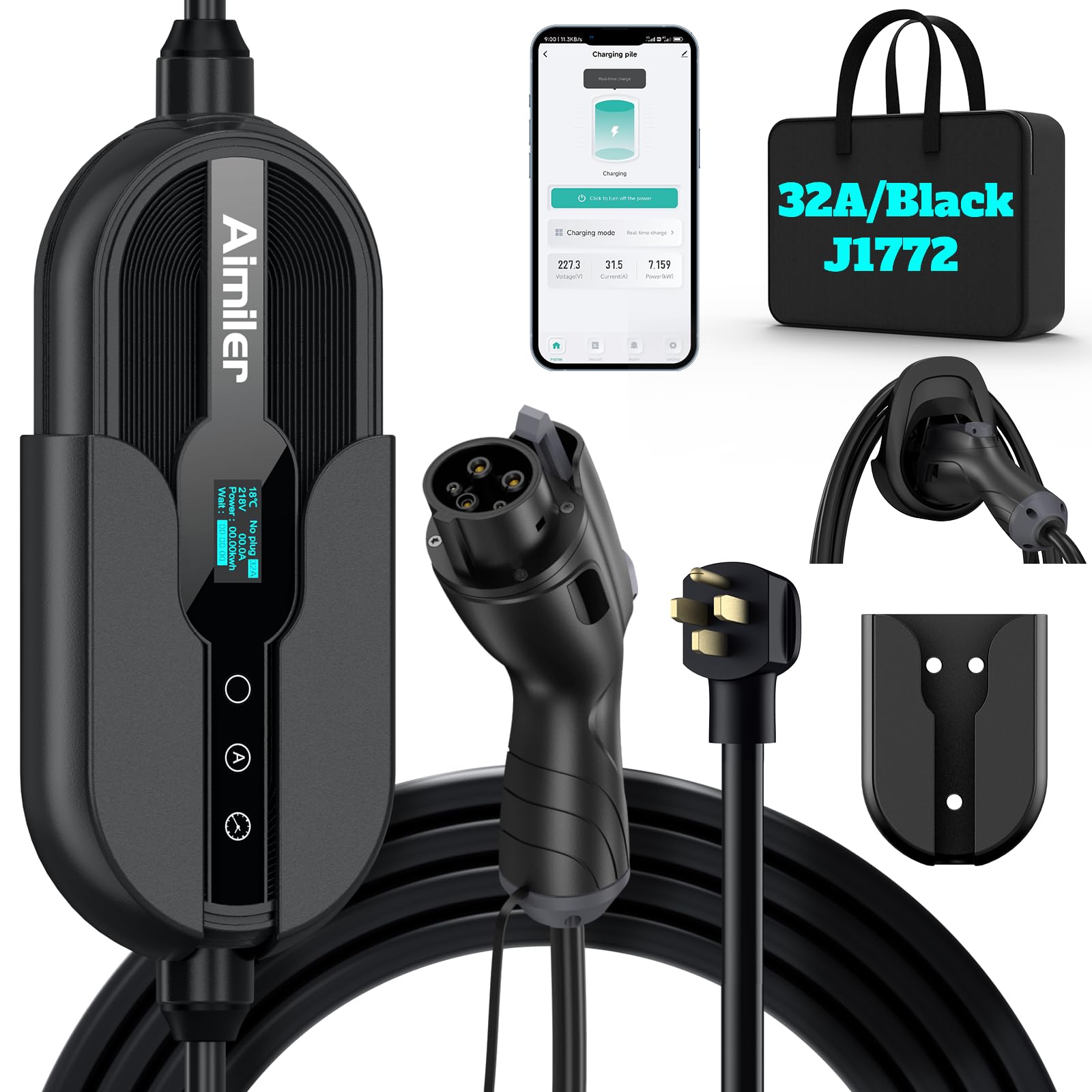
The Aimiler 32A is the practical budget pick if you already have, or plan to install, a suitable NEMA 14-50 outlet. It gives you faster Level 2 charging than a standard outlet while keeping the setup simpler than a full hardwired station.
The WiFi app is useful for scheduling around off-peak electricity rates or staggering one EV after another. It should not be treated as a full automatic load-sharing system, but it can help buyers manage timing and reduce charging conflicts in a smaller household setup.
What People Say
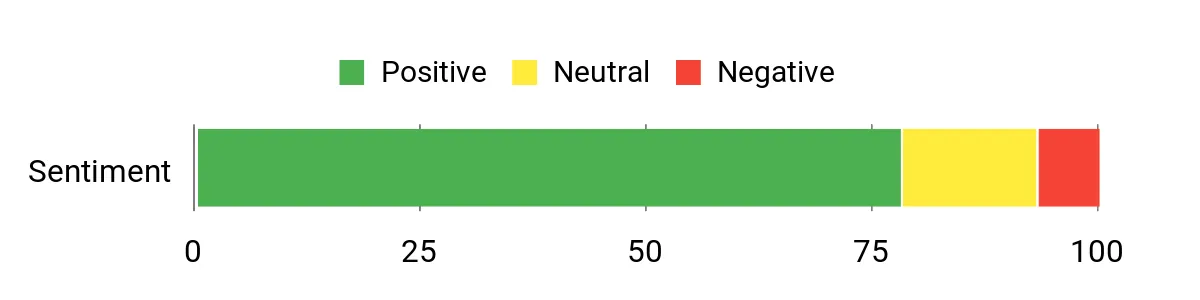
People tend to like how easy the Aimiler is to use right out of the box and how the long cable removes parking hassles. The app and plug-and-play design are frequently mentioned as helpful for scheduling and travel, while the ETL certification and warranty reassure buyers who want a portable, safe solution.
Overall Sentiment: Positive
Who Should Buy This
- You want a lower-cost Level 2 charger with app scheduling.
- You prefer a NEMA 14-50 plug instead of hardwiring.
- You need a long cable for flexible parking in a garage or driveway.
Who Should Avoid This
- You need a high-output 48A hardwired charger.
- You want automatic load sharing between two chargers.
- You do not have access to a suitable 240V outlet.
When This Helps
|
Situation |
How It Helps |
|---|---|
|
You Rent or Move Often |
Plug into a compatible NEMA 14-50 outlet without committing to a permanent hardwired station. |
|
You Need A Secondary Charger |
Use it as a flexible second charging option when your main charger is occupied. |
|
You Want Simple Scheduling |
The WiFi app helps shift charging to lower-cost hours and reduce overlap between vehicles. |
|
You Park Far From The Outlet |
The 25 ft cable gives you more freedom to reach the charge port without awkward repositioning. |
Problem Solving
Aimiler solves the need for affordable Level 2 charging with basic smart scheduling. It is best for buyers who want better timing control rather than a dedicated automatic load-sharing network.
Key Benefits
- 32A Level 2 charging for faster home charging than a standard outlet
- 25 ft cable for flexible parking and easier charge-port access
- WiFi app for scheduling and basic monitoring
- Plug-in design that can suit rentals or less permanent setups
- ETL certification claim and practical everyday layout
Check Product Details on Amazon
How To Choose An EV Charger For Load Sharing
Start by deciding whether you need true automatic load sharing or simple charging control. Automatic sharing balances power between chargers or circuits based on available capacity. Simple control means you use scheduling, output limits, or lower amperage to reduce overlap manually.
For most homes, the safest path is to pick the charger style first, then have an electrician confirm the circuit. A hardwired 48A charger can be excellent for speed, but it needs the right wiring and breaker. A 32A or 40A plug-in charger may be easier to install, but the outlet still needs to be properly rated for continuous EV charging.
Load Sharing Checklist
- Do you have one EV now or two EVs already?
- Will both vehicles need to charge at the same time?
- Does your panel have enough spare capacity for the charger output?
- Do you need app scheduling, output limiting, or automatic balancing?
- Will the charger be indoors, outdoors, hardwired, or plugged into NEMA 14-50?
- Does your EV use J1772 directly, or will it need an adapter?
FAQ
How Does Load Sharing Work?
Load sharing lets chargers or a load-management device control how much current each vehicle can draw. In a two-EV home, this can mean splitting available power between two vehicles, reducing one charger’s output when another charger starts, or delaying charging until household demand drops.
Load sharing does not increase your electrical service capacity. It only manages the available power more intelligently, so your electrician still needs to confirm the panel, wiring, breaker, outlet, and charger settings.
Is App Scheduling The Same As Load Sharing?
No. App scheduling lets you choose when charging starts and stops. That helps prevent two EVs from charging at the same time, but it is not the same as automatic real-time power balancing. If you need automatic sharing, confirm that the charger, gateway, or energy-management system supports it before buying.
Do I Need A Professional Install?
Yes, for most Level 2 home charging setups you should use a licensed electrician. Hardwired chargers, NEMA 14-50 outlets, breaker sizing, grounding, permits, and panel capacity all affect safety and reliability. Even plug-in units should be used only on a properly installed circuit rated for EV charging.
Which Charger Is Best For Multiple Cars?
The Emporia 48A is the best overall pick here if you want strong smart controls and a hardwired setup. EVIQO is better for outdoor plug-in use, Grizzl-E is best for buyers who want rugged hardware and plan to manage load externally, and Aimiler is the budget-friendly choice for scheduled plug-in charging.
Can I Use A Portable Charger For Load Sharing?
A portable charger can help as a backup or secondary charger, but most portable cords do not provide automatic load sharing. For a multi-EV household, look for smart controls, adjustable output, a safe dedicated circuit, and a clear path to external load management if your panel capacity is limited.
Wrapping Up
If you have more than one EV or want to avoid unnecessary panel upgrades, choose a charger that gives you control over timing and output. The Emporia 48A is the strongest overall pick for smart hardwired charging, while EVIQO is the better weatherproof plug-in option for outdoor parking.
Grizzl-E Classic is best when you want durable, low-maintenance hardware and are comfortable managing load through proper setup or external equipment. Aimiler is the budget-friendly plug-in choice for basic scheduling and staged charging. Whichever you choose, confirm vehicle compatibility and have an electrician verify your panel capacity before installation.
| Product Name | Image | Amperage | Cable Length | Best Load-Control Fit | Check Details |
|---|---|---|---|---|---|
| EMPORIA Level 2 EV Charger w/ J1772 Connector — 48 Amp, 240V |
 |
48 Amps | 25ft |
|
Check Price |
| EVIQO Level 2 EV Charger, 40 Amp |
 |
40 Amps | 25ft |
|
Check Price |
| Grizzl-E Classic, Level 2 EV Charger |
 |
40 Amps | N/A |
|
Check Price |
| AIMILER Level 2 Electric Vehicle (EV) Charger |
 |
32 Amps | 25ft |
|
Check Price |
This Roundup is reader-supported. When you click through links we may earn a referral commission on qualifying purchases.