
The Honda CR-V years that deserve the most scrutiny are 2017 and 2018 with the 1.5-liter turbo engine, 2015, 2007 through 2009, and 2002 through 2003. Their reported problems range from fuel mixing with engine oil to excessive vibration, air-conditioning failures, electrical faults, and corrosion.
For a used CR-V shortlist, consider 2013, 2016, and 2019 through 2021. The 2006 model is also worth considering on a smaller budget, provided its condition and maintenance history justify buying an older vehicle.
Model year is only a starting point. The engine, service records, completed recalls, driving history, and results of an independent inspection matter more than a reputation alone.
Key Takeaways
- Prioritize 2013, 2016, and 2019 through 2021 when building a used Honda CR-V shortlist.
- Scrutinize 2017 and 2018 models with the 1.5-liter turbo for fuel dilution of engine oil.
- Test the 2015 for vibration and inspect older models for corrosion, electrical faults, and AC problems.
- Verify service history, recall completion, and inspection results before relying on any model-year recommendation.
Table of Contents
- Honda CR-V Reliability by Model Year: Quick Comparison
- Best Honda CR-V Years to Buy for Different Priorities
- Why the 2017 and 2018 CR-V Need Extra Caution
- The 2015 CR-V: Vibration Is the Key Buying Test
- Older CR-V Years to Avoid: Safety, Corrosion, and AC Problems
- CR-V Years to Approach With Caution Rather Than Automatically Reject
- Used Honda CR-V Buying Checklist
- Bottom Line: Choose the Year, Then Verify the Vehicle
Honda CR-V Reliability by Model Year: Quick Comparison
| Model year | Buying approach | Main concern or advantage |
|---|---|---|
| 2002 to 2003 | Usually pass unless thoroughly inspected | AC compressor contamination, electrical and airbag concerns, overheating |
| 2006 | Consider for a lower-cost purchase | Proven 2.4-liter engine, but rust and age-related wear need attention |
| 2007 to 2009 | High scrutiny | Corrosion, door locks, electrical faults, airbags, AC and cooling problems |
| 2010 | Buy cautiously | Rear differential fluid concerns and reported power-steering fluid leaks |
| 2011 | Buy cautiously | Oil consumption and AC compressor clutch problems |
| 2013 | Strong shortlist candidate | Durable 2.4-liter engine and five-speed automatic combination |
| 2014 | Inspect carefully | More reported engine concerns than some nearby fourth-generation years |
| 2015 | Test-drive carefully before considering | Noticeable vibration, especially while stopped in Drive |
| 2016 | Strong shortlist candidate | Later fourth-generation refinement and a naturally aspirated 2.4-liter engine |
| 2017 to 2018 | High scrutiny, especially with the 1.5-liter turbo | Fuel dilution of engine oil |
| 2019 to 2021 | Strong newer-used shortlist | Improved reported reliability compared with early fifth-generation models |
Years not listed here should not automatically be treated as trouble-free or unsuitable. This comparison focuses on the model years with substantive reliability information covered in this guide.
Best Honda CR-V Years to Buy for Different Priorities
2013: A good choice for a conventional engine and transmission
The 2013 CR-V pairs a 2.4-liter four-cylinder engine with a five-speed automatic transmission. That combination is a major reason to consider it when shopping for an older used SUV.
It offers a useful balance of comfort, everyday practicality, and reported durability. Owner feedback highlights a smooth ride and comfortable interior, while its conventional automatic makes it an alternative for buyers who would rather avoid a CVT.
A well-maintained 2013 is a sensible starting point, but service records and present condition still need to support the purchase.
2016: A strong option without a turbocharged engine
The 2016 CR-V is a later fourth-generation model with a 185-horsepower, naturally aspirated 2.4-liter engine. It is worth considering if you want a newer vehicle than the 2013 without choosing the 1.5-liter turbo used in later models.
Its appeal is the refinement of an established generation. However, choosing 2016 does not mean avoiding a CVT: buyers seeking the five-speed automatic should look more closely at the 2013 instead.
Do not confuse a favorable reliability reputation with an absence of safety issues. Check the individual vehicle’s recall status, especially for airbag and fuel-system concerns, rather than assuming a short recall list means the recalls are unimportant.
2019 to 2021: A better starting point for a newer used CR-V
The 2019, 2020, and 2021 models are stronger candidates than the early fifth-generation 2017 and 2018 vehicles. They have a more favorable reported reliability picture, with the 2021 standing out as a particularly promising choice.
The 1.5-liter turbo configuration discussed here produces 190 horsepower, with highway fuel economy reaching up to 34 mpg in applicable configurations. Equipment and fuel economy should be confirmed for the specific trim and drivetrain.
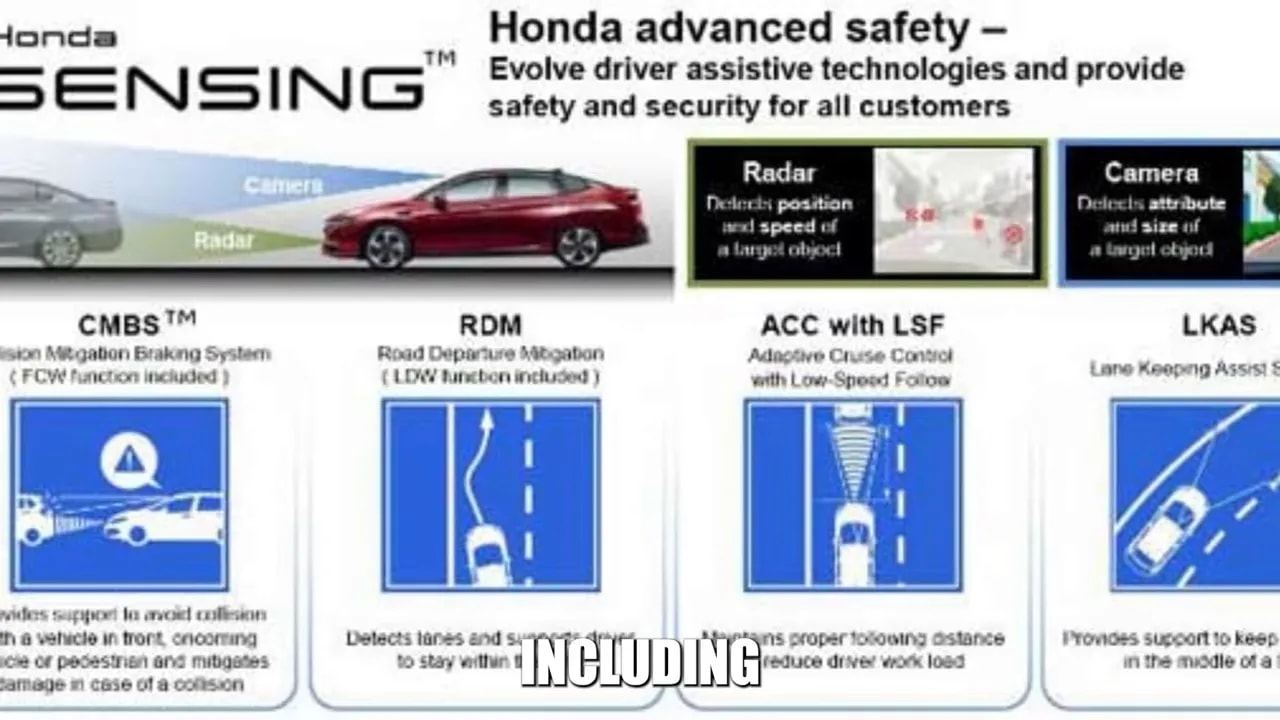
The 2021 model also offers standard Honda Sensing features, including forward collision warning, lane departure warning, and automatic emergency braking.
Improved reliability does not prove that every later turbo engine is immune to oil dilution. Check oil condition, maintenance records, and any history of engine complaints even when buying a recommended year.
2006: A budget option where condition comes first
The 2006 CR-V uses a 156-horsepower, 2.4-liter four-cylinder engine. It is a more appealing second-generation candidate than the early 2002 and 2003 models, particularly because the earlier AC compressor problems were less prominent by this point.
Well-maintained examples can exceed 200,000 miles, but that is a possibility, not a promise. On a vehicle this old, rust, suspension wear, and deferred repairs can outweigh the engine’s reputation.
One maintenance detail matters: the 2006 CR-V’s 2.4-liter engine uses a timing chain, not a timing belt. A buying checklist should focus on actual service requirements and condition rather than an assumed timing-belt replacement.
Why the 2017 and 2018 CR-V Need Extra Caution
The main issue is oil dilution in the 1.5-liter turbo engine
Oil dilution occurs when gasoline enters the crankcase and mixes with engine oil. In the affected CR-V configuration, unburned fuel can collect on cylinder walls and pass into the oil.
Cold weather and repeated short trips are important concerns because the engine may spend more time below full operating temperature. However, reported cases are not limited to cold regions.
Fuel-contaminated oil can lose its ability to lubricate properly. Another warning sign is an oil level that rises above the dipstick’s full mark rather than falling through normal consumption.
When assessing a 2017 or 2018 CR-V with the 1.5-liter turbo, look for:
- An unusually high oil level, especially without a clear explanation.
- A gasoline smell in the engine oil that warrants professional investigation.
- A history of repeated engine warnings or unresolved drivability complaints.
- Unusually frequent oil changes intended to manage contamination rather than resolve its cause.
- Records of injector, head-gasket, or engine repairs that need closer review.
Some owners have reported changing oil at extremely short intervals. That is not a normal maintenance target or evidence that the underlying problem has been fixed.
Do not confuse complaint percentages with failure rates
A commonly cited figure is that 87 of 111 engine-related complaints for the 2017 and 2018 CR-V concerned fuel mixing with oil. That is roughly 78% of that complaint group, not a 78% failure rate among all CR-Vs sold.
Complaint data can reveal recurring problems, but it does not establish the likelihood that an individual vehicle will fail. It also should not be applied indiscriminately to every engine configuration offered in those years.
Repair exposure can be substantial
Reported repair examples include approximately $2,500 for injector replacement, $4,000 for a head-gasket repair, and as much as $8,000 for engine replacement. These are examples of potential repair exposure, not current quotes or costs every affected owner will face.
There is also an account of an affected owner receiving a lemon-law buyback after serious problems. That individual outcome should not be interpreted as a model-wide buyback program or proof that every vehicle from the same year has the same defect.
The 2015 CR-V: Vibration Is the Key Buying Test
The 2015 model introduced a refreshed powertrain combination with an Earth Dreams engine and the CR-V’s first CVT. It was a refresh within the fourth generation, not the start of an entirely new generation.
Its most notable complaint is vibration felt through the steering wheel, seats, and headrests. The problem can be especially noticeable while the vehicle is stopped at a traffic light with the transmission in Drive.
Honda issued technical service guidance with remedies that included software updates and changes to engine mounts. Owner reports indicate that the results were not always complete.
For a useful test drive:
- Allow the vehicle to reach normal operating temperature.
- Stop safely with the brake applied and the transmission in Drive.
- Assess vibration through the seat, steering wheel, and headrest.
- Repeat the check at more than one stop rather than relying on a brief drive.
- Ask for documentation of any vibration-related repairs.
Judge the vehicle as it is now. A receipt showing that a repair procedure was performed does not establish that the remaining vibration will be acceptable to you.
Older CR-V Years to Avoid: Safety, Corrosion, and AC Problems
2007 to 2009: Inspect beyond the engine
The concerns with these early third-generation models extend across several systems. A vehicle that starts easily and drives smoothly can still have expensive or safety-related faults.
- Structural corrosion: Frame corrosion near rear suspension mounting areas deserves particular attention because severe deterioration can compromise suspension attachment.
- Door lock actuators: Reported failures include doors refusing to unlock or relocking unexpectedly.
- Electrical faults: Window-switch problems include overheating and fire concerns.
- Airbags: Verify applicable recalls and completed repairs.
- Air conditioning: Compressor failure can contaminate the system and make repairs more extensive.
- Cooling system: Radiator-fan failures, overheating, and heater-core leaks need investigation.
The 2007 deserves particularly careful door-lock testing. Operate every door from inside and outside, and check the locks repeatedly rather than accepting one successful cycle as proof of reliability.
AC repairs involving system contamination have been reported at more than $2,500. More importantly, structural corrosion should not be treated as ordinary cosmetic rust. Have an inspector examine the underside and suspension mounting areas.
2002 to 2003: AC compressor failure can become a system-wide repair
The early second-generation CR-V is associated with a destructive AC compressor failure sometimes called “black death.” When the compressor breaks down internally, debris can spread throughout the air-conditioning system.
That makes the problem more complicated than replacing a single failed part. Reported repair examples start around $1,600 and can exceed that amount depending on the contamination and repair scope.
Other concerns include airbag-system faults, window-switch fire risks, headlight problems, and overheating linked to thermostats or radiator-fan assemblies.
A low purchase price can be misleading when several systems need work at once. These years require a comprehensive inspection, not just confirmation that the engine runs.
CR-V Years to Approach With Caution Rather Than Automatically Reject
2011: Check oil consumption carefully
The 2011 CR-V can suffer from excessive oil consumption associated with piston-ring problems. Some owners report using approximately one quart every 1,000 miles.
This is different from oil dilution: oil consumption lowers the oil level, while fuel dilution can raise it. Either condition requires attention, but they are not interchangeable diagnoses.
Ask whether the seller adds oil between changes and how often. A normal dipstick reading immediately before a sale does not establish that consumption is normal. AC compressor clutch problems are another item to investigate.
A well-maintained 2011 may still be worth considering at the right price, provided oil-use history and inspection results are reassuring.
2010: Review drivetrain maintenance and leaks
The 2010 remains part of the third generation; it was not that generation’s final year. Its concerns include rear differential fluid issues and reported power-steering fluid leaks.
For an all-wheel-drive example, review differential service records. Have any fluid leaks identified rather than accepting a vague explanation that they are normal for an older vehicle.
2014: Give the engine additional attention
The 2014 sits within the generally favorable fourth generation, but it has more reported engine concerns than some nearby years. It does not share the same defining oil-dilution issue as the 2017 and 2018 turbo models.
Prioritize maintenance records and a careful engine inspection. When choosing between otherwise comparable vehicles, the 2013 and 2016 are stronger starting points for a shortlist.
Used Honda CR-V Buying Checklist
Use the model-year comparison to narrow your search, then evaluate the individual vehicle.
- Confirm the engine and transmission. A warning about a 1.5-liter turbo should not be applied to a different engine without checking the configuration.
- Review service records. Look for regular maintenance, recurring complaints, and documented repairs rather than verbal assurances.
- Check recalls by VIN. Confirm whether the specific vehicle has outstanding safety repairs.
- Inspect the oil and ask about oil use. Investigate an overfull level, fuel odor, or frequent top-ups.
- Take a meaningful test drive. Include stationary idle checks for a 2015 and pay attention to warning lights or unusual behavior.
- Test the AC and electrical equipment. Operate every door lock, window, and exterior light.
- Inspect the underside. Rust and suspension mounting condition are especially important on older models.
- Check the cooling system. Investigate overheating history, coolant leaks, and fan operation.
- Obtain an independent pre-purchase inspection. Ask the mechanic to focus on the known concerns for that year.
- Price unresolved repairs before buying. Compare the total purchase and repair cost with a better-maintained alternative.
Bottom Line: Choose the Year, Then Verify the Vehicle
Start with 2013, 2016, or 2019 through 2021 if you want a favorable used Honda CR-V shortlist. Consider 2006 when budget is the priority and the vehicle’s age-related condition is sound.
Give the greatest scrutiny to 2017 and 2018 turbo models, 2015, 2007 through 2009, and 2002 through 2003. A documented repair history can change the assessment of an individual vehicle, but a low price alone does not offset unresolved engine, structural, or safety problems.