You want reliable portable solar power for a power station, RV, campsite, emergency kit, or EV accessory setup. The right foldable panel can help you recover watt hours from sunlight, keep small devices running, and reduce how often you depend on a wall outlet or generator.
One important note before you buy: these portable panels are not a direct replacement for Level 1 or Level 2 EV charging. In most setups, you will use the panel to charge a compatible power station, solar generator, or 12V accessory battery. Always confirm your power station’s solar input limit, connector type, voltage range, and manufacturer guidance before connecting a panel.
Disclosure: This roundup is reader-supported. When you click through Amazon links, we may earn a referral commission on qualifying purchases.
Quick Verdict
Best overall: The Renogy 200W is the easiest all-around recommendation because it balances wattage, portability, connector support, and outdoor durability.
Best lightweight budget pick: The Grecell 100W is better if you want a smaller panel for compact power stations, weekend camping, and lower-demand accessory charging.
Best high-output choice: The Renogy 400W makes the most sense when you need faster power-station charging and can manage a larger foldable blanket setup.
Top Picks
|
Category |
Product |
Best For |
|---|---|---|
|
🏆 Best Overall |
Most power-station and camping users |
|
|
💰 Best Budget |
Smaller stations and light accessory loads |
|
|
🚀 Most Powerful |
Large power stations and longer off-grid stays |
|
|
🎯 Best Fast-Charging Features |
Users who want USB-C and device-friendly outputs |
|
|
🔰 Best For RVs |
RV owners who want a kickstand and simple setup |
How We Chose
You need panels that balance useful wattage, portability, connector compatibility, and outdoor durability. We prioritized portable solar panels that make sense for power stations, RVs, camping, emergency backup, and EV accessory-support use.
We looked for practical details buyers should compare before purchase, including rated wattage, published efficiency, connector type, folded size, weight, IP rating, kickstand design, cable support, and whether the panel is easy to set up without a permanent roof installation.
We did not treat these panels as direct EV traction-battery chargers. The safer and more realistic use case is charging a compatible power station or 12V accessory setup, then using that stored energy for small loads, campsite power, and emergency support.
Before You Buy: Compatibility Checklist
- Check solar input limits: Match the panel’s voltage, current, and wattage to your power station or charge controller.
- Confirm connectors: MC4, XT60, DC7909, DC8020, USB, and Type-C ports are not interchangeable without the right adapter.
- Use an MPPT controller when needed: A proper MPPT input helps the setup harvest power more efficiently and safely.
- Expect real-world losses: Shade, heat, clouds, dirty panels, and poor angle can reduce output well below the rated wattage.
- Avoid unsafe EV hookups: Do not connect a portable panel directly to an EV traction battery unless the vehicle maker and equipment manufacturer explicitly support that setup.
This Renogy 200W panel is the best fit if you want a dependable all-rounder for a power station, RV weekend, campsite, or emergency kit. Its 200W rating gives you more useful recovery than a compact 100W panel, while the foldable design is still easier to carry than a rigid roof-style panel.
The strongest reason to choose it is balance. You get a practical wattage level, MC4 and USB output support, a foldable body, and an IP65-rated design for outdoor use. That makes it a sensible pick for topping up a solar generator, keeping phones and laptops running through a power station, or supporting small 12V and EV accessory loads while parked.
Why You’ll Like It
You get enough panel capacity to make a real difference during a sunny day without moving into a large blanket or multi-panel kit. It is also easier to recommend for mixed use because it is not locked into one narrow setup.
Who Should Buy This
- Campers and road-trippers who use a mid-size power station
- EV owners who want solar support for accessories, not direct fast EV charging
- RV users who want a portable panel instead of a permanent rooftop install
Who Should Avoid This
- Buyers who only need to charge phones or tiny power banks
- Users who need the smallest possible panel for hiking or backpacking
- Anyone expecting fast EV traction-battery charging from a portable panel
What People Say
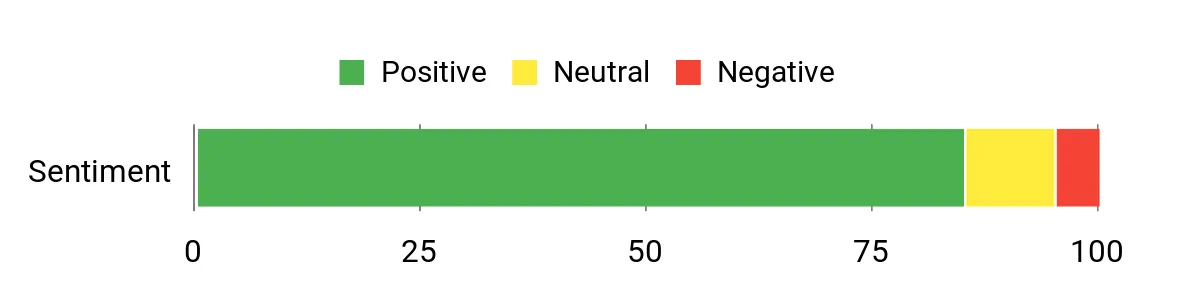
Buyer feedback commonly highlights that the panel feels well made and is easy to set up solo, which matters when you are juggling camping gear or emergency equipment. Many users also appreciate the foldable form factor and the connector options that work with common power stations.
A few buyers may find it heavier than smaller panels, but that tradeoff is expected when you move up to 200W output.
Overall Sentiment: Positive
Environmental Benefits
|
Impact |
Benefit |
|---|---|
|
Reduced Grid Charging |
You can top a portable power station from sunlight, reducing grid use for small accessory and campsite loads. |
|
Lower Generator Use |
Using solar for campsite power can reduce short generator runs, fuel use, and local emissions. |
|
Durability Reduces Waste |
A sturdy panel that lasts through regular trips can reduce replacement waste over time. |
Indoor/Outdoor Use
This panel is designed for outdoor deployment. You can place it on a picnic table, near your vehicle, or on a stand while camping. The IP65 rating helps with dust and water splashes, but it should still be stored safely during severe weather.
It is not meant to be a permanent indoor fixture. You can bring it indoors for storage or use it near a sunny opening for short testing, but direct outdoor sun is where it makes sense.
Key Benefits
- Useful 200W class output for power stations and campsite loads
- Foldable design that is easier to transport than rigid panels
- MC4 and USB support for broader device and power-station compatibility
- IP65-rated construction for outdoor trips, light rain, and dusty setups
Check Product Details on Amazon
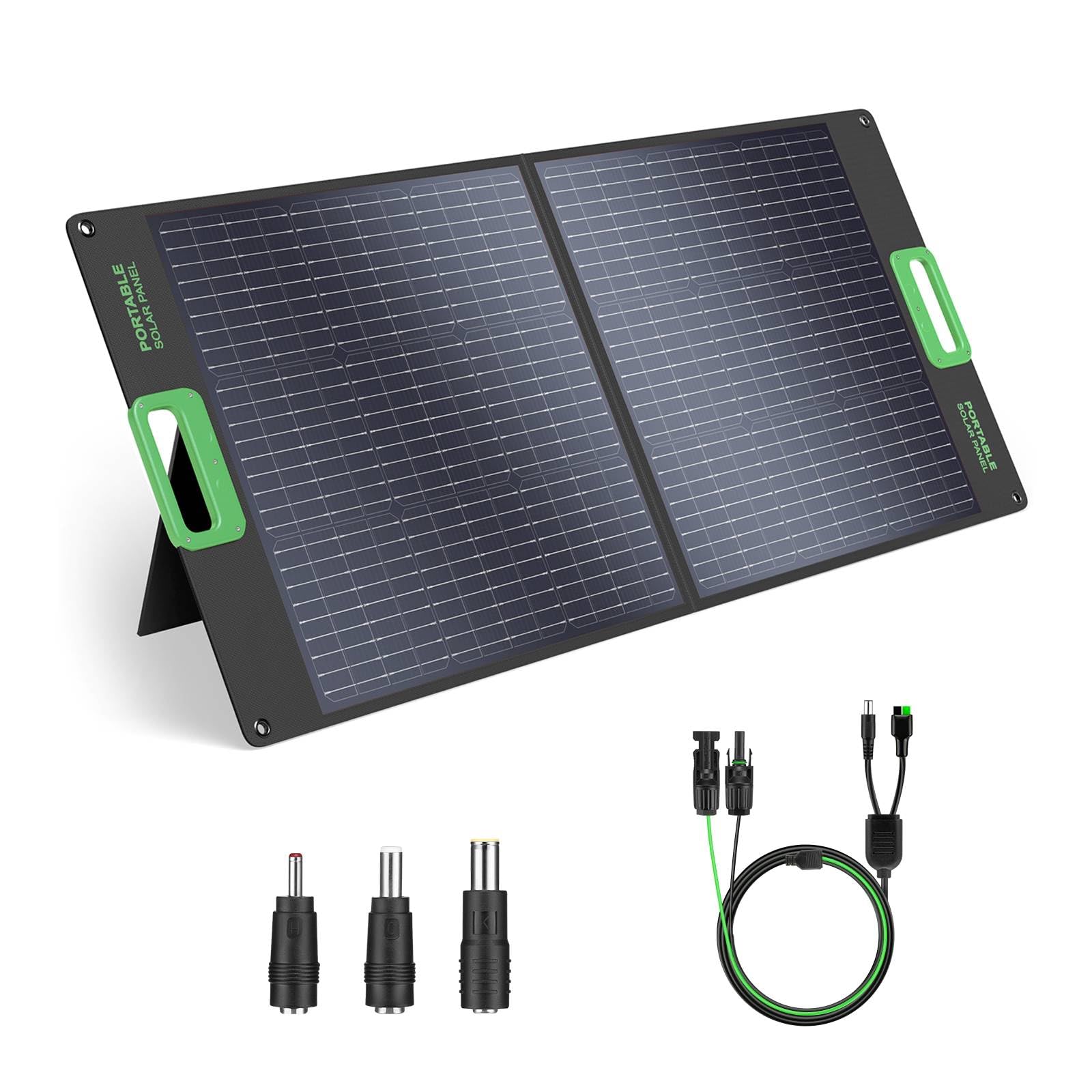
If you want a compact grab-and-go panel for a smaller power station, the Grecell 100W is a practical budget-friendly option. It is easier to carry than most 200W panels and makes sense for light campsite loads, phones, tablets, small laptops, LED lighting, and keeping a backup station from sitting empty.
Its main advantage is simplicity. You will not get the same daily energy harvest as a 200W or 400W panel, but you get a more manageable size for weekend trips, van travel, and emergency storage.
Why You’ll Like It
This is the panel to consider when portability matters more than maximum wattage. It is easier to pack, easier to move, and less intimidating for first-time solar users.
Who Should Buy This
- Budget-focused buyers with small to mid-size power stations
- Campers who need light device charging, not heavy continuous loads
- Users who want a smaller backup panel for emergency kits
Who Should Avoid This
- Users trying to recharge large power stations quickly
- RVers with higher daily energy needs
- EV owners who need meaningful energy recovery for traction-battery charging
What People Say
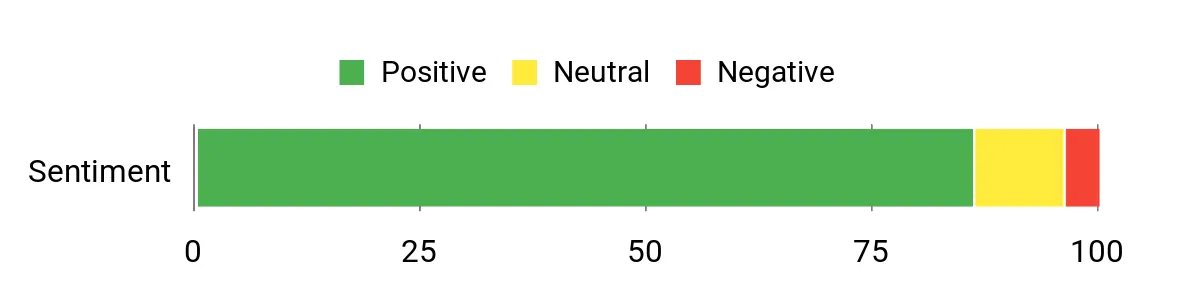
Buyer feedback often focuses on how conveniently the panel folds and how useful the storage pocket and included cables can be. Many users also like the handle and support legs because they make one-person setup easier.
Some users may want a larger panel after they calculate their daily energy needs, so think of this as a light-duty solar option rather than a high-output charging solution.
Overall Sentiment: Positive
Environmental Benefits
|
Impact |
Benefit |
|---|---|
|
Reduced Grid Charging |
You can top a small portable power station from sunlight instead of plugging in for every light-duty charge. |
|
Less Generator Use |
Using solar for phones, lights, and small devices can reduce short generator runs at camp. |
|
Longer Product Life |
A practical panel that gets regular use can reduce the need for disposable charging alternatives. |
Indoor/Outdoor Use
This panel is built for outdoor deployment. Set it on a table, the hood of a vehicle, or use the support legs while camping. It is easy to fold and bring indoors for storage, but it is not intended as a permanent indoor charging solution.
Key Benefits
- Compact 100W class panel for light-duty charging
- Foldable design that is easier to transport and store
- MC4 connector support for common solar-generator setups
- Good fit for budget buyers and first-time portable solar users
Check Product Details on Amazon
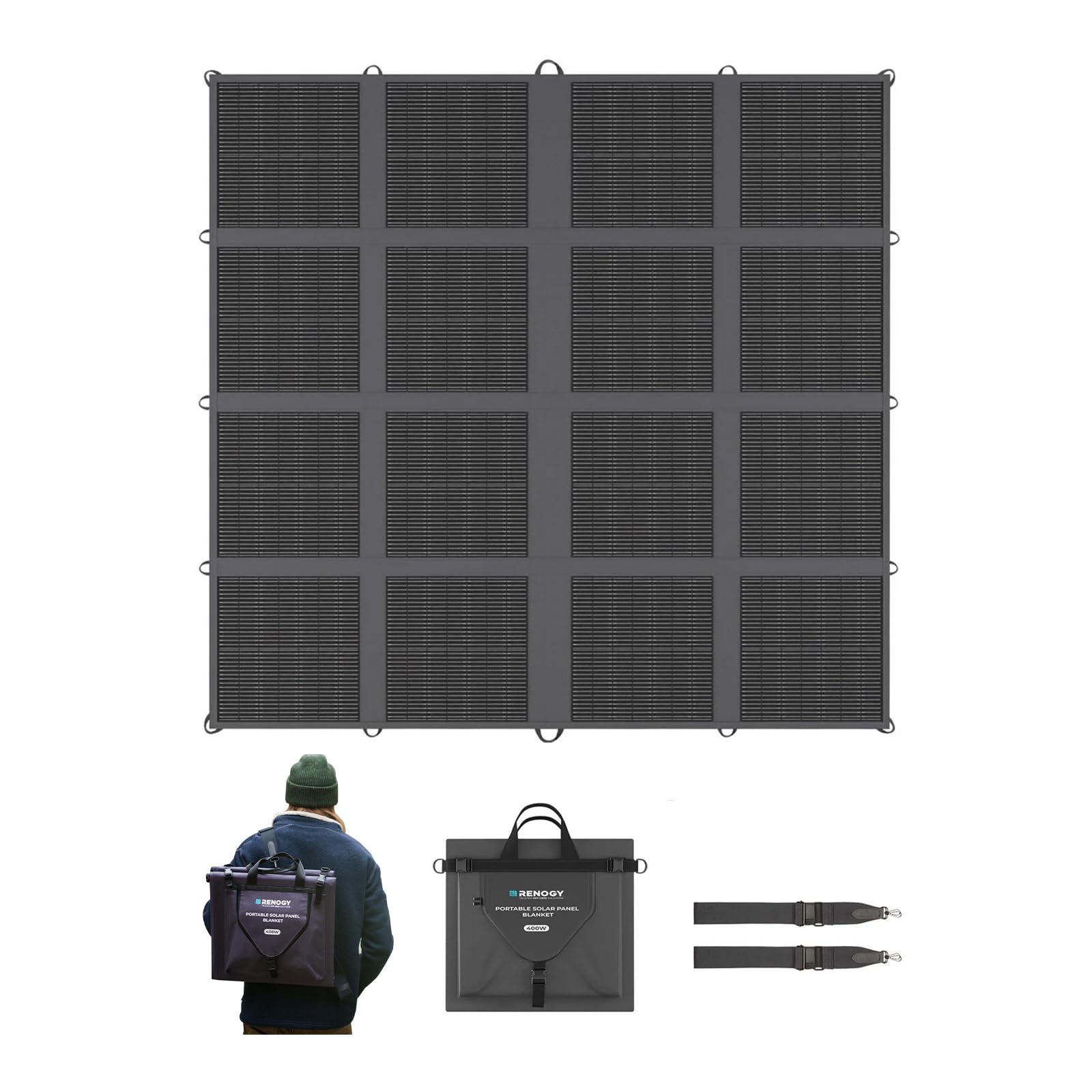
This 400W solar blanket is aimed at you when a smaller foldable panel will not recover enough energy during the day. It is best for larger power stations, longer camping trips, marine use, RV backup, pickup setups, and off-grid work where you want more solar input without a permanent roof install.
The extra wattage can help recharge compatible power stations faster than a 100W or 200W panel under good sun. It still will not turn portable solar into fast EV charging, but it can make a meaningful difference for campsite power, accessory loads, and emergency energy storage.
Why You’ll Like It
The biggest benefit is output. If your power station can accept the panel’s input range, this blanket can recover more energy during limited daylight hours and reduce how long you wait between charges.
Who Should Buy This
- Users with larger power stations that can accept higher solar input
- RVers, truck campers, and off-grid users who need more daily watt hours
- Buyers who want a high-output portable setup instead of multiple smaller panels
Who Should Avoid This
- Anyone with a small power station that cannot accept the panel’s input
- Buyers who need the lowest-cost or smallest portable panel
- Users who do not have enough space to unfold and position a larger blanket
What People Say
Buyer feedback tends to focus on the higher usable power compared with smaller panels. Users also like the flexible folding layout because it can be placed across a hood, tailgate, roof area, or campsite surface.
The main tradeoff is size. You get more capacity, but you also need more room and more care when positioning the panel in the sun.
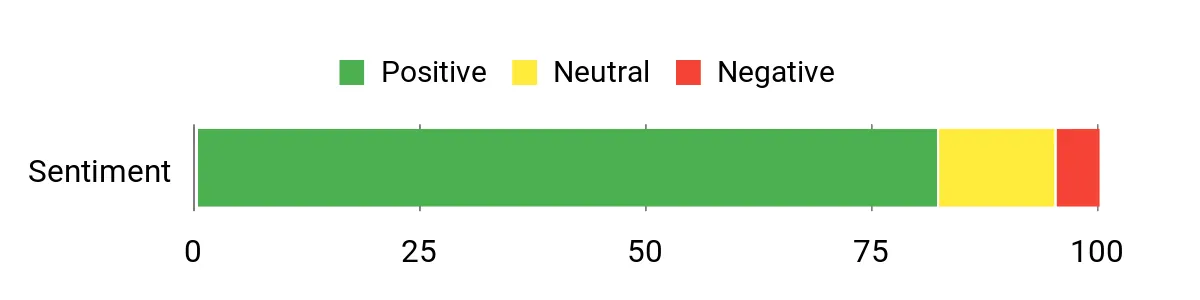
Overall Sentiment: Positive
Environmental Benefits
|
Impact |
Benefit |
|---|---|
|
Lower Grid Demand |
Higher portable generation can reduce how often you plug in a large power station for campsite or accessory power. |
|
Fewer Generator Hours |
You can replace some short generator sessions with solar charging, cutting fuel use and local emissions during trips. |
|
Durability Reduces Waste |
A well-made blanket that lasts through repeated outdoor use can mean fewer replacements over time. |
Indoor/Outdoor Use
This blanket is built for outdoor use. Lay it across a vehicle, prop it with straps, or spread it on a campsite surface where it can catch direct sunlight. It is portable but large, so you will normally deploy it outdoors and bring it inside only for storage or protection from prolonged bad weather.
Key Benefits
- High 400W class portable generation for larger power stations
- 25% N-type cell efficiency for stronger output from a foldable design
- Multi-fold blanket shape for flexible placement across vehicles and surfaces
- Good choice for longer trips, RV backup, and heavier campsite energy needs
Check Product Details on Amazon
The Twelseavan 200W panel is a good choice if you want 200W class solar output plus more device-friendly charging options. Its mix of MC4 output, QC3.0, and 60W Type-C support makes it especially useful when you want to reduce adapter clutter for phones, tablets, laptops, and compatible power stations.
It is also a practical middle ground. You get more charging potential than a 100W panel, but you do not have to manage the footprint of a 400W blanket. That makes it useful for weekend trips, van life, emergency backup, and power-station support.
Why You’ll Like It
The strongest appeal is output flexibility. If your setup includes modern USB-C devices and a compatible solar generator, the added charging options can make the panel easier to use day to day.
Who Should Buy This
- Users who want 200W class solar plus direct device-friendly ports
- Campers who charge phones, tablets, laptops, and a power station
- Buyers who want ETFE coating and IP65-rated outdoor protection
Who Should Avoid This
- Users who only need MC4 output and prefer a simpler panel
- Buyers who want the lightest possible foldable panel
- Large power-station owners who need more than 200W of solar input
What People Say
Buyer feedback often mentions that the panel feels sturdy and performs well enough for mixed outdoor conditions. Users also like having multiple charging options because it can reduce the number of separate adapters they need to pack.
The common tradeoff is weight. It is still portable, but it is not as compact as a smaller 100W panel.
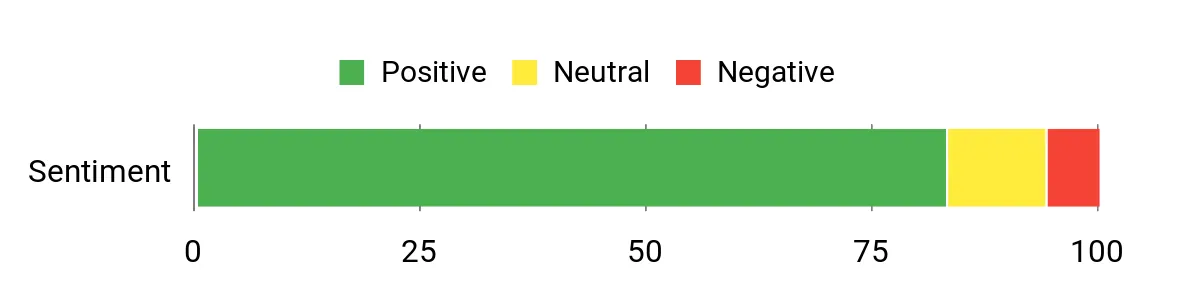
Overall Sentiment: Positive
Environmental Benefits
|
Impact |
Benefit |
|---|---|
|
Lower Grid Dependence |
You can top up a compatible power station from sunlight, reducing small grid charging sessions. |
|
Reduced Generator Use |
Using solar instead of a gas generator for small campsite loads can cut fuel use and local emissions. |
|
Longer Lifespan |
Durable construction can lower replacement frequency and reduce electronic waste over time. |
Indoor/Outdoor Use
This panel is designed for outdoor deployment. Prop it with a stand, lay it on a vehicle, or strap it securely in a safe position. You can fold it up and bring it indoors for storage or to protect it from bad weather, but it needs direct sunlight for best results.
Key Benefits
- 200W class output with a portable foldable body
- 24% efficiency and ETFE coating for outdoor charging use
- QC3.0 and 60W Type-C options for modern device charging
- MC4 output and IP65-rated protection for power-station and camping setups
Check Product Details on Amazon
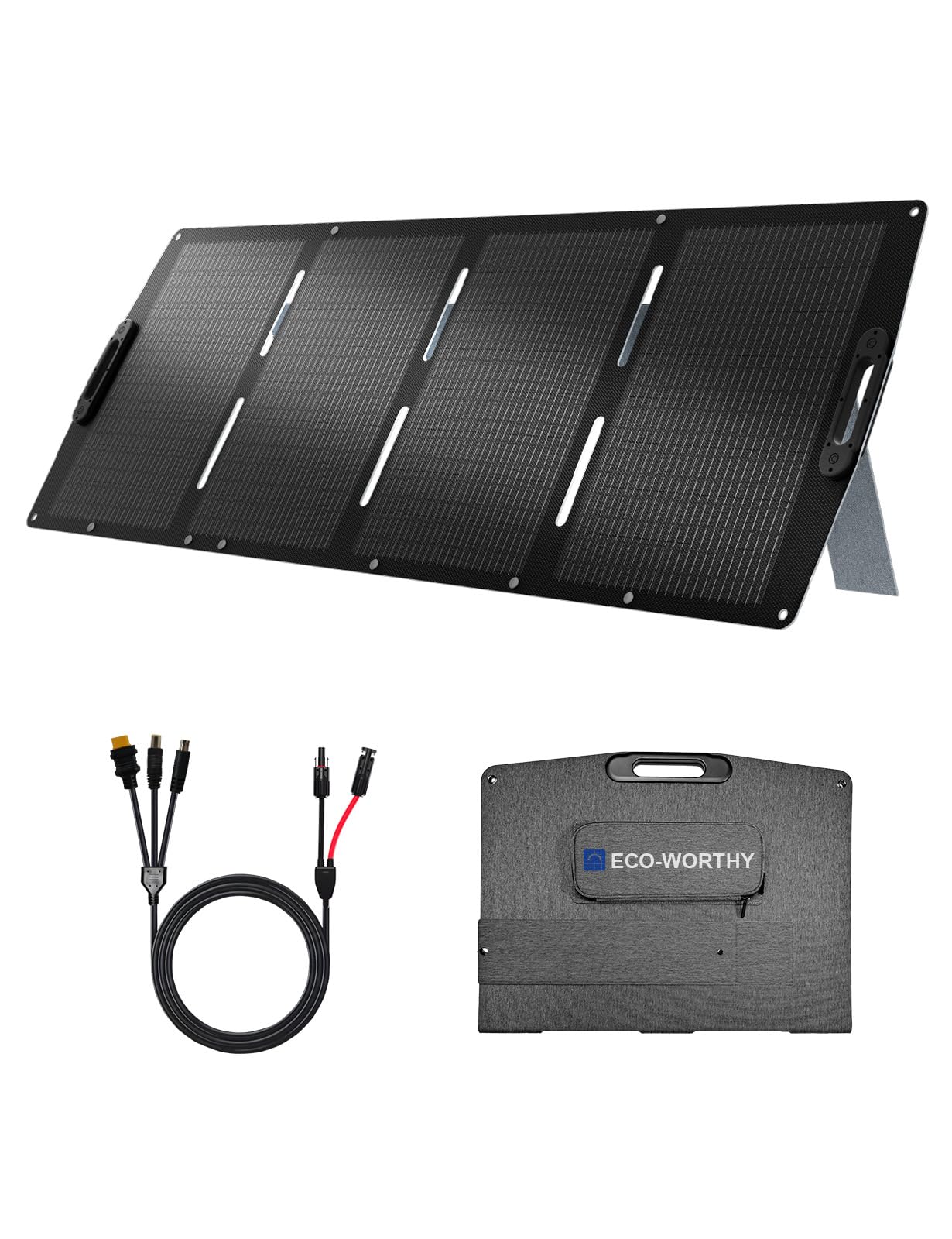
The Eco-Worthy 200W panel is a practical choice for RV owners and road-trip users who want a foldable panel with a quick-position kickstand. It is built around the same general 200W sweet spot as the Renogy and Twelseavan options, but the adjustable stand and wide power-station cable support make it especially useful for camp and RV setups.
You can use it to top up a compatible power station, run small campsite electronics, support emergency backup loads, or keep 12V accessory gear powered while parked. As always, check your power station’s input limit before connecting it.
Why You’ll Like It
The kickstand makes this panel easier to angle toward the sun without improvising a support. That can improve everyday usability, especially when you reposition the panel throughout the day.
Who Should Buy This
- RV and van users who want a portable panel with a stand
- Buyers who want 200W class output without a large 400W blanket
- Power-station owners who need MC4 and common adapter support
Who Should Avoid This
- Users who need the most compact panel possible
- Buyers whose power station cannot accept its voltage or connector setup
- Anyone who wants a permanent rooftop RV solar installation instead of a portable panel
What People Say
Buyer feedback often highlights the easy setup, the useful kickstand, and the convenience of pairing the panel with common power stations. Some users may want longer cables or a different adapter, so it is smart to verify your exact power-station connector before buying.
Overall, it is a practical pick for everyday outdoor charging needs.
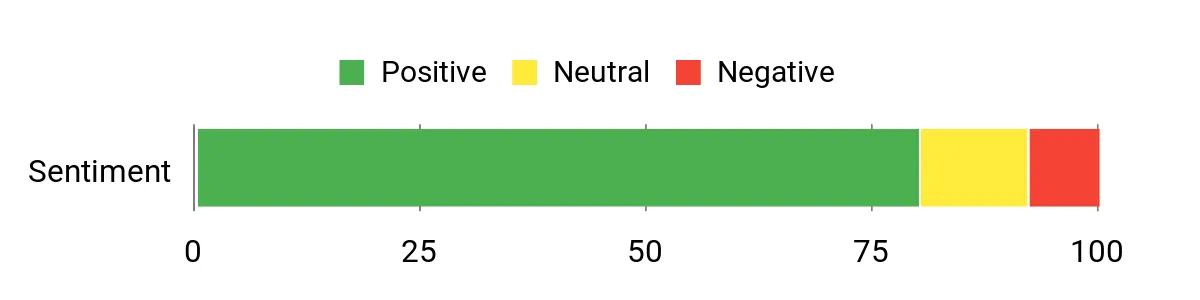
Overall Sentiment: Positive
Environmental Benefits
|
Impact |
Benefit |
|---|---|
|
Reduced Grid Use |
You can top up a compatible power station from sunlight and reduce small grid charging sessions. |
|
Less Generator Run Time |
Using solar at camp can reduce the need to run noisy generators for small loads. |
|
Fewer Replacements |
A durable panel that lasts through multiple seasons can mean less electronic waste over time. |
Indoor/Outdoor Use
This panel is built for outdoor deployment. Prop it with the kickstand, set it near your RV, or position it safely beside a campsite. You can fold and store it indoors between trips, but it will perform best in direct outdoor sunlight.
Key Benefits
- 200W class output for RV, camping, and backup power-station use
- ETFE-coated monocrystalline cells with published 23% efficiency
- Adjustable kickstand for faster setup and better sun angle control
- IP65 protection and common adapter support for outdoor charging setups
Check Product Details on Amazon
FAQ
Can These Panels Charge My EV?
In most cases, no portable panel here should be connected directly to an EV traction battery. These panels are better understood as solar inputs for compatible power stations, solar generators, 12V accessory batteries, and campsite loads.
Some advanced setups may use a solar-charged power station or battery system with an approved inverter and EVSE, but that must match the vehicle and equipment manufacturer’s requirements. Even then, charging will usually be slow because 100W to 400W of solar is small compared with an EV battery pack.
What Power Can You Expect?
Rated wattage is measured under ideal lab-style sun conditions. Real output can be lower because of cloud cover, heat, panel angle, dirt, cable loss, and even partial shade on one section of the panel.
As a rough planning idea, a 100W panel may recover a few hundred watt hours during a good sunny day, while a 200W or 400W panel can recover more if your power station accepts the input and the panel is aimed well. Always size your panel around your actual daily watt-hour needs.
How Do You Choose The Right Panel?
Choose the panel based on your load, storage battery, and setup style. Pick a 100W panel if portability and budget matter most. Choose a 200W panel for a stronger balance of output and manageability. Move to a 400W blanket only if your power station can accept higher solar input and you have enough space to deploy it.
Before buying, check connector types such as MC4, XT60, DC7909, DC8020, USB, and Type-C. Also confirm the power station’s maximum solar input wattage, voltage range, and current limit.
Do You Need An MPPT Controller?
If your power station has a built-in MPPT solar input, you usually connect the panel through the correct cable and stay within the station’s voltage and wattage limits. If you are charging a separate 12V battery, you typically need a proper solar charge controller. Do not connect a solar panel directly to a battery unless the battery and controller setup is designed for it.
Are IP65 Panels Waterproof?
IP65 generally means protection against dust and water jets or splashes, not unlimited submersion or storm exposure. Treat portable panels as outdoor gear, but store them safely during severe weather and keep connectors dry whenever possible.
Is A 400W Panel Always Better?
Not always. A 400W panel can recover more energy, but it is larger and needs a compatible high-input power station. If your station can only accept limited solar input, a large panel may not give you the full benefit. For many casual users, a 200W panel is the easier balance.
Wrapping Up
If you want a dependable all-rounder that works for many power-station, camping, and EV accessory-support setups, the Renogy 200W is the safest overall pick. It gives you a practical balance of output, portability, and connector support.
Choose the Renogy 400W when you need the most portable generation and have a large power station that can accept higher solar input. Choose the Grecell 100W if you want a lighter, more affordable panel for small loads and simple backup charging.
The Twelseavan 200W is a strong fit if device-friendly outputs like USB-C matter to you, while the Eco-Worthy 200W is a good RV-friendly option thanks to its kickstand and practical cable support. Match the panel capacity, connector type, and voltage range to your power station before buying, and you will get a safer and more reliable portable solar setup.
| Product Name | Image | Max Power Output | Efficiency | Best For | Check Price |
|---|---|---|---|---|---|
| Renogy 200W Portable Solar Panel |
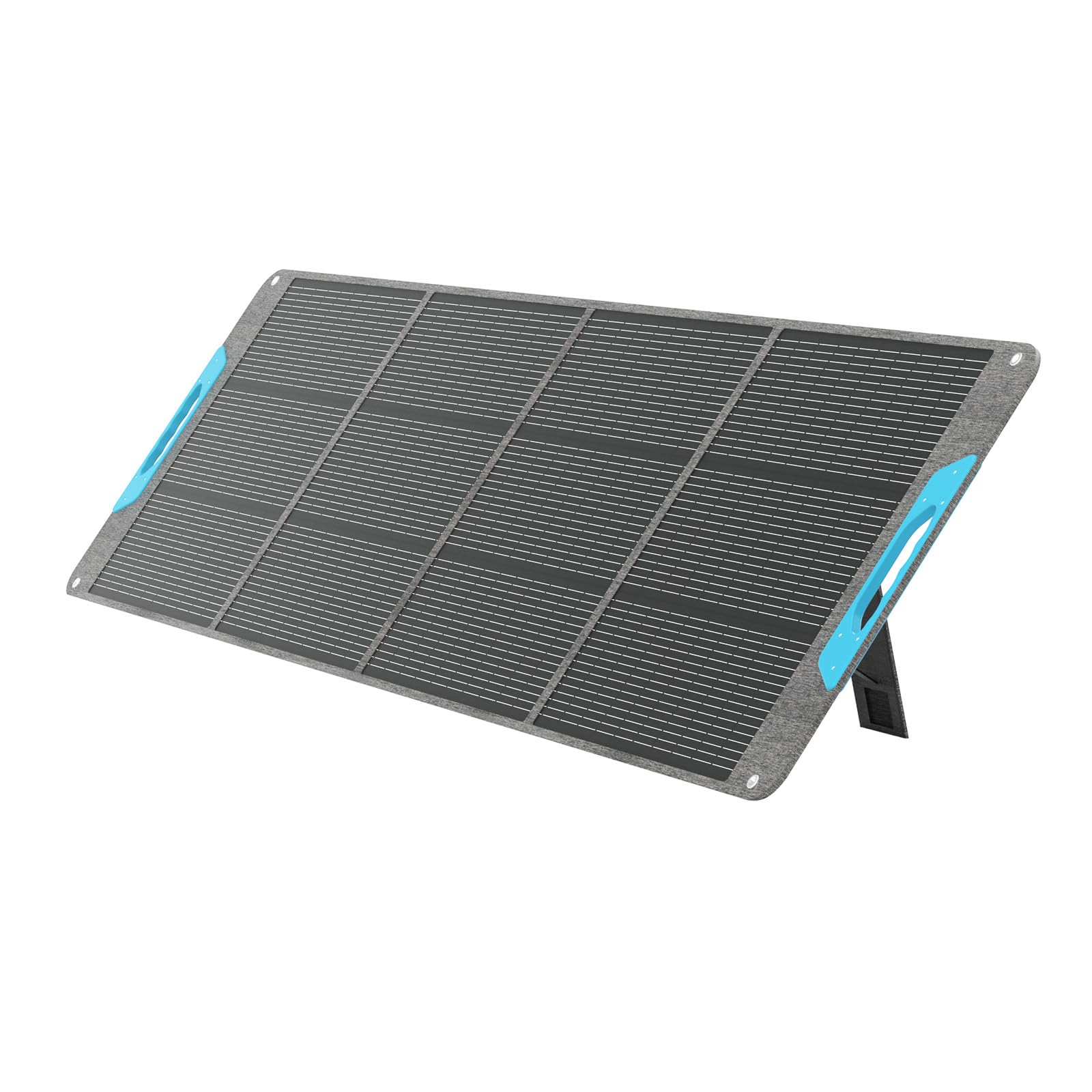 |
200 Watts | 25% | Best all-around portable solar setup | Check Price |
| GRECELL 100W Portable Solar Panel |
 |
100 Watts | High Efficiency | Budget and light-duty charging | Check Price |
| Renogy 400W Portable Solar Panel Blanket |
 |
400 Watts | 25% | Large power stations and longer trips | Check Price |
| TWELSEAVAN 200W Portable Solar Panel |
 |
200 Watts | 24% | USB-C and device-friendly charging | Check Price |
| ECO-WORTHY 200W Portable Solar Panel |
 |
200 Watts | 23% | RV users and kickstand setup | Check Price |
This Roundup is reader-supported. When you click through links we may earn a referral commission on qualifying purchases.