
You rely on a portable Type 1 EV charger, also called a J1772 EVSE, to keep your electric vehicle or plug-in hybrid ready at home or while traveling. The vehicle connector is only one part of compatibility. You also need to match the wall plug, input voltage, current setting, circuit capacity, cable length, and safety certification to your charging location.
Affiliate disclosure: This article contains Amazon affiliate links. We may earn a commission from qualifying purchases at no extra cost to you.
Quick Verdict
Choose by outlet and voltage, not by the Type 1 connector alone. The JecoEV is the clearest fit for 230V Schuko locations, the Ssellbm has the highest listed output if its exact 240V plug matches your outlet, and the TYPE S is the easiest option to compare for long-cable 120V Level 1 charging. Confirm the current Amazon listing, product label, manual, and independent safety certification before buying.
Top Picks
|
Best For |
Product |
Main Reason |
|---|---|---|
|
230V Schuko Locations |
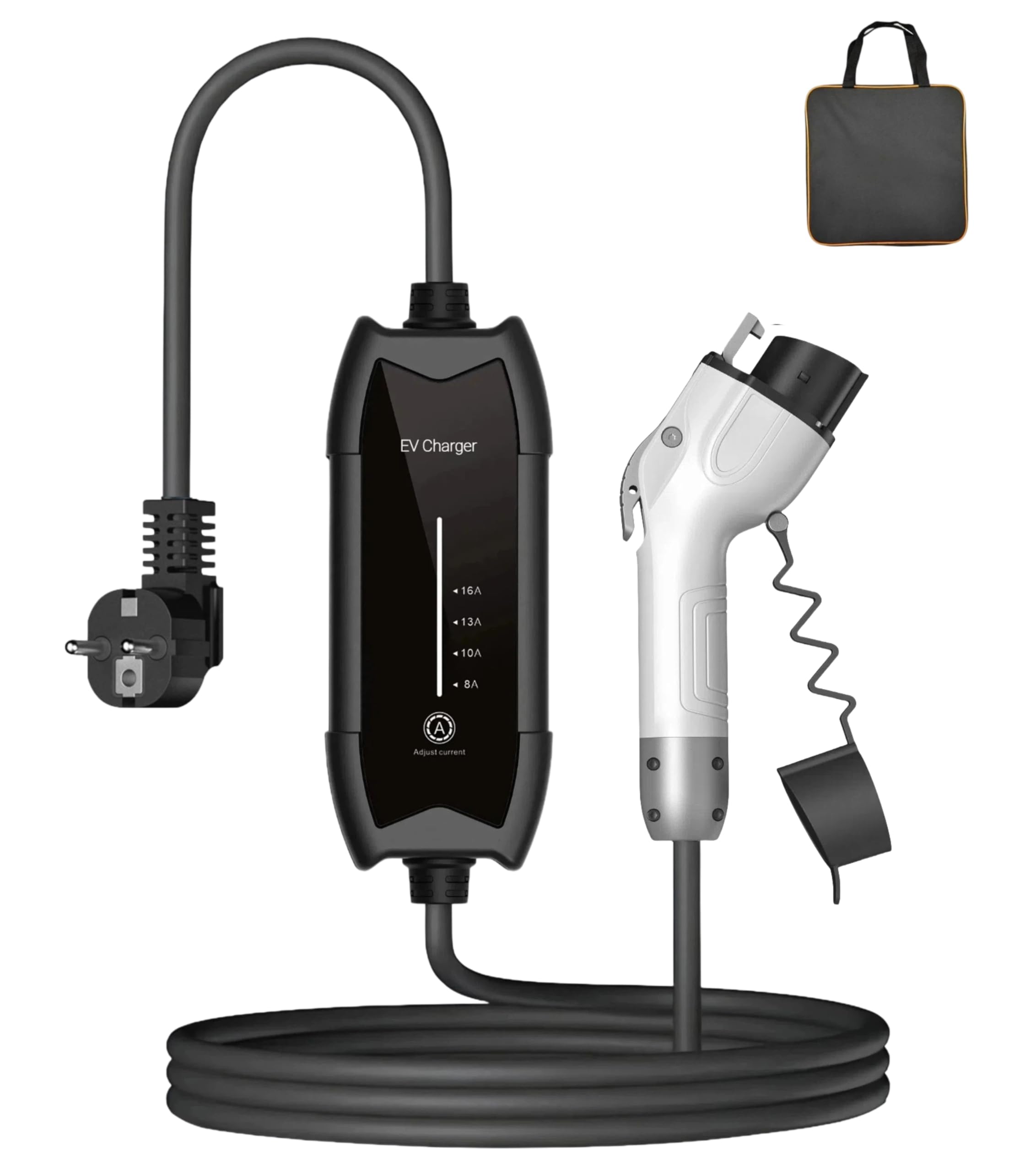
Adjustable 8–16A output, LCD, and 5 m cable |
|
|
Highest Listed Output |
Seller-listed 16A and 3.84 kW, subject to plug and voltage verification |
|
|
Long-Cable 120V Charging |
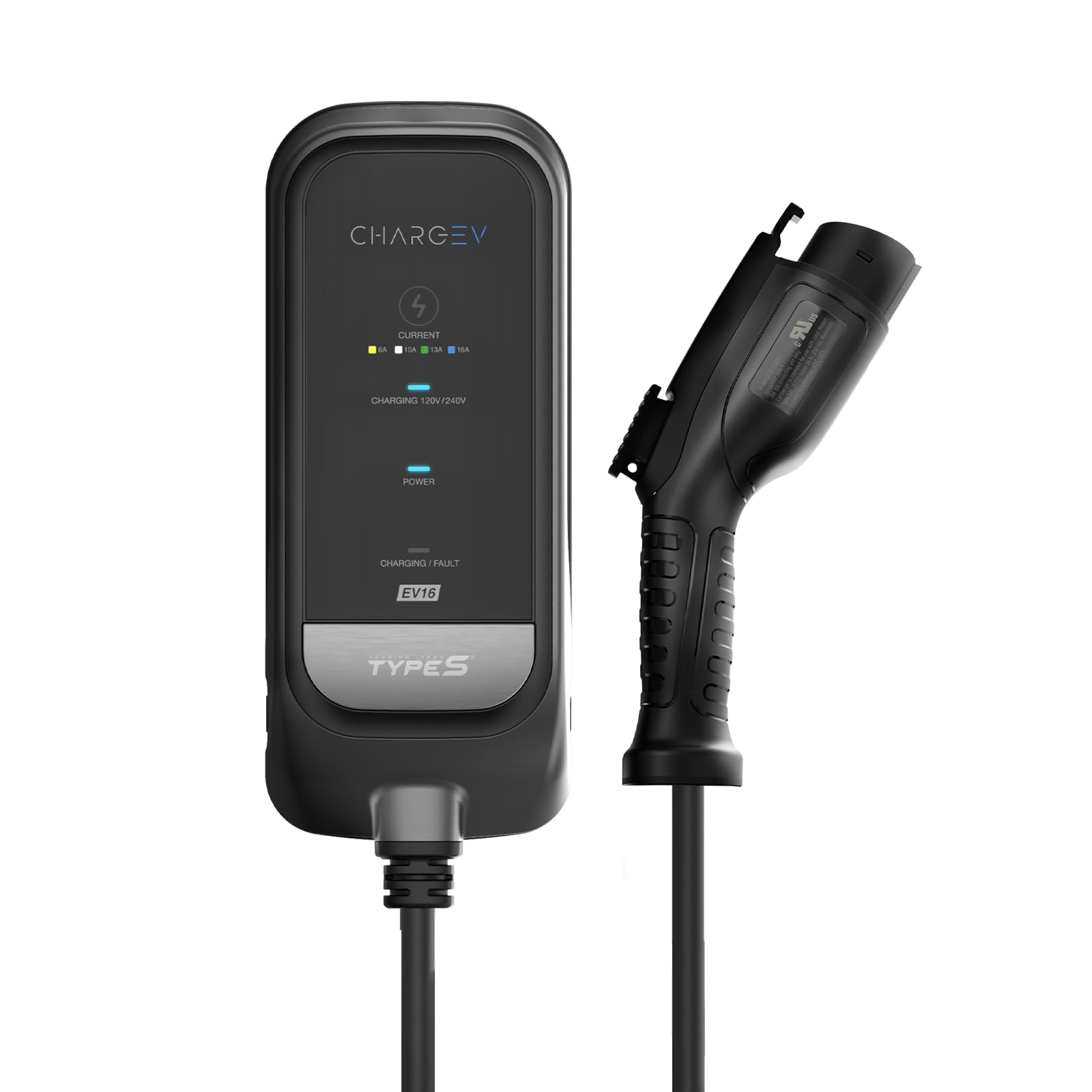
Adjustable 6–16A setting and 24.6 ft cable |
Before You Buy
- Check the vehicle inlet: Confirm your EV accepts SAE J1772 or has a manufacturer-approved adapter.
- Check the wall plug: Schuko, NEMA 5-15, NEMA 5-20, and 240V plugs are not interchangeable.
- Match the circuit: EV charging is a long-duration electrical load. The selected current must fit the outlet, wiring, breaker, and local code.
- Verify certification: Look for a current safety listing from a recognized testing laboratory on the product label and listing.
- Avoid improvised connections: Do not rely on generic plug adapters or extension cords unless the charger manufacturer explicitly permits a specific accessory.
Safety Note
A weather rating on the control box does not make every outlet, plug connection, or adapter weatherproof. Use the charger only as directed by its manual, keep the wall connection protected, and ask a qualified electrician to inspect an uncertain outlet or circuit.
Selection Criteria
You want a charger that fits your vehicle, outlet, daily mileage, and parking layout. SAE J1772 compatibility is the starting point, but it does not confirm wall-side compatibility. Input voltage and current determine the possible charging power, while the vehicle’s onboard charger can set a lower limit.
Cable length affects reach, adjustable amperage can help match approved circuits, and a clear display makes status checks easier. Weather protection, strain relief, overcurrent and leakage protection, warranty support, and an independently verified safety listing matter more than a high marketing number. Current price, availability, included accessories, certification, and warranty should be confirmed on the live listing before purchase.
Why You’ll Like It
The adjustable current gives you more control than a fixed-output cordset, and the 5 m cable can reach a charge port without forcing you to park in one exact position. The LCD also makes it easier to check the selected current and charging status.
The main limitation is regional compatibility. A Schuko wall plug is intended for compatible 230V outlets and should not be treated as a universal travel plug. This model is a poor fit for a North American household outlet unless the manufacturer provides a specifically approved configuration for that market.
Listing and Feedback Note
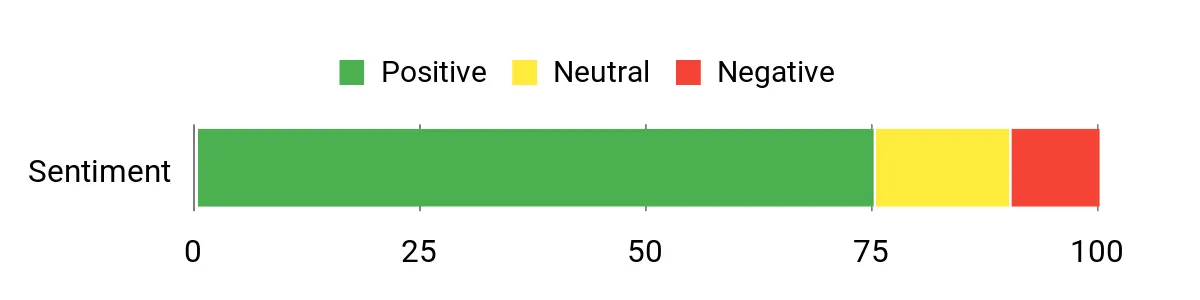
The source article described positive buyer feedback, but current review counts, verified-purchase status, and the chart methodology could not be independently confirmed. Read recent reviews on the live listing and give more weight to reports about plug heat, error codes, cable durability, warranty service, and long charging sessions.
Overall Sentiment: Not independently verified
|
Pros |
Cons |
|---|---|
|
✅ Adjustable 8–16A setting |
❌ Schuko input limits regional compatibility |
|
✅ 5 m cable for flexible parking |
❌ Safety certification was not independently verified |
|
✅ LCD provides visible status information |
❌ Listed 3.5 kW output depends on the correct 230V supply and vehicle limit |
|
✅ Seller claims an IP66 enclosure rating |
Outlet and Circuit Fit
At 230V and 16A, the theoretical input is about 3.68 kW, so a seller claim near 3.5 kW is electrically plausible. Actual charging may be lower because of the selected current, voltage variation, vehicle limits, temperature, or protective controls. Use a direct, properly grounded Schuko outlet on a suitable circuit. Do not solve a plug mismatch with an unapproved travel adapter.
Key Benefits
- Adjustable current for compatible 230V circuits
- Long 5 m cable for awkward parking layouts
- LCD for current and charging-status checks
- Claimed weather-resistant enclosure for suitable outdoor setups
Check Current Amazon Availability
Why You’ll Like It
This option may provide the quickest AC charging of the three when it is connected to the correct 240V supply and the vehicle can accept the full input. The 5 m cable and claimed weather-resistant enclosure also suit driveways or parking spaces where the outlet is not close to the charge port.
The exact wall plug is the deciding detail. The source article called it a “US plug” while also listing 3.84 kW at 16A. That power is consistent with 240V, not an ordinary 120V household outlet. Do not buy it until the live listing clearly shows a plug that matches your receptacle.
Listing and Feedback Note
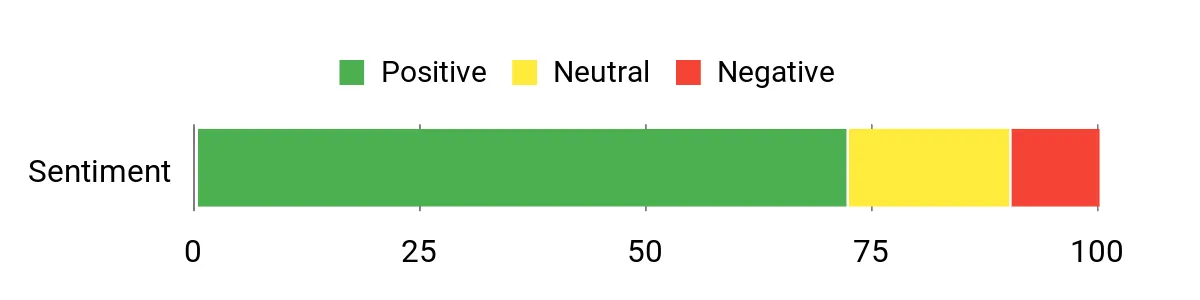
The source article described generally positive feedback, but current review data and the chart methodology could not be independently confirmed. Check recent reviews for accurate plug photos, measured charging power, heat at the receptacle, weather performance, and seller support.
Overall Sentiment: Not independently verified
|
Pros |
Cons |
|---|---|
|
✅ Seller-listed 16A output |
❌ Exact wall plug and input voltage need verification |
|
✅ 5 m cable improves reach |
❌ Fixed 16A may be less flexible on lower-capacity circuits |
|
✅ Claimed 3.84 kW is the highest listed output here |
❌ Safety certification was not independently verified |
|
✅ Seller claims an IP65 enclosure rating |
Outlet and Circuit Fit
At 240V and 16A, the theoretical input is 3.84 kW. At 120V and 16A, it is only 1.92 kW. That is why the listing must identify the exact input voltage and plug. Use it only on a correctly wired receptacle and branch circuit that supports the charger’s continuous current.
Key Benefits
- Highest seller-listed power in this comparison
- 5 m cable for flexible parking
- Simple portable design for a confirmed compatible outlet
- Claimed IP65 enclosure protection
Check Current Amazon Availability
Why You’ll Like It
The 24.6 ft cable is the standout feature when your outlet and charge port are far apart. Adjustable current can also help you select a lower setting that matches an approved circuit, while the wall mount and carry pouch support both home storage and travel.
This is still Level 1 charging, so it is best for overnight top-ups, plug-in hybrids, short commutes, or backup use. A 16A setting on 120V needs a suitable 20A circuit and compatible receptacle. Do not select 16A on a typical 15A household circuit.
Listing and Feedback Note
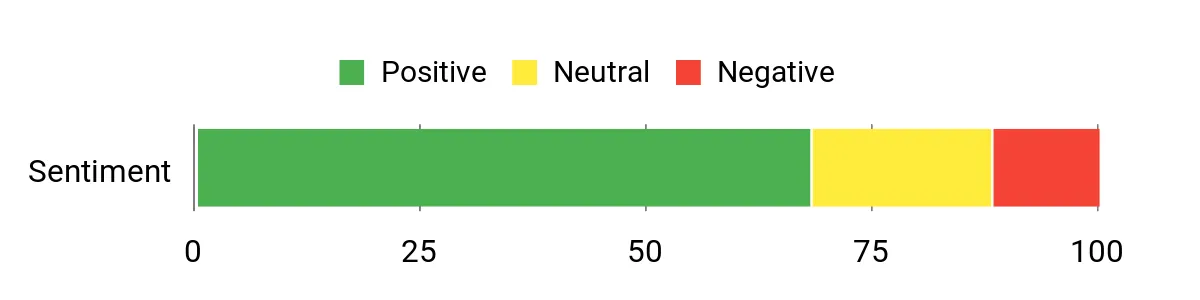
The source article described positive feedback about cable length and accessories, but current review data and the chart methodology could not be independently confirmed. Review the live listing for recent comments about plug fit, adapter instructions, heat, display accuracy, and warranty service.
Overall Sentiment: Not independently verified
|
Pros |
Cons |
|---|---|
|
✅ Adjustable 6–16A setting |
❌ Level 1 charging is slow for large batteries |
|
✅ Long 24.6 ft cable |
❌ The 16A setting requires a suitable 20A circuit |
|
✅ Seller-listed wall mount and carry pouch |
❌ Exact adapter set and approved uses need verification |
|
✅ Useful as a home or backup cordset |
❌ Safety certification was not independently verified |
Outlet and Circuit Fit
At 120V, a 12A setting provides about 1.44 kW and a 16A setting provides up to 1.92 kW before charging losses and vehicle limits. Use the setting permitted by the product manual and supported by the branch circuit. Use only manufacturer-supplied accessories in the exact configurations approved by the manual.
Key Benefits
- Adjustable current for compatible 120V circuits
- Extra-long cable for difficult parking layouts
- Accessories for storage and wall organization
- Practical backup charging for EVs and PHEVs
Check Current Amazon Availability
Quick Comparison
| Portable Type 1 EV Charger – JecoEV | Portable Type 1 EV Charger – Ssellbm | Level 1 EV Charger – TYPE S | |
|---|---|---|---|
 |
 |
 |
|
| Best For | Compatible 230V Schuko locations | Confirmed matching 240V outlet and plug | Long-cable 120V Level 1 charging |
| Vehicle Connector | Type 1 / SAE J1772 | Type 1 / SAE J1772 | Type 1 / SAE J1772 |
| Wall-Side Input | Seller-listed Schuko, 230V | Exact plug must be verified; 3.84 kW implies about 240V | Seller-listed 120V setup; verify included plug and accessories |
| Listed Current | Adjustable 8–16A | 16A | Adjustable 6–16A |
| Approximate Maximum Input | About 3.5 kW listed | 3.84 kW listed, subject to 240V verification | Up to 1.92 kW at 120V and 16A |
| Cable Length | 5 meters (16.4 ft) | 5 meters | 24.6 ft |
| Weather Claim | IP66 claimed | IP65 claimed | Weatherproof claim; exact rating not verified |
| Safety Certification | Confirm on current listing and product label | Confirm on current listing and product label | Confirm on current listing and product label |
| Main Caution | Do not use an unapproved adapter to convert Schuko to another outlet | Do not assume “US plug” means a standard 120V household plug | Do not use 16A on a 15A household circuit |
| Check Amazon Details | Check Amazon Details | Check Amazon Details |
FAQ
Will a Type 1 Charger Work With My Car?
It will work only if your vehicle has an SAE J1772/Type 1 AC inlet or supports one through a manufacturer-approved adapter. Do not assume compatibility from the vehicle brand alone because connector standards vary by country, model, and model year. A Type 1 vehicle connector also does not tell you whether the wall plug will fit your outlet.
How Fast Will It Charge?
Approximate input power equals voltage multiplied by current. At 120V, 12A is about 1.44 kW and 16A is about 1.92 kW. At 230V and 16A, the theoretical input is about 3.68 kW. At 240V and 16A, it is 3.84 kW. The vehicle’s onboard charger, battery temperature, state of charge, voltage drop, and the EVSE controls can reduce the actual rate.
Can I Use an Extension Cord or Generic Plug Adapter?
Do not use one unless the charger manufacturer explicitly approves a specific accessory and configuration. EV charging runs for long periods, so a loose, undersized, damaged, or poorly matched connection can overheat. A qualified electrician can install the correct receptacle closer to the parking space when needed.
Is It Safe to Use Outdoors?
Outdoor use depends on the complete setup, not only the control box rating. Confirm the manual allows outdoor use, protect the wall receptacle and plug connection, keep connectors out of standing water, and inspect the cable and pins before each session. Stop charging if you notice unusual heat, discoloration, a burning smell, repeated fault codes, or a loose outlet.
What Safety Certification Should I Look For?
Look for a current mark from a recognized independent testing laboratory that applies to the complete EVSE, not only one internal component. Confirm the mark on the product label and, when possible, in the testing organization’s certification database. A marketplace statement alone is not enough.
Do Adjustable Amps Make a Charger Safe on Any Outlet?
No. Adjustable current is useful only when the chosen setting is allowed by the charger manual and supported by the outlet, branch circuit, wiring, breaker, and local electrical code. It cannot correct a worn receptacle, improper wiring, missing ground, or an unapproved plug conversion.
Wrapping Up
There is no universal winner because these products target different wall-side setups. Choose the JecoEV only for a confirmed compatible 230V Schuko outlet. Consider the Ssellbm only after confirming that its exact plug and input voltage support the listed 3.84 kW claim. Choose the TYPE S when you need a long cable and adjustable 120V Level 1 charging, while keeping the current within the circuit’s approved limit.
Before ordering, confirm the live product details, vehicle connector, wall plug, voltage, circuit requirement, independent safety certification, return policy, and warranty. The safest charger is the one that matches both your car and your electrical system without improvised adapters.
This roundup is reader-supported. When you click through affiliate links, we may earn a referral commission on qualifying purchases.