

Florida drivers in 2027 will face a familiar choice between all-season versatility and summer tire precision. Some options, like the Michelin CrossClimate2 and Continental ExtremeContact DWS06 Plus, promise stronger wet-weather confidence, while others favor sharper dry-road response. The best pick will depend on heat, rain, and daily use. A few names stand out immediately, but the real difference appears when the conditions turn less forgiving.
MICHELIN CROSSCLIMATE2 A/W 215/55R18 95H (Set of 1 Tire Only)
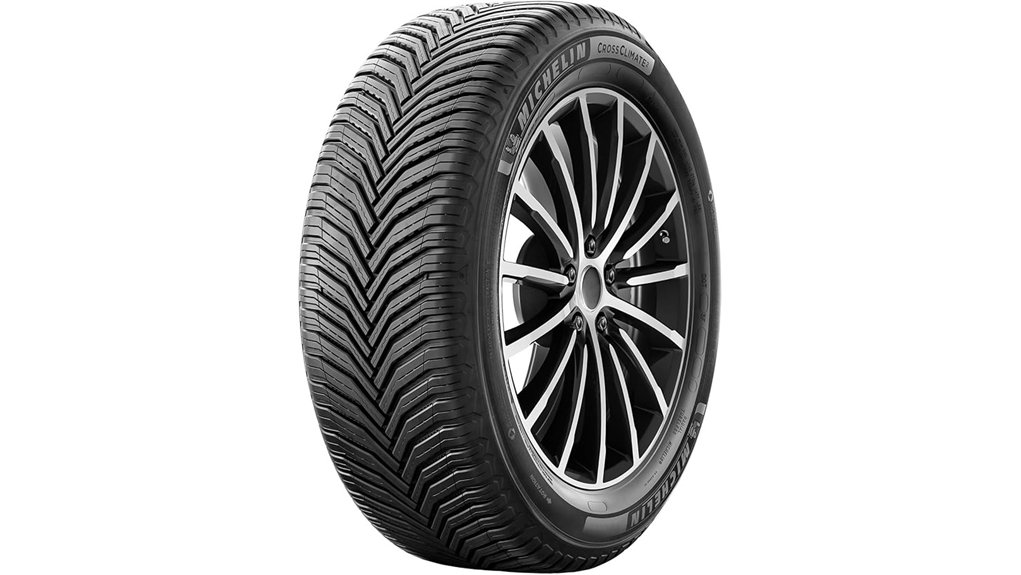
The MICHELIN CROSSCLIMATE2 A/W 215/55R18 95H is a strong fit for Florida drivers who want one tire that can handle year-round use without sacrificing wet-road confidence. As an all-season directional radial, it is built for cars, SUVs, CUVs, and vans, with a 215/55R18 fitment, 95 load index, and H speed rating. Michelin says it brakes shorter than four leading competitors in dry and wet conditions and can last up to 15,000 miles longer. It carries a 60,000-mile treadwear warranty and a 6-year limited warranty.
Best For: Drivers who want a durable all-season tire for cars, SUVs, CUVs, or vans with strong wet-road performance, dependable braking, and long tread life.
Pros:
- Excellent year-round versatility for wet and dry conditions
- Strong braking performance and longer tread life than leading competitors
- Backed by a 60,000-mile treadwear warranty and 6-year limited warranty
Cons:
- Sold as a single tire only, so multiple units are needed for a full set
- Directional tread limits rotation flexibility
- May be more tire than needed for drivers in mild climates with minimal weather variation
Pirelli Scorpion All Season Plus 3 Tire
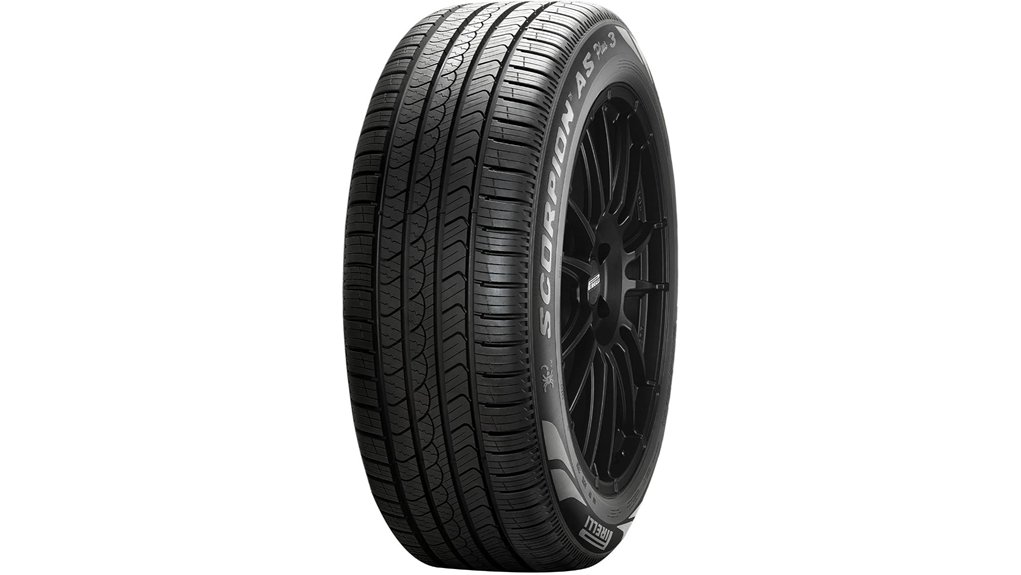
Built for SUVs, crossovers, and light trucks, the Pirelli Scorpion All Season Plus 3 suits drivers wanting year-round versatility. In 225/55R19 sizing with a 99V load index, it fits many CUVs and larger vehicles, including the Acura MDX, Honda CR-V, Toyota RAV4, and Ram 1500. Its all-season tread compound is designed for durability and balanced performance, while full-depth sipes support traction, braking, and handling as the tire wears. 3D sipe technology further sharpens dry and wet road feel, making it a practical choice for Florida drivers seeking steady all-weather confidence.
Best For: Drivers of SUVs, crossovers, and light trucks who want a durable all-season tire with dependable year-round traction, handling, and braking.
Pros:
- All-season tread compound supports balanced performance and durability.
- Full-depth sipes help maintain traction, braking, and handling as the tire wears.
- 3D sipe technology improves dry and wet road feel for more confident driving.
Cons:
- Not intended for drivers seeking dedicated winter tire performance.
- Best suited to specific vehicle fitments, so size compatibility must be checked carefully.
- Optimized for comfort and versatility rather than maximum sporty handling.
MICHELIN CROSSCLIMATE2 A/W 235/55R17 99H (Set of 1 Tire Only)
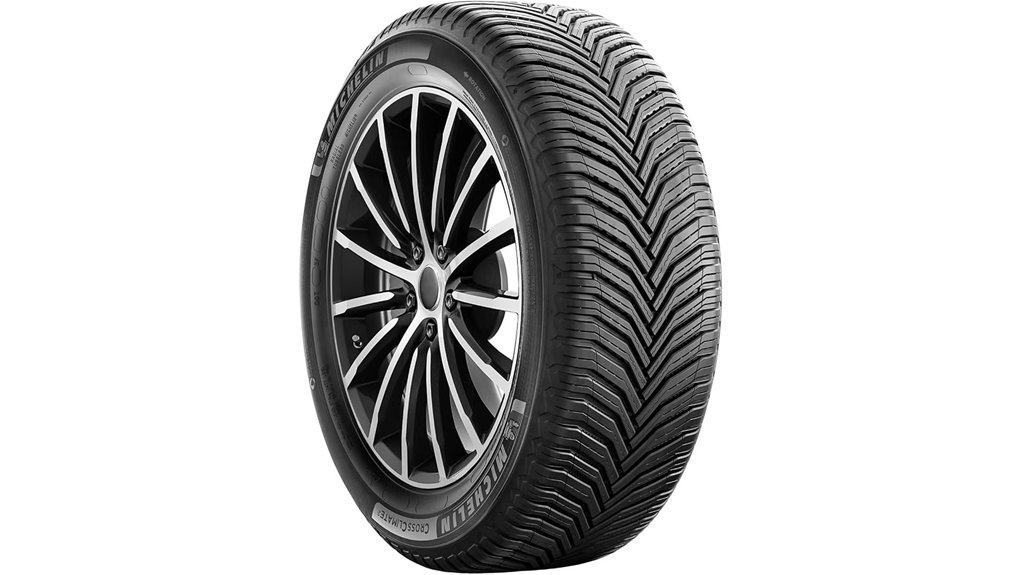
MICHELIN CrossClimate2 A/W 235/55R17 99H suits drivers who want year-round traction in Florida. This all-season tire serves cars, SUVs, CUVs, and vans, balancing rain and sunshine performance. Its wet and dry braking is particularly strong, and it stops shorter than four leading competitors in both conditions. The tread is engineered for durability, offering up to one additional year of life and as much as 15,000 more miles than comparable tires. For Florida drivers seeking dependable versatility, it presents a practical alternative to summer-only options.
Best For: Drivers in Florida who want a durable all-season tire with dependable year-round traction, strong wet and dry braking, and long tread life for cars, SUVs, CUVs, and vans.
Pros:
- Excellent year-round performance in both rain and sunshine
- Strong wet and dry braking, with shorter stopping distances than four leading competitors
- Long-lasting tread, with up to one additional year of life and as much as 15,000 more miles
Cons:
- Only a single tire is included, not a full set
- May be more than some drivers need if they only want a summer-specific tire
- Performance is optimized for all-season use, not specialized high-performance driving
Continental ExtremeContact DWS06 PLUS All-Season Tire 235/55ZR17
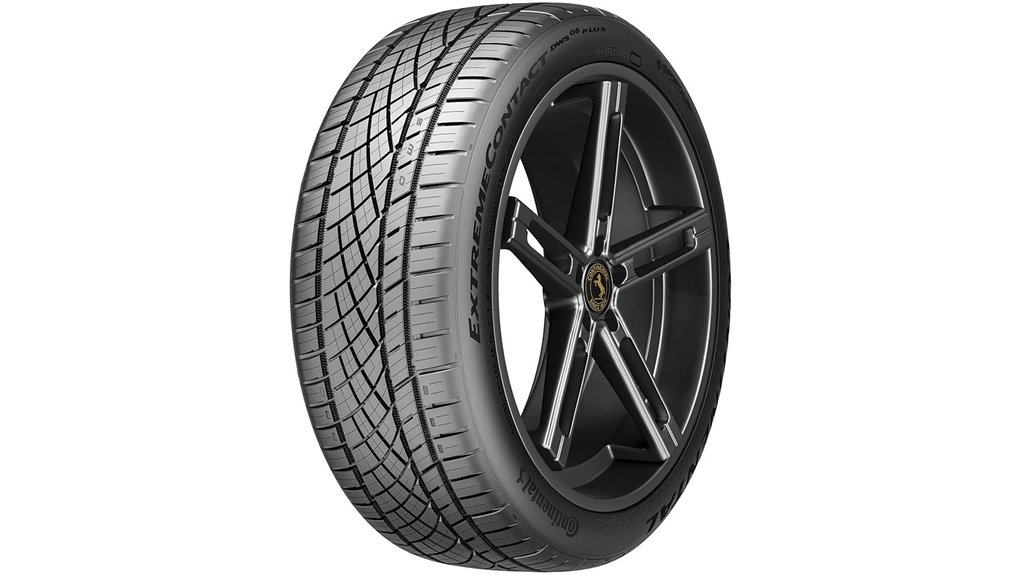
With strong wet, dry, and snow traction, the Continental ExtremeContact DWS06 PLUS suits Florida drivers wanting year-round flexibility. This 235/55ZR17 passenger tire uses SportPlus Technology to sharpen handling and improve wet-road performance. Its asymmetrical tread and tuned D, W, and S indicators help communicate dry, wet, and snow capability. Continental rates tread life at up to 50,000 miles under limited coverage. The W speed rating and 99 load index support confident highway use. It also delivers short braking distances in wet and dry conditions, along with a manufacturer warranty and 30-day Amazon return guarantee.
Best For: Drivers who want a sporty, all-season 235/55ZR17 tire with strong wet, dry, and snow traction, responsive handling, and dependable highway performance.
Pros:
- Excellent year-round traction, including strong snow and ice performance
- SportPlus Technology improves handling and wet-road performance
- Short braking distances in both wet and dry conditions
Cons:
- Tread life is limited to up to 50,000 miles, which may be modest for some drivers
- Performance-focused design may come with a firmer ride than touring tires
- Only available in a specific size and may not fit all vehicles
Starfire Solarus AS All-Season 225/50R17 94V Tire
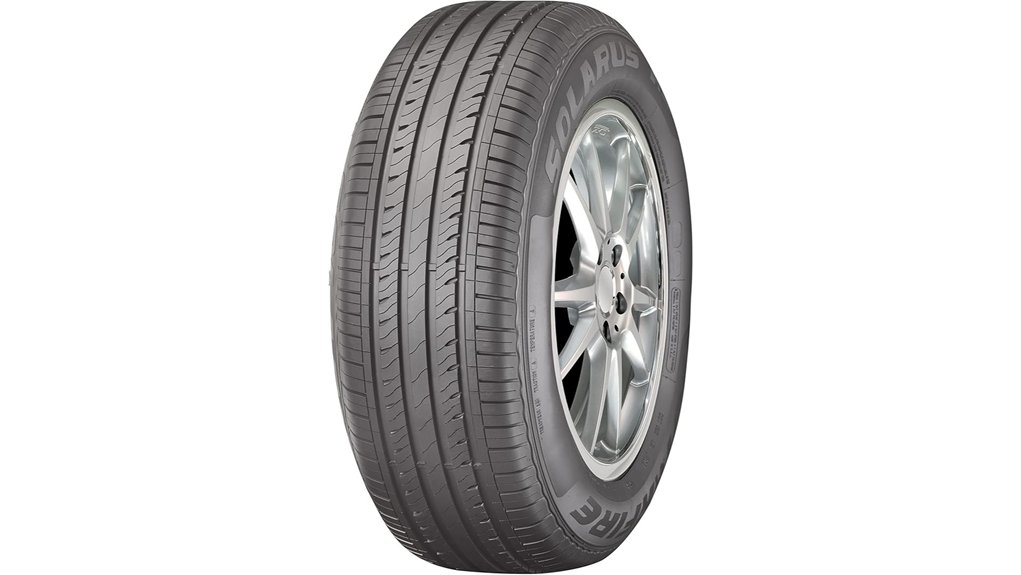
The Starfire Solarus AS suits Florida drivers who want dependable year-round traction. This all-season touring tire, made by Cooper Tire & Rubber Company, uses an advanced tread for wet, dry, and light winter conditions. Its M+S rating and deep shoulder slots support confident grip, while the computer-designed tread helps reduce road noise. A spiral nylon overwrap improves contact with the pavement. Sized 225/50R17 with a V speed rating and 94 load index, it fits 17-inch rims and carries a 50,000-mile treadwear warranty, making it a practical, quiet choice.
Best For: Drivers who want a quiet, dependable all-season touring tire for 17-inch rims with solid wet, dry, and light winter traction.
Pros:
- 50,000-mile treadwear warranty offers strong long-term value.
- M+S-rated all-season tread provides confident year-round performance.
- Noise-reducing design and spiral nylon overwrap help deliver a quieter, smoother ride.
Cons:
- Not ideal for severe winter conditions despite its light winter capability.
- Single tire only means you must buy multiple units separately for a full set.
- Best suited to specific vehicle fitment and 17-inch rims, so it won’t fit every vehicle.
Lexani LXUHP-207 225/50ZR17 98W XL All Season Performance Tire
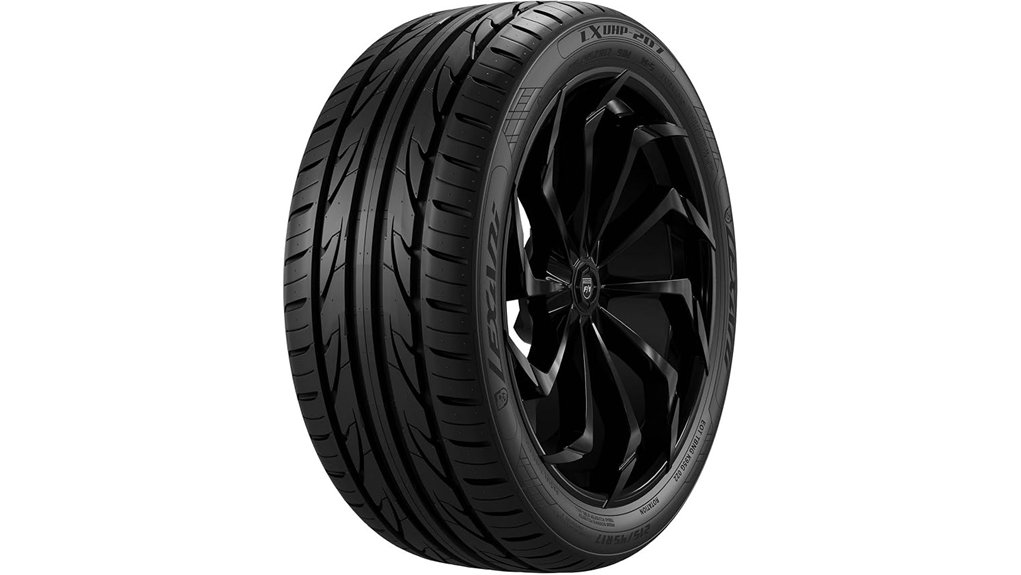
Lexani’s LXUHP-207 suits drivers wanting all-season grip with summer-like responsiveness. This 225/50ZR17 ultra-high-performance tire uses an asymmetrical, V-shaped tread and a solid center rib to support braking, cornering, and steady wet or dry handling. Four longitudinal grooves help move water away, improving hydroplaning resistance in Florida rain. Its computer-optimized construction reduces road noise and vibration, while the W speed rating and 98 load index suit performance-oriented passenger vehicles. Backed by a 50,000-mile warranty, it aims to balance durability, traction, and everyday comfort.
Best For: Drivers of performance-oriented passenger vehicles who want an ultra-high-performance all-season tire with strong wet/dry handling, confident braking, and a comfortable everyday ride.
Pros:
- Asymmetrical, V-shaped tread and solid center rib support responsive handling and braking.
- Four longitudinal grooves help evacuate water for improved hydroplaning resistance.
- 50,000-mile limited tread life warranty adds value and peace of mind.
Cons:
- Ultra-high-performance focus may come with faster wear than standard touring tires.
- May be less ideal for drivers prioritizing a quiet, cushioned ride over sporty response.
- Best suited for passenger vehicles, so it may not fit all driving needs or vehicle types.
MICHELIN CROSSCLIMATE2 A/W 205/55R16 91H (Set of 1 Tire Only)
https://m.media-amazon.com/images/I/71A+kyM5f2L._AC_SX679_.jpg
Michelin’s CROSSCLIMATE2 A/W suits drivers who need dependable traction in changing Florida weather. This 205/55R16 91H all-season tire is built for cars, SUVs, CUVs, and vans, making it versatile for daily use. It delivers strong wet and dry braking, which supports confidence during sudden rain. Michelin also claims shorter stopping distances than four leading competitors in both conditions. Durability is another advantage, with up to one extra year of tread life and as much as 15,000 more miles than comparable tires, appealing to drivers who value long-term reliability.
Best For: Drivers who want a versatile all-season tire with dependable wet and dry braking, long tread life, and reliable performance in changing weather.
Pros:
- Strong wet and dry braking for added confidence in rain and everyday driving
- Long-lasting tread life, with up to one extra year and 15,000 more miles than some competitors
- Suitable for cars, SUVs, CUVs, and vans, making it a flexible daily-use option
Cons:
- Sold as a single tire only, so multiple units must be purchased separately
- All-season design may not match the performance of dedicated winter or summer tires in extreme conditions
- Premium durability and performance may come at a higher price than basic alternatives
Sailun Atrezzo 4S All Weather 235/45R18 98W XL Passenger Tire
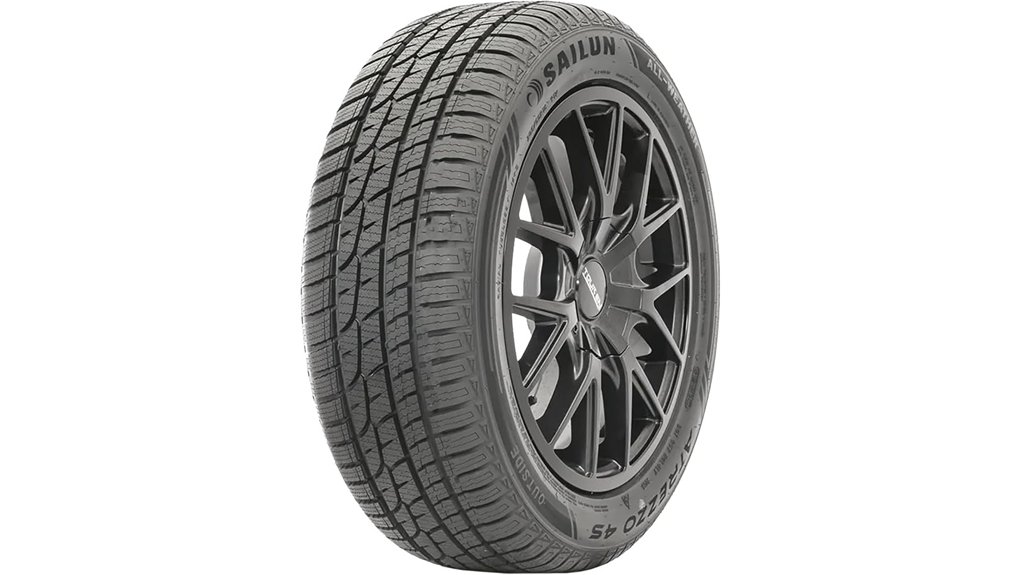
Sailun’s Atrezzo 4S suits Florida drivers wanting year-round grip without swapping tires. This 235/45R18 all-weather passenger tire uses an asymmetric tread to aid handling on wet and dry pavement, while four wide circumferential grooves and multi-siped blocks help clear water and slush. Its rubber compound stays pliable in cold weather, and the 3PMSF rating confirms severe snow traction. With a 98W XL load index, 1,653-pound capacity, 50 psi maximum pressure, and 60,000-mile limited warranty, it offers practical durability for mixed conditions.
Best For: Drivers who want a year-round all-weather tire with strong wet, dry, and light snow traction, especially in regions like Florida where seasonal tire changes are impractical.
Pros:
- Asymmetric tread design helps improve handling and stability on wet and dry roads.
- 3PMSF certification and multi-siped grooves support reliable traction in snow, slush, and cold conditions.
- 60,000-mile limited warranty adds long-term value and peace of mind.
Cons:
- May not match the performance of dedicated summer tires in hot, dry driving.
- All-weather tires can be noisier or less refined than premium touring options.
- 98W XL construction may be more tire than some everyday drivers need.
Barkley Everlast Plus All Season Tire 225/65R17
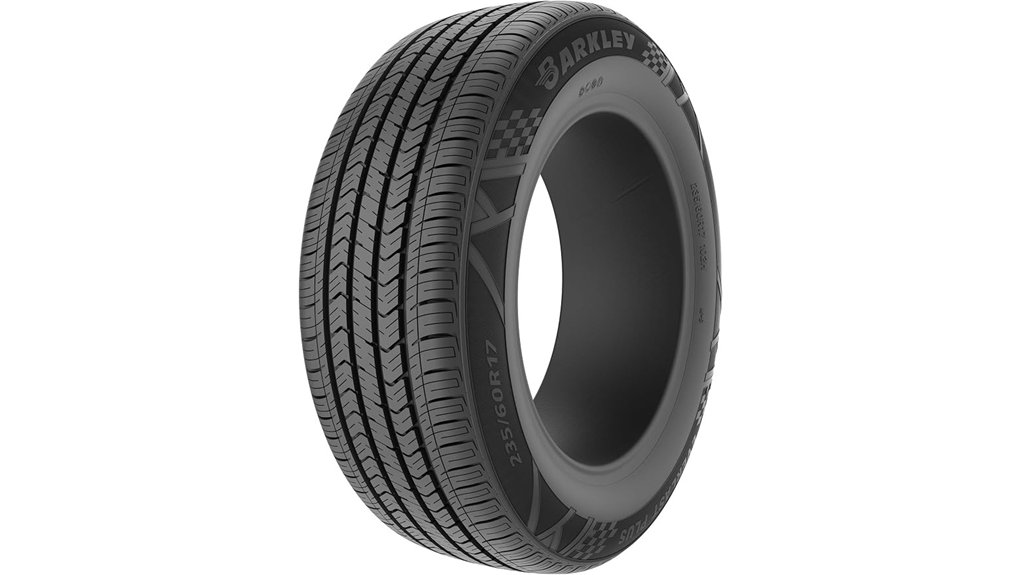
Barkley Everlast Plus suits drivers seeking year-round traction in Florida. This 225/65R17 all-season tire carries a 102H rating, UTQG 560AA, and a 50,000-mile limited tread-life warranty. Its symmetrical tread and deep circumferential grooves support dry, wet, and light winter performance while helping move water away for better wet braking and lower hydroplaning risk. A reinforced shoulder aids cornering stability, and the variable pitch tread helps reduce road noise. The upgraded compound and strengthened internal structure are designed for even wear, comfort, and dependable daily driving confidence.
Best For: Drivers in Florida or other mild-climate regions who want a quiet, comfortable all-season tire with dependable wet-road traction and long tread life for everyday driving.
Pros:
- All-season tread delivers solid dry, wet, and light winter performance.
- Variable pitch tread and balanced design help reduce road noise and improve ride comfort.
- 50,000-mile limited warranty plus reinforced construction supports long-lasting daily use.
Cons:
- Not ideal for severe snow or icy conditions.
- Performance may be more geared toward comfort and commuting than sporty handling.
- Maximum pressure and load ratings may limit use for heavier-duty applications.
Cooper Endeavor Plus All-Season 225/65R17 102H Tire
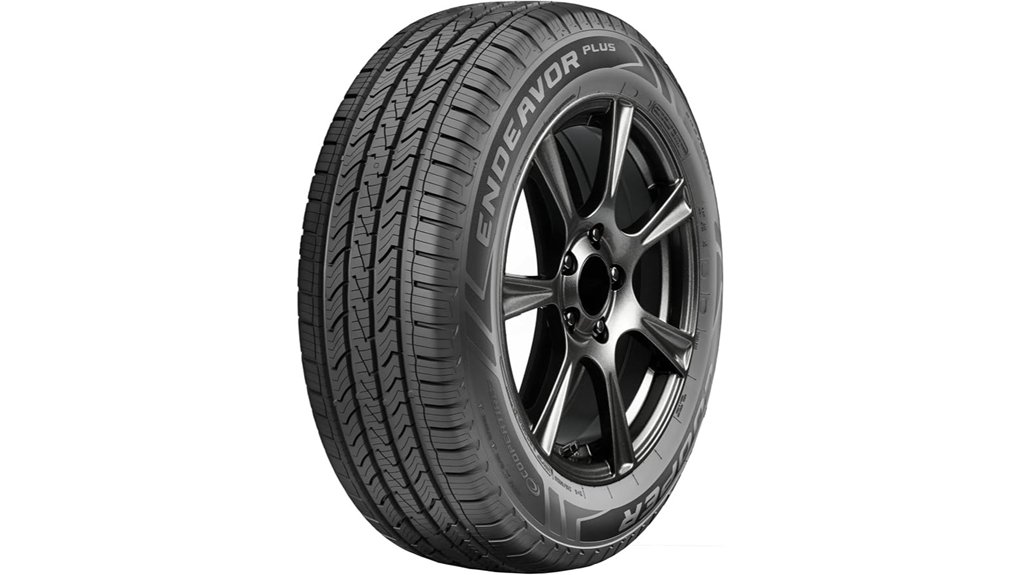
The Cooper Endeavor Plus suits Florida drivers needing year-round traction and quiet comfort. This 225/65R17 all-season radial uses a non-directional tread with water evacuation grooves and checkmark channels to improve wet-road grip during heavy rain. Its reinforced construction supports even wear, while the 65,000-mile treadwear warranty adds long-term value. Rated 102H, it carries up to 1,874 pounds and fits many SUVs and pickup trucks. A contemporary tread pattern also helps reduce road noise, which benefits daily commuting on busy highways and suburban roads throughout the state.
Best For: Florida drivers, SUV owners, and pickup truck drivers who want a quiet, all-season tire with strong wet-road traction and long tread life.
Pros:
- Water evacuation grooves and checkmark channels help improve grip in heavy rain.
- 65,000-mile treadwear warranty adds long-term value.
- Non-directional tread and noise-reducing design support a smooth, quiet ride.
Cons:
- All-season performance may not match dedicated winter tires in severe cold or snow.
- 102H load/speed rating may not suit heavier-duty vehicle or towing needs.
- Best benefits are geared toward everyday driving, so performance enthusiasts may want a more specialized tire.
Factors to Consider When Choosing All-Season Vs Summer Tires for Florida Heat and Rain

Florida’s heat and frequent rain make heat resistance and wet traction key factors when comparing all-season and summer tires. The tread compound also matters, since it affects how well the tire handles high temperatures, resists hydroplaning, and maintains grip on wet roads. Treadwear life should also be considered, as it influences how long each option can perform reliably in Florida conditions.
Heat Resistance
Heat can quickly expose the differences between all-season and summer tires on hot Florida roads. All-season tires use a tread compound built to handle a broad temperature range, giving them moderate heat resistance for Florida’s humidity and sustained warmth. Summer tires rely on rubber formulated for warm weather, staying flexible and gripping well even above 100°F. That design usually helps them resist heat-related wear better than all-season models in extreme conditions. Still, tire pressure matters for both. Under-inflation can raise internal temperatures, increase stress, and create a blowout risk regardless of tire type. In practice, heat resistance favors summer tires for maximum warm-weather stability, while all-season tires remain a reasonable option when year-round versatility matters more than peak thermal durability.
Wet Traction
When Florida roads turn wet, tire choice shifts from heat tolerance to how well a tire can move water and keep contact with the pavement. All-season tires usually use tread patterns built to evacuate water through grooves and sipes, which helps maintain grip in rain. Their deeper tread can channel standing water away more effectively, lowering hydroplaning risk during heavy downpours. In many cases, this design also supports shorter wet stopping distances than leading summer tires. That advantage matters in Florida, where rain can arrive suddenly and reduce road adhesion fast. Summer tires may still deliver strong dry performance, but in sustained wet weather, all-season tires often retain better contact with the pavement, improving braking consistency and handling confidence.
Tread Compound
Tread compound plays a major role in how each tire handles Florida’s heat and rain. All-season tires use a rubber blend designed to stay flexible across a broad temperature range, which helps maintain grip in warm weather and during cooler periods. Many also include silica, improving wet-road traction in frequent rain. Summer tires rely on harder, heat-optimized compounds that perform best in high temperatures, offering sharper dry-road response and stronger cornering stability. In Florida’s intense heat, all-season compounds may wear more quickly, while summer tires are built to retain performance under elevated temperatures. The tradeoff is clear: all-season tires emphasize balanced wet and dry use, while summer tires prioritize maximum dry grip and responsiveness.
Hydroplaning Control
Hydroplaning resistance is another key factor in Florida’s mix of heavy rain and hot pavement. All-season tires usually have deeper tread and more grooves, helping move water away from the contact patch and lowering the chance of skimming across standing water. Some all-season models also use full-depth sipes, which add wet-surface grip and improve control when rain is intense. Summer tires, by contrast, are tuned for dry-road precision, so their tread often evacuates less water and can hydroplane sooner in downpours. Hydroplaning happens when water separates the tire from the road, especially if tread is shallow or worn. Proper tire pressure matters as well, since under-inflation can reduce road contact and raise risk.
Treadwear Life
Even in Florida’s heat and frequent rain, treadwear life is often a deciding factor between all-season and summer tires. All-season models typically last longer, and many carry warranties of 50,000 miles or more, making them appealing for drivers seeking lower replacement costs. Their tread patterns are designed to handle varied surfaces, which can reduce wear in wet conditions and everyday use. Some advanced all-season tires can even outlast leading competitors by as much as 15,000 miles. Summer tires, by contrast, often wear faster in high temperatures because their softer compounds prioritize grip over longevity. Proper inflation and alignment help both types, but all-season tires usually need fewer replacements, especially for Florida drivers facing year-round heat and rain.
Dry Handling
Dry handling becomes a major consideration for Florida drivers who want confident performance on hot pavement. Summer tires generally deliver the strongest dry-road grip because their softer rubber compound is tuned for warm temperatures and their tread uses fewer grooves to maximize road contact. That design supports sharper cornering, quicker steering response, and shorter stopping distances on dry asphalt. All-season tires take a more balanced approach, combining adequate dry and wet traction with broader versatility, but that balance can reduce edge in extreme heat. For drivers who value precise feedback, stable high-speed control, and stronger braking on sun-baked roads, summer tires usually hold the advantage. All-season tires remain practical, yet they may sacrifice some dry handling sharpness when temperatures rise.
Vehicle Fitment
Vehicle fitment is a key starting point when choosing between all-season and summer tires in Florida. All-season tires are built to suit many vehicle types, including cars, SUVs, and light trucks, which makes them a practical option for varied driving needs. Proper selection depends on matching tire size, load index, and speed rating to the vehicle’s specifications. This alignment helps preserve handling, braking, and overall safety in Florida’s heat and sudden rain. Their tread designs also improve wet traction, supporting control on soaked roads. Because driving conditions can shift quickly, vehicles with correctly fitted all-season tires often gain balanced performance in both wet and dry weather. Reviewing the manufacturer’s fitment guidance remains essential for stability and support.
Frequently Asked Questions
How Often Should Florida Drivers Rotate All-Season Tires?
Florida drivers should rotate all-season tires every 5,000 to 7,500 miles, or roughly every six months, whichever comes first. Regular rotation helps guarantee even wear, better handling, and longer tire life in hot, wet conditions.
Do Summer Tires Wear Faster on Florida Highways?
Like a candle in coastal sun, yes. Summer tires often wear faster on Florida highways because heat and long, fast drives soften their rubber, increasing abrasion; however, proper inflation and alignment can slow the decline.
Which Tire Type Is Quieter at Highway Speeds?
All-season tires are usually quieter at highway speeds, because their tread designs tend to reduce road noise. Summer tires often grip better, but their stickier compounds and performance-oriented patterns can sound louder.
Can All-Season Tires Handle Sudden Florida Thunderstorms Safely?
Yes—when tread is healthy, all-season tires can handle sudden Florida thunderstorms safely. About 1.2 mm of rain can raise hydroplaning risk sharply, so cautious speeds, longer following distances, and proper inflation remain essential.
Are Tire Warranties Different for Summer and All-Season Models?
Yes, tire warranties often differ between summer and all-season models; coverage can vary by treadwear guarantees, mileage limits, and seasonal-use restrictions. He or she should compare manufacturer terms carefully before purchasing either type.
Conclusion
For Florida drivers in 2027, the choice comes down to balance, purpose, and weather. All-season tires deliver year-round versatility, wet-road confidence, and everyday comfort. Summer tires provide sharper handling, stronger dry grip, and more spirited performance. Choose all-season for convenience, choose summer for responsiveness, choose based on how you drive and where the rain falls. In the heat, in the wet, in daily traffic, the right tire makes every mile safer, smoother, and more satisfying.