
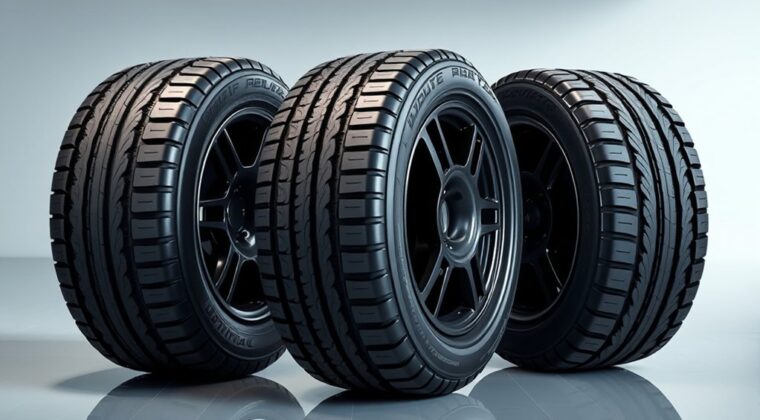
In 2027, three Continental SUV tires stand out for different reasons. The CrossContact RX leans toward a quiet, refined ride, the ContiCrossContact ATR adds more confidence off pavement, and the ProContact TX focuses on dependable all-season control. Each option answers a different kind of driver need, which makes the real choice less obvious than it first appears. The details may decide it.
Continental CrossContact RX All Season 235/55R19 101H Passenger Tire
https://m.media-amazon.com/images/I/71ixGgYOy4L._AC_SX679_.jpg
The Continental CrossContact RX All Season 235/55R19 101H is a strong fit for crossover and SUV drivers who want a luxury touring tire with dependable all-season traction and a quiet, comfortable ride. Its symmetrical radial design supports responsive handling in dry and wet conditions, while noise-optimized construction helps reduce road disturbance. The 235/55R19 size, 101H rating, and SL load range suit many modern vehicles. Continental also offers ContiSilent, ContiSeal, and self-supporting runflat technology in select sizes. With a 9/32-inch tread depth and standard warranty, it delivers practical everyday capability.
Best For: Drivers of crossovers and SUVs who want a luxury all-season touring tire with quiet comfort, confident dry/wet traction, and responsive everyday handling.
Pros:
- Strong all-season traction for dry and wet driving
- Noise-optimized design for a quieter, more comfortable ride
- Available with ContiSilent, ContiSeal, and runflat technology in select sizes
Cons:
- Not ideal for winter-heavy or off-road-focused driving
- Performance technologies are only available in select sizes
- Standard touring tire setup may not suit drivers seeking maximum sportiness
Continental ContiCrossContact ATR All-Terrain SUV/Crossover Tire
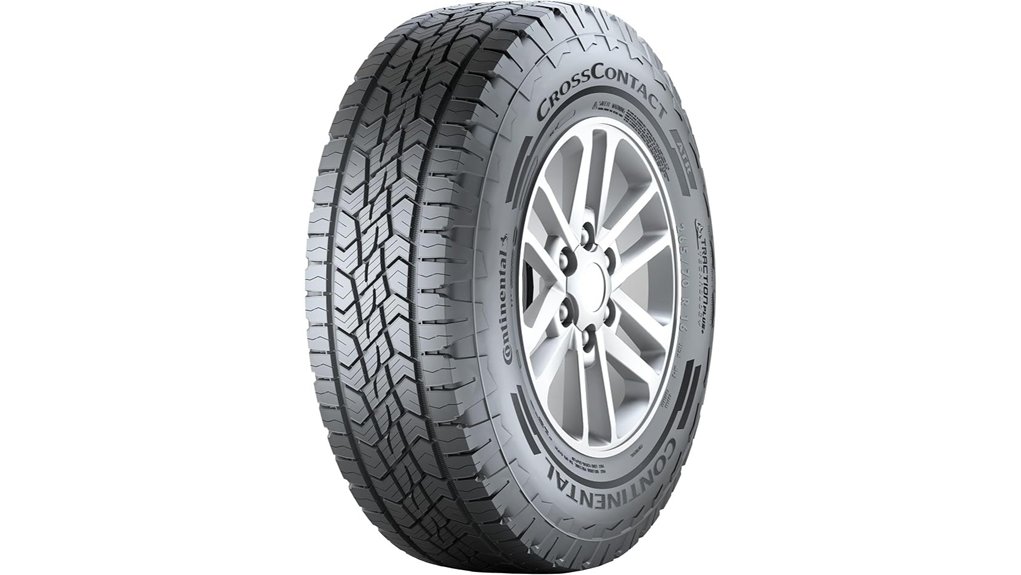
Built for SUVs and crossovers, the Continental ContiCrossContact ATR balances off-road grip with on-road comfort. This all-terrain tire, available in 225/65R17 with a 102H load index, is tuned for original equipment applications and aims to deliver strong versatility. It offers exceptional traction beyond pavement while maintaining superb highway manners. Enhanced durability supports long-lasting use, and optimized noise control helps preserve a quieter cabin. The result is a smooth, comfortable ride that suits daily driving and weekend adventures. Continental backs the tire with a 60-day trial for added confidence.
Best For: SUVs and crossovers owners who want an all-terrain tire that delivers off-road traction, quiet on-road comfort, and dependable everyday versatility.
Pros:
- Strong all-terrain capability for varied driving conditions
- Comfortable ride with optimized road noise reduction
- Enhanced durability and a 60-day trial for added confidence
Cons:
- All-terrain focus may not match the efficiency of a dedicated highway tire
- May be more tire than needed for drivers who stay mostly on paved roads
- Performance details are broad, with limited specifics on extreme off-road conditions
Continental ProContact TX All Season 235/60R18 103H Passenger Tire
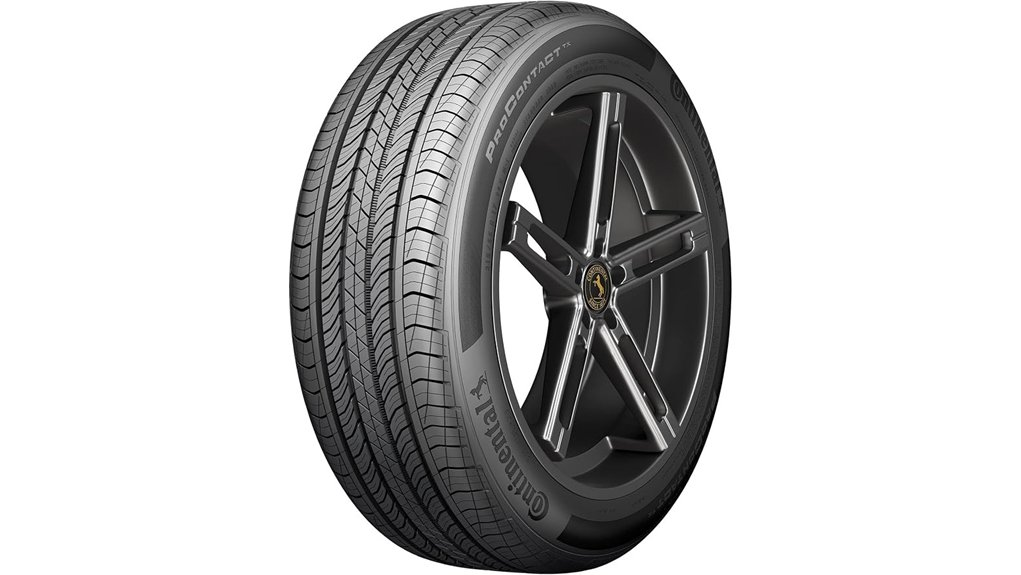
With balanced year-round traction, the Continental ProContact TX suits SUV drivers needing quiet comfort and wet-road confidence. This premium all-season touring tire for passenger cars and crossovers uses a symmetrical tread and radial construction to deliver stable handling in light snow and strong wet braking. Its 235/60R18 size, 103H rating, and universal fit support vehicles needing an 18-inch replacement. The tire carries 1,929 pounds, runs at up to 51 psi, and includes a 55,000-mile limited warranty, with treadwear coverage up to 65,000 miles. Low road noise enhances daily driving comfort.
Best For: Drivers of passenger cars and crossovers, especially SUV owners, who want a quiet, comfortable all-season tire with dependable wet-road performance and light-snow traction.
Pros:
- Balanced year-round traction with good performance in light snow
- Excellent wet braking and handling for added confidence in rain
- Low road noise and smooth ride quality for daily driving comfort
Cons:
- Not ideal for severe winter conditions or heavy snow
- Touring focus may not suit drivers seeking sporty handling
- Warranty coverage varies between treadwear estimate and manufacturer warranty
Factors to Consider When Choosing Continental Tires for SUV
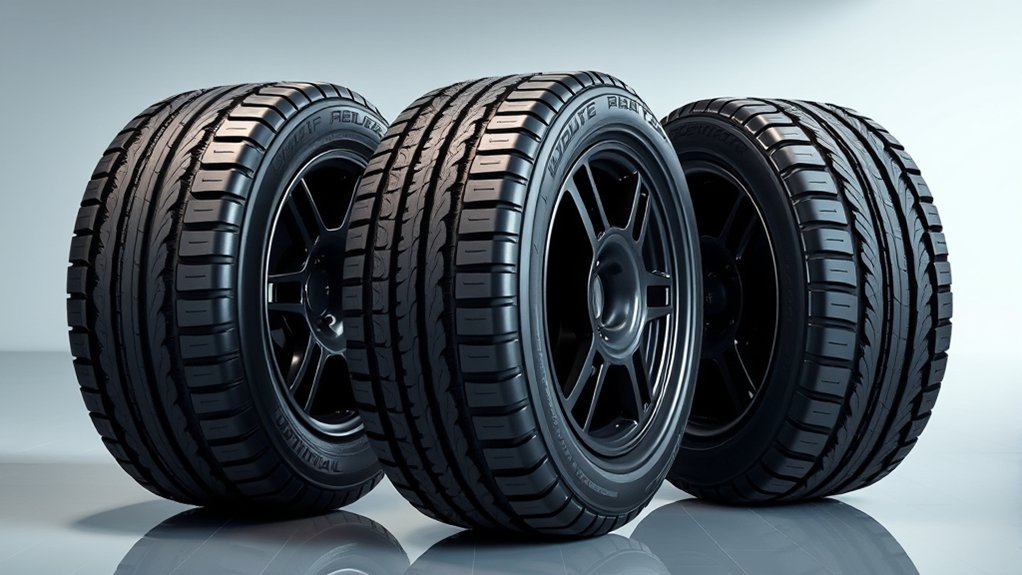
Selecting Continental tires for an SUV begins with verifying proper tire size fitment, since the right dimensions affect safety and handling. Driving conditions, tread pattern, load capacity, and speed rating should also be matched to the vehicle’s everyday use and performance needs. Careful attention to these factors helps guarantee the tire choice supports both comfort and reliability.
Tire Size Fitment
Tire size fitment is a critical factor when choosing Continental tires for an SUV, since the correct dimensions affect handling, performance, and overall safety. Sizes are commonly listed in formats such as 235/55R19, where width, aspect ratio, and rim diameter must match the vehicle’s requirements. The load index, for example 101 or 103, shows how much weight the tire can carry, which is important for supporting the SUV safely. The speed rating, such as H for 130 mph, indicates whether the tire suits the vehicle’s intended use. Matching overall diameter, often near 29 inches on some SUVs, helps preserve speedometer accuracy and stable handling. Vehicle manufacturer specifications should always guide selection to guarantee compatibility with the SUV’s systems and proper fitment.
Driving Conditions
Driving conditions should guide the choice of Continental SUV tires, since the best option depends on where and how the vehicle is used. For drivers facing changing weather, all-season models are sensible because they maintain traction in rain and light snow while remaining dependable through the year. Urban commuters and highway travelers often benefit from tires designed to reduce road noise, improving comfort on longer trips. SUVs used on rough roads or occasional off-road routes need stronger construction that can better handle abrasion and extended use. Load capacity also matters, since the tire must support the vehicle’s weight, passengers, and cargo safely. Matching these features to typical driving conditions helps guarantee performance, comfort, and durability without compromising safety or everyday usability.
Tread Pattern
Tread pattern plays a major role in how a Continental SUV tire performs across different road conditions. Symmetrical designs generally support balanced handling, while asymmetrical patterns can improve grip on changing surfaces. For year-round use, all-season tread layouts are engineered to deliver dependable traction in both dry and wet conditions, helping maintain stability and safety. Deep grooves and sipes are important because they move water away from the contact patch, lowering hydroplaning risk and improving wet-road control. For drivers who venture off pavement, more aggressive patterns with larger voids offer better bite in mud, gravel, and other loose terrain. Tread depth also matters, since deeper tread can add traction and steadiness in difficult weather.
Load Capacity
Load capacity is a key specification when choosing Continental SUV tires, since it indicates the maximum weight each tire can safely support through its load index rating on the sidewall. A load index of 101, for instance, supports up to 1,819 pounds per tire when properly inflated. Matching or exceeding the vehicle’s required load capacity helps preserve safety, ride quality, and consistent performance under heavy cargo or passenger loads. Selecting tires below the recommended rating can create excessive stress, increasing the risk of tire failure and reducing handling, braking, and stability. For the most accurate fit, the vehicle manufacturer’s specifications should always be checked before purchase. This guarantees the chosen Continental tire can safely meet the SUV’s demands in everyday use.
Speed Rating
Beyond load capacity, speed rating is another important factor in choosing Continental SUV tires, as it shows the maximum speed a tire can safely sustain over time. For SUVs, ratings commonly range from H, which covers up to 130 mph, to higher categories used on performance-oriented models. A higher rating usually supports sharper handling and better responsiveness at elevated speeds, so it matters for drivers who value performance. The selected rating should match the vehicle’s specifications and the driver’s typical use to preserve safety and efficiency. Tires rated below manufacturer requirements can compromise performance and raise failure risk. Speed rating should also be evaluated with load index and construction type to confirm full compatibility with the SUV.
Ride Comfort
Ride comfort often becomes a defining factor for SUV drivers, and Continental addresses it with tire designs that help reduce road noise and smooth out the driving experience. Symmetrical tread patterns and carefully tuned construction help the tires move more evenly across pavement, which supports steadier handling and a calmer cabin feel. Some models also use ContiSilent technology to absorb sound waves within the tire, adding another layer of comfort on daily commutes and long highway trips. Advanced materials contribute to a smoother ride while preserving durability over extended mileage. At the same time, many Continental SUV tires remain responsive enough for confident steering and control, allowing comfort and performance to coexist without compromise on varied road surfaces.
Noise Reduction
Noise reduction is another important factor to weigh when choosing Continental SUV tires, especially for drivers who value a quieter cabin on daily commutes and long trips. Continental addresses this through advanced engineering that limits road noise and improves interior calm. Some models use ContiSilent, a sound-absorbing foam layer that can reduce cabin noise by up to 9 decibels. Tread pattern also matters, since asymmetrical or symmetrical designs help disperse sound waves more evenly across the road surface. Softer rubber compounds can further mute vibrations, producing a smoother acoustic profile. Even with well-designed tires, correct inflation and regular maintenance remain important, because under-inflated tires often generate more noise and reduce ride quality.
Warranty Coverage
Warranty coverage is an important consideration when selecting Continental SUV tires, as protection can vary considerably by model. Many options include limited mileage warranties, commonly ranging from 55,000 to 65,000 miles, depending on the tire design and intended use. Some models also carry a standard manufacturer warranty against defects in workmanship and materials, which can add confidence at purchase. The exact terms should be reviewed carefully, since coverage conditions, exclusions, and maintenance requirements may affect eligibility. Authorized retailers often provide a 30-day satisfaction return policy, and certain tires may include trial offers or extended warranty programs. Evaluating these protections helps buyers compare value, reduce risk, and choose a Continental tire that aligns with long-term ownership expectations.
Frequently Asked Questions
How Do Continental Tires Perform in Winter Conditions?
Continental tires generally perform well in winter conditions, especially their winter-rated models, which offer strong snow traction, braking, and cold-weather grip. All-season versions are adequate in light winter weather, but dedicated winter tires excel.
Which Continental SUV Tire Offers the Quietest Ride?
Coincidentally, the Continental CrossContact LX25 is often regarded as the quietest SUV tire, thanks to its comfort-focused tread design. It suits drivers prioritizing serenity, though road conditions and vehicle setup still influence perceived noise.
Are Continental SUV Tires Good for Off-Road Driving?
Continental SUV tires are generally better for paved roads than serious off-road use, though select all-terrain models handle light trails, gravel, and dirt competently. For rugged terrain, dedicated off-road tires usually perform better.
How Long Do Continental SUV Tires Typically Last?
Continental SUV tires typically last 40,000 to 70,000 miles. They wear longer with proper rotation, alignment, and inflation; they wear faster with aggressive driving, heavy loads, and rough roads. Model and conditions matter.
Do Continental SUV Tires Improve Fuel Efficiency?
Yes, Continental SUV tires can improve fuel efficiency through lower rolling resistance and optimized tread designs. Results depend on vehicle weight, driving habits, and tire maintenance, so gains are usually modest rather than dramatic.
Conclusion
Choosing the right Continental tire for an SUV comes down to comfort, traction, and confidence on every road. The CrossContact RX All Season, ContiCrossContact ATR, and ProContact TX each serve different driving needs, from quiet luxury touring to rugged all-terrain use. One striking fact: many drivers report road noise can influence satisfaction as much as fuel economy, making a quieter tire feel like a true upgrade. In 2027, that matters more than ever.