
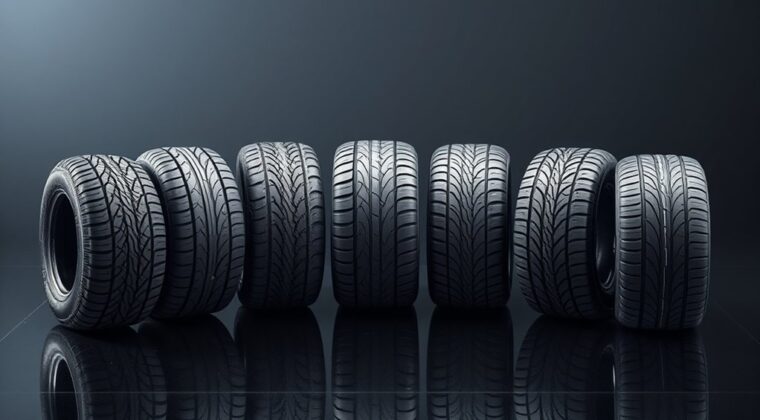
Choosing the right all-season tire in 2027 is more than a matter of price. The Starfire Solarus AS, Fullway HP108, Travelstar UN66, Forceum Octa, and Ironman iMove PT Plus each bring different strengths in traction, comfort, and durability. Some favor wet-road confidence, while others lean toward performance or quiet ride quality. The differences are subtle, but they can change everything for daily driving.
Starfire Solarus AS All-Season 225/65R17 102H Tire
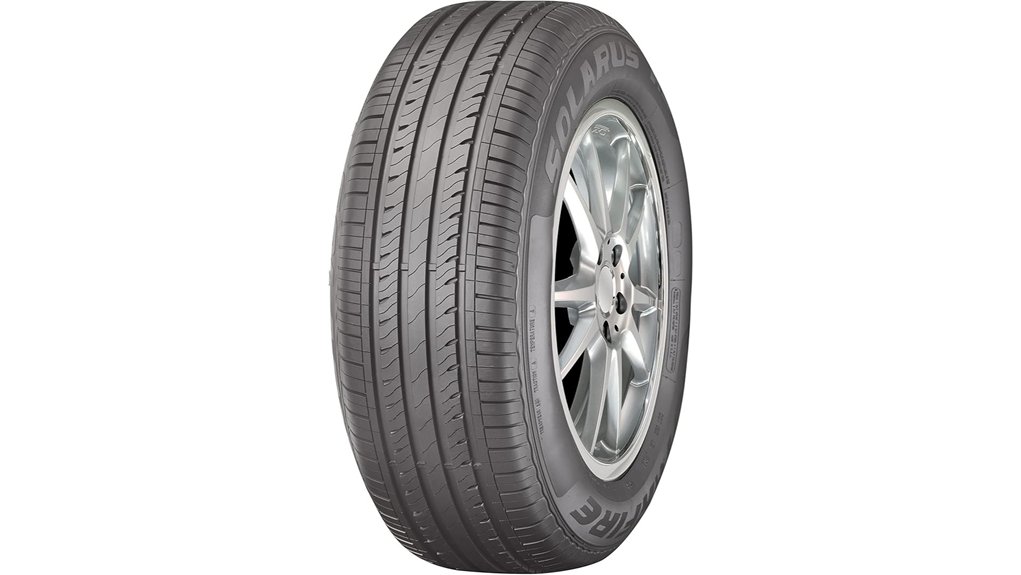
The Starfire Solarus AS All-Season 225/65R17 102H Tire is a practical choice for drivers who want dependable year-round traction without sacrificing ride comfort, thanks to its re-engineered tread compound, deep shoulder slots, and quiet variable-pitch design. As an all-season touring tire from Cooper Tire & Rubber Company, it adds Shoulder Control Technology for stability and a solid center rib for smoother handling. Its symmetrical radial construction, 102 load index, H speed rating, and 50,000-mile warranty suit everyday use. With a 17-inch rim fit, 1874-pound capacity, and universal fit, it balances value and versatility.
Best For: Drivers seeking a dependable all-season touring tire with solid wet/dry traction, a comfortable ride, and quiet everyday performance for 17-inch vehicles.
Pros:
- Re-engineered tread compound provides reliable grip in wet and dry conditions.
- Shoulder Control Technology and deep slots improve stability and handling.
- Variable-pitch tread design helps reduce road noise for a smoother ride.
Cons:
- Best suited for everyday driving rather than high-performance or sporty applications.
- 44 psi maximum pressure and touring design may limit more demanding use.
- Included as tire only, so mounting and additional service costs are extra.
Fullway HP108 225/45ZR18 95W XL All Season High Performance Tire
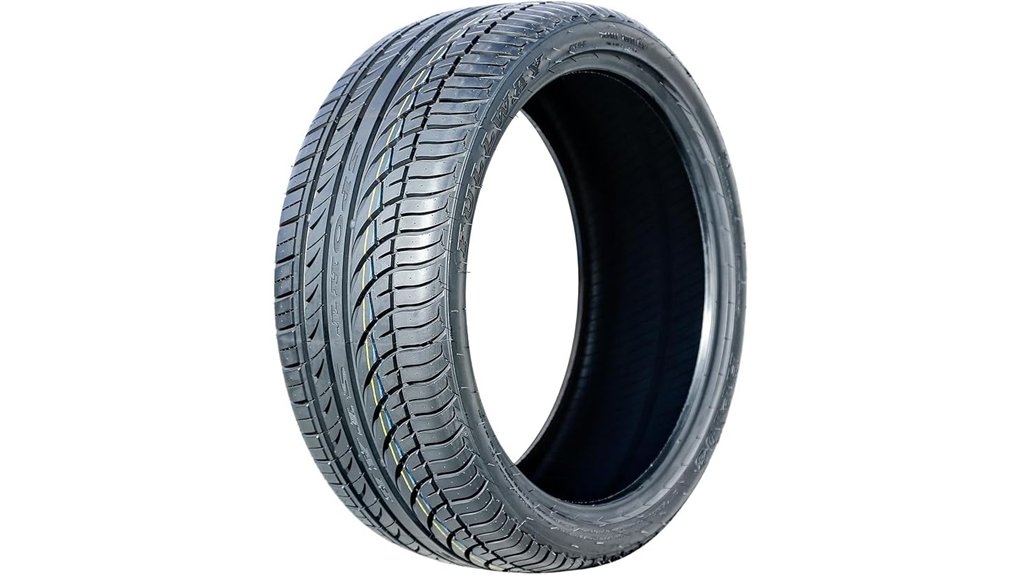
With a 95 load index and W speed rating, the Fullway HP108 suits drivers needing high-speed all-season performance. Sized at 225/45ZR18, this radial, 4-ply rated tire is built for passenger vehicles that require dependable traction in changing conditions. Its 1521-pound load capacity and 168 mph certification support demanding use without sacrificing versatility. The one black sidewall gives it a clean look, while the UTQG 380AA suggests a balanced blend of treadwear, traction, and temperature resistance. It is sold as a tire only, without rim or wheel included.
Best For: Drivers of passenger vehicles who want an all-season, high-performance tire with a W speed rating and dependable everyday traction.
Pros:
- All-season high-performance design for versatile driving in changing conditions
- Strong load capacity and W speed rating for confident highway performance
- Clean one black sidewall and radial construction with a balanced UTQG 380AA rating
Cons:
- Tire only, so rim and wheel are not included
- May be more performance-oriented than ideal for drivers seeking maximum ride comfort
- 4-ply rating may be less robust than heavier-duty tire options
Set of 4 Travelstar UN66 235/60R18 103V High Performance CUV/SUV Tires
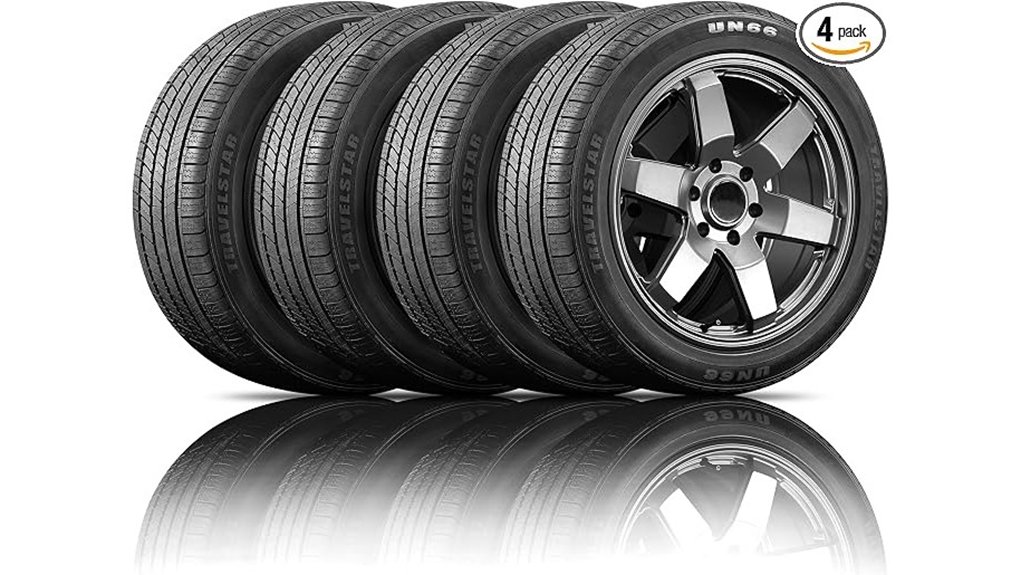
For CUV and SUV drivers seeking balanced all-season grip, the Travelstar UN66 stands out. This set of four 235/60R18 radial tires is built for responsive steering and stable handling in everyday driving. The asymmetrical tread pattern supports dry and wet traction, while the M+S rating adds confidence in rain and light snow. An advanced silica compound improves wet braking, and the pitch design helps reduce road noise. With a 103V rating, 11/32-inch tread depth, and a three-year road hazard warranty, it offers practical value.
Best For: CUV and SUV drivers who want a set of all-season tires with dependable wet and light-snow traction, responsive handling, and a quieter ride.
Pros:
- Asymmetrical tread and advanced silica compound help improve dry, wet, and light-snow performance.
- Reduced rolling resistance can support better fuel efficiency and mileage.
- Three-year road hazard warranty adds extra value and peace of mind.
Cons:
- Not intended for severe winter conditions or heavy snow/ice.
- Performance is focused on balanced everyday driving rather than maximum sport performance.
- Only available in a specific size, so it won’t fit all vehicles.
4 x Fullway HP108 205/55R16 91V SL All Season Performance Tires
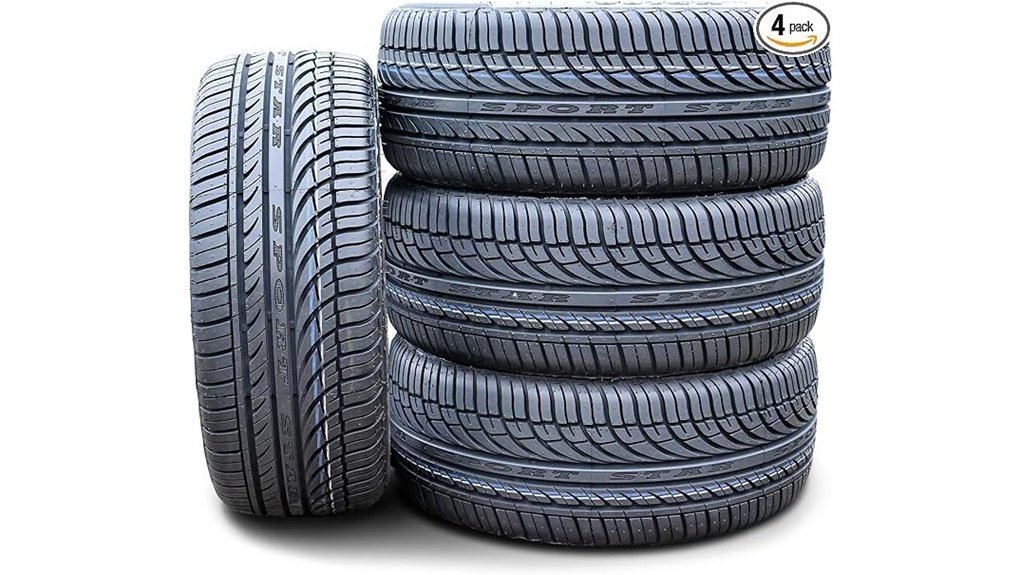
Fullway HP108 tires suit drivers seeking affordable all-season performance in a 205/55R16 fit. This set includes four SL-standard load radial tires with a 4-ply construction and a 16-inch diameter, designed for passenger vehicles. The 91 load index supports up to 1,356 pounds per tire, while the V speed rating is certified to 149 mph. A UTQG 380AA rating indicates balanced treadwear and traction. Four black sidewalls provide a clean look. Tires only are included; rims and wheels are not.
Best For: Drivers looking for affordable all-season performance tires in a 205/55R16 fit for passenger vehicles.
Pros:
- All-season traction makes them versatile for year-round use.
- V speed rating and 91 load index provide solid performance for everyday driving.
- Four black sidewalls offer a clean, simple appearance.
Cons:
- Tires only; rims and wheels are not included.
- Performance-focused design may not be ideal for severe winter conditions.
- 4-ply construction is standard, but not as robust as higher-ply options.
4 x Fullway HP108 205/55R17 95W XL All Season Passenger Tires
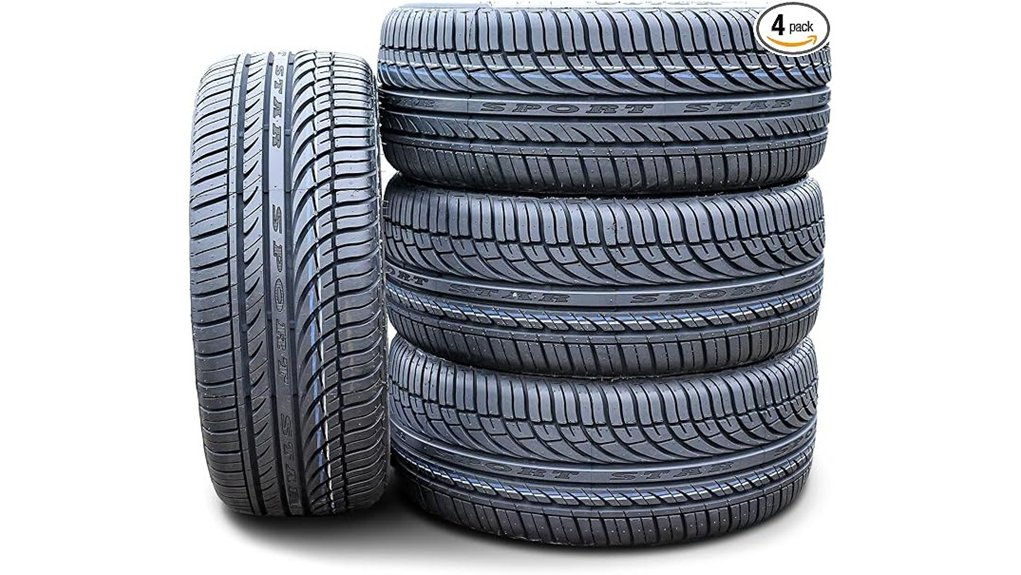
The 95W XL rating makes these tires a strong fit for drivers needing extra load capacity and high-speed stability. The Fullway HP108 in 205/55R17 size is a radial, 4-ply all-season passenger tire with a symmetrical tread and black sidewall. Each tire carries a 95 load index, supporting up to 1,521 pounds, and a W speed rating certified to 168 mph. The set includes four tires only, with universal fit for 17-inch rims and Extra Load construction. A 30-day Amazon return guarantee and manufacturer warranty add practical support for buyers.
Best For: Drivers who need a 205/55R17 all-season tire with extra load capacity, high-speed stability, and a universal fit for everyday passenger vehicles.
Pros:
- Extra Load XL construction and 95 load index provide strong carrying capacity.
- W speed rating offers confidence for higher-speed driving.
- Symmetrical all-season tread and black sidewall suit practical daily use.
Cons:
- Tires only are included; rims/wheels must be purchased separately.
- Brand may be less familiar to buyers seeking premium-name tires.
- 4-ply construction may not match the durability of higher-ply options for some drivers.
4 x Forceum Octa 205/55ZR16 94W XL All Season Passenger Tires
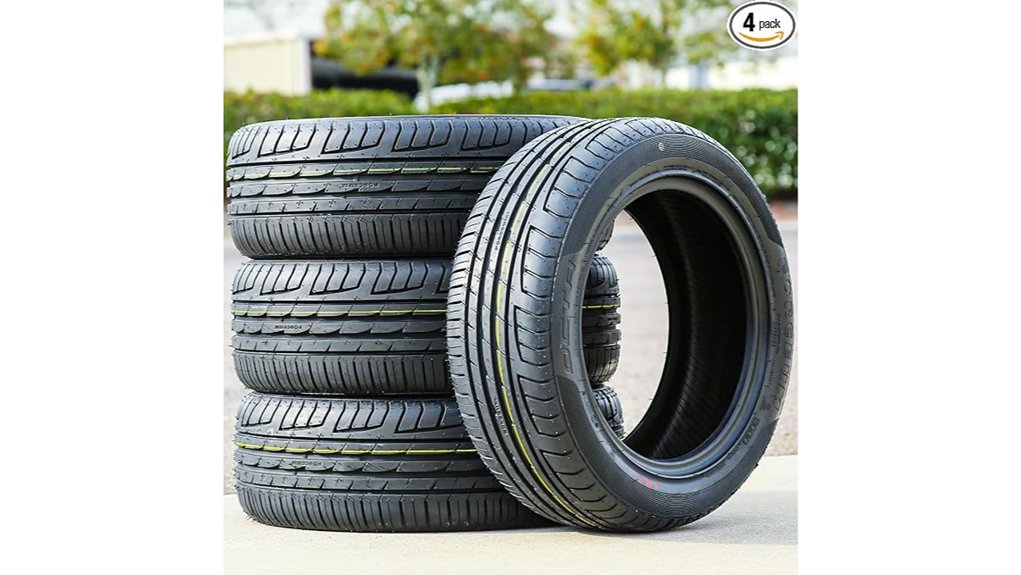
With 94W XL ratings, the Forceum Octa suits drivers needing stronger load capacity and high-speed confidence. This 205/55ZR16 all-season passenger tire uses a radial, 4-ply-rated construction with a 94 load index, supporting up to 1,477 pounds per tire. Its asymmetric tread, three center ribs, and outer shoulder blocks are designed for grip, stability, and sharper cornering. Circumferential grooves help move water away to reduce hydroplaning risk, while variable pitch tread blocks aim to limit road noise. A 44 psi maximum pressure and universal fit round out the package.
Best For: Drivers looking for an all-season 205/55ZR16 tire with strong load capacity, confident high-speed performance, and balanced traction for everyday driving.
Pros:
- Asymmetric tread and circumferential grooves help improve grip and reduce hydroplaning risk in wet conditions.
- 94W XL rating offers extra load support and high-speed confidence.
- Variable pitch tread design can help keep road noise lower for a quieter ride.
Cons:
- May not match the performance or refinement of premium-name all-season tires.
- All-season tread is a compromise and won’t perform like dedicated winter or summer tires in extreme conditions.
- Best fit is limited to vehicles compatible with 205/55R16 sizing and load requirements.
Ironman iMove PT Plus All Season 195/60R15 88H Passenger Tire
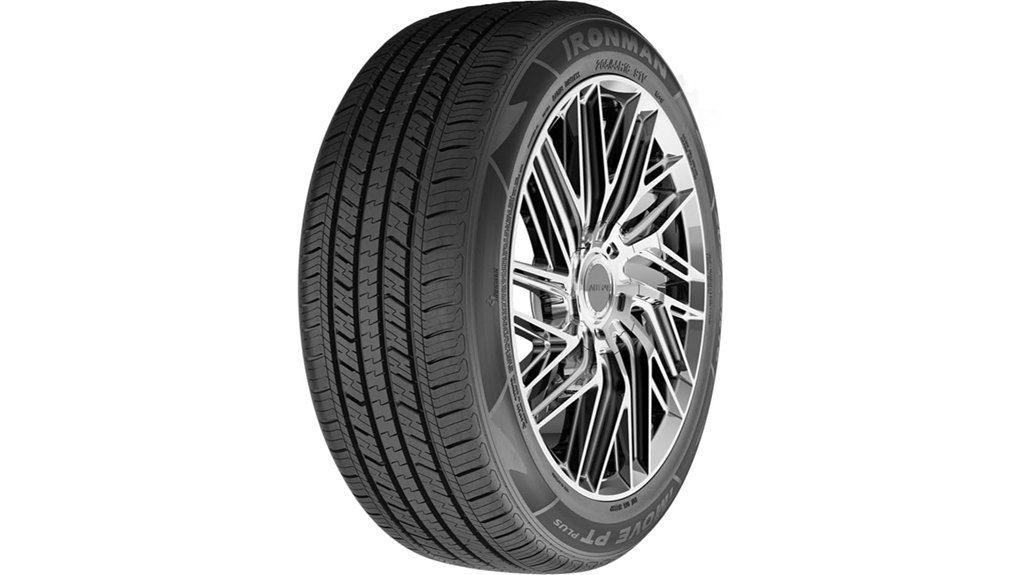
Ironman’s iMove PT Plus suits sedan and CUV drivers wanting dependable year-round traction. This 195/60R15 all-season radial carries an 88H load and speed rating, with a 4-ply construction and 44 psi maximum pressure. Its non-directional tread and black sidewall support flexible fitment and a clean look. Chamfered tread blocks and a reinforced groove base are designed to extend tread life, while the closed shoulder layout helps reduce noise. Ironman backs the tire with a 50,000-mile limited warranty, making it a practical option for drivers seeking quiet handling and steady performance in changing weather.
Best For: Drivers of sedans and CUVs who want a quiet, dependable all-season tire with balanced year-round traction and a long warranty.
Pros:
- Dependable all-season traction for year-round use
- Quiet ride thanks to the closed shoulder design
- 50,000-mile limited warranty adds peace of mind
Cons:
- Not intended for severe winter or off-road conditions
- 4-ply construction may be less robust than heavier-duty options
- Performance-focused drivers may want a tire with sharper handling characteristics
Factors to Consider When Choosing Rated All-Season Car Tires
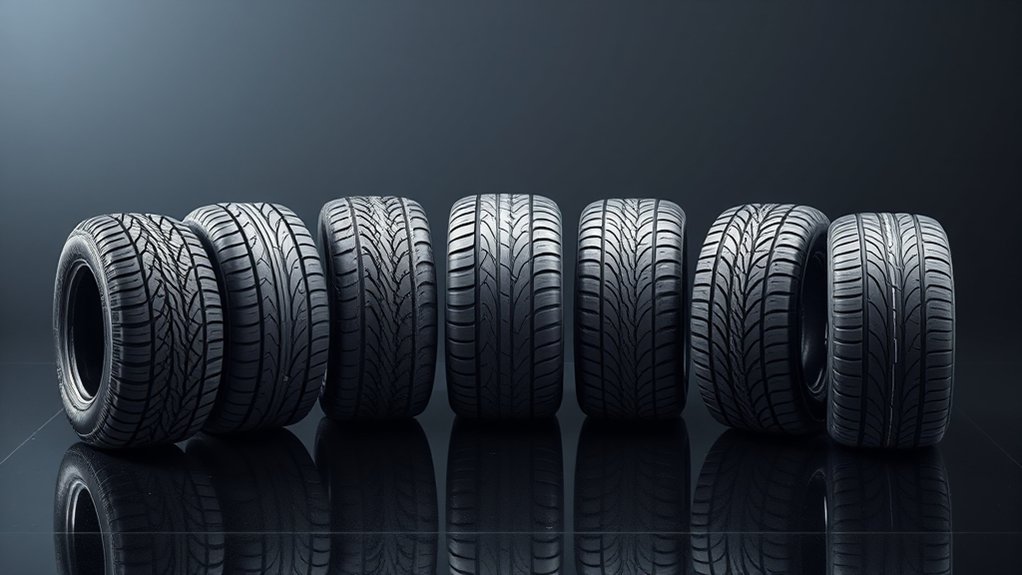
When choosing rated all-season car tires, attention usually centers on tread pattern design, wet road traction, and how well the tire manages ride noise. Load index rating and speed rating match should also align with the vehicle’s requirements for safe performance. These factors together help determine whether a tire is balanced for everyday use across changing road conditions.
Tread Pattern Design
Tread pattern design plays a major role in how rated all-season car tires perform, shaping grip on wet and dry pavement as well as in snow and mud. Asymmetrical designs can improve handling stability by assigning different tread zones to cornering and straight-line duties. Directional patterns are shaped to move water away from the contact patch, helping maintain consistent contact on damp roads. Groove depth and spacing also matter, since wider, deeper channels generally provide stronger bite in loose snow and muddy conditions. Variable pitch layouts further refine everyday comfort by reducing pattern noise and limiting vibration at speed. Together, these design choices determine how balanced, versatile, and quiet a tire feels across changing seasons and driving environments.
Wet Road Traction
Wet road traction depends largely on how well a tire’s tread design can disperse water and keep rubber in contact with the pavement. Grooves and channels move water away from the contact patch, helping preserve grip on slick roads. Asymmetrical tread patterns often improve evacuation and lower hydroplaning risk, which supports safer control in heavy rain. Deeper tread grooves can further aid performance by channeling more water away from the tire surface. Re-engineered tread compounds also matter, since they can increase grip in both wet and dry conditions while improving handling stability during changing weather. Proper tire pressure remains important because inflated tires maintain more consistent road contact. Together, these features determine how confidently an all-season tire performs when pavement becomes wet.
Load Index Rating
Load index rating serves as a tire’s weight-bearing benchmark, showing the maximum load each tire can safely support. Higher numbers indicate greater carrying capacity, such as a 95 rating, which supports up to 1,521 pounds. These ratings span roughly 70 to 130, covering loads from 739 to 2,866 pounds and helping match tires to different vehicles and uses. The proper index should meet or exceed the vehicle manufacturer’s specification to preserve safety and performance. It is usually printed on the sidewall alongside other tire details, making verification straightforward. Selecting an incorrect load index can increase the risk of tire failure, weaken handling, and undermine overall safety. For all-season tires, correct load capacity is a basic requirement.
Speed Rating Match
Speed rating is one of the most important match points when choosing all-season car tires, because it shows the maximum speed a tire can safely sustain over time, such as H-rated tires up to 130 mph or W-rated tires up to 168 mph. Matching this rating to the vehicle manufacturer’s specification helps preserve handling, stability, and intended performance. A lower-rated replacement may reduce control, especially during acceleration, passing, or emergency maneuvers. Higher-rated tires often use stronger materials and construction, which can improve cornering and braking response at elevated speeds. This factor matters most for performance cars and vehicles driven often on highways. The correct speed rating should reflect real driving habits, balancing safety, durability, and the demands placed on all-season tires in everyday use.
Ride Noise Levels
Ride noise levels can shape how comfortable an all-season tire feels on everyday roads, especially when tread design is tuned for quieter operation. Variable pitch tread patterns help break up sound waves, reducing the steady hum that can develop at cruising speeds while still preserving grip. Solid center ribs also support quieter travel by keeping contact with the pavement more consistent, which can smooth out vibration. Tread depth matters as well, since deeper grooves often generate more noise than shallower ones. Asymmetrical tread designs may further improve refinement by balancing wet and dry traction without adding harshness. Proper inflation remains essential, because under-inflated tires can raise rolling resistance and make road noise more noticeable.
Tire Size Fitment
Tire size fitment affects how well an all-season tire supports alignment, handling, and safety, just as tread design influences comfort and road feel. A fitment code such as 225/65R17 identifies key dimensions: the first number shows section width in millimeters, the second shows sidewall height as a percentage of that width, and the final number confirms the required rim diameter. Matching rim size to the wheel is necessary for correct seating and dependable performance. Load index and speed rating also matter, because they define how much weight the tire can carry and how fast it can safely travel. Universal fit options may suit many vehicles, but compatibility with the exact model should still be checked to preserve stability, braking, and predictable all-season operation.
Warranty Coverage Length
Warranty coverage length is one of the clearest indicators of value when comparing rated all-season car tires, with many models offering anywhere from 40,000 to 80,000 miles of protection. A longer warranty usually signals stronger manufacturer confidence in durability and long-term performance. Many all-season tires include tread warranties that address premature wear, provided the tires are properly maintained and rotated. Some plans also add road hazard protection, which can improve overall ownership value. However, the stated mileage alone is not enough. Warranty documents often contain limits, exclusions, and maintenance requirements that affect eligibility. Careful review of the fine print helps determine whether the coverage is genuinely useful or simply a marketing feature.
Frequently Asked Questions
How Long Do All-Season Tires Typically Last?
All-season tires typically last 40,000 to 70,000 miles, though driving habits, road conditions, maintenance, and tire quality can shorten or extend that lifespan. Regular rotation, alignment, and inflation checks help maximize durability.
Do All-Season Tires Work in Light Snow?
Yes, all-season tires can manage light snow, though not with winter tire confidence. They offer modest grip and cautious traction; in deeper snow or ice, their limitations become evident, like winter’s compromise.
What Tire Pressure Should I Maintain Year-Round?
Year-round tire pressure should match the vehicle’s recommended cold PSI, usually found on the door placard. It should be checked monthly and adjusted for temperature changes, since pressure drops in cold weather and rises when warm.
Are All-Season Tires Suitable for Performance Driving?
All-season tires are only modestly suited for performance driving; their talents are pleasantly balanced, not sharply specialized. They can manage spirited street use, yet they surrender grip, steering precision, and heat tolerance to dedicated performance tires.
When Should I Replace Worn All-Season Tires?
Worn all-season tires should be replaced when tread depth reaches 2/32 inch, or sooner if cracks, bulges, uneven wear, or reduced wet traction appear. A professional inspection is advisable before unsafe driving develops.
Conclusion
Overall, the seven best rated all-season car tires for 2027 show how much variety modern drivers can expect, from the dependable Starfire Solarus AS to the performance-focused Fullway HP108 and the wet-weather capable Travelstar UN66. One useful statistic to note is that all-season tires can lose up to 20% of their tread life if underinflated by only a few PSI, underscoring how maintenance can matter as much as brand selection for long-term safety and value.