
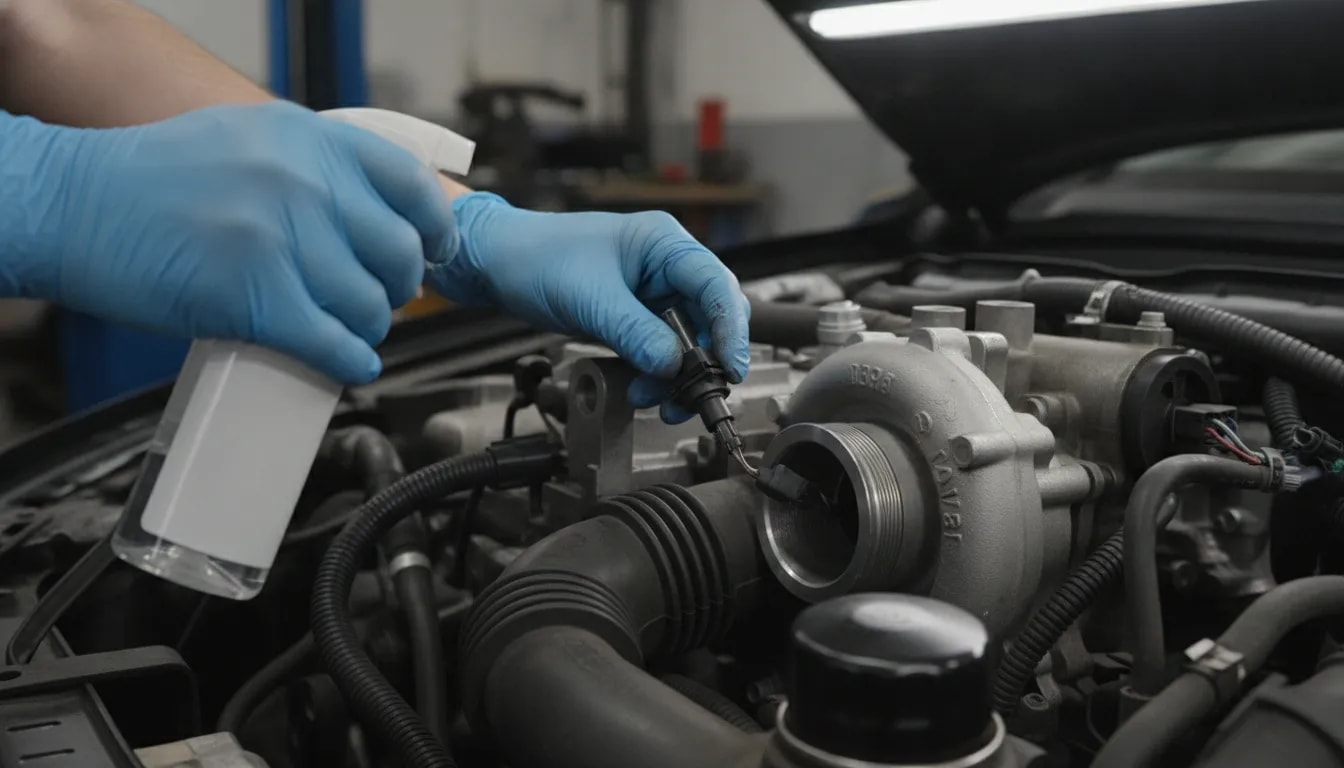
A dirty mass air flow sensor can contribute to sluggish acceleration, hesitation, rough idle, and increased fuel consumption in a diesel engine. If contamination is affecting its readings, careful cleaning may improve performance without replacing the sensor.
The essential method is simple: remove the MAF sensor, spray its sensing element with a compatible MAF sensor cleaner, allow it to dry completely, and reinstall it with the seals and electrical connector properly seated.
However, cleaning is not a guaranteed cure for diesel power loss. Similar symptoms can have other causes, and a damaged or electrically faulty sensor will not be repaired by solvent. Treat cleaning as a possible maintenance step, not proof that an expensive repair is unnecessary.
Key Takeaways
- A contaminated MAF sensor can affect diesel power, throttle response, idle quality, and fuel consumption.
- Use compatible MAF sensor cleaner only, and never physically touch the sensing element.
- Allow complete air-drying before reinstalling the sensor with its seals and connector secure.
- Persistent symptoms require further diagnosis because cleaning cannot repair a damaged or electrically faulty sensor.
Table of Contents
- When Should You Suspect a Dirty Diesel MAF Sensor?
- What the MAF Sensor Does, and Why Cleanliness Matters
- What You Need Before Cleaning
- How to Clean a Diesel MAF Sensor Step by Step
- How to Tell Whether Cleaning Helped
- Why Diesel Intake Contamination Needs Attention
- How Often Should You Clean a Diesel MAF Sensor?
- Cost: DIY Cleaning Versus Professional Service
- Bottom Line
When Should You Suspect a Dirty Diesel MAF Sensor?
The MAF sensor measures the mass of air entering the engine. Contamination on its sensing element can distort that measurement, giving the engine control unit inaccurate information.
Possible symptoms include:
- Reduced power: acceleration feels weaker, particularly when joining traffic or overtaking.
- Hesitation: the engine responds unevenly when you press the accelerator.
- Worse fuel economy: fuel consumption rises despite similar routes and driving habits.
- Rough or unstable idle: engine speed fluctuates or the engine feels unsettled.
- A check engine light: diagnostic information points toward airflow measurement or MAF sensor performance.
- Intermittent limp mode: the engine management system limits performance after detecting a problem.
- Black exhaust smoke: inaccurate airflow information may contribute to excessive fueling relative to available air.
- Starting difficulty: this can accompany airflow-related problems, although it is not specific to the MAF sensor.
Several symptoms together make an airflow problem worth investigating, but none of these symptoms confirms that the sensor is dirty. A fault code identifies an area to diagnose; it does not automatically establish whether cleaning or replacement is the correct repair.
Cleaning or Replacement: Which Makes Sense?
Cleaning is worth considering when contamination is suspected and the vehicle or sensor manufacturer’s instructions permit it. Replacement may be necessary when the sensing element is damaged or testing confirms a sensor fault.
Before authorizing replacement, ask whether contamination, the electrical connection, and the surrounding intake system have been checked. Equally, do not dismiss a properly diagnosed replacement simply because cleaning is cheaper.
What the MAF Sensor Does, and Why Cleanliness Matters
The MAF sensor is generally located in the intake tract between the air filter and the engine. Depending on the design, it may be a removable insert or part of a larger airflow housing.
Many sensors use a heated wire or film to measure airflow. The engine computer uses the signal as part of its fuel-injection calculations. Accurate air measurement helps it match fueling to the available air and operating conditions.
A thin coating on the element can change its response even when the sensor does not look particularly dirty. If it under-reports airflow, the computer may limit fueling, reducing available power. Incorrect readings in the other direction may contribute to smoke and inefficient combustion.
Cleaning restores measurement accuracy only if removable contamination is the problem. It does not increase the engine’s original power output or repair unrelated faults.
What You Need Before Cleaning
- A can of MAF sensor cleaner compatible with your sensor.
- The correct tool for the sensor’s retaining screws or clips.
- A safe place to keep screws and any removable rubber seals.
- Vehicle-specific instructions for locating, removing, and refitting the sensor.
A can of cleaner may cost approximately $7 to $15. An easily accessible sensor may take around 10 to 15 minutes of hands-on work, but drying and a test drive add time. Access and fastener arrangements vary by vehicle.
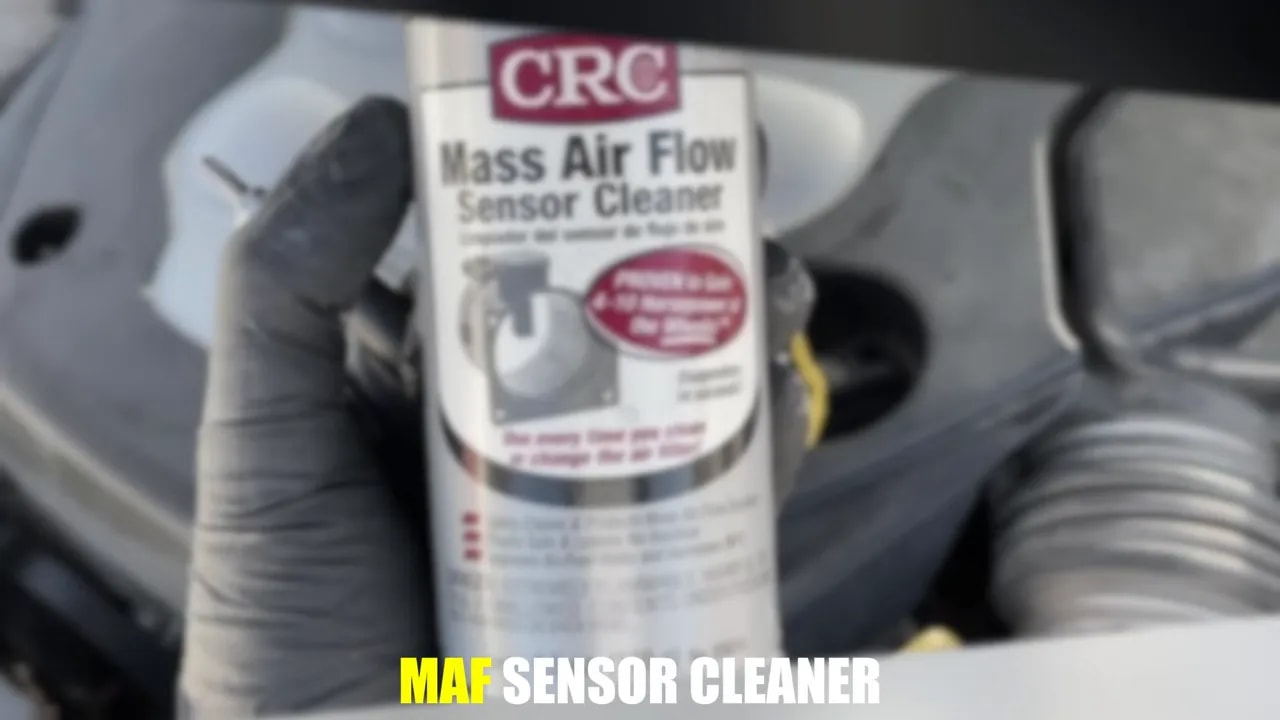
Use the Correct Cleaner
Do not substitute brake cleaner or carburetor cleaner. MAF sensor cleaner is formulated for delicate airflow-sensing components. An unsuitable solvent can damage the element or surrounding materials.
Check the aerosol label for compatibility, application instructions, and drying requirements. The CRC Industries website is one manufacturer resource for product information; always follow the directions for the specific cleaner you use.
Protect the Sensing Element
Handle the sensor by its housing. Never touch the wire or film with fingers, tools, cloths, or brushes. Do not use compressed air to clean it or speed up drying.
The element is fragile. A cleaning attempt that involves scrubbing or physical contact can turn a serviceable sensor into one that needs replacement.
How to Clean a Diesel MAF Sensor Step by Step
1. Confirm the Location and Removal Procedure
With the engine stopped and ignition off, locate the air filter box and follow the intake pipe toward the engine. Look for a sensor housing with an electrical connector.
Confirm the component using vehicle-specific information rather than relying on appearance alone. Intake systems contain other sensors, and removal procedures are not identical across models.
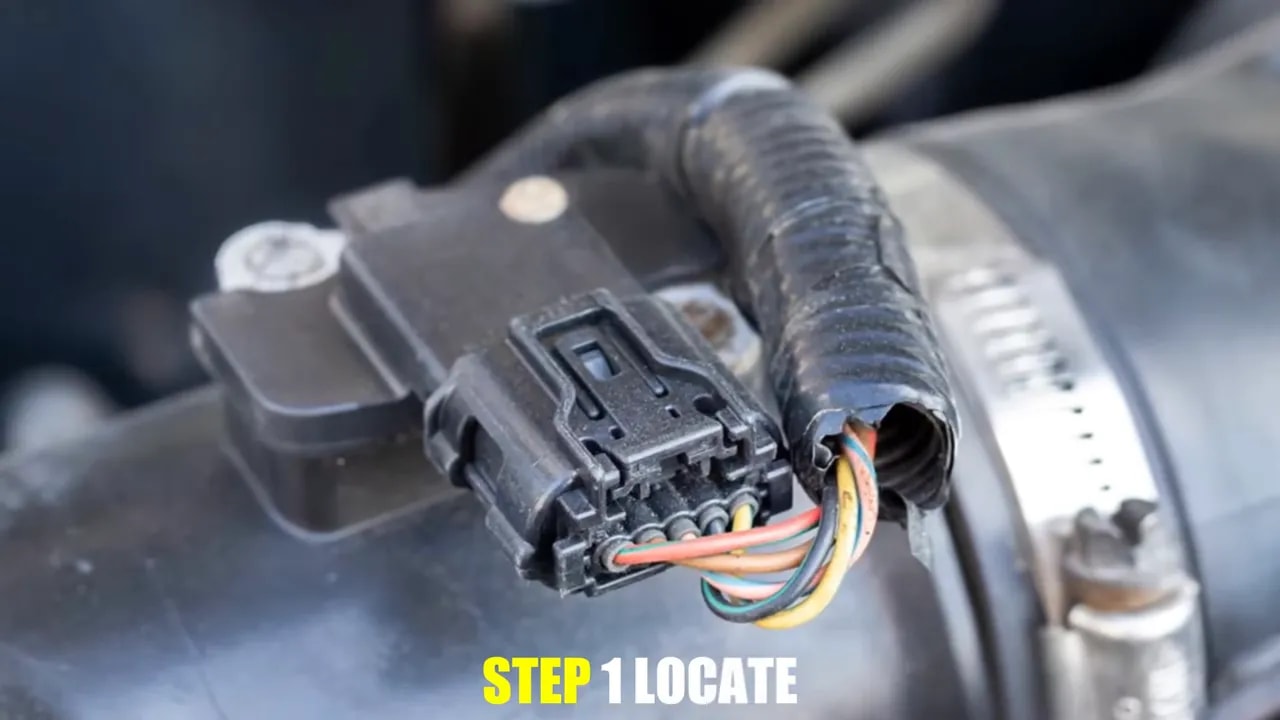
2. Disconnect the Electrical Connector Gently
Release the connector’s locking tab or clip, then pull the connector free by its body. Do not pull on the wires or force a lock that has not been released.
3. Remove the Sensor
Undo the retaining screws or clips specified for your vehicle. Lift the sensor out carefully, keeping the sensing section clear of surrounding parts.
Keep track of any rubber seal or O-ring. Note the sensor’s installed orientation so it can be refitted correctly.
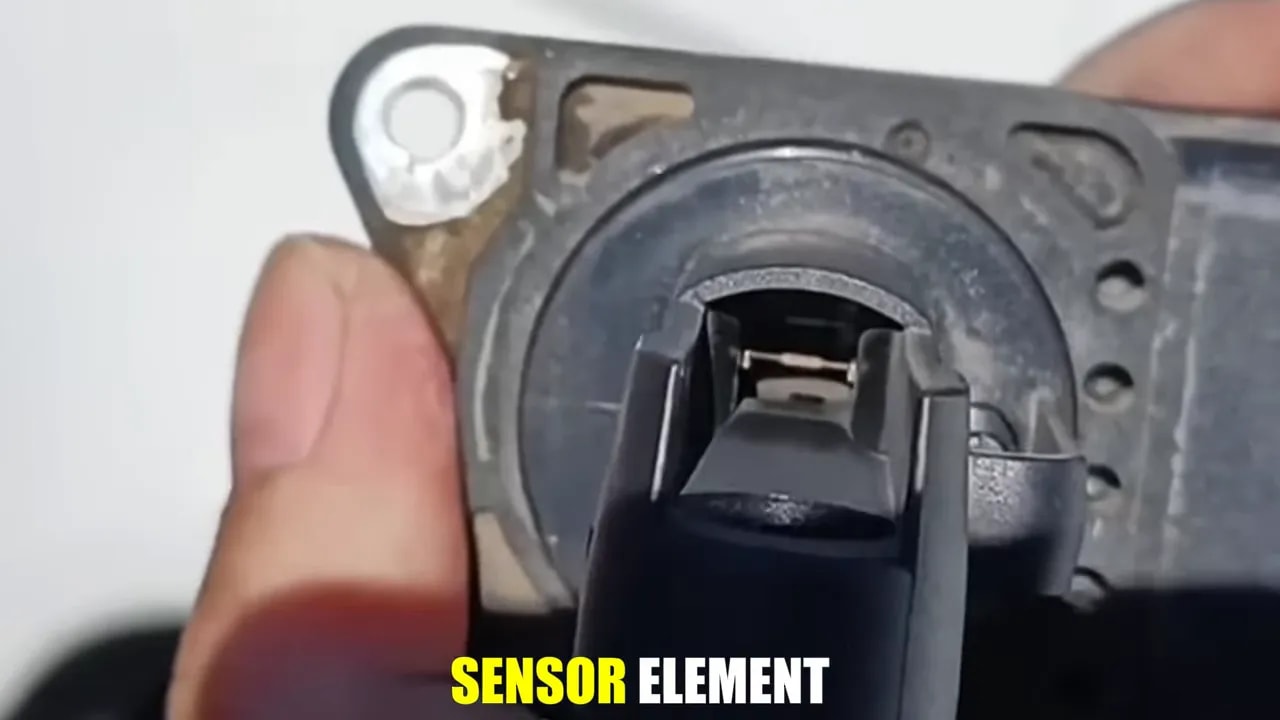
4. Identify the Sensing Element Without Touching It
Inspect the part that sits in the airflow path. Depending on the design, you may see a small wire or a film element within an opening or protective structure.
Do not probe the opening to check for dirt. Contamination may be too thin to identify reliably by eye.
5. Apply MAF Sensor Cleaner in Short Bursts
Following the cleaner’s directions, spray the sensing area using short bursts rather than a prolonged continuous stream. Apply the spray from different angles so the accessible surfaces are treated.
Keep the spray straw away from the element. The solvent should do the cleaning without scraping, wiping, or brushing.
Use the quantity recommended on the product label. There is no need to empty an entire can simply to meet a fixed amount.
6. Allow the Sensor to Air-Dry Completely
Let the cleaner evaporate naturally before reinstalling the sensor. Some products evaporate quickly, but the label’s drying instructions and complete dryness matter more than a fixed two- or three-minute timer.
Do not wipe the element or use compressed air to hurry the process.
7. Reinstall the Sensor and Connector
Refit the sensor in its original orientation. Ensure the rubber seals are correctly seated, then secure the retaining screws or clips according to the vehicle’s instructions.
Reconnect the electrical plug until its lock engages. Before starting the engine, check that the sensor is secure and that no connection disturbed during removal remains loose.
8. Start the Engine and Check Its Operation
Start the engine and observe idle quality. A brief change in idle may occur as the engine management system responds to the readings, but persistent rough running should not be dismissed as normal adaptation.
If the engine runs poorly after the work, stop and recheck the connector, sensor installation, and seals before continuing.
9. Take a Short, Safe Test Drive
If the engine is operating normally, take a roughly 10-minute drive to assess throttle response and acceleration. Include higher-speed driving only where it is safe and appropriate.
Compare performance under conditions similar to those in which you noticed the problem. Do not use hard acceleration or an overtaking maneuver as the first test of a vehicle that has been losing power.
How to Tell Whether Cleaning Helped
When contamination was responsible for inaccurate readings, possible improvements include:
- More consistent response to accelerator input.
- Stronger acceleration compared with the previous faulty condition.
- A steadier idle.
- Reduced fuel consumption over comparable driving.
Throttle response and idle may be easier to assess immediately than fuel economy. Evaluate consumption over comparable journeys or subsequent fill-ups rather than assuming one short drive proves a change.
A related check engine light may go out after the system completes successful checks over later drive cycles. A light that stays on or returns needs further diagnosis. Cleaning does not guarantee that a warning light will clear.
What If There Is No Improvement?
First, confirm that the sensor was reinstalled correctly and that its connector and seals are secure. If the original symptoms remain, the problem may not be removable MAF contamination.
Arrange further diagnosis rather than repeatedly spraying the sensor or replacing it based only on symptoms. Persistent power loss, smoke, or limp mode should not be ignored.
Why Diesel Intake Contamination Needs Attention
Diesel intake systems can accumulate oil residue and combustion-related deposits. Blowby is combustion gas that escapes past the piston rings into the crankcase. Crankcase ventilation routes gases and oil vapor back toward the intake system.
Exhaust gas recirculation, or EGR, also returns some exhaust gas to the intake. Oil residue and soot can contribute to deposits within the intake system.
However, the position of the MAF sensor relative to crankcase ventilation and EGR connections varies. Do not assume that all recirculated exhaust and oil vapor pass directly over every diesel’s MAF sensor. Intake contamination and contamination of the MAF element are related concerns, but they are not identical.
Incorrect airflow information can contribute to poor performance, inefficient fueling, and excessive soot. Where soot production increases, the diesel particulate filter may have more material to manage. Cleaning the MAF sensor alone does not clean a blocked DPF or repair other emissions-system problems.
How Often Should You Clean a Diesel MAF Sensor?
There is no single cleaning interval that applies to every diesel. Follow the vehicle and sensor manufacturer’s service guidance first.
For vehicles where cleaning is permitted, a suggested preventive interval is around 30,000 to 50,000 miles. A shorter interval of approximately 20,000 to 30,000 miles may be considered for high-mileage vehicles or those used for frequent short trips and extended idling. Treat these as general suggestions, not manufacturer-mandated service requirements.
Reduce Repeat Contamination
- Inspect the air filter: replace it if it is dirty or damaged.
- Maintain proper sealing: refit the airbox, sensor seals, and any disturbed intake connections correctly.
- Use the specified engine oil: choose oil that meets the vehicle’s requirements, including low-ash specifications where required.
- Investigate rapid recurrence: repeated contamination deserves attention to its cause, not just repeated cleaning.
Oil quality should be considered as part of proper diesel maintenance, but changing oil alone is not a guaranteed solution to MAF contamination or excessive blowby.
Cost: DIY Cleaning Versus Professional Service
| Option | Approximate cost | Important limitation |
|---|---|---|
| DIY MAF cleaning | $7 to $15 for cleaner | Requires compatible cleaner, careful handling, and suitable access. |
| Professional cleaning | $50 to $100 in labor | Pricing and included diagnostic work vary. |
| MAF sensor replacement | $200 to $300 for parts and labor | These example figures are not quotes for every vehicle. |
The potential saving is meaningful when a contaminated sensor remains otherwise functional. But the cheapest useful repair is the one that addresses the actual fault. Cleaning a failed sensor is not a substitute for replacement, and replacing a clean, functioning sensor will not solve an unrelated problem.
Bottom Line
A diesel MAF sensor is worth checking when airflow-related symptoms appear. If cleaning is permitted and contamination is suspected, dedicated cleaner and careful, contact-free handling offer a relatively inexpensive maintenance option.
Protect the sensing element, allow it to dry fully, reinstall it correctly, and evaluate the result. If power loss, rough running, warning lights, or limp mode persist, move on to diagnosis rather than assuming another cleaning will fix them.