
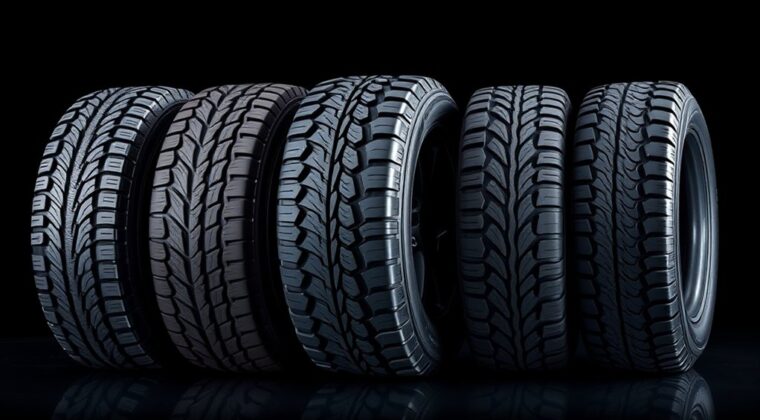
Pickup truck tires in 2027 are judged by more than tread alone. The GT Radial Adventuro AT3, Thunderer Trac Grip M/T, Aplus Performax LTR, Prinx HiCountry A/T2, and Armstrong Tru-Trac HT each serve a different driving need. Some favor rough terrain, while others focus on highway stability, winter use, or load strength. The real question is which one matches the truck’s daily demands best.
GT Radial Adventuro AT3 P235/75R15 105S OWL,One Size
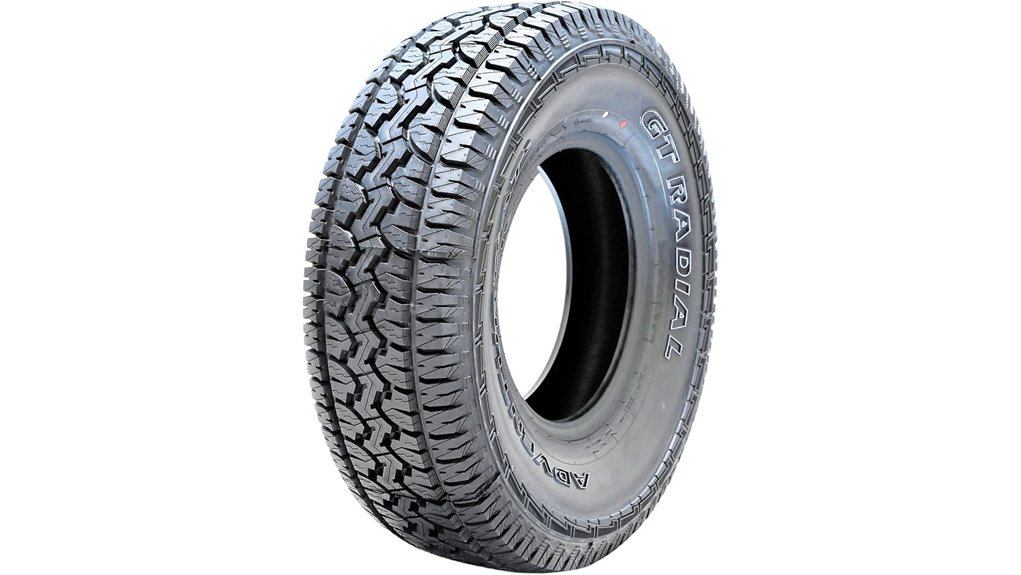
The GT Radial Adventuro AT3 in P235/75R15 105S OWL is a strong choice for pickup truck drivers who want dependable all-terrain performance without sacrificing everyday comfort. Its enhanced tread compound supports solid wet and dry grip, while also improving tread life and resistance to cuts and chips. Interlocked blocks and an S-shaped central rib help maintain stability on pavement and traction on loose ground. Three-dimensional grooves clear debris effectively, and five-pitch pattern technology reduces road noise. Sized at P235/75R15 with a 105S load index, it suits everyday truck use.
Best For: Pickup truck and SUV drivers who want dependable all-terrain traction, longer tread life, and a quieter everyday ride.
Pros:
- Enhanced tread compound offers strong wet and dry grip with improved cut/chip resistance.
- Interlocked tread blocks and an S-shaped central rib help provide stable handling on pavement and loose surfaces.
- Five-pitch pattern technology helps reduce road noise for a more comfortable ride.
Cons:
- All-terrain focus may not match the performance of dedicated highway tires for pure on-road efficiency.
- Off-road capability is solid, but not as aggressive as specialized mud-terrain tires.
- OWL styling and tread design may not appeal to drivers seeking a more understated look.
Thunderer Trac Grip M/T R408 LT265/75R16 123Q
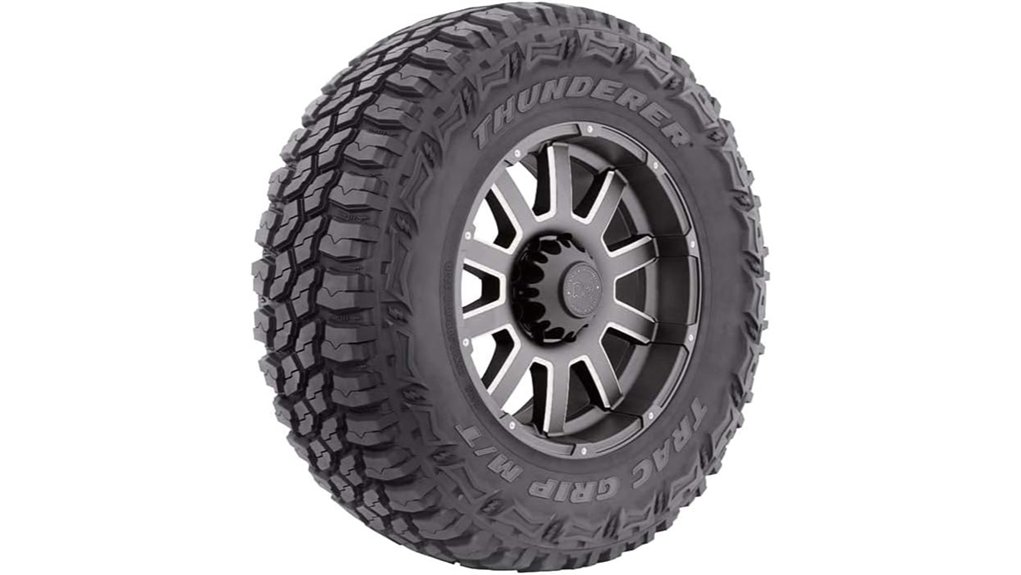
Built for drivers who tackle mud, sand, and rough trails, the Thunderer Trac Grip M/T R408 LT265/75R16 123Q delivers aggressive off-road traction. Its open tread lugs help clear mud and sand, while the rugged pattern supports grip in extreme conditions. Sized at LT265/75R16 with a 123 load index and Q speed rating, it suits heavy-duty pickup applications. Durable construction enhances longevity on demanding terrain, and its all-season focus adds versatility. For vehicles needing robust performance, this tire targets drivers who prioritize control, resilience, and dependable traction in challenging weather and off-road environments.
Best For: Drivers of heavy-duty pickup trucks and off-road vehicles who need aggressive traction in mud, sand, and rough terrain with durable all-season performance.
Pros:
- Aggressive tread design provides strong off-road traction in challenging conditions.
- Open tread lugs help clear mud and sand for better grip.
- Durable construction supports longevity on demanding terrain.
Cons:
- Heavy mud-terrain tread can be noisier than highway-focused tires.
- Off-road-oriented design may reduce on-road comfort and efficiency.
- Not ideal for drivers who primarily stay on paved roads.
Aplus Performax LTR Light Truck Radial Tire LT245/75R16
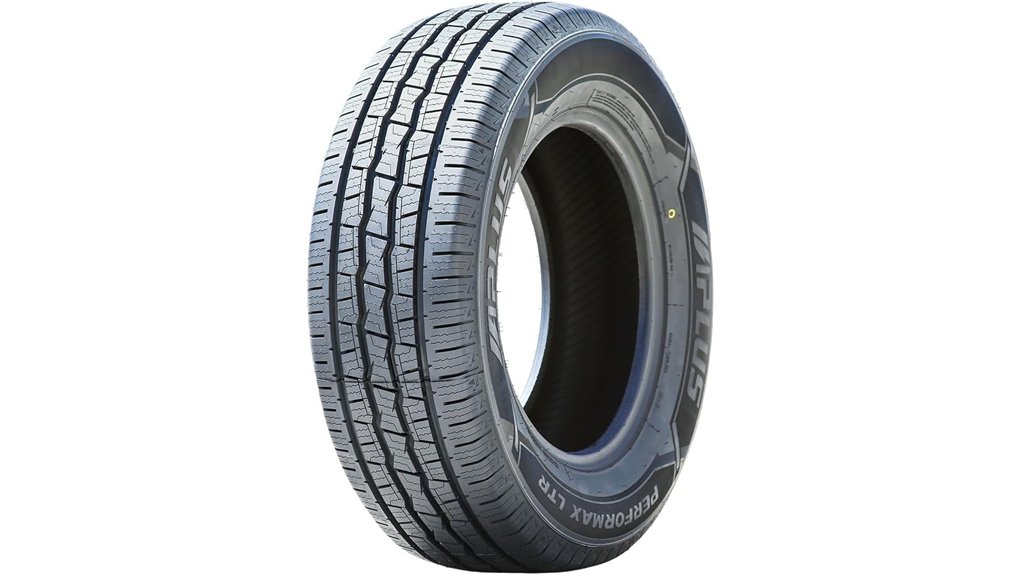
Aplus Performax LTR suits work trucks needing dependable all-season highway performance and heavy-load strength. This LT245/75R16 radial uses a Load Range E, 10-ply construction with a 120 load index and 3,042-pound capacity, making it suitable for vans and commercial pickups. Its symmetric tread promotes even wear and stable handling, while wide grooves help wet traction and sipes add light-snow grip. The heat-resistant compound supports frequent use, and the 60,000-mile treadlife target suggests solid long-term value. With 80 psi maximum pressure and universal fit, it emphasizes practical year-round service.
Best For: Work trucks, vans, and commercial pickups that need a durable all-season highway tire with strong load-carrying capacity and dependable year-round traction.
Pros:
- Load Range E, 10-ply construction with a 3,042-pound capacity for heavy-duty use
- Symmetric tread design helps promote even wear and stable handling
- Wide grooves and sipes improve wet-road and light-snow traction
Cons:
- Highway-focused tread is not ideal for serious off-road driving
- No manufacturer warranty is specified
- Heavier 10-ply construction may ride firmer than lighter tires
Prinx HiCountry A/T2 All Terrain LT225/75R16 115/112S E Light Truck Tire
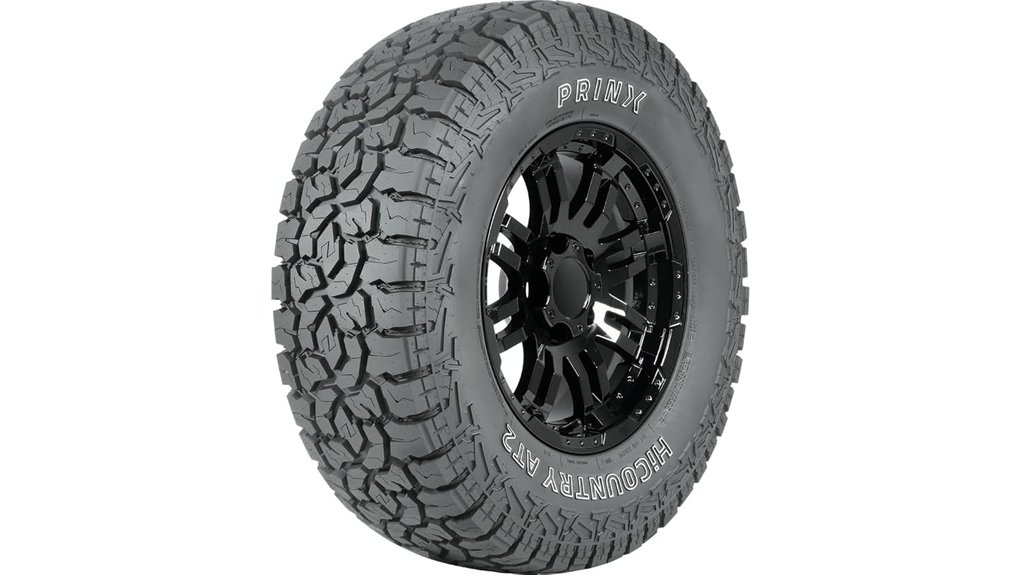
Prinx HiCountry A/T2 suits drivers needing dependable all-terrain grip in changing conditions. This light truck tire is built for Jeeps, SUVs, and pickups that split time between pavement and rough surfaces. Its aggressive tread pattern and multi-step blocks help improve stability and traction on- and off-road. Three Peak Mountain Snowflake certification signals capability in moderate to severe winter weather, while the M+S rating supports use in mud and snow. A 50,000-mile limited tread life warranty adds reassurance for buyers seeking long-term value and balanced versatility.
Best For: Drivers of Jeeps, SUVs, and pickups who want a durable all-terrain tire with reliable traction in both everyday and winter driving conditions.
Pros:
- Aggressive all-terrain tread with multi-step blocks for better stability and traction
- Three Peak Mountain Snowflake certified and M+S rated for snow and mud
- 50,000-mile limited tread life warranty for added peace of mind
Cons:
- All-terrain focus may produce more road noise than highway tires
- E-load construction can feel firmer than standard passenger tires
- Best suited for mixed-use driving, not optimized for maximum fuel efficiency or comfort
Armstrong Tru-Trac HT LT285/75R16 126/123R All Season E (10 Ply) Tire
https://m.media-amazon.com/images/I/71JEHrdSfkL._AC_SX679_.jpg
The Armstrong Tru-Trac HT suits pickup owners wanting durable all-season highway performance. This LT285/75R16 light truck tire uses an E-rated 10-ply radial construction and a one black sidewall for a straightforward look. Its load index of 126/123 supports up to 3,748 pounds per tire, while the R speed rating is certified to 106 mph. Designed for highway use, it targets steady traction in changing weather and carries a 65,000-mile treadwear warranty. The tire measures 16 inches in diameter and is sold without a rim or wheel.
Best For: Pickup and light truck owners who want a durable, all-season highway tire with strong load capacity and a long treadwear warranty.
Pros:
- E-rated 10-ply radial construction for added durability
- 65,000-mile treadwear warranty for long-term value
- High load index supports heavy hauling needs
Cons:
- Highway-focused tread is less ideal for serious off-road use
- Rim and wheel are not included
- R speed rating is lower than some performance-oriented tires
Factors to Consider When Choosing Rated Pickup Truck Tires
Choosing rated pickup truck tires begins with confirming the correct tire size match and ensuring the load capacity rating meets the truck’s demands. The tread type should align with expected weather performance needs, whether for dry roads, rain, snow, or mixed conditions. Road and terrain use also matter, since highway driving, off-road travel, and worksite conditions require different tire characteristics.
Tire Size Match
Matching tire size to a pickup truck’s specifications is essential for safe, balanced performance. Tire codes such as P235/75R15 reveal the width, aspect ratio, and rim diameter, and each element must align with the vehicle’s requirements. The first number shows section width in millimeters, while the second indicates sidewall height as a percentage of that width, influencing handling and ride comfort. The “R” identifies radial construction, the standard for modern trucks because it improves flexibility and fuel efficiency. Rim compatibility is equally important; a 15-inch tire requires a 15-inch wheel. Correct sizing helps preserve steering response and stability. The load index marking, such as 105S or 123Q, should also match the truck’s needs for safe operation.
Load Capacity Rating
Load size and rim fit are only part of the equation; a pickup tire also has to carry the truck’s weight safely. Load capacity rating shows the maximum weight a tire can support without compromising stability or performance. Manufacturers express this through load index numbers: the higher the number, the greater the carrying ability. For example, a load index of 105 supports about 2,039 pounds. The rating should align with the truck’s Gross Vehicle Weight Rating to reduce the risk of tire failure or accidents. Tires with higher ply ratings, such as 10-ply, generally provide added durability and capacity for demanding work. For towing, hauling, or regular off-road use, the selected tire should match the expected load precisely and conservatively.
Tread Type Selection
Beyond size and load rating, tread type plays a major role in how a pickup tire performs on the road and off it. Tire shoppers should weigh tread composition first, since advanced compounds can improve wet and dry grip, extend tread life, and resist cuts and chips. Interlocked tread blocks and a central rib can add handling stability while maintaining bite on soft or loose terrain. Self-cleaning designs, including 3D grooves with chamfered edges, help eject debris, preserve off-road traction, and limit stone retention. A five-pitch pattern can reduce road noise for a quieter ride. Tread pattern choice also matters: symmetrical layouts generally promote even wear and steady manners, while aggressive patterns favor maximum traction in severe off-road use and demanding worksites.
Weather Performance Needs
Weather performance often starts with the forecast a pickup is most likely to face. For drivers in frequent snow or ice, tires carrying the three-peak mountain snowflake certification signal stronger winter capability and better control in severe conditions. In mixed climates, all-season tires with wide grooves and multiple sipes help move water away and improve grip in light snow and rain. Where weather turns harsh and surfaces become abrasive, tread compounds that resist cuts and chips support durability while maintaining performance. A longer tread life rating, such as 60,000 miles, can also indicate steadier results across changing conditions. For demanding storms, aggressive tread with open lugs may add traction where mud or sand are present, though the emphasis remains on weather adaptability.
Road And Terrain Use
After weather capability, road and terrain use becomes the next key filter for pickup truck tires. Tire tread design should match the truck’s main environment: aggressive open-lug patterns improve bite in mud, sand, and rocky trails, while symmetrical layouts favor steady highway handling. All-terrain models certified for both mud and snow offer broader versatility across changing surfaces. Load index and ply rating also matter, since higher ratings better support heavy payloads and resist damage on rough ground. Self-cleaning tread features help clear debris, preserving traction where mud buildup can reduce grip. For drivers splitting time between pavement and off-road routes, a balanced tire can deliver dependable control, strong durability, and enough versatility to handle frequent shifts without sacrificing performance.
Tread Life Warranty
Tread life warranty gives a practical estimate of how long a pickup truck tire should last, with many models rated anywhere from 50,000 to 80,000 miles depending on construction and intended use. Longer warranties often signal greater durability and can be especially important for drivers covering high mileage, hauling loads, or facing changing road conditions. Many manufacturers back tread wear with replacement coverage or a pro-rated refund if the tire fails early within the stated period. Warranty length also varies by design, with all-season and highway tires usually offering higher mileage than off-road or aggressive treads. Careful review of terms, exclusions, and maintenance requirements is essential, since these details shape the tire’s true value, reliability, and long-term ownership cost.
Frequently Asked Questions
How Often Should Pickup Truck Tires Be Rotated for Best Performance?
Pickup truck tires should generally be rotated every 5,000 to 7,500 miles for best performance, though the exact interval depends on driving habits, load, and tire type; manufacturer recommendations should guide scheduling.
What Tire Pressure Is Recommended for Towing Heavy Loads?
Like a trailer riding smoothly behind a well-balanced rig, towing often needs pressures near maximum sidewall rating, with the truck manufacturer’s placard guiding exact settings; heavier loads usually demand 5–10 psi above normal, depending on axle weight.
Can Pickup Truck Tires Improve Fuel Efficiency?
Yes, pickup truck tires can improve fuel efficiency when they have lower rolling resistance, proper inflation, and appropriate tread design. A detached observer would note that worn or oversized tires usually reduce efficiency instead.
Are All-Terrain Tires Noisy on Highways?
Yes, many all-terrain tires produce more highway noise than highway-terrain tires, though modern designs reduce it. Tread pattern, rubber compound, and tire pressure affect sound levels, so some models remain relatively quiet.
How Do I Know When Pickup Truck Tires Need Replacement?
Pickup truck tires need replacement when tread depth falls below 4/32 inch, sidewalls crack, bulges appear, vibration increases, or wear becomes uneven. A penny test, age over six years, and frequent pressure loss also signal replacement.
Conclusion
In choosing the right pickup truck tire, the road often mirrors the work ahead: different conditions demand different strengths. One fleet manager once noted that switching from highway-focused tires to all-terrain models cut winter slip incidents by nearly 30%. That small change became a larger lesson—performance depends on preparation. From the GT Radial Adventuro AT3 to the Armstrong Tru-Trac HT, the best tire is the one matched to the journey, not just the truck.