
Summer performance tires continue to draw attention in 2027, especially for drivers who want sharper handling without giving up everyday road manners. Models like the Lexani LX-Twenty, Firestone Firehawk Indy 500, and Nitto NT555 G2 each bring different strengths to the table. Some focus on grip in wet conditions, while others favor comfort or responsiveness. The question is which ones truly stand out when the tradeoffs become harder to ignore.
Lexani LX-Twenty 265/35ZR19 98Y XL
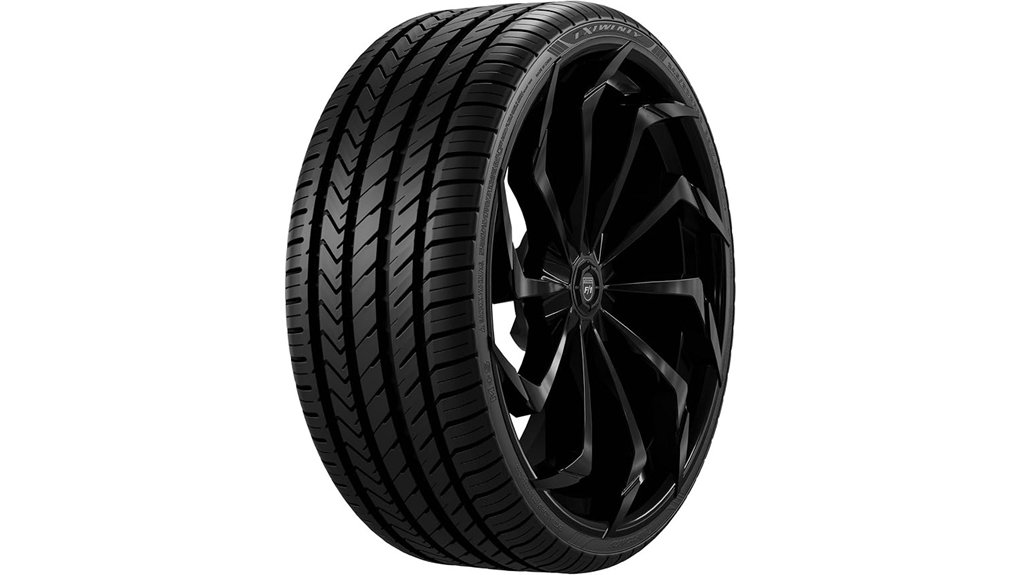
The Lexani LX-Twenty 265/35ZR19 98Y XL stands out for drivers who want a summer performance tire that balances sporty handling with everyday comfort. Built for warmer weather, it uses an asymmetrical tread pattern to support responsive cornering and confident handling. Grooves and sipes help improve traction and grip on wet roads, adding versatility in changing summer conditions. Its optimized construction reduces road noise and vibrations, promoting a quieter ride. Backed by a 55,000 mile limited manufacturer tread life, it offers solid value for drivers seeking dependable summer performance.
Best For: Drivers looking for a summer performance tire that offers sporty handling, wet-road traction, and a quieter, more comfortable ride.
Pros:
- Asymmetrical tread pattern supports responsive, sporty handling.
- Grooves and sipes improve traction and grip on wet roads.
- Optimized construction helps reduce road noise and vibrations.
Cons:
- Designed mainly for warmer weather, so it’s not ideal for year-round use.
- Performance-focused design may not prioritize maximum ride comfort over sportiness.
- Limited tread life warranty may be shorter than some all-season touring tires.
Firestone Firehawk Indy 500 Summer Tire 225/40R18 92W
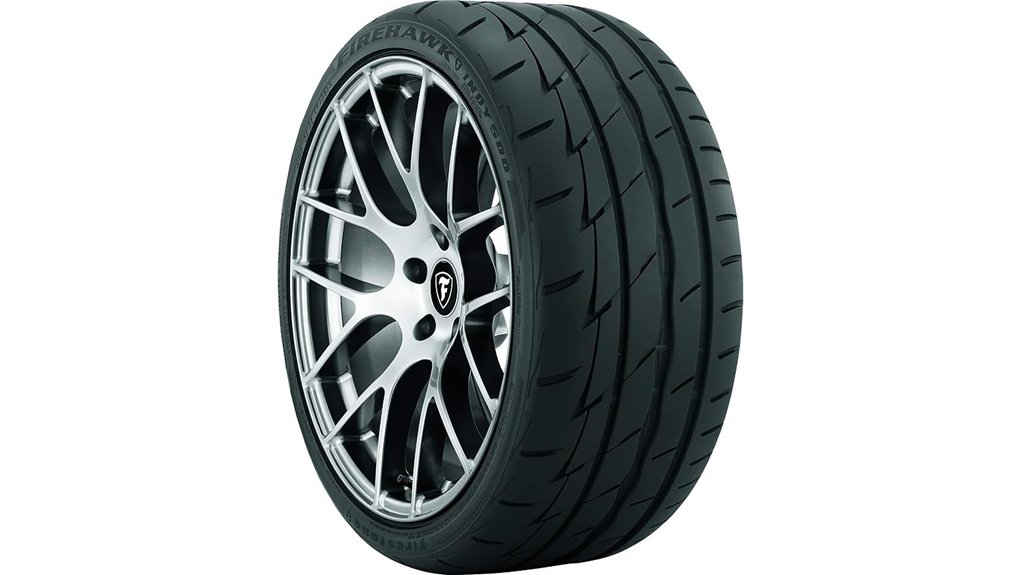
Firestone’s Firehawk Indy 500 suits drivers who want sharp summer grip without sacrificing wet-road confidence. This ultra-high summer performance tire in 225/40R18 92W XL uses an improved wet rubber compound and tread design to help shorten wet stopping distances by 20% versus the previous generation. Firestone’s Pulse Groove Technology promotes efficient water evacuation and lowers hydroplaning risk. Wide shoulders add stiffness for responsive cornering, while the enhanced tread pattern supports stronger wet handling. Its bold design matches its performance focus, making it a capable choice for drivers seeking control, precision, and dependable summer traction.
Best For: Drivers who want an ultra-high summer performance tire with sharp dry-road handling, strong wet traction, and confidence in rainy conditions.
Pros:
- Improved wet rubber compound and tread design help reduce wet stopping distances by 20% versus the previous generation.
- Pulse Groove Technology enhances water evacuation and helps lower the risk of hydroplaning.
- Wide shoulders and an enhanced tread pattern support responsive cornering and better wet handling.
Cons:
- Summer-only tire, so it is not suitable for winter or snow use.
- Ultra-high performance focus may come with a firmer ride than touring tires.
- Best performance depends on warm-weather conditions, making it less versatile year-round.
Lexani LX-Twenty 255/40ZR19 100W XL Performance Passenger Tire
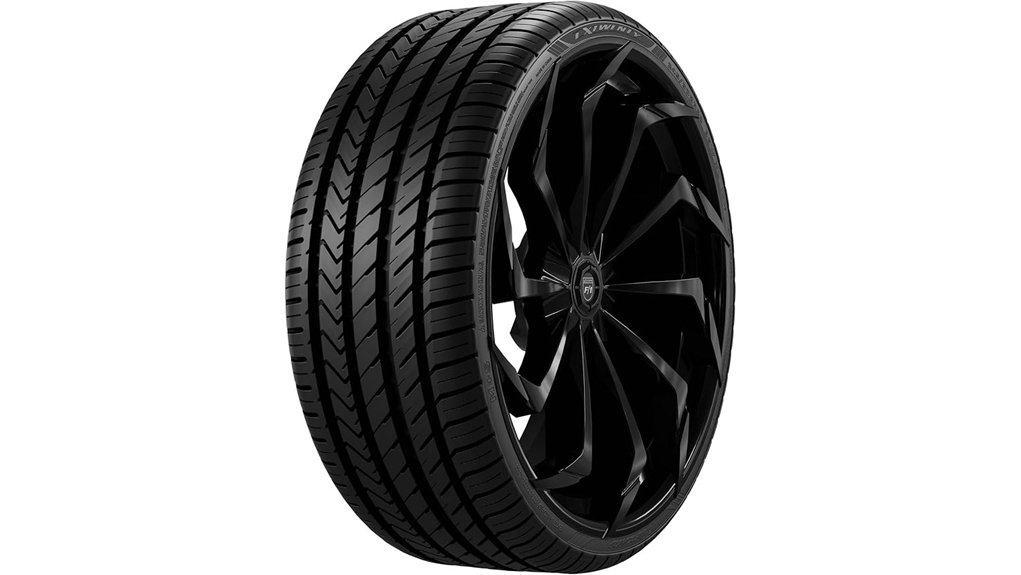
Lexani’s LX-Twenty suits drivers seeking sharp summer handling with a 55,000-mile tread-life guarantee. This 255/40ZR19 XL performance passenger tire uses an asymmetrical tread to support confident cornering and responsive steering. Grooves and sipes help channel water for improved wet-road grip, while the optimized construction is designed to reduce road noise and vibration on daily drives. With a W speed rating, 100 load index, 1764-pound capacity, and 49 psi maximum pressure, it targets universal-fit vehicles needing balanced summer capability. Its 27-inch diameter, 27.5-pound weight, and radial construction complete the package.
Best For: Drivers of universal-fit passenger vehicles who want a summer performance tire with sharp handling, solid wet-road traction, and a comfortable, low-noise ride.
Pros:
- 55,000-mile limited tread-life backing offers strong longevity for a performance tire.
- Asymmetrical tread design supports responsive steering and confident cornering.
- Grooves, sipes, and optimized construction help improve wet grip while reducing road noise and vibration.
Cons:
- Non-winter tire, so it is not suitable for cold-weather or snowy driving.
- Performance-focused design may wear faster under aggressive driving than touring tires.
- No manufacturer warranty is specified beyond the limited tread-life guarantee.
Kenda Vezda UHP Summer (KR20A) Racing P245/40ZR18 97W XL Passenger Tire
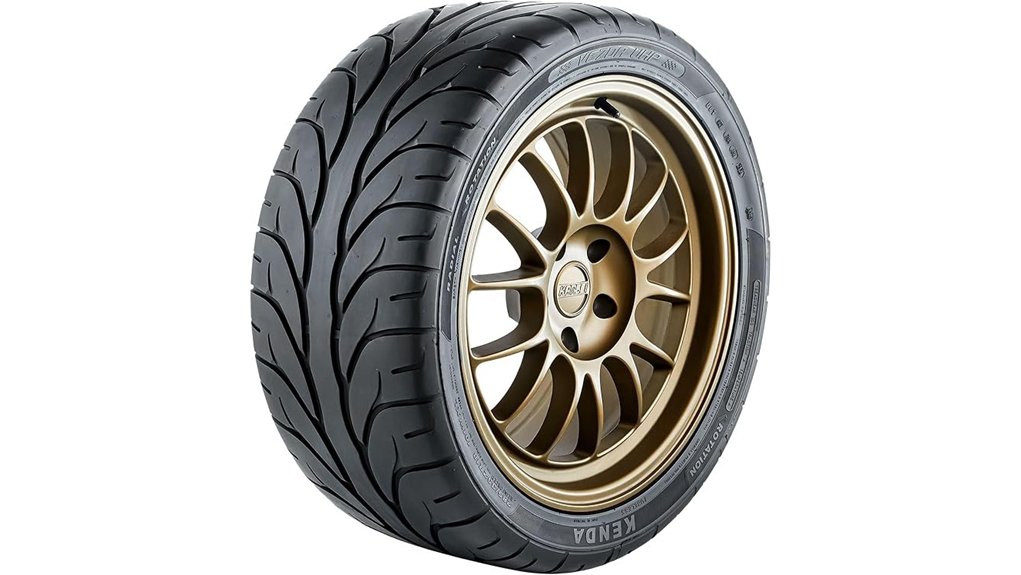
Built for warm-weather grip, the Kenda Vezda UHP Summer (KR20A) suits performance drivers and occasional track use. This ultra-high-performance summer tire in size P245/40ZR18 carries a 97W rating, radial 4-ply construction, and a directional tread designed for solid grip and steady response. It is DOT approved for road and track use, but it is not intended for temperatures below 45°F. The tire’s 8.3/32-inch tread depth and wear-focused design support consistent service. With a 30-pound build, 51 psi maximum pressure, and universal fit, it offers a focused summer option.
Best For: Performance-oriented drivers who want a warm-weather ultra-high-performance summer tire with solid grip for spirited street driving and occasional track use.
Pros:
- Directional tread and UHP summer design deliver strong warm-weather grip and responsive handling.
- DOT approved for both road and track use.
- Wear-focused construction and 8.3/32-inch tread depth support consistent service life.
Cons:
- Not suitable for temperatures below 45°F.
- Summer-only tire, so it’s not ideal for year-round use or wet/cold-season driving.
- Specialized performance focus may lead to faster wear than standard touring tires.
Nitto NT555 G2 255/35ZR20 97W
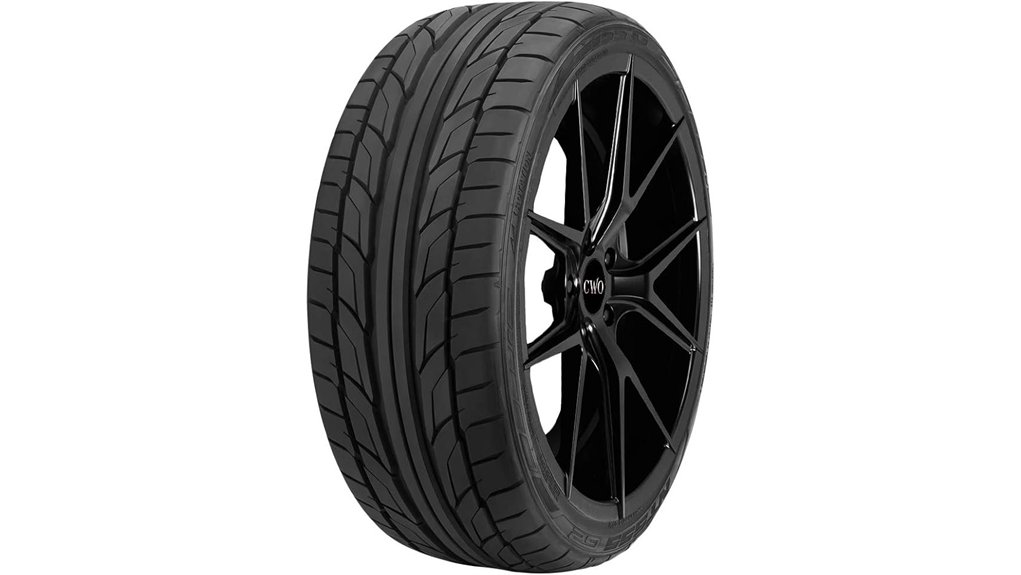
The Nitto NT555 G2 255/35ZR20 97W suits drivers seeking confident summer grip and sharp cornering response. Circumferential grooves help move water out of the contact patch, supporting traction in wet conditions. A silica compound adds stiffness, improving rigidity for both wet and dry cornering. Reinforced shoulder treads strengthen durability while boosting cornering grip. Together, these features give the tire balanced performance for spirited street driving and warm-weather use. It delivers enhanced traction, durability, and control, making it a practical option for drivers who want dependable summer handling without sacrificing responsiveness.
Best For: Drivers seeking a summer tire with confident wet traction, sharp cornering response, and dependable everyday performance.
Pros:
- Circumferential grooves help evacuate water for improved wet traction.
- Silica compound adds stiffness for better wet and dry cornering rigidity.
- Reinforced shoulder treads enhance durability and cornering grip.
Cons:
- Designed for summer use, so it’s not ideal for cold weather or snow.
- Focused on performance, which may mean a firmer ride than touring tires.
- Best benefits are most noticeable for spirited driving, not casual commuting.
Kenda Vezda UHP Summer (KR20A) Racing P265/35ZR18 93W Passenger Tire
https://m.media-amazon.com/images/I/812b1Ndra2L._AC_SX679_.jpg
Kenda’s Vezda UHP Summer KR20A suits drivers who want dependable warm-weather grip. Designed for performance-oriented cars, this P265/35ZR18 93W passenger tire uses a specialized tread pattern to deliver solid traction and consistent response. It performs best in warmer conditions and is not intended for temperatures consistently below 45°F. Kenda also engineers the KR20A for good wear, adding useful durability for spirited street use. Its front- and rear-axle compatibility increases flexibility, making it a practical summer option for drivers seeking balanced performance without sacrificing longevity.
Best For: Drivers of performance-oriented cars who want dependable warm-weather grip, consistent response, and a summer tire with decent durability for spirited street use.
Pros:
- Specialized tread pattern provides solid traction and consistent performance.
- Good wear adds useful durability for everyday and spirited driving.
- Front- and rear-axle compatibility offers flexible fitment.
Cons:
- Best only in warmer weather, so it is not suitable for cold climates.
- Not intended for temperatures consistently below 45°F.
- Summer-focused design limits year-round usability.
Factors to Consider When Choosing Summer Performance Tires

When choosing summer performance tires, warm-weather grip and wet road handling are key measures of everyday control and confidence. Tread life value, noise, and ride comfort also affect how practical the tire feels over time. Speed rating needs should match the vehicle’s performance demands to guarantee the tire is suited to its intended use.
Warm Weather Grip
Warm weather grip is one of the most important factors in choosing a summer performance tire, since these tires rely on specialized tread patterns and silica-rich rubber compounds to deliver sharper handling and stronger traction on dry and wet roads. Asymmetrical and directional designs help the tire stay planted during cornering, while silica in the compound adds stiffness for better contact with the pavement. In suitable temperatures, the tread can respond quickly and maintain precise feedback. Many models also use deeper grooves and sipes to support consistent performance when conditions change. Because summer tires lose effectiveness in colder weather, their grip should be evaluated with local climate in mind. Some options pair this performance focus with long tread warranties, showing that durability can coexist with strong warm-weather traction.
Wet Road Handling
Wet road handling is a key factor to weigh in summer performance tires, because specialized asymmetrical or directional tread patterns help channel water away from the contact patch and improve grip on slick pavement. Advanced rubber compounds also play an important role, helping tires maintain traction on damp roads and shorten stopping distances compared with older designs. Water management features such as pulse grooves further reduce hydroplaning risk by clearing surface water more efficiently. Wider shoulders add stiffness, which supports stability when the tire is loaded in wet cornering. Enhanced siping and carefully shaped grooves create extra biting edges, improving steering response and overall control. Together, these design elements help summer performance tires stay composed, predictable, and secure when rain interrupts otherwise warm driving conditions.
Tread Life Value
Beyond wet-road grip, tread life value is another major factor when choosing summer performance tires. It shows how many miles a tire should last under normal driving, and some models carry warranties reaching 55,000 miles. Longer tread life often suggests stronger materials and sound construction, which can reduce replacement costs over time. However, aggressive tread designs that improve cornering and traction may wear faster, so performance and durability must be weighed together. Tires with optimized wear characteristics can maintain stable handling and safety as miles accumulate. Regular rotation, alignment checks, and proper inflation also help extend service life. For buyers, tread life value matters because it affects both long-term expense and the consistency of performance across the tire’s usable lifespan.
Noise And Comfort
Noise and comfort are important considerations when selecting summer performance tires, especially for drivers who want strong handling without sacrificing everyday refinement. Many modern designs use optimized construction to limit road noise and vibration, helping create a quieter cabin for both drivers and passengers. Asymmetrical tread patterns and specialized grooves can also improve comfort by supporting steady traction and grip on wet roads, which contributes to a smoother ride. This matters especially in high-performance vehicles, where excess tire noise can reduce driving enjoyment. Comfort-focused tires often include noise-dampening technologies that block sound from the road surface. Materials that absorb sound, along with tread patterns that scatter noise waves, further reduce harshness and make daily driving more pleasant for occupants.
Speed Rating Needs
Speed rating is a key factor when choosing summer performance tires, because it indicates the maximum speed a tire can safely sustain. Higher ratings support faster driving conditions and are especially important for performance-focused summer use. Each rating corresponds to a defined limit; for example, a W-rated tire is designed for speeds up to 168 mph. Choosing the correct rating helps preserve handling and control when speeds rise, while higher-rated tires often deliver better cornering stability and shorter stopping distances. The rating should match both the vehicle’s capabilities and the driver’s habits. When the tire’s speed capability aligns with real-world demands, safety and performance are better balanced without unnecessary compromise in everyday summer driving.
Size And Fitment
Proper fitment begins with the tire’s size, including width, aspect ratio, and rim diameter, all of which must match the vehicle’s specifications to maintain safe handling and performance. The load index should also meet or exceed the vehicle’s requirement, since inadequate capacity can compromise durability and safety under heavy loads. Speed rating remains equally important, as the tire must be capable of sustaining the vehicle’s expected top speeds. Construction type affects behavior as well; radial summer tires generally provide stronger grip and stability than bias-ply designs. Compatibility with suspension geometry and brake clearance should not be overlooked, because oversized or undersized tires can alter steering response, increase wear, and reduce overall control in spirited driving conditions on dry pavement.
Frequently Asked Questions
How Do Summer Performance Tires Affect Fuel Economy?
Summer performance tires usually reduce fuel economy slightly because their stickier compounds and wider tread increase rolling resistance. They may improve grip and handling, but drivers often trade efficiency for sharper response and shorter stopping distances.
Can I Use Summer Performance Tires in Light Rain Safely?
Like a dancer on a slick stage, they can in light rain if tread is adequate and speeds stay modest, but hydroplaning risk rises sharply. Caution, longer stopping distances, and fresh tires matter most.
What Tire Pressure Is Best for Summer Performance Driving?
For summer performance driving, the ideal tire pressure is usually the vehicle manufacturer’s recommended cold pressure, sometimes slightly adjusted after track testing. He should avoid guessing, since too much or too little pressure hurts grip, wear, and stability.
How Often Should Summer Performance Tires Be Rotated?
Summer performance tires should be rotated every 5,000 to 8,000 miles, or with each oil change. In a rotary-phone twist, consistent rotation helps even wear, preserving grip, steering response, and overall tire life.
Do Summer Performance Tires Wear Faster Than All-Season Tires?
Yes. Summer performance tires typically wear faster than all-season tires because softer compounds and stickier tread prioritize grip over longevity. They usually provide better warm-weather handling, but shorter tread life and less versatility.
Conclusion
Summer performance tires promise a sharp, sunlit drive: the Lexani LX-Twenty blends sporty poise with comfort, while the Firestone Firehawk Indy 500 grips wet pavement like a handrail in rain. Kenda’s Vezda UHP answers with racetrack intent, and the Nitto NT555 G2 delivers steady summer confidence. Yet every advantage carries a tradeoff—noise, wear, or cost—like speed chasing shadow. The right tire turns pavement into choreography.