
Truck owners in 2027 face a crowded tire market where fuel economy can make a real difference over time. Models like the Hankook Kinergy ST, Goodyear Fuel Max RSA, and Bridgestone Ecopia H/L 422 Plus promise lower rolling resistance and dependable performance, but the best choice depends on more than brand names alone. Tread design, load rating, and intended use all matter, and one option may stand out for reasons that are easy to overlook.
Hankook Kinergy ST (H735) All Season 225/75R15 102T Passenger Tire
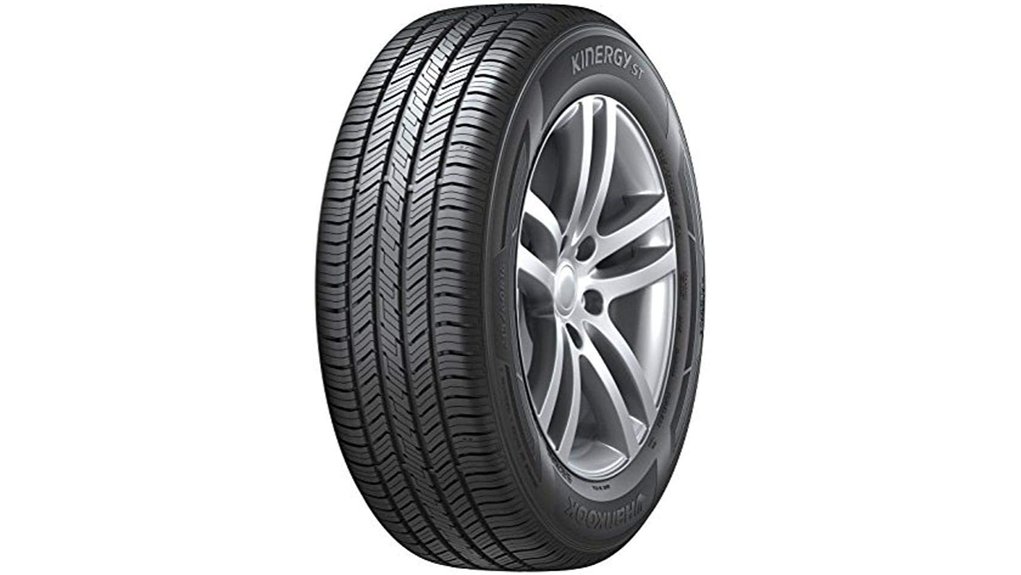
The Hankook Kinergy ST (H735) All Season 225/75R15 102T Passenger Tire is a strong fit for truck owners who want dependable everyday performance with long tread life and a quieter ride. Its 70,000-mile limited warranty, abrasion-resistant compound, and stiff tread blocks support durability and steady handling. Wide lateral grooves and notch sipes help in wet, snowy, and light winter conditions, while the optimized pitch sequence reduces road noise. The symmetrical radial design, 102 load index, and 1,874-pound capacity make it a practical, vehicle-specific option for balanced all-season use.
Best For: Truck and vehicle owners seeking a dependable all-season tire with long tread life, quiet operation, and solid wet or light winter traction.
Pros:
- 70,000-mile limited warranty supports long-term value and confidence.
- Wide lateral grooves and notch sipes improve wet, snowy, and light winter traction.
- Optimized pitch sequence helps reduce road noise for a quieter ride.
Cons:
- Best suited for everyday all-season use, not for severe winter conditions.
- 102 load index may be limiting for heavier-duty hauling needs.
- Performance focus is balanced and practical rather than sporty or high-performance.
Goodyear Fuel Max RSA 245/70R19.5 136/134M All Season H (16 Ply) Steer Tire
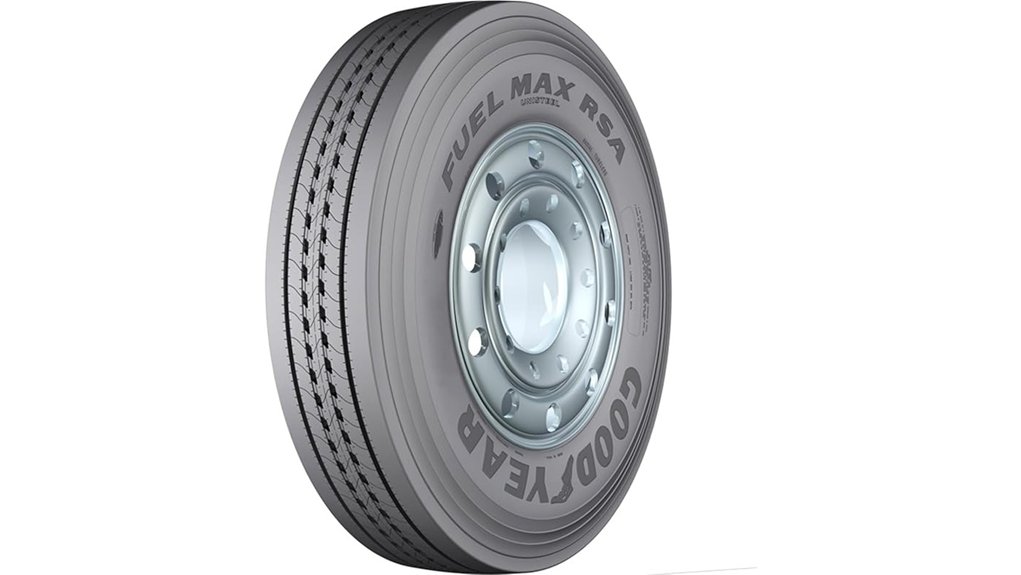
Goodyear’s Fuel Max RSA suits commercial trucks needing a fuel-conscious steer tire with dependable all-season traction. Built in 245/70R19.5 size, it uses radial construction and a 16-ply H-rated design for steer axle service. The tire carries a load index of 136/134, supporting up to 4,938 pounds on single fitments and 4,674 pounds in dual applications. An M speed rating permits operation up to 81 mph. It features a black sidewall and is sold as tire only, with no rim or wheel included.
Best For: Commercial truck operators looking for a fuel-conscious 245/70R19.5 steer tire with dependable all-season traction and strong load capacity.
Pros:
- All-season tread offers reliable traction in a variety of conditions.
- 16-ply H-rated radial construction is built for steer axle service.
- High load index supports heavy commercial use.
Cons:
- Tire only; rim and wheel are not included.
- Designed specifically for steer positions, so it’s not ideal for all axle roles.
- Speed rating tops out at 81 mph, which may be limiting for some applications.
Falken RI-119 Ecorun 11R22.5 144/142L G Commercial Tire
Built for trailer positions, the Falken RI-119 Ecorun suits fleets prioritizing fuel economy and long wear. Its low rolling resistance tread compound supports reduced drag in highway service, helping limit fuel use. The decoupling groove is designed to combat irregular wear, which can extend tread life over long miles. Four steel belts add puncture resistance and improve retreadability, supporting total cost control. Stone defense features help prevent rock and pebble packing, protecting the belt package and casing from stone drilling. In commercial applications, the tire emphasizes durability, stable performance, and efficient operation.
Best For: Fleet operators and commercial trucking businesses looking for a durable, fuel-efficient trailer tire with strong long-wear and retreadability benefits.
Pros:
- Low rolling resistance tread compound helps improve fuel economy in highway service.
- Decoupling groove helps reduce irregular wear and extend tread life.
- Four steel belts and stone defense features improve puncture resistance and protect the casing.
Cons:
- Designed specifically for trailer positions, so it is not suited for all axle applications.
- May be more specialized than necessary for lighter-duty or non-highway use.
- Performance benefits are focused on efficiency and durability rather than all-weather traction.
Starfire Solarus HT All-Season 265/70R16 112T Tire
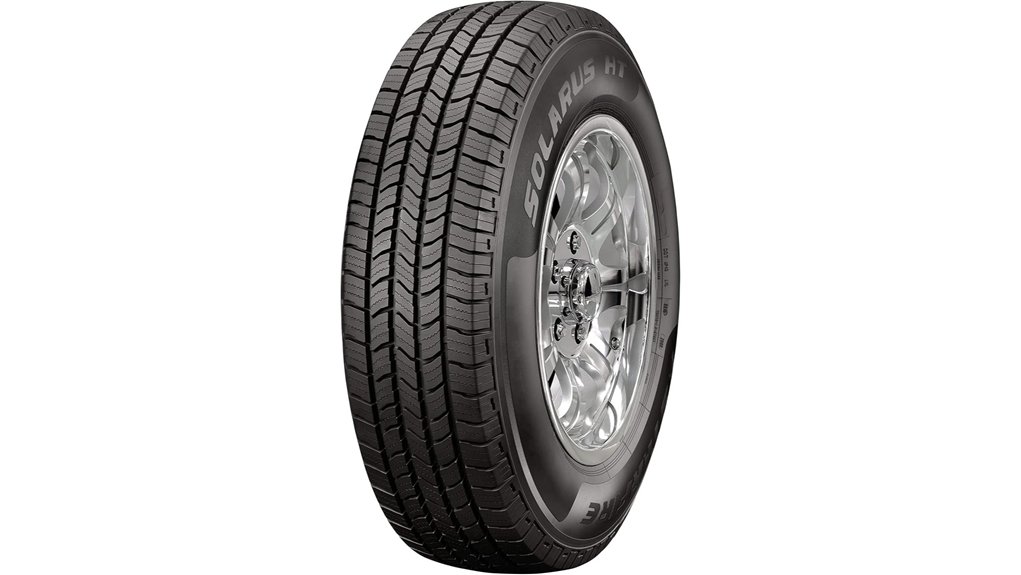
With a 50,000-mile warranty, the Starfire Solarus HT suits budget-minded truck, SUV, and CUV drivers. This all-season touring tire uses a symmetrical 5-rib tread to promote even wear, while Wet Grip Grooves and Traction Sipes support dependable traction in rain and changing conditions. Its 265/70R16 size, 112T rating, and 10-ply radial construction provide a 2,469-pound load capacity and a 44 psi maximum pressure. Cooper Tire & Rubber Company designed it for a quiet ride over time, making it a practical choice for owners seeking steady efficiency, comfort, and value.
Best For: Budget-minded SUV, CUV, and pickup owners who want a reliable all-season touring tire with good wet traction, a quiet ride, and long-lasting value.
Pros:
- 50,000-mile warranty offers solid peace of mind for the price.
- Symmetrical 5-rib tread with Wet Grip Grooves and Traction Sipes helps provide dependable all-season traction.
- Quiet-riding design and 10-ply radial construction suit everyday driving and light-duty hauling.
Cons:
- Not intended for off-road or severe winter performance.
- T-readwear and traction benefits are practical, but not premium-level compared with higher-end tires.
- Load/speed rating may not be suitable for heavier-duty or high-performance applications.
Goodyear Fortera HL Radial Tire – 245/65R17 105S
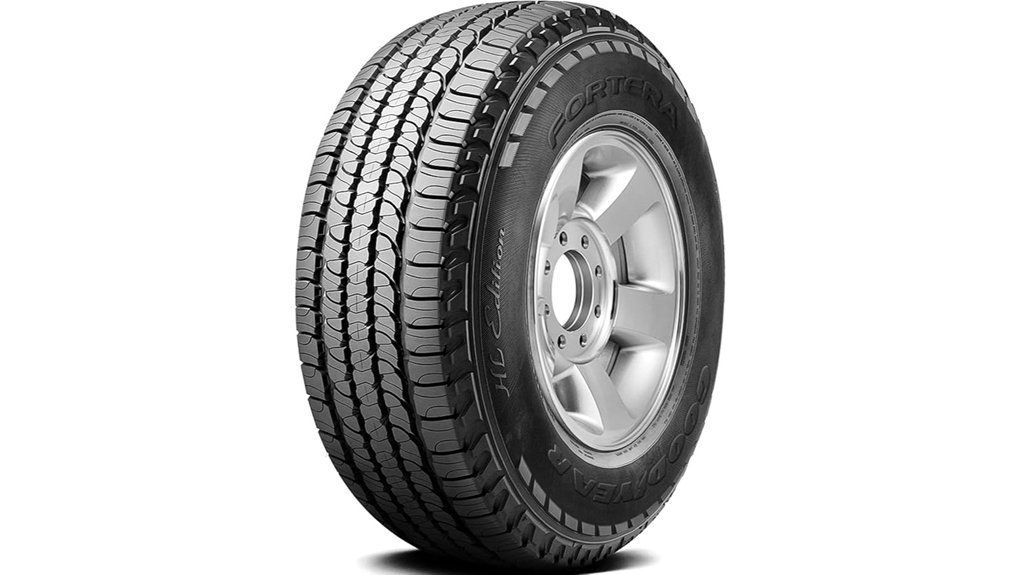
The Goodyear Fortera HL Radial Tire suits SUV and truck drivers seeking quiet, all-season traction. In 245/65R17 size with a 105 load index, this radial tire uses staggered circumferential grooves and curvilinear blades to improve grip on wet and snowy roads. Buttressed tread blocks and deep blades support stability, handling, and tread life, while intricate rib blading helps reduce road noise. Its optimized tread pattern aims for a comfortable ride in varied conditions. A 60,000-mile tread life limited warranty provides added reassurance, though exclusions may apply.
Best For: SUV and truck drivers who want a quiet, comfortable all-season tire with dependable wet and light snow traction.
Pros:
- Staggered circumferential grooves and curvilinear blades improve grip in rain and snow.
- Buttressed tread blocks and deep blades support stability, handling, and tread life.
- Optimized tread pattern helps reduce road noise for a quieter ride.
Cons:
- Best performance is limited to all-season use, not specialized winter driving.
- Warranty exclusions may apply to the 60,000-mile tread life coverage.
- Larger SUV/truck tires can be heavier and may not suit every vehicle or driving style.
Goodyear Assurance Fuel Max All-Season 255/65R18 SL 111 H Tire
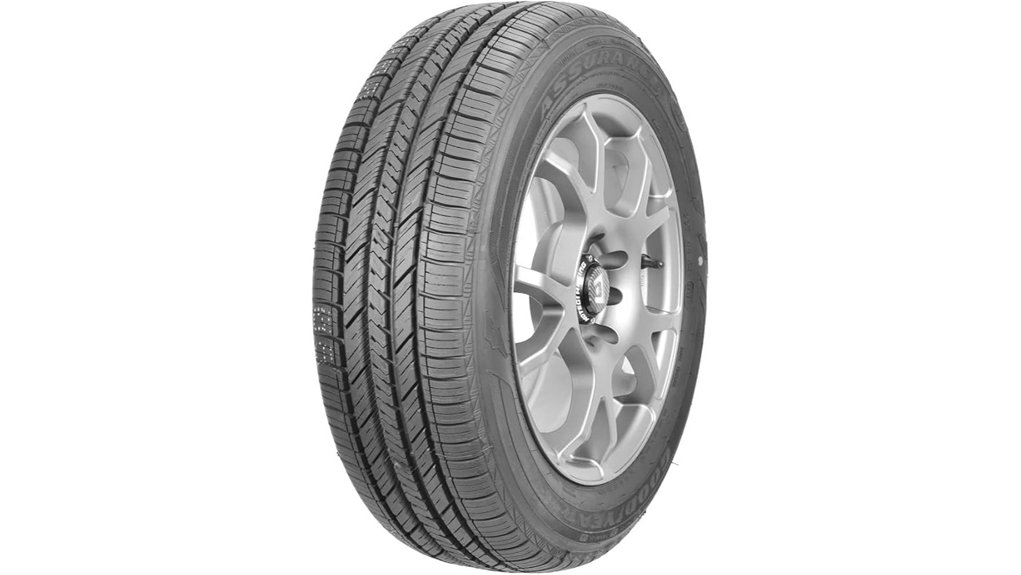
Goodyear’s Assurance Fuel Max targets truck owners prioritizing fuel savings. The all-season 255/65R18 SL 111 H tire uses a fuel-saving tread compound and low rolling resistance to help reduce energy loss while driving. Goodyear says a set can save up to 2,600 miles of gas over its life. Its wet tread zone helps evacuate water for strong traction on slick roads, while the dry tread zone improves handling and grip on pavement. The design aims to balance efficiency, traction, and dependable year-round performance for trucks.
Best For: Truck owners who want an all-season tire that prioritizes fuel savings without giving up everyday wet and dry road traction.
Pros:
- Fuel-saving tread compound and low rolling resistance help improve efficiency
- Wet tread zone is designed to evacuate water for better traction on slick roads
- Dry tread zone enhances handling and grip on pavement
Cons:
- Best benefits may be less noticeable for drivers who prioritize sporty handling or maximum performance
- Fuel-saving focus may come with trade-offs versus more aggressive all-terrain or off-road tires
- All-season design is versatile, but not ideal for severe winter conditions
Michelin Primacy LTX 265/65R17 112T
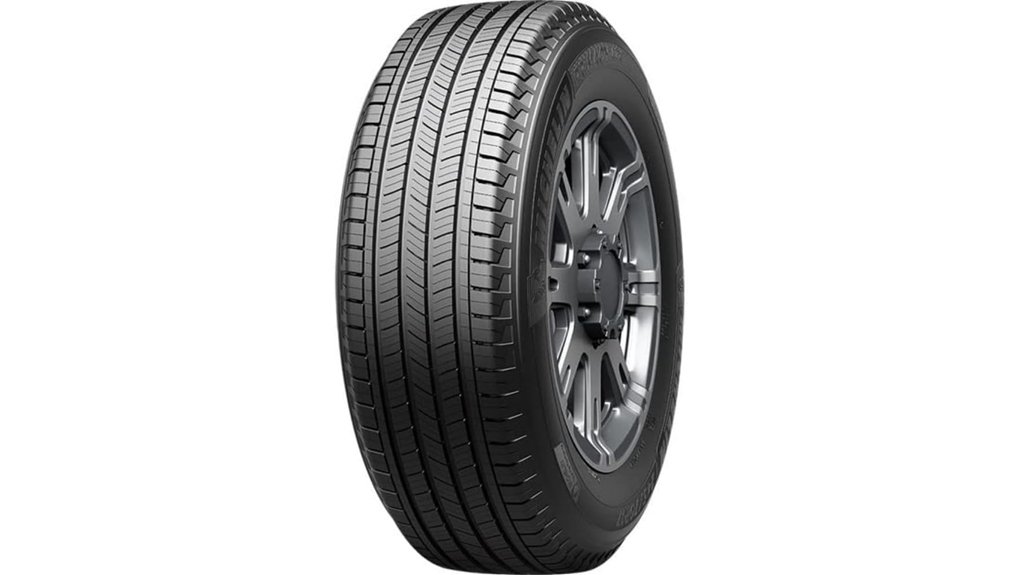
Michelin Primacy LTX 265/65R17 112T suits truck drivers seeking better fuel economy and comfort. Developed with leading truck manufacturers, it is built to support efficient highway use and dependable everyday performance. Its low rolling resistance helps maximize fuel efficiency, while the all-season design provides steady traction in changing conditions. The tire also emphasizes a quiet, comfortable ride, making long drives less tiring. It is aimed at drivers who value efficiency without sacrificing refinement. Overall, this model combines practical savings with balanced performance for varied truck applications.
Best For: Truck drivers who want better fuel economy, quiet comfort, and dependable all-season performance.
Pros:
- Low rolling resistance helps maximize fuel efficiency.
- Quiet, comfortable ride reduces fatigue on long drives.
- All-season design provides steady traction in changing conditions.
Cons:
- Focused more on efficiency and comfort than aggressive off-road performance.
- May not be the best choice for drivers seeking sporty handling.
- Performance benefits are geared toward highway and everyday use rather than extreme conditions.
Continental HSR 5 225X70R19.5 All-Season Commercial Tire
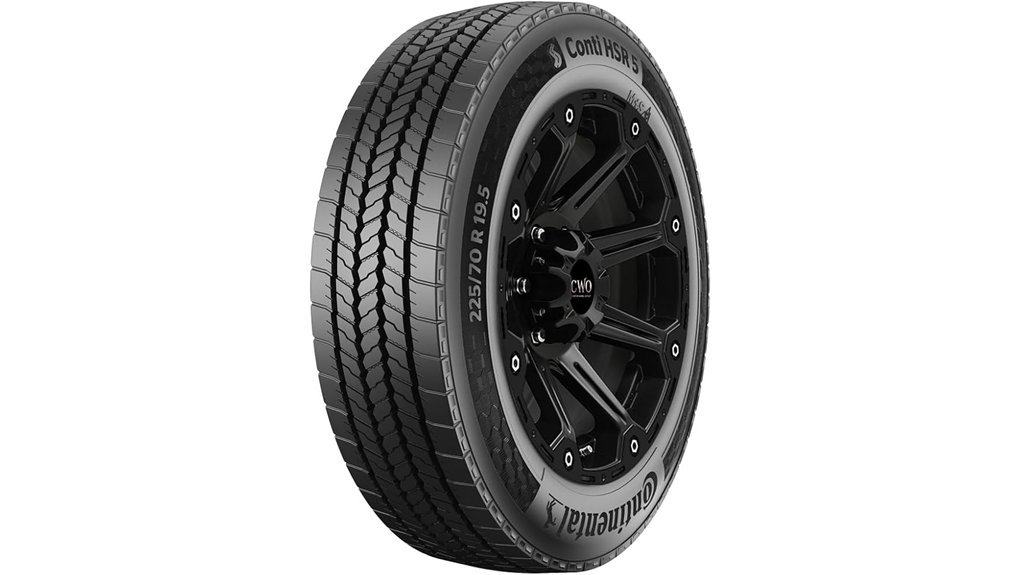
Continental’s HSR 5 225/70R19.5 suits commercial fleets prioritizing fuel efficiency and durability. This all-season, heavy-duty tire uses a radial 14-ply construction and a symmetrical tread designed for steady wear and predictable handling. Sized at 225/70R19.5, it carries a load index of 14 and a speed rating of R, fitting trucks that operate under demanding service conditions. Continental positions it as a commercial tire for year-round use, with support through a 30-day voluntary return guarantee and product warranty details. Its single-unit listing is identified by ASIN B0D5ZZP7C1.
Best For: Commercial fleet operators and truck owners who need a durable, fuel-efficient all-season tire for heavy-duty year-round use.
Pros:
- Radial 14-ply construction supports heavy-duty commercial applications.
- Symmetrical tread helps provide steady wear and predictable handling.
- All-season design is well suited for year-round fleet use.
Cons:
- Designed for commercial vehicles, so it’s not ideal for personal/light-duty driving.
- Speed rating R may be limiting for some higher-speed applications.
- Only a single tire is included, which may require buying multiples for a full set.
Hankook Dynapro HT2 (RH14) All Season 245/75R18 112T Light Truck Tire
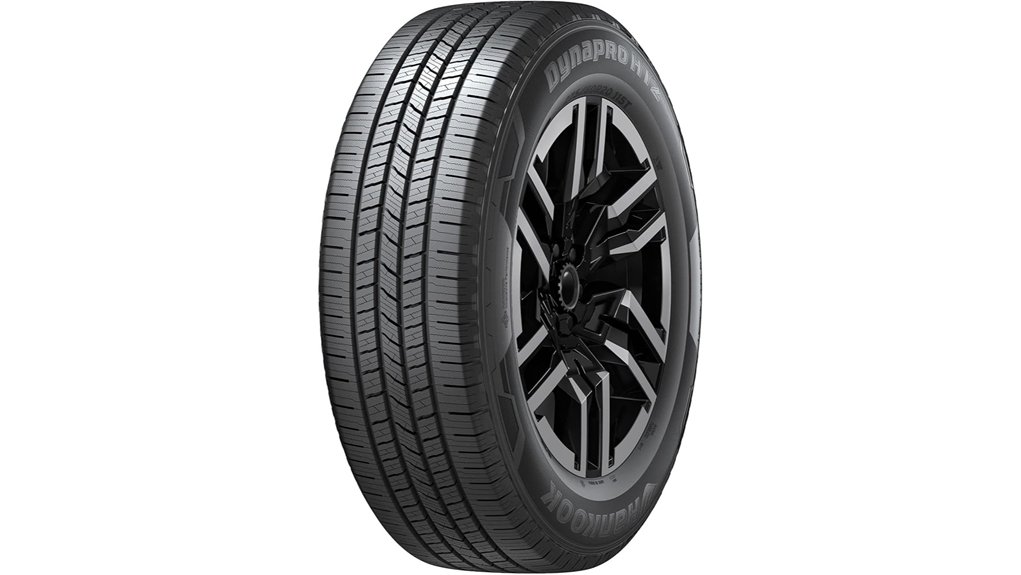
The Hankook Dynapro HT2 suits light-truck drivers seeking fuel-conscious all-season performance. In 245/75R18 112T form, this light truck tire also fits many CUVs and SUVs. Its specially formulated compound and wider contact patch support even wear, which can help maintain consistent rolling efficiency over time. Optimized tread grooves and a hydrophilic compound improve wet braking and handling while reducing hydroplaning risk. Closed-end lateral grooves and multi-pitch sequencing help limit road noise, contributing to a quieter ride. Hankook backs LT-metric sizes with a 50,000-mile limited warranty.
Best For: Light-truck, CUV, and SUV drivers who want a quiet, all-season tire with dependable wet-weather performance and even wear.
Pros:
- Specially formulated compound and wider contact patch help promote even wear.
- Optimized tread grooves and hydrophilic compound improve wet braking and handling.
- Closed-end lateral grooves and multi-pitch sequencing help reduce road noise for a quieter ride.
Cons:
- May not satisfy drivers looking for aggressive off-road traction.
- Best suited for everyday all-season use rather than extreme winter conditions.
- LT-metric sizes only include a 50,000-mile limited warranty, which is lower than the P-metric coverage.
Bridgestone Ecopia H/L 422 Plus All-Season Highway Tire 265/50R20 107 T
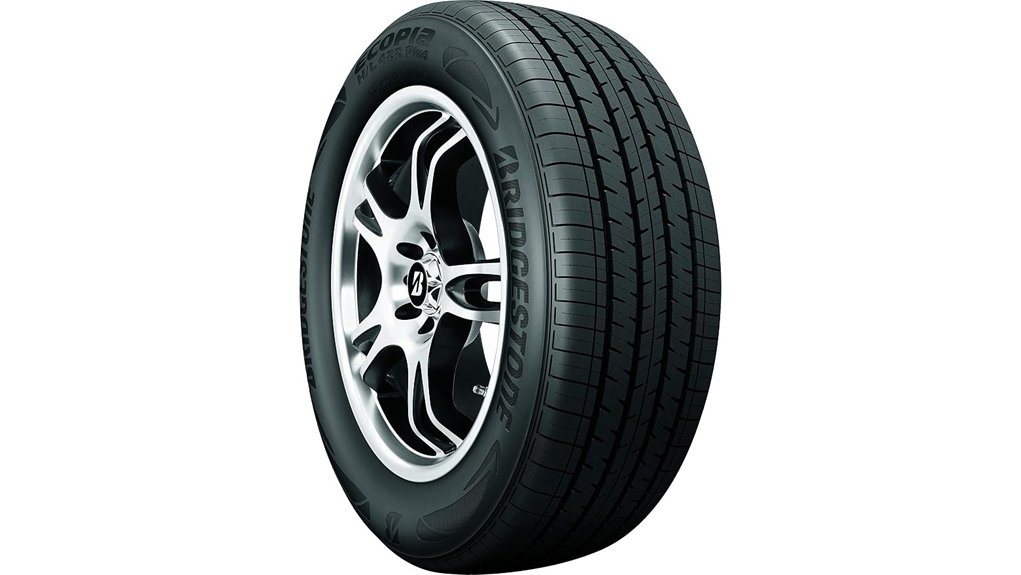
Bridgestone’s Ecopia H/L 422 Plus suits truck owners prioritizing fuel efficiency and quiet highway comfort. This all-season highway tire uses a symmetrical radial design in 265/50R20 sizing, with a 107T rating and SL construction for universal fit applications. Bridgestone engineered it to improve fuel economy while maintaining confident year-round handling. An optimized tread pattern supports traction and helps resist irregular wear, and full-depth grooves aid water evacuation as the tire ages. A 70,000-mile treadwear warranty and 2,149-pound load capacity add practical value for long-distance use.
Best For: Truck and SUV owners who want a fuel-efficient, quiet all-season highway tire with strong tread life for everyday and long-distance driving.
Pros:
- Helps improve fuel economy while still delivering confident year-round highway handling.
- Quiet, comfortable ride with an optimized tread pattern that supports traction and helps resist irregular wear.
- Up to 70,000-mile treadwear warranty and full-depth grooves that aid water evacuation as the tire wears.
Cons:
- Highway-focused design may not be ideal for off-road or rugged terrain use.
- T speed rating may be limiting for drivers seeking higher-speed performance options.
- Best suited to universal fit applications, so exact vehicle compatibility still needs to be checked.
Factors to Consider When Choosing Tires for Fuel Economy on Trucks

Several factors influence fuel economy when choosing truck tires, including rolling resistance, tread compound, tire size, load capacity, and tread pattern. Lower rolling resistance and efficient tread compounds can help reduce energy loss, while proper tire size and load rating support balanced performance. Tread pattern also matters, since designs optimized for highway use often improve efficiency compared with more aggressive styles.
Rolling Resistance
Rolling resistance is a major factor in truck tire fuel economy because it measures the energy lost as a tire moves, and lower rolling resistance reduces the power needed to keep a vehicle rolling. Tires designed to minimize this loss can improve fuel efficiency by requiring less energy to maintain speed, which matters greatly for trucks covering high annual mileage. Over the life of four tires, the savings can equal as much as 2,600 miles of gas. Tire inflation also affects resistance; under-inflated tires raise drag and waste fuel. For commercial fleets, even modest reductions in rolling resistance can produce meaningful long-term savings, making this characteristic a practical priority when selecting tires for economy-focused truck use.
Tread Compound
Tread compound plays a direct role in truck fuel economy because low rolling resistance formulations reduce the energy needed to keep the tires moving. In fuel-conscious truck tires, advanced rubber blends often use silica to improve grip while also lowering rolling resistance, helping conserve fuel during steady driving. These compounds can be paired with tread designs that limit unnecessary flexing, which supports efficiency over long use. Seasonal compounds tailored to specific weather conditions also matter, since they provide appropriate traction and handling without forcing the tire to work harder than needed. When combined with correct tire pressure, a fuel-efficient tread compound can produce noticeable savings and help a truck maintain better overall economy without sacrificing dependable road performance.
Tire Size
Tire size has a direct effect on truck fuel economy because width and aspect ratio influence rolling resistance, with narrower tires typically reducing drag and improving efficiency. Larger diameter tires can also alter stance and raise ground clearance, which may help airflow at highway speeds and slightly lower fuel use. Selecting the correct size keeps speedometer and odometer readings accurate, allowing fuel economy data to be measured properly. A tire that matches the vehicle’s specified load index avoids excess deformation and unnecessary rolling resistance. In light truck applications, a lower ply rating may reduce weight, further supporting efficiency. When size is chosen carefully, the truck can maintain balanced handling, correct calibration, and lower energy loss without compromising everyday drivability.
Load Capacity
Load capacity is a key factor in truck tire fuel economy because each tire must safely support the vehicle’s weight and any cargo it carries. Load capacity refers to the maximum weight a tire can carry, and it matters greatly on trucks that routinely haul heavy payloads. Tires with higher load indices usually have reinforced construction that helps them hold shape under stress, which can reduce deformation and support better fuel efficiency. Matching tire capacity to the truck’s actual load requirements is essential, since underloaded or overloaded tires increase rolling resistance and waste fuel. Exceeding rated limits also accelerates wear and shortens tire life. In many cases, heavier-duty tires use stiffer sidewalls and efficiency-oriented construction to help maintain performance.
Tread Pattern
Because tread design directly affects rolling resistance, it is one of the most important factors in truck tire fuel economy. Tread pattern can materially change how much energy a truck uses on the road. Symmetrical patterns often deliver balanced contact and reduce unnecessary drag, while low rolling resistance designs use shallow, tightly spaced grooves to limit rubber contact and improve mileage. Effective tread should also move water away efficiently, helping prevent hydroplaning and preserving traction in wet conditions without sacrificing efficiency. Well-optimized patterns can further reduce noise and vibration, which supports a smoother ride and may slightly improve fuel consumption. In practice, the best tread choice combines efficient rolling behavior, reliable wet-weather performance, and stable on-road manners for consistent economy.
Warranty Coverage
Warranty coverage can be an important indicator of overall value when choosing fuel-efficient truck tires, since longer tread life warranties often suggest stronger durability and better long-term performance. For trucks focused on fuel economy, tread life warranties of 50,000 to 70,000 miles are common and can signal tires built to reduce replacement frequency while preserving efficiency. Limited warranties may also cover defects in materials and workmanship, lowering repair or replacement costs if problems arise during the coverage period. Coverage varies by tire category, and light truck or commercial models may include different terms than passenger tires. Reviewing exclusions, mileage limits, and required maintenance is essential, because a warranty only adds value when its conditions align with actual use and expected fuel savings.
Frequently Asked Questions
What Tire Pressure Improves Truck Fuel Economy Most?
Truck fuel economy usually improves most at the manufacturer’s recommended tire pressure, since it balances rolling resistance, wear, and safety. Slightly higher pressure can help a bit, but overinflation reduces traction and comfort.
Do Low Rolling Resistance Tires Wear Out Faster?
A stitch in time saves nine: low rolling resistance tires often do not wear out faster, though softer compounds can wear sooner. Their longevity depends on load, inflation, alignment, driving habits, and road conditions.
Are All-Season Truck Tires Best for Winter Fuel Savings?
No, all-season truck tires are not necessarily best for winter fuel savings; their efficiency depends on tread design, compound, and temperature. Dedicated winter tires often grip better, but may slightly reduce fuel economy overall.
Can Tire Size Changes Affect Truck MPG Significantly?
Yes, tire size changes can substantially affect truck mpg. Larger, heavier tires usually increase rolling resistance and gearing load, reducing efficiency. Smaller or narrower options may improve fuel economy, though handling, load capacity, and calibration can change.
How Often Should Fuel-Efficient Truck Tires Be Rotated?
Typically, fuel-efficient truck tires should be rotated every 5,000 to 7,500 miles. Following the manufacturer’s schedule keeps wear even, because an ounce of prevention beats costly replacements and preserves mpg performance.
Conclusion
In the end, choosing fuel-efficient truck tires is less about following a trend and more about making every mile count. The right tire can quietly trim fuel costs, extend tread life, and improve everyday performance. Like a well-tuned engine, smart tire selection keeps a truck working harder while wasting less. From budget-friendly all-season picks to commercial-grade options, the best choice depends on the road ahead, the load carried, and the savings sought.

