

Choosing the right tire for a midsize SUV in 2027 comes down to more than tread design. Drivers need a balance of traction, comfort, durability, and weather performance. The Goodyear Fortera HL, Kumho Crugen Premium KL33, Continental ProContact TX, Finalist Terreno A/T, and Accelera Phi-R each bring different strengths to the road. Yet the best option depends on how and where the vehicle is used, and that is where the comparison becomes more interesting.
Goodyear Fortera HL Radial Tire – 245/65R17 105S
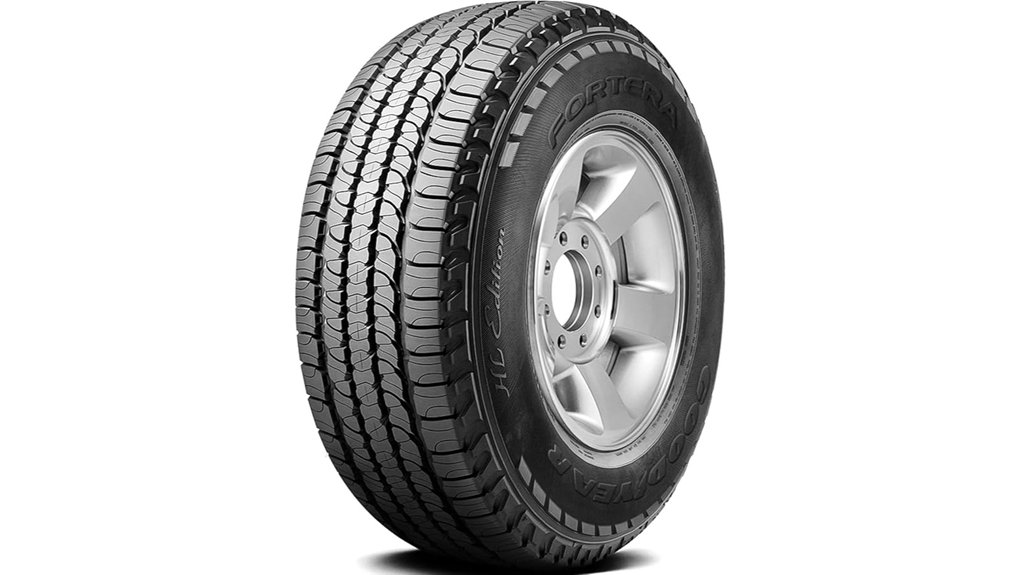
The Goodyear Fortera HL All-Season Radial Tire in 245/65R17 is a strong fit for midsize SUV owners who want dependable year-round traction without sacrificing comfort. Staggered circumferential grooves and curvilinear blades help deliver grip on wet and snowy roads, while buttressed tread blocks support handling and tread life. The optimized tread pattern and intricate rib blading work to reduce road noise, preserving a quiet ride. Built as a radial, non-directional tire with a 105 load index and 44 psi maximum pressure, it carries a 60,000-mile tread life limited warranty, exclusions may apply.
Best For: Midsize SUV and truck owners looking for a comfortable all-season radial tire with dependable wet and light-snow traction, quiet road manners, and long tread life.
Pros:
- Staggered circumferential grooves and curvilinear blades improve traction in rain and snow.
- Buttressed tread blocks and deep blading support handling and help extend tread life.
- Optimized tread pattern and rib blading reduce road noise for a quieter ride.
Cons:
- May not be the best choice for drivers needing serious off-road or extreme winter performance.
- 44 psi maximum pressure and standard all-season design may limit performance for some heavy-duty applications.
- Warranty exclusions may apply, so treadwear coverage is not fully universal.
Kumho Crugen Premium KL33 All-Season Tire – 235/60R18 103H
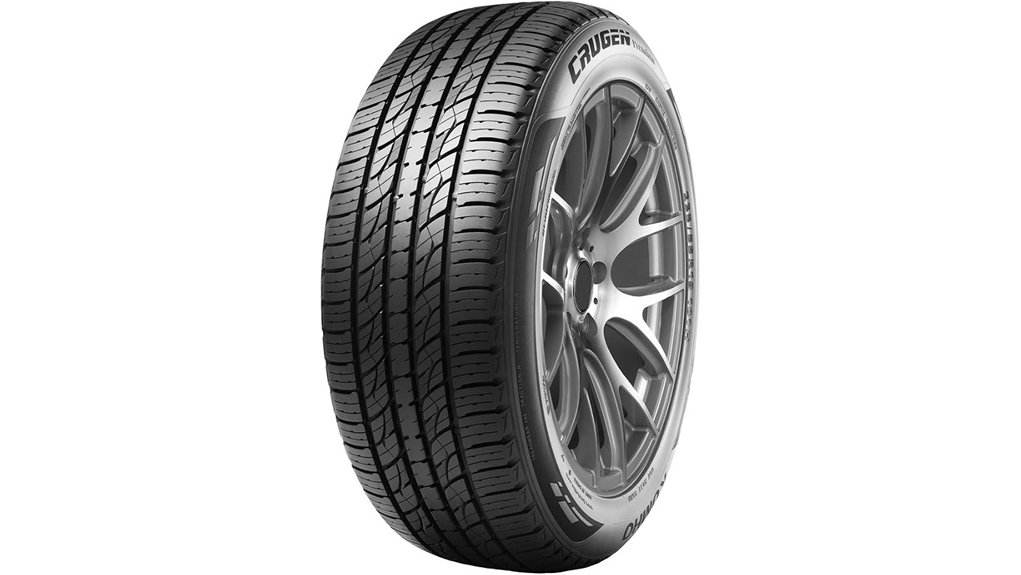
With taut steering and exceptional highway feel, the Kumho Crugen Premium KL33 suits midsize SUV drivers who value control. In 235/60R18 103H form, it pairs a wide, rounded outer edge with continuous road contact for stable cornering and confident lane changes. Deep microtreads add hundreds of biting edges, supporting strong all-weather grip and dependable cold traction. A noise-canceling tread helps suppress road noise and vibration, producing a smooth, quiet ride. Its advanced rubber compound promotes longer tread life while running cooler and staying flexible in lower temperatures, enhancing everyday durability.
Best For: Midsize SUV drivers seeking a quiet, comfortable all-season tire with responsive handling, strong wet and cold-weather grip, and long tread life.
Pros:
- Taut, responsive steering with an exceptional highway feel
- Deep microtreads and a flexible compound deliver strong all-weather and cold traction
- Noise-canceling tread helps create a smooth, quiet ride
Cons:
- May not provide the sporty performance of dedicated summer or performance tires
- All-season design is not intended for severe winter conditions like heavy snow or ice
- Best suited to midsize SUVs, so fitment is limited to compatible vehicles and sizes
Continental ProContact TX All Season 235/60R18 103H Passenger Tire
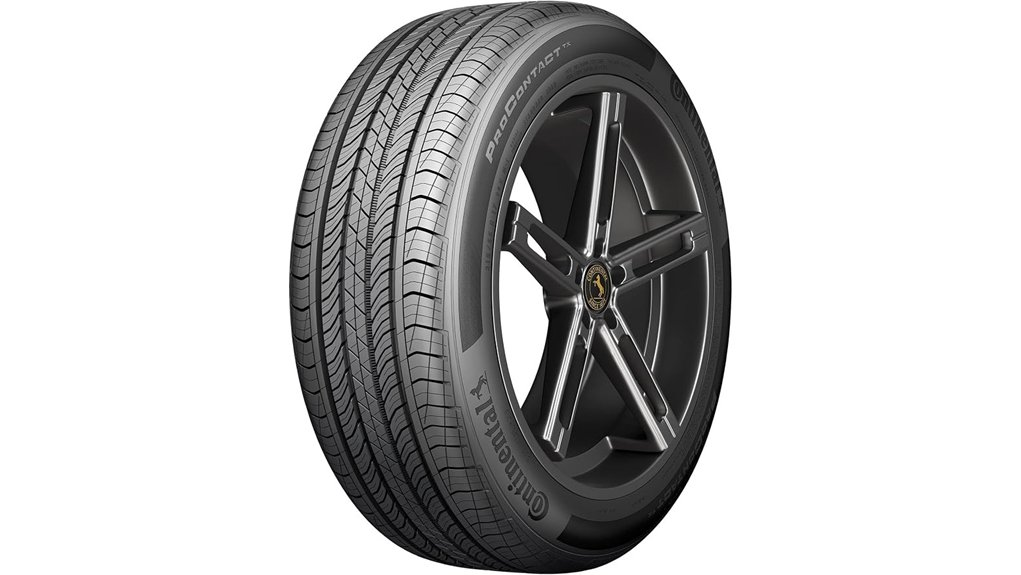
Continental’s ProContact TX suits midsize SUV drivers wanting quiet, confident all-season touring performance. This premium 235/60R18 tire delivers balanced year-round traction, with particularly dependable grip in light snow. Its excellent wet braking and handling support safer commuting in rain, while the smooth, low-noise ride enhances long-distance comfort. A symmetrical tread and radial construction help maintain steady, predictable manners. The 103H rating supports 1,929 pounds per tire, and the SL load range suits universal fit applications. Continental backs it with up to 65,000 miles of treadwear coverage and a 55,000-mile limited warranty.
Best For: Drivers of midsize SUVs and passenger cars who want a quiet, comfortable all-season touring tire with strong wet-road performance and dependable light-snow traction.
Pros:
- Excellent wet braking and handling for safer driving in rain
- Quiet, smooth ride with low road noise for added comfort
- Balanced year-round traction with dependable performance in light snow
Cons:
- Not intended for severe winter conditions or deep snow
- Touring-focused design may not satisfy drivers seeking sporty handling
- Warranty coverage is solid, but mileage warranty varies by source/specification
Set of 4 Finalist Terreno A/T 245/65R17 107T SUV All Terrain Tire
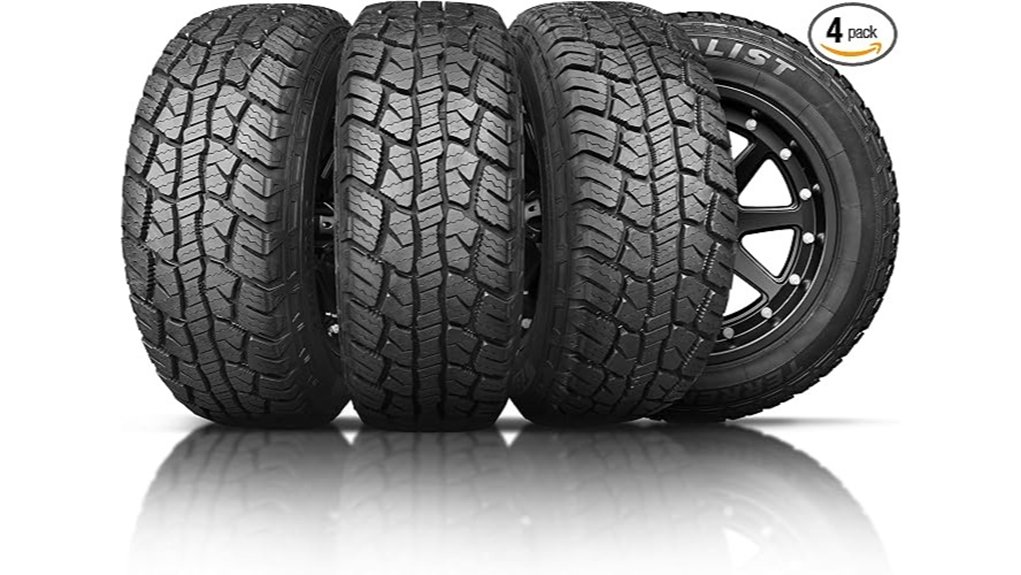
Built for midsize SUV drivers who want all-terrain traction without sacrificing daily comfort, the Finalist Terreno A/T stands out with its 245/65R17 size, 50,000-mile tread warranty, and road-hazard protection. This set of four radial, 4-ply tires is rated 107T, carrying up to 2,146 pounds per tire and supporting speeds to 118 mph. Its non-directional tread uses step-down blocks and 3D siping to improve wet and dry grip. A wear-resistant compound adds puncture resistance, while year-round performance keeps it versatile for commuting, light off-road use, and varied weather conditions.
Best For: Midsize SUV drivers who want a durable year-round all-terrain tire with a comfortable daily ride, strong wet/dry traction, and added warranty protection.
Pros:
- 50,000-mile tread wear warranty plus 3-year road hazard coverage for extra peace of mind
- All-terrain tread with step-down blocks and 3D siping improves grip on wet and dry roads
- Wear-resistant, puncture-resistant compound supports long-term use across varied conditions
Cons:
- Not ideal for drivers seeking maximum off-road performance or aggressive mud-terrain traction
- Speed rating of T may be limiting for performance-oriented vehicles
- Tire only; wheels/rims are not included
Accelera Phi-R 235/50ZR17 100Y All Season XL 17 inch Tire
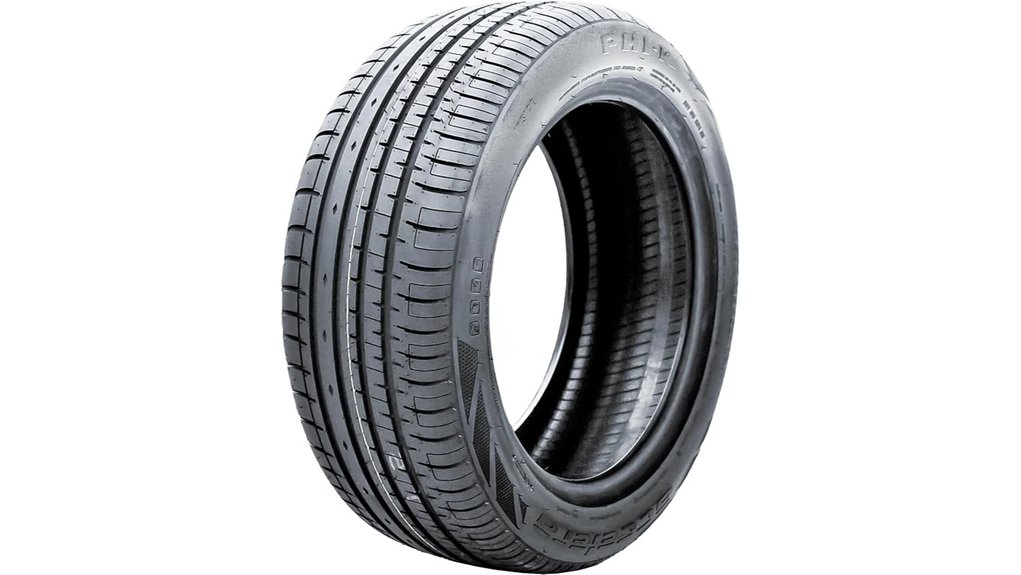
The Accelera Phi-R suits midsize SUV owners seeking all-season grip and high-performance handling. This 235/50R17 XL tire is built as a radial, 4-ply option for trucks and SUVs, with a load index of 100 and a maximum load of 1,764 pounds per tire. Its Y speed rating supports certified speeds up to 186 mph. A 50,000-mile treadwear warranty and UTQG 400AA rating add durability credentials. The one black sidewall keeps the appearance clean and simple. It is sold as a tire only, so wheels and rims must be purchased separately.
Best For: Midsize SUV and truck owners who want an all-season, high-performance tire with strong load capacity and a clean sidewall look.
Pros:
- All-season traction for year-round use
- Y speed rating and XL construction for performance-minded driving
- 50,000-mile treadwear warranty with UTQG 400AA for added value
Cons:
- Tire only; wheel and rim are not included
- 4-ply construction may not suit heavier-duty needs
- High-performance focus may be more than some everyday drivers need
Factors to Consider When Choosing Tires for Midsize SUV

Choosing tires for a midsize SUV starts with checking size compatibility and matching the proper load and speed ratings for the vehicle. All-season traction should be weighed alongside ride comfort, since both affect everyday performance and drivability. A tread life warranty also matters, as it gives a useful indicator of expected durability and long-term value.
Tire Size Compatibility
When selecting tires for a midsize SUV, compatibility starts with matching the vehicle’s required dimensions and load specifications. Most midsize SUVs use tire widths from 225 to 255 millimeters, with aspect ratios between 55 and 70, though the exact fit depends on the model and intended use. Rim diameter is equally important, since common sizes range from 17 to 20 inches and must align with the wheel design. The owner’s manual remains the most reliable reference for approved dimensions and installation guidance. Proper sizing supports correct handling, clearance, and overall tire performance. Selecting a tire outside the recommended range can affect fitment and create avoidable issues. A precise match helps guarantee the SUV operates as engineered, without compromising safety or drivability.
Load And Speed Ratings
Load and speed ratings set the baseline for safe tire selection on a midsize SUV. Load ratings show the maximum weight each tire can support, and common midsize SUV indices of 100 to 107 translate to about 1,764 to 2,146 pounds per tire. Speed ratings define the highest safe operating speed; T and H are typical, covering 118 mph and 130 mph. Both numbers must align with the vehicle’s weight and expected travel speed to preserve stability, braking, and handling. The load index and speed rating are usually printed on the sidewall, making them easy to verify when comparing options. Selecting tires that meet or exceed manufacturer specifications helps guarantee the SUV performs predictably in daily driving and under heavier load conditions.
All-Season Traction
All-season traction matters because midsize SUV tires must handle wet roads, light snow, and daily dry driving with dependable grip. All-season models use staggered grooves and curvilinear blades to bite into slush and channel water away from the contact patch. Deep microtreads add many small edges, improving grip on slick pavement and in light winter conditions. Advanced rubber compounds stay more flexible in lower temperatures, helping the tire retain traction when mornings turn cold. Many of these tires also carry treadwear warranties, sometimes up to 65,000 miles, which signals long-lasting performance. For buyers comparing options, these design traits matter more than simple appearance, because they directly affect braking, cornering, and confidence across changing weather.
Ride Comfort
Ride comfort is often defined by how quietly and smoothly a tire absorbs the road beneath it, especially on long highway drives. For midsize SUVs, optimized tread patterns can reduce road noise and create a calmer cabin. Noise-canceling tread designs further limit vibration, making travel less tiring for passengers. Tires with smooth, rounded tread edges maintain steady road contact, which helps soften impacts and improve ride quality. Deep blades and buttressed tread blocks also support handling and stability, adding confidence without harshness. Advanced rubber compounds preserve flexibility across changing temperatures, so comfort remains more consistent in varied conditions. A well-built tire balances these traits to deliver a composed, quiet ride that suits daily commuting, family travel, and extended highway use.
Tread Life Warranty
Tread life warranty is a practical measure of how long a midsize SUV tire is expected to last under normal driving, with many manufacturers offering coverage in the 50,000 to 65,000-mile range. These warranties usually protect against premature treadwear, though coverage can be limited by driving habits, upkeep, and road conditions. A longer warranty often suggests stronger materials and more durable construction, which may support better long-term value. Buyers should review the fine print carefully, especially prorated terms that can reduce reimbursement as mileage accumulates. Regular rotations and correct inflation are essential, since maintenance affects actual tread life and can influence warranty eligibility. Comparing warranty length and terms helps identify tires that balance durability, cost, and dependable ownership value for a midsize SUV.
Wet And Snow Grip
Grip matters most when a midsize SUV faces rain, slush, or snow, because the right tread design can improve control and reduce slipping. Tires with staggered circumferential grooves move water and snow away while adding forward and lateral bite. A rain-focused tread can lower hydroplaning risk and help the vehicle stay composed on slick pavement. In snowy conditions, deeper microtreads and blade patterns create many small edges that dig into ice and packed snow. Greater surface contact also improves traction on cold roads. All-season options often rely on softer compounds to stay flexible as temperatures fall, supporting grip without sacrificing year-round use. The strongest choices balance wet-road evacuation with snow traction, rather than excelling in only one condition.
Noise And Handling
Road noise and steering response become major factors once a midsize SUV leaves smooth pavement and starts covering long distances. Tires with noise-canceling tread technology can help reduce vibration and cabin drone, creating a calmer ride for passengers. Handling depends heavily on tread design: symmetrical patterns usually deliver predictable balance, while non-directional layouts can add traction across mixed surfaces. Staggered grooves and fine blading further improve grip and control, especially when weather turns unstable. Ply rating also matters because stronger constructions tend to support stability under load, though they may affect noise characteristics. Proper inflation remains essential; around 44 psi for certain SUV tires can preserve steering accuracy and limit road noise. Careful matching of these traits produces a quieter, more composed driving experience.
Frequently Asked Questions
How Often Should Midsize SUV Tires Be Rotated?
Midsize SUV tires should typically be rotated every 5,000 to 7,500 miles, or during each oil change, though exact intervals depend on the vehicle, tire type, and driving conditions, according to maintenance recommendations.
What Tire Pressure Is Best for Midsize SUVS?
The best tire pressure for midsize SUVs is the vehicle manufacturer’s recommended setting, usually found on the door placard. It balances handling, tire wear, fuel economy, and safety better than generic pressure guesses.
Are Winter Tires Necessary for Midsize SUVS?
Yes, if winters bring snow, ice, or frequent freezing, they are necessary; all-season tires usually underperform then. Some may argue SUVs are capable enough, but better traction and braking make winter tires a worthwhile safety upgrade.
How Do I Know When to Replace SUV Tires?
SUV tires should be replaced when tread depth reaches 2/32 inch, sidewalls crack, uneven wear appears, vibrations increase, or age exceeds six to ten years. Regular inspections and pressure checks help detect replacement timing.
Can I Mix Different Tire Brands on One SUV?
Mixing tire brands on one SUV is possible, but it is generally not recommended. Different tread designs and wear patterns can affect handling, traction, and stability; matched tires usually provide safer, more predictable performance.
Conclusion
In 2027, choosing the right midsize SUV tire is like fitting a trusted compass to a traveling machine. The Goodyear Fortera HL, Kumho Crugen Premium KL33, Continental ProContact TX, Finalist Terreno A/T, and Accelera Phi-R each bring a distinct strength to the road, from rain-slick confidence to rugged trail readiness. Together, they form a quiet shield of rubber and technology, turning every mile into a steadier, smoother journey through changing terrain.