Last Updated: July 8, 2026
Choosing the right EV charger extension cord keeps charging safer, more convenient, and easier to manage when your outlet, charger, or parking spot does not line up. You need a cable that matches your plug type, amperage, charger setup, and charging location.
This guide compares three useful options: a 50 amp NEMA 14-50 extension cord, a long 30 amp NEMA 14-30 dryer-style extension cord, and a J1772 EV extension cable. Each one solves a different reach problem, so check your charger manual and outlet type before buying.
Quick Verdict
Choose POWGRN 50A if you need a sturdy NEMA 14-50 extension for a compatible 50 amp RV or EV charging setup.
Choose islewire 30A if reach matters most and your charger setup uses a compatible NEMA 14-30 outlet connection.
Choose WenStorm J1772 if you want an EV-specific vehicle-side extension for a compatible J1772 Level 2 charging setup.
Top Picks
|
Category |
Product |
Best For |
|---|---|---|
|
🏆 Best 50A NEMA Pick |
Compatible NEMA 14-50 setups |
|
|
💼 Best Long Reach |
Compatible NEMA 14-30 setups |
|
|
🎯 Best EV-Specific Cable |
J1772 Level 2 charger reach |
How We Chose
You need charging cables that match your vehicle, charger, outlet, and amperage, so compatibility was the first filter. Safety factors like conductor gauge, insulation quality, heat resistance, and listing status mattered next because EV charging creates a steady electrical load.
We also weighed length, flexibility, connector ergonomics, outdoor readiness, storage, and real-world convenience. The goal was to highlight options that solve different reach problems without hiding their limits.
Before You Buy
- Match the plug exactly: NEMA 14-50, NEMA 14-30, and J1772 are different connection types.
- Match the amperage: Never use a cord rated below your charger or circuit requirements.
- Check your charger manual: Some EVSE manufacturers do not recommend extension cords.
- Use temporary routing only: Do not treat an extension cord as permanent wiring.
- Uncoil the cable fully: Coiled cords can trap heat during charging.
- Inspect before use: Stop using any cable with cuts, loose plugs, melted areas, or damaged insulation.
Best EV Charger Extension Cords Reviewed
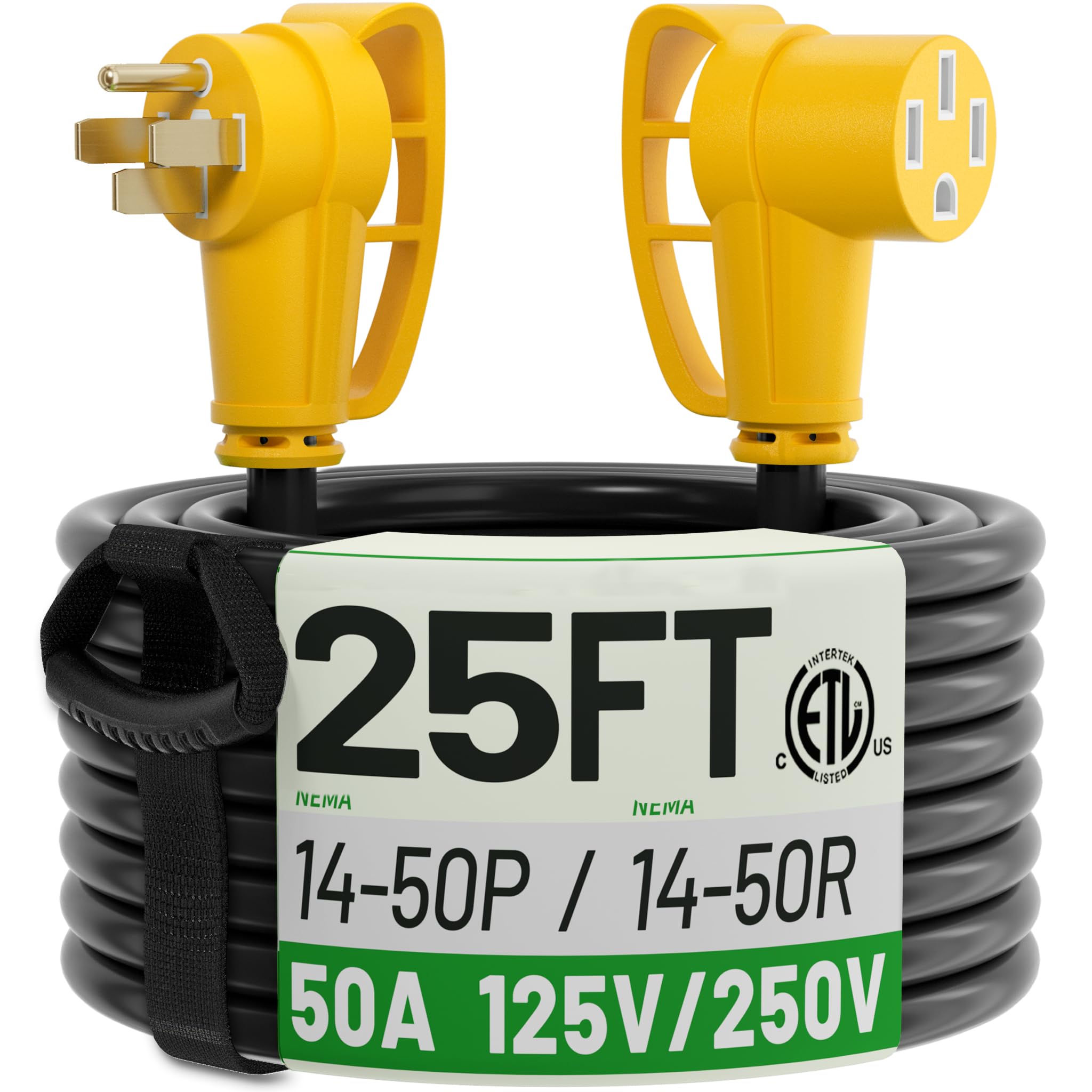
This 25 foot POWGRN 50A extension cord gives you a portable, heavy-duty way to extend a compatible NEMA 14-50 outlet connection for EV charging or RV use. You can route it across a garage or use it temporarily when your parking spot does not sit close enough to the outlet.
The grip handles and thick jacket make it easier to plug, unplug, and handle than a basic cord. For daily home use, treat it as a temporary reach solution and keep it fully uncoiled while charging.
What People Say
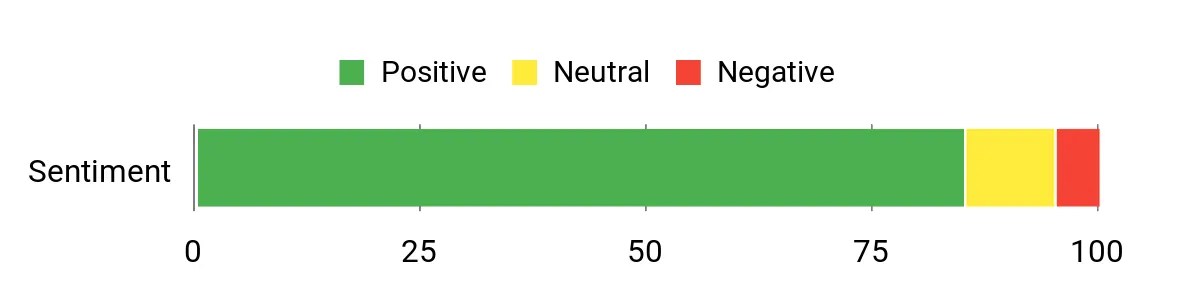
Common buyer feedback centers on the solid feel, grip handles, and flexible jacket. The main hesitation is weight, which is expected for a thick 50 amp cord.
Buyer Confidence: Positive use-case fit
|
Pros |
Cons |
|---|---|
|
✅ Heavy-duty construction and sturdy connectors |
❌ Relatively heavy and less convenient to coil than thinner cords |
|
✅ Ergonomic grip handles make connections simple |
❌ 25 ft length may be short for some layouts |
|
✅ Weather-resistant design for outdoor use |
❌ No UL listing shown, though ETL certification is listed |
How It Helps
This cord solves the common problem of a NEMA 14-50 outlet being just out of reach. It can help with garage layouts, driveway parking, campsite charging, or temporary setups where moving the outlet is not practical.
Safety Note
Use this only with compatible NEMA 14-50 equipment and never exceed the cord, charger, breaker, or outlet rating. Keep the cable fully unfolded while charging and inspect it before each use.
Key Benefits
- 50A capacity for compatible high-power charging setups
- Thick, flexible jacket and grip handles for easier handling
- Weather-resistant build suitable for temporary outdoor use
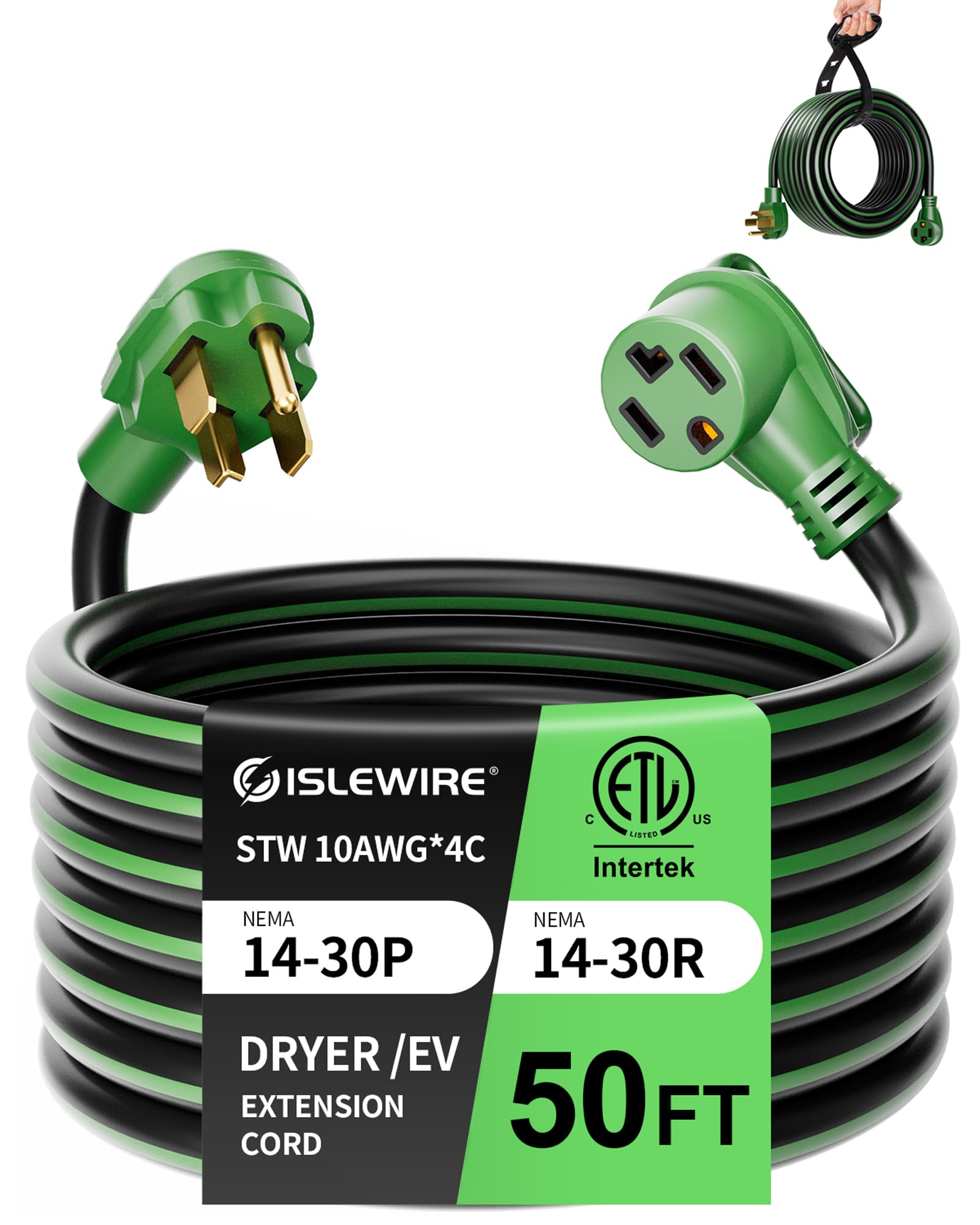
This 50-foot islewire 30A extension gives you extra reach when a compatible 14-30 outlet is far from your parking spot. It suits lower-amperage Level 2 charging setups that use the correct 14-30 connection, and the 10 AWG construction helps support sustained 30 amp use when matched properly.
The longer length is the big advantage. It gives you more parking flexibility, but it also adds bulk, so it is better for users who value reach over compact storage.
What People Say
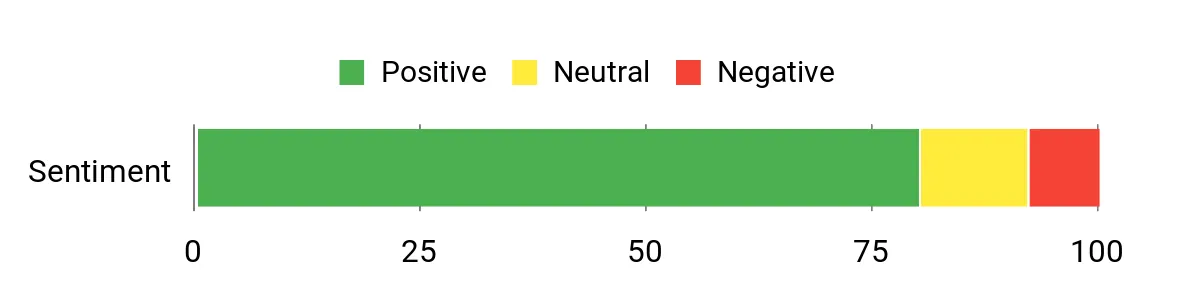
Common feedback focuses on the long reach, substantial feel, and usefulness for dryer-style outlet setups. The tradeoff is weight, since a 50-foot 10 AWG cord will not feel light.
Buyer Confidence: Positive use-case fit
|
Pros |
Cons |
|---|---|
|
✅ Extensive 50 ft length for flexible setups |
❌ Heavier and bulkier to move and store |
|
✅ 10 AWG construction for compatible 30 amp charging setups |
❌ Not suitable for 50 amp NEMA 14-50 charging |
|
✅ Abrasion-resistant jacket suitable for indoor and outdoor use |
❌ No UL listing shown, though ETL certification is listed |
|
✅ ETL listed for added safety assurance |
How It Helps
This cord fixes the problem of a compatible 14-30 outlet being too far from your EV parking spot. It can help when you need temporary reach without moving the vehicle or changing your parking routine.
Safety Note
Only use this with a compatible NEMA 14-30 charger setup. Do not connect it to 50 amp equipment, do not use adapters to force compatibility, and confirm your EVSE allows extension-cord use.
Key Benefits
- Long 50 ft reach for flexible placement
- 10 AWG construction for compatible 30 amp sustained loads
- Abrasion-resistant jacket for temporary outdoor use
Check Product Details on Amazon
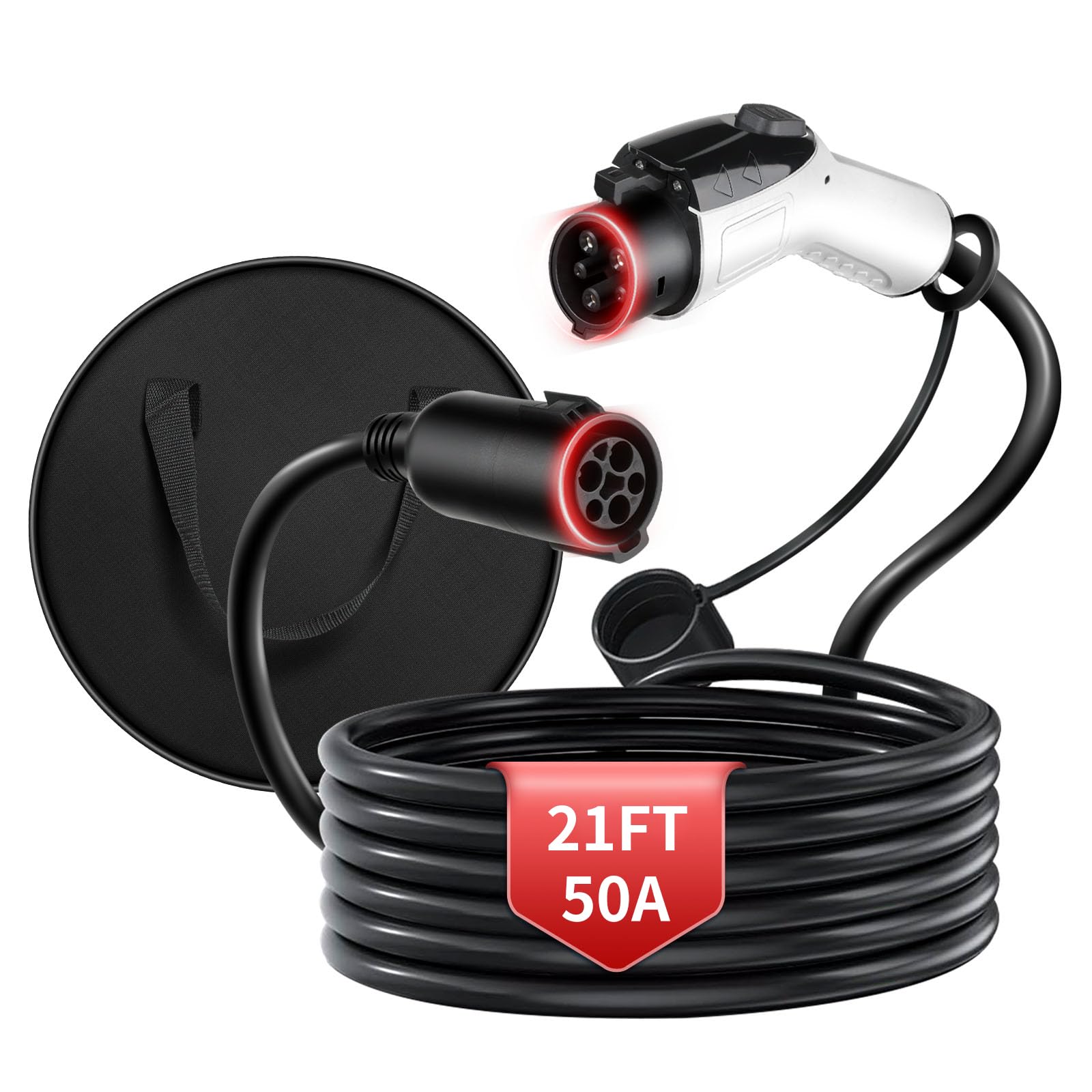
This WenStorm J1772 extension gives you a dedicated, EV-focused way to add reach between a compatible J1772 charger connector and a compatible vehicle inlet. At 21 feet and 50 amps, it targets drivers who need more flexibility without switching to an outlet-side NEMA extension.
The weather-resistant build and included carrying case make it useful for garage, driveway, or travel storage. It is the most EV-specific pick here, but you still need to confirm connector compatibility before using it.
What People Say
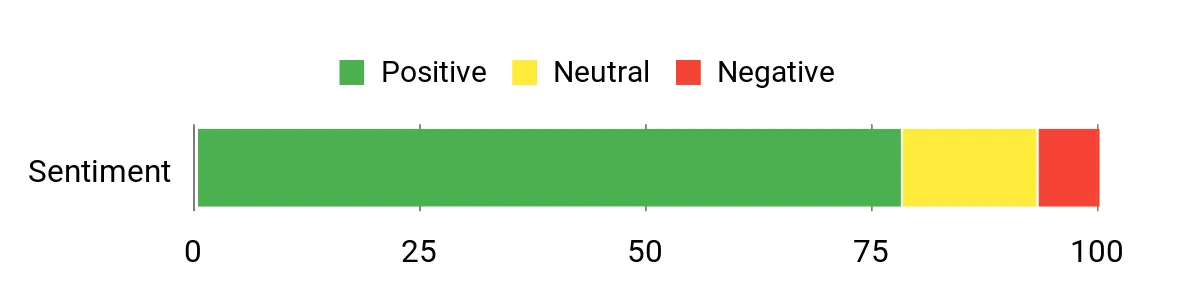
Common feedback focuses on the EV-specific connector, sturdy feel, and convenient carrying case. The main limitation is that it only solves J1772-side reach, not outlet-side reach.
Buyer Confidence: Positive use-case fit
|
Pros |
Cons |
|---|---|
|
✅ Purpose-built SAE J1772 connector for compatible Level 2 charging |
❌ Not useful for NEMA outlet-side extension needs |
|
✅ Durable, heat-resistant and weatherproof construction |
❌ 21 ft may be short for some parking arrangements |
|
✅ Includes carrying case for tidy storage and transport |
❌ Connector compatibility must be checked carefully |
|
✅ UL listed for safety assurance |
How It Helps
This cable addresses the common issue of a compatible J1772 charger cable not reaching the vehicle inlet comfortably. It can reduce awkward parking angles and make driveway charging easier when the charger cable is just short of ideal.
Safety Note
Use this only with compatible J1772 Level 1 or Level 2 charging equipment. Do not use it for DC fast charging, and do not combine multiple extensions.
Key Benefits
- EV-specific J1772 connector for compatible charging setups
- Heat-resistant, weatherproof design for indoor or outdoor use
- Compact 21 ft length with included carrying case for portability
Check Current Amazon Availability
How To Choose The Right EV Charger Extension Cable
Start With The Connection Type
Check whether you need a NEMA outlet-side extension or a vehicle-side J1772 extension. A NEMA cord extends the power outlet connection, while a J1772 cable extends the charging connector that plugs into the vehicle.
Match Amperage And Voltage
Your cord should meet or exceed the amperage and voltage required by your charger setup. Do not use a 30 amp cord for a 50 amp charger, and do not use adapters to force mismatched connections.
Choose The Shortest Safe Length
Longer cords add weight and can increase voltage drop. Choose the shortest length that solves your parking problem while keeping the cable routed safely and fully uncoiled.
Check Outdoor Readiness
For garage, driveway, or campsite charging, look for weather-resistant jackets, strong strain relief, and plugs that are easy to grip. Keep connectors off standing water and avoid routing cords where tires, doors, or sharp edges can damage them.
Look For Safety Listings
UL or ETL listing can add confidence, but listing alone does not guarantee the cord fits your setup. Always confirm plug type, charger requirements, circuit capacity, and your EVSE manual.
FAQ
Is It Safe To Use An Extension Cord For EV Charging?
You can use an EV charging extension cord only when it is properly rated, compatible with your charger, and allowed by your EVSE manufacturer. Match the amperage, plug type, voltage, and intended use before charging.
Never coil the cable while charging because that traps heat. For permanent or frequent daily charging, ask a licensed electrician about a better outlet location or hardwired EV charger.
How Do I Choose The Right Wire Gauge And Length?
Choose a thicker conductor for higher amps and longer runs because lower AWG means thicker wire and less voltage drop. A 30 amp setup commonly uses heavier 10 AWG construction, while 50 amp cords are thicker and heavier.
Exact needs depend on charger amperage, cord length, outlet type, and circuit design, so check your charger documentation or consult an electrician when unsure.
What Should I Look For In An Outdoor EV Extension?
Pick a cable with a durable weather-resistant jacket, secure strain relief, suitable amperage, and plugs that are easy to grip. Look for safety listings like UL or ETL, inspect the cord regularly, and avoid burying or covering cords unless the product is specifically rated for that use.
What Is The Difference Between A NEMA Cord And A J1772 Extension?
A NEMA cord extends the outlet-side power connection, such as a 14-50 or 14-30 outlet. A J1772 extension extends the vehicle-side connector used by many Level 1 and Level 2 EV chargers.
They are not interchangeable. Choose based on where you need extra reach.
Can I Use These Cords For DC Fast Charging?
No. These picks are for compatible AC Level 1 or Level 2 charging setups only. Do not use them with public DC fast chargers or high-speed charging equipment unless the charger network and equipment manufacturer explicitly allow it.
Wrapping Up
Picking the right EV charging wire comes down to matching connector type, amperage, gauge, weather resistance, and cable length. POWGRN 50A is the strongest fit for compatible NEMA 14-50 setups, islewire 30A is the better long-reach option for compatible NEMA 14-30 setups, and WenStorm J1772 is the best EV-specific choice when you need vehicle-side J1772 reach.
Use these picks to narrow your choice, then confirm compatibility with your charger, vehicle, outlet, and circuit before charging.
| POWGRN NEMA 14-50P to NEMA 14-50R 25FT 50 Amp RV/EV Extension Cord | 30-Amp 4-Prong Dryer EV Extension Cord, 50 Feet | 50A 21ft J1772 EV Extension Cable | |
|---|---|---|---|
 |
 |
 |
|
| Length | 25 feet | 50 feet | 21 feet |
| Connection Type | NEMA 14-50P to 14-50R | NEMA 14-30P to 14-30R | SAE J1772 |
| Best Use | Compatible 50 amp RV/EV outlet-side extension | Long-reach compatible 30 amp dryer-style EV setup | Compatible J1772 vehicle-side charging extension |
| Rated Output | Up to 12,500 watts with compatible equipment | Up to 7,500 watts with compatible equipment | Up to 12 KW with compatible equipment |
| Check Price on Amazon | Check Product Details | Check Availability |