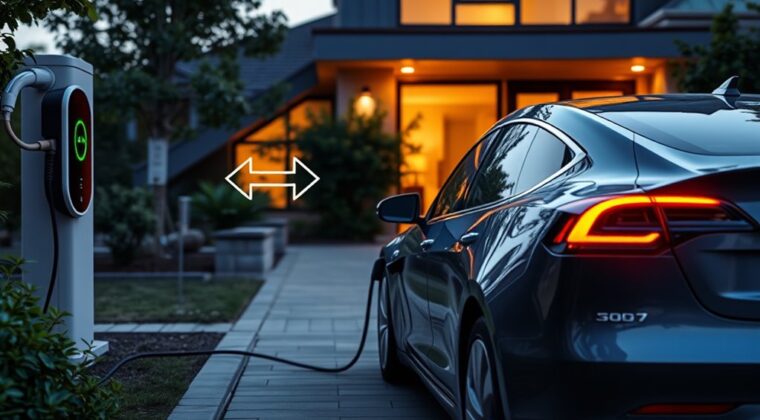
Bidirectional charging lets a compatible electric vehicle send stored battery energy back out instead of only taking energy in. Depending on the vehicle and equipment, that power may run small devices, support selected home circuits during an outage, or help a utility manage demand through a vehicle-to-grid program.
The key is compatibility. Your EV, charger, home electrical equipment, utility rules, software settings, and local permits all have to match. When they do, bidirectional charging can make your EV more useful as a backup power source, a solar storage option, or a way to shift energy use away from expensive peak hours.
Quick Answer
Bidirectional charging means electricity can flow both into and out of your EV battery. V2L powers devices, V2H powers a properly equipped home, and V2G sends energy to the grid. It can help with backup power and energy savings, but only with compatible vehicles, approved equipment, and safe installation.
Key Takeaways
- Bidirectional charging is not one feature. V2L, V2H, and V2G use different equipment and serve different purposes.
- Home backup requires safe grid isolation, approved transfer equipment, and professional installation.
- Savings depend on your utility plan, time-of-use rates, solar setup, incentives, and how often your EV is plugged in.
- Backup time depends on battery size, starting charge, power output, weather, and which loads you run.
- Compatibility changes by model year, trim, region, software, charger, and utility program.
At a Glance
| Time Required | A few minutes for V2L use; several hours to multiple visits for a permitted V2H or V2G home installation. |
| Difficulty | Easy for portable V2L; advanced for V2H or V2G because it involves home wiring, transfer equipment, and utility rules. |
| Tools Needed | Compatible EV, V2L adapter or bidirectional charger, home hub or transfer switch for backup power, utility approval where required, and a licensed electrician. |
| Cost | V2L adapters are usually the lowest-cost option. V2H and V2G systems can cost thousands of dollars once hardware, permits, and installation are included. |
What Is Bidirectional Charging and How Does It Work?
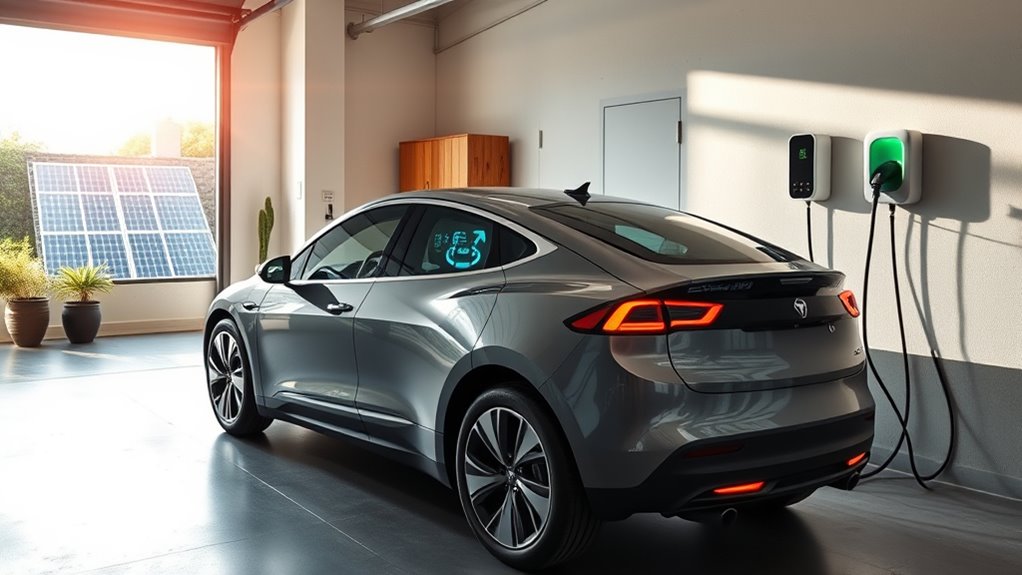
Bidirectional charging is EV charging that can move energy in two directions. A normal charger sends electricity from the grid into the vehicle battery. A bidirectional setup can also send electricity from the battery back out to a device, a home, a building, or the electric grid.
In a full home or grid setup, the system uses communication software, an inverter, and safety equipment to control when power flows in or out. The inverter matters because your EV battery stores direct current, while most homes use alternating current. Some systems place that conversion equipment in the charger or home hardware, while others rely on vehicle-integrated hardware.
Modern bidirectional systems may use standards such as ISO 15118-20, which defines communication requirements for bidirectional power transfer between an EV and electric vehicle supply equipment. In plain English, the car and charger need to talk safely before energy can move in either direction.
Note: A vehicle can support one type of bidirectional power without supporting all of them. V2L does not automatically mean the same vehicle can power a home or send energy to the grid.
Types of Bidirectional Charging: V2G, V2H, and V2L
The terms sound similar, but they describe different levels of power sharing.
| Type | What It Does | Typical Use |
| V2L, vehicle-to-load | Powers devices directly from the EV through an outlet, adapter, or built-in power port. | Camping gear, power tools, small appliances, tailgating, emergency device charging. |
| V2H, vehicle-to-home | Sends energy from the EV to a properly equipped home through approved backup equipment. | Home outage backup, critical circuits, solar self-use, peak-rate energy shifting. |
| V2G, vehicle-to-grid | Lets a utility or approved program draw energy from your plugged-in EV under set rules. | Grid support, demand response, bill credits, virtual power plant programs. |
V2L is usually the simplest because it works like a portable power outlet. V2H and V2G are more complex because they connect to your home or the public grid. That means they need more safety controls.
What You Need Before You Can Use Bidirectional Charging
Before you plan around bidirectional charging, confirm each part of the system. One missing piece can stop the feature from working.
- A compatible EV: The vehicle must support the specific feature you want, such as V2L, V2H, or V2G.
- The right charger or adapter: V2L may use a small adapter. V2H or V2G usually needs a bidirectional charger or manufacturer-approved home energy system.
- Transfer or isolation equipment: A home backup setup must separate your home from the grid during an outage.
- Enough electrical capacity: Your panel, service size, circuits, and local code requirements must support the system.
- Utility approval: V2G and some V2H systems may need utility interconnection approval.
- Software and app setup: Many systems rely on vehicle software, charger firmware, and mobile app settings.
- Battery reserve settings: You should be able to set a minimum battery level so you still have driving range.
Warning: Never connect an EV to your home in a way that can backfeed the grid. Home backup needs approved transfer equipment, proper permits, and a qualified electrician. Unsafe wiring can injure utility workers, damage equipment, or create a fire risk.
Key Benefits of Bidirectional Charging for EV Owners
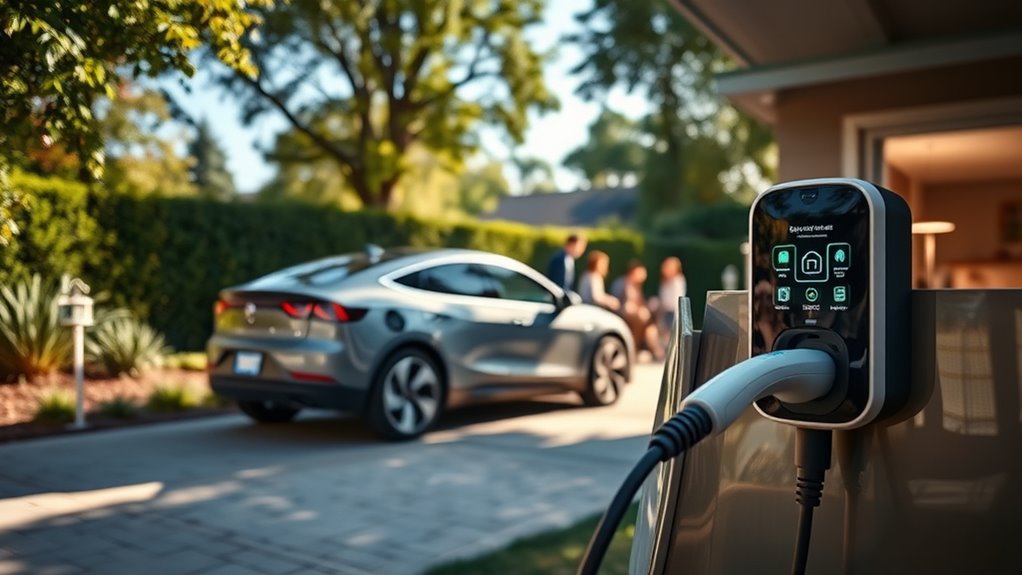
Bidirectional charging can add value because most EVs sit parked for many hours each day. When your vehicle is plugged in, its battery can become a useful energy resource instead of sitting idle.
- Backup power: A compatible EV can keep selected loads running during an outage if your home is properly equipped.
- Lower peak-rate use: If your utility charges more during peak hours, stored EV energy may help you avoid some expensive grid use.
- Better solar use: If you have solar panels, your EV may store excess daytime energy for later use, depending on your equipment.
- Portable power: V2L can run tools, lights, chargers, and small appliances away from the grid.
- Utility incentives: In some areas, V2G or demand-response programs may offer bill credits or payments for making stored energy available.
The best benefit depends on your daily routine. Someone with solar panels, time-of-use rates, and regular outages may see more value than someone with flat electricity rates and a reliable grid.
How to Reduce Your Energy Costs With Bidirectional Charging
Bidirectional charging can reduce energy costs, but it is not automatic. You need a rate plan or program that rewards smart timing. The basic goal is simple: charge when electricity is cheaper or cleaner, then use stored energy when grid electricity is more expensive or scarce.
Charge When Rates Are Lower
If your utility offers time-of-use pricing, overnight or midday charging may cost less than evening peak use. Your savings depend on the price difference between charging and discharging periods.
Use Stored Energy During Peak Hours
With a V2H system, you may be able to power selected home loads from the EV during high-rate windows. This is most useful when the utility rate difference is large enough to offset efficiency losses and battery wear.
Pair Bidirectional Charging With Solar
If your home has solar panels, a bidirectional setup may help you use more of your own solar energy at night. This can be helpful in areas where exported solar earns less than the price of buying electricity back later.
Join a Utility Program If One Exists
Some V2G programs pay or credit EV owners for letting the utility draw limited energy during peak demand. Availability is local, and program rules can limit which vehicles, chargers, and locations qualify.
Pro Tip: Set a battery reserve before using V2H or V2G. For example, you might allow home backup down to 40% but reserve the rest for driving. The right reserve depends on your commute, weather, and charging access.
Using Your EV as Backup Power: What You Need to Know
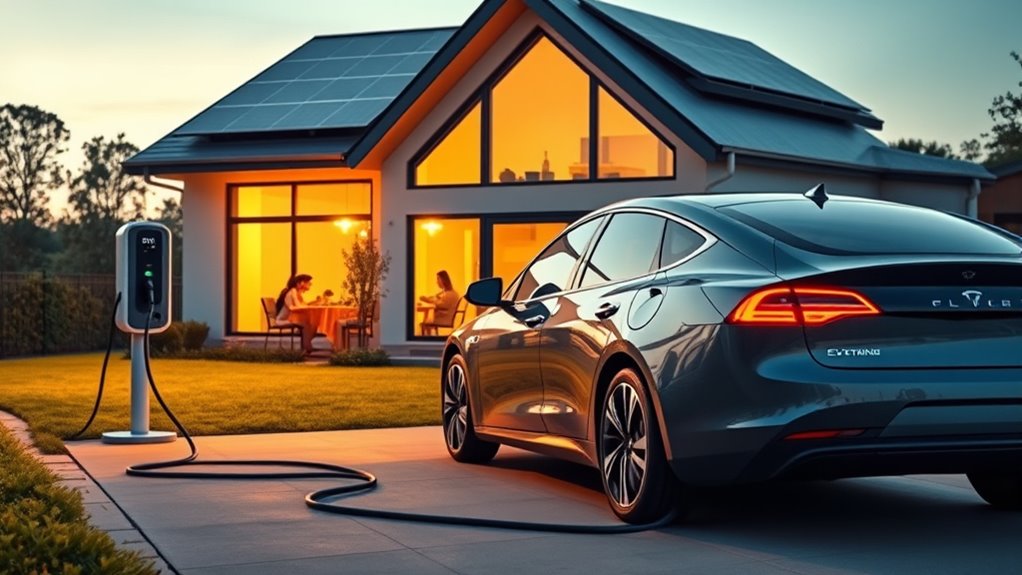
Using your EV as a backup power source can be one of the clearest benefits of bidirectional charging. A large EV battery can store far more energy than many small portable power stations, but you still need to manage loads carefully.
The average U.S. residential electric customer purchased 10,791 kWh in 2022, or about 30 kWh per day, according to the U.S. Energy Information Administration.
Powering Your Home Safely
For home backup, your system must isolate your house from the grid during an outage. Some setups use a transfer switch, home hub, inverter, backup gateway, or manufacturer-specific energy kit. For example, the GM Energy V2H Enablement Kit includes equipment that helps a V2H-capable GM EV send power to a properly equipped home during a blackout.
Do not assume a regular EV charger can power your home. Many chargers only send energy into the car. A true home backup setup needs equipment designed for reverse power flow.
Emergency Preparedness Benefits
During an outage, a bidirectional EV can help run essentials such as a refrigerator, lights, modem, phone chargers, medical devices with proper planning, and some low-power appliances. It may also reduce your need for a noisy fuel generator.
Backup duration depends on how much energy you use. Running only critical loads can stretch backup time. Running central air conditioning, electric heat, an electric range, or a dryer can drain the battery much faster.
What Your EV Can and Cannot Run
Power output matters as much as battery size. A large battery with a low output limit may run small loads for a long time but still fail to start a high-surge appliance. Check both:
- Energy capacity: How many kWh the battery can provide.
- Power output: How many kW the system can deliver at one time.
- Surge rating: Whether the system can start motors such as pumps, compressors, or HVAC equipment.
- Supported circuits: Whether the setup powers the whole home or only selected loads.
Electric Vehicles With Bidirectional Charging Capabilities
Bidirectional support changes quickly, so always check your vehicle manual, trim, software version, region, and charger requirements. The examples below show how different the systems can be.
| Vehicle or System | Supported Use | Important Caveat |
| Ford F-150 Lightning | V2L and home backup through supported equipment. | Ford lists up to 9.6 kW of available Pro Power Onboard and backup estimates that depend on battery and transfer equipment. |
| Tesla Cybertruck Powershare | Home backup, device power, EV power sharing, and grid support in certain areas. | Powershare is system-specific and requires compatible home equipment for backup power. |
| GM Energy V2H-capable EVs | Vehicle-to-home backup with GM Energy hardware. | GM lists specific Chevrolet, GMC, and Cadillac EVs and requires the PowerShift Charger plus V2H equipment. |
| Nissan Leaf with CHAdeMO-based systems | V2G or V2H in some pilot and specialty systems. | Compatibility depends heavily on charger, region, model year, and local program support. |
| Hyundai, Kia, and Genesis E-GMP models | Often V2L for devices and appliances. | V2L does not always mean full home backup or grid export. Check your market and trim. |
| Kia EV9 with compatible bidirectional hardware | Vehicle-to-home support in specific setups. | Requires compatible charger and home interface equipment where available. |
The safest rule is to verify three things before you buy: your exact EV, your exact charger, and your exact home or utility setup.
Step-by-Step: How to Decide If Bidirectional Charging Is Worth It
- Check your vehicle: Confirm whether your EV supports V2L, V2H, V2G, or only normal charging.
- Check your use case: Decide whether you want camping power, outage backup, solar storage, or utility credits.
- Review your electric bill: Look for time-of-use rates, peak charges, demand-response programs, and net-metering rules.
- Estimate backup loads: List the circuits you need during an outage, such as fridge, lights, internet, sump pump, or medical equipment.
- Get an installation quote: Ask a qualified installer about your panel, service size, permits, transfer equipment, and charger compatibility.
- Check warranty terms: Review your EV and charger warranties for limits on energy export, commercial use, or battery cycling.
- Set a reserve level: Choose how much battery you want to keep for driving.
If the equipment cost is high and your utility offers no useful rate plan or incentive, V2H may still make sense for backup power. If outages are rare and rates are flat, a simple V2L adapter may be enough.
Key Challenges in Adopting Bidirectional Charging Technology
Bidirectional charging is promising, but it is not plug-and-play for most homes yet.
| Challenge | Why It Matters | What To Do |
| Compatibility | A vehicle, charger, and home system must all support the same type of power export. | Confirm your exact model year, trim, charger, and approved accessories. |
| Installation Cost | Hardware, permits, electrical upgrades, and labor can make V2H expensive. | Compare the cost with a home battery, generator, or simpler critical-load panel. |
| Utility Rules | V2G and some backup systems need approval before connecting to the grid. | Ask your utility about interconnection, meters, and program eligibility. |
| Battery Wear | Extra charge and discharge cycles can affect long-term battery health. | Use reserve settings, avoid deep discharges, and review warranty terms. |
Future Trends in Bidirectional Charging Technology
Bidirectional charging is likely to become more common as EV batteries get larger, utilities need more flexible storage, and automakers build home-energy products around their vehicles. Still, growth will be uneven.
- More factory-supported systems: Automakers are expanding V2H-ready vehicle and hardware ecosystems.
- Better software controls: Apps will make it easier to set battery reserves, schedule charging, and enroll in utility programs.
- More solar integration: Home energy systems will increasingly coordinate solar panels, EV batteries, home batteries, and grid rates.
- Improved standards: Standards such as ISO 15118-20 should help vehicles and chargers communicate more safely and consistently.
- More utility pilots: V2G programs may grow as utilities test EVs as distributed energy resources.
The big shift will happen when bidirectional charging becomes easier to buy, install, permit, and use. Until then, the best setup is the one your vehicle maker, electrician, and utility all confirm as compatible.
Frequently Asked Questions
How does bidirectional charging work?
Bidirectional charging works by allowing controlled energy flow into and out of an EV battery. The vehicle, charger, and power electronics communicate first. Then the system either charges the EV or sends battery energy to a device, home, building, or grid program.
Is bidirectional charging worth it?
It can be worth it if you have outages, time-of-use rates, solar panels, or a utility program that rewards energy export. It may not be worth a full home installation if your rates are flat, outages are rare, or your vehicle only supports basic V2L power.
How do directional charges work?
In EV charging, directional energy flow describes where electricity moves. One-way charging moves grid power into the car. Bidirectional charging can also move power out of the car, but only after the vehicle and equipment confirm that the connection is safe and allowed.
Can bidirectional chargers power my home?
Yes, some bidirectional chargers can power a home, but only with a compatible EV and approved home backup equipment. A safe setup must isolate your home from the grid during an outage and should be installed by a qualified professional.
Will bidirectional charging damage my EV battery?
Normal use within manufacturer limits should be managed by the vehicle battery system, but extra cycling can still affect long-term battery wear. Avoid deep discharges, set a reserve level, and check your EV warranty before using V2H or V2G often.
Can any EV use bidirectional charging?
No. Many EVs only charge in one direction. Some support V2L only, while others support V2H or V2G with specific hardware. Always check the exact vehicle, model year, trim, charger, software, and region.
Conclusion
Bidirectional charging can turn a compatible EV into more than transportation. It can power tools, support selected home circuits during an outage, store solar energy, or take part in utility grid programs. The value comes from matching the right vehicle, charger, home equipment, utility plan, and safety setup.
For most owners, the smart path is to start with your real need. Use V2L if you only want portable power. Consider V2H if outages or solar storage matter. Look into V2G only if your utility offers a clear program. With the right setup, your EV battery can become a practical part of your home energy plan.
Sources
- ISO 15118-20:2022 — communication requirements for bidirectional EV power transfer.
- U.S. Energy Information Administration — average U.S. residential electricity purchases and household energy-use context.
- Ford F-150 Lightning — Pro Power Onboard and home backup capability details.
- Tesla Powershare Support — Cybertruck Powershare home backup, device power, and grid support details.
- GM Energy V2H Enablement Kit — V2H hardware, supported configuration, and installation context.
- Field Testing of Residential Bidirectional Electric Vehicle Charger for Power System Applications — technical field-testing context for residential bidirectional charging.