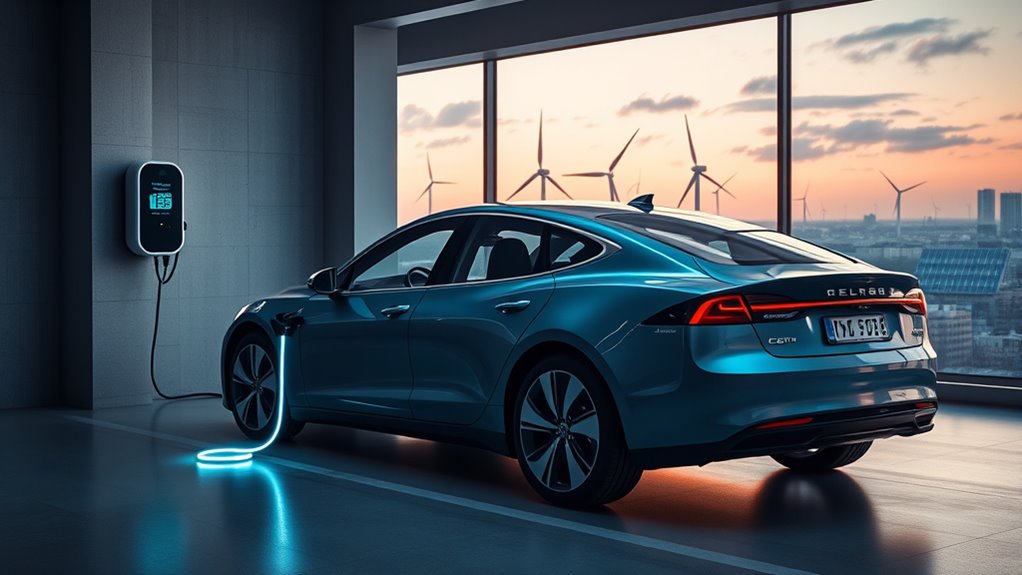
Vehicle-to-Grid (V2G) technology lets a compatible electric vehicle send stored battery energy back to the power grid. Instead of acting only as a car that charges from the grid, the EV can become a small, flexible energy resource when it is parked and plugged in.
Quick Answer
Vehicle-to-Grid, or V2G, is bidirectional EV charging that lets a compatible electric car discharge electricity back to the grid. It can help reduce peak demand, support renewable energy, and create possible owner payments, but it requires the right EV, charger, utility program, installation, and local approvals.
Key Takeaways
- V2G is different from normal EV charging because electricity can flow both into and out of the vehicle battery.
- You need a V2G-capable EV, a compatible bidirectional charger, approved software, and a utility or aggregator program.
- V2G can help with peak demand, grid balancing, renewable energy use, and limited owner revenue.
- True V2G availability is still limited, so do not assume every EV with V2L or home-backup features can export power to the grid.
- Battery health, warranty rules, charger cost, permits, and local utility rules matter before you sign up.
What Is Vehicle-to-Grid (V2G) Technology?
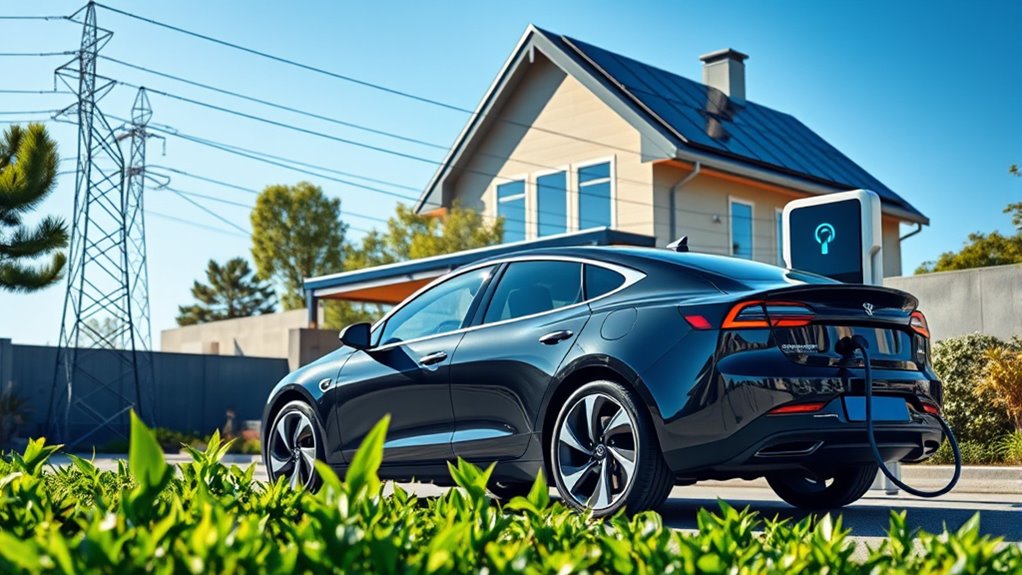
Vehicle-to-Grid (V2G) technology allows a compatible electric vehicle (EV) to send electricity from its battery back to the grid. This makes the EV a flexible energy-storage asset when it is parked, plugged in, and enrolled in an approved grid program.
In normal charging, power moves one way: from the grid to the EV. With V2G, power can move in both directions. Your vehicle can charge when electricity is cheaper or cleaner, then discharge some energy when the grid needs support.
This can help during high-demand periods, when many homes and businesses are using electricity at the same time. It can also help use more renewable energy by storing extra solar or wind power when it is available, then releasing some of that energy later.
The key idea behind V2G is simple: a parked EV battery can be more than transportation. With the right equipment and controls, it can also support the electric grid.
Still, V2G is not automatic. Your EV must support grid export, your charger must be bidirectional, and your local utility or energy provider must allow the system to participate.
How Does V2G Charging Work?
V2G charging works through a controlled connection between your EV, a bidirectional charger, charging software, and the utility or grid operator. The system decides when to charge, when to hold energy, and when to discharge based on your settings and grid needs.
Key Components of V2G
Most V2G systems need four main parts:
| Component | What It Does | Why It Matters |
|---|---|---|
| V2G-capable EV | Allows controlled battery discharge outside the vehicle | Not all EVs can export energy to the grid |
| Bidirectional charger | Moves power safely between the EV and the building or grid | A normal Level 2 charger cannot usually do V2G |
| Control software | Sets charging, discharging, state-of-charge limits, and departure needs | Protects your driving range and battery settings |
| Utility or aggregator program | Connects the EV to market signals, grid events, or time-based rates | This is usually how owners get paid or credited |
Energy Flow Mechanism
When you plug in, the system checks the battery state of charge, your departure time, your minimum driving range, and the grid signal. If electricity is cheap or renewable power is abundant, the EV may charge. If demand is high and your settings allow it, the EV may discharge a limited amount of energy.
The process can be automatic, but it should not ignore your needs. A good V2G setup lets you set a minimum battery level so your car is ready when you need to drive.
Warning: Do not connect an EV to your home wiring or the grid with improvised equipment. V2G and home-backup systems need approved hardware, utility permission, proper permits, and installation by a qualified electrician.
V2G vs. V2H, V2B, V2L, and V1G
Many bidirectional EV terms sound similar, but they do not mean the same thing. This is one of the biggest sources of confusion for EV owners.
| Term | Meaning | Common Use |
|---|---|---|
| V1G | Smart one-way charging | Charging later, slower, or faster based on grid needs |
| V2L | Vehicle-to-load | Powering tools, appliances, camping gear, or electronics |
| V2H | Vehicle-to-home | Home backup power or reducing home energy costs |
| V2B | Vehicle-to-building | Business, fleet, school, or facility power support |
| V2G | Vehicle-to-grid | Sending energy to the utility grid through an approved program |
A vehicle with V2L is not automatically V2G-ready. A vehicle with home-backup capability is not automatically approved to sell energy to the grid. Always check the exact model year, charger, software version, and utility program.
How V2G Benefits Electric Vehicle Owners
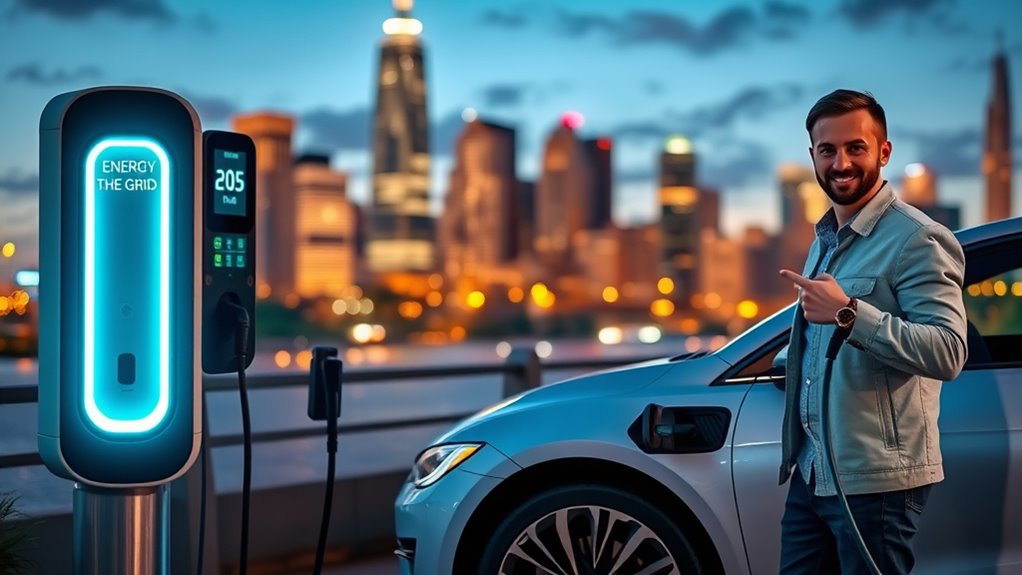
For EV owners, the main appeal of V2G is that a parked vehicle can do useful work. Since many cars sit unused for long periods, the battery can provide flexibility while still keeping enough charge for driving.
Possible owner benefits include:
- Lower charging costs: Your car may charge during lower-cost periods and avoid higher-cost periods.
- Program payments or bill credits: Some utilities or aggregators may pay for grid support, demand response, or energy export.
- Backup power: Related V2H systems may help power selected home loads during an outage, depending on battery size and installation.
- Better solar use: If you have rooftop solar and a compatible system, your EV may store extra daytime solar energy for later use.
Revenue is not guaranteed. According to the IEA’s 2026 V2G analysis, owner revenue estimates vary widely, from several hundred dollars to over USD 1,000 per year, while some current commercial offers are lower. Your actual savings depend on your tariff, vehicle, charger, driving habits, and local market rules.
Pro Tip: Before paying for bidirectional hardware, ask your utility whether your address, vehicle, charger, and rate plan are eligible. Compatibility is often more restrictive than marketing pages make it sound.
How Does V2G Support Renewable Energy Integration?
Solar and wind power do not always match electricity demand. Solar output is often strongest during the day, while many homes use more energy in the evening. Wind output can also rise and fall with weather conditions.
V2G can help by storing some electricity when supply is high and sending energy back when demand rises. This does not replace utility-scale batteries or grid upgrades, but it can add another flexible tool.
| Grid Need | How V2G Can Help |
|---|---|
| High renewable output | Charge EVs when extra solar or wind power is available |
| Evening peak demand | Discharge limited energy back to the grid if the owner allows it |
| Local grid congestion | Shift charging or provide local support through an aggregator |
| Outages or resilience events | Support selected loads through V2H or V2B systems, where permitted |
The bigger the EV fleet becomes, the more important charging behavior becomes. The IEA Global EV Outlook 2026 reports that electric car sales exceeded 20 million globally in 2025 and are expected to reach 23 million in 2026. Smart charging and V2G can help reduce peak strain as more EVs connect to the grid.
Types of Vehicle-to-Grid Systems You Should Know
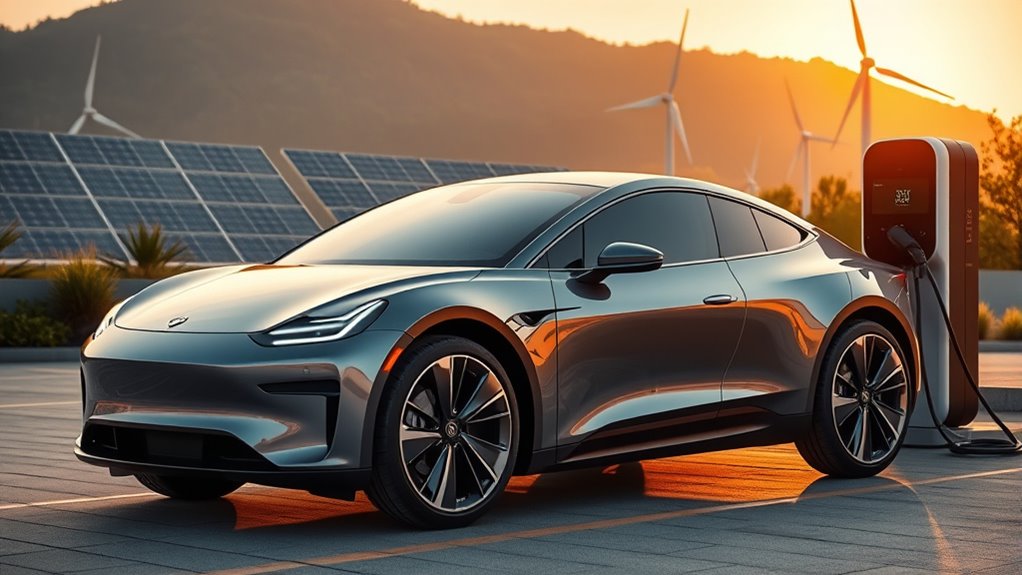
V2G systems can be grouped by where the power goes and how the energy is controlled.
Residential V2G connects a private EV to a home charger and a utility or aggregator program. This is still limited and often depends on a specific vehicle and charger bundle.
Fleet V2G uses many vehicles, such as school buses, delivery vans, or municipal vehicles. Fleets are often better candidates because they have predictable schedules and large batteries that sit parked for long periods.
Commercial V2B lets a building use EV batteries to lower demand charges, increase resilience, or support local energy management.
Emergency V2H focuses on home backup rather than sending energy to the broader grid. It may power essential loads, but it usually needs a transfer switch, approved inverter or charger, and utility-approved installation.
Comparing V2G and Traditional Charging: Key Differences
Traditional EV charging and V2G charging both use the vehicle battery, but they serve different purposes.
- Energy flow: Traditional charging is one-way. V2G is two-way.
- Equipment: Traditional charging can use common Level 1, Level 2, or DC fast chargers. V2G needs a compatible bidirectional system.
- Grid role: Traditional charging adds demand. V2G can add demand or supply, depending on grid needs.
- Owner control: V2G programs should let you set minimum battery levels and departure preferences.
- Revenue potential: Traditional charging does not sell energy or flexibility. V2G may create payments or credits where programs exist.
The U.S. Department of Energy’s Alternative Fuels Data Center explains common charging levels and connector types, but V2G adds another layer: the vehicle, charger, software, and grid program must all work together.
What Equipment Do You Need for V2G?
To use V2G, you usually need all of the following:
- A V2G-capable EV: The vehicle must support grid export, not just V2L or V2H.
- A compatible bidirectional charger: The charger must be approved for your vehicle and your local grid rules.
- Utility or aggregator approval: Most V2G programs require enrollment through a utility, energy retailer, or aggregator.
- Permitted electrical work: Home or building systems may need service-panel checks, a transfer switch, an inverter, and inspection.
- A suitable rate plan: Dynamic pricing, time-of-use rates, or grid-service payments often make V2G more useful.
- Owner settings: You should be able to set minimum battery limits, departure times, and backup reserve levels.
Note: A standard home EV charger is usually not enough for V2G. Even if the plug fits, the charger, vehicle software, safety certification, and utility program must support bidirectional power export.
V2G Standards and Charger Compatibility
Standards matter because the EV and charger must communicate safely. The most important current standard for many CCS-based V2G systems is ISO 15118-20, which defines communication requirements for bidirectional power transfer between an EV and charging equipment.
Older CHAdeMO-based systems helped support early bidirectional charging, especially with some Nissan Leaf applications. CCS-based V2G is now more important in many markets because ISO 15118-20 provides a standardized communication pathway. NACS/J3400 adoption is growing in North America, but V2G support still depends on how automakers, charger makers, and utilities implement the technology.
Interoperability remains a major challenge. In many current commercial offers, the EV model, bidirectional charger, software platform, utility tariff, and country-specific rules are packaged together. That means a vehicle that works in one program may not work in another.
Real-World Uses of V2G Technology
V2G is not just a theory, but full consumer availability is still developing. The strongest real-world uses are often fleet and utility programs where schedules and energy needs are easier to manage.
Energy Market Participation
In a grid program, EV owners or fleet operators may be paid for flexibility. That could mean delaying charging, reducing charging speed, or sending energy back when the grid needs support.
Most individual owners do not deal directly with wholesale power markets. Instead, an aggregator or utility manages many EVs together and shares part of the value through bill credits, free charging, or payments.
Emergency Power Supply
V2H and V2B systems can use an EV battery as backup power during outages. The amount of backup time depends on battery size, starting charge level, home energy use, weather, and which circuits are connected.
For example, powering a refrigerator, modem, lights, and a few outlets uses far less energy than powering central air conditioning, electric heat, or an entire home. A well-designed backup setup should focus on essential loads first.
Grid Stabilization Benefits
V2G can support the grid by helping balance supply and demand. It may reduce stress during peak hours, absorb extra renewable energy, or help local distribution networks avoid congestion.
The value is highest when many vehicles participate together. One EV can help a household or a small program, but thousands of coordinated vehicles can become a meaningful flexible resource.
Can You Use V2G at Home Today?
Maybe, but it depends heavily on where you live and what you drive. As of 2026, true V2G for private owners is still limited. Some markets now have commercial offers, but many areas are still in pilot or pre-commercial stages.
Before assuming you can use V2G, check these questions:
- Does your exact EV model and model year support V2G, or only V2L/V2H?
- Does your automaker allow bidirectional grid export under warranty?
- Is there a compatible bidirectional charger approved for your vehicle?
- Does your utility allow export from an EV battery?
- Is there a tariff, demand-response program, or aggregator that pays you?
- Will the installation meet local electrical code and inspection rules?
If the answer to any of these is no, you may still be able to use smart charging or V2L, but not true V2G.
Battery Health, Warranty, and V2G
Battery degradation is one of the biggest concerns around V2G. More charging and discharging cycles can add wear, especially if the battery is pushed near very high or very low charge levels often.
That does not mean V2G is always bad for the battery. Well-managed systems can limit discharge depth, avoid high battery stress, and keep the battery within safer charge ranges. In some cases, smart charging can be gentler than charging to a high level as soon as the car is plugged in.
Before enrolling, read your warranty terms and ask whether V2G use affects coverage. Also check whether the program limits energy throughput, minimum state of charge, charging temperature, or discharge depth.
Costs, Savings, and Payback
V2G can create value, but the economics are not the same for everyone. A fleet with many parked vehicles may see a stronger case than a driver who plugs in only once or twice a week.
Your payback depends on:
- The price of the bidirectional charger and installation
- Whether you need electrical-panel upgrades
- Your electricity tariff and export rules
- How often your EV is plugged in
- How much battery capacity you are willing to share
- Program payments, bill credits, or free-charging offers
- Battery warranty limits and possible long-term wear
In many cases, smart charging is the easier first step. It can reduce charging costs without sending electricity back to the grid. V2G becomes more attractive when local programs pay enough to offset hardware and installation costs.
What Are the Challenges and Limitations of V2G?
V2G has strong potential, but several barriers still slow adoption.
- Limited vehicle support: Only a small share of EV models currently support true V2G.
- Charger compatibility: Many bidirectional chargers work only with specific vehicles or programs.
- Regulatory complexity: Rules differ by country, state, utility, and grid operator.
- Installation cost: Hardware, permits, electrical upgrades, and labor can be expensive.
- Battery concerns: Owners need clear warranty terms and transparent battery-management rules.
- Low awareness: Many EV owners do not know the difference between V2L, V2H, and V2G.
- Interoperability gaps: Standards exist, but real-world implementation is not yet universal.
These issues do not make V2G a dead end. They show why the technology is growing first through pilots, fleets, utility programs, and tightly controlled commercial offers.
Emerging Trends Shaping the Future of V2G Technology
V2G is likely to become more important as EV adoption grows, electricity demand rises, and power systems add more renewable energy.
Increased EV Adoption Rates
Global EV sales continue to grow. The IEA reports that electric car sales exceeded 20 million in 2025 and are expected to reach 23 million in 2026. More EVs mean more battery capacity parked in driveways, depots, and parking lots.
However, a larger EV fleet does not automatically mean a large V2G fleet. Automakers, charger makers, utilities, and regulators still need to make true grid export easier and more consistent.
Renewable Energy Integration
As solar and wind grow, flexible loads become more valuable. V2G can charge vehicles when renewable power is plentiful and discharge when the grid needs extra support.
This is most useful when software protects driver needs. Owners are more likely to participate when the system keeps enough range for daily travel and pays fairly for battery use.
Advanced Charging Infrastructure Developments
Charging infrastructure is moving toward faster charging, better software, and improved communication between vehicles and chargers. V2G will also need stronger testing, clearer certification, and better interoperability.
Commercial V2G offers are appearing, but many are still tied to specific vehicle and charger combinations. The next major step is broader compatibility across brands, utilities, and regions.
Getting Involved With V2G Solutions
If you want to explore V2G, start with your vehicle and utility, not with the charger purchase.
- Check your EV: Confirm true V2G support for your exact model year and market.
- Ask your utility: Find out whether EV battery export is allowed at your address.
- Look for programs: Search for utility demand-response, virtual power plant, or aggregator programs.
- Review the hardware list: Use only chargers approved by the program, automaker, and local grid rules.
- Get an installation quote: Include permits, panel upgrades, transfer equipment, and inspection.
- Read the warranty terms: Confirm how V2G affects battery coverage.
- Set battery limits: Keep enough charge for your next trip and emergency needs.
For many owners, the best first move is smart charging. It is simpler, cheaper, and widely available. V2G is worth exploring when your local program clearly supports your EV and offers enough value to justify the cost.
Frequently Asked Questions
What are the disadvantages of V2G?
The main disadvantages are limited vehicle support, charger cost, utility approval, regulatory complexity, possible battery-warranty limits, and uneven program availability. V2G can make sense when payments or bill credits outweigh the cost and the system protects your battery and driving range.
Which cars have V2G?
V2G support depends on model year, market, charger, software, and utility program. Some Nissan Leaf applications have used CHAdeMO-based bidirectional charging, and newer V2G-capable models are emerging. Do not assume that V2L or home-backup marketing means the car can export power to the grid.
Does Tesla allow V2G?
Tesla bidirectional support depends on the model, hardware, region, and program. Some Tesla systems support bidirectional home or load features, but true grid export requires utility approval and compatible equipment. Check Tesla’s current documentation and your utility before assuming V2G works at your address.
What chargers support V2G?
V2G needs a bidirectional charger approved for your EV, local grid code, and utility program. Early systems often used CHAdeMO. CCS-based systems now rely on ISO 15118-20 for bidirectional communication, but real-world interoperability is still limited.
Is V2G the same as home backup power?
No. Home backup is usually called V2H, which sends power from the EV to your home or selected circuits. V2G sends power to the electric grid through an approved program. Some systems may support both, but many support only one type of bidirectional use.
Will V2G ruin my EV battery?
Not necessarily. Poorly managed cycling can add wear, but well-managed V2G can limit discharge depth, avoid stressful charge levels, and protect battery temperature. Always check warranty terms and choose programs that let you set battery limits.
Conclusion
Vehicle-to-Grid technology can turn a compatible EV into a flexible energy asset, but it is not yet a plug-and-play feature for every driver. The benefits are real: smarter charging, possible payments, better renewable-energy use, and stronger grid flexibility. The limits are just as important: vehicle support is still limited, bidirectional chargers can be costly, and utility approval is essential.
If you are interested in V2G, start by confirming your EV’s true bidirectional capability, then check local utility programs and approved charger lists. For many households, smart charging is the practical first step. For the right vehicle, charger, and program, V2G can be the next step toward a cleaner and more resilient energy system.
Sources
- IEA: Vehicle-to-grid technology — current V2G benefits, barriers, revenue estimates, model availability, and standards context.
- IEA: Global EV Outlook 2026 — latest global EV adoption and electricity-demand outlook.
- ISO 15118-20:2022 — communication requirements for bidirectional power transfer between EVs and charging equipment.
- U.S. DOE Alternative Fuels Data Center: Electric Vehicle Charging Stations — charging levels, connector terminology, and charging infrastructure basics.