The Toyota Tundra has a strong durability reputation, and Toyota documented a 2007 Tundra that passed one million miles with its original engine and transmission. That does not mean every model year carries the same risk.
For a reliability-first used purchase, the strongest starting point is generally the later second-generation trucks, especially 2013 through 2021, with extra appeal for 2015 through 2021. A clean 2009 can still be worth considering, but 2007 through 2011 trucks deserve an extra check of the secondary air-injection system. First-generation trucks from 2000 through 2006 require a careful frame inspection, and 2022 through 2024 non-hybrid trucks require a VIN-based engine-recall check.
As of October 7, 2026, Toyota and NHTSA have multiple engine-debris recalls affecting certain 2022 through 2024 Tundras equipped with the V35A engine. Recall coverage is VIN-specific and has expanded since the original 2024 campaign, so never rely on model year alone.
Key Takeaways
- Prioritize well-maintained 2013 through 2021 Tundras, especially 2015 through 2021, when you want the mature second-generation platform.
- On 2000 through 2006 trucks, frame condition matters more than the badge or mileage. Serious structural corrosion is a reason to walk away.
- Toyota issued warranty extensions for air-injection pump and switching-valve problems on certain 2007 through 2011 Tundras, so repair history matters on those years.
- Do not single out 2012 as an automatic “avoid” year based on unsupported repair-cost claims. Judge the individual truck by condition, history, and inspection results.
- For 2022 through 2024 non-hybrid Tundras, verify current engine-recall status and completed repairs by VIN before buying.
Table of Contents
- Toyota Tundra Model Years at a Glance
- Toyota Tundra Years That Need the Most Caution
- The Best Toyota Tundra Years to Buy
- What to Check Before Buying Any Used Tundra
- The Bottom Line: Buy the Right Year, Not Just the Badge
Toyota Tundra Model Years at a Glance
| Model year | Buying recommendation | Main reason |
|---|---|---|
| 2000 through 2003 | High caution | Age plus known frame-corrosion campaigns; frame condition must be verified |
| 2004 through 2006 | High caution | Frame-corrosion campaign history plus lower ball-joint recall coverage |
| 2007 through 2010 | Caution | Toyota warranty enhancement covered air-injection pumps and switching valves |
| 2011 | Caution | A separate Toyota warranty enhancement covered certain air-injection pumps and switching valves |
| 2012 | Inspect normally; not an automatic avoid | The original article’s precise transmission-failure and repair-cost claims could not be verified from a strong primary source |
| 2013 through 2014 | Recommended with inspection | Mature second-generation platform; 2014 brought a major styling and interior update |
| 2015 through 2021 | Preferred used choices | Mature second-generation platform; 2015 introduced Tundra TRD Pro and 2021 was the final V8 model year |
| 2022 through 2024 | Approach cautiously | Certain non-hybrid V35A trucks are covered by expanding engine-debris recalls; verify VIN and remedy status |
This is a shopping shortlist, not permission to skip an inspection. A neglected truck from a recommended year can still be a poor purchase, while a carefully maintained older truck may be a better buy than its model year suggests.
Toyota Tundra Years That Need the Most Caution
1. 2000 Through 2003: Frame Corrosion and Age Matter Most
The first Tundra generation can be durable, but the oldest trucks now have age-related risk on top of known corrosion concerns. Toyota ran a safety recall for rear cross-member corrosion on certain 2000 through 2003 Tundras in cold-climate states and a separate limited service campaign addressing frame perforation.
That history is more useful to a buyer than an unsourced complaint total. A 2000 through 2003 Tundra should be judged first on frame integrity, recall history, maintenance records, and evidence of previous structural repair.
Some 2003 through 2006 Tundras were also involved in Takata-related passenger-airbag recalls. Because recall applicability can vary by VIN and prior repair history, check the exact truck through NHTSA’s recall lookup and Toyota’s records before purchase.
The buying verdict: do not buy one of these trucks without a thorough frame inspection and VIN-based recall check.
2. 2004 Through 2006: Frame Rust Can Be a Dealbreaker
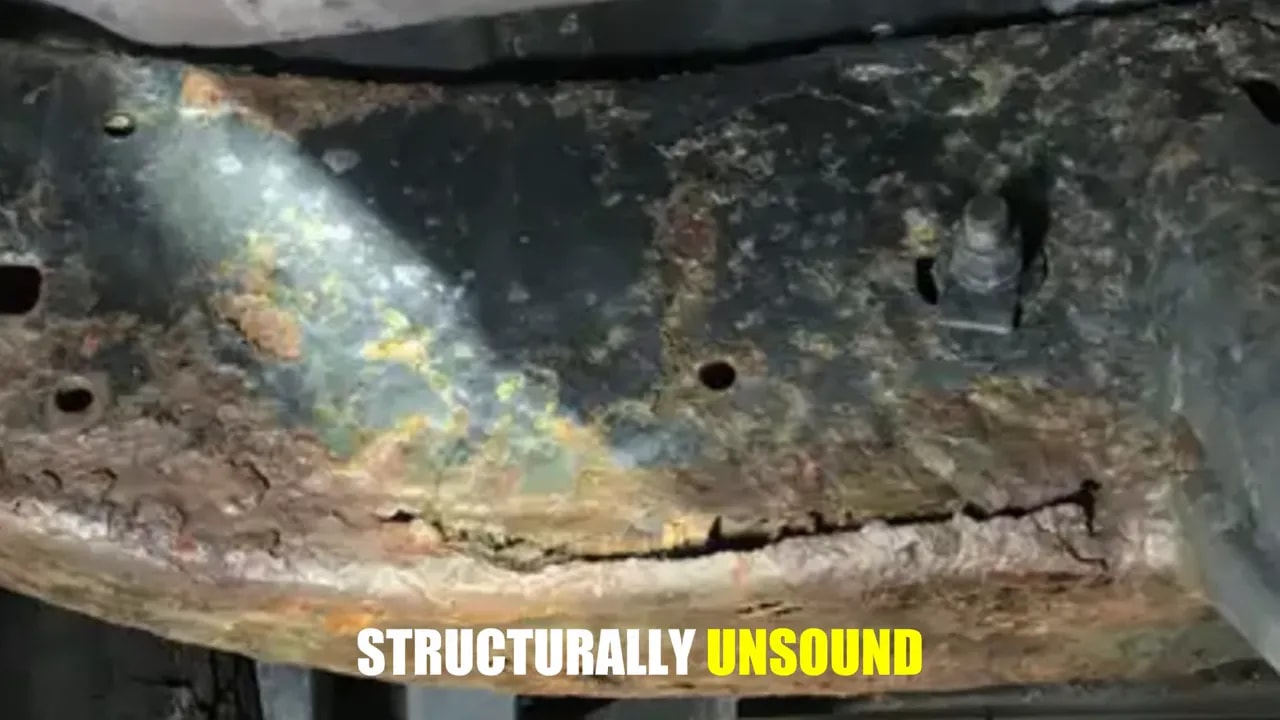
A strong engine does not compensate for a weakened frame. Toyota documented more-than-normal frame corrosion on certain 2004 through 2006 Tundras operated in cold-climate areas with heavy road-salt use and created a limited service campaign for inspection and corrosion treatment.
Corrosion can progress beyond cosmetic surface rust. Perforation, heavy scaling, cracking, deformation, or weakened mounting points can make an otherwise attractive truck a bad purchase.
The historical Toyota campaign had deadlines and location requirements, so do not assume a truck for sale today is still eligible for free frame work. Ask for documentation showing any previous inspection, corrosion treatment, or frame replacement.
A dry-climate history can reduce exposure to road salt, but a state name is not proof of a clean frame. Trucks can move between states, spend time near salt water, or develop corrosion from other causes.
Have a qualified mechanic inspect for:
- Holes or perforations in the frame rails.
- Heavy scaling or flaking rust.
- Soft or weakened metal.
- Cracks, deformation, or damaged mounting points.
Severe structural rust is a reason to walk away, not a reason to negotiate harder.
These years also need a lower ball-joint recall check. Toyota recalled certain 2004 through late-2006 Tundras because the front lower ball joints could develop excessive wear and looseness. In the worst case, separation could lead to loss of steering control.
Confirm that applicable recall work was completed and have the front suspension inspected for looseness, noise, steering effort, and abnormal tire wear.
3. 2007 Through 2011: Check the Secondary Air-Injection System
The redesigned second-generation Tundra arrived for 2007. Toyota later issued a warranty enhancement for air-injection pumps and air-switching valves on 2007 through 2010 Tundras after reports of water or moisture causing a check-engine light. A separate enhancement later covered certain 2011 Tundras.
The secondary air-injection system helps reduce cold-start emissions. When the system fails, the truck can illuminate the malfunction indicator light and may need pump, valve, or related repairs.
The original article attached precise failure mileages, repair costs, complaint counts, and engine-failure rates to 2007 and 2008. Those figures were removed because they were not supported by a strong primary source in the supplied article. What is well documented is Toyota’s warranty-enhancement history for the air-injection system.
The buying verdict: these years are not automatic rejects, but verify whether the air-injection system was repaired and scan the truck for current or stored fault codes before buying.
4. 2012: Not a Clear-Cut “Avoid” Year
The source article treated 2012 as a year to avoid because of precise air-pump and transmission-failure claims. Those specific mileage and repair-cost figures could not be confirmed from a strong primary source during this audit.
That does not mean every 2012 Tundra is trouble-free. It means the evidence checked here does not support calling the entire model year a must-avoid solely on those figures.
For a 2012 truck, focus on the same evidence that matters for any older full-size pickup: maintenance records, fluid condition, shift quality, diagnostic codes, leaks, corrosion, suspension wear, towing history, and a professional pre-purchase inspection.
5. 2022 Through 2024: Current V35A Engine-Recall Risk
The third-generation Tundra replaced the long-running 5.7-liter V8 with a twin-turbo V6 family. On certain non-hybrid trucks equipped with the V35A engine, manufacturing debris can remain in the engine and damage crankshaft main bearings. A bearing failure can cause knocking, rough running, a no-start condition, engine stall, or loss of drive power.
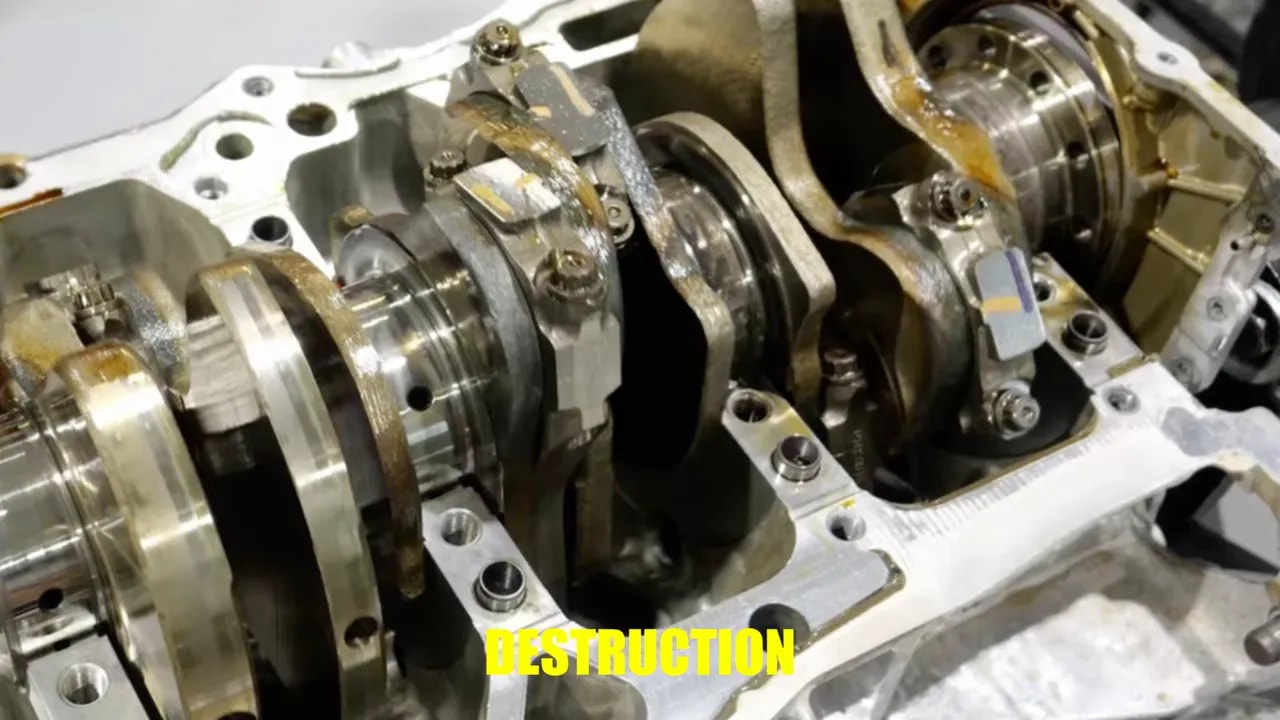
Toyota’s first major engine-debris recall in 2024 covered certain 2022 and 2023 Tundras, and the remedy for that campaign called for engine replacement. The scope later expanded. NHTSA campaign 25V767 covers certain 2022 through 2024 Tundras with the V35A engine, and campaign 26V320 added certain 2024 Tundras in 2026.
As of October 7, 2026, recall coverage and remedy status can differ by VIN. Toyota’s current information should be checked through Toyota’s official recall lookup and NHTSA before you buy. Do not rely on an old article, a model-year list, or a seller’s statement.
Possible warning signs include:
- Engine knocking.
- Rough running.
- Failure to start.
- Loss of power.
- Engine stalling.
These symptoms can have more than one cause, so they are not proof of the recall defect by themselves. If a truck shows them, stop treating the purchase as routine and have the vehicle diagnosed before proceeding.
For a reliability-first purchase, I would favor a well-documented later second-generation V8 truck over an affected early third-generation truck whose recall remedy is incomplete or unclear.
If a Tundra develops severe knocking, rough running, stalling, or loss of drive power, stop driving when it is safe to do so and arrange professional diagnosis or towing.
The Best Toyota Tundra Years to Buy
1. 2009: Worth Considering, but Check Air-Injection History
A clean 2009 can still be an appealing older Tundra, especially with the 5.7-liter V8, but it should not be presented as risk-free. The 2009 model falls within Toyota’s 2007 through 2010 air-injection warranty-enhancement range.
That makes service history important. If the truck has documentation showing air-injection repairs, no current fault codes, a sound frame, and consistent maintenance, it can still be a strong older option.
Put condition and records ahead of the model-year label. Age means rubber components, suspension parts, seals, cooling-system parts, and corrosion deserve close inspection even on a well-regarded year.
2. 2013 Through 2015: Mature Hardware With Updated Features
The 2013 through 2015 trucks use the established second-generation platform. Toyota gave the Tundra a substantial exterior and interior refresh for the 2014 model year, while the core truck architecture remained familiar.
The 2015 model year also introduced the Tundra TRD Pro, adding a factory off-road-focused suspension and other model-specific hardware.
These years are sensible targets for buyers who want a proven V8-era truck with newer cabin and styling updates than the earliest second-generation models.
3. 2016 Through 2021: The Mature V8 Platform
The 2016 through 2021 Tundras are the strongest overall starting point in this guide for buyers who want a later second-generation truck. The platform was mature, and the 5.7-liter i-FORCE V8 remained the core engine through the end of the generation.
Equipment varies by year and trim, so compare the actual truck rather than assuming every model has the same safety or technology features.
The 2021 Tundra is especially appealing to shoppers who want the newest version of the second-generation V8 truck. It was the final model year before the fully redesigned 2022 Tundra arrived.
Reliable does not mean maintenance-free. A poorly serviced 2021 can still be a worse purchase than an older truck with excellent records and condition.
What to Check Before Buying Any Used Tundra
The model year narrows your search. The inspection and paperwork decide whether the actual truck deserves your money.
- Inspect the frame thoroughly. Look for perforation, heavy scaling, weak metal, cracks, deformation, and suspicious fresh coating over rust.
- Verify maintenance history. Ask for invoices or service records instead of relying on a general statement that the truck was “always serviced.”
- Check the VIN for recalls. Use Toyota and NHTSA lookup tools, then ask a Toyota dealer to confirm open campaigns and completed repairs.
- Review major repair documentation. Engine, transmission, frame, air-injection, suspension, and recall work should be supported by paperwork.
- Scan for diagnostic trouble codes. Stored or pending codes can reveal problems that a recently cleared dashboard light may hide.
- Test-drive it from cold. Listen for unusual startup noise, verify smooth shifting, check steering and braking, and watch for warning lights.
- Pay for a qualified pre-purchase inspection. A mechanic should evaluate the structure, suspension, engine, transmission, leaks, brakes, tires, and evidence of heavy towing or off-road use.
For 2000 through 2006 trucks, be especially strict about frame condition and recall history. For 2007 through 2011 trucks, add the secondary air-injection system to the checklist.
For 2022 through 2024 trucks, verify the exact VIN against current engine-recall campaigns and confirm whether any required inspection, engine repair, or replacement has been completed.
The Bottom Line: Buy the Right Year, Not Just the Badge
The Tundra’s durability reputation has real examples behind it, including Toyota’s documented million-mile 2007 truck. But one exceptional truck does not make every Tundra year equally safe to buy used.
For most reliability-focused shoppers, I would start with 2013 through 2021, especially 2015 through 2021, then choose the best-maintained truck with a clean frame and complete service history. A 2009 can also be worth considering if its air-injection history and overall condition check out.
Be cautious with 2000 through 2006 trucks because of frame-corrosion history, and verify lower ball-joint recall work where applicable. Treat 2007 through 2011 trucks as air-injection-history checks rather than automatic rejects. Most importantly, check 2022 through 2024 non-hybrid Tundras by VIN for the current V35A engine recalls and remedy status.