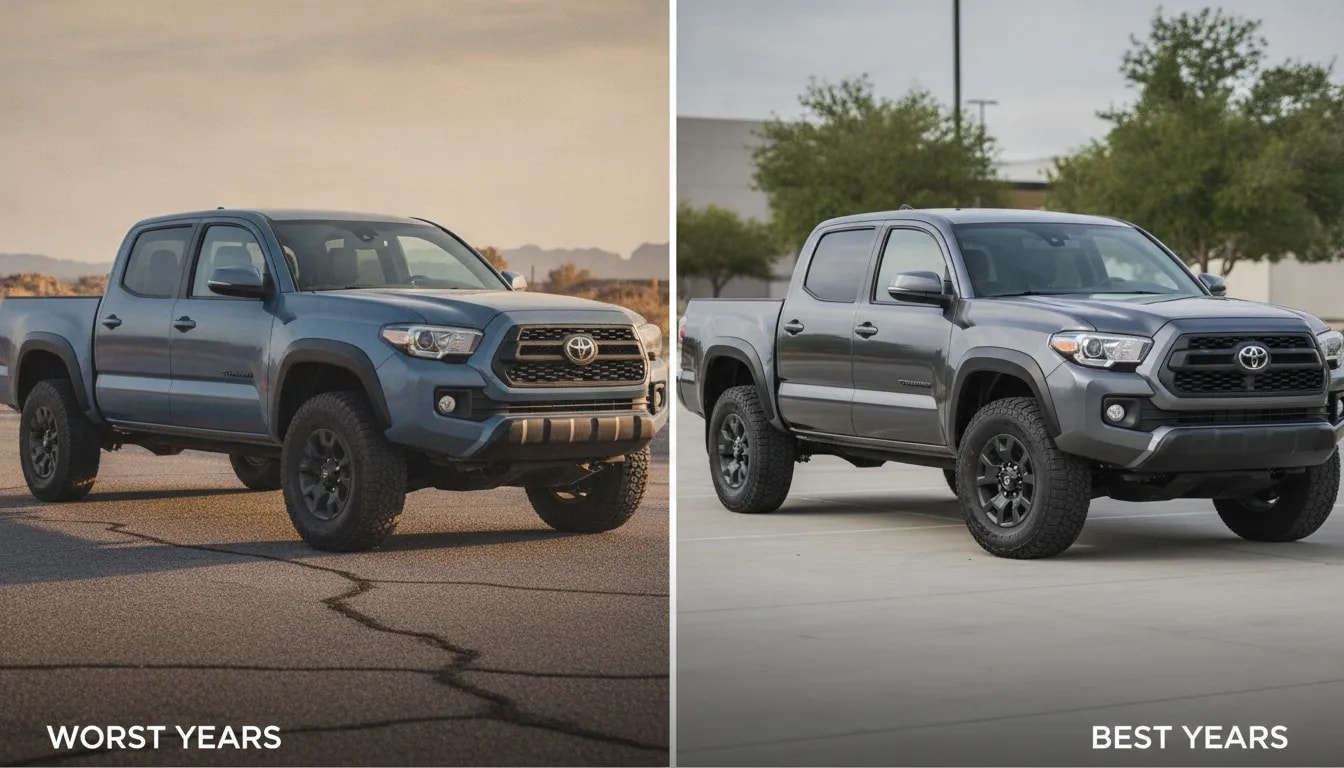
The Toyota Tacoma has earned its reputation for reliability. But that does not make every model year bulletproof. Pick the wrong truck, and the Toyota badge can come with thousands of dollars in unexpected repairs.
The biggest trouble spots are early second-generation frame corrosion, first-year third-generation transmission and oil-leak problems, and the growing pains of the 2024 redesign. On the other side, later second-generation and third-generation trucks offer some genuinely strong used-buying options.
My used Tacoma shortlist is 2013 to 2015 or 2018 to 2023. For the fourth generation, the 2025 looks more promising than the 2024, but promising is not the same as proven.
Key Takeaways
- Prioritize 2013 to 2015 or 2018 to 2023 when shopping for a used Tacoma.
- Early second-generation frame corrosion can be structural, making a thorough inspection essential.
- 2016 and 2017 automatics deserve extra caution for transmission shudder and costly timing-cover leaks.
- The 2025 looks more promising than 2024, but long-term fourth-generation reliability remains unproven.
Table of Contents
- Toyota Tacoma Years at a Glance
- Toyota Tacoma Years to Avoid
- The Best Toyota Tacoma Years to Buy
- What to Inspect Before Buying a Used Tacoma
- Do Not Pay the Toyota Tax for a Bad Truck
Toyota Tacoma Years at a Glance
| Model years | Generation | Buying recommendation | Main reason |
|---|---|---|---|
| 2005 to 2010 | Second generation | Avoid without exceptional documentation and inspection | Severe frame corrosion, especially after road-salt exposure |
| 2013 to 2015 | Second generation | Strong used-buying shortlist | Mature platform and proven 4.0-liter V6 |
| 2016 to 2017 | Third generation | Skip in favor of later years | Automatic transmission complaints, timing-cover leaks, and water intrusion |
| 2018 to 2023 | Third generation | Best balance of established reliability and modern features | Refinements beyond the early redesign years |
| 2024 | Fourth generation | Approach cautiously | First-year powertrain, brake, and electrical complaints |
| 2025 | Fourth generation | More promising, but not yet a long-term reliability bet | Reported refinements over 2024 |
These recommendations apply whether you are shopping for a TRD Off-Road, TRD Sport, SR5, or a base truck. A trim badge does not erase a model year’s underlying concerns. Equipment and powertrain still matter, so inspect the actual truck rather than buying by year alone.
Toyota Tacoma Years to Avoid
2005 to 2010: Frame Rust Is the Deal-Breaker
The 2005 to 2010 Tacomas are the group I would be most cautious about. The central problem is not cosmetic rust. It is corrosion that can compromise the truck’s frame.
Moisture and road salt can promote corrosion inside frame sections, leaving a truck that looks acceptable from the outside with serious deterioration underneath. Cold-climate trucks, particularly those with a history in the Rust Belt, deserve especially close scrutiny.
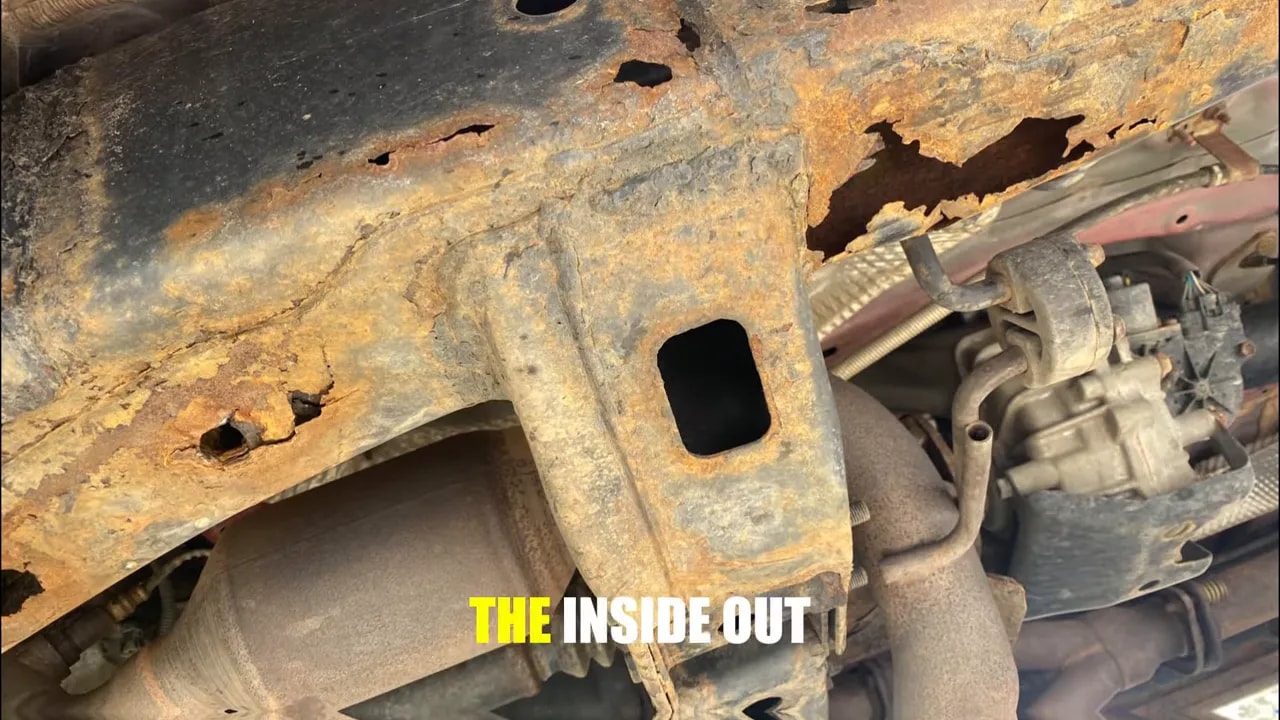
Reported damage includes holes larger than 10 millimeters and, in extreme cases, frames buckling while trucks were raised for service. That is a structural problem, not something to overlook because the engine runs well.
Toyota’s truck-frame corrosion problems led to major legal action, including a reported $3.4 billion settlement covering roughly 1.5 million trucks. Historical responses included inspections and frame replacements, while some corrosion programs also involved buybacks. Do not assume an old truck still qualifies for free repairs or a buyback. Eligibility and coverage need to be verified for the specific vehicle.
Frame condition is not the only concern in this year range. Other reported problems include:
- Peeling paint on hoods and roofs.
- Sluggish automatic transmission behavior.
- Premature clutch wear on manual-transmission trucks.
- Cracking or broken leaf springs.
My advice is to pass on these years unless you can verify a documented warranty frame replacement, establish a favorable climate history, and get an independent inspection. Even a replacement-frame record is not a substitute for checking its current condition.
2016 to 2017: Transmission Shudder and Expensive Oil Leaks
The 2016 and 2017 models were the first two years of the third-generation redesign. They brought several problems that make later examples easier to recommend.
The most frustrating is the six-speed automatic transmission. Owners report gear hunting, delayed shifts, shudder, and unexpected surging. Toyota issued software updates, but an update is not proof that every truck’s symptoms have been resolved, particularly when a torque-converter issue is involved.
A torque-converter replacement can cost roughly $1,500 to $2,500 out of pocket. A truck that hesitates or shudders during the test drive needs a diagnosis, not a seller’s reassurance that they all behave that way.
The 3.5-liter 2GR-FKS V6 also has a costly inspection point: the timing-cover seal. Faulty factory sealant can allow oil to seep out, and a repair requiring engine removal can run approximately $3,000 to $6,000.
Then there is the third brake light seal. When it fails, water can enter the cab, soaking the headliner and carpet and creating mold or mildew problems. Interior dampness is easy to dismiss until it becomes your problem.
The owner-report snapshot used for this comparison listed 163 complaints for 2016 and 93 for 2017 on CarComplaints. Those counts can change and are not failure rates, but they reinforce the need to investigate these years carefully.
For a third-generation Tacoma, I would skip 2016 and 2017 and start with 2018.
2024: First-Year Fourth-Generation Growing Pains
The 2024 Tacoma introduced an all-new platform and turbocharged four-cylinder powertrains. That is a major change, and the early reports give reliability-focused buyers a reason to be patient.
The reporting used for this comparison listed a reliability score of 55 out of 100 and 126 owner complaints, with concerns involving the powertrain, brakes, and electrical systems. Some owners also described transmission refinement issues reminiscent of the early third-generation trucks.
Those figures are a reporting snapshot, not a prediction of what every 2024 truck will do. Still, if avoiding early-production problems is your priority, the first year of this redesign is not my preferred choice.
I would favor a later fourth-generation model, such as 2025, or give the generation more time into 2026. Waiting gives Toyota time to refine the product and buyers time to learn how it holds up. It does not automatically establish the reliability of a later year.
The Best Toyota Tacoma Years to Buy
2013 to 2015: The Strongest Used-Value Shortlist
For a straightforward used Tacoma, the 2013 to 2015 models are hard to ignore. They sit late in the second generation, after refinements to the earlier trucks’ paint, transmission, and clutch concerns.
The main attraction is the available 4.0-liter 1GR-FE V6. It is a proven, naturally aspirated engine without a turbocharger or a direct-injection system. That simpler design is a big part of the appeal for buyers who care more about long service life than the latest technology.
Well-maintained examples can exceed 250,000 miles. That is a reason to seek maintenance records, not permission to ignore them.
The reliability figures cited for these years range from 67 to 70 out of 100. More importantly, this is a mature version of an established platform rather than an early redesign.
Frame-related improvements, including a reported supplier change in 2015, also support the preference for later second-generation trucks. But no model year gets a free pass on rust. A 2013 or 2014 still needs a thorough underbody inspection, and so does a 2015.
2018 to 2023: The Sweet Spot for Modern Features
The 2018 to 2023 range is my preferred third-generation shortlist. These trucks benefit from refinements beyond the transmission and sealing problems that made 2016 and 2017 harder to recommend.
They also offer a more modern package, including Toyota Safety Sense, adaptive cruise control, and strong off-road options. If you want established Tacoma hardware alongside newer safety technology and comfort, this is the range to focus on.
The comparison’s cited reliability scores again fall around 67 to 70 out of 100, with fewer owner complaints than the early third-generation years.
There is an important qualification: timing-cover oil seepage remains an inspection item on the 2016 to 2023 3.5-liter V6. Later years are the better buying recommendation, but that does not mean every possible leak disappeared. Have the front of the engine checked before committing.
2025: More Promising Than 2024, Still Unproven Long Term
The 2025 Tacoma looks like the better fourth-generation choice in this comparison. Its cited reliability score is 70 out of 100, versus 55 for 2024, and reported refinements include transmission calibration and turbo tuning.
The available i-FORCE MAX hybrid produces 326 horsepower and 465 pound-feet of torque, making it the most powerful Tacoma in the lineup discussed here.
That performance is appealing. It is not evidence of long-term dependability. The newer turbocharged and hybrid powertrains have not yet built the same high-mileage track record as the older V6 trucks.
If choosing between 2024 and 2025, I would lean toward 2025. If proven longevity is the main goal, the established used-year ranges remain the more conservative shortlist.
What to Inspect Before Buying a Used Tacoma
1. Inspect the Entire Frame
Frame rust is the first thing I would investigate, especially on a 2010 or older truck that has lived around winter road salt.
- Inspect the full length of both frame rails.
- Look for holes, heavy flaking, and soft or deteriorated areas.
- Pay particular attention to mounting points.
- Do not judge internal condition solely by the outside surface.
- Verify any claimed frame inspection or replacement with records.
Get an independent pre-purchase inspection. A clean body and a smooth-running engine cannot compensate for a compromised frame.
2. Pay Attention to Transmission Behavior
Test-drive the truck thoroughly, with special caution around 2016 and 2017 automatics. Pay attention to delayed shifts, hesitation, gear hunting, surging, and shudder.
If the seller says software work fixed the problem, ask for documentation and confirm the truck behaves properly. Buy the result, not the explanation.
3. Check for Timing-Cover Oil Seepage
On a 2016 to 2023 Tacoma with the 3.5-liter V6, have the front of the engine inspected for oil seepage around the timing cover. The potential labor bill makes this worth checking even on a recommended year.
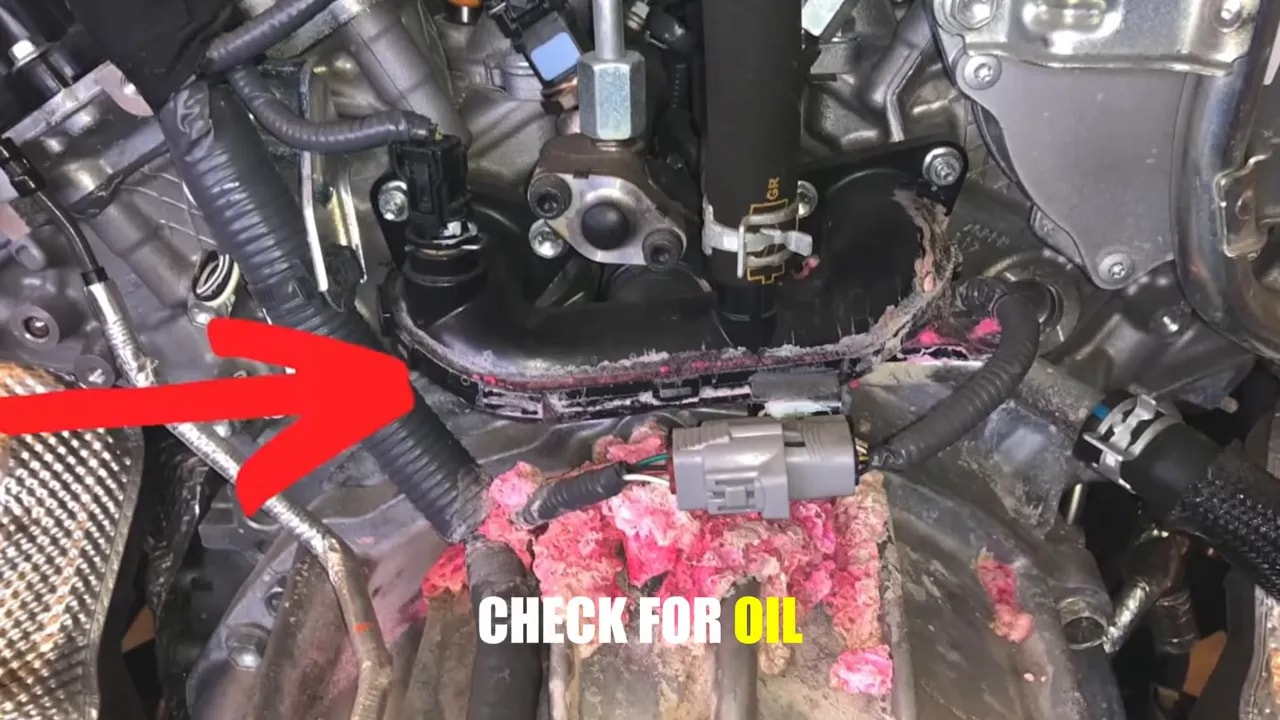
If a leak is present, get a repair estimate before deciding whether the asking price makes sense.
4. Look for Water Intrusion
Check the headliner and carpet for dampness or staining, particularly on the early third-generation trucks. A failed third brake light seal can turn a small sealing problem into an unpleasant interior repair.
5. Verify Climate History, Recalls, and Repair Records
Trucks from dry areas or places with little road-salt exposure, including parts of Arizona, Texas, California, and the South, can be better rust-shopping candidates. The important detail is where the truck has lived, not just where it is currently advertised.
Before buying:
- Run the VIN through the NHTSA recall lookup for open safety recalls.
- Review the vehicle history report and service paperwork for frame inspections, warranty repairs, and maintenance.
- Ask a Toyota dealer to verify relevant campaign or warranty work.
- Use Tacoma World to research year-specific owner experiences and questions.
Do Not Pay the Toyota Tax for a Bad Truck
Tacomas hold their value well. The depreciation figure cited in this comparison is about 33% over five years, which helps explain why used examples command a premium.
But strong resale value does not make every Tacoma worth the money. A rusty 2007 or a 2016 with unresolved transmission shudder is not a smart buy simply because it costs less than other Tacomas.
Start with 2013 to 2015 for a simpler used truck, or 2018 to 2023 for a more modern one. Treat the 2025 as promising rather than proven, and put inspection results ahead of badges, trim levels, and reputation.
The best Tacoma years can be excellent trucks. The wrong example can become an expensive lesson. Buy the condition and the records, not just the name.