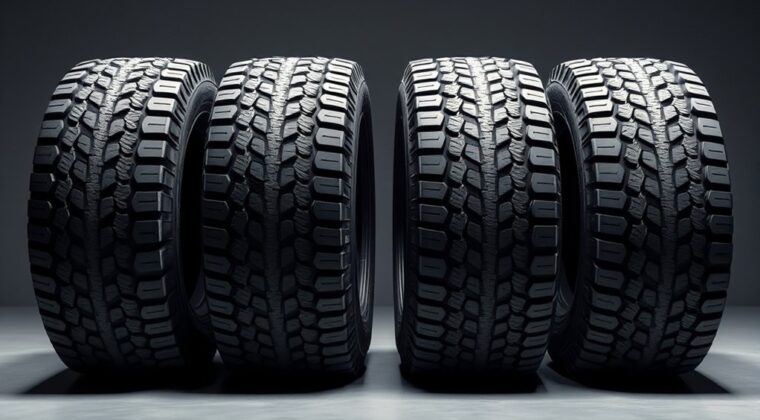
Choosing the right 255 85R16 all-terrain tire in 2027 means balancing trail grip, road comfort, and long-term durability. The Cooper Discoverer S/T Maxx, Falken Wildpeak A/T4W, Falken Wildpeak M/T Mt01, and Yokohama Geolandar M/T G003 each bring a different edge to the table. Some favor mixed-use reliability, while others push harder into mud and rough terrain. The differences become clearer when each tire is placed side by side.
Cooper Discoverer S/T Maxx All-Season LT255/85R16 123/120Q Tire
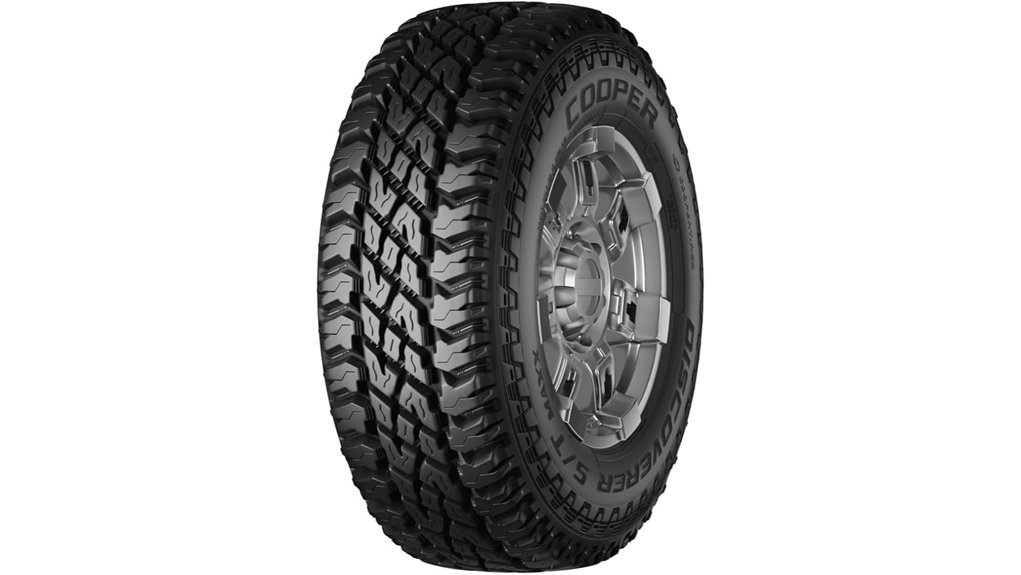
The Cooper Discoverer S/T Maxx All-Season LT255/85R16 123/120Q Tire is a strong choice for drivers who need dependable traction on rocky trails, gravel, and pavement alike. Its Armor Tek3 3-ply carcass, cut- and chip-resistant tread, and angled ply construction improve durability and impact absorption. A hybrid 4-5 rib, non-directional tread promotes all-terrain grip with low noise. Stone ejector ribs help resist retention. Rated at 3415 pounds with a 10-ply E construction, 80 psi maximum pressure, and Q speed rating, it suits demanding universal-fit applications.
Best For: Drivers who need a durable all-season tire with dependable on- and off-road traction for rocky trails, gravel, and pavement.
Pros:
- Armor Tek3 3-ply carcass and cut- and chip-resistant tread improve durability
- Hybrid 4-5 rib, non-directional tread provides strong all-terrain grip with low noise
- Stone ejector ribs help prevent stone retention and enhance performance on rough surfaces
Cons:
- Q speed rating is lower than many highway-focused tires
- Heavy-duty design may ride firmer than standard passenger tires
- Best suited for trucks and demanding applications, not ideal for everyday commuter cars
Falken Wildpeak A/T4W All Terrain LT255/85R16 112/109S C Light Truck Tire
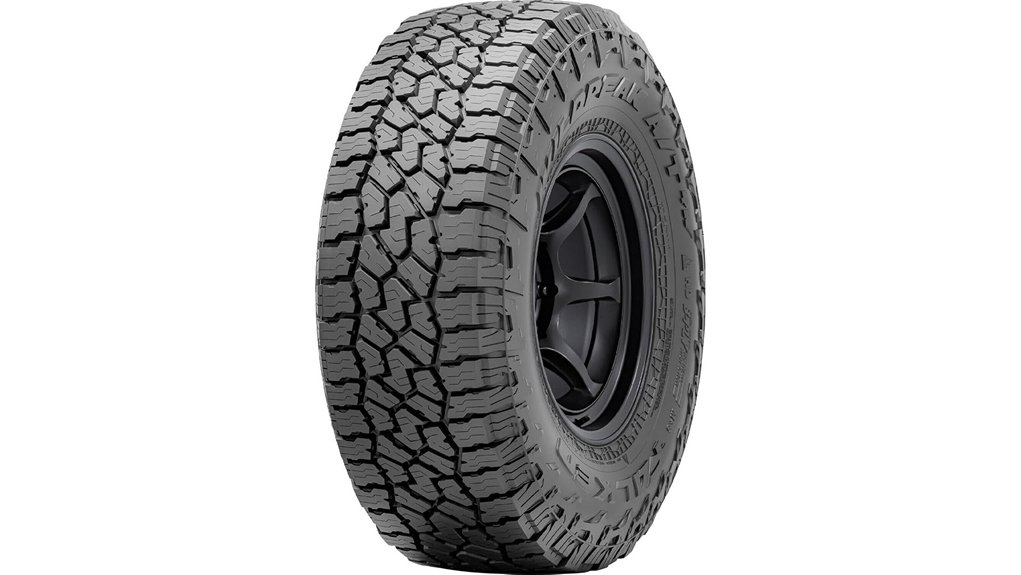
Built for drivers who split time between pavement and rugged backcountry, the Falken Wildpeak A/T4W LT255/85R16 stands out. This all-terrain, all-weather light truck tire uses a non-directional radial design with a 6-ply construction, 17/32-inch tread depth, and durable sidewalls for improved wear resistance. It is built to handle mud, gravel, rocks, heat, and snow with steady year-round traction. The 112 load index, S speed rating, and 50 psi maximum pressure support practical utility. Falken backs it with a 60,000-mile limited warranty and universal fit for 16-inch rims.
Best For: Drivers of light trucks and SUVs who want a durable, year-round all-terrain tire that can handle pavement, mud, gravel, rocks, heat, and snow.
Pros:
- Strong all-terrain, all-weather performance for mixed on-road and off-road use
- Durable 6-ply construction and reinforced sidewalls for improved wear resistance
- Backed by a 60,000-mile limited warranty and fits 16-inch rims
Cons:
- S speed rating may be limiting for drivers wanting higher-speed performance
- All-terrain tread can be noisier and less efficient than highway tires
- LT sizing and heavier construction may reduce ride comfort and fuel economy
Falken Wildpeak M/T Mt01 LT255/85R16 123/120Q Bsw All-Season tire
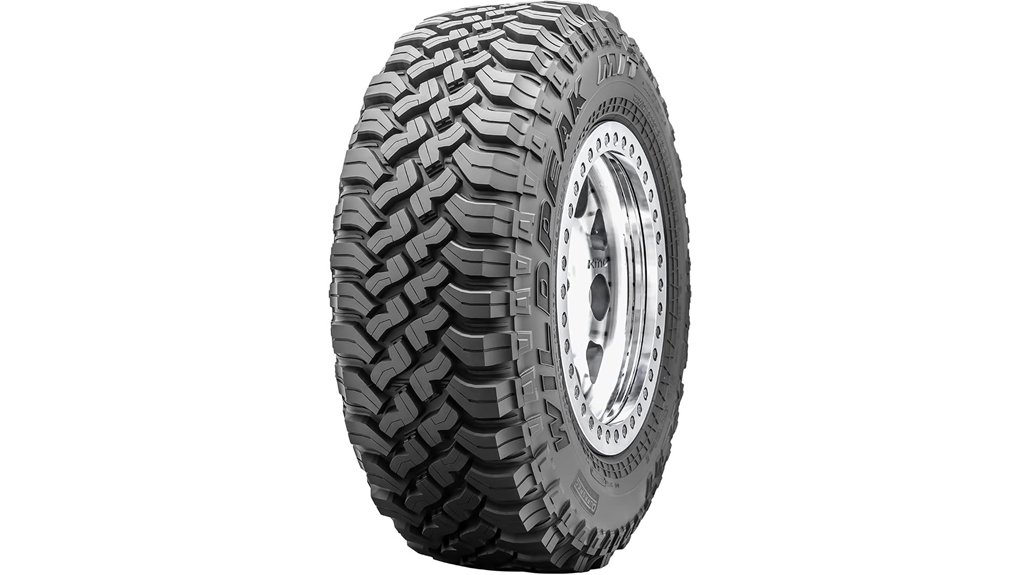
With a 10-ply radial build and LT255/85R16 sizing, the Falken Wildpeak M/T Mt01 suits heavy-duty trucks and serious off-road drivers. Its 123/120Q load and speed ratings, 16-inch rim fit, and universal application support broad compatibility. The non-directional tread and 12/32-inch depth favor traction in mud, dirt, and changing conditions, while the year-round designation broadens usability. Built by Falken Tire Corp, the tire weighs 59.1 pounds and arrives as a single unit. Customer feedback remains strong, with a 4.8-star average from 44 reviews.
Best For: Drivers of heavy-duty trucks and off-road vehicles who need a tough, year-round mud-terrain tire with strong load capacity and versatile fitment.
Pros:
- 10-ply radial construction offers durability for demanding use.
- Non-directional tread and 12/32-inch depth help provide traction in mud, dirt, and mixed conditions.
- Strong customer satisfaction, with a 4.8-star average from 44 reviews.
Cons:
- Mud-terrain design may be noisier and less comfortable on pavement than highway tires.
- Speed rating Q is relatively low compared with many road-focused tires.
- Universal fit still requires confirming size and load requirements for your specific vehicle.
Yokohama Geolandar M/T G003 255/85R16 100Q
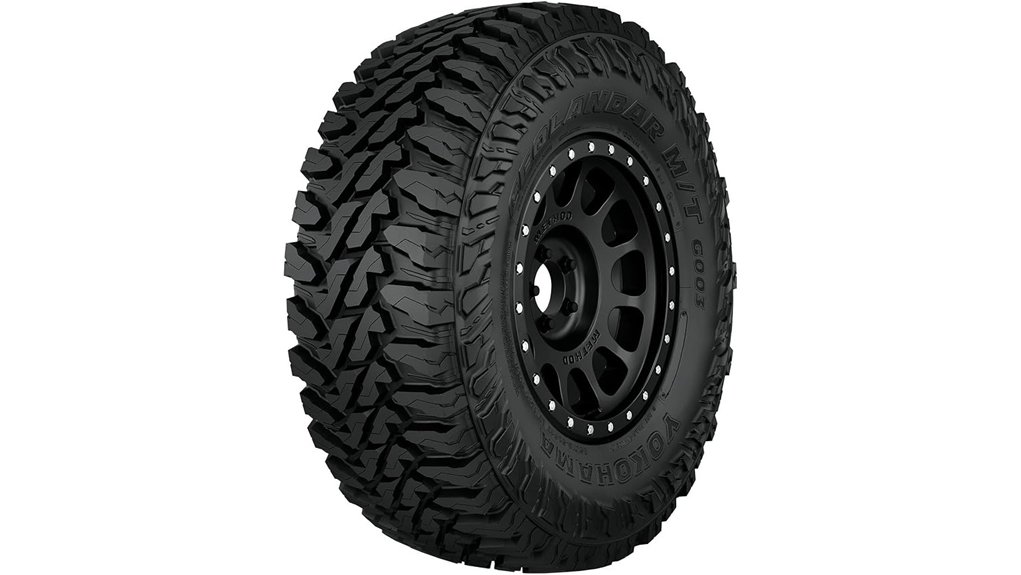
Yokohama’s Geolandar M/T G003 255/85R16 100Q suits off-road drivers who need durable mud traction. This mud-terrain radial fits SUVs, crossovers, and pickup trucks, with a 10-ply build, 3,415-pound load capacity, and Q speed rating. GEO-SHIELD technology, sidewall armor, and stone ejectors help resist cuts, impacts, and drilling. Its optimized void ratio and sipes support braking and grip, while the wide flat profile promotes even wear. The non-directional tread and 18/32-inch depth improve versatility. A 30-day satisfaction guarantee and limited warranty add support.
Best For: Off-road drivers, SUV and pickup owners, and crossover drivers who want a durable mud-terrain tire with strong traction, impact protection, and long-wearing performance.
Pros:
- GEO-SHIELD technology and sidewall armor improve toughness against cuts and impacts.
- Mud and stone ejectors plus optimized void ratio help with traction and braking in rough conditions.
- Wide flat profile and non-directional tread support even wear and versatile off-road use.
Cons:
- Mud-terrain tread can be noisy and less comfortable on pavement than all-terrain tires.
- Q speed rating is lower than many highway-focused tires.
- Heavy-duty off-road design may reduce fuel efficiency and daily-driving smoothness.
Factors to Consider When Choosing 255 85R16 All Terrain Tires
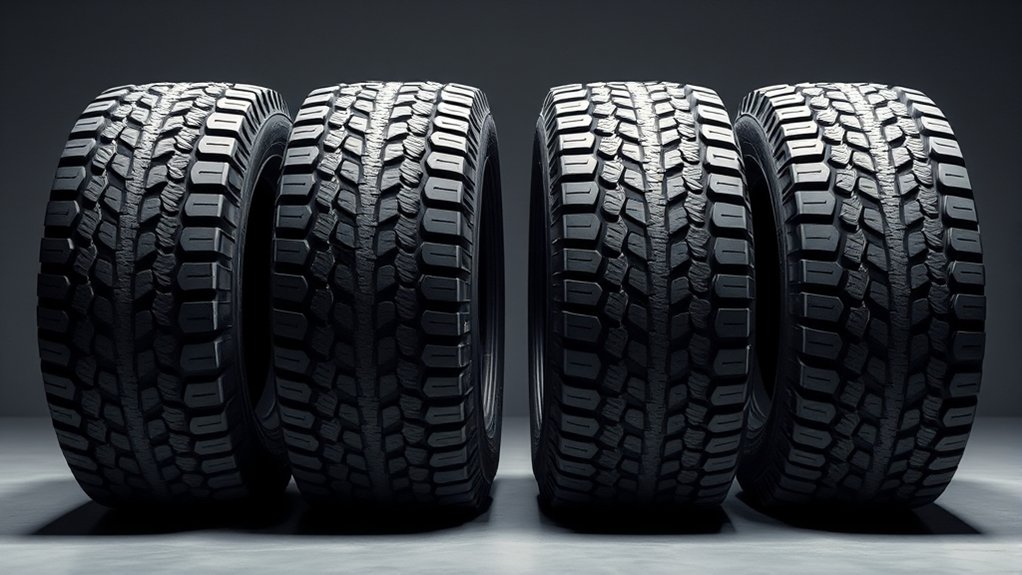
Choosing 255/85R16 all-terrain tires requires attention to tread pattern, load and speed ratings, and how well the tire matches expected terrain. Durability and construction matter for rough use, while noise levels and ride comfort affect everyday driving. The best option balances off-road traction with stable on-road behavior.
Tread Pattern Choice
A well-designed tread pattern is one of the main factors in selecting 255 85R16 all-terrain tires, since the best options use a hybrid layout that balances highway stability with off-road grip. Non-directional designs add versatility, helping the tire maintain traction across mud, gravel, and mixed pavement without requiring a fixed rotation direction. Deeper tread, such as 18/32 inches, can improve bite on loose ground and slow wear in demanding use. Stone ejector details are also important, as they reduce stone retention and help preserve long-term performance. Tread rib arrangement matters as well; a 4-5 rib layout can support steady traction while limiting road noise. Together, these elements shape how confidently a tire performs across changing surfaces.
Load And Speed Ratings
Load and speed ratings are essential benchmarks for 255 85R16 all-terrain tires, as they define how much weight each tire can safely support and how fast it can operate under load. Load ratings are shown as a load index, where higher numbers indicate greater capacity; for example, index 123 supports up to 3,415 pounds. The chosen load index should meet or exceed the vehicle’s weight demands to preserve safe operation. Speed ratings identify the maximum safe speed a tire can sustain, such as Q-rated tires, which are approved for up to 99 mph. Matching this rating to typical driving speeds and local limits helps maintain safety and tire integrity. Evaluating both ratings together supports proper durability and dependable performance for specific driving needs.
Terrain Performance
Terrain capability is a central consideration when selecting 255 85R16 all-terrain tires, since these tires are expected to deliver dependable traction on mud, gravel, and rocky surfaces while still remaining stable on pavement. A hybrid tread design, combining ribs and voids, usually improves grip by balancing off-road bite with predictable on-road handling. Deeper tread depths, such as 18/32 inches, tend to perform better in loose or uneven terrain because they evacuate debris and maintain contact more effectively. Shallower tread can feel calmer on paved routes, making tread choice a matter of intended use. Non-directional patterns also matter, as they help reduce stone retention and support self-cleaning. The best option aligns tread geometry with the terrain most often encountered.
Durability And Construction
Beyond traction on varied surfaces, durability and construction shape how well 255 85R16 all-terrain tires hold up over time. A robust radial design is often preferred because it strengthens the casing and supports dependable performance on demanding terrain. A 10-ply rating signals greater load capacity and added resistance to punctures and abrasion, which matters during frequent off-road use. Tread compounds with cut and chip resistance help reduce surface damage from sharp rocks and rough trails, extending service life. Some tires also include armor technologies that reinforce the casing and tread for extra protection. Non-directional tread patterns with optimized void ratios can promote even wear while maintaining consistent grip. Together, these features determine how well a tire endures hard use, repeated impacts, and long mileage.
Noise And Ride Comfort
Noise and ride comfort often come down to tread design, construction, and inflation. Non-directional all-terrain tread patterns usually run quieter than aggressive, deeply grooved designs, especially on pavement. Lower tread depths, such as 12/32 inches, can reduce road hum, though they may sacrifice some off-road bite. Deeper treads, reaching 18/32 inches, improve grip but typically add more noise. Tire construction also matters: advanced rubber compounds can soften impacts and limit harshness, while a higher ply rating, including 10-ply options, often helps the tire absorb rough surfaces and reduce cabin vibration. Inflation should be set carefully as well. Under-inflated tires increase noise and rolling resistance, while over-inflated tires create a stiffer, less forgiving ride and uneven wear over time.
Frequently Asked Questions
How Do 255 85R16 Tires Affect Fuel Economy?
255 85R16 tires usually reduce fuel economy slightly because their taller, often heavier build increases rolling resistance and aerodynamic drag. However, proper inflation, lighter tread designs, and conservative driving can lessen the penalty.
Are 255 85R16 Tires Suitable for Daily Highway Driving?
Yes, they can suit daily highway driving, though the road may feel like a long bridge crossed by sturdy boots. Their comfort, noise, and fuel use depend on tread design, inflation, and vehicle gearing.
Do I Need New Wheels for 255 85R16 Tires?
Usually, no; 255/85R16 tires fit any wheel already sized for 16-inch tires, provided width and load rating are appropriate. A tire shop should confirm clearance, offset, and brake fitment before installation.
How Often Should I Rotate 255 85R16 All-Terrain Tires?
Rotation rhythm relies on road use, yet 255 85R16 all-terrain tires are typically rotated every 5,000 to 8,000 miles. Regular rotation reduces irregular wear, improves traction, and prolongs tire life, especially under rugged, repeated, rotational stress.
What Air Pressure Is Best for 255 85R16 Tires?
The best air pressure for 255/85R16 tires depends on load, vehicle, and driving conditions, but many run 35–40 psi on-road. Off-road, lower pressures improve traction, though exact settings should follow the door placard.
Conclusion
In the end, the best 255/85R16 all-terrain tire depends on the road ahead: the Cooper Discoverer S/T Maxx brings rugged confidence, the Falken Wildpeak A/T4W adds long-wearing versatility, the Wildpeak M/T MT01 leans hard into serious off-road duty, and the Yokohama Geolandar M/T G003 thrives in mud. Choosing among them is like picking a travel companion—each is reliable, but each tells a different story once the pavement ends.