
As 2027 approaches, grand touring tires continue to balance comfort, tread life, and all-season confidence. The Yokohama Avid Ascend GT, Venom Power Grand AM, Ironman iMove PT Plus, and STARFIRE Solarus AS each bring a different mix of value and refinement. Some focus on wet grip, others on quiet cruising or budget appeal. The differences seem subtle at first, but one choice may stand apart for more than expected.
Yokohama Avid Ascend GT 225/50R18 95V Passenger Tire
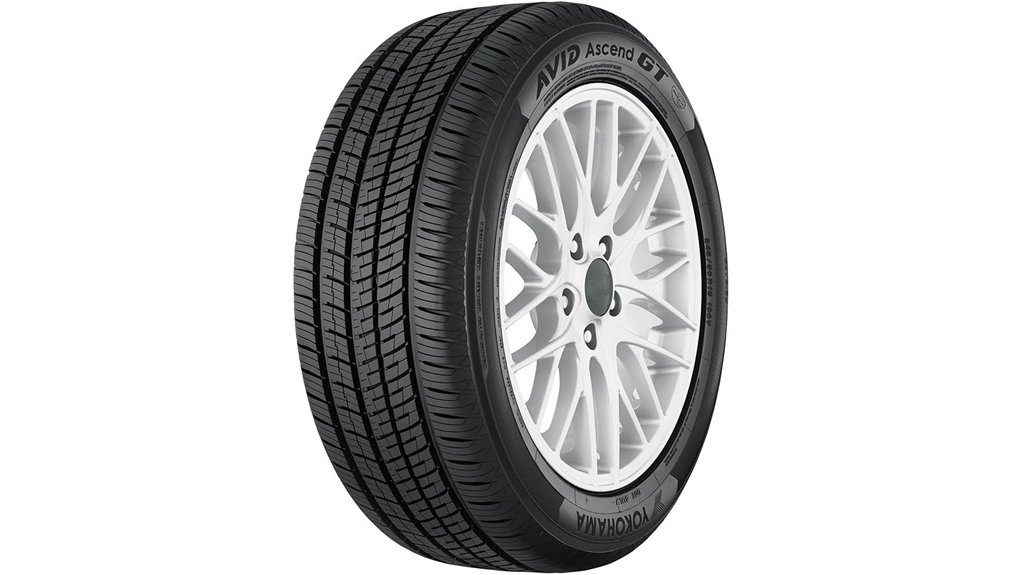
The Yokohama Avid Ascend GT 225/50R18 95V Passenger Tire is a strong fit for drivers who want long-lasting all-season performance with confident wet and light-wintry traction. Its triblend, silica-rich compound helps deliver grip in snow and colder conditions, while triple 3D sipes support traction and even wear. The asymmetric tread pattern improves handling on wet roads, and an ultra-square contact patch aids stability. Multi-pitch tread blocks and adaptive outer shoulders help reduce road noise. Backed by up to 65,000 miles of treadwear coverage and a 30-day trial, it offers reassuring durability.
Best For: Drivers seeking a durable all-season passenger tire with confident wet-road handling, light-wintry traction, and low road noise.
Pros:
- Up to 65,000-mile limited treadwear warranty for strong longevity
- Triblend, silica-rich compound and triple 3D sipes help improve traction in snow and cold conditions
- Asymmetric tread pattern and multi-pitch design support wet handling and reduced road noise
Cons:
- Not a dedicated winter tire, so severe snow and ice performance is limited
- Warranty drops to 32,500 miles for staggered fitments
- Best performance is oriented toward comfort and all-season use, not sporty high-performance driving
Venom Power Grand AM 215/70R15 98S SL All Season Touring (WSW) Tire
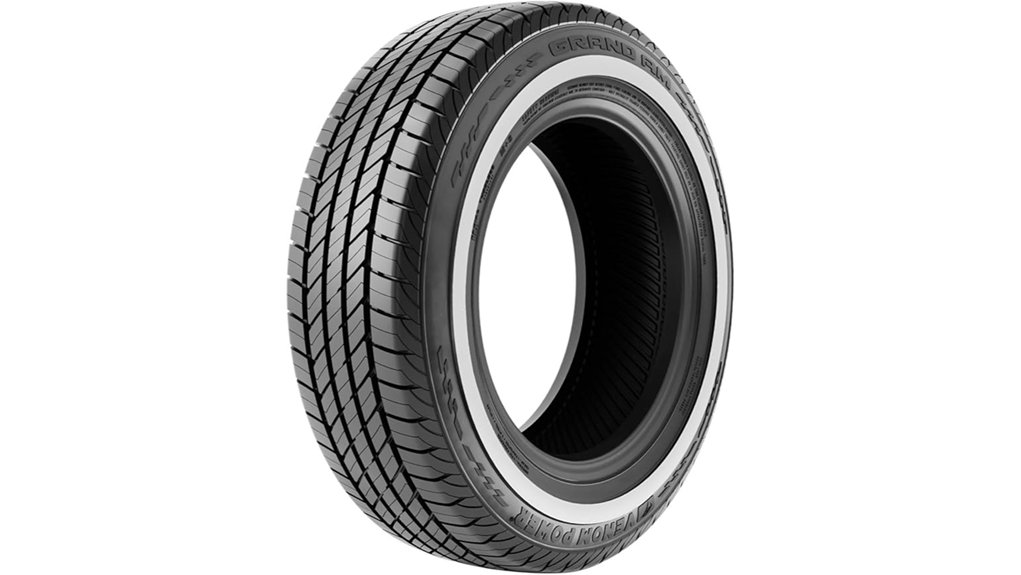
Built for classic-minded drivers, the Venom Power Grand AM 215/70R15 suits everyday touring with a white sidewall finish. This passenger all-season touring tire uses a radial, four-ply-rated construction and a symmetrical tread for balanced handling. Its 98S rating indicates support for up to 1,653 pounds and speeds to 112 mph. The 15-inch fit, 26.9-inch diameter, and universal compatibility make it practical for many vehicles. A 10/32-inch tread depth and UTQG 480AB rating suggest durable service, while the standard warranty and 30-day return guarantee add basic ownership confidence.
Best For: Drivers of classic or everyday passenger vehicles who want an all-season touring tire with a white sidewall look, solid load capacity, and universal 15-inch fitment.
Pros:
- All-season touring design offers versatile year-round traction.
- 98S rating supports up to 1,653 lbs and speeds up to 112 mph.
- White sidewall styling adds a classic appearance.
Cons:
- 4-ply-rated construction may not suit heavier-duty needs.
- Speed rating and performance focus are modest compared with sportier tires.
- Universal fit still requires confirming exact vehicle compatibility before purchase.
Venom Power Grand AM 215/70R15 98S SL All Season Touring Tire
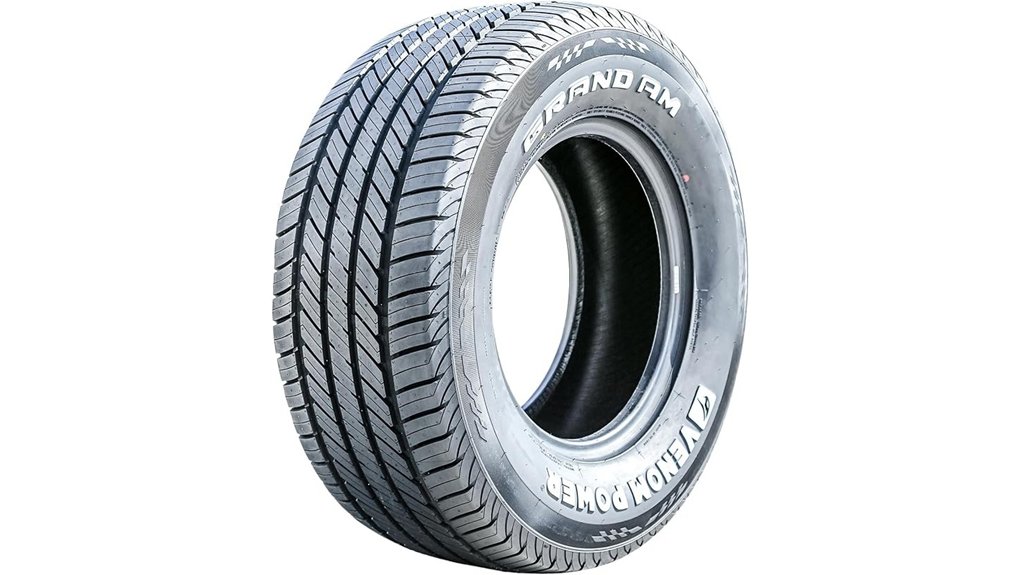
Venom Power’s Grand AM suits drivers wanting an affordable all-season touring tire with classic raised white-letter styling. Sized at 215/70R15, it carries a 98 load index, supporting up to 1,653 pounds per tire, and an S speed rating for sustained use up to 112 mph. The SL, four-ply radial construction targets everyday comfort and dependable all-season traction. Its UTQG rating of 480AB suggests solid tread life and balanced grip. This version is sold as tire only, so a compatible wheel or rim must be purchased separately for installation.
Best For: Drivers seeking an affordable all-season touring tire with classic raised white-letter styling for everyday use.
Pros:
- All-season traction for versatile year-round driving
- 4-ply rated radial construction with a 480AB UTQG for balanced tread life and grip
- Supports up to 1,653 lbs per tire with an S speed rating up to 112 mph
Cons:
- Tire only; rim or wheel must be purchased separately
- Not intended for high-speed performance beyond 112 mph
- SL/4-ply design is more focused on comfort and daily driving than heavy-duty use
Ironman iMove PT Plus All Season 195/65R15 91H Passenger Tire
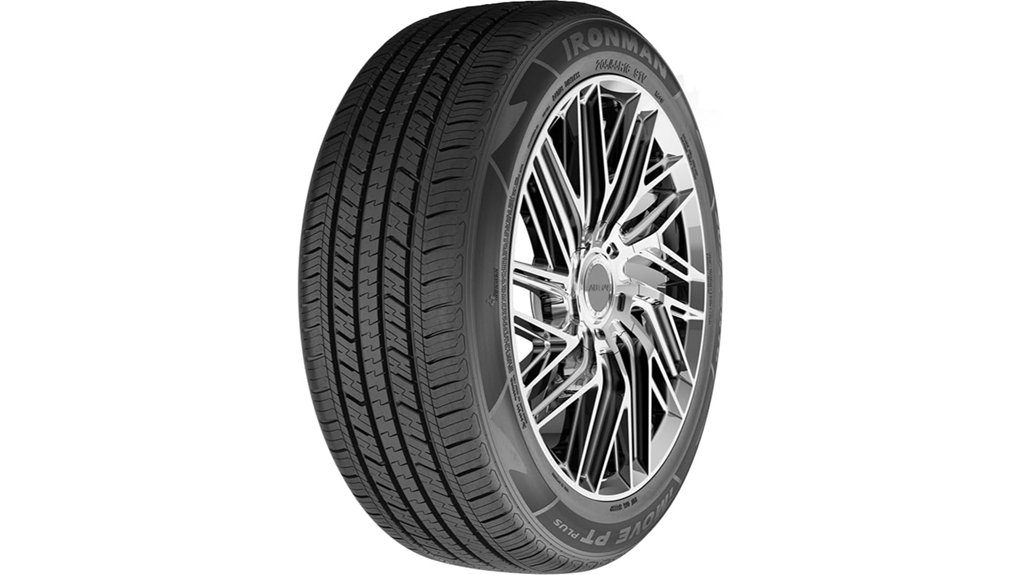
With a 50,000-mile warranty, the Ironman iMove PT Plus suits budget-minded drivers seeking reliable all-season comfort. Sized at 195/65R15 with a 91H rating, it uses an all-season tread to support year-round commuting. Its closed shoulder design helps reduce tread noise, while chamfered tread blocks contribute to steadier steering response and more confident handling. A reinforced groove base adds durability and supports a longer service life. For drivers prioritizing value, quieter operation, and dependable everyday performance, this passenger tire presents a practical option in the grand touring category.
Best For: Budget-minded drivers who want a quiet, dependable all-season passenger tire with solid everyday comfort and a long tread warranty.
Pros:
- 50,000-mile limited tread life warranty adds value and peace of mind
- Closed shoulder design helps reduce tread noise for a quieter ride
- Chamfered tread blocks and reinforced groove base support better handling and durability
Cons:
- Best suited for everyday commuting rather than high-performance driving
- All-season traction is practical, but not ideal for severe winter conditions
- May not offer the premium refinement or grip of higher-end touring tires
STARFIRE Solarus AS All-Season 195/65R15 91H Tire
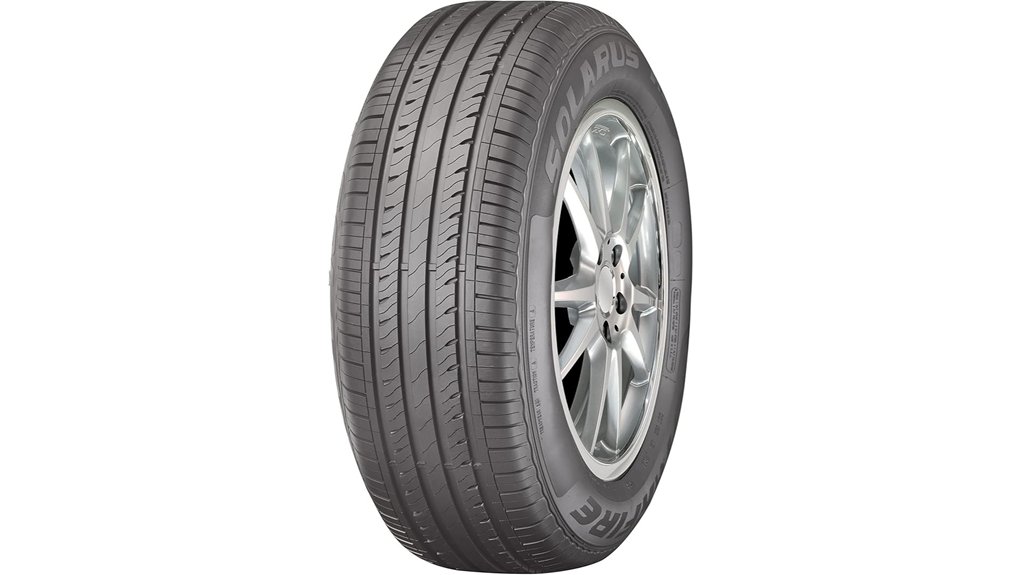
The STARFIRE Solarus AS suits drivers seeking a quiet, budget-friendly all-season tire for 15-inch sedans. Its 195/65R15 size, 91H rating, and radial, symmetrical construction make it a universal-fit choice for year-round use. An enhanced tread compound supports wet and dry traction, while Shoulder Control Technology, deep slots, and biting edges improve grip and stability. A solid center rib helps deliver a controlled ride. Variable pitch tread design reduces highway noise. Backed by a 50,000-mile treadwear warranty, it offers 1356 pounds of load capacity and a 30-day Amazon return guarantee.
Best For: Drivers of 15-inch sedans who want a budget-friendly, quiet, all-season tire with reliable wet and dry traction for year-round use.
Pros:
- Enhanced tread compound helps provide strong traction in wet and dry conditions.
- Variable pitch tread design helps reduce road noise for a quieter highway ride.
- 50,000-mile treadwear warranty adds solid long-term value.
Cons:
- May not deliver the performance of higher-end premium tires in extreme conditions.
- Best suited for everyday driving rather than aggressive cornering or sporty handling.
- Only available in this specific size and fit, limiting compatibility.
Factors to Consider When Choosing Grand Touring Tires
When selecting grand touring tires, tread life warranty often signals long-term value, while wet traction remains critical for confident handling in rain. Noise reduction and all-season grip also matter, since these tires are expected to provide a quiet, consistent ride across changing conditions. Load capacity should not be overlooked, especially for vehicles that regularly carry passengers or cargo.
Tread Life Warranty
Tread life warranty is a practical benchmark for judging how long grand touring tires are expected to perform, though the mileage coverage can vary widely from about 40,000 to more than 65,000 miles. Longer warranties usually signal stronger manufacturer confidence in durability and overall value, especially for drivers seeking consistent service over many seasons. Some models, however, carry reduced mileage coverage for specific fitments, including staggered applications, where design constraints limit warranty length. Buyers should also review any satisfaction guarantees, which may allow a short test period before final commitment. Just as important, warranty eligibility often depends on stated maintenance and usage conditions, so the fine print matters. A strong warranty only has value when its requirements are realistically met throughout ownership.
Wet Traction
Wet traction becomes a major deciding factor once warranty coverage is set aside, since it directly affects stopping distance and steering control on slick pavement. Grand touring tires should be evaluated for their ability to evacuate water quickly, especially during heavy rain when hydroplaning risk rises. An asymmetric tread pattern can help by directing water away from the contact patch, improving stability and confidence. Silica-rich rubber compounds also matter, because they increase grip on damp roads and in colder, wetter weather. 3D sipes and adaptive tread designs add biting edges, expanding surface contact and supporting even wear while enhancing wet-road response. Deeper tread depth further aids water displacement, preserving traction and maintaining a secure, composed feel when conditions turn unpredictable and the pavement remains saturated.
Noise Reduction
Noise reduction is a key consideration in grand touring tires, especially for drivers who want a quieter, more refined ride at highway speeds. Multi-pitch tread designs are often used to limit the consistent beat of road noise, helping create a calmer cabin. Variable pitch patterns further disrupt sound frequencies, producing a smoother auditory experience as speed increases. Closed shoulder designs also matter, since they reduce tread noise by restricting air movement between the tire and the road surface. Enhanced tread compounds can contribute as well, improving the tire’s interaction with pavement in ways that lower audible harshness. Adaptive outer shoulder blocks add another layer of refinement, supporting quieter operation by reducing both road and pattern noise while maintaining a composed, comfortable drive overall.
All-Season Grip
All-season grip is a defining trait of grand touring tires, as their specialized tread compounds are engineered to deliver dependable performance in both wet and dry conditions. Their tread patterns often include deep slots and biting edges that help maintain traction on slick roads, adding stability during rain or light snow. A solid center rib supports smoother steering response and more controlled handling, especially at highway speeds. Variable pitch designs further refine the driving experience by reducing road noise without sacrificing grip. Durability also matters, and many all-season grand touring tires carry warranties of 50,000 to 65,000 miles, reflecting their long service life. Together, these features make them well suited to drivers seeking year-round confidence, comfort, and dependable road manners in changing weather.
Load Capacity
Load capacity is a key factor when choosing grand touring tires, since the load index shows the maximum weight each tire can safely carry. Higher load index numbers indicate greater capacity, so the specification must match the vehicle’s weight for safe, steady operation. A tire rated at load index 98, for instance, can support up to 1,653 pounds and is often suitable for mid-sized vehicles. Selecting tires with insufficient capacity can raise wear rates, create excess heat, and increase the risk of tire failure under normal driving. To avoid these problems, the vehicle’s owner manual or tire placard should be checked before purchase. Matching the correct load capacity helps preserve handling, durability, and overall tire performance for grand touring use.
Speed Rating
Speed rating indicates the maximum speed a tire can safely sustain over time, and it should match or exceed the vehicle manufacturer’s recommendation. Ratings range from A, for speeds above 186 mph, to L, for 75 mph, helping drivers choose tires suited to a vehicle’s intended performance. Higher ratings usually provide stronger handling and stability at elevated speeds, which matters for sporty or performance-oriented vehicles. Lower-rated tires may sacrifice control and safety when driven quickly, potentially diminishing overall performance. The speed rating should be reviewed alongside the load index, since both values together reflect a tire’s capacity under real driving demands. Selecting a tire that meets the manufacturer’s specified rating supports consistent handling, safer operation, and reliable grand touring performance.
Ride Comfort
Ride comfort in grand touring tires depends heavily on tread design and construction. Features such as closed shoulders and variable pitch patterns can reduce road noise and vibration, creating a calmer cabin environment. A symmetrical tread layout often improves smoothness by distributing pressure evenly across the contact patch, which supports steadier handling and greater comfort. Softer rubber compounds may further enhance the ride by absorbing impacts more effectively on rough pavement, giving the tire a more cushioned feel. Adaptive outer shoulder blocks can preserve cornering support without adding harshness. Longer tread life warranties, sometimes reaching 65,000 miles, often indicate a balance between durability and comfort, helping maintain consistent performance and ride quality over time.
Tread Design
Tread design plays a major role in how grand touring tires balance comfort, traction, and handling. Asymmetric patterns often improve grip and steering response, and they can perform especially well on wet roads. Multi-pitch tread layouts help limit road noise by staggering tread block pitches, which supports a quieter highway ride. Closed shoulder designs can further reduce noise while helping extend tread life and maintain consistent performance in varied weather. Deep slots and biting edges add traction and stability when rain or other inclement conditions reduce road contact. The overall balance of tread width, depth, and pattern also shapes all-season capability. When these elements are tuned well, grand touring tires can deliver steady handling, dependable traction, and refined comfort over long distances.
Frequently Asked Questions
How Often Should Grand Touring Tires Be Rotated?
Grand touring tires should typically be rotated every 5,000 to 8,000 miles, or at each oil change. Regular rotation helps promote even tread wear, quieter ride quality, and longer tire life overall.
Do Grand Touring Tires Affect Fuel Economy?
A commuter fitting low-rolling-resistance grand touring tires might gain slightly better mileage. They can affect fuel economy, though usually modestly; softer, wider, or heavily treaded designs often reduce efficiency compared with lighter, harder-compound alternatives.
Can Grand Touring Tires Handle Light Snow Safely?
Grand touring tires can handle light snow safely only when properly rated and driven cautiously. Their all-season compounds and tread patterns provide limited winter traction, but deeper snow or ice still demands dedicated winter tires.
What Is the Average Lifespan of Grand Touring Tires?
Grand touring tires typically last 50,000 to 70,000 miles, though lifespan varies with driving style, alignment, rotation, inflation, and road conditions. Gentle highway use often extends durability, while aggressive driving shortens it.
Are Grand Touring Tires Quieter Than Performance Tires?
Yes; coincidentally, grand touring tires often seem quieter because their tread patterns and softer compounds prioritize comfort, while performance tires usually trade hush for grip. The difference varies by model, road surface, and speed.
Conclusion
In a market where “grand touring” once meant little more than a smooth promise and a glossy sidewall, these five tires quietly prove that substance still matters. The Yokohama Avid Ascend GT leads with poise, while the Venom Power Grand AM, Ironman iMove PT Plus, and STARFIRE Solarus AS offer their own practical charms. Ironically, the most unassuming choices often deliver the most reassuring ride, making refinement feel almost invigoratingly ordinary.