

If your tire inflator keeps blowing a fuse, you’re likely seeing excess startup current, a worn motor, or a bad connection. Check the 12V plug for frayed wires, corrosion, or melting, and test the vehicle outlet with another device. Replace the inline fuse only with the same amp rating and size. If the fuse still opens, inspect the cord, motor brushes, and internal wiring; the fault may point to a failing inflator.
Key Takeaways
- Check the 12V outlet and plug for loose, corroded, or damaged connections before replacing any fuse.
- Replace the inflator’s inline fuse only with the exact same amp rating and physical size.
- Inspect the power cord, contacts, and plug for frays, melting, or other signs of overheating.
- Test the inflator in a known good vehicle outlet to rule out a problem with the car’s 12V socket.
- If fuses keep blowing, the motor or internal components may be failing and the inflator may need replacement.
Why Tire Inflator Fuses Keep Blowing
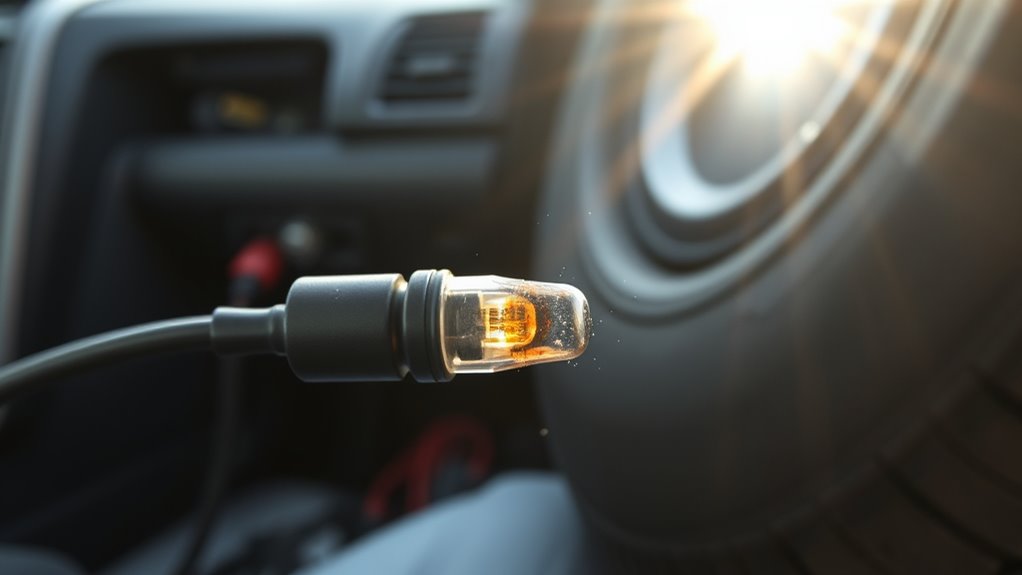
Tire inflator fuses usually blow because the unit pulls more current than the fuse is rated to handle, often right at startup when inrush current spikes under load.
You need to treat each fuse failure as a symptom, not the cause. If the tire inflator repeatedly opens a fuse, internal parts may be degrading. Worn motor brushes, dirty brush contacts, or aging capacitors can raise current draw and blow the fuse again.
Heat damage from high storage temperatures can also weaken components and shift electrical behavior.
High storage heat can weaken components and alter electrical behavior, leading to future fuse failures.
Install only a new fuse with the specified amperage; a larger fuse won’t fix the fault and can let wiring overheat unchecked.
If the fuse fails immediately, the inflator is likely demanding excessive current before it stabilizes. Diagnose the load path, measure current, and isolate the failing component.
Your goal is to restore safe, reliable operation without surrendering to repeated fuse loss.
Check the 12V Plug and Vehicle Outlet
Check the 12V plug and vehicle outlet first, because a bad connection here can mimic a failed inflator. Inspect your tire pump plug for visible damage: frayed wires, bent contacts, or corrosion can create a short and trip the lighter fuse.
Then test the 12V outlet with another device; if that device also fails or behaves erratically, the outlet may be pulling excessive current or dropping voltage. Verify the outlet’s fuse rating stays within the vehicle spec, usually 20-30 amps, and confirm the inflator’s plug uses the correct fuse size and rating. A mismatch can keep causing blowouts.
Make sure the plug seats firmly in the 12V outlet, because a loose connection raises resistance, reduces voltage, and forces higher amperage draw.
You’re not guessing here—you’re isolating the fault with clean, measured checks that protect your system and restore reliable power.
Replace the Tire Inflator Fuse
If the inflator still won’t power on, replace the fuse next: unplug the unit, confirm the vehicle’s 12V outlet works with another device, then unscrew the metal tip on the inflator plug and remove the old fuse for inspection.
In most tire pumps, this inline fuse sits inside the cig lighter plug and protects the circuit from overload. Check the glass or blade element for a broken link, darkening, or scorching.
Install only a replacement with the same amp rating and physical size listed in your Owner’s Manual; don’t “upgrade” to a higher rating, because that can overheat the inflator and outlet.
Reassemble the plug tightly, then retest the tire inflator in the same 12V socket. If it runs normally, you’ve restored power without sacrificing safety.
Keep the plug clean and the connections snug so the fuse won’t blow again, and you stay in control of your roadside inflation.
Check for Loose Wires, a Melted Plug, or a Bad Motor
Loose connections, a damaged plug, or a failing motor can make a tire inflator blow fuses even after you’ve replaced the fuse itself. Inspect the wiring and terminals for loose connections, because poor contact raises resistance and forces the circuit to pull more current.
Check the plug closely for a melted plug, discoloration, or deformation; overheating here can weaken the connection and trigger another fuse failure. Run your fingers along the power cord and look for frays, cuts, or breaks. Exposed conductors can short to ground and blow the fuse instantly.
If the inflator powers on but keeps failing, the motor may be the culprit. Worn carbon brushes or internal wear can create a higher amp draw than the circuit can safely supply. Test the unit in a known good 12V outlet to rule out the vehicle’s socket.
You deserve equipment that works cleanly, safely, and on your terms.
Repair the Inflator or Replace It
When repeated fuse failures continue after you’ve inspected the cord, plug, and motor, the inflator likely has a deeper electrical fault or a worn internal component that needs attention. You can test the tire inflator’s current draw, internal fuse, and connections, but if diagnostics point to sealed or scorched parts, replacement may be the rational move. A repair only makes sense when you can access and isolate the failure.
| Condition | Action | Outcome |
|---|---|---|
| Loose connections | Clean and tighten | Lower fuse stress |
| Overcurrent persists | Repair or replace | Prevent repeat blowouts |
| Internal fuse fails | Replace unit | Restore reliability |
| 12V outlet faulty | Fix outlet first | Avoid false diagnosis |
If the inflator is old, replacing it with a modern model can give you programmable settings and safety features that support dependable operation. Keep the new unit clean and check connections regularly to preserve freedom from nuisance fuse trips.
Frequently Asked Questions
How to Reset Portable Tire Inflator?
To reset your portable tire inflator, unplug it from the 12V outlet, let it cool, then inspect the plug and fuse for damage.
Replace any blown fuse before reconnecting.
Check the tire valve connection so you don’t stall the motor or spike current.
Replug it and test operation.
These resetting techniques, inflator maintenance, troubleshooting tips, and safety precautions keep you running free and reduce repeat failures under load.
What Are the Common Problems With Car Tire Inflators?
Blown breakers, burning brushes, and blocked bearings bedevil you. You’ll often see high current draw, weak capacitors, worn motor brushes, dust buildup, and heat damage in car tire inflators.
Check Portable inflator features, compare Common inflator brands, and follow Inflator maintenance tips to limit failures.
For Tire inflator safety, avoid overloading circuits and replace aging units. You deserve reliable inflation, not resistance, so choose robust, well-ventilated models.
What Are the Most Common Causes of Repeated Fuse Blowing?
Repeated fuse blowing usually comes from high startup surge, worn motor parts, dust buildup, electrical shorts, overheating issues, and inadequate wiring.
You may also be using an inflator whose amp draw exceeds the fuse ratings, especially if connections are loose or voltage drops occur.
Check the cord, plug, and motor for resistance, then verify the inflator matches the circuit.
You deserve tools that work safely and reliably, without hidden failures.
Why Does My Pump Keep Blowing Fuses?
Your pump keeps blowing fuses because it’s a stubborn mule hauling too much load through a narrow gate. You’re likely facing electrical circuit issues: startup inrush, worn brushes, dirty motor parts, or weak capacitors.
Check fuse rating considerations, since an undersized fuse will fail fast. Use pump maintenance tips to clean and inspect connections.
Watch inflator overheating causes too, because excess heat raises current and triggers protective fuse failure.
Conclusion
If your tire inflator keeps blowing a fuse, you’ve narrowed the problem to overcurrent, a poor connection, or a failing component. Check the 12V plug and outlet first, then replace the fuse with the correct rating. Inspect wiring, the plug, and the motor for heat damage or resistance. If the unit still trips fuses, you’re not dealing with a nuisance—you’re dealing with a fault that’ll burn through a thousand fixes. Repair it or replace it.