Michelin’s SUV tire lineup for 2027 centers on a few standout choices that balance tread life, traction, and comfort. The Defender2 is built for long-lasting performance, while the Premier LTX focuses on wet-weather confidence. The Latitude Tour HP adds a smoother, more composed ride for daily use and longer trips. Each model serves a different need, and the best fit depends on what matters most on the road ahead.
MICHELIN Defender2 All-Season Tire for CUV/SUV/Cars/Minivans
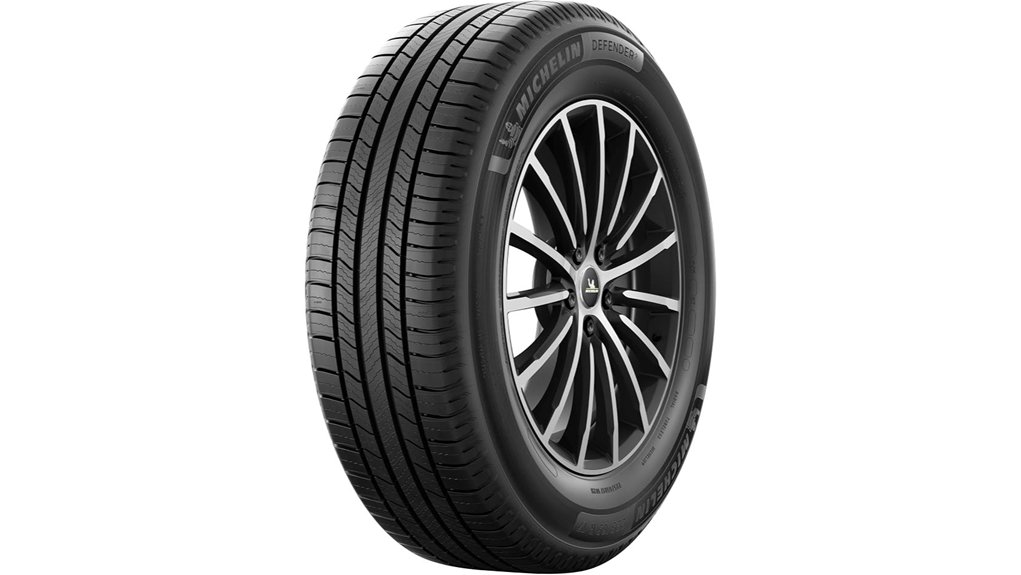
The MICHELIN Defender2 All-Season Tire is a strong choice for drivers of CUVs, SUVs, cars, and minivans who want long tread life and dependable year-round performance. Built in size 225/65R17 102H, it is redesigned for extended durability and claims up to two more years of tread life than three leading competitors. Treadwear testing also shows as much as 25,000 additional miles. Locking 3-D Sipes improve wet and dry stopping, while the tire is engineered for adverse weather. It fits models like the Camry, Equinox, Accord, Sienna, and CR-V, and includes an 80,000-mile warranty.
Best For: Drivers of CUVs, SUVs, cars, and minivans who want long tread life, dependable all-season performance, and strong wet/dry stopping power.
Pros:
- Longest-lasting tread design with up to 25,000 more miles of treadwear than three leading competitors
- Locking 3-D Sipes help improve braking on wet and dry roads
- Backed by an 80,000-mile treadwear warranty and fits many popular vehicles
Cons:
- May be more expensive than some budget all-season tire options
- Designed for everyday driving, not specialized off-road or high-performance use
- Limited to certain sizes and fitments, so not universal for all vehicles
MICHELIN Defender2 All-Season Tire, 205/55R16 91H
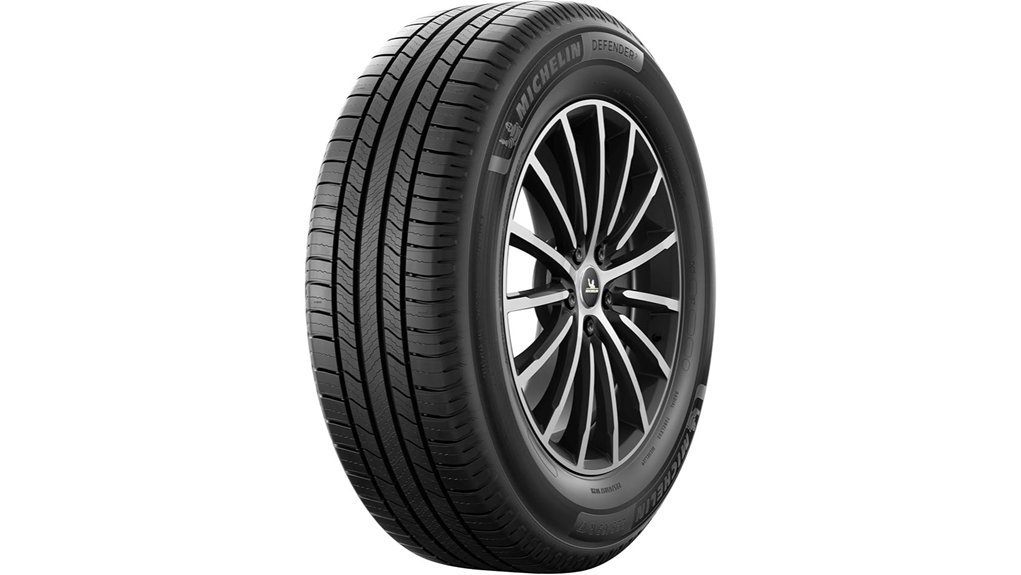
Built for drivers who want long tread life and confident all-season stopping, the MICHELIN Defender2 suits SUVs and crossovers. In the 205/55R16 91H size, it fits 16-inch rims and supports up to 1,356 pounds per tire. Its symmetrical radial design uses Locking 3-D Sipes to improve wet and dry braking, while the revised tread aims to deliver up to 25,000 more miles than three leading competitors. Backed by an 80,000-mile treadwear warranty and a six-year limited warranty, it also suits several cars and minivans, including the CR-V and Equinox.
Best For: Drivers of SUVs, crossovers, cars, and minivans who want a long-lasting all-season tire with dependable wet and dry braking.
Pros:
- Long tread life backed by an 80,000-mile treadwear warranty
- Locking 3-D Sipes help improve stopping performance in wet and dry conditions
- Fits a wide range of vehicles and supports up to 1,356 pounds per tire
Cons:
- Best suited for everyday all-season use rather than performance driving
- Limited to 16-inch rim applications in this size
- May not be ideal for drivers seeking maximum winter traction from a dedicated winter tire
MICHELIN Defender2 All-Season Tire (235/65R17 104H)
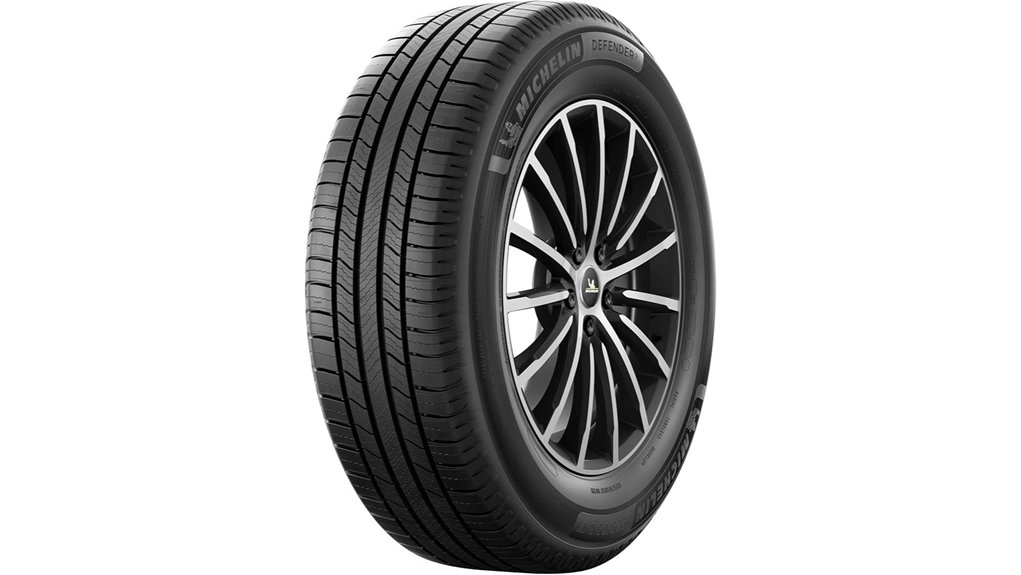
For drivers prioritizing longevity, the MICHELIN Defender2 All-Season Tire stands out immediately. In the 235/65R17 104H size, it suits CUVs, SUVs, cars, and minivans, including the Toyota Camry, Chevrolet Equinox, Honda Accord, Toyota Sienna, and Honda CR-V. Michelin positions it as its longest-lasting tire, with up to two additional years of tread life versus three leading competitors and as much as 25,000 more miles in treadwear tests. Locking 3-D sipes add biting edges for grip, while wet and dry stopping distances improve. It carries an 80,000-mile treadwear warranty and six-year limited coverage.
Best For: Drivers of CUVs, SUVs, cars, and minivans who want a long-lasting all-season tire with strong wet and dry stopping performance.
Pros:
- Longest-lasting MICHELIN tire with up to 25,000 more miles in treadwear tests
- Locking 3-D sipes provide extra biting edges for improved grip
- Backed by an 80,000-mile treadwear warranty and 6-year limited coverage
Cons:
- May be more expensive than some competing all-season tires
- Focuses more on longevity than sporty handling performance
- Size fitment is specific, so it won’t suit every vehicle
Factors to Consider When Choosing Michelin SUV Tires
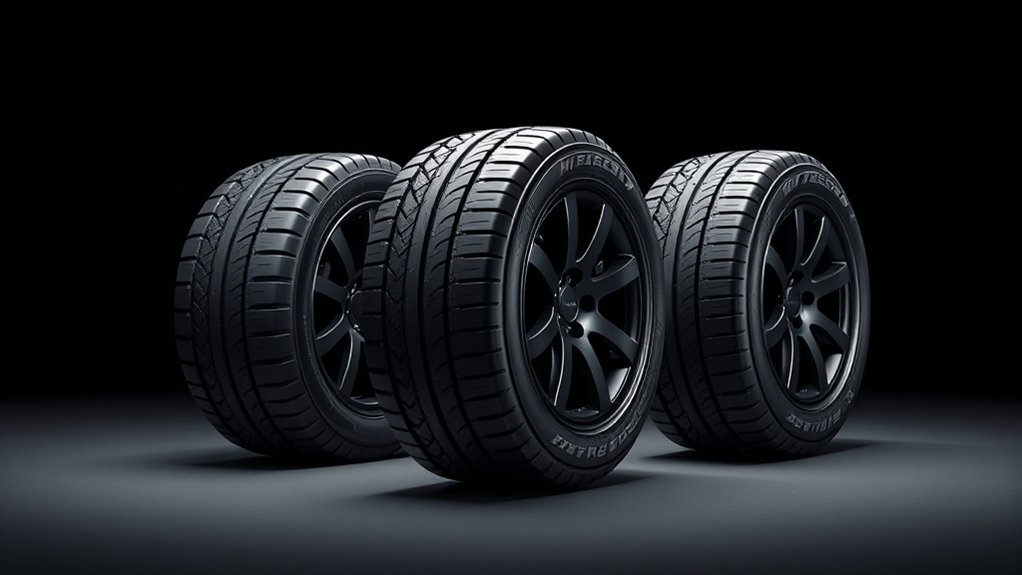
Choosing Michelin SUV tires starts with confirming tire size compatibility and proper vehicle fitment, since both affect safety and performance. Tread life rating, wet and dry grip, and overall road behavior should then be weighed against driving needs. Warranty coverage can also help narrow the best option by showing the level of long-term support offered.
Tire Size Compatibility
A tire’s dimensions are the first compatibility check when selecting Michelin SUV tires, because the size must match the vehicle’s rim and support the required load safely. Tire size codes specify width, aspect ratio, and diameter, so the full designation must align with the vehicle’s factory requirements. Common SUV and CUV fitments such as 225/65R17 or 235/65R17 may differ in width and sidewall height, making exact matching important. The load index and speed rating should also meet the vehicle’s needs, ensuring the tire can carry weight and operate within safe limits. Recommended sizes are usually listed in the owner’s manual or on the tire placard inside the driver’s side door jamb, where compatibility can be verified quickly and accurately.
Tread Life Rating
Once the correct tire size has been confirmed, tread life rating becomes a key factor in comparing Michelin SUV tires. This rating estimates how long a tire should last, usually in miles, and gives buyers a practical measure of longevity. Higher ratings often signal stronger durability and can mean as much as 25,000 extra miles compared with lower-rated alternatives. That added life reduces how often replacements are needed, which can lower ownership costs over time. Tread life depends on tire design, compound choices, and the tread technology applied during manufacturing. Warranty coverage often mirrors these expectations, with some Michelin SUV tires backed for 80,000 miles or more, offering another indicator of long-term value and confidence in the product.
Wet Dry Grip
Wet and dry grip is a crucial measure of how well Michelin SUV tires maintain control in changing conditions, especially during braking, cornering, and sudden maneuvers. Strong grip supports safe handling in rain and on warm pavement alike, helping the tire respond predictably when traction is limited. Tires with Locking 3-D sipes can improve this performance by creating hundreds of biting edges that shorten stopping distances on both wet and dry surfaces. Symmetrical tread patterns also aid water dispersion, lowering hydroplaning risk on soaked roads. Tire construction matters as well, because a stable carcass can preserve traction under hard braking or abrupt steering inputs. Reviewing tread life alongside performance data can reveal which Michelin SUV tires truly outperform rivals in grip.
Vehicle Fitment
Selecting Michelin SUV tires starts with fitment, since the tire must match the vehicle’s required rim size, load index, and speed rating to deliver safe, reliable performance. The correct tire size is usually listed in the owner’s manual or on the driver’s side door jamb, and that specification should be treated as the baseline. Load capacity should meet or exceed the vehicle’s needs, especially when passengers, cargo, or towing raise demands. Tire construction and tread pattern should also align with expected use, whether the SUV spends most of its time on wet pavement, dry roads, or rough terrain. A properly matched tire supports predictable handling, even wear, and consistent performance, making fitment a central step in choosing Michelin SUV tires.
Warranty Coverage
Warranty coverage is an important part of the value equation when evaluating Michelin SUV tires, since many models include an 80,000-mile treadwear limited warranty and a standard limited warranty period of 6 years. This protection signals confidence in long-lasting construction and helps offset the initial purchase price. Michelin designs its SUV tires to deliver durable tread life, with some models tested to outlast competitors by as much as 25,000 miles. That endurance, paired with strong grip and stopping performance, supports a reputation for reliability. For SUV owners seeking lower replacement frequency and dependable performance, the warranty framework adds meaningful reassurance. It reinforces the idea that these tires are not only built for capability, but also for sustained value over time.
Frequently Asked Questions
Which Michelin SUV Tires Perform Best in Deep Snow?
Michelin SUV tires that perform best in deep snow are typically the Michelin X-Ice Snow and Latitude X-Ice Snow, due to their winter tread design, strong traction, and reliable handling on deep, packed snow.
How Often Should Michelin SUV Tires Be Rotated?
Like clock hands circling a dial, Michelin SUV tires should be rotated every 5,000 to 7,500 miles, or about every six months, unless the vehicle’s manual specifies otherwise. Regular rotation promotes even wear and steadier handling.
Do Michelin SUV Tires Affect Fuel Efficiency?
Yes, Michelin SUV tires can affect fuel efficiency. Their rolling resistance, tread design, and inflation level influence consumption; lower rolling resistance models may improve mileage slightly, while underinflation usually reduces efficiency noticeably.
What Warranty Coverage Comes With Michelin SUV Tires?
Michelin SUV tires typically include a limited warranty covering defects in materials and workmanship, plus treadwear protection on select models. Coverage varies by tire line, mileage rating, and proper maintenance, so owners should review specific product terms.
Are Michelin SUV Tires Suitable for Off-Road Driving?
Michelin SUV tires can conquer light trails and gravel with near-legendary poise, but they are not built for brutal off-road warfare. For mud, rocks, or deep sand, specialized all-terrain tires remain superior.
Conclusion
Ultimately, the “best” Michelin SUV tire in 2027 seems to depend on whether one prefers to drive, survive, or merely invoice the experience. The Defender2 boasts tread life like a family heirloom, the Premier LTX acts as if rain were a personal insult, and the Latitude Tour HP promises comfort with the solemnity of a luxury cruise ship. In the end, the right tire is simply the one that lets an SUV pretend it is sophisticated.