Affiliate disclosure: This roundup is reader-supported. When you click through Amazon links, we may earn a referral commission on qualifying purchases.
Last Updated: July 8, 2026
You rely on steady power to keep your EV charging setup and nearby garage electronics working reliably. Voltage swings, brownouts, and surges can create expensive headaches, so the right voltage stabilizer or surge protector can add a useful layer of protection.
This guide compares voltage protection options for Level 1 EV chargers, garage circuits, heavy appliances, and select lower-power charging setups. For any Level 2 EV charger or hardwired circuit, confirm the charger’s voltage, amperage, grounding, and continuous-load requirements with a licensed electrician before installing any stabilizer or protector.
Safety Note: Do not plug a high-amperage EV charger into an appliance protector unless the device is clearly rated for the charger’s continuous load. EV charging can run for many hours, so capacity, ventilation, grounding, breaker sizing, and local electrical code matter more than peak wattage claims.
Quick Verdict
|
Pick |
Best For |
Key Caution |
|---|---|---|
|
Seven Star AR5000 |
High-capacity garage equipment and voltage conversion needs |
Size carefully for continuous EV charging loads |
|
Naroote Protector |
Adjustable under-voltage and over-voltage circuit protection |
Professional installation may be needed |
|
Treybair Surge |
Budget surge monitoring for appliances and lighter Level 1 support |
Not for high continuous EV charging loads |
Top Picks
|
Category |
Product |
Best For |
|---|---|---|
|
🚀 Best High-Capacity Stabilizer |
Garage equipment, voltage conversion, and carefully sized lower-power charging setups |
|
|
🔧 Best Adjustable Protector |
Adjustable circuit protection for voltage dips and spikes |
|
|
💰 Best Budget Protector |
Basic surge monitoring for appliances, outlets, and lighter Level 1 use |
How We Picked
You want a stabilizer or voltage protector that matches the power draw and sensitivity of your EV charging setup, so we focused on real-world factors that matter. Key considerations included capacity and continuous wattage, voltage range, reset behavior, outlet type, surge protection, and installation requirements.
We also weighed monitoring features, protection style, housing durability, electrician-friendly setup needs, and overall value. Because EV chargers can draw steady power for long sessions, we favored clear buyer guidance over broad claims.
Before You Buy
- Check your charger first: Match the stabilizer or protector to your EVSE voltage, amperage, plug type, and continuous wattage.
- Plan for headroom: Choose a device rated above the expected continuous load, not just a peak load number.
- Confirm the installation path: Plug-in outlet protectors are simpler, while panel-mounted or high-amperage protectors should be handled by a licensed electrician.
- Do not ignore grounding: Proper grounding and breaker protection are essential for safe EV charging.
- Use the right tool for the job: A surge protector is not the same as a full voltage regulator, and neither replaces a properly installed EV charger circuit.
This is the strongest option in this roundup when you need a traditional voltage stabilizer with step-up and step-down conversion. You can switch output between 110/120V and 220/240V, monitor output with the analog meter, and plug several compatible devices into the front panel.
In a garage or workshop, it can make sense for tools, appliances, and equipment that need voltage conversion or extra regulation. For EV charging, treat it as a carefully sized support device rather than a universal Level 2 charger solution. Confirm the charger’s continuous wattage, plug type, grounding, and ventilation needs before using it with any EVSE.
If you want robust, no-nonsense regulation and built-in conversion, this is the most capable pick here as long as you plan for its weight, heat, and installation needs.
Why You’ll Like It
You get more power headroom than the smaller outlet-style protectors, plus a metal housing, front outlets, fuse protection, and visible voltage monitoring. That makes it easier to use in a garage where you may run different equipment at different voltages.
Who Should Buy This
Choose the Seven Star AR5000 if you need voltage conversion, heavier garage equipment support, or a stabilizer with more capacity than a basic wall-mounted appliance protector.
Who Should Avoid This
Skip it if you want a small plug-in surge protector, a set-and-forget panel solution, or a device for a high-amperage Level 2 EV charger that exceeds its continuous wattage rating.
What People Say
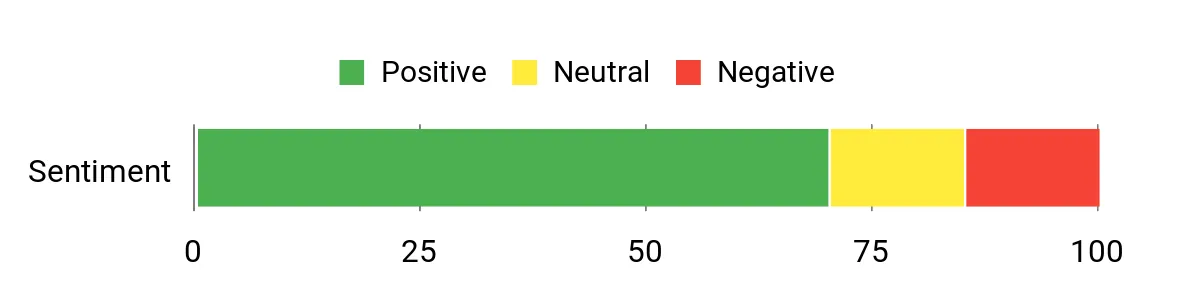
Buyer feedback commonly focuses on the solid build, front-panel outlets, and analog voltage meter. People also tend to note that the unit is heavy and needs careful placement, especially when used with equipment that draws large startup current.
Overall Sentiment: Positive
|
Pros |
Cons |
|---|---|
|
✅ Robust 5000W capacity for compatible equipment |
❌ Heavy and bulky, not ideal for casual portability |
|
✅ Switchable step up/down conversion between 110/120V and 220/240V |
❌ Can run warm and may produce transformer noise under load |
|
✅ Five front outlets and analog meter for on-the-spot monitoring |
❌ Needs generous sizing for continuous loads and startup spikes |
|
✅ Metal housing with fuse protection and extra fuses included |
❌ May require professional guidance for safe EVSE use |
When It Helps
|
Situation |
How It Helps |
|---|---|
|
Garage Voltage Conversion |
It can step voltage up or down for compatible equipment, which is helpful when you use mixed-voltage appliances or tools. |
|
Lower-Power EV Charging Support |
It may help in select charging setups that fall within its continuous rating, but you should verify all numbers with your charger manual and electrician. |
|
Workshop And Power Tools |
It offers more capacity than compact protectors, so compatible tools and appliances can run from a steadier output. |
Durability
Built with a heavy metal casing and fuse protection, this unit is intended for repeated garage or workshop use. It is durable for compatible equipment, but the weight and heat under load mean you should place it securely and allow airflow around it.
Key Benefits
- High listed 5000W capacity for compatible loads and conversion
- Built-in step up/down transformer for flexible voltage use
- Multiple front outlets and an analog meter for easy monitoring
- Fuse protection and heavy-duty metal casing for added safety
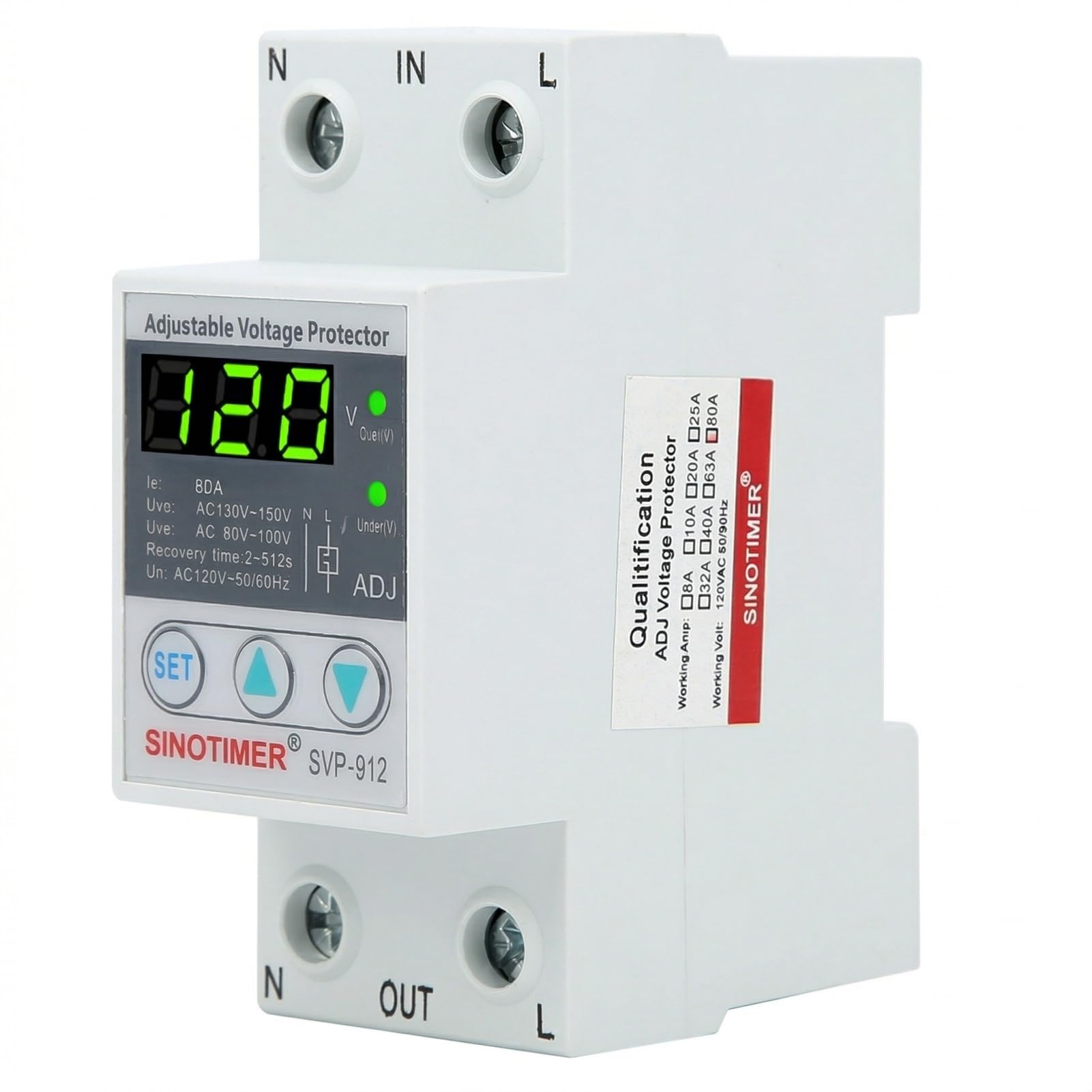
If you need adjustable under-voltage and over-voltage protection for a home or garage circuit, this Naroote unit is built around that idea. You get a configurable trip window and automatic reset behavior, which can help after brief voltage disturbances.
For routine use, it can reduce the chance that sensitive electronics keep receiving unsafe voltage. For an EV charging circuit, treat it as a protection device that must be matched to the charger, breaker, wire, and local code. It is not a replacement for a properly rated EV charger or a professionally installed circuit.
Why You’ll Like It
The main appeal is control. Instead of relying on a fixed cutoff point, you can tune the protection range to your setup and let the automatic reset restore power after certain voltage events.
Who Should Buy This
Choose the Naroote Protector if you want adjustable voltage thresholds for a garage circuit, appliance circuit, or modest EV charging support after professional sizing.
Who Should Avoid This
Skip it if you want a simple plug-in outlet protector or if you are not comfortable having a circuit-level device reviewed or installed by a qualified electrician.
What People Say
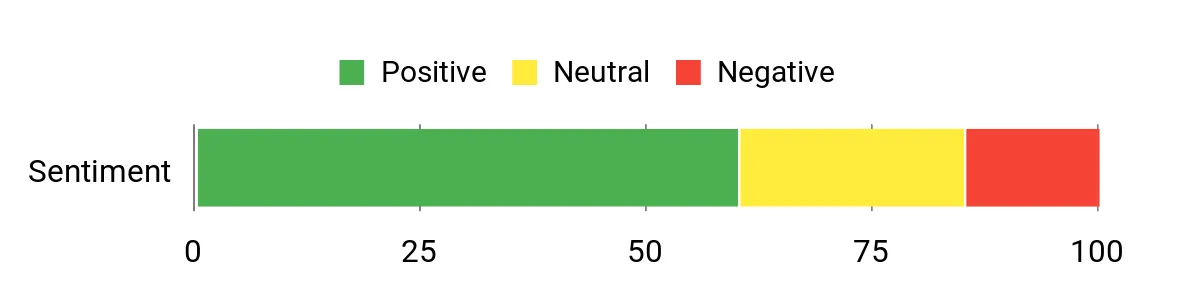
People commonly mention the adjustable settings and automatic reset as the most useful features because they reduce manual resets and let you tune protection to your setup. Some buyers also wish the documentation were clearer.
Overall, buyers tend to view it as a practical protector for everyday voltage issues rather than a heavy industrial stabilizer.
Overall Sentiment: Neutral
|
Pros |
Cons |
|---|---|
|
✅ Customizable voltage thresholds |
❌ May require professional installation for safer setup |
|
✅ Automatic reset for fewer manual interventions |
❌ Documentation and setup guidance may be limited |
|
✅ Suitable for protecting compatible circuits |
❌ Not intended as a replacement for a high-capacity industrial stabilizer |
When It Helps
|
Situation |
How It Helps |
|---|---|
|
Adjustable Circuit Protection |
It lets you set thresholds that cut power when voltage rises or drops outside the range you choose. |
|
Garage Or Appliance Circuits |
It can add a layer of protection for compatible circuits that power appliances, tools, or charging-related equipment. |
|
Brief Voltage Disturbances |
The automatic reset can restore service after some dips or spikes, reducing the need to reset protection by hand. |
Durability
The unit is compact and aimed at residential protection. For continuous heavy-duty loads or harsh environments, consider more industrial-grade gear, but the Naroote protector offers reasonable practicality for compatible home circuits.
Key Benefits
- Adjustable under-voltage and over-voltage thresholds for tailored protection
- Automatic reset restores power after brief interruptions
- Designed for compatible circuit protection with an 80A listed capability
This compact wall-mount stabilizer is built to give you extra protection for sensitive appliances and lighter outlet-based setups. You get surge protection, real-time monitoring, and a configurable voltage window so the unit only passes through power within the range you set.
It is geared toward protecting items like refrigerators, TVs, and smaller plug-in devices rather than serving as a heavy-duty EV charging converter. If you use a modest Level 1 charger and want basic outlet-level monitoring nearby, it can be a practical, low-fuss option.
Why You’ll Like It
The Treybair Surge keeps things simple. It mounts close to the outlet, shows voltage behavior, and gives you a compact protection layer without taking up floor space.
Who Should Buy This
Choose it if you want affordable surge protection and voltage monitoring for appliances, garage outlets, or light-duty Level 1 charging support.
Who Should Avoid This
Skip it for high continuous EV charging loads, 240V Level 2 charging, or any setup where your charger draws more current than the protector is rated to handle.
What People Say
Customers often note that the unit is compact and easy to mount, and they like that it provides visible monitoring of incoming voltage. People appreciate the added layer of surge protection for appliances and say the fireproof casing offers extra reassurance.
Some mention that it is best suited for lighter loads rather than heavy continuous EV charging.
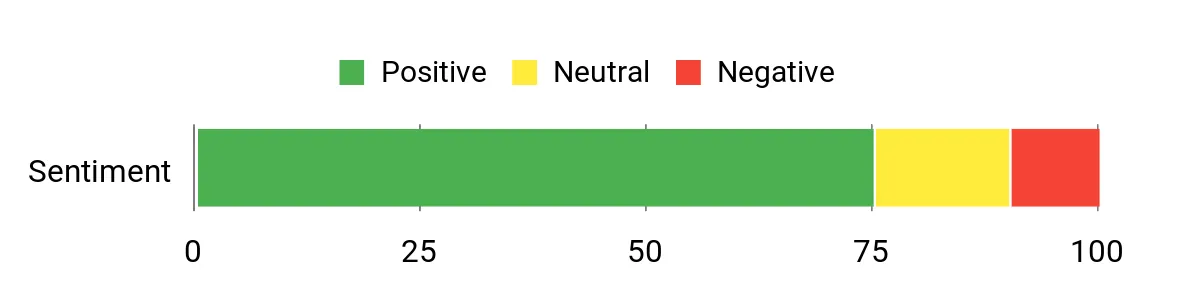
Overall Sentiment: Positive
|
Pros |
Cons |
|---|---|
|
✅ Real-time voltage monitoring |
❌ Single outlet limits direct device connections |
|
✅ Wall-mountable, compact footprint |
❌ Not designed for high continuous EV charging loads |
|
✅ Fire-retardant UL94V-1 enclosure |
❌ No smart energy-saving features |
|
✅ 1800 joules surge protection and 2-year manufacturer warranty |
❌ Better suited to appliances and lighter outlet loads |
When It Helps
|
Situation |
How It Helps |
|---|---|
|
Home Garage With Level 1 Charger |
It can add basic protection for a modest plug-in setup, as long as your charger fits the unit’s rating. |
|
Protecting Appliances During Storms |
It helps guard a fridge or entertainment device from brief spikes or brownouts, and the monitoring shows what is happening in real time. |
|
Tight Spaces And Wall-Mount Needs |
Its compact, wall-mounted design frees up floor space and keeps protection close to the outlet you care about most. |
Durability
The plastic enclosure is rated UL94V-1 for flame retardancy, and the unit includes surge protection components built for repeated small events. There is a two-year manufacturer warranty that gives you a basic safety net for typical indoor use.
Key Benefits
- Real-time monitoring so you can see voltage behavior
- Fire-retardant UL94V-1 enclosure for safer indoor use
- Focused surge protection aimed at household appliances and lighter outlet loads
How to Choose a Voltage Stabilizer or Protector for EV Charging
Match Voltage and Current First
Start with your charger label or manual. A 120V Level 1 charger has very different needs than a 208V or 240V Level 2 charger. Match the stabilizer or protector to the charger’s voltage, amperage, plug, and continuous wattage before you buy.
Look at Continuous Rating, Not Just Peak Rating
EV charging can run for hours, so a device that handles a short appliance startup surge may not be safe for long charging sessions. Choose a unit with enough continuous capacity and extra headroom.
Decide Whether You Need Surge Protection or Voltage Regulation
A surge protector helps with spikes. A voltage regulator or stabilizer helps keep output closer to a usable range. An under/over-voltage protector may cut power when the voltage becomes unsafe. These are related, but they do not solve the same problem.
Use an Electrician for Level 2 or Panel Work
For hardwired chargers, 240V outlets, whole-house protectors, subpanels, or high-amperage devices, a licensed electrician should confirm breaker size, wire gauge, grounding, mounting, ventilation, and code compliance.
FAQ
Do I Need a Stabilizer for My EV Charger?
It depends on your charger and your local grid. If you use a Level 1 charger or live where voltage dips and spikes are occasional, a compact stabilizer or surge protector can give you extra protection for the outlet and nearby electronics.
For Level 2 chargers or installations that require 240V and sustained high current, you should look at properly rated heavy-duty protection devices and confirm compatibility with your charger. Always check the charger’s voltage and amperage requirements before choosing protection.
Can I Use a Refrigerator Voltage Protector for an EV Charger?
Only in limited cases. Some compact protectors may work for light outlet loads, but many appliance protectors are not designed for long, high-current EV charging. Check the continuous current rating and do not use one with a charger that exceeds its rating.
How Do I Choose the Right Capacity?
Match the stabilizer’s continuous wattage and current rating to the steady draw of your charger, then add headroom. Look for units that clearly state continuous capacity rather than only peak capacity. If you need step-up or step-down conversion, pick a model rated for the converted load.
What About Installation and Safety?
Simple plug-in stabilizers and wall-mount surge protectors are usually easier to install, but whole-house or high-amperage devices should be installed by a licensed electrician. Make sure the unit is properly grounded, mounted with ventilation, and protected by the correct breaker or fuse.
Will a Stabilizer Make My EV Charge Faster?
No. A stabilizer or protector should not be treated as a speed upgrade. Charging speed depends on your vehicle, EVSE, circuit voltage, amperage, and onboard charger. The goal is steadier and safer power, not faster charging.
Wrapping Up
If your primary goal is heavier garage voltage regulation or step-up/down conversion, the Seven Star AR5000 is the strongest option in this lineup. It offers the most capacity here, but you still need to confirm continuous wattage and installation safety before using it with any EV charging setup.
If you prefer adjustable under-voltage and over-voltage protection for compatible circuits, the Naroote Protector gives you more control over trip thresholds and reset behavior. If you want affordable outlet-level surge protection and voltage monitoring for appliances or light-duty Level 1 support, the Treybair Surge is the budget-friendly option.
For any Level 2 charger, high-amperage EVSE, or hardwired installation, do not guess. Check the charger manual and have a licensed electrician confirm the safest protection setup for your home.
| SEVENSTAR AR 5000W Voltage Regulator | Voltage Stabilizer, 120V AC Adjustable Protector | Smart Surge Protector Voltage Stabilizer | |
|---|---|---|---|
 |
 |
 |
|
| Special Highlights |
|
|
|
| Power and Voltage Ratings | Capacity: 5000W, Input Voltage: 75V-260V | Current Rating: 80A, Input Voltage: 120V | Total Outlets: 1, Input Voltage: 110V |
| Best Use Case | Garage voltage conversion, compatible workshop equipment, and carefully sized lower-power charging support | Adjustable under-voltage and over-voltage protection for compatible home or garage circuits | Budget outlet-level surge monitoring for appliances and light-duty Level 1 support |
| Buyer Caution | Confirm continuous wattage, heat, ventilation, and EVSE compatibility before charging use | Professional installation or review may be needed for safer circuit-level setup | Not designed for high continuous EV charging loads or 240V Level 2 charging |
| Check Price on Amazon | Check Price on Amazon | Check Price on Amazon |
This roundup is reader-supported. When you click through links we may earn a referral commission on qualifying purchases.