
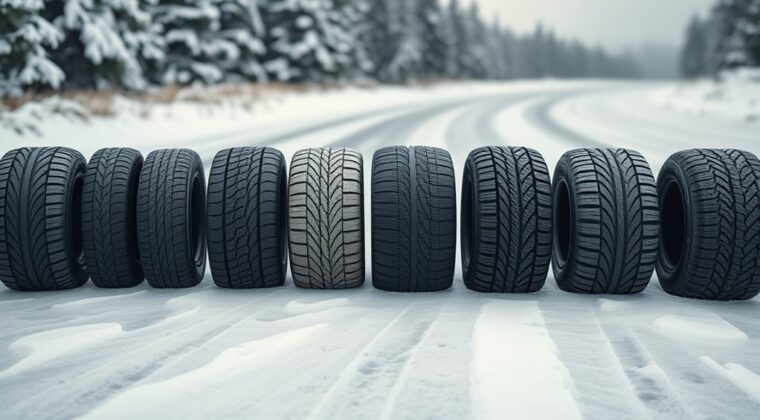
Choosing the right winter tire can change how a vehicle behaves on snow and ice. This list highlights models such as the Sumitomo Ice Edge, Sailun Ice Blazer WSTX, and Dunlop Winter Maxx 2, each built for cold-weather traction and control. Some are studdable, others rely on advanced tread compounds, but the differences matter more than they first appear. The details behind those differences may decide which tire belongs on a specific vehicle.
Sumitomo Ice Edge Studable-Winter Radial Tire – 205/65R15 94T
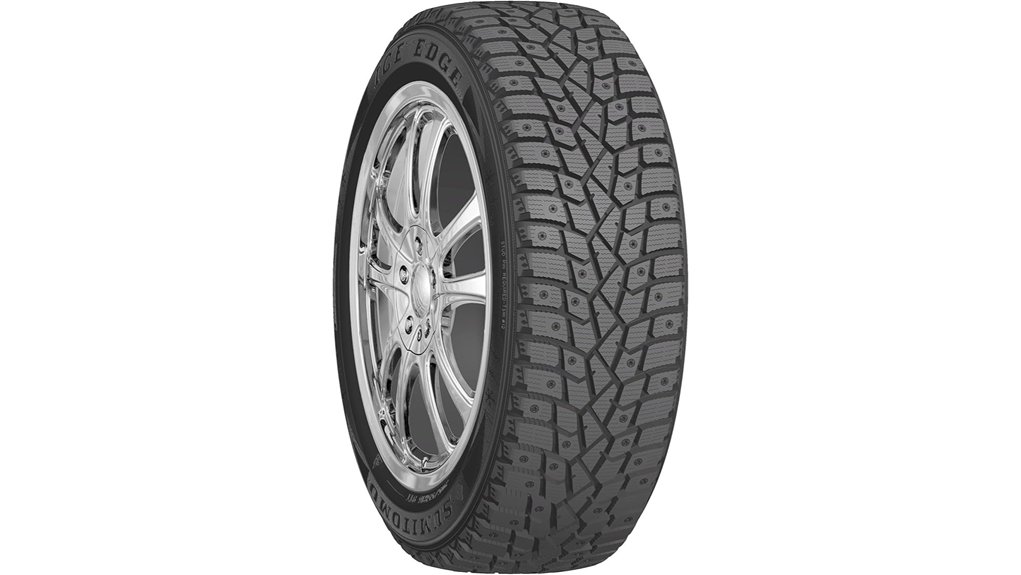
The Sumitomo Ice Edge Studable-Winter Radial Tire in 205/65R15 94T is a strong choice for drivers who face harsh winter roads and need dependable traction on snow and ice. Its RMA 3PMSF certification confirms severe snow capability, while the low-temperature tread compound supports grip in freezing conditions. 3D siping and wide, serrated channels help the tire bite into snow, clear slush, and shed ice efficiently. Triangular center blocks expand the contact patch for added stability. When studded, optimized pin placement further improves winter performance.
Best For: Drivers who need a dependable studable winter tire for severe snow and icy conditions, especially in a 205/65R15 size.
Pros:
- 3PMSF certification indicates strong severe-snow performance.
- Low-temperature compound and 3D siping improve grip on snow and ice.
- Wide channels and triangular center blocks enhance stability, slush evacuation, and handling.
Cons:
- Best performance is in winter conditions, so it’s not ideal for year-round use.
- Studding benefits depend on proper installation and may not be necessary in all areas.
- Winter tires can wear faster and may be noisier on dry pavement.
Sailun Ice Blazer WSTX 225/60R16 98T
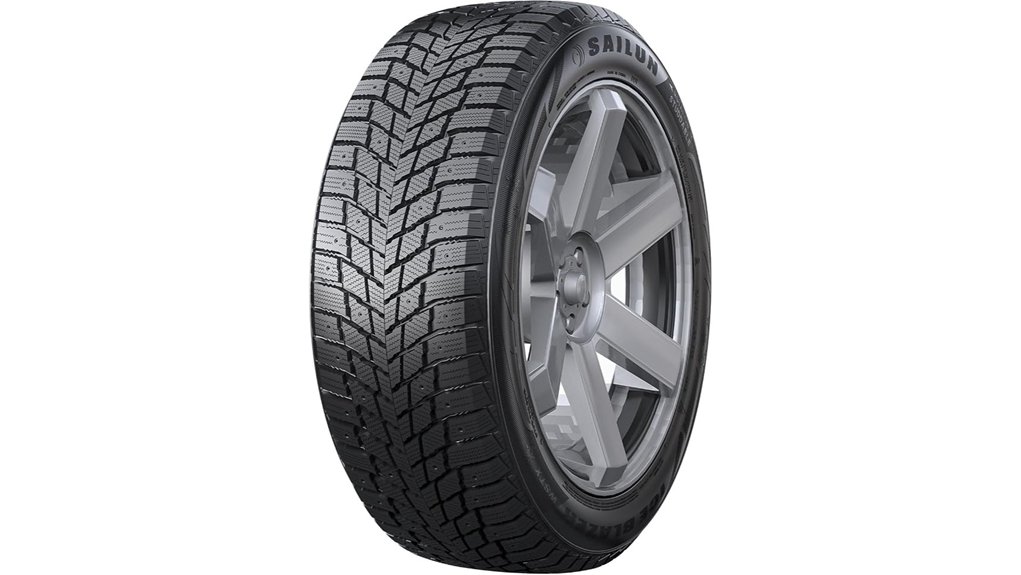
Sailun Ice Blazer WSTX 225/60R16 98T suits drivers needing a studdable winter tire for severe snow and ice. As the latest addition to Sailun’s Ice Blazer family, it is engineered for strong performance in slush, packed snow, and icy roads. Its specially formulated synthetic rubber and silica-reinforced compound help maintain flexibility in low temperatures, supporting grip and control. Designed in Canada for extreme winter use, it carries the 3PMSF severe service emblem. The 225/60R16 98T size targets vehicles needing dependable winter traction without sacrificing predictable handling.
Best For: Drivers who need a studdable winter tire with dependable traction and handling in severe snow, slush, and icy conditions.
Pros:
- Strong performance in slush, packed snow, and ice
- Silica-reinforced, low-temperature compound helps maintain flexibility and grip
- 3PMSF severe service rating and designed in Canada for harsh winter use
Cons:
- Studdable design may not be ideal for drivers who want a quieter, smoother ride
- Winter-specific tire, so it’s not suited for year-round use
- Performance is optimized for cold conditions and may be less efficient in warmer weather
Sailun Ice Blazer WSTX 215/50R17 95T XL
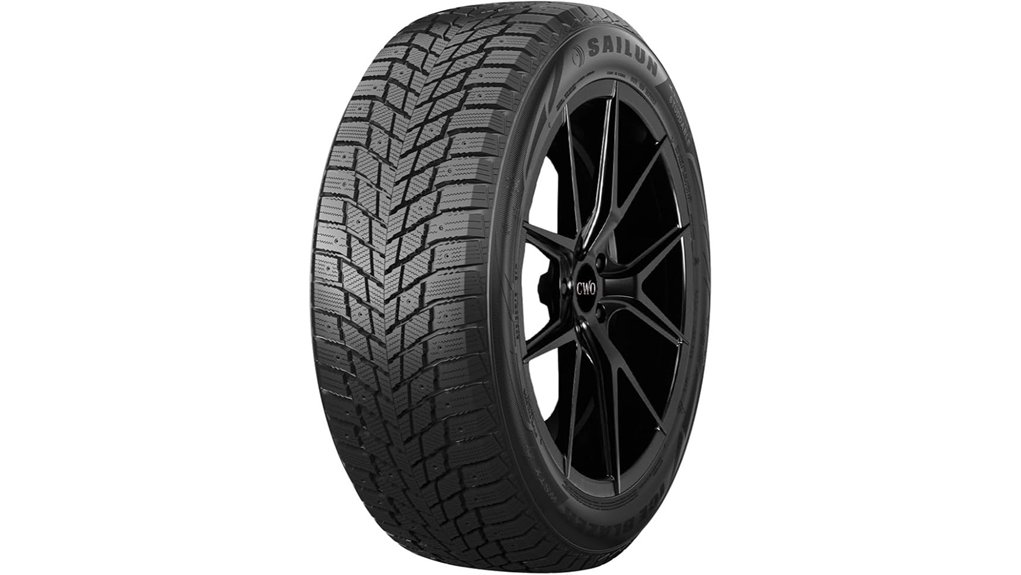
Built for severe winter traction, this studdable tire suits drivers facing deep snow and icy roads. The Sailun Ice Blazer WSTX 215/50R17 95T XL belongs to Sailun’s Ice Blazer line and was developed in Canada for harsh winter use. Its synthetic rubber construction and specialized polymer blend help preserve flexibility in low temperatures. A silica-reinforced compound supports grip on slush, packed snow, and ice. The 3PMSF Severe Service Emblem confirms severe-winter capability. Designed for maximum traction and improved handling, it targets drivers needing dependable cold-weather control.
Best For: Drivers who need a studdable winter tire for severe snow, slush, and icy-road conditions with dependable cold-weather traction.
Pros:
- 3PMSF Severe Service Emblem indicates strong winter capability
- Silica-reinforced compound and flexible rubber help maintain grip in low temperatures
- Developed in Canada for harsh winter performance
Cons:
- Studdable design may be unnecessary for drivers in milder winter climates
- Winter-focused tread means it is not ideal for year-round use
- Performance is optimized for cold conditions, not dry-road comfort or summer driving
Sailun Ice Blazer WSTX 235/65R16 103T
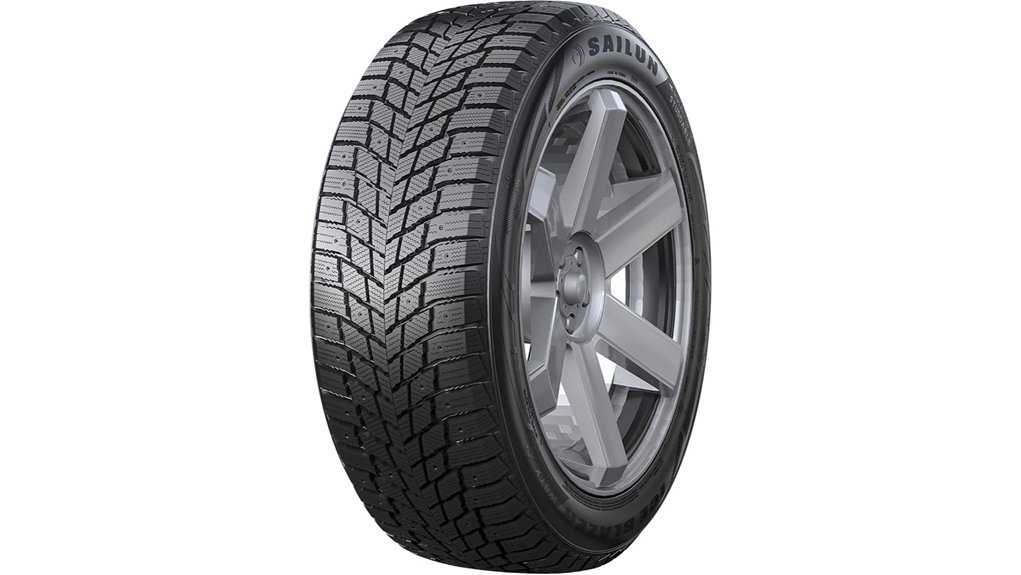
For drivers demanding serious winter traction, the Sailun Ice Blazer WSTX 235/65R16 103T stands out. This studdable winter tire is the latest addition to Sailun’s Ice Blazer family, designed in Canada for severe snow, slush, and ice. Its synthetic rubber construction uses a specially formulated compound and polymer blend, plus a proprietary Silica-Reinforced Formula, to improve low-temperature grip. The tire stays flexible for safer handling and delivers strong traction across harsh winter conditions. The 3PMSF Severe Service Emblem confirms its cold-weather capability for demanding drivers.
Best For: Drivers who need a studdable winter tire with strong traction, flexibility, and reliable performance in snow, slush, and icy conditions.
Pros:
- Excellent grip in severe winter weather
- Flexible compound helps improve safety and handling in low temperatures
- 3PMSF Severe Service Emblem indicates strong cold-weather capability
Cons:
- Best suited for winter use, so not ideal year-round
- Studdable design may not be necessary for all drivers
- Performance benefits are focused on harsh winter conditions rather than all-season versatility
Laufenn I Fit Ice LW71 215/60R16 99T XL
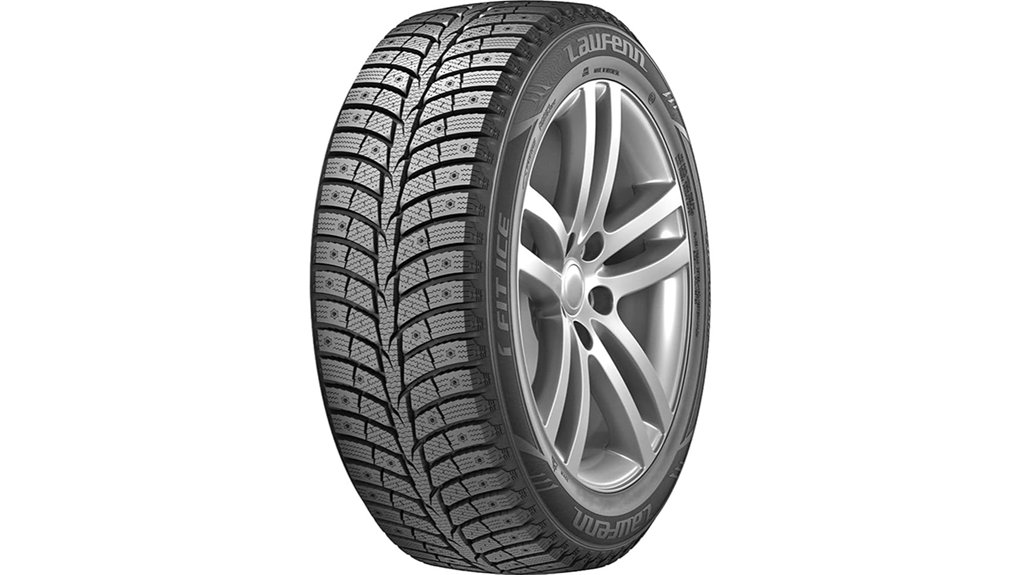
With studdable 3D Claw Edges, the Laufenn I Fit Ice LW71 suits drivers facing severe winter roads. This 215/60R16 radial winter tire uses a directional tread with snow slits to boost grip on ice and packed snow. Its silica-based compound stays flexible in cold weather and helps limit rolling resistance. Rated 99T XL, it supports 1,709 pounds and fits universal passenger applications on 16-inch rims. The 4-ply construction and 50 psi maximum pressure add durability. It is intended for winter use, not for temperatures consistently above 45°F, and can accept studs for added traction.
Best For: Drivers who need a studdable, directional winter tire with strong ice and snow traction for passenger vehicles on 16-inch rims.
Pros:
- 3D Claw Edges and snow slits improve grip on icy and packed-snow roads.
- Silica-based winter compound stays flexible in cold temperatures and helps reduce rolling resistance.
- XL load rating, 4-ply construction, and studdable design add durability and severe-weather capability.
Cons:
- Not intended for use in temperatures consistently above 45°F.
- Studding is optional, so maximum ice traction may require additional installation.
- Winter-focused design makes it less versatile for year-round driving.
Sailun Ice Blazer WSTX 225/60R17 99T
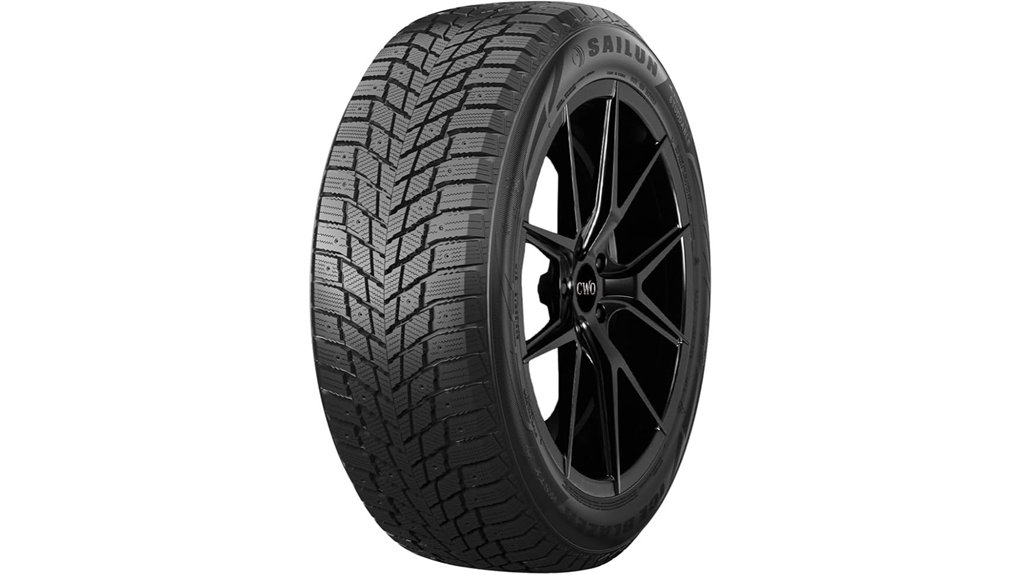
The Sailun Ice Blazer WSTX 225/60R17 99T suits drivers needing dependable winter traction on slush, snow, and ice. This studdable winter tire belongs to Sailun’s Ice Blazer line and is designed in Canada for severe cold-weather use. Its specialized compound and polymer blends help preserve flexibility, while a proprietary silica-reinforced formula supports grip at low temperatures. The modern tread design targets strong handling and safety in harsh conditions. Carrying the 3PMSF severe service emblem, it meets recognized winter performance standards and is built for maximum performance in demanding winter weather.
Best For: Drivers who need reliable studdable winter tires with strong traction and handling for slush, snow, and icy, low-temperature conditions.
Pros:
- Excellent traction in slush, snow, and ice
- Flexible winter compound helps maintain performance in extreme cold
- 3PMSF severe service rating indicates proven winter capability
Cons:
- Studdable design may be unnecessary for drivers in milder winter regions
- Winter-specific tread can wear faster in non-winter conditions
- May produce more road noise than all-season tires
BlackHawk Ice Prey BW10 Winter 215/55R17 98H XL Passenger Tire
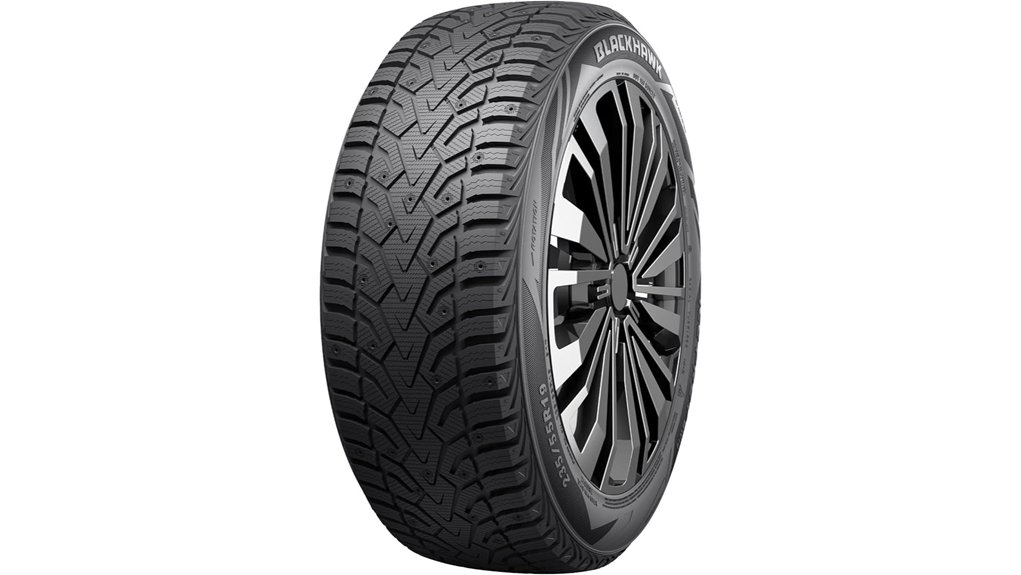
BlackHawk Ice Prey BW10 Winter 215/55R17 98H XL suits drivers needing reliable snow and ice traction. This passenger tire fits sedans, coupes, CUVs, SUVs, and light trucks, and carries Three Peak Mountain Snowflake certification for winter use. Its directional V-shaped staggered tread blocks help deliver grip while expelling snow and slush from the contact patch. Multi-directional 3D siping adds biting edges for improved control on slippery surfaces. An optimized winter rubber compound stays flexible in cold weather, supporting handling and shorter braking distances in harsh conditions.
Best For: Drivers of sedans, coupes, CUVs, SUVs, and light trucks who need dependable winter traction on snow, ice, and slush.
Pros:
- Three Peak Mountain Snowflake certified for winter conditions
- Directional V-shaped tread and 3D siping improve grip and control on slippery roads
- Winter rubber compound stays flexible in cold weather for better handling and shorter braking distances
Cons:
- Winter-focused design makes it less ideal for warm-weather use
- Directional tread may reduce versatility compared with all-season tires
- Performance is optimized for snow and ice, not for maximum dry-road sport handling
HANKOOK Winter ipike X W429 185/65R15 88T
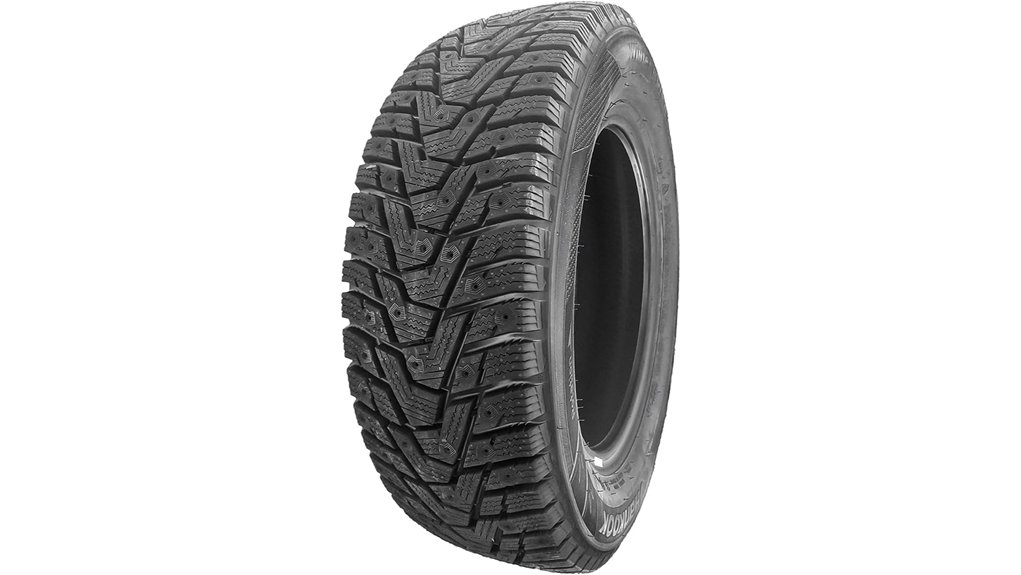
Hankook Winter i Pike RS2 W429 suits drivers who need reliable grip in severe snow and ice. This premium touring studded winter tire for passenger cars carries Three Peak Mountain Snowflake certification, signaling strong cold-weather capability. Its directional tread pattern and wide center blocks are designed to improve traction on snow and ice, while the new rubber compound adds strength and durability. Where allowed, it can accept TSMI #11 studs for extra bite on hard-packed surfaces. The 185/65R15 88T fitment targets compact cars, and the tread design also supports longer service life in demanding winter use.
Best For: Drivers of compact passenger cars who need dependable winter traction in severe snow and ice, especially in regions where studded tires are permitted.
Pros:
- Three Peak Mountain Snowflake certified for proven winter performance
- Directional tread and wide center blocks help improve snow and ice traction
- Can be pinned with TSMI #11 studs where allowed for extra grip
Cons:
- Studded performance depends on local laws and may not be permitted everywhere
- Best suited to harsh winter conditions, so it may be less versatile for mild climates
- Tread-focused winter design may trade off some all-season comfort and road noise
Bridgestone Blizzak DM-V2 Winter/Snow SUV Tire 225/65R17 102 S
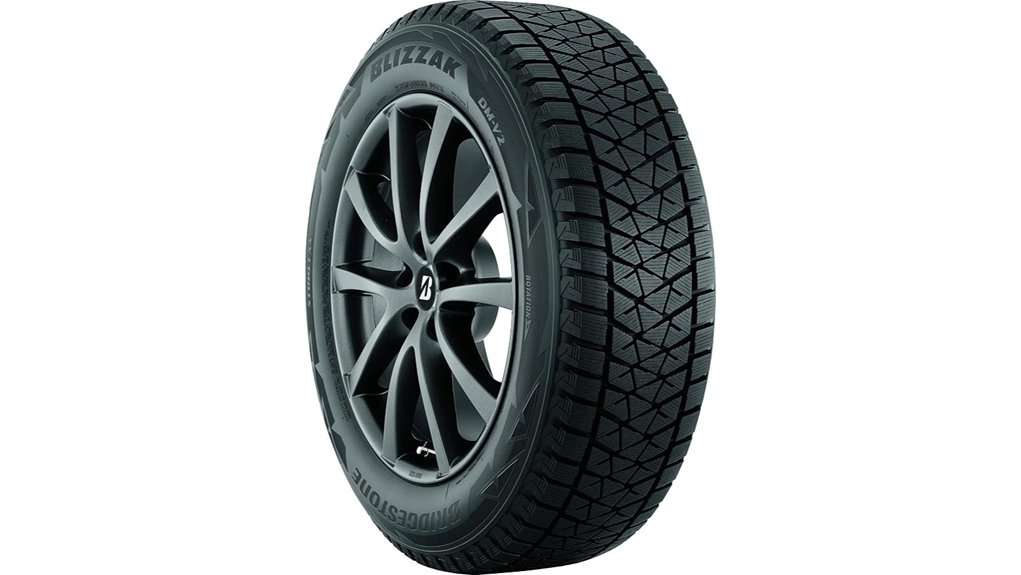
Bridgestone’s Blizzak DM-V2 suits SUV drivers needing dependable winter traction. The 225/65R17, 102 S winter tire uses Bridgestone’s next-generation Multi-Cell compound to help dispel water from ice, improving grip on slick surfaces. Its tread pattern adds 15% more block edges for stronger snow-shearing force and more confident forward bite. An enhanced contact patch supports more uniform pressure dispersion, which aids handling and stability. The result is reliable stopping power on snow and ice. Bridgestone backs the tire with a Winter Tire Limited Warranty for added assurance.
Best For: SUV drivers who need dependable winter traction, strong snow and ice grip, and stable handling in cold conditions.
Pros:
- Next-generation Multi-Cell compound helps dispel water from ice for improved grip on slick surfaces.
- Tread pattern with 15% more block edges boosts snow-shearing force and forward bite.
- Enhanced contact patch improves pressure dispersion, handling, and stability.
Cons:
- Designed specifically for winter use, so it’s not ideal for year-round driving.
- May wear faster if used on dry or warm pavement.
- Performance benefits are most noticeable in snow and ice, with less advantage in mild conditions.
NEXEN Winguard Winspike 3 Winter Tire – 195/65R15 95T
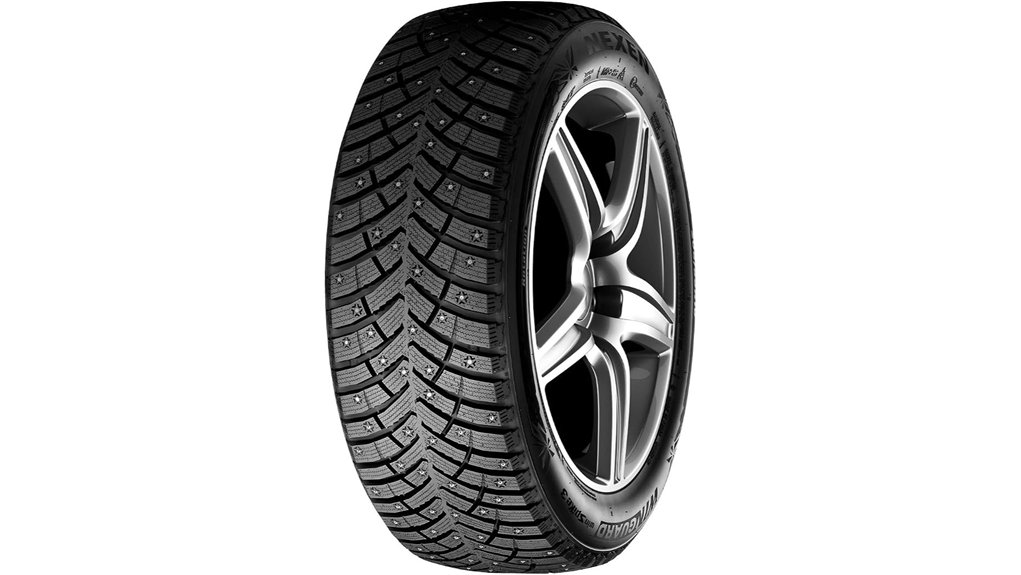
The NEXEN Winguard Winspike 3 targets drivers needing dependable winter traction. Sized at 195/65R15 with a 95T load index, it pairs a directional tread and deep grooves to move slush and water away efficiently. Dense siping adds road bite, while optional TSMI #12 studs can improve grip on packed snow and ice. The tire carries 3PMSF certification, indicating strong winter capability. Nexen backs it with Total Coverage Warranty protection and 36 months of roadside assistance, adding practical support for cold-weather use. Its design emphasizes control in severe conditions without unnecessary complexity.
Best For: Drivers looking for a dependable winter tire with strong snow-and-ice traction, especially those in severe cold-weather conditions who may want the option of studs for added grip.
Pros:
- 3PMSF certified for proven winter performance in snow and ice
- Directional tread and deep grooves help evacuate water and slush effectively
- Dense siping and optional TSMI #12 studs enhance traction and control
Cons:
- Studs are optional, so maximum ice grip may require additional setup
- Winter-focused design may not be ideal for year-round use
- Performance is optimized for severe winter conditions rather than all-season versatility
Dunlop Winter Maxx 2 205/60R16 96T XL
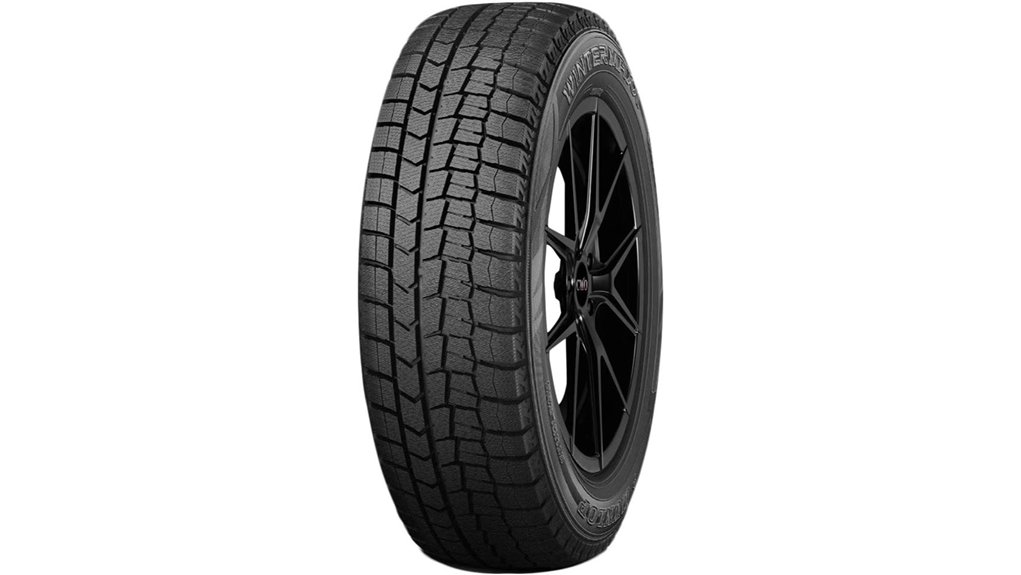
Dunlop Winter Maxx 2 205/60R16 96T XL suits drivers who need confident winter traction. Its MAXX Grip pattern is designed to bite into snow, while the Three Peak Mountain Snowflake certification signals readiness for severe winter conditions. In the 205/60R16 size with a 96T XL rating, it supports a practical range of vehicles with added load capacity. Contact pressure distribution helps broaden road contact for steadier cornering. Large water drainage grooves move slush and water away efficiently, and highly functional polymers help preserve performance across the tire’s service life, including repeated cold-weather use and demanding commutes.
Best For: Drivers who want a dependable winter tire with strong snow traction, wet/slushy stability, and extra load capacity for a wide range of vehicles.
Pros:
- MAXX Grip pattern and 3PMSF certification support confident snow and severe winter performance.
- Large water drainage grooves help channel away slush and water for better wet-road stability.
- Contact pressure distribution and durable polymers contribute to steadier handling and long-lasting use.
Cons:
- Winter-focused design means it is not ideal for warm-weather or year-round performance.
- May produce more road noise and a firmer ride than all-season tires.
- Snow and ice performance can still vary depending on vehicle type, driving style, and local conditions.
BlackHawk Ice Prey BW10 Winter 195/65R15 95T XL Passenger Tire
https://m.media-amazon.com/images/I/81qZBRQqkpL._AC_SX679_.jpg
BlackHawk’s Ice Prey BW10 suits drivers needing studdable winter traction in severe snow and ice. Its directional V-shaped tread and multi-directional 3D siping are built to improve grip on snow, ice, and slush, while the winter rubber compound stays flexible for better control and shorter stopping distances. Sized 195/65R15 with a 95T XL load rating, it fits many passenger cars, sedans, CUVs, SUVs, and light trucks. Three Peak Mountain Snowflake certification supports its winter capability, and studdable construction adds extra bite where permitted.
Best For: Drivers who need a studdable winter tire with strong snow and ice traction for passenger cars, sedans, CUVs, SUVs, and light trucks in severe winter conditions.
Pros:
- Directional V-shaped tread and 3D siping help improve grip on snow, ice, and slush.
- Winter rubber compound stays flexible for better handling and shorter braking distances.
- Three Peak Mountain Snowflake certification and studdable design add confidence in harsh winter weather.
Cons:
- Studs can only be used where permitted, limiting its full traction potential in some areas.
- Primarily designed for winter use, so it’s not ideal for year-round driving.
- Tread performance may be noisier or less comfortable than all-season tires on dry roads.
Factors to Consider When Choosing Tires for Snow and Ice
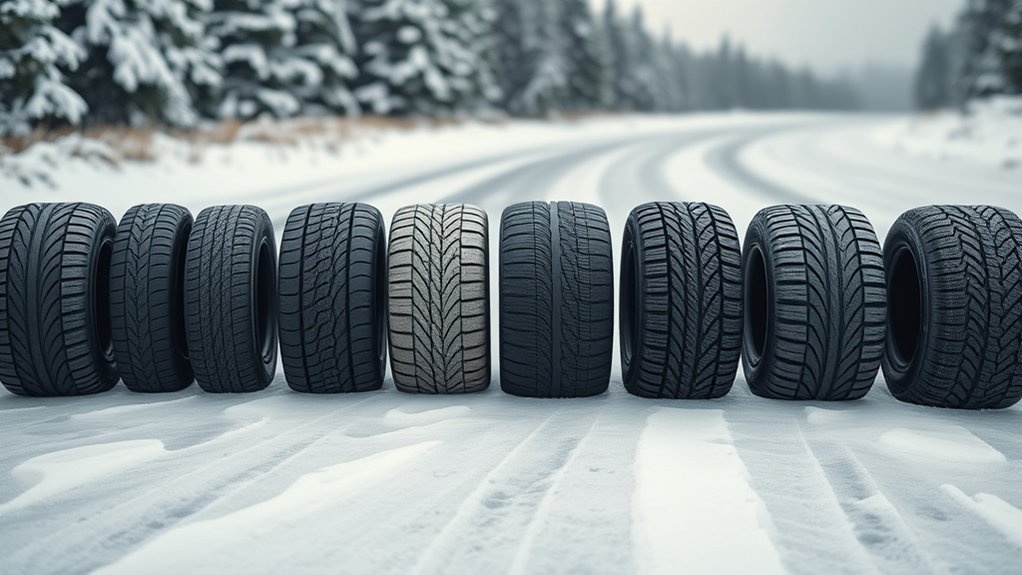
When selecting tires for snow and ice, tread pattern design and winter certification marks are important indicators of real cold-weather performance. Studdable traction options and a flexible rubber compound can further improve grip on packed snow and slick roads. Overall snow and ice grip remains the key measure of how well a tire will perform in harsh winter conditions.
Tread Pattern Design
Tread pattern design plays a major role in winter traction, as deeper grooves and channels help a tire clear slush and water from the contact patch. Directional patterns, especially V-shaped or staggered block layouts, improve grip by directing snow and ice away while creating more biting edges. Multi-directional siping adds still more edge density, which helps the tire maintain stability and traction on slick pavement. In winter-focused tires, the tread is often paired with compounds that stay flexible in low temperatures, preserving contact with the road. Features such as 3D siping can further sharpen tread bite and enhance handling on slippery surfaces. Together, these design elements shape how well a tire manages snow-packed streets, frozen roads, and changing winter conditions.
Winter Certification Marks
Beyond tread pattern design, winter certification marks offer a clearer way to judge whether a tire is truly built for snow and ice. The most recognized is the Three-Peak Mountain Snowflake symbol, or 3PMSF, which indicates a tire has met severe snow performance standards. That designation comes from standardized tests measuring traction on snow and ice, giving drivers a more reliable basis for comparison than marketing claims alone. In regions with harsh winters, these marks matter because they signal suitability for demanding conditions and can improve confidence on icy roads. Their presence also helps identify tires that have been evaluated for winter use, supporting safer decisions when weather turns severe and road surfaces become unpredictable.
Studdable Traction Options
Studdable tires offer an added layer of traction for severe winter driving, especially on ice where grip is hardest to maintain. Their pre-drilled holes allow metal studs to be added when conditions demand maximum bite, giving drivers more grip and stability on frozen roads. Many models also carry the 3PMSF mark, signaling that they have met demanding snow and ice performance standards. Beyond studs, these tires often use directional tread layouts and serrated siping to help channel snow and ice away from the contact patch while maintaining traction. In practice, studdable designs can reduce braking distance on ice versus non-studdable options, which is a major safety advantage. As a result, they remain a practical choice for extreme winter regions.
Rubber Compound Flexibility
Rubber compound flexibility is a critical factor in winter tire performance, because softer, more adaptable rubber can conform to snow and ice rather than hardening against them. In cold weather, specialized winter compounds, often silica-reinforced, help preserve pliability as temperatures fall. That flexibility supports consistent handling by allowing the tread to follow uneven road surfaces and resist the stiffening that can occur in severe conditions. A more compliant compound also helps reduce tread hardening, which otherwise can contribute to longer stopping distances on icy roads. Manufacturers aim to balance flexibility with durability so the tire remains effective over a full service life. This formulation approach helps winter tires manage driving stress while maintaining predictable control in harsh conditions throughout the season.
Snow And Ice Grip
Snow and ice grip depends on how well a tire can maintain traction in low temperatures and on slick surfaces. Tires built for winter use often rely on specialized compounds that stay pliable in the cold, helping the tread conform to ice and packed snow. Siping, especially 3D siping, adds many biting edges that improve hold when the road surface is slippery. Directional tread patterns also support grip by moving snow, slush, and water away from the contact patch, which helps preserve stability and reduces hydroplaning. In severe conditions, studdable tires can accept metal studs for extra ice traction. Certification marks such as the Three-Peak Mountain Snowflake label indicate a tire has met recognized severe-winter performance standards and can be trusted for demanding conditions.
Load And Size Fit
Even the best winter tread needs the right fit to perform safely in snow and ice. Correct tire sizing is essential, because the listed dimensions must match the vehicle’s specifications for proper fitment, handling, and winter performance. The load index matters just as much; it shows the maximum weight each tire can safely carry, protecting the vehicle when roads are slick or cargo is heavy. A tire with capacity above the vehicle’s minimum requirement can add a useful safety margin in harsh conditions. Width also influences traction. Wider tires may float better on soft snow, while narrower tires can cut through to improve grip on ice. Rim size compatibility should always be confirmed before mounting.
Frequently Asked Questions
Are Studded Snow Tires Legal in Every State?
No, studded snow tires are not legal in every state. Regulations vary widely, with some states allowing them seasonally, others restricting them, and a few banning them entirely. Local rules should be checked first.
How Often Should Snow Tires Be Rotated?
Like clockwork, snow tires should generally be rotated every 5,000 to 8,000 miles, or as the vehicle’s manual specifies. Regular rotation helps promote even wear, steadier traction, and longer winter tire life.
Can I Use Snow Tires Year-Round Safely?
No, snow tires are generally not safe or wise for year-round use; their soft rubber wears quickly in warm weather, handling degrades, fuel economy may drop, and braking performance can suffer markedly.
Do Winter Tires Affect Fuel Economy Noticeably?
Absolutely: winter tires usually reduce fuel economy slightly, often by 1–3 mpg, because of softer rubber and deeper tread. The effect is modest, but it can add up over time.
When Should I Replace Snow Tires?
Snow tires should be replaced when tread depth falls below 4/32 inch, cracking appears, or after about six seasons. Their rubber hardens with age, reducing grip even if visible tread remains.
Conclusion
Choosing the right winter tire can make a critical difference when roads turn slick and visibility drops. For example, a driver commuting before dawn on an icy rural highway may find that a tire like the Sumitomo Ice Edge or NEXEN Winguard Winspike 3 delivers the confidence needed to stay in control. In severe winter conditions, tread design, rubber compounds, and 3PMSF certification are not just features—they are essential safety tools.
