
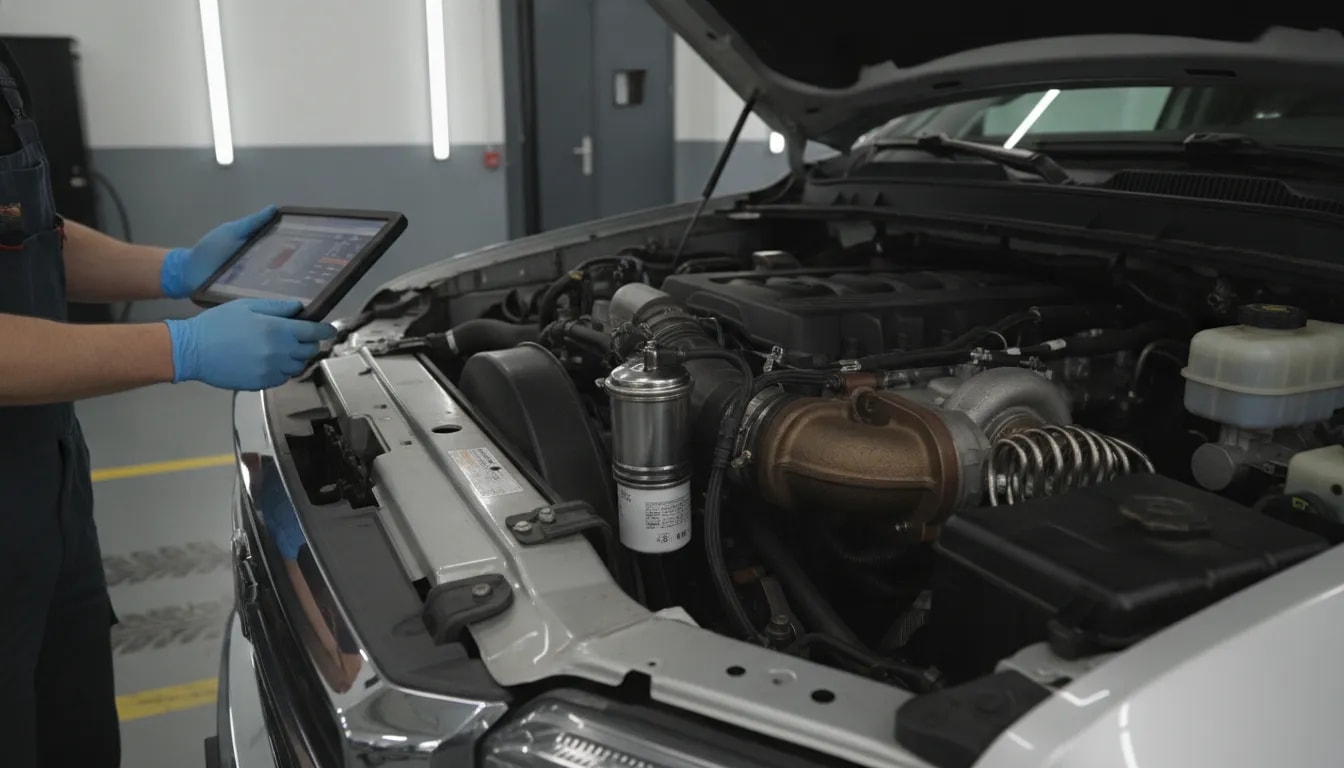
After 100,000 miles, diesel maintenance should become more condition-focused, not simply more expensive. Review oil and fuel-filter intervals, check injector performance, confirm transmission-fluid service history, and reassess coolant age. Protecting the turbo also becomes increasingly important as wear accumulates.
The milestone is not a mechanical deadline. A healthy diesel does not suddenly need new injectors, a replacement turbo, or an engine overhaul because its odometer reaches six figures. However, continuing the same service routine without considering wear, driving conditions, and fluid condition can leave developing problems unnoticed.
The practical goal is to establish a reliable maintenance baseline, then adjust the schedule using your vehicle’s specifications, service history, and test results.
Key Takeaways
- Use service history and condition testing to guide maintenance after 100,000 miles.
- Consider shorter oil and fuel-filter intervals when operating conditions and test results justify them.
- Review transmission fluid and coolant rather than assuming long-life labels eliminate maintenance.
- Test injectors and investigate turbo symptoms before replacing expensive components.
Table of Contents
- Your 100,000-Mile Diesel Maintenance Checklist
- Reassess Long-Life Fluids Before Problems Appear
- Manage Engine Oil and Turbo Protection Together
- Protect the Fuel System Before Buying Injectors
- What Might High-Mileage Diesel Maintenance Cost?
- Common Mistakes After a Diesel Reaches 100,000 Miles
- Build a Plan for the Next 100,000 Miles
Your 100,000-Mile Diesel Maintenance Checklist
Start with records rather than replacement parts. Identify what has actually been serviced, which fluids were used, and whether any symptoms have appeared.
| Maintenance area | What to review now | Possible next step |
|---|---|---|
| Engine oil | Current interval, oil specification, consumption, and contamination | Consider a shorter interval supported by used-oil analysis |
| Automatic transmission | Fluid and filter history, correct fluid specification, and shifting behavior | Arrange an appropriate fluid service if due; diagnose existing shudder or slipping first |
| Coolant | Age, replacement history, and condition | Review whether an earlier change is appropriate |
| Fuel filter | Last replacement and exposure to questionable fuel | Consider shortening the replacement interval |
| Injectors | Performance and evidence of uneven cylinder contribution or excessive return flow | Test before authorizing replacement |
| Turbocharger | Oil consumption, blue exhaust smoke, and new whistling noises | Investigate changes and improve oil and cooldown habits |
Important: The mileage examples below are conservative maintenance options, not universal requirements. The correct schedule and service procedure depend on the specific engine, transmission, fluid, and operating conditions. Use the manufacturer’s requirements as your starting point and discuss adjustments with a qualified diesel specialist.
Reassess Long-Life Fluids Before Problems Appear
Oil changes tend to receive attention throughout a car’s life. Transmission fluid and coolant are easier to overlook, particularly when described as long-life or lifetime products. At high mileage, their service history deserves a deliberate review.
Automatic transmission fluid: condition matters more than the label
Automatic transmission fluid lubricates and cools internal components. Heat and contamination from wear material can reduce its protective properties over time.
If your diesel has reached 100,000 miles without a documented transmission-fluid service, ask a specialist to review the transmission manufacturer’s guidance. A conservative approach often considers an initial service between 60,000 and 100,000 miles, followed by intervals around 40,000 to 60,000 miles, where appropriate for the unit.
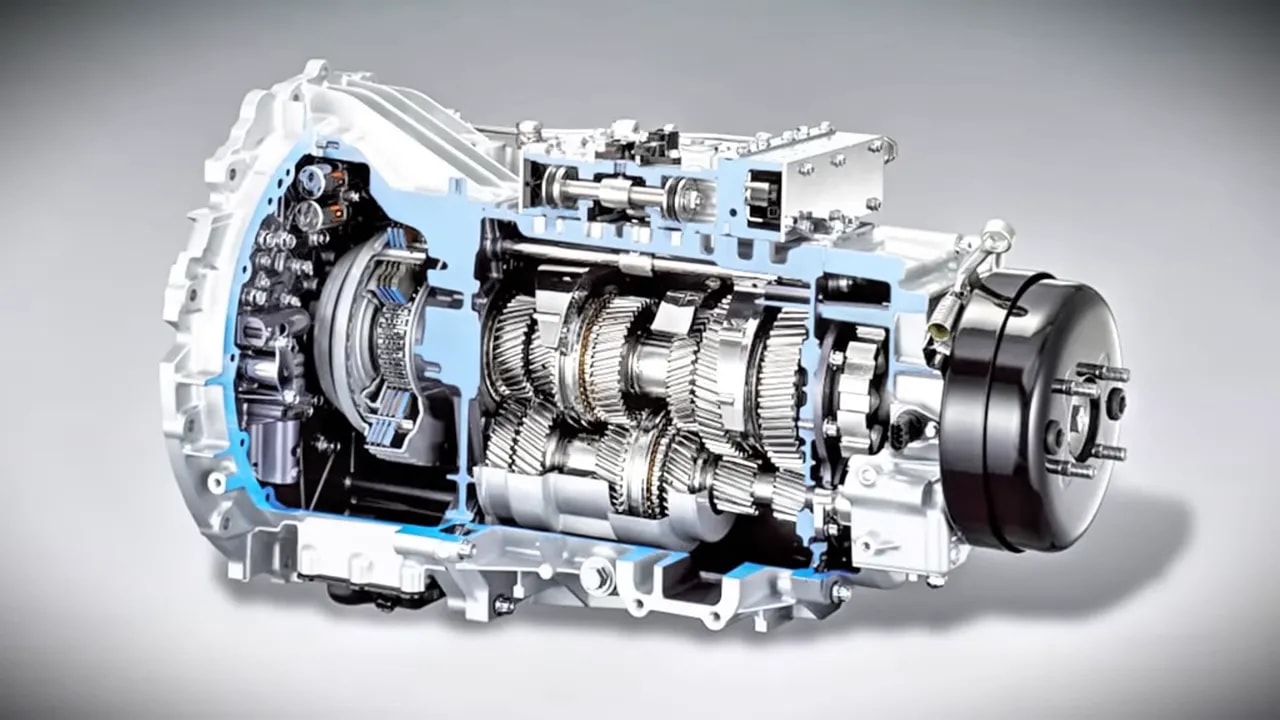
For transmissions designed for a pan-and-filter service, the approach is to remove the pan, replace the serviceable filter, and refill with the specified fluid. Do not assume this procedure applies to every automatic gearbox.
- Use the exact specified fluid. A lower-priced substitute is not a saving if it does not meet the transmission’s requirements.
- Follow the procedure for that transmission. High mileage alone does not determine the correct service method.
- Do not default to a high-pressure flush. Establish the appropriate method with the technician first.
- Diagnose symptoms before servicing. Fluid replacement is maintenance, not a guaranteed repair for shuddering or slipping.
The claim that changing old fluid inevitably destroys a transmission confuses sequence with cause. A gearbox that already has internal problems may fail after a fluid change without the change being the original cause. Equally, fresh fluid cannot reverse existing mechanical damage.
For a transmission made by ZF, the ZF Aftermarket website provides a useful starting point for manufacturer-specific service information.
Coolant: review its age as well as its mileage
Coolant does more than control temperature. Its corrosion inhibitors help protect the cooling system’s internal surfaces. As that protection deteriorates, corrosion can threaten components such as the radiator and heater core.
A conservative review point is 100,000 miles or five years, whichever comes first. That is an option to discuss, rather than a replacement for the coolant specification and schedule applicable to your car.
If the replacement history is unknown, make coolant part of the baseline service discussion. Condition testing, including an appropriate pH check, can help inform the decision, but should be interpreted for the coolant in use rather than treated as a universal pass-or-fail test.
The main mistake is assuming that a long advertised service life removes the need to check age, history, and condition.
Manage Engine Oil and Turbo Protection Together
Engine-oil maintenance and turbo care are closely connected. Extending oil changes or allowing the oil level to run low can put both at risk.
Should you shorten diesel oil-change intervals after 100,000 miles?
Consider it, but use evidence rather than mileage alone. As piston rings wear, more combustion gases can pass into the crankcase. This is known as blow-by, and it can increase oil contamination. Aging valve-guide seals can also contribute to increased oil consumption.
An engine may still run well while its oil experiences different conditions than it did when new. That is why an interval that previously worked may need reassessment.
Examples of conservative adjustments include:
- Reducing a 7,500-mile interval to about 6,000 miles.
- Reducing a 5,000-mile interval to about 4,000 to 4,500 miles.
- Considering an interval near 4,000 miles at substantially higher mileage if analysis supports it.
These are starting points for a maintenance discussion, not proof that every diesel needs those intervals. Used-oil analysis is more informative than an arbitrary odometer rule. Comparing results over successive services can show whether contamination and wear indicators justify an adjustment.
Keep the oil specification correct when changing the interval. Shorter oil changes do not compensate for unsuitable oil. The American Petroleum Institute’s engine-oil resources provide supporting context on oil quality classifications, while your vehicle’s requirements determine the product to use.
Protect the turbo without replacing it unnecessarily
A turbocharger can remain serviceable well beyond 100,000 miles. The milestone alone is not a reason to replace it. What matters is its condition and the maintenance habits supporting it.
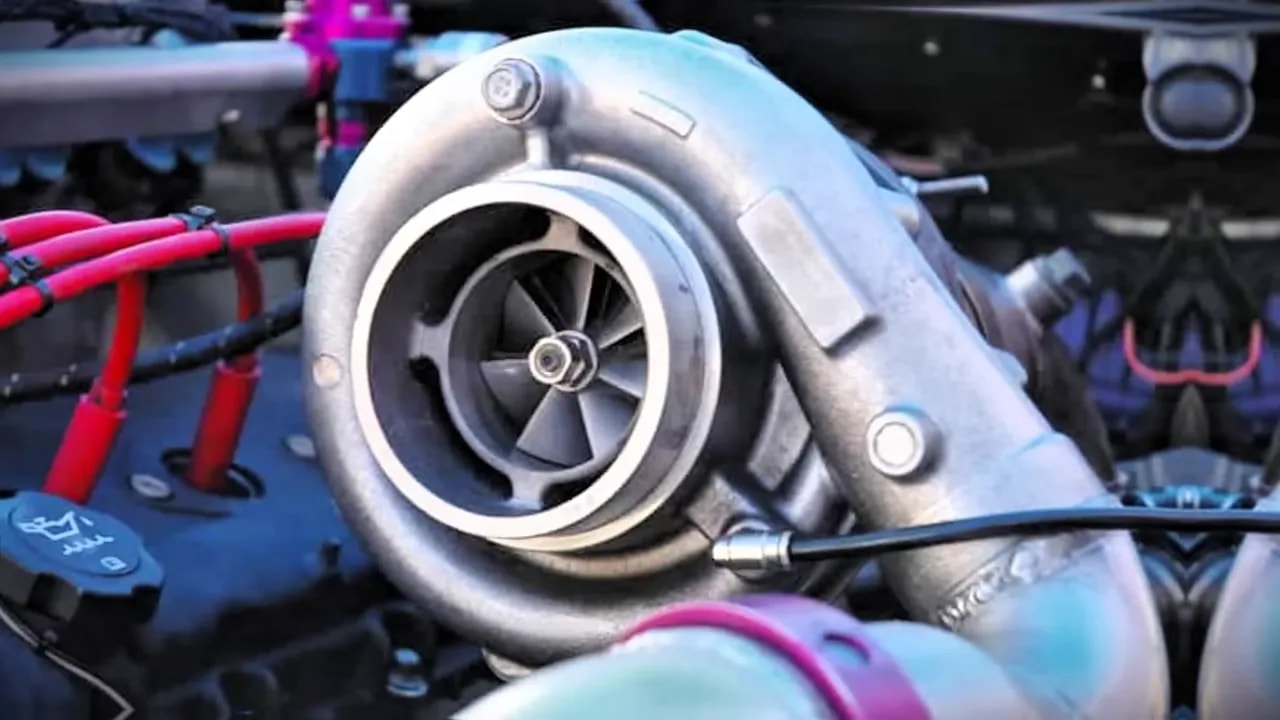
As bearings and seals accumulate wear, avoiding neglect becomes more important:
- Keep the oil level correct.
- Do not miss scheduled oil changes.
- Use oil that meets the engine’s requirements.
- Follow the vehicle’s cooldown guidance after hard driving rather than shutting down immediately.
- Investigate increased oil consumption, blue smoke, or a new whistling sound.
Those warning signs warrant diagnosis, not an automatic turbo replacement. The useful habit is recognizing a change from the car’s normal behavior and having it assessed before continuing to treat it as routine.
Protect the Fuel System Before Buying Injectors
Fuel-filter maintenance, fuel quality, and injector condition belong in the same plan. Replacing injectors without addressing contamination or neglected filtration can leave the underlying problem unresolved.
Review fuel-filter intervals and refueling habits
High-pressure diesel fuel systems rely on clean fuel. Water contamination and deposits can damage costly components, including injectors and the high-pressure pump.
Conservative fuel-filter interval adjustments to discuss include:
- Moving from 20,000 miles to 15,000 miles.
- Moving from 15,000 miles to 10,000 miles.
Whether an adjustment is worthwhile depends on your existing schedule and fuel exposure. A reliable replacement history is more useful than simply assuming the filter was changed during a previous service.
Be deliberate about where you refuel. Stations with regular diesel turnover are preferable to locations where fuel quality and storage conditions are questionable. Low price alone is not a sound basis for choosing fuel for an expensive common-rail system.
Test injectors rather than replacing the whole set
Diesel injectors do not have one predictable lifespan. Some need attention early; others remain serviceable for hundreds of thousands of miles. At 100,000 miles, an injector assessment can establish a useful baseline, especially when service history is uncertain.
Modern common-rail injectors operate at extremely high pressures, which can exceed 23,000 psi. Deposits and wear can affect their performance, but the odometer cannot tell you which injector needs repair.
Ask the workshop what its assessment includes. Depending on the diagnostic procedure, useful checks can include:
- Cylinder contribution: assessing how evenly the cylinders contribute to engine operation.
- Return-flow testing: checking fuel returning from the injectors.
- Spray-pattern assessment: evaluating how the injector delivers fuel through suitable testing.
Not every diagnostic package includes all three. Confirm the scope before comparing prices or authorizing a complete replacement set.
A malfunctioning injector can do more than reduce performance. Excess fuel entering a cylinder can remove the protective oil film from its walls and dilute the crankcase oil. That makes timely diagnosis important.
Where injector cleaners fit
Injector cleaners are a possible supplement to fuel-system maintenance, not a substitute for clean fuel, filter changes, or testing.
One conservative approach considers a suitable common-rail injector cleaner every 3,000 to 5,000 miles. Fuel treatments aimed at system protection may include injector-cleaning and lubricity properties rather than only cetane improvement.
Liqui Moly, Hot Shot’s Secret, and Stanadyne are examples of brands offering diesel-treatment products. Choose by the specific product’s suitability, vehicle guidance, and dosing instructions rather than the brand name alone. Do not combine separate treatment schedules automatically or assume more additive provides more protection.
What Might High-Mileage Diesel Maintenance Cost?
The following figures are rough budgeting examples in US dollars. They are not vehicle-specific quotes, and testing scope, parts, labor rates, and location can substantially change the total.
| Service or repair | Illustrative cost |
|---|---|
| Injector assessment | $150 to $300 |
| Complete injector replacement | $1,200 to $2,500 |
| Individual injector replacement | $300 to $500 each |
| Diesel injector-cleaner treatment | $15 to $25 |
| Automatic transmission-fluid service | $200 to $400 |
| Transmission replacement | $3,000 to $6,000 |
| Coolant replacement | $100 to $200 |
| Radiator or heater-core replacement | $500 to $1,500, plus labor |
The lesson is not that preventive service guarantees freedom from repairs. It is that fluid maintenance and targeted testing can cost considerably less than major component replacement, while helping avoid unnecessary parts purchases.
Common Mistakes After a Diesel Reaches 100,000 Miles
- Treating the milestone as a parts-replacement deadline. Test injectors and assess the turbo instead of replacing healthy components.
- Keeping intervals unchanged without reviewing condition. Oil analysis and service history can reveal whether the existing plan still fits.
- Assuming lifetime fluid needs no attention. Check the applicable transmission guidance and actual service history.
- Using a fluid change as a repair attempt. Diagnose transmission symptoms before expecting maintenance to resolve them.
- Buying additives instead of maintaining the fuel system. Treatments cannot replace filtration or repair a mechanically faulty injector.
- Ignoring changes in oil consumption, smoke, or noise. New symptoms deserve investigation.
- Applying generic advice to every diesel. Fluid specifications and service procedures remain vehicle-specific.
Build a Plan for the Next 100,000 Miles
Record the date and mileage of each fluid and filter service, the products used, diagnostic results, and any changes in oil consumption or driving behavior.
Then make adjustments deliberately: shorten intervals when conditions justify it, inspect expensive components before replacing them, and resolve symptoms rather than hiding them behind fresh fluids or additives.
The best high-mileage diesel strategy is preventive but selective. Maintain what protects the engine and drivetrain, measure what can be tested, and avoid both neglect and unnecessary replacement.