
The search for the best winter performance tires in 2027 comes down to traction, control, and confidence when roads turn unforgiving. From studdable options like the General Altimax Arctic 12 and Nexen Winguard Winspike 3 to balanced choices such as the Dunlop Winter Maxx 2 and Cooper Evolution Winter, each model serves a different driver. The details matter more than expected, and one overlooked feature can change everything.
General Tire Altimax Arctic 12 Studable-Winter Radial Tire – 205/65R16 99T
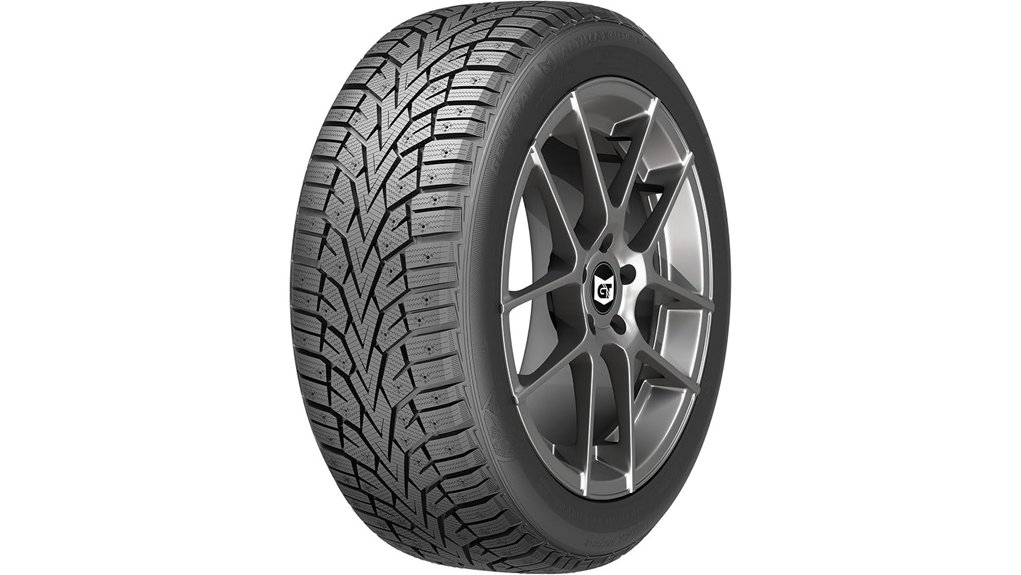
The General Tire Altimax Arctic 12 Studable-Winter Radial Tire in 205/65R16 99T is a strong fit for drivers who need dependable cold-weather traction on a 16-inch wheel, especially in areas where winter roads regularly demand extra grip. It measures 26.5 inches in diameter and carries a 1709-pound maximum load, supporting many passenger vehicles with confidence. At 22.11 pounds, it remains reasonably manageable for installation and seasonal swaps. As a studable winter radial tire from General Tire, it is designed for drivers seeking added bite on ice and packed snow without sacrificing practical fitment.
Best For: Drivers in snowy or icy regions who need a dependable studable winter tire for a 16-inch wheel and want strong cold-weather traction.
Pros:
- Excellent winter traction potential for ice and packed snow
- Fits a wide range of passenger vehicles with 205/65R16 sizing
- Manageable 22.11-pound weight for seasonal installation and swaps
Cons:
- Winter-specific design makes it less ideal for year-round use
- Studable setup may be unnecessary or restricted in some areas
- Not the best choice for drivers prioritizing warm-weather performance or fuel efficiency
Nexen Winguard Winspike 3 Winter 225/55R18 98T Passenger Tire
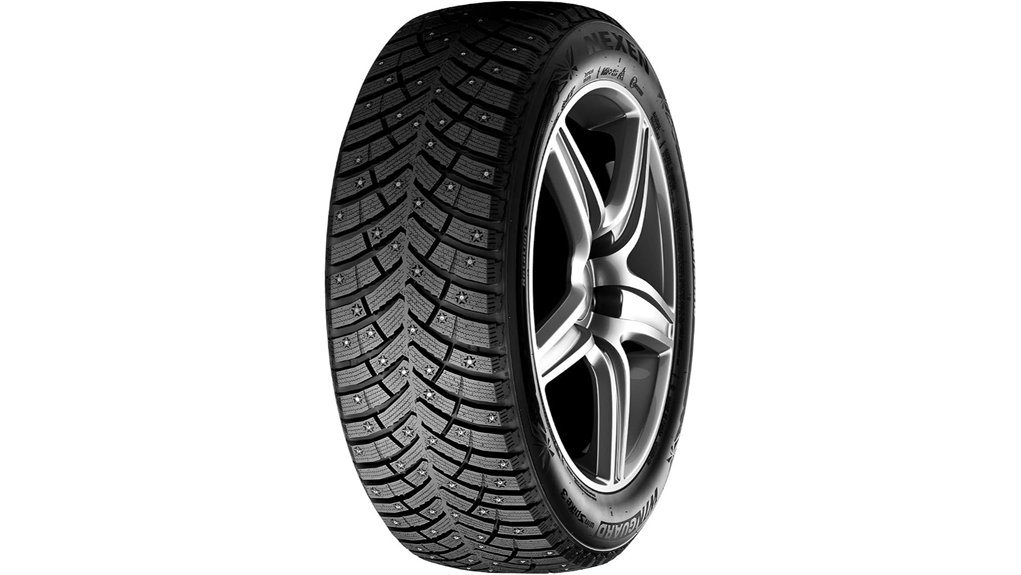
Designed for drivers facing harsh winter roads, the Nexen Winguard Winspike 3 stands out. This 225/55R18 98T passenger tire carries 3PMSF certification, signaling dependable snow and ice capability. Optional TSMI #12 studs can add bite on packed winter surfaces. Its directional tread helps channel water and slush away, while deep grooves support wet-road performance. Dense siping increases edge grip for better control in extreme conditions. Nexen backs the tire with its Total Coverage Warranty and 36 months of roadside assistance, adding practical support for winter driving confidence and peace of mind.
Best For: Drivers who need a reliable 225/55R18 winter tire for snowy, icy, and slushy conditions, especially those who want the option of added studded traction and strong cold-weather confidence.
Pros:
- 3PMSF-certified for proven snow and ice performance
- Directional tread and deep grooves help evacuate water and slush effectively
- Dense siping and optional TSMI #12 studs improve grip and control in harsh winter conditions
Cons:
- Studs are optional, so maximum ice traction requires additional setup
- Winter-focused design makes it less suitable for year-round use
- Performance advantages may be less noticeable in mild winter climates
2 x Accelera X Grip 225/45R17 94V XL Winter (Studdable) Tires
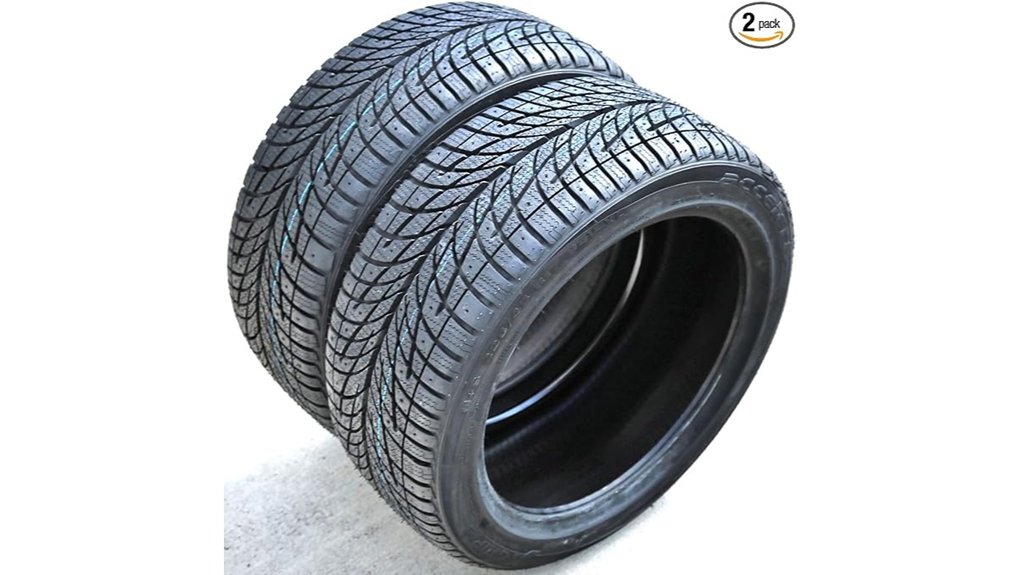
Drivers needing extra winter grip will appreciate the studdable Accelera X Grip 225/45R17 tires. This two-tire set is built for passenger vehicles and uses a radial, four-ply XL construction for added strength. Each tire carries a 94 load index, supporting up to 1,477 pounds, and a V speed rating certified to 149 mph. The two black sidewalls give a clean look, while studdable capability improves traction in severe winter conditions. Rims and wheels are not included, making this a tire-only replacement option for winter-focused setups.
Best For: Drivers looking for a two-tire winter replacement set with studdable traction, extra load capacity, and a performance-oriented fit for passenger vehicles.
Pros:
- Studdable design offers added grip for severe winter driving
- XL 4-ply radial construction provides extra strength and durability
- 94V rating supports up to 1,477 lbs per tire and speeds up to 149 mph
Cons:
- Tires only; rims and wheels are not included
- Studs are not pre-installed, so added winter traction may require additional setup
- Best suited for winter use, so not ideal as an all-season solution
Dunlop Winter Maxx 2 Winter 195/65R15 91T Passenger Tire
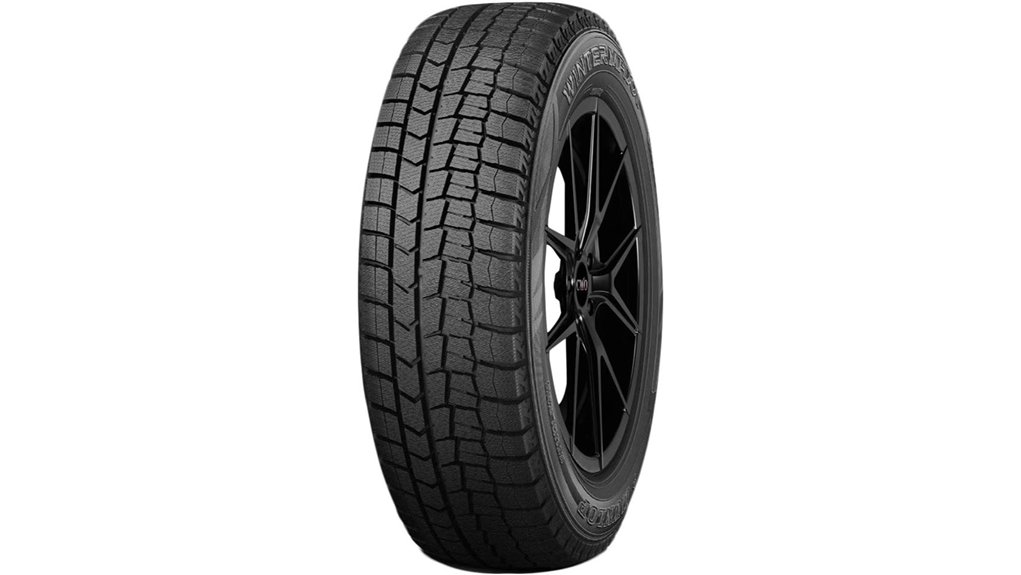
With its 195/65R15 fitment and 91T rating, the Dunlop Winter Maxx 2 suits compact passenger cars needing dependable winter control. Its MAXX Grip pattern is designed to improve traction on snow, while the Three Peak Mountain Snowflake certification signals readiness for severe winter conditions. Contact pressure distribution helps expand the tire’s footprint, supporting better stability in turns. Large water drainage grooves clear water and slush efficiently, aiding wet-road confidence. Highly functional polymers are used to maintain consistent performance across the tire’s lifespan, making it a practical choice for drivers seeking steady cold-weather capability.
Best For: Compact passenger-car drivers who need dependable winter traction, stability, and wet/slushy-road confidence in severe cold conditions.
Pros:
- MAXX Grip pattern and Three Peak Mountain Snowflake certification support strong snow performance.
- Contact pressure distribution helps improve stability during turns.
- Large water drainage grooves help flush water and slush for better wet-road control.
Cons:
- Designed specifically for winter use, so it’s not ideal for year-round driving.
- Best suited to compact passenger cars, limiting fitment for other vehicle types.
- Winter tire performance can wear faster if used in warmer conditions.
Nexen Winguard Winspike 3 Winter 225/60R16 98T Passenger Tire
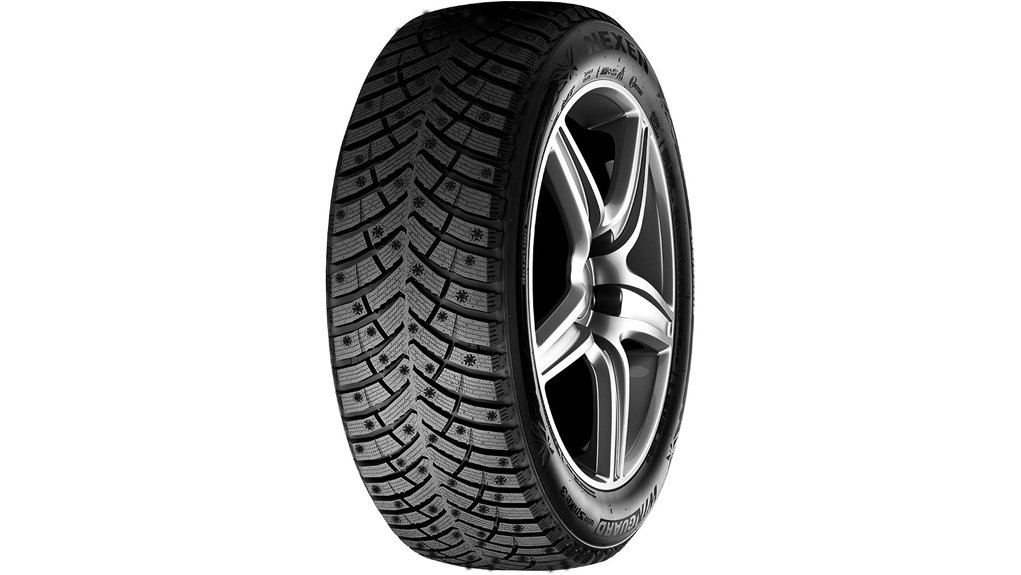
The Nexen Winguard Winspike 3 suits winter drivers who need confident snow and ice traction. In 225/60R16 with a 98T load rating, it is built for passenger vehicles facing harsh conditions. Its directional tread and deep grooves help evacuate water and slush, while dense siping improves road bite on packed snow and ice. Optional TSMI #12 studs can further increase grip. The tire carries 3PMSF certification, confirming winter capability. Nexen backs it with Total Coverage Warranty and 36 months of roadside assistance, adding useful support for seasonal use.
Best For: Winter drivers with passenger vehicles who need dependable snow and ice traction, especially in harsh conditions where studs may be beneficial.
Pros:
- Directional tread and deep grooves help evacuate water and slush effectively.
- Dense siping improves grip on packed snow and ice.
- 3PMSF certification plus warranty and roadside assistance add confidence and support.
Cons:
- Studs are optional, so maximum ice grip depends on additional installation.
- Designed for winter use, so it is not ideal for year-round driving.
- Performance is focused on cold-weather conditions rather than all-season versatility.
HANKOOK Winter ipike X W429 225/55R17 101T XL
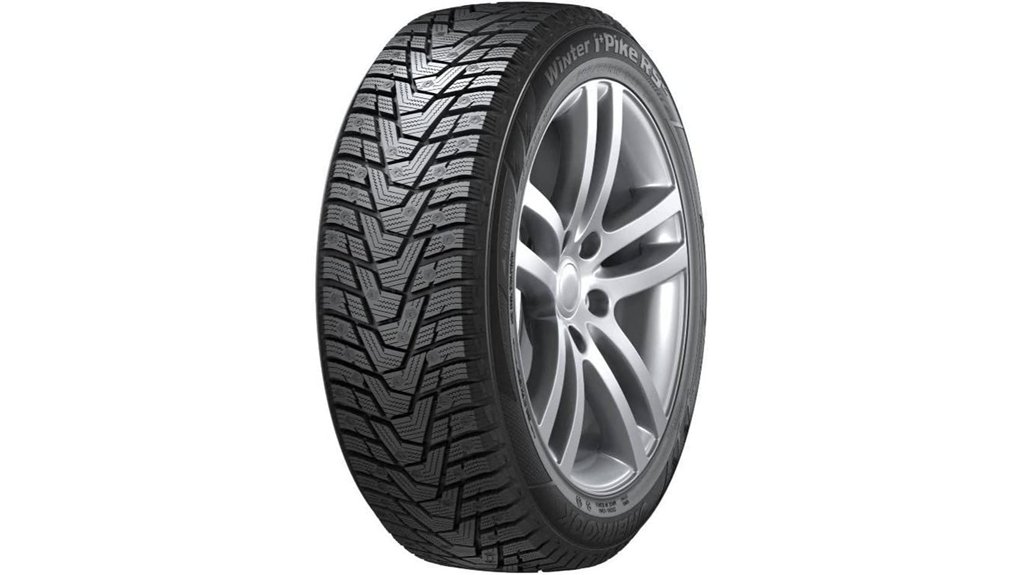
Hankook’s Winter i Pike RS2 W429 suits passenger cars needing studded winter grip. This premium touring winter tire in 225/55R17 101T XL uses a directional tread with multi-directional grooves and sipes to improve traction on snow and ice. Enhanced biting block edges support stronger grip in severe winter conditions. A 3PMSF certification indicates tested performance in heavy snow. Tie-bars help stabilize tread blocks, reducing noise, while optimized movement promotes a smoother ride. The design targets drivers seeking dependable cold-weather control, comfort, and durability in a passenger-car fitment.
Best For: Drivers of passenger cars who want a premium touring studded winter tire with strong snow-and-ice traction, smooth comfort, and severe-winter capability.
Pros:
- Directional tread with multi-directional grooves and sipes helps improve snow and ice grip.
- 3PMSF certification supports performance in severe winter conditions.
- Tie-bars and optimized tread movement help reduce noise and improve ride comfort.
Cons:
- Studded winter design may be noisier and less comfortable than non-studded all-season tires on dry roads.
- Best performance is limited to cold-weather use, so it’s not ideal year-round.
- Winter-focused tread can wear faster or feel less responsive in warm conditions.
Nexen Winguard Winspike 3 Winter 245/60R18 105T Passenger Tire
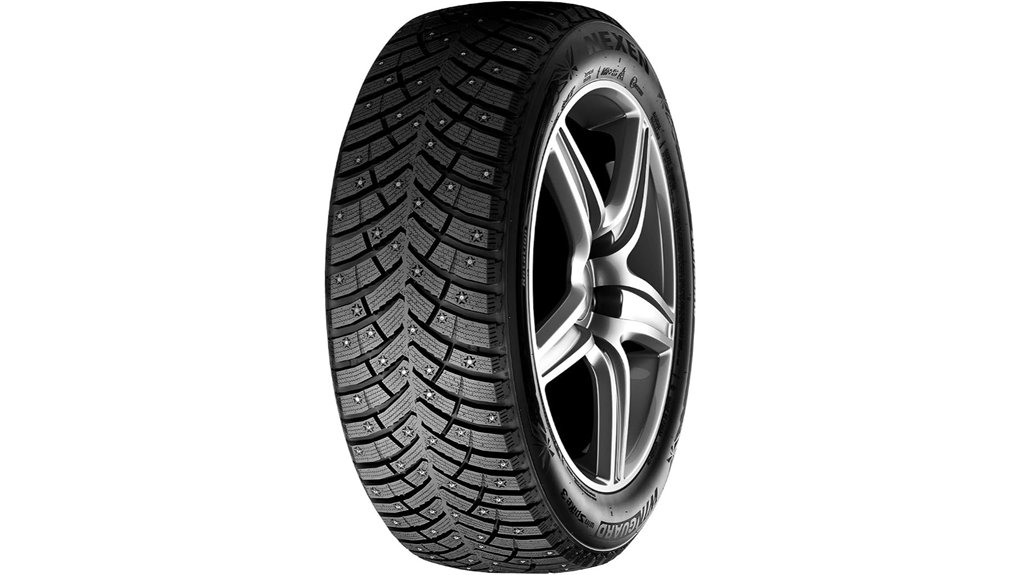
Nexen’s Winguard Winspike 3 suits drivers needing dependable winter traction in a passenger tire. Sized at 245/60R18 with a 105T load index, it targets passenger vehicles seeking cold-weather control. The directional tread and deep grooves help evacuate water and slush efficiently, while dense siping adds road bite in severe conditions. Optional TSMI #12 studs can further improve grip on packed snow and ice. Its 3PMSF certification confirms strong winter capability. Nexen backs the tire with Total Coverage Warranty support and 36 months of roadside assistance, adding practical reassurance for winter travel.
Best For: Drivers of passenger vehicles who need dependable winter traction, especially in snow, slush, and icy conditions.
Pros:
- Directional tread and deep grooves help evacuate water and slush efficiently.
- Dense siping and optional TSMI #12 studs improve grip on snow and ice.
- 3PMSF certification plus warranty and roadside assistance add confidence and support.
Cons:
- Winter-focused design means it’s not ideal for year-round use.
- Optional studs may not be allowed or necessary in all driving areas.
- Best performance is in cold conditions, so traction benefits drop in warmer weather.
Dunlop Winter Maxx 2 205/60R16 96T XL
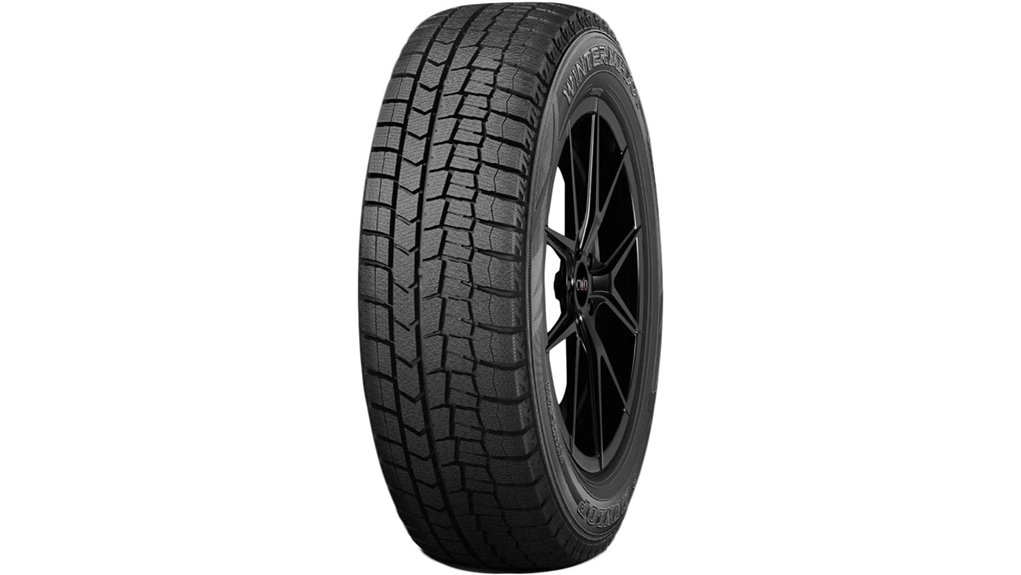
Built for drivers needing confident snow traction and wet-road stability, the Dunlop Winter Maxx 2 stands out. In 205/60R16 96T XL form, it uses the MAXX Grip Pattern to improve bite on packed snow and earns Three Peak Mountain Snowflake certification for severe winter service. Contact pressure distribution helps widen the footprint through turns, supporting predictable handling and greater stability. Large water drainage grooves channel slush and standing water away efficiently. Highly functional polymers are designed to preserve performance over the tire’s lifespan, making it a capable winter choice.
Best For: Drivers who want a winter tire with strong snow traction, wet-road stability, and dependable handling in severe winter conditions.
Pros:
- MAXX Grip Pattern improves traction on packed snow.
- Three Peak Mountain Snowflake certification supports severe winter use.
- Large water drainage grooves help channel away slush and standing water.
Cons:
- Winter-focused design may wear faster in warm weather.
- Performance is optimized for cold conditions, not year-round use.
- May be overkill for drivers who rarely see snow or ice.
Armstrong Ski-Trac HP 215/55R16 97H XL Winter (Studless) Radial Two Tires
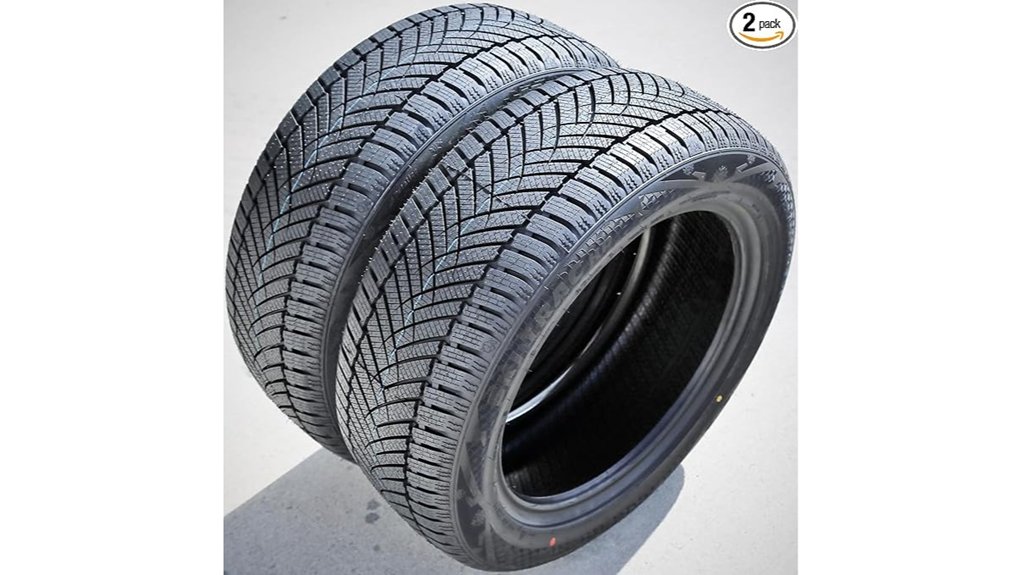
The Armstrong Ski-Trac HP suits drivers seeking studless winter traction for passenger vehicles. This 215/55R16 tire carries a 97 load index, supporting up to 1,609 pounds per tire, and an H speed rating for sustained travel up to 130 mph. Its radial, four-ply-rated construction and black sidewall design emphasize practical winter use. Built for high-performance winter driving, it aims to deliver enhanced grip without studs on snow and cold pavement. The listing includes two tires only; rims and wheels are not included.
Best For: Drivers of passenger vehicles who want studless winter tires for improved snow and cold-weather traction, especially those seeking a high-performance winter option in size 215/55R16.
Pros:
- Studless winter design provides traction without the need for studs
- H speed rating and 97 load index support confident driving for many passenger vehicles
- Radial, four-ply-rated construction with black sidewall styling offers practical winter use
Cons:
- Tires only; rims and wheels are not included
- Designed specifically for winter conditions, so not ideal for year-round use
- May not match the performance of studded tires in extreme icy conditions
Cooper Evolution Winter 225/50R17 94H Tire
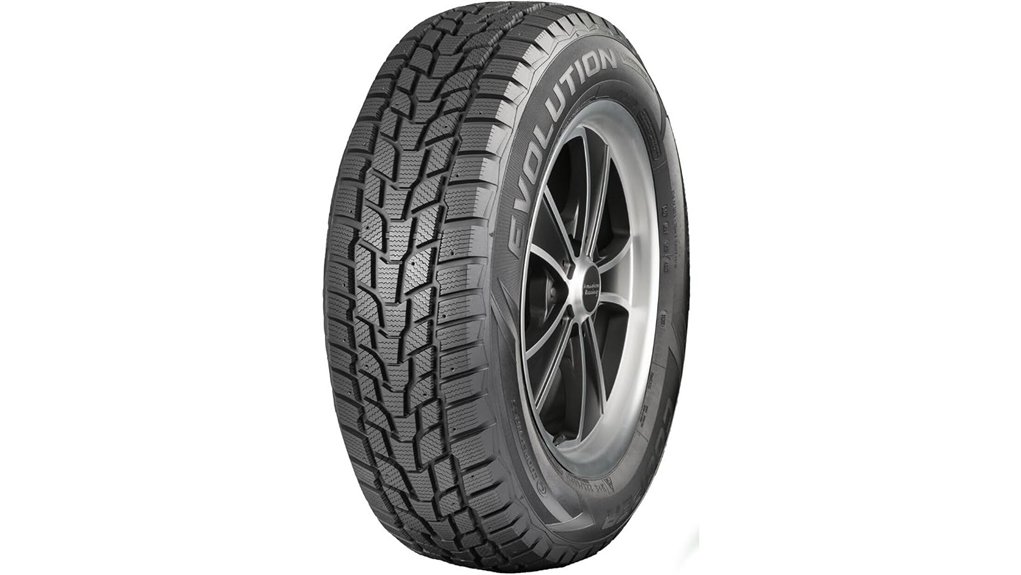
Cooper Evolution Winter 225/50R17 94H suits drivers who face serious winter conditions. Designed for cars and SUVs, it delivers excellent performance across variable winter weather. Its standout strength is deep snow traction, where it powers through loose accumulation with confidence. The tire also uses a studdable design, giving drivers added ice traction when conditions demand extra grip. Severe Weather Rated and Three-Peak Mountain Snowflake Certified, it meets demanding winter standards. For drivers seeking dependable cold-weather control, this model offers a practical balance of traction, certification, and versatility for regular winter driving conditions.
Best For: Drivers of cars and SUVs who need dependable winter traction, especially in deep snow and challenging cold-weather conditions.
Pros:
- Excellent performance in variable winter weather
- Strong deep snow traction for loose accumulation
- Studdable design and Severe Weather Rated, with Three-Peak Mountain Snowflake certification
Cons:
- Studs are not included, so added ice traction requires separate installation
- Best suited for winter use, not year-round driving
- May be more tire than needed for drivers who rarely encounter severe snow conditions
Factors to Consider When Choosing Winter Performance Tires
When choosing winter performance tires, traction and grip should be examined first, along with tread design that channels snow and slush effectively. Snow certification, load and speed ratings, and whether the tire is studdable also matter for matching safety and performance to the vehicle.
Traction And Grip
Traction and grip are among the most important factors in choosing winter performance tires, since they directly affect control on snow, slush, and ice. A tire with strong winter traction helps maintain steering response and braking confidence when roads become unpredictable. Dense siping increases road bite, which can improve grip on slick pavement and in severe cold. Many winter performance tires also earn Three-Peak Mountain Snowflake certification, showing they meet recognized standards for heavy snow use. In especially icy conditions, studdable options can provide added metal-stud traction. Load index should also be checked, because correct weight support helps preserve stability and consistent contact with the road. Together, these elements determine how securely a tire performs in harsh winter driving conditions.
Tread Design
Tread design plays a major role in winter tire performance, especially on snow, slush, and ice. Directional patterns are often favored because they help move water and slush away from the contact patch, supporting steadier traction. Deep grooves can also improve grip by helping the tire bite into packed snow and icy surfaces. Many winter tires use a MAXX Grip Pattern, a layout designed to balance snow traction with on-road stability. Dense siping adds many small edges across the tread, giving the tire extra bite and better control in severe weather. Together, these features shape how confidently a tire responds when roads become unpredictable, making tread architecture a key consideration for winter-focused driving.
Snow Certification
Beyond tread pattern alone, snow certification offers a clear way to judge how a winter performance tire will behave in severe conditions. The Three-Peak Mountain Snowflake mark signals that a tire has passed standardized snow traction tests and met defined benchmarks for severe winter use. That makes it a reliable sign of readiness for icy roads and deep snow, where ordinary all-season designs may fall short. Certified models typically pair this rating with tread patterns that move slush and water away efficiently, helping reduce hydroplaning. Some options are also studdable, allowing added metal studs for extra bite on ice and packed snow where regulations permit. For drivers comparing winter choices, certification provides a simple, proven reference for performance.
Load And Speed
Load and speed ratings are key specifications to verify when selecting winter performance tires. The load index shows the maximum weight each tire can support; for example, a load index of 98 equals 1,650 pounds per tire. Matching this capacity to the vehicle helps preserve handling and stability, which matters when winter traction is limited. Speed ratings indicate the highest safe speed a tire can sustain. A T rating, for instance, is approved up to 118 mph. Winter performance tires are built with ratings suited to cold-weather demands, but the correct choice still depends on the vehicle’s specifications. When both load and speed ratings align properly, the tires are more likely to deliver safe, reliable performance throughout winter driving conditions.
Studdable Options
Another key factor in winter tire selection is whether a driver may benefit from a studdable design. Studdable winter tires can accept metal studs, boosting traction on ice and packed snow and improving control in severe conditions. Models equipped with TSMI #12 studs may offer added grip for drivers who regularly face icy roads. These tires usually retain a flexible tread pattern, helping them perform effectively in both snowy and dry stretches of winter driving. Before choosing them, it is important to check local regulations, since some regions limit stud use to reduce pavement damage. A 3PMSF certification is also worth seeking, as it signals strong performance in demanding winter weather and helps identify capable options for harsh conditions.
Frequently Asked Questions
How Do Winter Performance Tires Differ From All-Season Tires?
Winter performance tires use softer rubber, deeper snow-evacuating tread, and more biting edges for cold traction, while all-season tires prioritize year-round versatility, offering less grip on ice, packed snow, and freezing pavement.
Do Winter Performance Tires Improve Braking on Ice?
Yes, they often do. Tests suggest winter performance tires can shorten icy stopping distances, their soft compounds and biting edges gripping like claws on glass, though no tire fully overcomes ice’s treacherous, unforgiving nature.
When Should I Switch to Winter Performance Tires?
They should switch to winter performance tires when temperatures consistently fall below 45°F, ideally before the first snowfall or icy conditions. Waiting until roads are already slippery reduces safety, traction, and braking performance considerably.
Are Winter Performance Tires Safe in Dry, Cold Weather?
Yes, they are generally safe in dry, cold weather, offering strong grip, stable handling, and reliable braking. Still, their softer tread wears faster, their noise is higher, and their efficiency is slightly lower than all-season tires.
How Long Do Winter Performance Tires Typically Last?
Winter performance tires typically last about 3 to 5 seasons, or roughly 20,000 to 40,000 miles, depending on driving style, storage, and road conditions. Their softer compound wears faster than all-season tires.
Conclusion
Choosing the right winter performance tire can make the difference between confidence and uncertainty when the roads turn harsh. From studdable traction champions to quiet, studless contenders, each option in this lineup offers something valuable. Yet the real question remains: which tire will meet the demands of the season ahead? As temperatures fall and snow begins to gather, the best choice may not reveal itself until the first icy mile is driven.