
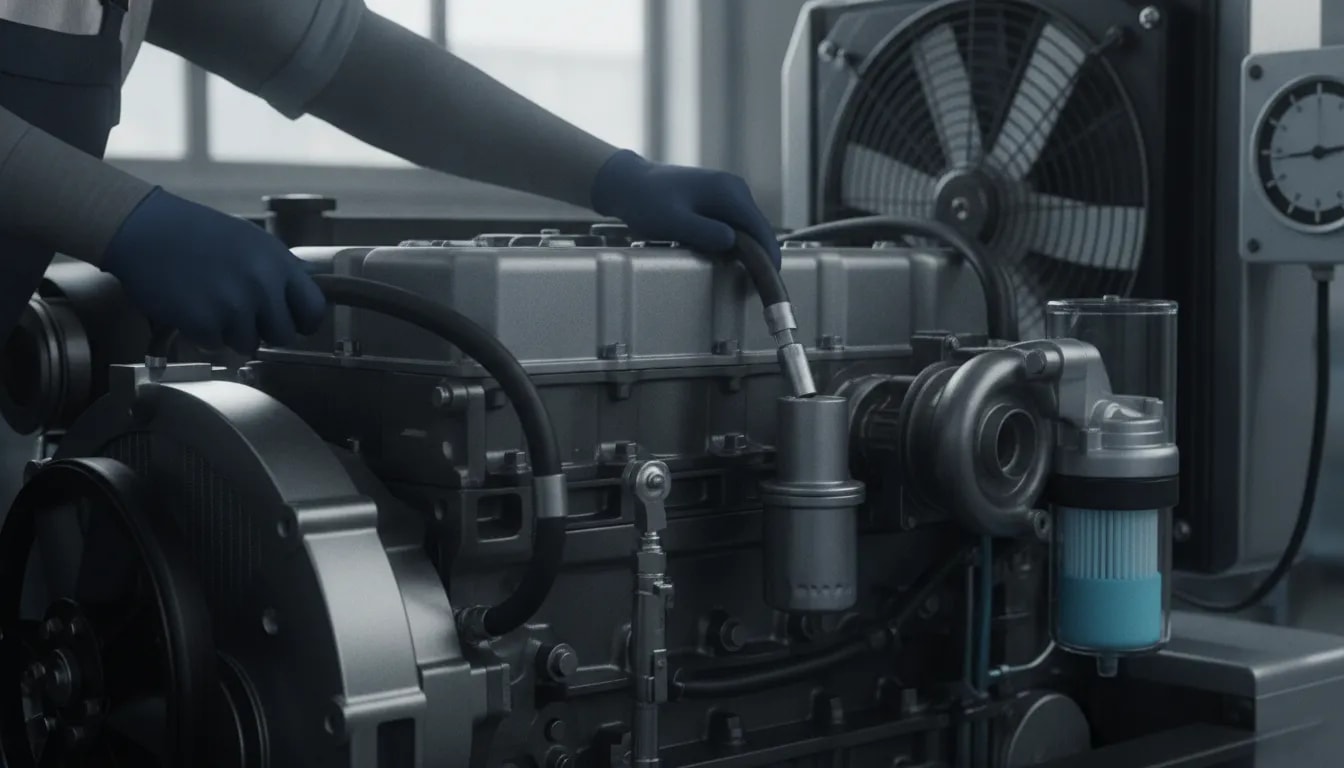
Making a diesel engine last starts with controlling contamination, protecting turbocharger lubrication, and preventing overheating. Regular servicing matters, but so do the small decisions made at startup, during everyday driving, and before shutdown.
A useful diesel maintenance routine combines condition-based oil changes, proactive fuel filtration, cooling-system care, and gentle treatment of a cold or heavily loaded engine. These habits address problems that can become expensive long before they produce obvious symptoms.
No routine guarantees 800,000 km on the original engine block. Treat exceptional mileage as a possibility, not a promise. The practical goal is to reduce avoidable wear and build a maintenance plan suited to your particular engine.
Key Takeaways
- Base diesel servicing on driving conditions as well as mileage and manufacturer requirements.
- Maintain fuel filtration and water separation proactively to protect precision injection components.
- Include the thermostat and pressure cap in cooling-system maintenance planning.
- Use gentle cold-engine operation and the specified cooldown procedure after demanding driving.
Table of Contents
- Why Diesel Engines Need a Different Maintenance Approach
- Build Your Service Schedule Around How You Drive
- Oil Changes: Match the Interval to the Engine’s Workload
- Fuel Filters and Water Separation: Protect the Injectors Before Trouble Starts
- Cooling-System Maintenance: Look Beyond the Coolant Level
- Protect the Turbocharger at Both Ends of a Journey
- Common Diesel Maintenance Mistakes to Avoid
- Turn the Routine Into a Plan Before Your Next Service
Why Diesel Engines Need a Different Maintenance Approach
Diesel engines use compression ignition rather than spark ignition. They generally operate at lower engine speeds and have substantial internal components designed to withstand their operating loads. That construction can support a long service life, but it does not make the entire engine immune to neglect.
Three areas deserve particular attention:
- Lubrication: The engine and turbocharger depend on a reliable supply of clean oil.
- Fuel cleanliness: Precision injectors are vulnerable to particles and water in the fuel.
- Temperature control: Cooling-system deterioration can expose the engine to damaging heat.
The important distinction is between maintaining the engine block and maintaining everything that keeps it functioning. A durable block cannot compensate for contaminated fuel, restricted turbo oil flow, or inadequate cooling.
Build Your Service Schedule Around How You Drive
Start with the vehicle manufacturer’s maintenance schedule, then account for your operating conditions. Generic mileage figures should not replace engine-specific requirements.
A diesel used for repeated short trips through heavy traffic has a different service pattern from one regularly driven over long distances. The odometer records distance, but it does not tell you how often the engine stayed cold or how much time it spent in stop-start use.
The following figures illustrate a conservative preventive routine. They are planning references, not universal replacement intervals.
| Maintenance item | Illustrative interval | How to apply it |
|---|---|---|
| Engine oil changes in demanding urban use | 3,500 to 6,000 miles, approximately 5,600 to 9,600 km | Compare with the manufacturer’s schedule for your driving conditions. |
| Fuel filter replacement | 15,000 to 20,000 km | Confirm the required interval for your fuel system and fuel quality. |
| Coolant service | 40,000 km or two years, whichever comes first | Use the coolant specification and service interval required by your engine. |
| Preventive thermostat replacement | 80,000 to 100,000 km | Discuss whether preventive replacement makes sense for your vehicle. |
| Preventive radiator pressure-cap replacement | 50,000 km | Confirm the correct cap and whether scheduled replacement is appropriate. |
The central lesson is not to replace every component at the same mileage on every diesel. It is to establish a deliberate schedule instead of waiting until a neglected part causes a breakdown.
Keep a simple maintenance record
For each service, record the date, odometer reading, work completed, and fluids or parts used. Note whether your driving has shifted toward short urban trips or regular long-distance runs.
This gives you a practical basis for the next service discussion. It also helps prevent less memorable items, such as the fuel filter or cooling-system cap, from disappearing behind routine oil changes.
Oil Changes: Match the Interval to the Engine’s Workload
Diesel combustion introduces soot and other byproducts into engine oil. Over time, contamination affects the oil’s ability to perform its protective role.
Repeated short trips deserve particular attention because the engine may not stay warm long enough to drive off accumulated moisture. Consequently, a low-mileage diesel is not automatically a lightly used diesel.
Short urban trips versus long highway runs
Consider two vehicles that cover the same distance:
- Vehicle A completes many brief journeys through city traffic, with frequent cold starts.
- Vehicle B completes fewer, longer highway journeys and spends more time at operating temperature.
Their odometer readings may be similar, but their oil has experienced different conditions. That is why an oil-change decision should account for use, not simply distance.
A practical oil-service checklist
- Identify the oil specification required for your engine.
- Review the maintenance schedule applicable to your driving conditions.
- Tell your service provider if most journeys are short or involve heavy traffic.
- Set the next service reminder using both mileage and time requirements.
- Reassess the plan when your driving pattern changes.
An expensive oil brand is not a substitute for timely servicing. The useful priority is the correct oil, maintained at an appropriate interval.
Fuel Filters and Water Separation: Protect the Injectors Before Trouble Starts
Modern common-rail diesel injection systems can operate above 2,000 bar. At such pressures, fuel cleanliness matters because the injectors contain precision components that can be damaged by contamination.
Small particles can cause wear, while water can contribute to corrosion and internal damage. A fuel filter and, where fitted, a water separator are therefore protective components, not merely items to inspect after the engine starts running badly.
Replace the fuel filter proactively
Waiting for symptoms defeats much of the purpose of preventive filtration. Put fuel-filter replacement on the service calendar and confirm the interval for your engine.
A reference range of 15,000 to 20,000 km can help frame a maintenance discussion, but fuel quality and vehicle-specific requirements must guide the actual decision.
Find out whether your diesel has a water separator
If a separator is fitted, establish how it should be checked and drained. Use the vehicle’s specified procedure rather than assuming every system works the same way.
If you are unfamiliar with it, ask a technician to identify the component and explain the maintenance requirement. The important habit is ensuring that water management is included in the service routine.
Refuel before the tank becomes nearly empty
A quarter-tank refueling threshold is a simple way to avoid routinely driving with very little fuel. Where a pump relies on surrounding fuel for cooling, adequate fuel level also supports that function.
However, fuel-pump layouts differ. Do not assume every diesel has an identical submerged-pump arrangement, or that crossing below a quarter tank immediately causes damage. Treat the threshold as a practical operating habit, not a universal mechanical cutoff.
Cooling-System Maintenance: Look Beyond the Coolant Level
Overheating can damage head gaskets, cylinder walls, and seals. Cooling-system maintenance therefore deserves the same attention as lubrication and fuel filtration.
The system depends on more than having liquid in the reservoir. Coolant condition, thermostat operation, and the pressure cap all contribute to temperature control.
Use the specified coolant and service procedure
Choose coolant by the specification required for your engine, not simply by a generic antifreeze label. Diesel coolant requirements are not identical across all engines.
A preventive reference interval of 40,000 km or two years illustrates the importance of scheduled coolant care. Your manufacturer’s requirements should determine the actual interval and whether the service involves replacement, flushing, or another specified procedure.
Include the thermostat in long-term planning
A thermostat that begins sticking can interfere with temperature regulation. Intermittent problems are especially easy to overlook when the vehicle seems normal during lighter use.
Preventive replacement around 80,000 to 100,000 km is one conservative approach, but it is not a requirement for every diesel. Ask whether the thermostat should be inspected or replaced as part of your vehicle’s long-term maintenance plan.
Do not overlook the pressure cap
The cooling-system pressure cap helps maintain system pressure. If it can no longer do that properly, coolant can boil at a lower temperature than intended.

This comparatively inexpensive component is easy to ignore because it is small and usually receives little attention. Include its condition in cooling-system checks, and discuss whether preventive replacement is appropriate. A 50,000 km replacement reference should not override vehicle-specific guidance.
Never remove a cooling-system pressure cap while the system is hot. Inspection or replacement must follow the vehicle’s safety instructions.
Protect the Turbocharger at Both Ends of a Journey
A turbocharger connects everyday driving habits with long-term lubrication health. Its shaft and bearings operate at very high speeds, while the turbine side is exposed to hot exhaust gases.
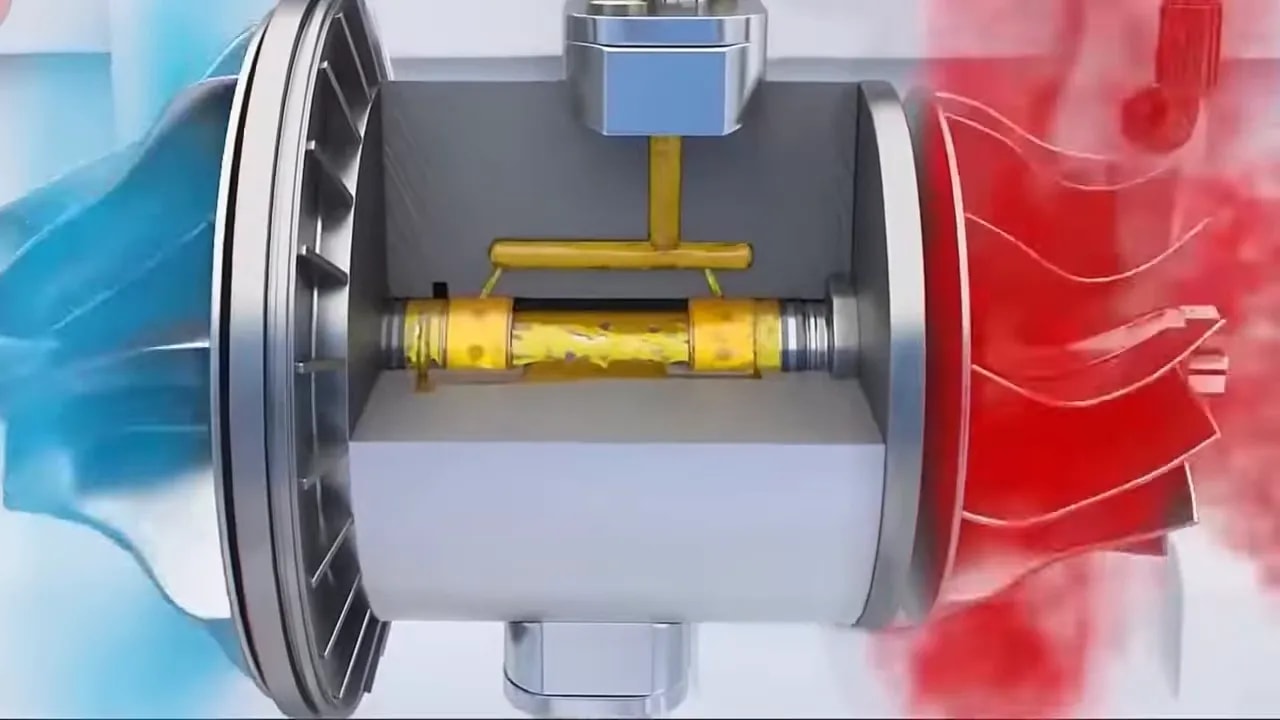
For additional mechanical background, Garrett’s explanation of how a turbocharger works shows why the compressor, turbine, and central rotating assembly must function together.
Cold starts: allow circulation, then drive gently
After an engine has been standing, oil needs to circulate when it starts. Immediately revving a cold diesel or asking it to deliver substantial power places demand on components before warm-up is complete.
A conservative startup routine uses roughly 45 to 60 seconds of idle without touching the accelerator, followed by gentle driving for the first five to ten minutes. However, the exact idle period should follow your vehicle’s instructions. It is not a mandatory rule for every modern diesel.
The broadly useful habit is to avoid immediate hard acceleration and high engine speeds while the engine warms. Do not turn a brief stabilization period into unnecessary prolonged idling.
- Start the engine according to the vehicle’s instructions.
- Avoid pressing the accelerator merely to raise engine speed.
- Allow any specified stabilization period.
- Drive with gentle throttle inputs during warm-up.
- Delay demanding acceleration until the engine has warmed appropriately.
Hot shutdowns: account for the load before parking
After sustained high-load driving, the turbocharger retains considerable heat. Switching off the engine stops engine-driven oil circulation, while heat remains in the turbo assembly.
That residual heat can bake oil into carbon deposits, a process often called oil coking. Deposits can restrict future oil flow and contribute to bearing wear.
A conservative approach allows two to three minutes of idle after hard use so oil can continue circulating as temperatures fall. As with startup, the appropriate procedure depends on the vehicle. Check the manufacturer’s shutdown guidance rather than applying the same timer after every journey.
The distinction is recent load: a gentle trip and a stop immediately after demanding driving are not equivalent. Build your shutdown habit around the conditions the engine has just experienced.
Some vehicles or installations use turbo timers to automate delayed shutdown. Such a device does not replace correct oil servicing or the engine’s operating instructions.
Common Diesel Maintenance Mistakes to Avoid
- Assuming low mileage means easy use. Frequent cold starts and short journeys can make oil-service conditions demanding.
- Servicing the fuel filter only after symptoms appear. Filtration is intended to protect components before contamination causes trouble.
- Checking coolant level but ignoring the rest of the system. The thermostat and pressure cap also affect temperature control.
- Revving a cold engine to hurry warm-up. Gentle operation is the more useful protective habit.
- Ignoring shutdown conditions after hard use. Recent engine load should inform the cooldown procedure.
- Treating general intervals as manufacturer requirements. A maintenance reference is not an engine-specific service instruction.
- Expecting premium oil or additives to compensate for neglect. Products cannot replace consistent servicing and appropriate operation.
Turn the Routine Into a Plan Before Your Next Service
The most useful next step is to compare your service history with the requirements for your diesel and its actual use.
- Confirm the next oil service and whether your driving calls for a more demanding-use schedule.
- Check when the fuel filter was last replaced and whether water-separator maintenance is required.
- Review coolant service history and include the thermostat and pressure cap in the discussion.
- Read the manufacturer’s cold-start and post-load shutdown instructions.
- Record the resulting intervals so preventive work does not depend on memory.
Long diesel engine life is better approached as a system than as a single secret. Clean oil, clean fuel, reliable cooling, and sensible operating habits reinforce one another. Consistency is what makes that system useful.