Affiliate disclosure: This roundup is reader-supported. When you click through Amazon links, we may earn a referral commission on qualifying purchases at no extra cost to you.
Choosing the right 80 Amp EV charger matters because it changes how quickly and reliably you can charge at home, work, or a shared parking location. Higher-amperage Level 2 charging can cut charging time, support larger EV batteries, and make multi-vehicle charging easier when your electrical system can handle it.
This guide helps you compare durable hardware, smart controls, cable flexibility, and installation trade-offs so you can pick the charger that fits your vehicle, panel capacity, and daily charging routine.
Quick Verdict
Choose the Enphase CS-100 if load management, commercial-grade control, and energy-system integration matter most. Choose the Autel MaxiCharger if you want app-based scheduling, monitoring, and a longer warranty. Choose the PRIMECOM 22kW if cable-length flexibility and straightforward high-output charging are your top priorities.
Top Picks
|
Category |
Product |
Best For |
|---|---|---|
|
🏆 Best Energy Management |
Homes, fleets, and sites that need load control |
|
|
🚀 Best Smart Features |
Drivers who want app control and scheduling |
|
|
🎯 Best Cord Flexibility |
Garages and lots with tricky parking layouts |
Before You Buy an 80 Amp EV Charger
Safety note: Most 80A Level 2 chargers are hardwired and should be installed by a licensed electrician. Before ordering, confirm your EV’s onboard AC charging limit, available panel capacity, local permit rules, breaker requirements, wire sizing, and whether your utility offers off-peak charging rates.
- Vehicle limit: Your EV only charges as fast as its onboard AC charger allows.
- Electrical capacity: A high-output charger can require a major panel or service review.
- Connector fit: J1772 works with many North American EVs, while some Tesla or J3400/NACS vehicles may need an adapter.
- Location: Check cable length, wall position, weather exposure, and parking direction before installation.
Selection Criteria
You need chargers that balance high output with safety, reliability, and real-world convenience. We prioritized 80A-capable Level 2 units, hardwired installation, listed safety certifications where stated, and features that make daily charging easier.
We also looked for smart controls and energy-management options that help you schedule sessions, monitor usage, or coordinate multiple chargers. Build quality, weather rating, cable length, connector type, warranty, and support were weighed next because these details affect installation cost and long-term ownership.
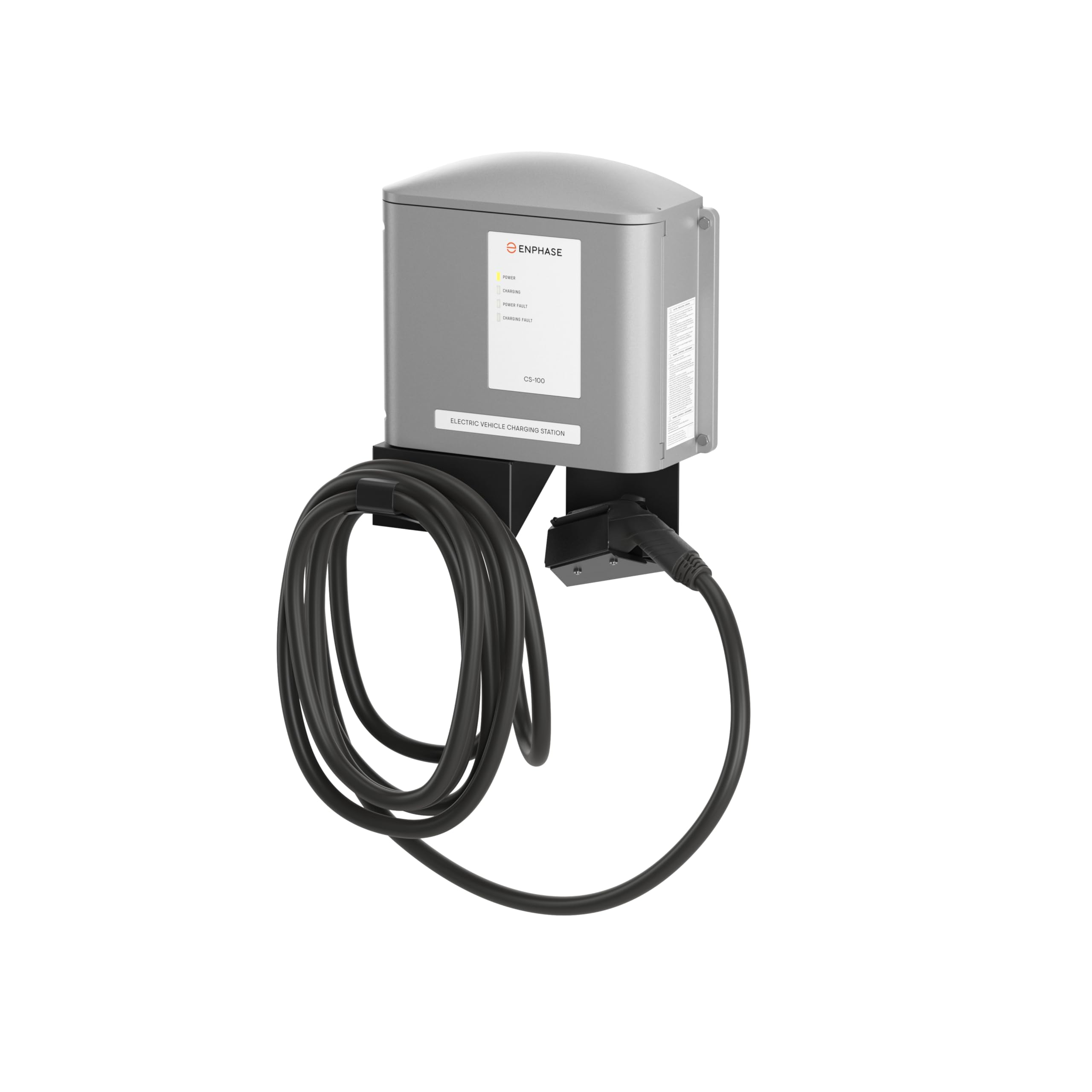
You get a serious home or commercial charger with the CS-100. It is built for up to 80A charging, so it can shorten charging sessions when your EV and electrical setup support that output. The NEMA 3R housing and 25 ft cable help with indoor or sheltered outdoor placement, while COSMOS energy management adds load sharing, digital load control, and access management for more advanced setups.
This charger makes the most sense if you want a permanent EVSE that can support a single high-power vehicle now and a more complex charging setup later. It is not the simplest choice for renters or buyers who only need basic overnight charging.
Why You’ll Like It
The CS-100 solves the biggest problem with high-amperage charging: managing power safely and predictably. If your garage, workplace, or small fleet needs better control over when and how vehicles charge, the energy-management features can be more valuable than raw charging speed alone.
Who Should Buy This
- Homeowners planning a long-term hardwired charger installation
- Small businesses or shared garages that need access and load control
- Drivers who want the fastest AC charging their vehicle can accept
Who Should Avoid This
- Renters who need a portable plug-in charger
- Drivers whose EV cannot accept high AC charging rates
- Homes without enough panel capacity for a high-output charger
What People Say
People commonly note that the CS-100 charges compatible vehicles quickly and appreciate the sturdy enclosure and long cable. Many mention the energy management features as useful for multi-car homes or commercial setups, and installers often value a clean, permanent hardwired design.
A few users point out that professional installation is important and that the unit’s smart features work best with proper system setup.
Overall Sentiment: Positive

|
Pros |
Cons |
|---|---|
|
✅ Rated for up to 80A / 19.2 kW Level 2 charging |
❌ Hardwired single-port design limits portability |
|
✅ COSMOS energy management for load sharing and integration |
❌ Requires professional installation and sufficient panel capacity |
|
✅ NEMA 3R housing and 25 ft rugged cable |
❌ Advanced integration may require extra setup or system knowledge |
|
✅ J1772 connector supports broad Level 2 compatibility |
|
|
✅ Listed safety certifications and 3-year warranty |
Ease of Use
|
Feature |
Ease Level |
|---|---|
|
Installation |
Moderate |
|
Setup & Integration |
Moderate |
|
Daily Plugging |
Easy |
|
Cable Handling |
Easy |
Versatility
You can use the CS-100 at home, in a shared garage, or in light commercial settings thanks to its robust build and energy-management features. Its single J1772 port covers many North American EVs, and the long cable improves placement flexibility.
The main limitation is that it is hardwired and designed for a permanent install, so it is less suited to renters or situations where you need a portable, plug-and-play solution.
Key Benefits
- High-output 80A charging for shorter sessions when vehicle and wiring support it
- Advanced COSMOS load management and integration options
- NEMA 3R build with a long 25 ft cable
- J1772 connector compatible with many North American EVs
- Listed safety certifications and a 3-year manufacturer warranty
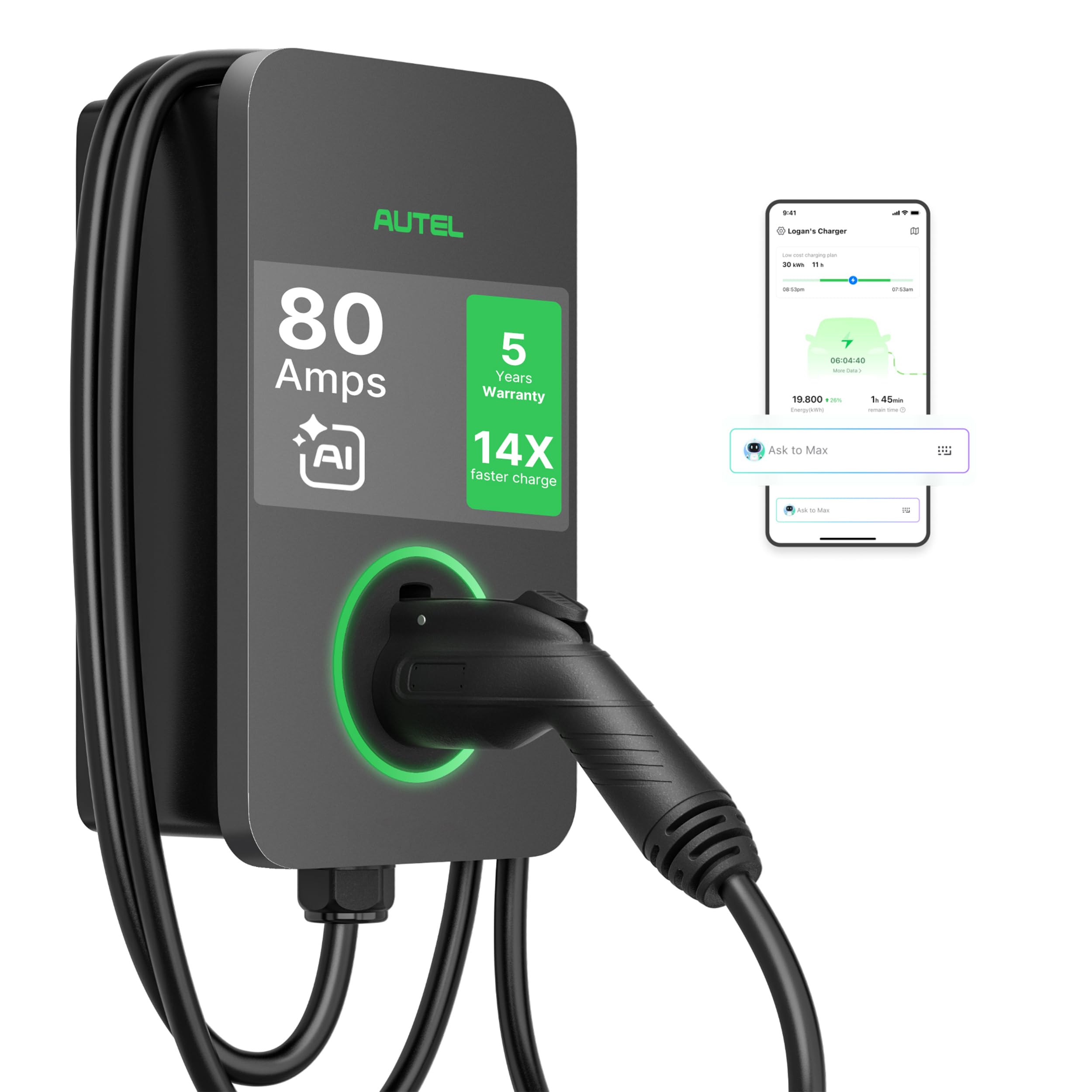
If you want faster home charging and smart controls, this Autel unit is built around that use case. It delivers up to 80A power when properly installed, and the cloud-connected app features make scheduling and monitoring easier for daily charging.
The housing feels more commercial-grade than many basic consumer chargers, so it fits regular use in a home garage, small office, or workplace setting. Plan for a hardwired installation by a licensed electrician so the charger, breaker, wiring, and panel capacity are matched correctly.
Why You’ll Like It
The Autel MaxiCharger is the most appealing choice here if you want high output without giving up smart convenience. Scheduling can help you charge during off-peak utility hours, while monitoring helps you see charging activity without checking the unit in person.
Who Should Buy This
- Drivers who want app-based charging control
- Homeowners who value a longer warranty
- Small workplaces that need a polished hardwired charger
Who Should Avoid This
- Buyers who prefer a simple non-networked charger
- Renters who cannot install a hardwired EVSE
- Drivers who do not need 80A charging capacity
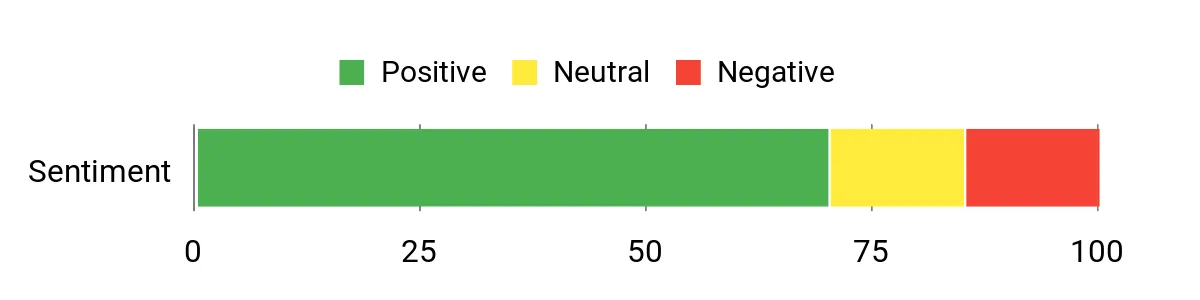
What People Say
You’ll see many comments about faster charging and solid build quality, and customers often praise the app for setup and scheduling. Installers also tend to appreciate hardwired units with organized internal layouts.
A smaller group reports occasional reliability or support hassles, so it is smart to confirm warranty coverage, installer requirements, and support options before buying.
Overall Sentiment: Positive
|
Pros |
Cons |
|---|---|
|
✅ Rated for up to 80A charging for quicker top-ups |
❌ Hardwired design requires professional installation |
|
✅ Useful cloud app features for scheduling and monitoring |
❌ Some users report intermittent support or reliability issues |
|
✅ Robust build suited for regular use |
❌ Single port limits simultaneous vehicle charging |
|
✅ J1772 compatibility and indoor/outdoor capability |
|
|
✅ Longer warranty than many basic chargers |
Ease Of Use
|
Feature |
Ease Level |
|---|---|
|
Installation |
Moderate |
|
App Setup |
Easy |
|
Daily Plugging |
Easy |
|
Maintenance |
Moderate |
Versatility
You can rely on this charger for home garages, small offices, or light commercial spots where a permanent, high-power unit is needed. It is not portable, so it is less suited to renters or situations where you need to move the charger between locations.
Key Benefits
- Up to 80A output for faster charging sessions when supported
- Cloud-connected features for scheduling and monitoring
- Sturdy, commercial-style build suited for regular use
- J1772 connector for broad North American Level 2 compatibility
- Five-year warranty backing
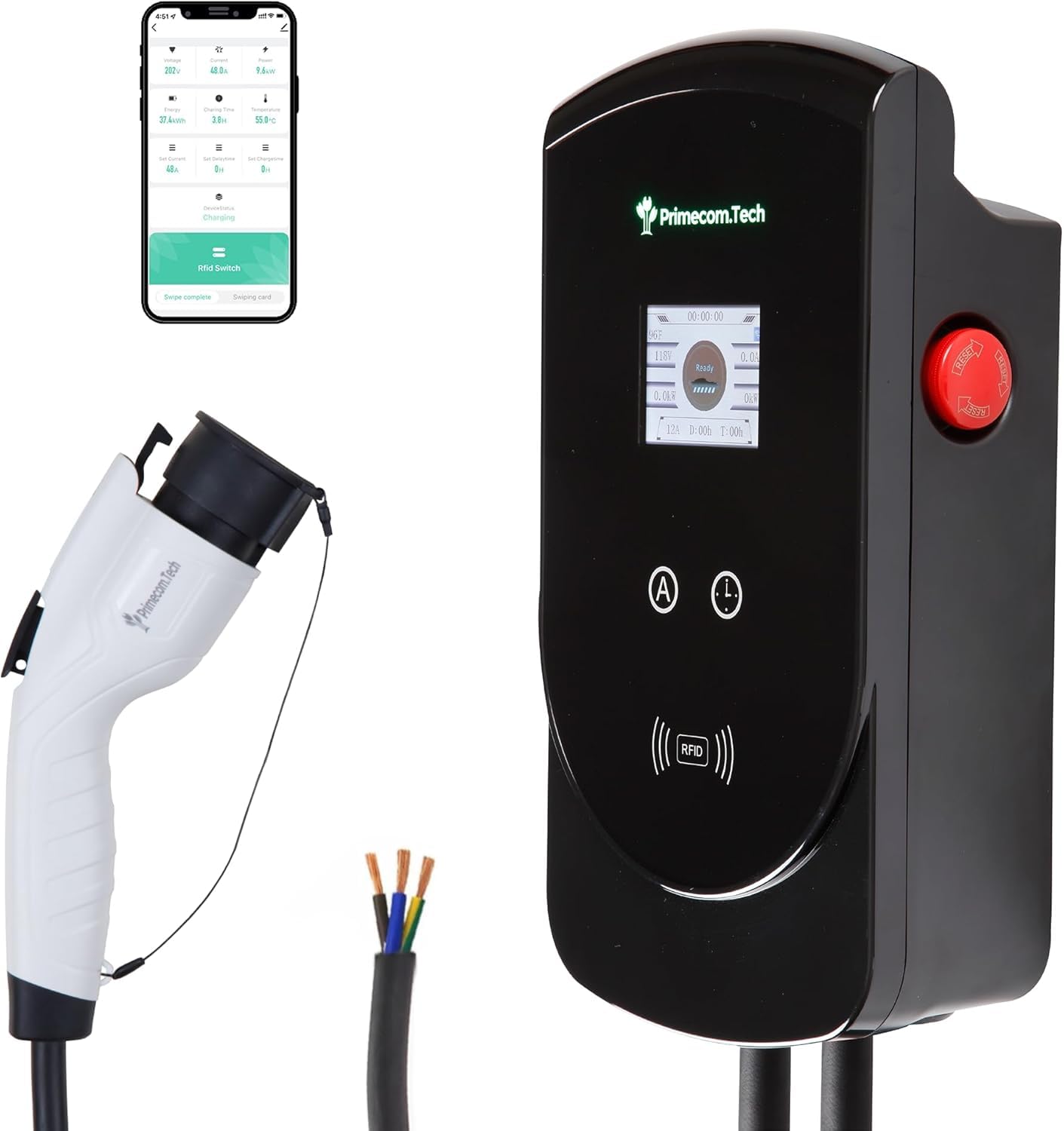
This PRIMECOM unit gives you up to 80A charging in a compact package with multiple cord length options, so you can place the charger around the realities of your garage, driveway, or small fleet lot. That flexibility matters if the charge port changes from vehicle to vehicle or your parking space is not right beside the electrical panel.
The unit’s straightforward controls and sturdy cable make daily use simple, and the single-port hardwired design keeps it focused on dependable permanent installation. If you want a practical fast charger that adapts to different parking layouts, this is a strong option to compare.
Why You’ll Like It
The biggest advantage is placement flexibility. A longer cord can prevent awkward parking, reduce the need to back in every night, and make one charger easier to use across different EVs.
Who Should Buy This
- Drivers who need more cable reach than a standard charger offers
- Small fleet or work-truck owners with changing parking positions
- Buyers who want a simple high-output charger without complex app features
Who Should Avoid This
- Buyers who want the longest warranty in this roundup
- Drivers who need advanced load-management features
- Renters or anyone who cannot install a hardwired charger
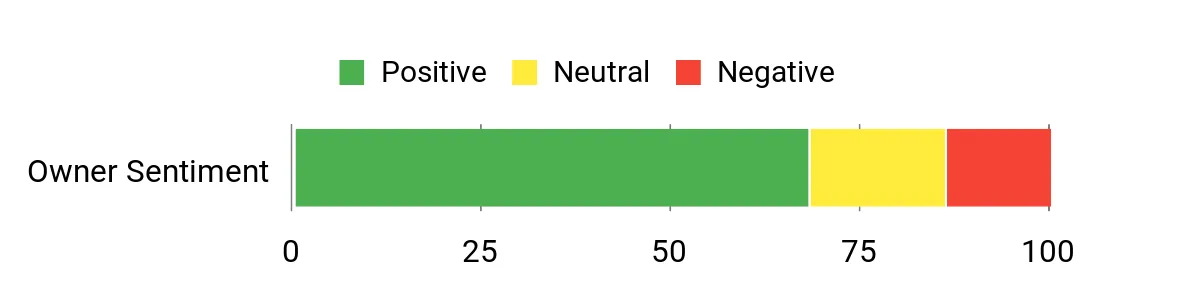
What People Say
You’ll hear that the charger delivers fast charging for compatible vehicles and that the variety of cord lengths is useful for different parking setups. Many customers appreciate the sturdy cable and straightforward operation, while businesses buying multiple units may value consistent placement options.
A minority mention support or durability concerns, so plan for professional installation and routine visual checks of the cable, connector, and mounting area.
Overall Sentiment: Positive
|
Pros |
Cons |
|---|---|
|
✅ Rated for up to 80A charging, depending on installation |
❌ Single hardwired port limits portability |
|
✅ Choice of cord lengths improves installation flexibility |
❌ One-year warranty is shorter than some competitors |
|
✅ Simple design for daily home or fleet charging |
❌ Occasional reports of reliability or support issues |
|
✅ Works for home, fleet, and light commercial needs |
|
|
✅ ETL certification listed in product information |
Ease Of Use
|
Feature |
Ease Level |
|---|---|
|
Installation |
Moderate |
|
Daily Plugging |
Easy |
|
Cord Management |
Easy |
|
Monitoring |
Moderate |
Versatility
This charger works well in single-home garages, small commercial lots, and delivery fleet depots thanks to its hardwired reliability and cord length options. It is less suited to renters or anyone needing a portable plug-and-play solution.
Key Benefits
- Up to 80A output for faster top-ups when vehicle and wiring support it
- Multiple cord lengths for flexible placement
- J1772 connector compatible with many North American EVs
- Simple, robust design suited for fleet or home use
- ETL certification listed and basic monitoring features
How to Choose the Best 80 Amp EV Charger
Match the Charger to Your EV
Start with your owner’s manual. Some EVs cannot use the full output of an 80A Level 2 charger, so buying more amperage than your vehicle accepts may not shorten charging time. It can still make sense for future vehicles, shared chargers, or fleet use.
Check Panel Capacity Before You Order
A high-output charger can require more electrical capacity than a standard home setup has available. Ask an electrician to review service size, existing loads, breaker space, wire run length, and local code requirements before you choose a final model.
Decide How Much Smart Control You Need
Smart scheduling and monitoring help if you want to charge during off-peak hours or track energy use. Load management matters more if you have multiple EVs, solar, limited panel capacity, or a commercial setup.
Think About Cable Reach
Cable length affects daily convenience. A longer cable can help if you park outside, share the charger between vehicles, or have charge ports on different sides of different EVs. Avoid stretching the cable across walkways where it can become a trip hazard.
FAQ
Do I Need an 80A Charger?
An 80A charger gives you much faster AC charging only if your EV’s onboard charger can accept that input and your electrical system can safely support the load. If your EV has a lower AC charging limit, you may not see the full benefit.
The J1772 connector works with many North American EVs, and some Tesla or J3400/NACS vehicles can use compatible adapters. Always check your owner’s manual and charger documentation before buying.
What Electrical Work Is Required?
Most 80A chargers are hardwired and need a dedicated 240V circuit plus enough panel capacity for a continuous high-current load. Installers commonly evaluate service capacity, run appropriately sized wiring, and fit a breaker according to local code. Hire a licensed electrician who can handle permits and code-compliant installation.
How Do Smart Features And Load Management Help?
Smart features let you schedule charging, monitor usage, and coordinate multiple chargers. Functions like load sharing, timed charging, and solar or building-system integration can reduce peak demand and make multi-vehicle charging easier, but they work best when configured properly during installation.
Is J1772 Still a Good Connector Choice?
J1772 remains widely used for Level 2 AC charging, but the North American market is also moving toward J3400/NACS on many newer vehicles. If your vehicle uses NACS, check whether the charger includes or supports a safe adapter before you buy.
Can I Install an 80 Amp EV Charger Myself?
For most buyers, no. A hardwired 80A EV charger involves high current, dedicated wiring, breaker sizing, grounding, permits, and code requirements. A licensed electrician is the safer choice and may be required by local rules or warranty terms.
Wrapping Up
If you want the most advanced load management and a rugged, commercial-grade enclosure, the Enphase CS-100 is the pick that best supports a future-proof home or commercial install. If you care most about a polished app experience, cloud features, and a strong warranty, the Autel MaxiCharger gives you smart controls and reliable high-output charging. If cord length options and straightforward fast charging are your priority, the PRIMECOM 22kW unit offers flexible cable choices and practical charging speed.
Before you buy, confirm your EV’s maximum AC charging rate, your panel capacity, your local code requirements, and your preferred installation location. The best 80 Amp EV charger is the one that your vehicle, wiring, and daily routine can actually use safely.
| 80 Amp Hardwired EV Charger – Enphase CS 100 | Autel MaxiCharger Level 2 Electric Vehicle Charger | PRIMECOM 80 Amp 20X Faster EV Charger | |
|---|---|---|---|
 |
 |
 |
|
| Charging Power | Up to 80 Amps (19.2 kW) | Up to 80 Amps | Up to 80 Amps; manufacturer-listed 22 kW |
| Dimensions (D x W x H) | 11.4″D x 17″W x 21″H | 16″D x 5″W x 7″H | 12″D x 4″W x 8″H |
| Warranty | 3 Year Limited Manufacturer Warranty | 5 Year Limited Warranty | 1 Year Warranty |
| Best For | Load management and commercial-style installs | Smart scheduling and app monitoring | Cable-length flexibility |
| Check Price on Amazon | Check Price on Amazon | Check Price on Amazon |