
You want a home EV charger that fits your plug-in hybrid, your electrical setup, and your daily routine without overpaying for power or smart features you may never use. The right charger can make daily top-ups easier, reduce gasoline use on short trips, and give you a more reliable charging setup than relying only on a basic portable cord.
This guide compares practical Level 1 and Level 2 chargers for PHEV owners, including faster wall-mounted options, portable backup chargers, smart WiFi models, and simple plug-and-play units. Before you buy, check your vehicle’s onboard charging limit, connector type, outlet, breaker size, and whether installation requires a licensed electrician.
This roundup is reader-supported. When you click through links, we may earn a referral commission on qualifying purchases.
Quick Verdict
If you want the best balance of charging speed, cable length, smart features, and home-use value, the EVIQO 40A is the strongest all-around pick. Choose the Emporia 48A if you want higher charging capacity and your electrical setup can support it. Pick the Lectron 15A, bokman 16A, Raylix Portable, or EVDANCE 16A if you mainly need a portable overnight charger or backup option for a plug-in hybrid.
Top Picks
|
Category |
Product |
Best For |
Score |
|---|---|---|---|
|
🏆 Best Overall |
Most PHEV owners wanting speed and smart controls |
95/100 |
|
|
⚡ Fastest Charging |
Higher-capacity home installs |
94/100 |
|
|
🔰 Most Durable |
Simple rugged charging |
90/100 |
|
|
💰 Best Value |
Everyday Level 2 charging |
88/100 |
|
|
🔌 Best Plug-and-Play |
NEMA 14-50 garage setups |
86/100 |
|
|
🎯 Best For PHEVs |
Smaller plug-in hybrid batteries |
85/100 |
|
|
🚀 Best On-Unit Controls |
No-app scheduling |
83/100 |
|
|
🌙 Best Overnight/Backup |
Standard 120V outlets |
78/100 |
|
|
🔧 Most Adjustable |
Flexible current control |
80/100 |
How We Picked These Chargers
You need a charger that matches your car, home electrical setup, and daily routine. We focused on compatibility with J1772 plug standards, since many non-Tesla plug-in hybrids and EVs in North America use J1772 for AC Level 1 and Level 2 charging. We also compared amperage, voltage support, cable length, plug type, portability, weather resistance, smart features, and safety listings shown in the product information.
Charging speed depends on more than the charger’s maximum output. Your vehicle’s onboard charger, battery size, state of charge, outlet, wiring, and breaker all matter. For many PHEVs, a lower-amp portable charger may be enough for overnight top-ups, while 32A, 40A, or 48A units make more sense if you want faster charging, have multiple plug-in vehicles, or plan to keep the charger for a future full EV.
Before You Buy
- Check your vehicle: confirm whether your PHEV uses J1772, J3400/NACS with an adapter, or another connector.
- Check onboard charging limits: a 40A or 48A charger will not charge faster than your vehicle can accept.
- Check your circuit: verify outlet type, breaker size, wiring, and whether a dedicated circuit is required.
- Plan installation safely: use a licensed electrician for new 240V outlets, panel upgrades, and hardwired installs.
- Match the cable to your parking: measure from the outlet or wall mount to the vehicle charge port before buying.
- Verify current certifications: check the live Amazon listing and product label for UL, ETL, Energy Star, or other safety listings before installation.
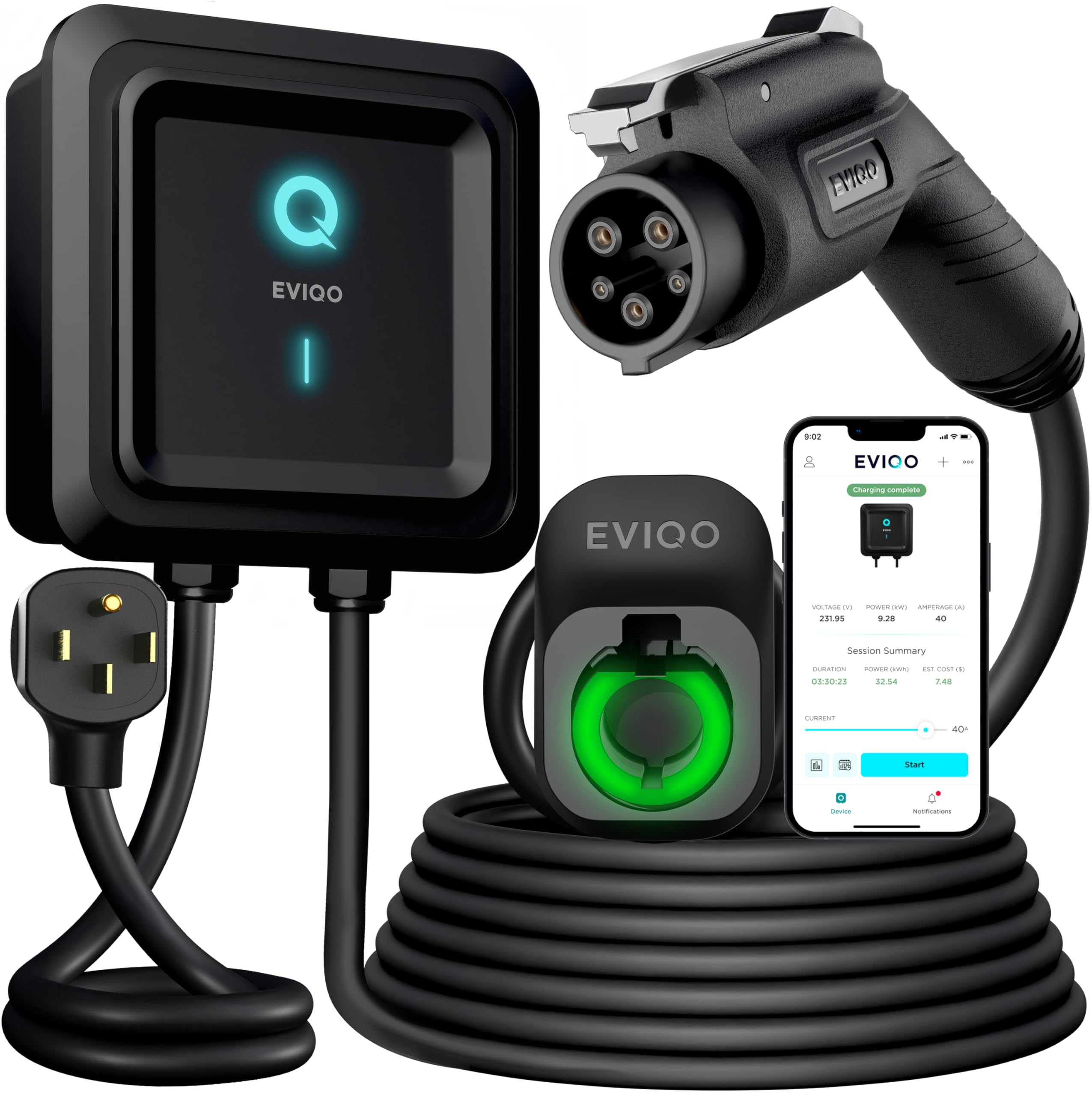
This is a strong Level 2 home charger for plug-in hybrid owners who want faster, more predictable top-ups than a standard 120V cord. You get 240V, 40 amps, a 25 foot cable, WiFi controls, and a NEMA 14-50 plug configuration, making it a good fit for a garage or driveway setup when your circuit supports it.
If you commute daily, want off-peak charging schedules, or plan to keep one charger for a future full EV, the EVIQO 40A gives you more room to grow than a basic 16A portable cord. Just remember that your PHEV will only charge as fast as its onboard charger allows.
Why You’ll Like It
The big advantage is convenience. You can schedule charging from the app, reach vehicles parked in different positions with the long cable, and use the higher Level 2 output when your electrical setup is ready for it.
Who Should Buy This
Choose this if you want one reliable home charger for daily electric miles, overnight top-ups, and occasional faster refills before longer drives.
Who Should Avoid This
Skip it if you only drive a few electric miles per day, do not have access to a suitable 240V circuit, or want the lowest-cost portable backup cord.
Buyer Feedback Themes
Buyers often value reliable Level 2 charging, the sturdy cable feel, and app-based scheduling. Some smart chargers may take extra patience during initial WiFi setup, so confirm app compatibility and setup steps before relying on remote controls.
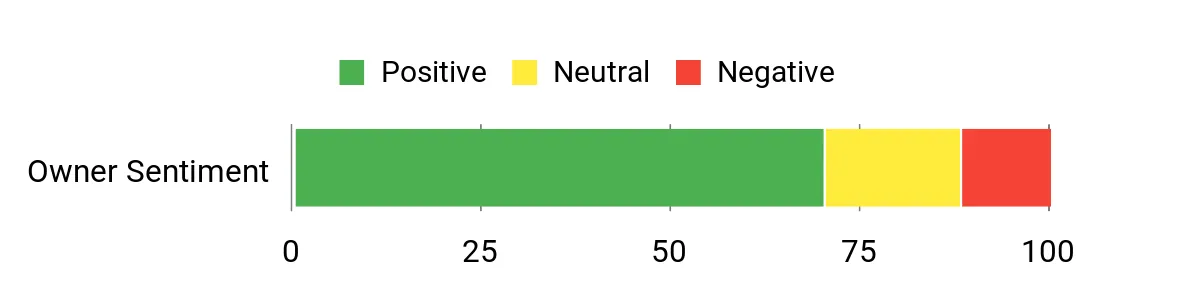
Overall Sentiment: Positive

Energy Efficiency
The 9.6kW, 40A output can shorten charging time compared with Level 1 charging when your vehicle and circuit can use that power. App scheduling can also help you charge during off-peak hours if your utility offers time-of-use rates.
Eco Friendliness
By making home charging easier, this unit can help you use more electric miles from your plug-in hybrid and reduce gasoline use on short daily trips. It can also fit into a future home solar or battery setup if you expand your energy system later.
Key Benefits
- 40A, 9.6kW Level 2 output for quicker home top-ups
- WiFi app for scheduling and session monitoring
- 25 ft cable gives flexible parking options
- Weatherproof design for indoor or outdoor use
- Product listing notes UL & ETL certification
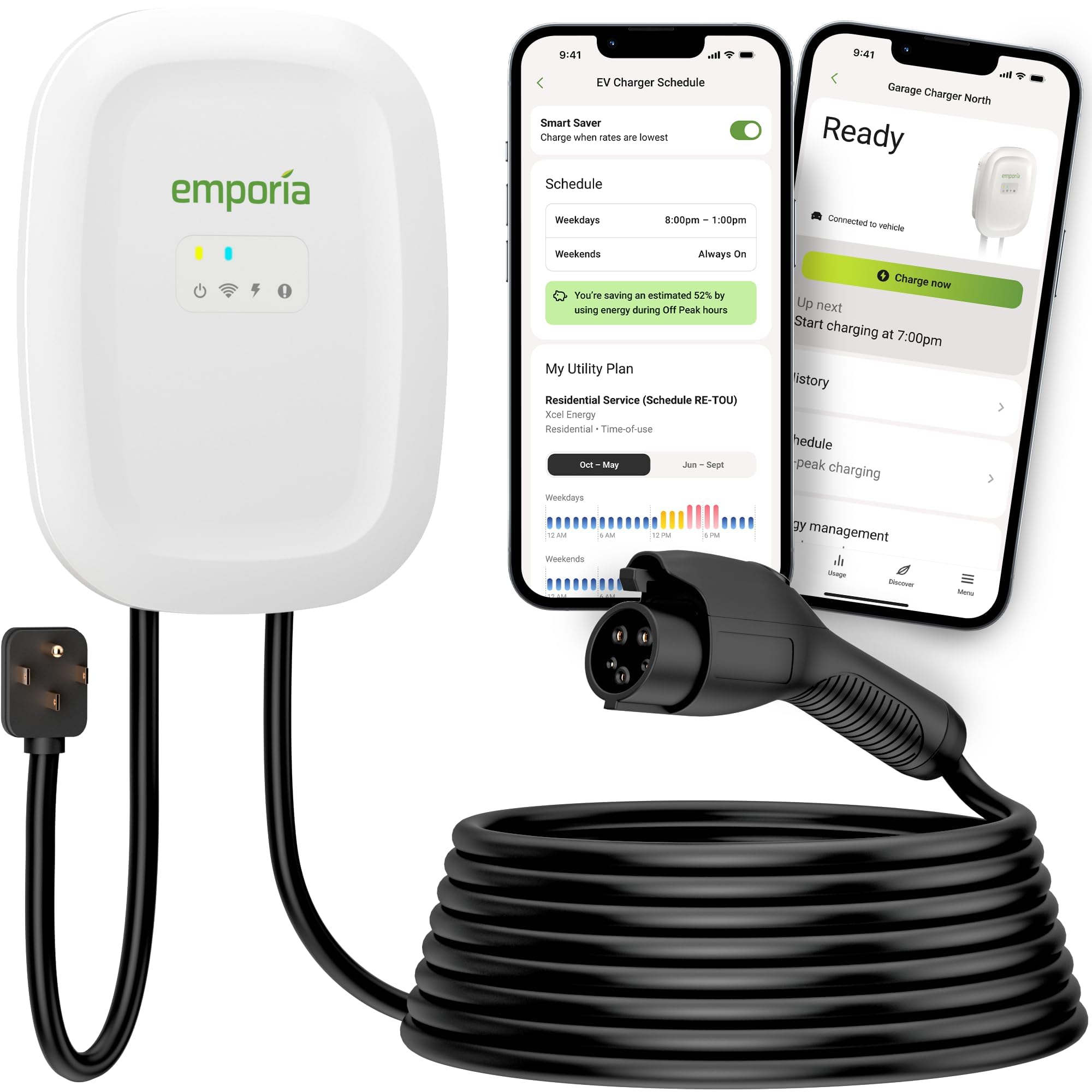
The Emporia 48A is the high-output option in this roundup. It is a good choice if you want a charger that can serve a plug-in hybrid today and still make sense for a future full EV with a larger battery. The 25 foot cable helps with garage or driveway parking, and WiFi scheduling can make charging easier to manage.
For PHEV owners, the main question is whether you actually need this much capacity. Many plug-in hybrids cannot use the full output of a 48A charger, so this pick makes the most sense when you want future-proofing or have more than one plug-in vehicle at home.
Why You’ll Like It
It gives you a powerful Level 2 setup with smart monitoring, scheduling, and a long cable. It is especially appealing if you track energy use or want to align charging with off-peak utility rates.
Who Should Buy This
Choose this if your electrical setup can support higher amperage and you want a charger that will still feel useful if you later move from a PHEV to a larger battery EV.
Who Should Avoid This
Skip it if you only need simple overnight PHEV top-ups or if your panel cannot support the needed circuit. Confirm plug-in versus hardwired requirements with the listing and your electrician before buying.
Buyer Feedback Themes
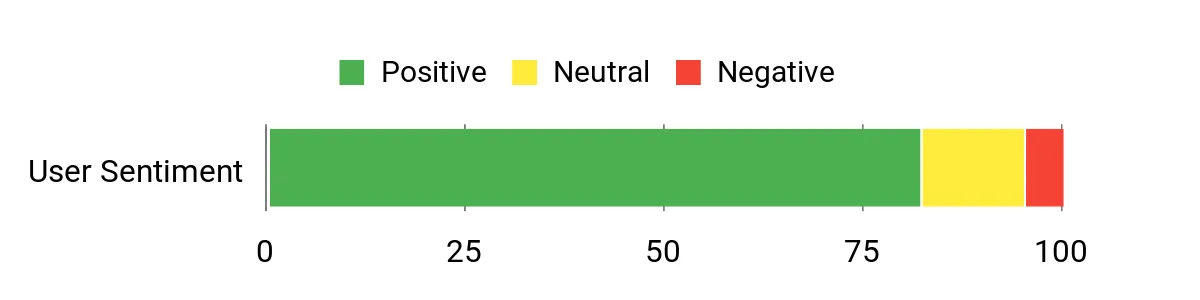
Owners commonly value faster charging, energy monitoring, scheduling, and the long cable. As with most smart chargers, app setup and WiFi reliability are worth checking before installation.
Overall Sentiment: Positive
Energy Efficiency
The 48A, 240V output can reduce charge time when the vehicle and circuit support it. Smart scheduling can help you use off-peak electricity, and Energy Star certification in the product title is a useful signal to verify on the current listing.
Eco Friendliness
A reliable home charger helps you keep the battery full and use more electric miles instead of gasoline. It can also pair well with a future solar or battery system if you want cleaner home charging.
Key Benefits
- Higher 48A output for capable vehicles and circuits
- Long 25 ft cable for flexible parking options
- WiFi monitoring and scheduling for smarter charging
- Energy Star certification noted in the product title
- Good future-proof option for full EV ownership
The Grizzl-E Classic is a no-nonsense Level 2 charger built around durability and simple operation. Its metal enclosure and indoor/outdoor design make it a strong choice if you want a charger that feels more like long-term electrical equipment than a connected gadget.
It is a practical fit for daily charging, overnight top-ups, and garage installs where you do not need WiFi scheduling or app-based monitoring. For many PHEV owners, that simplicity is the point.
Why You’ll Like It
You get a rugged build, 40A Level 2 capability, and fewer app-related complications. It is easy to recommend for buyers who care more about dependable charging than connected features.
Who Should Buy This
Choose this if you want a durable charger for regular home use and prefer a straightforward setup with fewer digital features.
Who Should Avoid This
Skip it if you want detailed energy tracking, remote app control, or built-in scheduling from your phone.
Buyer Feedback Themes
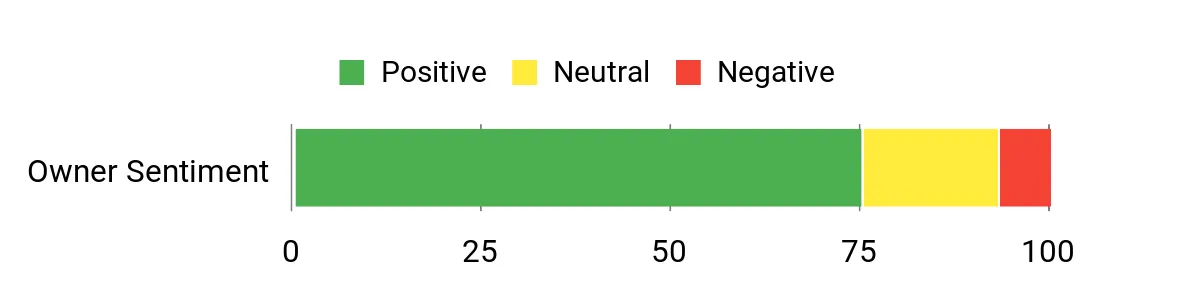
Buyers often highlight the solid build, simple setup, sturdy feel, and dependable charging. The main tradeoff is that it is less feature-rich than WiFi-enabled models.
Overall Sentiment: Positive
Energy Efficiency
Delivering up to 40 amps at 240 volts can shorten charge sessions compared with a standard outlet when your PHEV can accept the power. The simple design also keeps the focus on direct charging rather than extra connected features.
Eco Friendliness
Reliable home charging makes it easier to keep your plug-in hybrid ready for electric-only short trips, which can reduce gasoline use. It can also work as part of a cleaner home energy setup if you add solar or battery storage later.
Key Benefits
- Rugged metal enclosure for durability
- 40A, 240V charging for faster home top-ups
- Designed for indoor or outdoor installation
- Simple, low-maintenance operation
- NEMA 14-50 compatibility noted in the product title
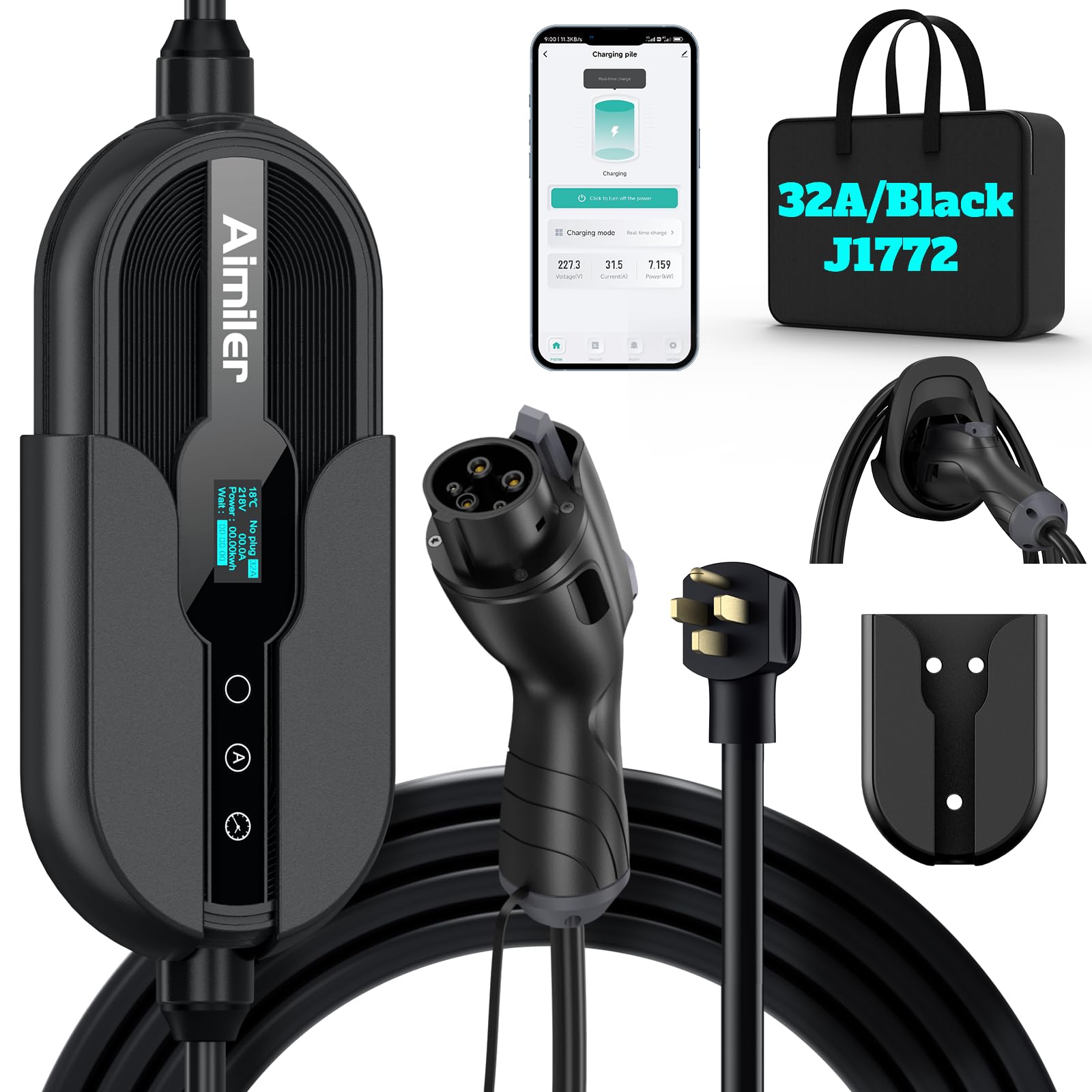
If you want a straightforward Level 2 charger that does not overcomplicate your garage, the AIMILER 32A is a practical pick. It plugs into a NEMA 14-50 outlet, includes a 25 foot cable, and adds WiFi scheduling and monitoring for everyday home charging.
The 32A output can be a sensible middle ground for PHEV owners who want faster charging than Level 1 but do not need the highest-power charger in the category.
Why You’ll Like It
It balances speed, cable reach, portability, and app features without pushing into the highest electrical capacity range.
Who Should Buy This
Choose this if you want a smart Level 2 charger for a PHEV, daily commute, or shared household charging setup.
Who Should Avoid This
Skip it if you want a very basic no-app charger or if you only have access to a standard 120V outlet.
Buyer Feedback Themes
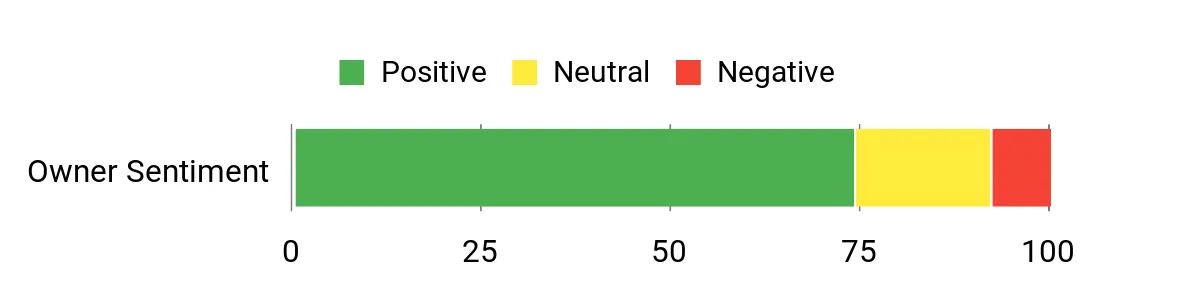
Buyers often like the plug-and-play design, long cable, and scheduling features. App or network pairing may take a little patience, so it is worth testing setup before depending on scheduled charging.
Overall Sentiment: Positive
Energy Efficiency
With 32 amps at 240 volts, this charger can reduce charging time compared with a standard 120V cord when your vehicle supports the added power. App scheduling can help you shift charging to lower-cost or lower-demand times.
Eco Friendliness
Charging more daily miles at home can reduce gasoline use, especially for short commutes and errands. It can also support cleaner home energy habits if paired with solar or battery storage later.
Key Benefits
- Convenient plug-and-play setup with NEMA 14-50
- 32A Level 2 output suits many home users
- 25 ft cable for flexible parking
- WiFi app for scheduling and monitoring
- ETL certification and 3-year warranty noted in source product information
The ELEGRP 40A gives you a noticeable step up from a standard 120V cord without locking you into a permanent hardwired station. With a 25 foot cable and NEMA 14-50 plug, it is a practical option if you already have the right outlet and want faster overnight top-ups.
It is best for buyers who value straightforward charging and portability more than advanced app features.
Why You’ll Like It
It keeps the setup simple: plug in, park within reach of the 25 foot cable, and use Level 2 charging when your home circuit supports it.
Who Should Buy This
Choose this if you have a properly installed NEMA 14-50 outlet and want a portable 40A charger for home use or backup charging.
Who Should Avoid This
Skip it if you need app scheduling, advanced energy tracking, or a hardwired permanent installation.
Buyer Feedback Themes
Buyers often value the long cable, plug-and-play setup, and reliable charging. If you want a permanent high-use setup, compare this against wall-mounted or hardwired alternatives.
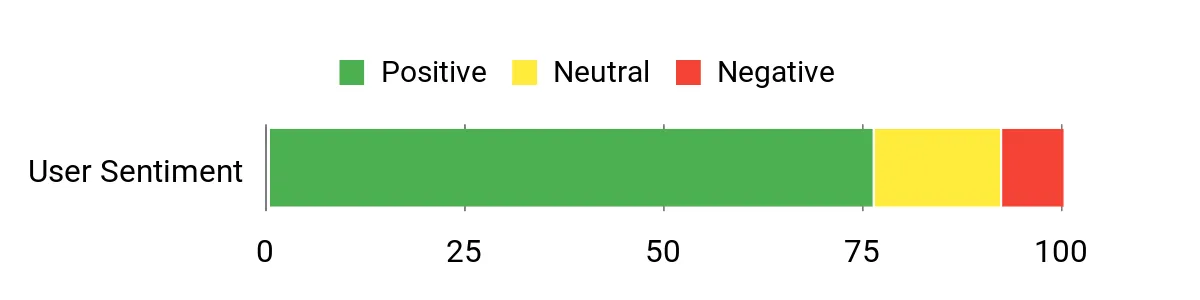
Overall Sentiment: Positive
Energy Efficiency
Delivering up to 40 amps at 240 volts can shorten charging time compared with Level 1 charging. For PHEV owners, this is most useful when your vehicle can accept the higher rate and you want shorter charge windows.
Eco Friendliness
Convenient home charging helps you rely more on electric driving for local trips and reduce gasoline use. It can also work with cleaner home energy sources later if you add solar or storage.
Key Benefits
- 40A, 240V output for quicker top-ups
- 25 ft cable for flexible parking
- Portable design for home or backup use
- NEMA 14-50 plug compatibility for easy setup
- ETL certification noted in the product title
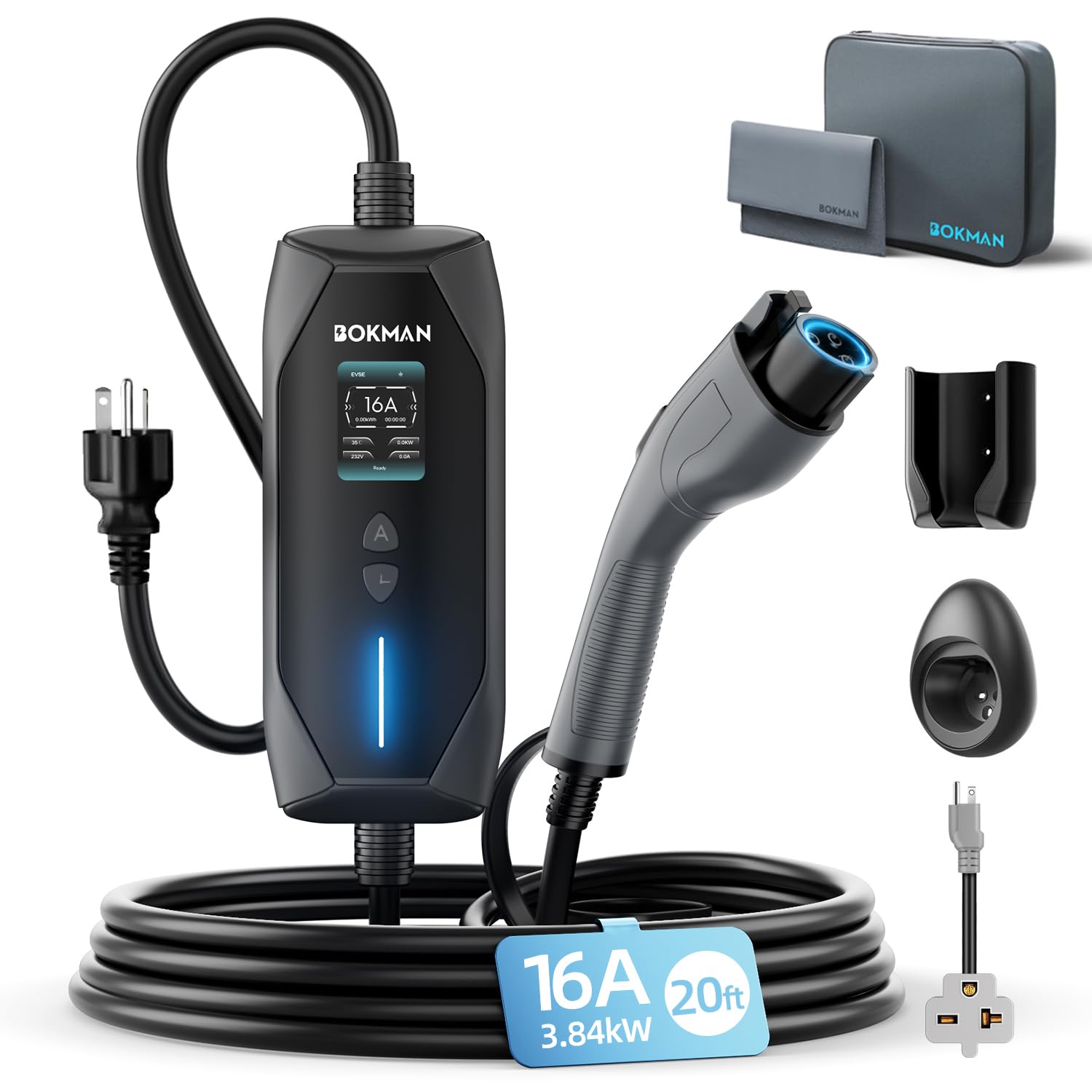
The bokman 16A is a practical PHEV-focused pick because it values flexibility over maximum power. You can use it as a daily top-up cord, portable backup, or travel charger when you have access to compatible outlets.
The adjustable 6–16A range is useful when you need to match the charger to the outlet and avoid overloading a circuit. The 20 foot cable and IP65 water resistance make it easier to use in garages, driveways, and occasional outdoor setups.
Why You’ll Like It
It covers both Level 1 and Level 2 needs in a portable package, which is often enough for smaller PHEV batteries and overnight charging routines.
Who Should Buy This
Choose this if you want one compact charger for home, backup, and travel use, especially if your plug-in hybrid does not need high-amperage charging.
Who Should Avoid This
Skip it if you need the fastest possible home charging or want a permanent wall-mounted station with WiFi monitoring.
Buyer Feedback Themes
Buyers often value the portability, adjustable current, physical controls, and simple charging indicator. Some setups may benefit from a longer cable or a heavier-duty wall station.
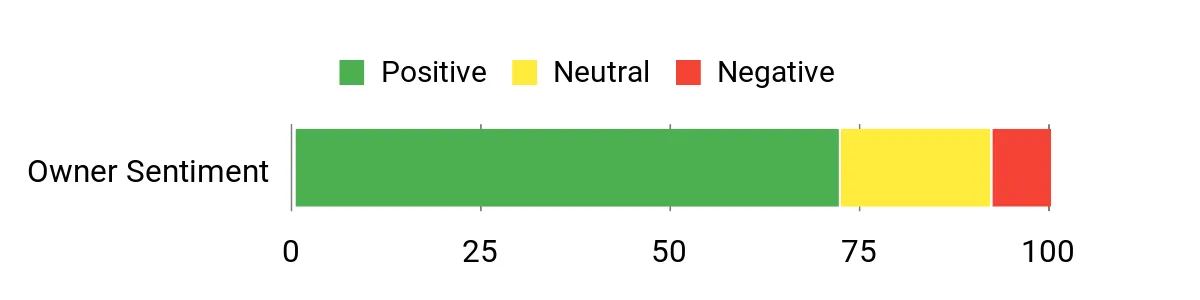
Overall Sentiment: Positive
Energy Efficiency
Using 240V at up to 16A can cut charging time compared with a basic 120V outlet, while adjustable current helps you match the draw to the circuit you are using.
Eco Friendliness
Because it makes home charging easier, you can use more electric miles for short trips and reduce gasoline use. It also gives you a simple path to use cleaner home energy if you add solar or battery storage later.
Key Benefits
- Portable for travel and backup charging
- Adjustable 6–16A output fits different outlets
- 20 ft cable for flexible parking
- Physical buttons and charging indicator for simple control
- IP65 water resistance noted in the product title
The Raylix Portable charger is built for flexible charging at home, at a friend’s house, or on the road. You can use a standard 110V outlet for slower overnight top-ups or switch to 240V when a compatible circuit is available.
The built-in display and timer are the key reasons to consider it. You can adjust charging without opening an app, which is useful if you want simple on-unit control or do not want another WiFi device in the garage.
Why You’ll Like It
It gives you adjustable current, a timer, and a portable design in one package. That makes it useful for PHEV owners who move between charging locations.
Who Should Buy This
Choose this if you want on-unit controls, delayed charging, and a portable Level 1/Level 2 option for overnight top-ups.
Who Should Avoid This
Skip it if you need high-amperage Level 2 charging or smart app reporting.
Buyer Feedback Themes
Buyers often value the onboard display, timer, adjustable current levels, and dependable backup use. It is better for flexible charging than for maximum charging speed.
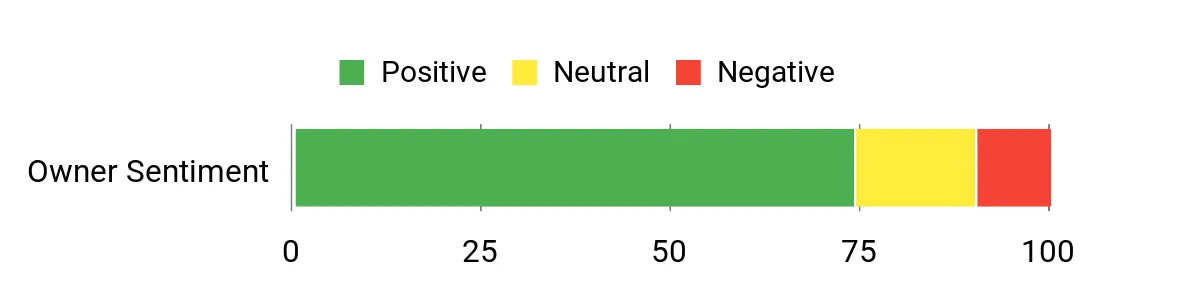
Overall Sentiment: Positive
Energy Efficiency
Using 240V at higher amperage reduces charge time compared with 110V, while the timer helps you shift sessions to more convenient charging windows. Adjustable current also helps match the charger to the circuit.
Eco Friendliness
Portable home charging helps you keep your PHEV battery ready for short electric trips, which can reduce gasoline use. It can also work with cleaner home power over time.
Key Benefits
- Works on both 110V and 240V outlets for flexibility
- Adjustable 8–16A output to match different circuits
- Built-in display and timer for on-unit scheduling
- 21 ft cable gives parking flexibility
- Portable and easy to move between locations
The Lectron 15A is the simplest option here. It plugs into a regular 120V outlet and is best for overnight fills, travel backup, or PHEV owners who do not want to install a 240V circuit.
It will not match Level 2 charging speed, but that may not matter if your plug-in hybrid has a smaller battery and sits parked overnight.
Why You’ll Like It
It is easy to carry, easy to plug in, and does not require special wiring when you already have access to a suitable household outlet.
Who Should Buy This
Choose this if you need a simple Level 1 charger for overnight PHEV charging or backup use.
Who Should Avoid This
Skip it if you want faster refills, shorter charge windows, or Level 2 performance.
Buyer Feedback Themes
Buyers often value the portability, simple setup, and ability to charge from a regular household outlet. The main limitation is slower charging compared with 240V Level 2 units.
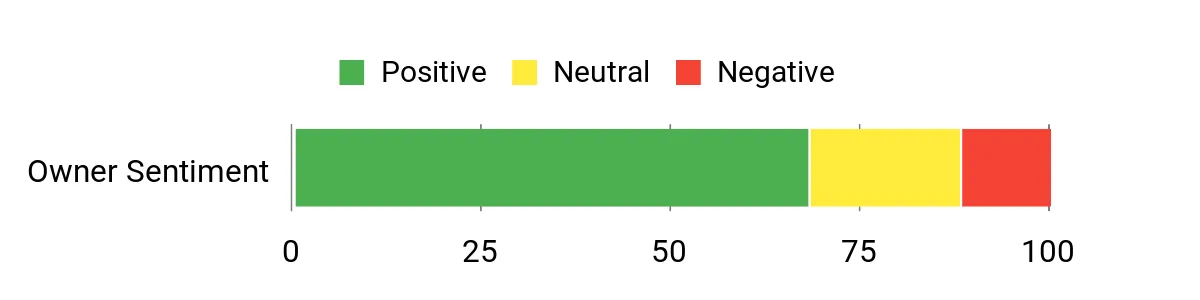
Overall Sentiment: Positive
Energy Efficiency
As a 120V, 15A unit, it is not designed for rapid fills. It works best when the vehicle can sit plugged in for a long overnight session.
Eco Friendliness
Even a slower charger can help you use more electric miles if you charge consistently at home. For many short daily trips in a PHEV, that can still reduce gasoline use.
Key Benefits
- Portable and lightweight for travel or backup use
- Plugs into standard 120V outlets for wide compatibility
- 16 ft extension cord for flexible parking
- ETL certification and short-circuit protection noted in source product information
- Simple plug-and-play operation with J1772 connector
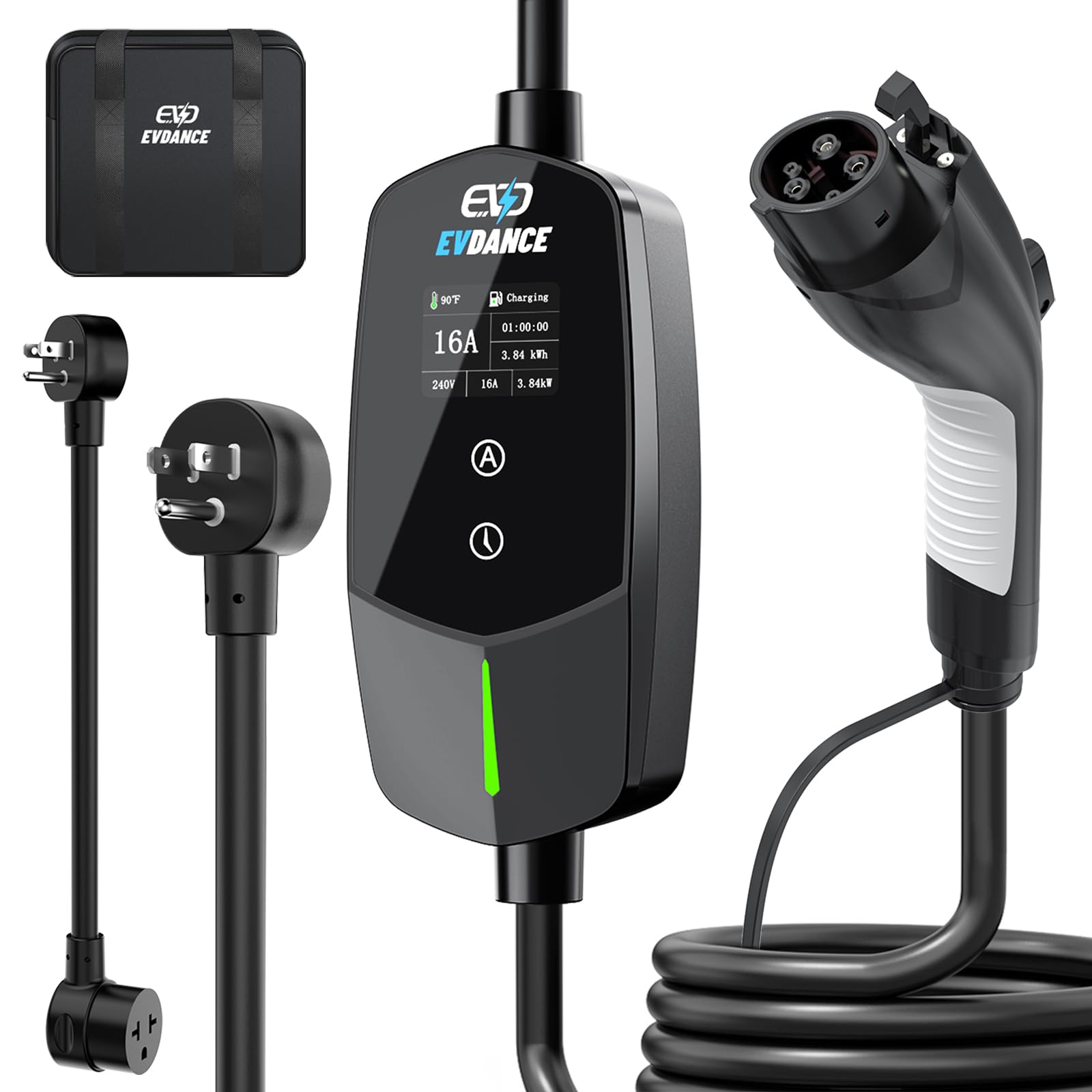
This EVDANCE 16A charger gives you real flexibility if you charge from different outlets. You can use 110V or 240V, adjust the output to match the circuit, set a delayed start on the LED screen, and use the 25 foot cable to reach your charge port more easily.
It is a strong fit for PHEV owners who usually charge overnight but want more control than a basic Level 1 cord provides.
Why You’ll Like It
The adjustable current and delayed start features help you tailor charging to your outlet and schedule without needing an app.
Who Should Buy This
Choose this if you want a portable Level 1/Level 2 charger with simple controls and a long cable.
Who Should Avoid This
Skip it if you need a high-output wall station, WiFi tracking, or a permanent hardwired charger.
Buyer Feedback Themes
Buyers often value the portability, on-unit controls, adjustable current, delayed start, and long cable. It is naturally slower than higher-amp Level 2 stations, but that can be acceptable for regular overnight PHEV charging.
Overall Sentiment: Positive
Energy Efficiency
Adjusting amperage to match the circuit and using the delayed-start function can help reduce unnecessary draw and shift charging to more convenient times.
Eco Friendliness
Making daily charging simpler encourages electric driving for short trips, which can reduce gasoline use. Its 240V compatibility also gives you room to improve charging convenience if your setup supports it.
Key Benefits
- Portable for travel and backup charging
- Works on 110V and 240V outlets for flexibility
- Adjustable current to match different circuits
- Built-in timer and LED display for on-unit scheduling
- 25 ft cable for convenient parking reach
How to Choose the Right PHEV Charger
Match the Charger to Your Vehicle
Most non-Tesla plug-in hybrids use a J1772 connector for AC charging, but you should still confirm your exact model before buying. Also check your vehicle’s onboard charger limit. If your PHEV can only accept a lower Level 2 rate, a 40A or 48A charger may not make that vehicle charge faster, though it can still be useful for future vehicles.
Choose Level 1 If You Mostly Charge Overnight
Level 1 charging from a standard 120V outlet is slower, but it can work well for PHEVs with smaller batteries and predictable overnight parking. The Lectron 15A is the simplest pick if you want a backup cord or do not want to install a 240V circuit.
Choose Level 2 If You Want Shorter Charge Windows
Level 2 charging uses 240V residential service and can be much faster than Level 1. The EVIQO 40A, AIMILER 32A, Grizzl-E 40A, ELEGRP 40A, and Emporia 48A are stronger choices if you want faster refills, charge more than one plug-in vehicle, or plan to own a full EV later.
Decide Between Smart Features and Simple Controls
WiFi chargers are useful if you want app scheduling, monitoring, and usage history. Simple or on-unit-control chargers are better if you want fewer setup steps and less reliance on WiFi. Raylix and EVDANCE are strong choices if you prefer physical controls, while EVIQO, AIMILER, and Emporia make more sense if app-based scheduling matters.
Do Not Guess on Electrical Safety
For plug-in chargers, confirm that your outlet, breaker, and wiring match the charger’s requirements. For hardwired chargers, panel upgrades, or new 240V outlets, use a licensed electrician and follow local code and permit requirements. EV charging is a continuous electrical load, so correct installation matters.
FAQ
Do I Need A Level 2 Charger For A Plug-In Hybrid?
Not always. Many plug-in hybrids can top up overnight with Level 1 charging from a standard 120V outlet, especially if the battery is small and your daily driving is modest. A Level 2 charger is worth considering if you drive mostly on electric power, need shorter charging windows, share one charger with multiple vehicles, or want a setup that also works well for a future full EV.
How Do I Pick The Right Charger?
Start with connector compatibility, then check your vehicle’s onboard charging limit and your home electrical capacity. Most non-Tesla PHEVs use a J1772 connector for AC charging. Common home options include 120V Level 1 chargers, 16A portable Level 1/Level 2 chargers, and 32A to 48A Level 2 units. Also compare cable length, weather resistance, portability, smart app features, on-unit controls, warranty, and current safety listings such as UL or ETL.
Can I Install The Charger Myself?
You can usually plug a portable charger into an existing properly rated outlet that matches the charger’s requirements. However, installing a new NEMA outlet, changing a breaker, upgrading a panel, or hardwiring a charger should be handled by a licensed electrician. Always confirm circuit capacity, wire gauge, breaker sizing, outdoor protection, and local permit rules before regular use.
Is A 48A Charger Too Much For A PHEV?
It can be more power than many plug-in hybrids can actually use. A 48A charger is most useful if your vehicle can accept higher AC charging, you have multiple plug-in vehicles, or you want future-proofing for a full EV. If your PHEV has a smaller onboard charger, a 16A, 32A, or 40A option may be more cost-effective.
What Cable Length Should I Choose?
Measure from the outlet or wall mount to your vehicle’s charge port with the car parked normally. A 20 to 25 foot cable gives more flexibility in a garage or driveway, while a shorter cable can work if your outlet is close to the car. Do not stretch the cable across unsafe walkways or areas where it could be damaged.
Wrapping Up
If you charge at home regularly and want the best balance of speed, reliability, cable length, and smart features, the EVIQO 40A is the strongest overall pick for many plug-in hybrid owners. Choose the Emporia 48A if you want a higher-capacity charger and your electrical setup can support it. Pick the Grizzl-E 40A if you prefer rugged simplicity, the AIMILER 32A if you want a practical smart Level 2 option, or the Lectron 15A, bokman 16A, Raylix Portable, or EVDANCE 16A if portability and overnight charging matter more than maximum speed.
Whichever charger you choose, verify your vehicle compatibility, circuit capacity, outlet type, cable reach, current product listing, and safety certification before installation. A well-matched charger should make your PHEV easier to use every day without adding unnecessary cost or complexity.
| Product Name | Image | Output Current | Cable Length | Best For | Warranty | Check Price |
|---|---|---|---|---|---|---|
| EVIQO Level 2 EV Charger |
 |
40 Amps | 25 ft | Best overall home Level 2 pick | N/A | Check Price |
| EMPORIA Level 2 EV Charger |
 |
48 Amps | 25 ft | Higher-capacity home charging | 3 years | Check Price |
| Grizzl-E Classic EV Charger |
 |
40 Amps | N/A | Rugged simple charging | N/A | Check Price |
| AIMILER Level 2 EV Charger |
 |
32 Amps | 25 ft | Value smart Level 2 charging | 3 years | Check Price |
| ELEGRP Level 2 EV Charger |
 |
40 Amps | 25 ft | Plug-and-play Level 2 use | N/A | Check Price |
| bokman Portable Level 2&1 EV Charger |
 |
16 Amps | 20 ft | Portable PHEV charging | N/A | Check Price |
| 2026 Upgraded Level 1&2 Portable EV Charger |
 |
16 Amps | 21 ft | On-unit timer controls | N/A | Check Price |
| Lectron Level 1 EV Charger |
 |
15 Amps | 16 ft | Standard 120V backup charging | 1 year | Check Price |
| EVDANCE Level 1 & 2 EV Charger |
 |
16 Amps | 25 ft | Adjustable current and delayed start | N/A | Check Price |
This Roundup is reader-supported. When you click through links we may earn a referral commission on qualifying purchases.