Non-studded winter tires continue to improve as drivers demand better grip without added road noise or damage. For 2027, a few models stand out for very different reasons, from ice traction to SUV stability and heavy-duty durability. The right choice may depend less on brand reputation than on how and where the vehicle is used. Some of these tires appear well matched to harsh conditions, but one may offer a surprising balance that deserves closer attention.
Dunlop Winter Maxx 2 205/60R16 96T XL
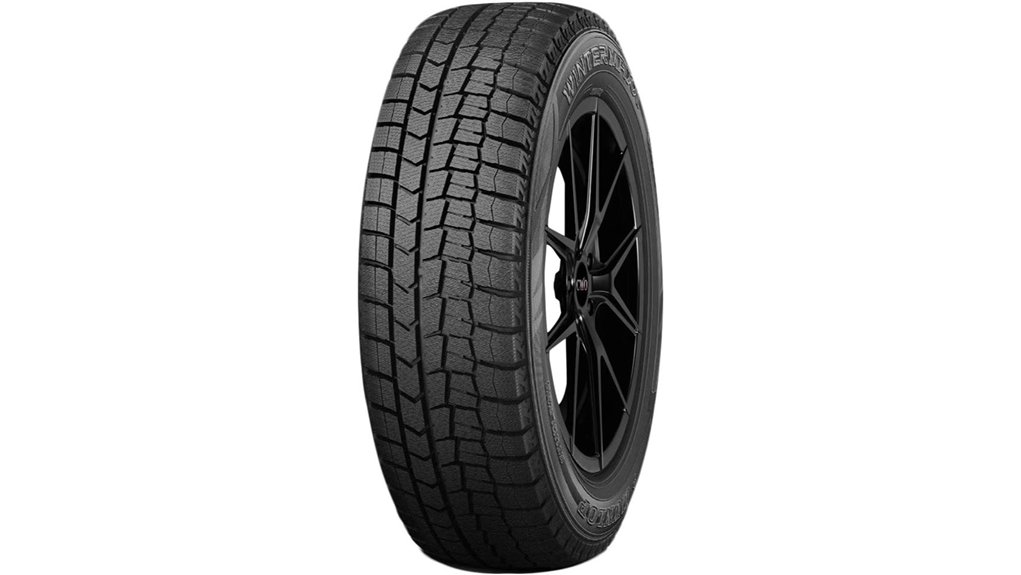
The Dunlop Winter Maxx 2 205/60R16 96T XL is a strong pick for drivers who need dependable winter traction without sacrificing everyday stability. Its MAXX Grip Pattern helps it bite into snow, while the Three Peak Mountain Snowflake certification confirms capability in severe winter conditions. Contact pressure distribution expands the footprint through turns, supporting steadier handling. Large water drainage grooves help clear slush and standing water, improving control in wet weather. Highly functional polymers are used to preserve performance over time, making this tire a practical option for cold-season commuting and mixed winter roads.
Best For: Drivers seeking a dependable winter tire for snow, slush, and wet-cold commuting who still want solid everyday stability and handling.
Pros:
- MAXX Grip Pattern provides strong traction in snow and winter conditions.
- Three Peak Mountain Snowflake certification indicates readiness for severe winter weather.
- Large water drainage grooves and contact pressure distribution improve wet-road control and turn stability.
Cons:
- Winter-focused tread may wear faster or feel less efficient in warm, dry conditions.
- Performance is optimized for cold-season driving, not year-round use.
- XL load rating may be unnecessary for drivers who do not need the extra capacity.
Continental VikingContact 7 Winter 235/40R18 95T XL Passenger Tire
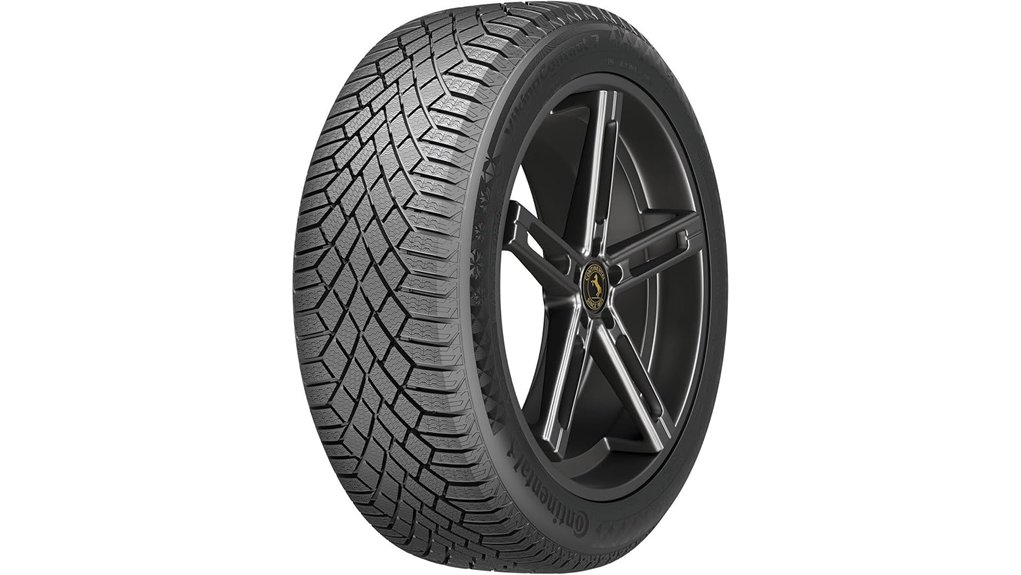
Built for drivers who need dependable winter traction, the Continental VikingContact 7 Winter tire stands out in severe snow. Sized at 235/40R18 with a 95T XL load rating, it carries the 3-Peak Mountain Snowflake certification for severe snow service. Its tread is designed to deliver strong grip, stable braking, and confident handling on icy or snow-covered roads. PolarPlus technology helps keep the rubber flexible in low temperatures, supporting shorter stopping distances. Continental also includes a 60-day trial and three years of roadside assistance, adding practical value to its winter-focused design.
Best For: Drivers who need dependable winter traction, strong snow and ice performance, and added peace of mind from a trial period and roadside assistance.
Pros:
- 3-Peak Mountain Snowflake certified for severe snow service
- PolarPlus technology helps maintain flexibility and grip in cold temperatures
- Includes a 60-day trial and 3 years of roadside assistance
Cons:
- Winter-focused performance may not be ideal for year-round use
- XL load rating may be more tire than some drivers need
- Premium winter technology can come with a higher price point
Dunlop Winter Maxx WM02 Performance 165/65R14 79T Light Truck Tire
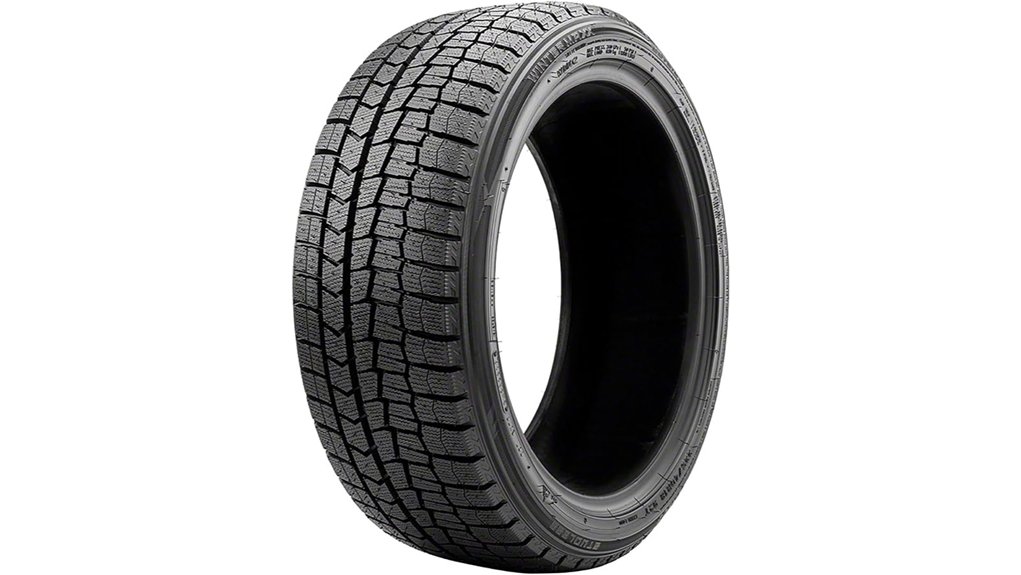
Dunlop’s Winter Maxx WM02 suits drivers seeking reliable winter grip in a compact 14-inch fit. This 165/65R14 radial tire carries a 79T rating, 963-pound load capacity, and universal fit for select sedans and CUVs. Its silica-enriched compound and functionalized polymers help maintain softness in severe cold, while interlocking 3D sipes add biting edges on snow and ice. Wide grooves and lateral notches move slush and water aside to reduce hydroplaning. An asymmetrical, low-noise tread supports calm winter commuting. A standard warranty and 30-day return option add practical reassurance.
Best For: Drivers of select sedans and CUVs who need a compact 14-inch winter tire with dependable snow, ice, and slush traction in harsh cold conditions.
Pros:
- Silica-enriched winter compound with functionalized polymers stays flexible in severe cold.
- 3D sipes, wide grooves, and lateral notches improve grip and help resist hydroplaning.
- Low-noise asymmetrical tread supports a quieter, more comfortable winter ride.
Cons:
- Limited to 14-inch fitment, so it won’t work for larger wheel sizes.
- Designed primarily for winter use, so performance may be less ideal in warmer seasons.
- Load capacity and speed rating may be insufficient for some heavier or higher-speed vehicles.
Bridgestone Blizzak DM-V2 Winter/Snow SUV Tire 225/70R16 103 S
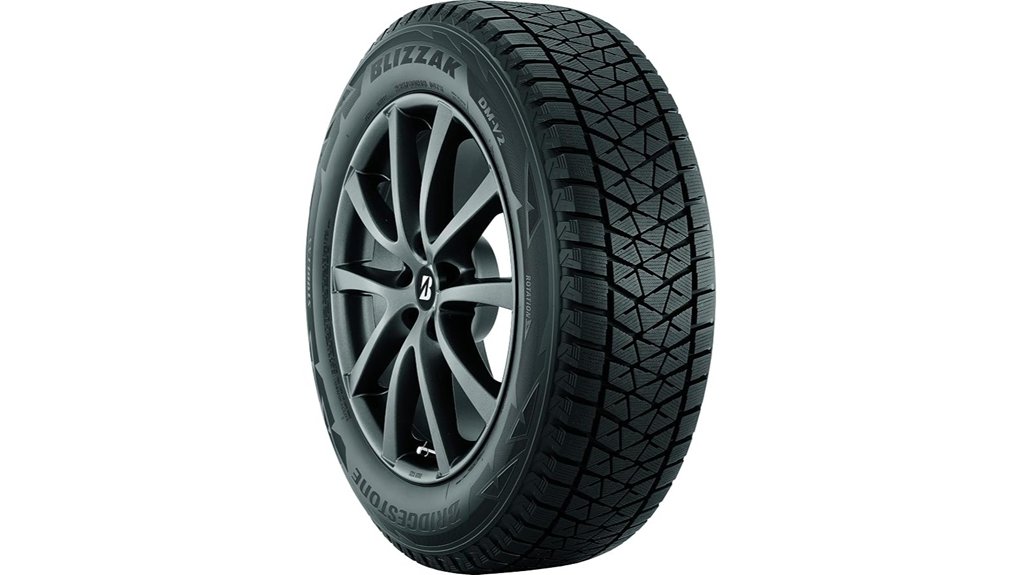
With its ice-biting Multicell compound, the Bridgestone Blizzak DM-V2 suits SUV drivers facing severe winter roads. The 225/70R16, 103S radial tire carries 1,929 pounds and uses a directional tread to support controlled winter performance. Enhanced bite particles improve traction on ice, while 15% more block edges aid grip on snow. Optimized ground contact helps maintain stability, and the hydrophilic coating removes water from the tread surface for stronger braking and handling. It fits many SUVs, CUVs, and light trucks, and includes Bridgestone’s Winter Tire Limited Warranty.
Best For: SUV, CUV, and light truck drivers who need a dedicated winter tire with strong ice and snow traction for severe cold-weather conditions.
Pros:
- Enhanced bite particles and Multicell compound improve traction on ice and snow.
- Directional tread, optimized ground contact, and 15% more block edges support stable winter handling.
- Backed by Bridgestone’s Winter Tire Limited Warranty and fits many vehicles with a universal fit.
Cons:
- Winter-only design makes it less suitable for warm-weather or year-round use.
- Speed rating of S limits it to lower maximum speeds than many all-season tires.
- May require seasonal tire changes and storage, adding time and cost.
Nokian Hakkapeliitta LT3 (Non-Studded) LT245/75R16 E/10PLY BSW
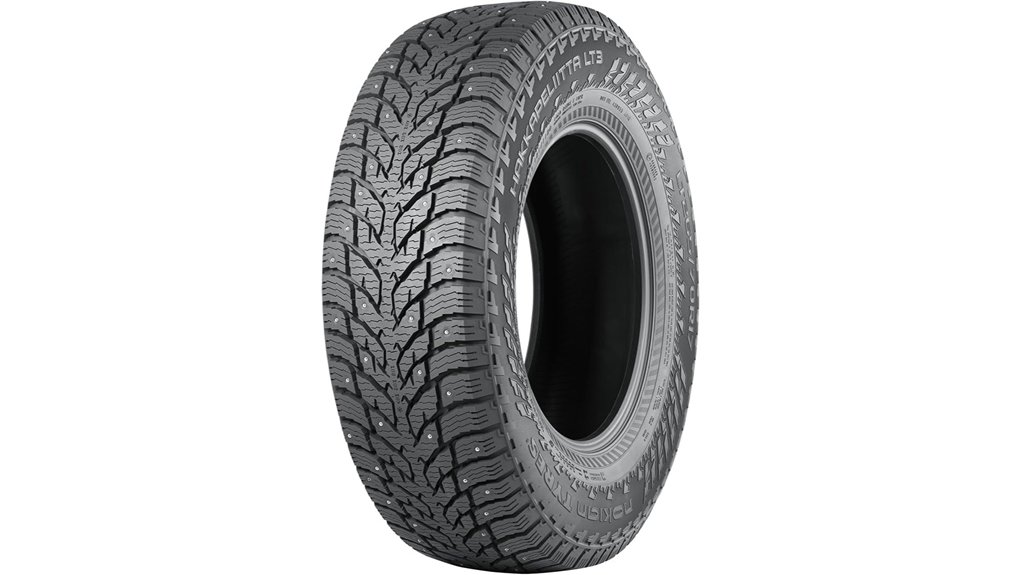
Nokian Hakkapeliitta LT3 suits drivers needing a tough, non-studded winter tire for heavy-duty trucks. Sized LT245/75R16, it uses a radial, universal-fit design with an asymmetrical tread for winter traction. The 10-ply construction, load index 120, and 3,086-pound capacity make it suitable for demanding use, while the Q speed rating reflects its winter-focused purpose. It measures 30.5 inches in diameter, weighs 41.9 pounds, and fits 16-inch rims. Nokian Tyres identifies it as model T260373, with OEM equivalent T430950. Warranty details are unspecified, though eligible purchases include a 30-day return guarantee.
Best For: Drivers of heavy-duty trucks and winter work vehicles who need a durable, non-studded tire with strong load capacity and reliable cold-weather traction.
Pros:
- 10-ply construction and a 3,086-pound load capacity support demanding truck use.
- Asymmetrical winter tread is designed for traction in harsh cold-weather conditions.
- Fits 16-inch rims and has a universal fit for broad compatibility.
Cons:
- Non-studded design may offer less grip on extreme ice than studded winter tires.
- Q speed rating is relatively low compared with all-season or performance tires.
- Warranty details are not specified.
Factors to Consider When Choosing Non Studded Winter Tires
When choosing non studded winter tires, snow traction and ice braking should be examined first, since both directly affect cold-weather control. Tread flexibility and water evacuation also matter, as they help the tire maintain grip and resist slush buildup. Load capacity should be checked as well to guarantee the tire matches the vehicle’s weight and intended use.
Snow Traction
Snow traction in non-studded winter tires depends on a few key design features that help maintain grip on packed snow and icy roads. Interlocking 3D sipes add many biting edges, giving the tread more purchase on snow-covered surfaces. Silica-enriched compounds also matter because they stay pliable in severe cold, preserving flexibility when temperatures drop. Large water drainage grooves help clear slush from the tread, which supports steadier control on winter roads. Contact patch design is equally important; a well-optimized footprint improves rubber-to-road contact and helps the tire work more effectively in snowy conditions. Tires carrying the Three Peak Mountain Snowflake symbol indicate tested winter capability, signaling dependable traction for drivers facing frequent snow and harsh seasonal driving demands.
Ice Braking
Ice traction matters just as much as snow grip when comparing non-studded winter tires, especially for drivers who face frequent stops on cold, slick roads. In ice braking, specialized tread compounds help a tire bite into polished surfaces more effectively than standard all-season rubber. Interlocking sipes add many small edges that improve grip during hard braking and shorten stopping distances. Certification such as the Three Peak Mountain Snowflake can signal that a tire has been tested for severe winter performance, including ice handling. Wide grooves also matter because they move water and slush away, preserving contact with the road. Silica-enriched compounds further support braking by maintaining low-temperature traction. Together, these features determine how confidently a tire stops on ice.
Tread Flexibility
Tread flexibility is one of the most important factors in non-studded winter tire performance because a pliable tread can conform to icy and snow-covered road irregularities, improving grip. In cold weather, a tire that stays supple can better maintain contact with the surface, which supports stronger braking and more stable handling. Silica-enriched tread compounds are especially valuable because they help preserve flexibility at low temperatures. A flexible design also creates more biting edges against snow and ice, increasing traction. This pliability can reduce stopping distances and improve safety when roads are slick. Some advanced winter tires further enhance flexibility with hydrophilic coatings, which help manage moisture while preserving grip in demanding conditions.
Water Evacuation
Effective water evacuation is a key factor in non-studded winter tire performance, especially on wet or slushy roads where hydroplaning can reduce traction and stability. Tires with large drainage grooves help move water away from the contact patch, improving grip on slick surfaces. Wide grooves and lateral notches add further channels for slush and water, supporting consistent winter performance. Contact pressure distribution also matters, since a more balanced footprint can enlarge the contact area and improve water management while cornering. Proper inflation remains essential; under-inflated tires can trap water, weaken traction, and accelerate wear. In selection, tread designs that prioritize rapid evacuation offer a practical advantage when winter roads alternate between packed snow, meltwater, and slush.
Load Capacity
Load capacity is another key factor when choosing non-studded winter tires, alongside tread features that help manage snow, slush, and water. It indicates the maximum weight a tire can safely carry, usually shown as a load index on the sidewall. A higher index, such as 120, supports heavier vehicles and cargo, which matters for trucks and SUVs. The tire’s load rating should match the vehicle’s weight so handling and braking remain dependable on winter roads. If a tire is overloaded, it can wear faster, lose traction, and fail more easily. For best results, the load capacity should be considered together with the vehicle’s intended use, ensuring safe performance in snowy conditions without sacrificing durability or control.
Tire Size Fit
Tire size fit is essential when choosing non-studded winter tires because the correct dimensions support safe handling, stability, and braking on slick roads. The tire code, such as 205/60R16, identifies width, aspect ratio, and rim diameter, and each element must match the vehicle’s specifications. When the size is correct, the tire preserves proper ground clearance and reduces the risk of rubbing against the body or suspension. An incorrect fit can compromise handling, increase wear, and weaken winter performance. The load index should also align with the vehicle’s required carrying capacity, since the tire must support the intended weight without stress. Proper sizing helps maintain traction and braking efficiency, both of which are especially important when winter roads limit grip.
Winter Certification
A Three Peak Mountain Snowflake certification is an important indicator when selecting non-studded winter tires, as it shows the tire has met testing standards for severe snow and ice conditions. This mark signifies that the tire has demonstrated reliable traction, stability, and control on snowy roads, making it appropriate for harsh winter climates. To earn the certification, tires must pass rigorous tests in cold weather, including temperatures below 7°C (45°F), where flexibility and grip are essential. The rating is often supported by specialized tread designs and winter-focused rubber compounds that improve performance in difficult conditions. For drivers, the certification provides confidence that the tire meets recognized winter safety and performance standards, helping guide a practical choice for seasonal driving.
Tread Durability
Tread durability plays a key role in winter tire performance, since it affects both safety and long-term reliability on snow and ice. In non-studded winter tires, durability depends on rubber compounds that stay flexible in deep cold and resist cracking. High-quality polymers and advanced tread formulations help preserve grip while slowing wear. Interlocking sipes improve biting edges, and optimized contact patch designs spread pressure more evenly, extending usable tread life. Deeper tread depth also aids water drainage, lowering hydroplaning risk and helping the tire last longer in slush and wet snow. Proper inflation and wheel alignment further protect tread integrity, allowing the tire to maintain traction throughout the season.
Frequently Asked Questions
How Do Non-Studded Winter Tires Perform on Icy Roads?
Non-studded winter tires perform better on icy roads than all-season tires, thanks to softer compounds and siping, but they still provide less grip than studded tires. Careful driving remains important, especially on glare ice.
Can I Use Winter Tires Year-Round?
No, winter tires should not be used year-round. Their softer rubber wears quickly in warm weather, reducing handling, fuel efficiency, and safety. They are best reserved for cold-season driving conditions only.
How Much Tread Depth Is Ideal for Winter Tires?
For winter tires, about 8/32 to 10/32 inch tread depth is ideal. It balances snow traction, grip, and wear. Below 6/32 inch, performance declines noticeably, especially in slush, ice, and deep snow.
Do Non-Studded Tires Affect Fuel Economy?
Yes, non-studded tires can slightly reduce fuel economy because their softer rubber and deeper tread increase rolling resistance. Still, the effect is usually modest, and safety in winter conditions often outweighs the small mileage trade-off.
When Should I Replace My Winter Tires?
Winter tires should be replaced when tread reaches 6/32 inch, sidewalls crack, or performance declines. They should not be used beyond six years, even if wear seems minor, because rubber hardens and grip drops.
Conclusion
These five non-studded winter tires form a dependable shield against harsh roads, each tuned for different vehicles and driving needs. From the icy precision of the Continental VikingContact 7 to the rugged strength of the Nokian Hakkapeliitta LT3, they offer grip without the noise of studs. Choosing the right one is like selecting the right winter coat: the best fit keeps you safe, comfortable, and ready for whatever the season brings.