

You drive in conditions where traction can change by the mile, so choosing the right winter tire matters for your safety and confidence. The right tire shortens stopping distances on ice and packed snow, improves steering control, and reduces the chance of getting stranded in low temperatures.
This guide points you to tires that balance ice grip, load capacity, and value so you can pick the best match for your truck and winter routes.
Top Picks
|
Category |
Product |
Score |
|---|---|---|
|
🏆 Best Ice Traction |
94/100 |
|
|
💰 Best Value Winter Tire |
83/100 |
|
|
🚚 Best For Heavy Loads |
88/100 |
How We Picked These Tires
You need clear priorities when shopping for winter truck tires, so we focused first on traction in low temperatures. That means evaluating rubber compound, siping density, and tread pattern for braking and lateral grip on ice and packed snow. Stopping distance and control are nonnegotiable because they directly affect your safety.
We also considered load index and ply rating so the tire you choose can support your truck, trailer, or payload without compromising performance. Durability, tread life, and resistance to hydroplaning were next, since you want tires that hold up through a winter season of mixed conditions.
Finally, we weighed noise, ride comfort, price, and availability in common truck sizes, and cross-checked manufacturer specs with owner feedback and test data so you can make a confident, practical choice.
Blizzak DM-V2
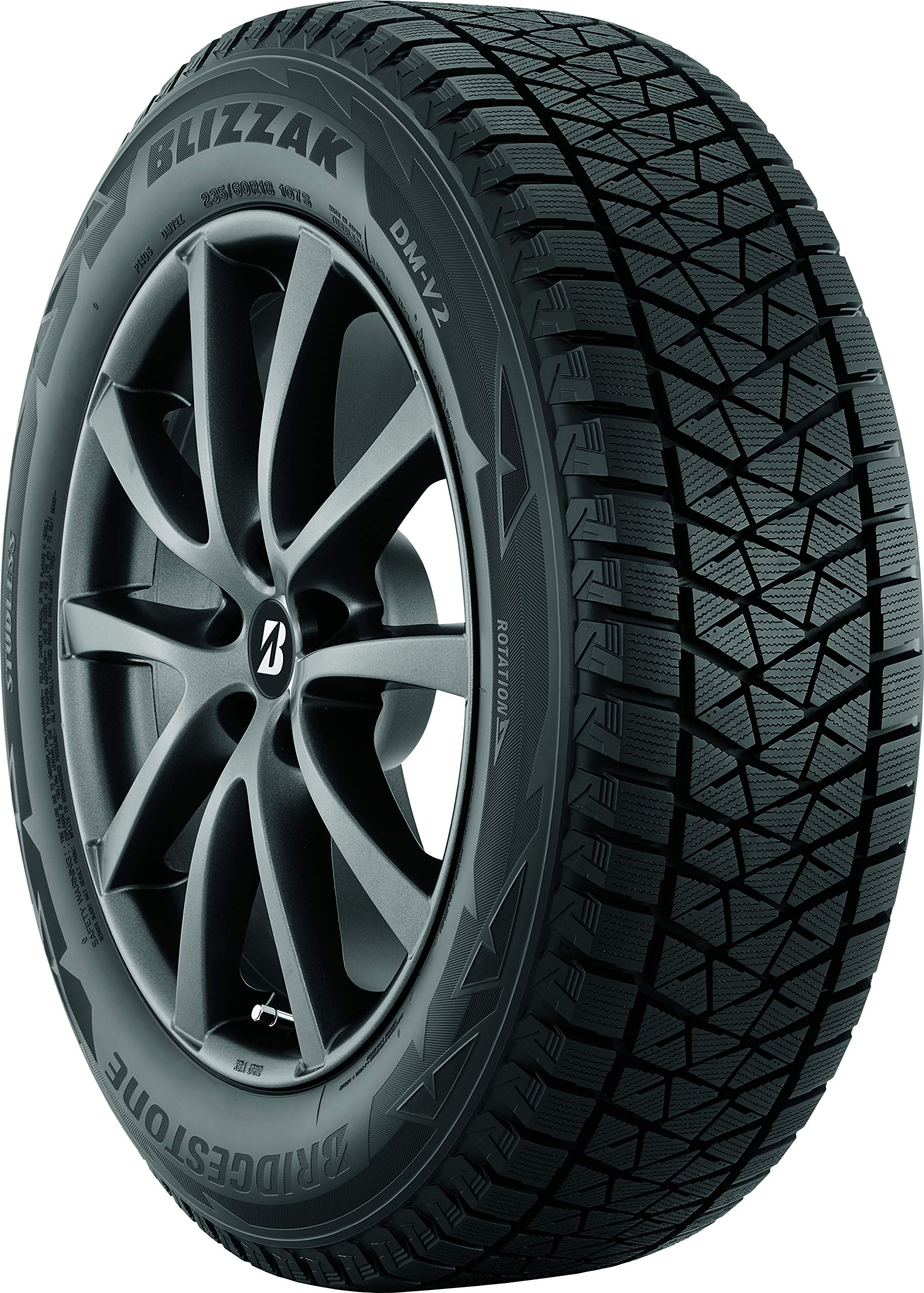
You want a winter tire that makes cold, icy drives feel less risky and more predictable. The Blizzak DM-V2 is built around a soft cold-weather compound and a directional tread pattern that bite into snow and improve braking on ice.
For everyday commuting in wintry suburbs or longer trips through mountain passes, it gives you more confidence in steering and stopping. It’s aimed at SUV and light-truck owners who prioritize winter traction and predictable handling over year-round versatility. If you focus on safety in low temperatures and want a tire that performs when roads turn treacherous, this is a dependable choice.
What People Say
Customers commonly praise how the Blizzak DM-V2 shortens stopping distances on icy roads and keeps steering predictable in packed snow. Many note the tire’s confident grip in cold conditions and that it gives a feeling of control when temperatures drop. A few mention it’s heavier than passenger tires and that tread life depends on driving style.
Overall Sentiment: Positive

|
Pros |
Cons |
|---|---|
|
✅ Excellent ice traction and braking performance |
❌ Not intended for warm-weather use |
|
✅ Directional tread channels slush and water effectively |
❌ Tread life can be shorter if driven aggressively |
|
✅ Designed to fit many SUVs, CUVs and light trucks |
❌ No manufacturer warranty listed |
|
✅ Delivers a composed ride in winter conditions |
Long-Term Cost Benefits
You’ll likely save on accident-related repairs and reduce downtime with tires that stop sooner on ice. Proper winter traction also cuts the chance of getting stuck, which can save you time and the cost of roadside assistance during severe weather.
Return On Investment
Think of ROI as reduced risk and fewer emergency expenses rather than immediate savings. If you drive in frequent winter conditions, the value comes from lower likelihood of crash damage and less time lost to weather-related delays.
Seasonal Benefits
In cold months the Blizzak compound stays flexible to maintain grip, and the tread design helps shed slush and surface water. You should switch them off for the warm season to avoid accelerated wear and maintain their winter performance.
Situational Benefits
|
Situation |
How It Helps |
|---|---|
|
Daily Commuting in Snow |
Provides confidence on morning commutes with improved braking and predictable steering on packed and icy neighborhood roads. |
|
Mountain Roads and Passes |
Directional tread and cold-weather compound maintain grip on steep, twisty routes where traction changes quickly. |
|
Light Truck Loads |
Designed for SUVs and light trucks so it handles modest payloads while preserving winter grip and stability. |
Safety Features
The tire combines a soft winter compound with dense siping and a directional tread to maximize contact and bite into ice and packed snow, which helps reduce stopping distances and improve lateral control.
Durability
Construction is radial with a 2-ply build and a relatively deep tread, so you can expect durable performance across a winter season if you rotate and store them properly. Aggressive driving and using them in warm weather will shorten life.
Problem Solving
This tire addresses the main winter problems you face: sliding on ice, poor braking on packed snow, and slush-related loss of traction. Its design focuses on predictable handling rather than year-round versatility.
Use
These are outdoor vehicle tires meant solely for winter driving. When not in use, store them indoors in a cool, dry place to preserve the compound and extend service life.
Key Benefits
- Strong ice and packed-snow braking
- Directional tread for controlled handling
- Engineered for SUVs and light trucks
- Improved wet slush evacuation
Rating: 4.5 (total: 60+)
Winter Maxx SJ8

You want a winter tire that feels capable without being fussy to live with. The Winter Maxx SJ8 uses a Nano-Fit compound to stay flexible in cold temperatures while the Maxx Sharp Edge siping and open grooves boost grip on ice and help channel slush away.
It’s a solid pick for daily commuting, school runs, and weekend drives in snowy regions where wet slush and thin ice are the main hazards. If you drive a CUV or SUV and want reliable winter traction with a practical, no-surprises setup, this tire is worth considering.
What People Say
People commonly highlight the Winter Maxx SJ8’s confident grip on icy patches and its ability to handle slushy roads without feeling disconnected. Many appreciate the balance of flexibility and firmness from the Nano-Fit compound and note that the tread design helps reduce the risk of hydroplaning.
A few users mention that tread life and noise vary with driving style.
Overall Sentiment: Positive

|
Pros |
Cons |
|---|---|
|
✅ Good traction on ice and slush |
❌ Not ideal for warm-weather use |
|
✅ Compound maintains flexibility in cold |
❌ Some drivers report quicker wear with aggressive driving |
|
✅ Effective water evacuation to reduce hydroplaning |
❌ May produce more road noise than all-season tires |
|
✅ Specifically tuned for CUVs and SUVs |
Long-Term Cost Benefits
By reducing the chance of slips and minor incidents in winter you can avoid repair bills and downtime that come from winter-related mishaps. Proper rotation and seasonal mounting also help maximize the tire’s useful life.
Return On Investment
Your practical ROI comes from fewer weather-related delays and lower likelihood of damage during winter trips. If you drive regularly in cold, the safety benefits translate into fewer unexpected expenses and less hassle.
Seasonal Benefits
The Nano-Fit compound keeps the tread pliable in low temperatures for consistent contact and grip, while the siping pattern helps maintain traction on packed snow and ice. Remove them in warm months to preserve performance and tread life.
Situational Benefits
|
Situation |
How It Helps |
|---|---|
|
Daily Commuting |
Improves confidence on morning drives over salted streets and compacted snow with predictable braking and steering response. |
|
Wet Slush Conditions |
Grooves and tread channels shed slush and standing water to reduce hydroplaning risk during thaw cycles. |
|
SUV Light Loads |
Built for CUVs and SUVs so it maintains traction and handling when you’re carrying passengers and everyday cargo. |
Safety Features
Nano-Fit rubber stays flexible in the cold to preserve tread contact, while dense Maxx Sharp Edge siping increases biting edges for ice traction and the groove design channels water and slush away from the contact patch.
Durability
With a 4-ply construction and relatively deep tread, it offers reasonable durability for a winter-focused tire when used seasonally and rotated regularly. Using it in warm weather or driving aggressively will accelerate wear.
Problem Solving
The Winter Maxx SJ8 tackles the main winter driving headaches you face: reduced grip on ice, slush-related loss of traction, and hydroplaning on wet winter roads. It focuses on maintaining contact and bite rather than year-round versatility.
Use
This is an outdoor vehicle tire meant for seasonal winter use. Store it indoors in a cool, dry area between seasons to protect the compound and extend service life.
Key Benefits
- Flexible cold-weather compound
- Sharp-edge siping for bite on ice
- Grooves that drain water and slush
- Designed for CUVs and SUVs
Rating: 4.1 (total: 15+)
Winterforce CV
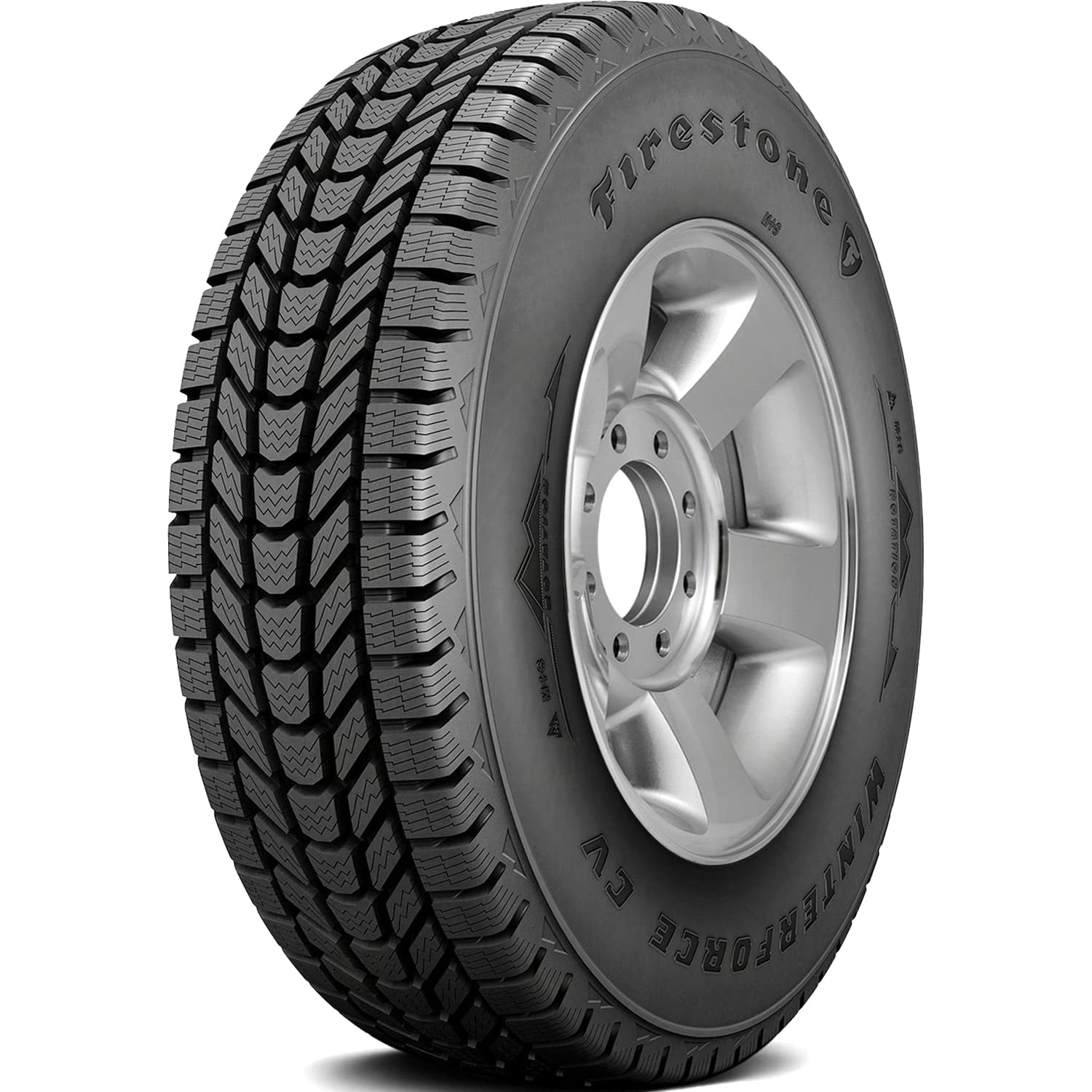
You need a winter tire that works when you’re hauling gear or running a route, and the Winterforce CV is tuned for that kind of job. It pairs a high load index and a robust 10-ply design with an asymmetrical tread that manages wet slush and packed snow while keeping noise down.
Use it for commercial vans, work trucks, and any light truck that carries regular payloads; it’s meant to stay composed under load and keep you moving on winter roads. If your priority is durability and predictable traction when the temperature drops, this tire is a practical, no-nonsense option.
What People Say
Buyers often note the Winterforce CV’s confidence under load and appreciate how it handles wet winter roads without sounding harsh. Many point to the tire’s durability and stability when carrying cargo, and several mention the surprisingly quiet ride for a commercial-grade winter tire. A handful of users note that availability and fit can vary by size.
Overall Sentiment: Positive

|
Pros |
Cons |
|---|---|
|
✅ High load index suitable for vans and commercial trucks |
❌ Not intended for warm-weather driving |
|
✅ Designed to resist hydroplaning in wet winter conditions |
❌ No manufacturer warranty listed |
|
✅ Built for durability with a 10-ply construction |
❌ Heavier construction can affect fuel economy slightly |
|
✅ Relatively quiet for a light-truck winter tire |
Long-Term Cost Benefits
The robust construction helps reduce downtime and repair costs tied to load-related tire failures, and fewer replacements under heavy use can offset the initial investment over the life of the tire.
Return On Investment
Your ROI comes from reliability on routes and fewer service interruptions. For commercial use, predictable wear and fewer weather-related incidents translate into lower operational costs and less schedule disruption.
Seasonal Benefits
In winter months the tread and compound maintain traction on slush and packed snow while resisting hydroplaning. Take them off for warm-season driving to preserve tread life and performance.
Situational Benefits
|
Situation |
How It Helps |
|---|---|
|
Commercial Routes |
Handles heavy loads and repeated stops while maintaining traction and stability on wet winter roads. |
|
Delivery Vans |
Provides consistent grip and a quieter ride when you’re carrying cargo and making frequent runs. |
|
Snowy Highways |
Asymmetrical tread design helps channel slush and water, reducing the risk of hydroplaning at highway speeds. |
Safety Features
A high load index, asymmetrical tread pattern, and substantial ply rating combine to keep contact consistent under load and improve wet and slush traction, which helps shorten stopping distances and preserve steering control.
Durability
The 10-ply construction and heavier build are engineered for extended service under load, so the tire resists damage from frequent hauling. Seasonal use and proper rotation will help maximize lifespan.
Problem Solving
This tire tackles common commercial winter issues: loss of traction with payloads, hydroplaning in slushy conditions, and the need for a stable, quieter ride while carrying cargo.
Use
These are outdoor vehicle tires intended for winter use on trucks and vans. Store them indoors in a cool, dry place when off-season to maintain the rubber compound.
Key Benefits
- High load capacity for heavy payloads
- Asymmetrical tread for wet and slushy traction
- 10-ply construction for durability under load
- Quieter ride compared with some LT winter tires
Rating: 4.5 (total: 9+)
FAQ
Do I Need Winter Tires?
If you regularly drive when temperatures fall below 7°C (45°F) or you face snow, ice, or persistent slush, winter tires materially improve braking and control compared with all-season rubber. You’ll notice shorter stopping distances and better steering response in cold conditions because winter tires use a softer compound and denser siping to maintain grip.
If your routes include steep grades, unplowed roads, or you carry loads, choosing a tire rated for trucks and SUVs gives you an extra margin of safety.
How Do I Choose Size And Load Rating?
Start by matching the tire size and specifications on your vehicle placard or owner’s manual; never downsize to a lower load index. The load index and load range tell you how much weight the tire can safely carry, so pick a rating equal to or higher than the OEM spec when you haul or tow. Pay attention to rim width compatibility and speed rating, and when in doubt consult a trusted tire fitter who can confirm fitment and recommend a tire that balances traction, load capacity, and handling for your truck.
How Should I Maintain Winter Tires?
Check air pressure weekly when temperatures swing colder because pressure drops as the air cools, and low pressure reduces grip and accelerates wear. Inspect tread depth before the season and during use; winter tires need sufficient depth and intact siping to perform on ice and packed snow. Rotate tires at regular intervals, have mounts and dismounts handled by pros, and store off-season in a cool, dry place away from sunlight to preserve the compound.
Avoid driving winter tires in warm weather, which will speed wear and reduce their effectiveness next winter.
Customer Preferences
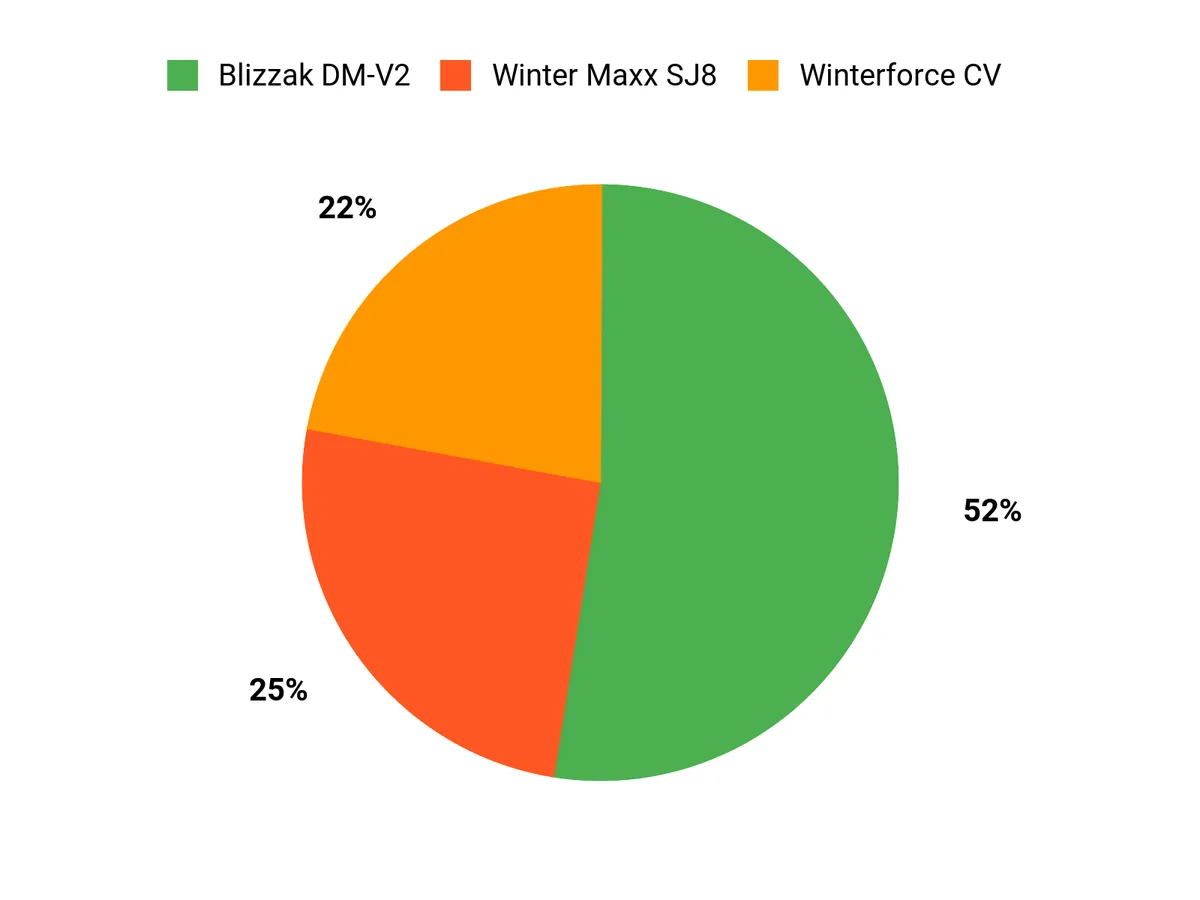
When choosing among the Blizzak DM‑V2, Winter Maxx SJ8 and Winterforce CV, you typically prioritize ice and packed-snow traction, load capacity for your truck, and overall value for seasonal use. You’ll lean toward the Blizzak for the strongest ice braking and control, choose the Winter Maxx for dependable everyday winter performance, and pick the Winterforce CV when durability and high load ratings matter for commercial or heavy-duty needs.
Wrapping Up
You want winter tires that deliver predictable performance when conditions worsen, and each pick targets a common need. The Bridgestone Blizzak DM-V2 prioritizes ice traction and short stopping distances, making it a strong choice if you regularly encounter glazed roads. The Dunlop Winter Maxx delivers solid winter capability at a lower price, which suits drivers who want competent traction without a high upfront cost.
The Firestone Winterforce CV is built for heavier loads and commercial use, giving you higher load capacity and durability for vans and light trucks that carry weight. Match your typical roads, payload, and budget to these strengths and you will get a tire that improves safety and reduces winter driving stress.
| Bridgestone Blizzak DM-V2 Winter/Snow SUV Tire 225/65R17 102 S | Dunlop Winter Maxx SJ8 225/60R17 99R | Firestone Winterforce CV Winter/Snow Commercial Light Truck Tire 235/65R16C 121 R E | |
|---|---|---|---|
|
|
|
|
|
| Rating | 4.5/5 (60 reviews) | 4.1/5 (15 reviews) | 4.5/5 (9 reviews) |
| Tire Size | 225/65R17 | 225/60R17 | 235/65R16C |
| Load Index | 102 | 99 | 121 |
| Max Load Capacity | 1874 pounds | 16 ounces | 3197 pounds |
| Shop Now | Shop Now | Shop Now |
This Roundup is reader-supported. When you click through links we may earn a referral commission on qualifying purchases.

